From reggaeton to AI: Music executive Kennedy Mensah warns Jamaica not to lose its music twice
Key Points(5)
- In an exclusive sit-down with Mensah at Pot of Gold Recording Studios in Kingston, the man they call Mr.
- President said the issue is about ownership, recognition and ensuring that creators receive their fair share of the pie for work they have done.
- And for Jamaica — a small island whose musical fingerprints can be heard across popular music worldwide — Mensah believes there are lessons from the past that should not be ignored as the industry races into the age of AI.
- “We're in a flux, a big flux,” Mensah said while discussing AI and the future of music.
- “We don't know how this thing is going to go,” he said.
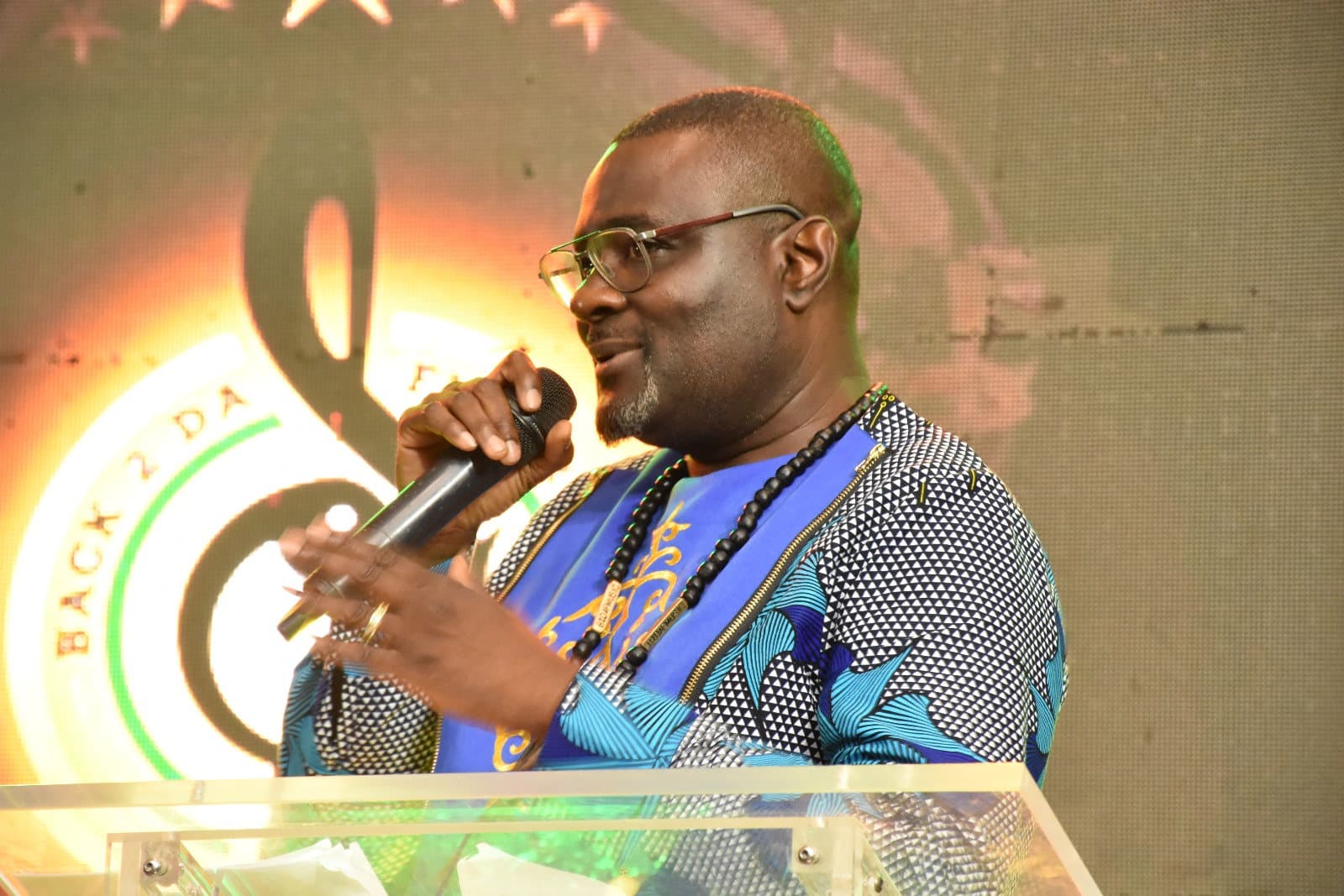
Artificial intelligence (AI) may represent the biggest technological advancement to hit the global music industry since streaming, but for UK-based Kennedy Mensah, founder and managing director of Back 2 Da Future Music Limited and the Excellence in Music Ceremony, recently held at the Courtleigh Auditorium in Kingston, Jamaica, the conversation is about much more than advances in technology.
In an exclusive sit-down with Mensah at Pot of Gold Recording Studios in Kingston, the man they call Mr. President said the issue is about ownership, recognition and ensuring that creators receive their fair share of the pie for work they have done. And for Jamaica — a small island whose musical fingerprints can be heard across popular music worldwide — Mensah believes there are lessons from the past that should not be ignored as the industry races into the age of AI.
“We're in a flux, a big flux,” Mensah said while discussing AI and the future of music.
“We don't know how this thing is going to go,” he said.
What is clear, he acknowledged, is that AI has entered the recording studio, with artists, producers, audio engineers and other industry players using the technology and quickly changing the musical landscape.
“All we know is that right now, as we sit here, there are people utilizing artificial intelligence to enhance their recordings, their vocals, their engineering, everything,” he said.
Mensah is careful not to pretend that anyone knows exactly where the technology will lead.
“I can't give you a definitive answer about AI — it's very early days,” he said.
But something important is already happening behind the scenes.
“Where we are now is that the majors are licensing some of the AI companies, and some of the independent publishers, bigger independent publishers, are also licensing these companies.”
For Mensah, there is a familiar ring to what is unfolding.
“This is exactly what happened when Spotify became a thing,” he explained. “They had to start licensing with the recording companies.”
And that brings him to perhaps the most important part of the discussion. For Jamaica's music industry, that “piece of the pie” could prove particularly important.
Reggae and dancehall have repeatedly influenced music far beyond Jamaica's shores. Mensah points to reggaeton and the recent legal turning point involving a U.S. federal judge's dismissal of core copyright claims brought by legendary Jamaican dancehall production duo Steely & Clevie in a lawsuit that had threatened nearly 2,000 reggaeton songs by more than 150 artists, including global stars Bad Bunny, Karol G and Daddy Yankee, as one of the clearest examples of why questions about musical origins, ownership and recognition matter.
His position is unapologetic.
“I'm perplexed because we saw it happening in real time,” he said.
He remembers Spanish-speaking performers adapting Jamaican records for their audiences.
“You had a couple of Spanish-speaking artists who were basically doing translations of the big hits of the day,” Mensah recalled.
Among the Jamaican music being adapted, he said, were songs associated with Barrington Levy and, most significantly, Shabba Ranks.
“One of them did a version of ‘Dembow’ — Shabba Ranks, ‘Dembow’ — and that was the basis of the whole genre,” Mensah said.
That history becomes even more intriguing when the word “Dembow” enters the modern conversation.
“They call it Dembow... Come on now,” he said.
For Mensah, the name itself brings the argument full circle.
“Dembow — well, that's the name of Shabba's song.”
He continued, “You call it Dembow because the original song that you used to create the genre was Dembow.”
Mensah goes further, accusing some in the wider industry of relying on distinctions that, in his view, minimize Jamaica's contribution.
“They're trying to use technicalities to wriggle their way out of giving the credit where the credit is due,” he said.
It is a forceful assertion — and one that raises a larger question as music enters the AI era.
Could Jamaica find itself fighting another version of the same battle?
The circumstances are different. Reggaeton emerged through decades of cultural exchange, reinterpretation and musical evolution, while generative AI introduces new questions involving datasets, synthetic voices, licensing and machine-generated recordings.
But Mensah's broader concern connects the two worlds: When music evolves through new technology or into new genres, who gets recognized and who gets paid?
His frustration over Jamaican music being repackaged internationally is evident. Discussing another period when Jamaican-influenced sounds were being described by terms such as “Tropical House” to label songs such as Justin Bieber's “Sorry” and Ed Sheeran's “Shape of You,” Mensah's reaction was straightforward.
“Give us the credit,” he demanded.
That statement could just as easily become a warning for the AI generation.
If Jamaican recordings, voices, rhythms or other creative works become ingredients in tomorrow's AI-driven music industry, the question will not simply be whether the technology is impressive. It will be whether the creators whose work helped make those new sounds possible are properly recognized, licensed and compensated.
Mensah's comparison with Spotify offers at least one reason for cautious optimism. Licensing structures eventually became central to streaming, and he said similar negotiations are already developing around AI.
But Jamaica's experience with the globalization of its music provides another lesson: Recognition can become considerably more complicated once a sound travels, evolves and becomes commercially successful somewhere else.
Reggaeton today is a global musical force with its own artists, cultures and history. Mensah's argument does not erase that evolution. Instead, it raises a question about whether Jamaica's role in the genre's formative story has received sufficient acknowledgment.
And now AI could make questions about musical lineage infinitely more complicated. Artificial intelligence potentially adds something different: technology capable of analyzing enormous amounts of existing creative material and producing something that sounds new. That makes Mensah's words particularly timely.
“We're in a flux, a big flux.”
Nobody yet knows exactly where that flux will take the music industry. But Mensah appears certain about one principle: Creators must have a stake in what comes next.
Because if Jamaican music helped provide some of the building blocks for sounds that conquered the world, the arrival of artificial intelligence presents a new challenge.
Will Jamaica simply influence the next musical revolution — or will its creators be properly credited and compensated for helping to build it?
From Dembow to reggaeton to AI, that may become one of the defining questions facing reggae and dancehall music.