Florida board votes to bar undocumented students from state colleges and GED programs
Key Points(5)
- Florida’s Board of Education voted to ban undocumented students from attending public colleges.
- The decision drew pushback from elected officials and the public at a board meeting Tuesday.
- The rules would take effect during the 2027-28 school year.
- The rules would limit enrollment to adult general education programs, including GEDs, and admission to Florida College System institutions to those who are “lawfully present” in the U.S.
- Michelle Harley, a Volusia County teacher, spoke against the rules during public comment.
Florida’s Board of Education has voted to prohibit undocumented students from enrolling in the state’s public college system and most adult education programs, marking a major shift in admissions policy that could affect thousands of students annually.
The board on Tuesday approved two regulatory proposals requiring students to prove they are U.S. citizens or “lawfully present” in the country before being admitted to Florida College System institutions or participating in GED preparation programs.
The measures, listed as rules 6A-10.0240 and 6A-6.014, apply to Florida’s 28 public colleges and 67 school district adult education programs, including English for Speakers of Other Languages (ESOL) courses and dual enrollment offerings. The rules are scheduled to take effect during the 2027–28 academic year and will not impact students already enrolled.
Officials estimate that roughly 8,000 undocumented students graduate from Florida high schools each year and could now face limited or no access to public post-secondary education under the new requirements.
Under the policy, colleges must require applicants to attest to their citizenship or legal immigration status and provide documentation prior to enrollment. Adult education providers will also be required to verify eligibility for participation in GED and related programs.
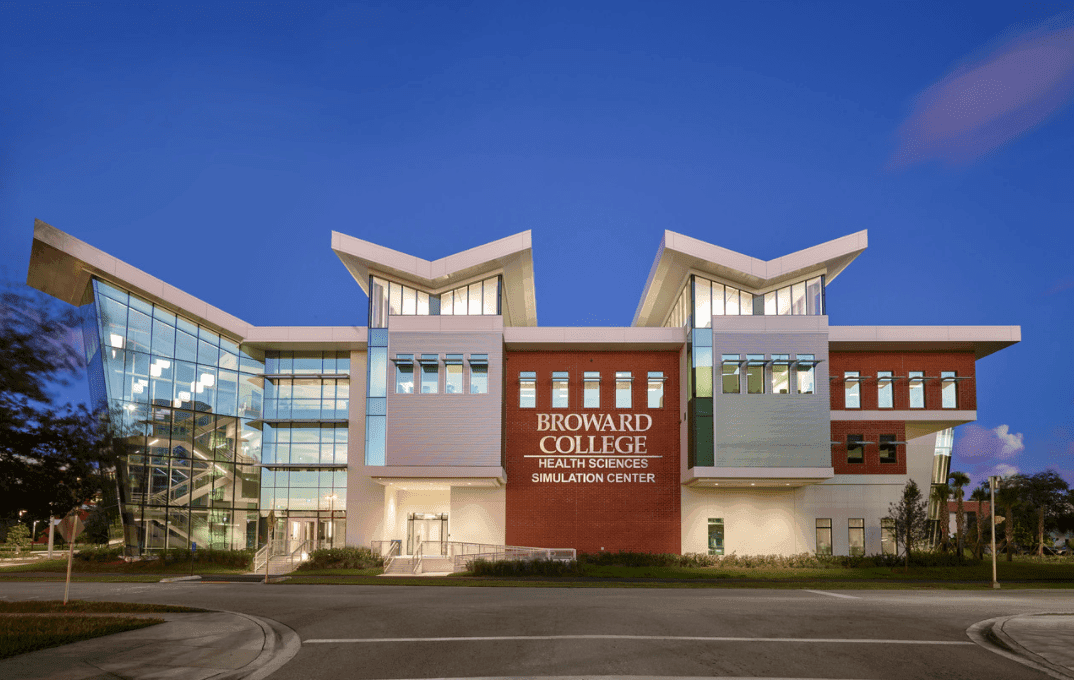
For decades, Florida’s college system has operated under an open-access admissions model, allowing high school graduates to pursue affordable higher education at institutions such as Miami Dade College, Broward College, Palm Beach State College, and Indian River State College. That approach is now set to change.
The rules do not extend to Florida’s public universities, which fall under the State University System Board of Governors. That body is currently considering a separate proposal that could impose similar restrictions on university admissions.
The decision drew criticism from some board members and members of the public during Tuesday’s meeting. The sole dissenting vote came from board member Daniel Foganholi, a first-generation American born to Brazilian immigrant parents.
Opponents of the measure argue it could sharply reduce educational opportunities for students who have lived most of their lives in Florida.
“I started my college journey at a Florida state college because it was the only path I could afford,” said Alexander V., a student at the University of Central Florida. “As a Dreamer who grew up in this beautiful state, I was excluded from any government-funded scholarships and financial aid… But simply having an opportunity changed the course of my life.”
He added that the new restrictions could shut out students who have long considered Florida home.
Carline, a student rights advocate who previously lost in-state tuition access under earlier policy changes, warned the new rule could force students to abandon their education plans altogether.
“Students will have no choice but to drop out, consider expensive private universities, or move out of Florida altogether,” she said. “No student should watch years of hard work go to waste.”
The policy change comes as many undocumented students in Florida have traditionally relied on state colleges as an affordable entry point into higher education due to lower tuition costs and more flexible admissions requirements.
While the rules are not expected to immediately disrupt current students, education advocates say the long-term impact could reshape access to higher education across the state.