Dengue surges globally, prompting US health alerts
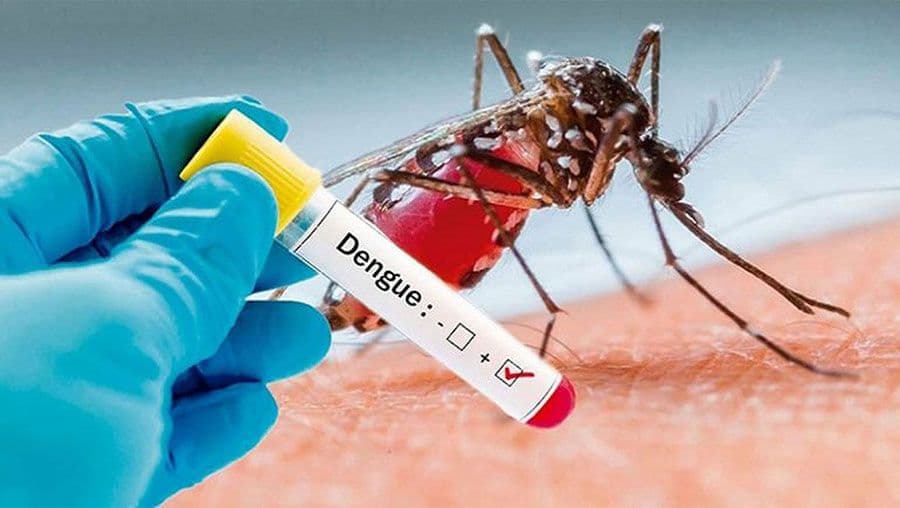
U.S. health officials issued a stark warning on Tuesday amid a global surge in dengue fever cases, urging heightened vigilance among doctors as the disease reaches unprecedented levels worldwide.
International records broken amid climate change
Countries across the Americas have shattered annual dengue case records in just six months, fueled in part by shifting climate patterns.
The World Health Organization declared a public health emergency in December, while Puerto Rico followed suit in March.
U.S. impact and CDC advisory
Although less prevalent in mainland United States, reported cases have tripled compared to last year, predominantly stemming from infections contracted abroad by travelers.
Officials underscore the absence of a current outbreak but caution against the local mosquito population’s potential threat.
In a health alert this Tuesday, the Centers for Disease Control and Prevention (CDC) urged physicians to familiarize themselves with dengue symptoms, inquire about recent travel history, and consider diagnostic testing when warranted.
Understanding dengue fever
Dengue fever is caused by a virus transmitted through mosquitoes thriving in warmer climates influenced by climate change.
While many infections are asymptomatic, symptoms can include headaches, fever, and flu-like conditions.
Severe cases may lead to hemorrhage, shock, and fatalities, particularly concerning instances of repeated infections.
Challenges in vaccination and treatment
Currently, no widely available treatment exists for dengue infections, and vaccination efforts have encountered obstacles.
A Sanofi-produced vaccine, recommended in 2021, targets all four dengue virus types but is restricted to children aged 9 to 16 with prior laboratory evidence of infection and residing in endemic areas like Puerto Rico.
Despite limited usage and production cessation, alternative vaccines are under development, including one by Tokyo-based Takeda.
Global scale and regional concerns
Globally, last year saw over 6.6 million reported dengue infections across 80 countries, with 7.9 million cases and 4,000 deaths in the first four months of this year alone, per the World Health Organization.
Particularly acute in the Americas, including Brazil and Peru, the impact contrasts with the more contained scenario in the continental U.S., which recorded approximately 3,000 cases last year, primarily from travelers.
Localized outbreaks and future implications
The recent uptick in locally acquired cases within the U.S., predominantly in Puerto Rico, underscores the disease’s potential disruption to travel and tourism, according to experts like Dr. Lulu Bravo of the University of the Philippines Manila.