Culture, Currency, and Caricom: Former CBB governor speaks on the Caribbean's evolving unity
Key Points(5)
- <span style="font-weight: 400;">Over the past half-century, the Caribbean region has undergone undeniable integration, diverging significantly from what was envisioned by Caribbean Community (Caricom) leaders.
- </span> <span style="font-weight: 400;">Migration patterns have further fortified this integration, forging familial and friendship links throughout the region, especially in major North American and UK cities.
- For many, cities like Miami, New York, or Toronto evoke the strongest sense of Caribbean identity.</span> <h2><b>Organic vs.
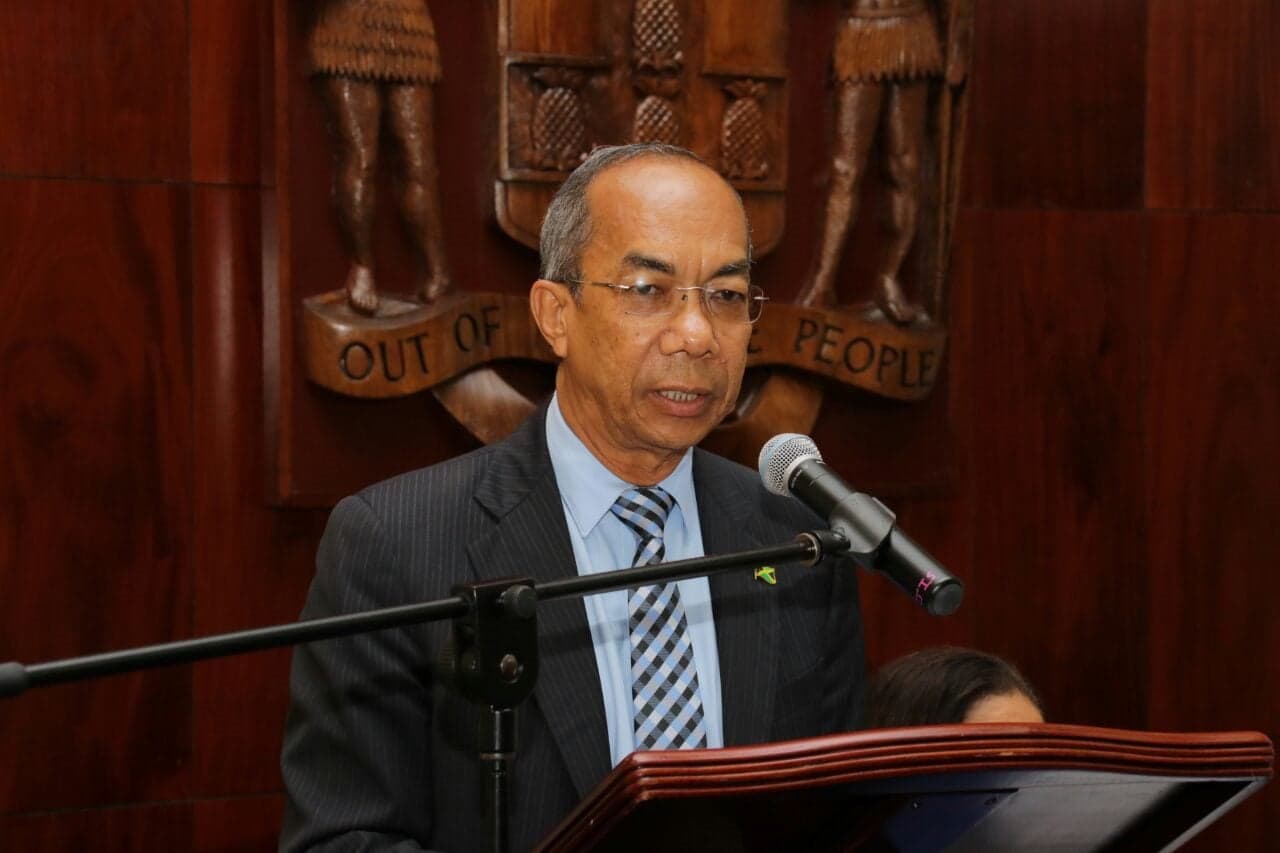
- structured integration</b></h2> <span style="font-weight: 400;">Writing in his </span><i><span style="font-weight: 400;">Economic Letter for August, </span></i><span style="font-weight: 400;">Dr.
- DeLisle Worrell, former governor of the Barbados Central Bank (CBB), posits that while this organic growth has benefited the region’s inhabitants, it diverges from the anticipated pattern of regional amalgamation.
Over the past half-century, the Caribbean region has undergone undeniable integration, diverging significantly from what was envisioned by Caribbean Community (Caricom) leaders.
In this evolving landscape, vibrant elements like Trinidad’s carnival have seeped into diaspora communities, Jamaican music has reverberated on the global stage, and Caribbean literature has found eager readers both regionally and in the broader English-speaking world.
Migration patterns have further fortified this integration, forging familial and friendship links throughout the region, especially in major North American and UK cities. For many, cities like Miami, New York, or Toronto evoke the strongest sense of Caribbean identity.
Organic vs. structured integration
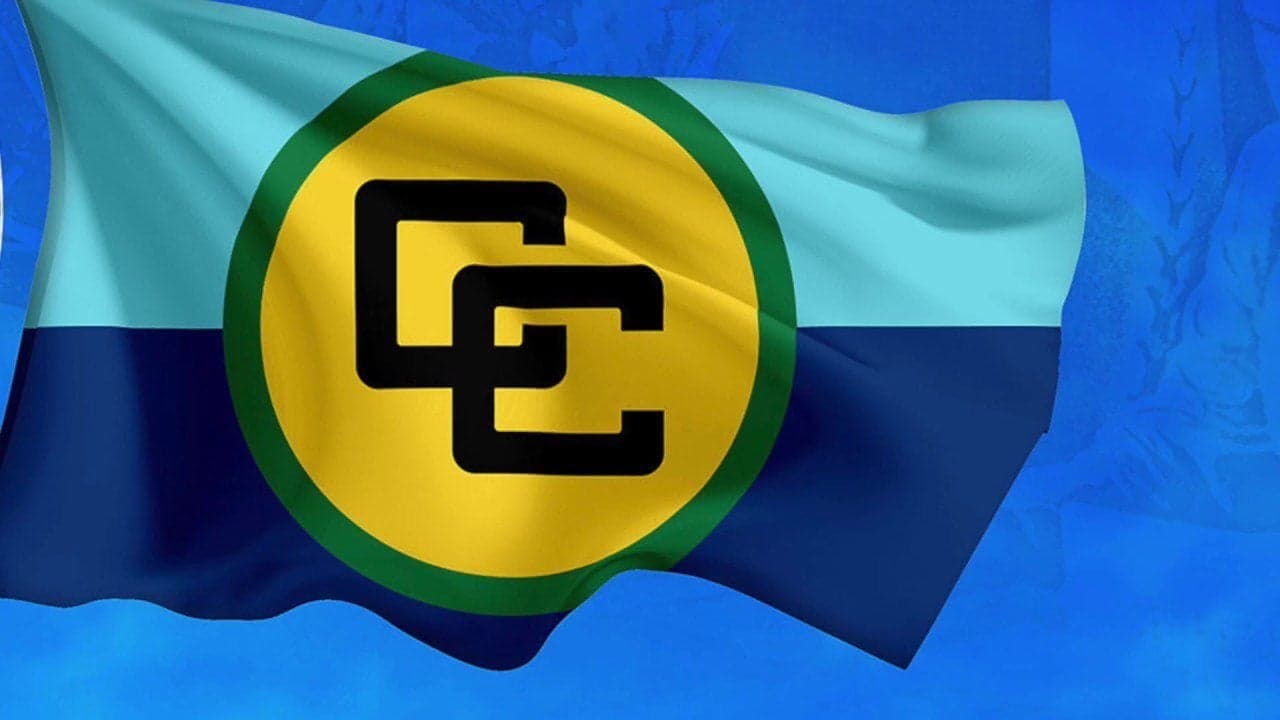
Writing in his Economic Letter for August, Dr. DeLisle Worrell, former governor of the Barbados Central Bank (CBB), posits that while this organic growth has benefited the region’s inhabitants, it diverges from the anticipated pattern of regional amalgamation. Worrell expressed that there is no need to abandon Caricom, which this year is celebrating its 50th anniversary, stating "it is a useful forum for leaders to meet regularly to exchange views on the issues of the day and the performance of their economies. “However, it is surely naïve to expect that the decisions made at these meetings will have some impact in the future that is any more notable than has been the case in the last 50 years,” the Barbadian economist wrote.The currency conundrum
Worrell underscores that a major transformative step for regional integration would be the universal adoption of the U.S. dollar for local transactions, supplanting national currencies. Currently, various Caribbean nations have diverse currency standings. For instance, the Eastern Caribbean dollars have a stable peg against the U.S. dollar, while currencies from countries like Jamaica, Guyana, Trinidad and Tobago, and Belize experience fluctuations.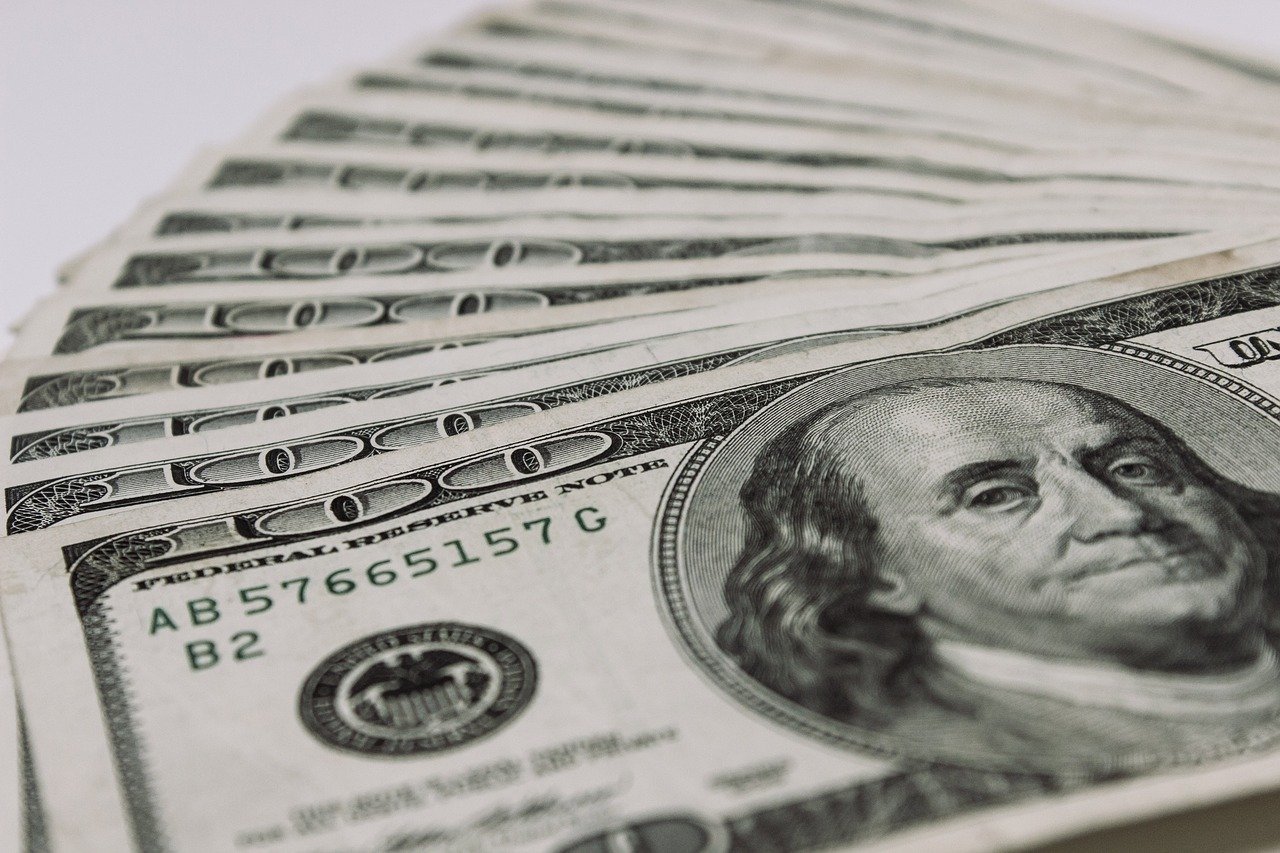
Read more on Caribbean currencies
- Dominica’s Government urges Dominicans to educate themselves on crypto-currency sector
- Bank of Jamaica pleased with response to digital currency initiative
- ‘Talk to the commercial banks, not us’ – Bank of Guyana to private sector body on US currency shortage