Climate change leaves the Bahamas with huge debt, country seeks help
Key Points(5)
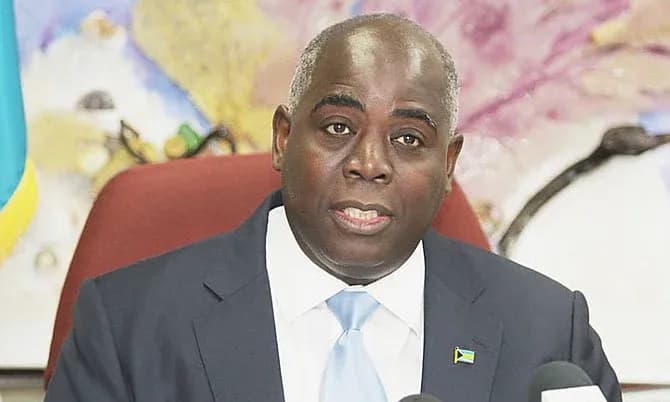
- The Bahamas is grappling with a financial crisis exacerbated by climate change, bureaucratic challenges, and the fossil fuel industry, according to Prime Minister Philip Davis.
- He expressed frustration with the repeated promises of assistance that often lead to little action.
- Like many countries in the Global South, the Bahamas is burdened by debt resulting from climate-related disasters that its leaders argue were not caused by them.
- In October 2016, Hurricane Matthew struck as a Category 4 storm, inflicting over $7 million in damages.
- Then, in 2019, <a href="https://www.caribbeannationalweekly.com/caribbean-breaking-news-featured/bahamas-govt-closely-monitoring-economic-impact-of-covid-hurricane-dorian/">Hurricane Dorian,</a> the strongest hurricane on record to hit the country, caused approximately $3.4 billion in damage.
The Bahamas is grappling with a financial crisis exacerbated by climate change, bureaucratic challenges, and the fossil fuel industry, according to Prime Minister Philip Davis. He expressed frustration with the repeated promises of assistance that often lead to little action.
Like many countries in the Global South, the Bahamas is burdened by debt resulting from climate-related disasters that its leaders argue were not caused by them. In October 2016, Hurricane Matthew struck as a Category 4 storm, inflicting over $7 million in damages. Then, in 2019, Hurricane Dorian, the strongest hurricane on record to hit the country, caused approximately $3.4 billion in damage. To put that in perspective, the Bahamas’ annual revenue ranges from $2.8 billion to $2.9 billion, meaning that just four days of devastation eclipsed an entire year’s worth of revenue.
Currently, the nation is in debt to the tune of about $10 billion. Prime Minister Davis is advocating for increased financial support from the Global North and oil companies, emphasizing the critical need for climate finance. This week at the United Nations and during upcoming international climate negotiations in Azerbaijan, discussions on the estimated $2.4 trillion needed annually for developing nations to address climate change and transition to greener economies will be paramount.
When the Bahamas seeks financial aid from established funds, it is often told it is "too well off," a concern shared by many small island nations facing similar struggles. Research shows that climate change is intensifying storms, making them both stronger and wetter. Remarkably, the Bahamas produces less carbon dioxide in a year than the United States does in just four hours, according to the Global Carbon Project.
Barbados Prime Minister Mia Mottley has been a strong advocate for significant reforms in the climate finance system. She pointed out during a recent climate week session that 70% of the world’s poor live in countries classified as middle-income, emphasizing that the current financial assistance frameworks fail to meet their needs. Mottley called for transformative changes in multinational bank lending and debt relief, noting that while some progress has been made, it is insufficient compared to the rapidly worsening impacts of climate change. “If that is the case, we will face a bigger problem than we anticipated,” she warned.
A major sticking point in international climate finance negotiations is not just the amount of funding but also its sources. Wealthy nations argue that the scale of need cannot be met solely through grants from developed countries and that private investments, including those from the banking sector, must play a crucial role.
Both Davis and Mottley understand that rich governments may lack sufficient resources on their own, making private contributions essential. However, they insist that such funding should follow a "polluters pay" principle, specifically targeting industries like fossil fuels that are major contributors to climate change. “Some oil-producing companies ought to pay at least 2% of their profits into a fund to help us in the Global South,” Davis stated. He expressed doubt that these companies would contribute voluntarily, leading the Bahamas’ attorney general to consider legal action later this year to compel them to pay.