Caribbean must brace for fallout from US tariffs, warns ECCB governor
Key Points(5)
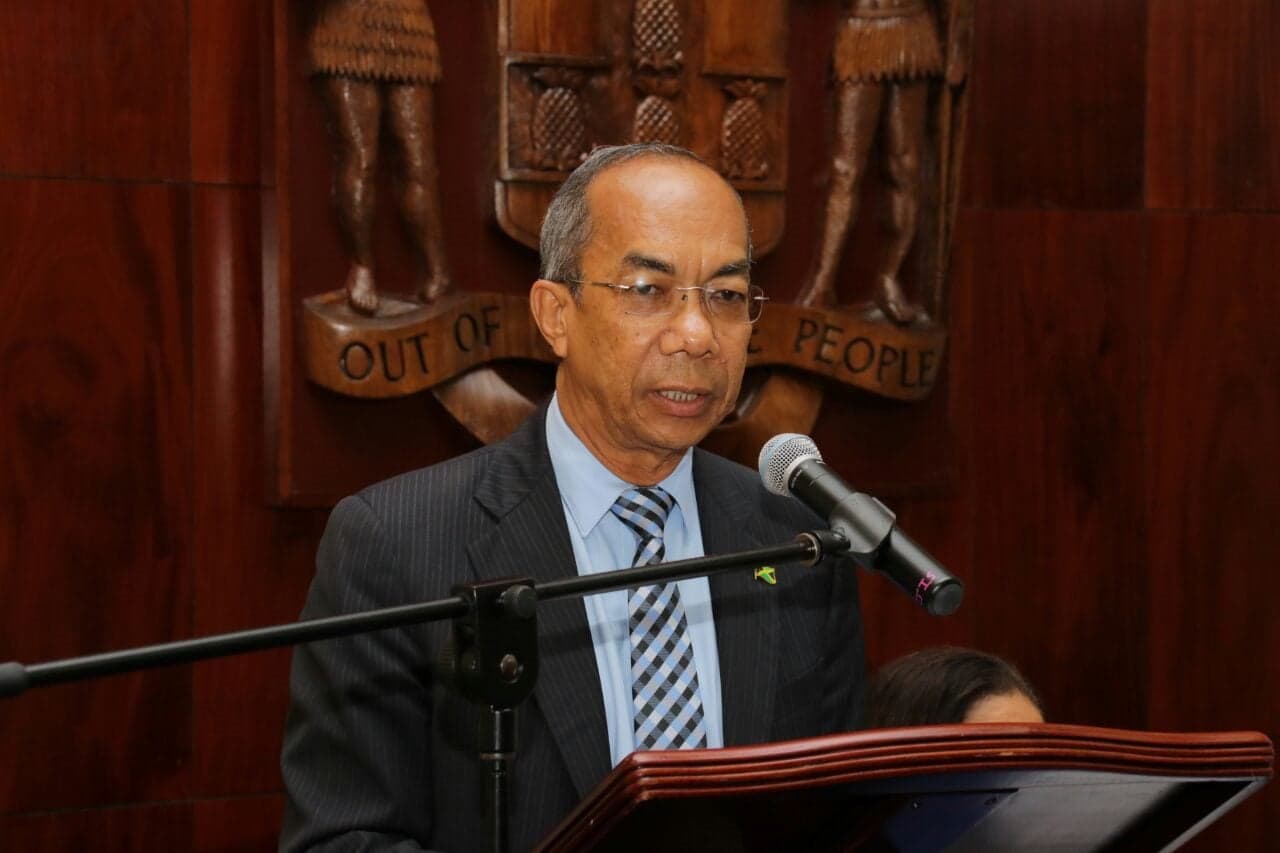
- The Caribbean may not feel the full economic shock of new US tariffs until later this year and into 2026, but Eastern Caribbean Central Bank (ECCB) Governor Timothy Antoine is urging the region to prepare now—or risk serious consequences.
- “The big issue is understanding what that shock will mean and its implications, obviously, for tourism—not in the near term,” Antoine explained.
- The meetings were part of the IMF and World Bank Spring Meetings, which conclude Friday.
- The warning comes as global economic uncertainty rises.
- According to the IMF’s latest World Economic Outlook, economic growth in Latin America and the Caribbean is projected to slow from 2.4 percent in 2024 to just 2 percent in 2025, before rebounding modestly.
The Caribbean may not feel the full economic shock of new US tariffs until later this year and into 2026, but Eastern Caribbean Central Bank (ECCB) Governor Timothy Antoine is urging the region to prepare now—or risk serious consequences.
Speaking to journalists last Wednesday in Washington, D.C., following meetings with the International Monetary Fund’s (IMF) Western Hemisphere Department, Antoine said that while the immediate impact will be muted, Caribbean nations must rethink their trade logistics and food security strategies to cushion any inflationary blow.
“The big issue is understanding what that shock will mean and its implications, obviously, for tourism—not in the near term,” Antoine explained. The meetings were part of the IMF and World Bank Spring Meetings, which conclude Friday.
The warning comes as global economic uncertainty rises. According to the IMF’s latest World Economic Outlook, economic growth in Latin America and the Caribbean is projected to slow from 2.4 percent in 2024 to just 2 percent in 2025, before rebounding modestly. That outlook was downgraded compared to earlier forecasts.
“So, what we know for a fact is that growth has slowed," Antoine said. "The magnitude of that reduction is still up for discussion, and to be honest with you, it will not be resolved until the question of the tariffs, for example, is settled.”
President Donald Trump’s newly proposed tariffs include a 125 percent duty on Chinese imports, 20 percent on goods from the European Union, and various rates on other regions—including a 10 percent tariff for most Caribbean nations and 38 percent for Guyana. Trump framed the tariffs as a necessary move to defend American manufacturing, saying, “Our country has been looted, pillaged, raped and plundered” by foreign competitors.
While negotiations around the tariffs are ongoing, Antoine pointed out that CARICOM countries are particularly vulnerable because of their deep reliance on US imports—many of which originate from third countries.
“We have to see what the tariffs are on those countries," he said. "Those goods will be shipped to the US and then come to the region. They will have an effect on us in terms of inflation, a rise in price levels.”
Beyond trade, Antoine stressed that Caribbean economies are also tightly tied to American tourism. In the Eastern Caribbean Currency Union—made up of Anguilla, Antigua and Barbuda, Dominica, Grenada, Montserrat, St. Kitts and Nevis, St. Lucia, and St. Vincent and the Grenadines—half of all visitors come from the United States.
“We could see in the latter part of the year, next year, some impact on our tourism arrivals," he warned. "A slowdown in the US economy ultimately could and will have an effect on the Eastern Caribbean Currency Union."
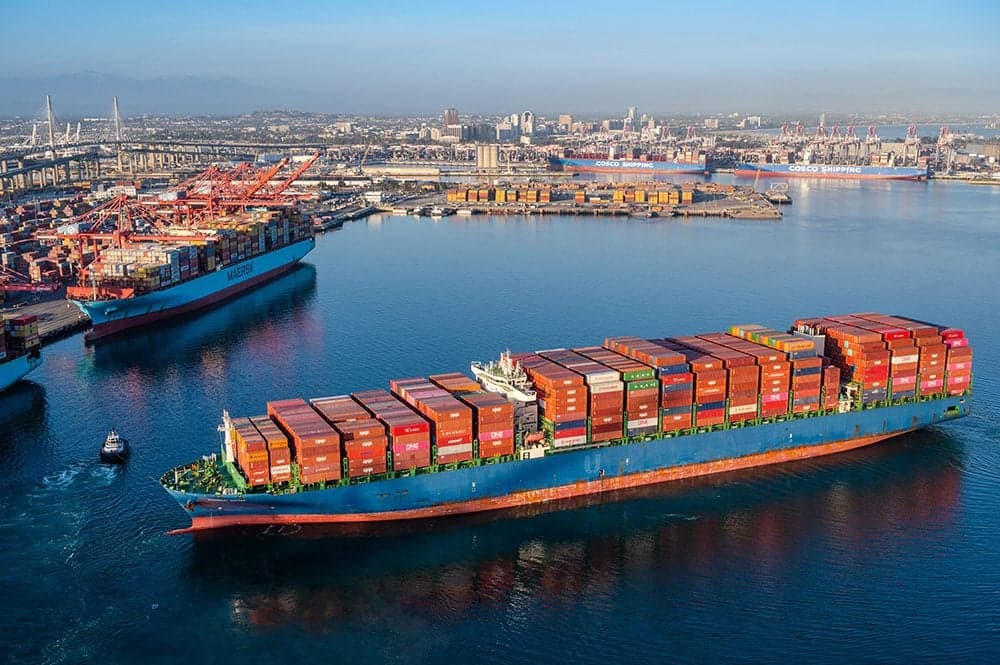
Antoine called for urgent action to diversify the region’s trade and logistics. He noted the heavy dependence on US ports like Miami, even for intra-Caribbean trade, and said the region needs its own logistics hubs.
“A lot of our trade is being shipped to Miami...and then coming back down. Even within the Caribbean, we are using US ports for trade,” Antoine said. “Clearly, we have to fix that, to make it cheaper, to make it faster and, obviously, to make it more reliable.”
He floated potential hubs such as Jamaica, the Dominican Republic, Trinidad, or even Panama, but emphasized that CARICOM must make a decision soon.
Food and nutrition security are also high on Antoine’s agenda. He linked current shipping and trade patterns to rising rates of non-communicable diseases (NCDs) in the region, fueled in part by the affordability of ultra-processed imported foods over local produce.
“There is also the issue of costs," he said. "Frankly spoken, some of the ultra-processed food, which is driving NCDs in our region, is cheaper than locally produced foods and organic foods."
With household and government budgets under pressure, Antoine said investing in affordable, healthy food systems is crucial—not just for public health but for economic resilience.
“Eight in ten deaths in the region are due to NCDs," he pointed out. "Just think about the economic cost of that. And then you think about the familial cost, the impact on productivity. It’s a serious issue.”
Although some progress has been made, Antoine said that the region is far from meeting CARICOM’s goal of reducing the food import bill by 25 percent by 2025.
"But we are working on it, and I think this is a moment for us to really make a breakthrough in this area," he concluded.