Caribbean braces for early heat season with increased drought
Key Points(5)
- While temperatures are set to rise, the extreme levels seen in 2023 and 2024 are not expected to be repeated.
- In its latest Caribbean Climate Outlooks report for April to June, released on Monday, CariCOF attributed the forecast to a combination of ENSO-neutral conditions in the Pacific, unusually warm waters in the Caribbean, and temporarily cooler waters in the eastern Tropical North Atlantic.
- The agency warned that April could bring high evaporation rates, frequent short dry spells, and an increased risk of wildfires.
- While the mostly dry ABC Islands—Aruba, Bonaire, and Curaçao—are expected to see little rainfall, other parts of the region, including the Bahamas, Guianas, and Greater Antilles, should experience increasing rainfall intensity and more frequent showers by May.
- Belize and the Lesser Antilles are likely to see similar conditions by June.
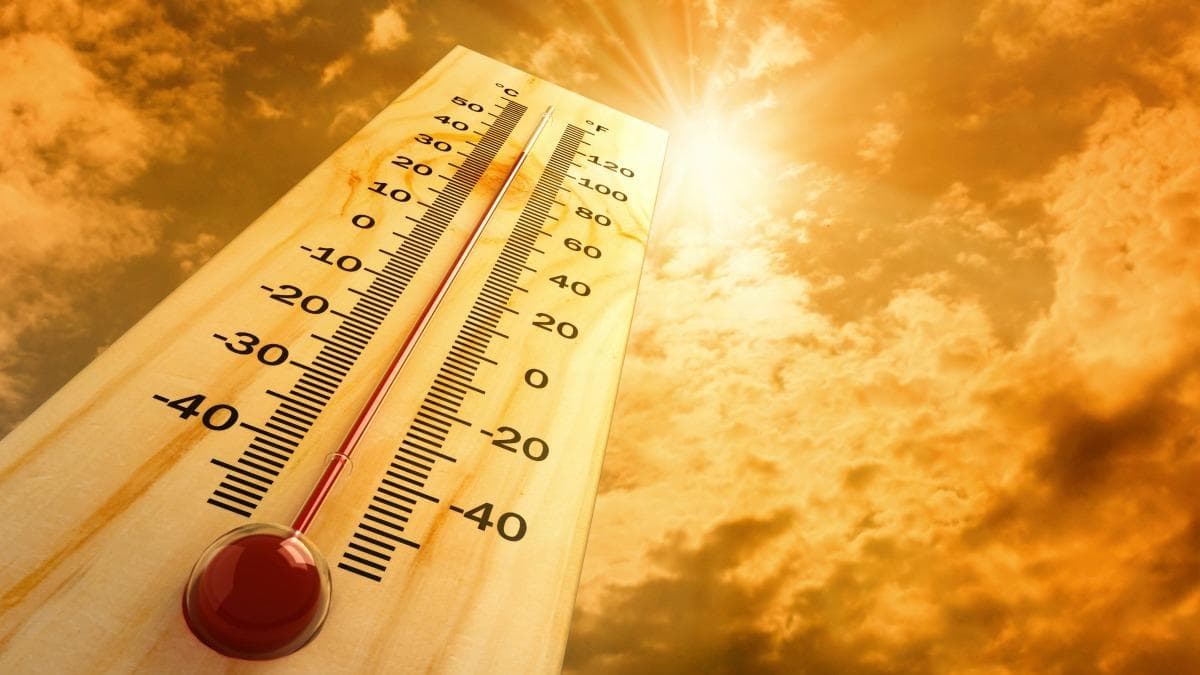
The Caribbean is expected to experience an early start to its annual heat season, with heat waves likely beginning as soon as April, according to the Barbados-based Caribbean Climate Outlook Forum (CariCOF).
While temperatures are set to rise, the extreme levels seen in 2023 and 2024 are not expected to be repeated.
In its latest Caribbean Climate Outlooks report for April to June, released on Monday, CariCOF attributed the forecast to a combination of ENSO-neutral conditions in the Pacific, unusually warm waters in the Caribbean, and temporarily cooler waters in the eastern Tropical North Atlantic.
The agency warned that April could bring high evaporation rates, frequent short dry spells, and an increased risk of wildfires. While the mostly dry ABC Islands—Aruba, Bonaire, and Curaçao—are expected to see little rainfall, other parts of the region, including the Bahamas, Guianas, and Greater Antilles, should experience increasing rainfall intensity and more frequent showers by May. Belize and the Lesser Antilles are likely to see similar conditions by June. These changes could lead to a heightened risk of flooding, flash floods, and cascading hazards.
Episodes of Saharan dust are also expected to be frequent, which could contribute to drier and hotter conditions, as well as unpredictable severe weather patterns.
On the drought front, moderate to severe short-term drought conditions have developed in areas including the central and northern Bahamas, the Cayman Islands, parts of St. Croix, Saint Maarten, and St. Bart’s. Meanwhile, long-term drought conditions are evolving in southern Belize, northern Dominican Republic, southwest Jamaica, St. Bart’s, St. Vincent, southeast Suriname, and northwest Trinidad.
As the region prepares for the changing climate conditions, CariCOF’s outlook highlights the importance of monitoring weather developments closely to mitigate potential risks.