Breast cancer awareness and early detection make a difference in Barbados
Key Points(5)
- <!-- wp:paragraph --> <p>Barbados has witnessed a troubling surge in breast cancer cases, but the silver lining is that early detection is proving to be a lifesaver for many.
- Hanoman-Jhagroo disclosed that the number of new breast cancer cases has been steadily increasing.
- In 2019, there were 73 new cases, but by 2022, that number had risen to 130 – nearly double.
- This translates to approximately three to four new cases being diagnosed every week.
- The encouraging news is that most of these cases are detected at an early stage, providing patients with a five-year survival outlook.</p> <!-- /wp:paragraph --> <!-- wp:paragraph --> <p>One of the positive outcomes of events like Walk for the Cure is the significant contributions they generate.
Barbados has witnessed a troubling surge in breast cancer cases, but the silver lining is that early detection is proving to be a lifesaver for many. Dr. Shirley Hanoman-Jhagroo, the National Coordinator of the Breast Screening Programme, shared this crucial information during her address at the FirstCaribbean (CIBC) Walk for the Cure event on Sunday, October 1.
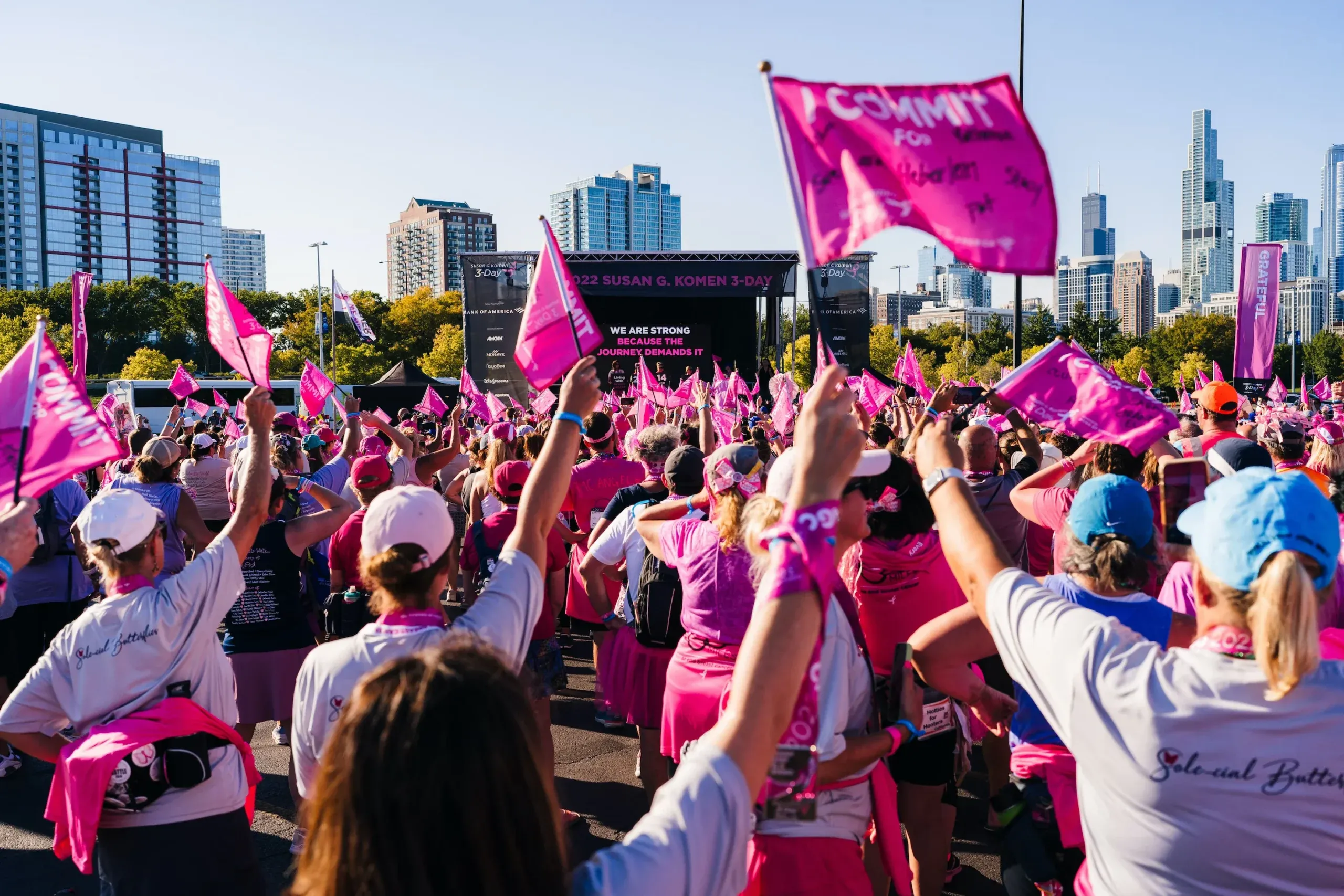
The event, hosted at CIBC Warrens, saw thousands of individuals from all corners of Barbados coming together to show their support for those battling breast cancer, pay tribute to those who have passed away, and raise awareness about this critical issue.
The 5K walk and run, which began and concluded in Warrens, united the community in a meaningful way.
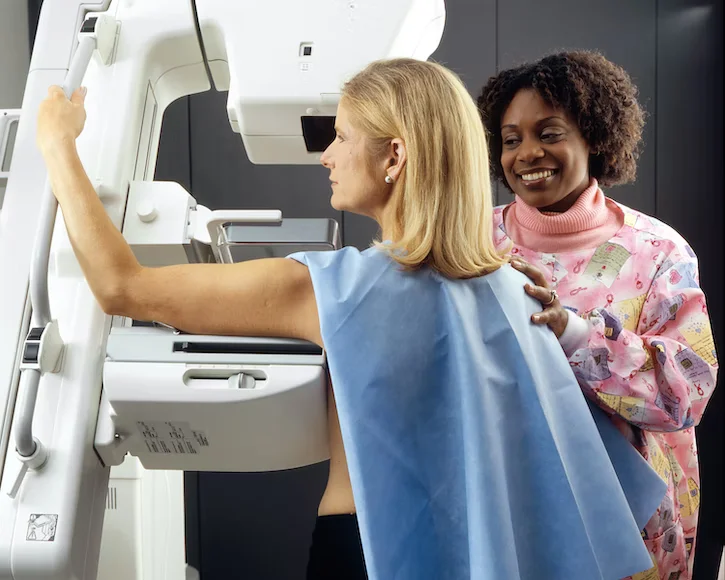
Dr. Hanoman-Jhagroo disclosed that the number of new breast cancer cases has been steadily increasing. In 2019, there were 73 new cases, but by 2022, that number had risen to 130 – nearly double. This translates to approximately three to four new cases being diagnosed every week. The encouraging news is that most of these cases are detected at an early stage, providing patients with a five-year survival outlook.
One of the positive outcomes of events like Walk for the Cure is the significant contributions they generate. Dr. Hanoman-Jhagroo shared that the donations from this event have allowed the one-stop clinic to be equipped with state-of-the-art technology, putting it on par with medical facilities in first-world countries. This improvement in technology enhances the accessibility of testing and treatment for patients.
Dr. Hanoman-Jhagroo went on to emphasize that due to the availability of testing and treatment, patients in Barbados are now living well beyond the five-year survival milestone. She pointed out, "Recently, we conducted a survey at the Cancer Society and found that among patients diagnosed with stages zero to two five years ago, 100 percent are still alive and thriving. This underscores the importance of early detection. Until we find the exact cause and a complete cure for breast cancer, our unwavering commitment remains to save lives through early detection."
In the face of rising breast cancer cases, the Barbadian community stands united in its efforts to combat this disease. Through awareness campaigns, fundraising events, and advancements in medical technology, the people of Barbados are making strides toward a future where breast cancer is not a life-threatening condition, but one that can be managed and defeated through early detection and comprehensive care.