Barbados economy grows 2.6% in Q1 2025
Key Points(5)
- Barbados’ economy expanded by an estimated 2.6% in the first quarter of 2025, maintaining its upward momentum with key growth in tourism, business services, and construction, according to Central Bank Governor Dr.
- Presenting the Central Bank’s first-quarter economic review on Wednesday, Greenidge said the performance came amid a backdrop of easing inflation, stable financial conditions, and solid fiscal outcomes.
- “Economic growth, together with stronger fiscal outcomes for financial year 2024/25, contributed to a further reduction in the debt-to-GDP ratio,” he said.
- <h2>Strong start to 2025</h2> The island’s traded sector saw 4% growth, driven by robust cruise and long-stay arrivals.
- “Hotels recorded their highest quarterly revenue since Q1 2008,” Greenidge reported, noting that average hotel occupancy climbed to 80.5%, with revenue per available room jumping nearly 24% year-on-year.
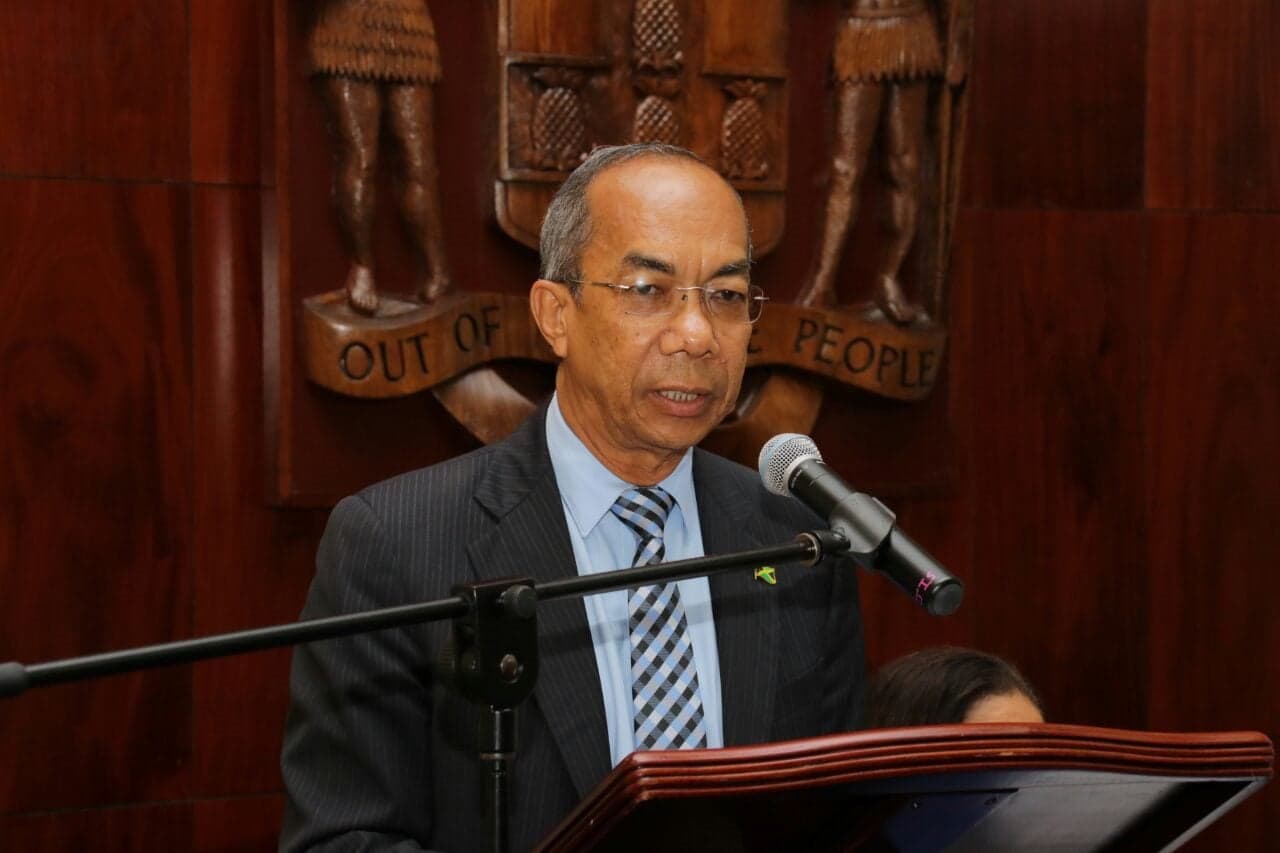
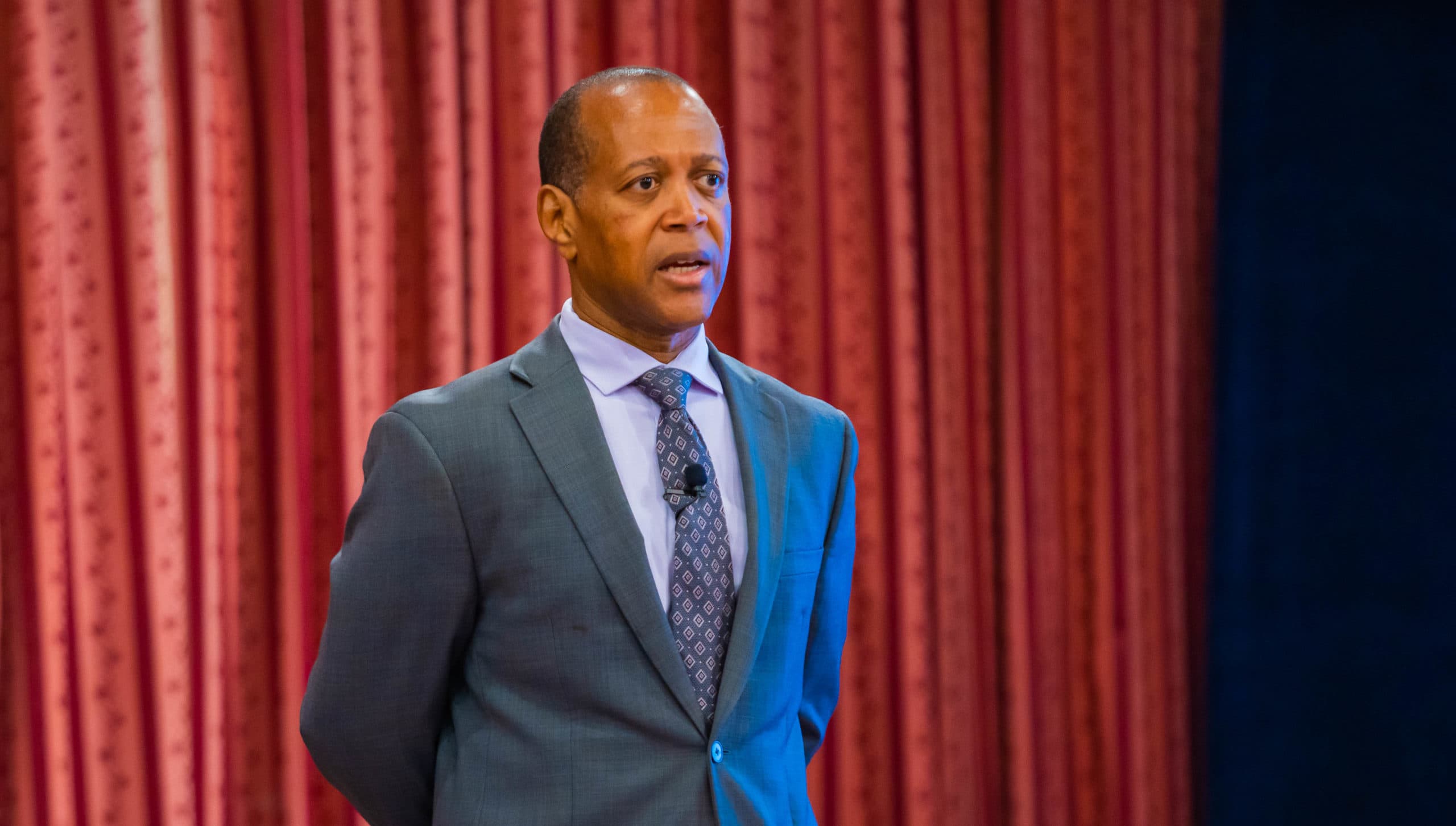
Barbados’ economy expanded by an estimated 2.6% in the first quarter of 2025, maintaining its upward momentum with key growth in tourism, business services, and construction, according to Central Bank Governor Dr. Kevin Greenidge.
Presenting the Central Bank’s first-quarter economic review on Wednesday, Greenidge said the performance came amid a backdrop of easing inflation, stable financial conditions, and solid fiscal outcomes. “Economic growth, together with stronger fiscal outcomes for financial year 2024/25, contributed to a further reduction in the debt-to-GDP ratio,” he said.
Strong start to 2025
The island’s traded sector saw 4% growth, driven by robust cruise and long-stay arrivals. “Hotels recorded their highest quarterly revenue since Q1 2008,” Greenidge reported, noting that average hotel occupancy climbed to 80.5%, with revenue per available room jumping nearly 24% year-on-year.
Cruise tourism set a record with 385,468 in-transit passengers—a 37.1% increase. Long-stay arrivals also grew 2.4%, led by double-digit gains from the U.S. and Europe. However, arrivals from the UK dipped 7.2% due to reduced flight capacity.
Despite a 2.3% drop in hotel room availability—mainly due to renovations—higher demand and rates helped push tourism revenues up.
The non-traded sector grew 2.4%, supported by private and public investment. Credit to households and businesses rose, underpinned by strong deposit growth and a resilient banking system.
Fiscal targets met
Barbados achieved a primary surplus of BDS$662.8 million (4.6% of GDP) for the fiscal year, driven by strong corporation tax receipts and careful spending. The overall fiscal deficit narrowed to just 0.6% of GDP.
“The financial system remained stable and continued to support credit growth,” Greenidge said, adding that capital buffers remained well above regulatory levels and non-performing loans declined.
Global headwinds, local resilience
Despite the strong start, the Central Bank revised its full-year growth forecast slightly downward to 2.7%, citing global uncertainty. “Rising trade tensions, broad-based tariffs, and slowing growth in major economies pose downside risks,” Greenidge cautioned.
Still, domestic fundamentals remain sound. Fiscal measures—including VAT and duty relief for restaurants and concessions for hotels—are expected to spur consumption. Agricultural investments in climate-resilience, such as vertical farms and broiler tunnels, aim to boost local food production.
Greenidge highlighted policy changes like amendments to the Co-operative Societies Act, allowing credit unions to invest in renewable energy and tourism, as examples of “broadening domestic investment channels.”
Forward-looking strategy
International reserves are expected to rise modestly, supported by strong tourism and capital inflows. The Barbados government is targeting a primary surplus of 4.4% for fiscal year 2025/26 and plans to improve tax efficiency and reduce public-sector transfers through state-owned enterprise reforms.
“The rollout of a new public-private partnership framework will support infrastructure delivery while mobilising private capital,” Greenidge said.
In closing, the Governor emphasized that continued investment, discipline, and strategic planning would be key. “Now is the time to invest: in ourselves, in our productive capacity, in the next generation, and in the projects that will define our economic future.”