Bahamas steps up efforts to boost local egg production
Key Points(5)
- The Bahamas Government is stepping up efforts to boost local egg production as part of a broader push to reduce the country's reliance on food imports and strengthen food security.
- Prime Minister Philip Davis recently visited the Golden Yolk Project, an initiative aimed at expanding domestic egg production and increasing the supply of locally produced eggs to households and businesses across The Bahamas.
- “Our Government is committed to producing more of what we eat here at home.
- Two hundred thousand eggs produced, 10,000 laying hens in production and another 8,000 pullets being raised show the capacity we are building,” Davis said.
- “Our focus is to turn that capacity into a consistent supply of Bahamian-produced eggs, reduce our reliance on imports and create more opportunities for our people.
The Bahamas Government is stepping up efforts to boost local egg production as part of a broader push to reduce the country's reliance on food imports and strengthen food security.
Prime Minister Philip Davis recently visited the Golden Yolk Project, an initiative aimed at expanding domestic egg production and increasing the supply of locally produced eggs to households and businesses across The Bahamas.
“Our Government is committed to producing more of what we eat here at home. Two hundred thousand eggs produced, 10,000 laying hens in production and another 8,000 pullets being raised show the capacity we are building,” Davis said.
“Our focus is to turn that capacity into a consistent supply of Bahamian-produced eggs, reduce our reliance on imports and create more opportunities for our people. Golden Yolk is a key part of our commitment to greater food security,” he added.
According to a statement from the Office of the Prime Minister, Golden Yolk is building the capacity to supply more locally produced eggs to Bahamian households and businesses.
“Increasing domestic egg production is a key part of the Government’s broader strategy to strengthen Bahamian agriculture,” the statement said.
“The aim is to replace a greater share of imported food with local products, retain more spending within the Bahamian economy and expand opportunities for farmers and agricultural businesses.”
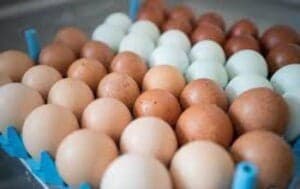
The project currently has 10,000 laying hens in production, while an additional 8,000 pullets are being raised and have not yet begun laying.
The government said the pullets represent an investment in future production capacity and, as they mature, will help the project sustain output and supply the domestic market.
Davis' visit, the government said, underscores its focus on ensuring that agricultural investments translate into increased local production.
Through Golden Yolk, the government is seeking to establish a stronger foundation for domestic egg production and reduce the country's exposure to disruptions in overseas food supplies.
“The Office of the Prime Minister remains focused on the project’s progress, with increased production and reduced import dependence central to the Government’s long-term agricultural strategy,” the statement said.