Guyana's President Irfaan Ali urges CARICOM nations to adopt CCJ as final appellate court

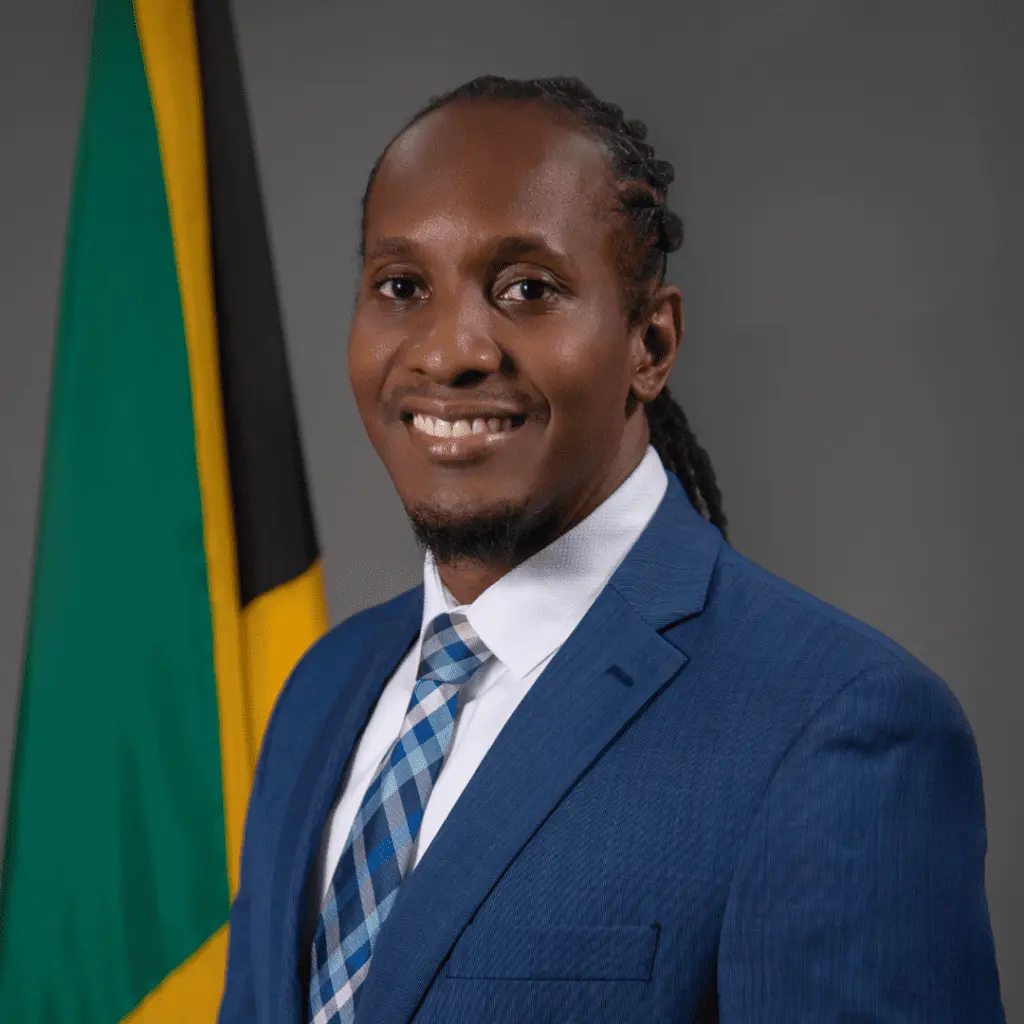
President Dr Mohamed Irfaan Mohamed Irfaan Ali
Key Points(5)
- Ali made the appeal Thursday, Nov.
- 19, while addressing the ninth Biennial Conference of the Caribbean Association of Judicial Officers at the Marriott Hotel in Georgetown, Guyana.
- The president argued that the region must demonstrate greater confidence in its own judicial institutions, particularly the CCJ, which he described as an example of the Caribbean's ability to establish and maintain institutions of international standing.
- “We should also take immense pride in the Caribbean Court of Justice.
- The CCJ remains a credit to our region, an institution that demonstrates our capacity to build and sustain institutions of the highest judicial standing,” Ali said.
Guyana's President Irfaan Ali has called on Caribbean Community (CARICOM) countries to fully embrace the Caribbean Court of Justice (CCJ) as their final appellate court, questioning why some regional governments continue to rely on judicial institutions inherited from the colonial era while advocating for independence and reparations.
Ali made the appeal Thursday, Nov. 19, while addressing the ninth Biennial Conference of the Caribbean Association of Judicial Officers at the Marriott Hotel in Georgetown, Guyana.
The president argued that the region must demonstrate greater confidence in its own judicial institutions, particularly the CCJ, which he described as an example of the Caribbean's ability to establish and maintain institutions of international standing.
“We should also take immense pride in the Caribbean Court of Justice. The CCJ remains a credit to our region, an institution that demonstrates our capacity to build and sustain institutions of the highest judicial standing,” Ali said.
He questioned why Caribbean nations continue to advocate for reparations and greater independence from former colonial powers while remaining reluctant to recognize the CCJ as their highest court of appeal.
“And on this note, I find it sometimes difficult to understand and explain why, in all our push, for example, for reparations, we cannot all agree that the CCJ is our final court,” Ali said.
“That we speak so loftily about freedom and independence and being away from colonial rule, and we cannot be brave enough. We cannot trust ourselves enough to make the CCJ our final court.”
Established in 2005 and headquartered in Trinidad and Tobago, the CCJ serves two distinct functions. In its original jurisdiction, it interprets and applies the Revised Treaty of Chaguaramas, which governs the CARICOM Single Market and Economy. In its appellate jurisdiction, it serves as the highest court for countries that have adopted it as their final court of appeal.
Currently, five CARICOM countries recognize the CCJ as their final appellate court: Barbados, Belize, Dominica, Guyana and St. Lucia.
Several other Caribbean nations, including Jamaica and Trinidad and Tobago, continue to recognize the Judicial Committee of the Privy Council in London as their final appellate court.
The question of replacing the Privy Council with the CCJ has been debated across the region for years, with discussions focusing on judicial independence, constitutional requirements and public confidence in regional institutions.
Ali said the CCJ has already demonstrated its value through its contributions to Caribbean jurisprudence, particularly in areas involving constitutional rights, democratic governance, the rule of law and regional integration.
“The CCJ is an example of what the Caribbean is capable of building for itself,” he said.
The president urged regional leaders to take greater pride in the institution and continue strengthening its role in shaping Caribbean law.
His remarks come as CARICOM countries continue discussions about strengthening regional integration and reducing reliance on institutions established during colonial rule.
Ali also reaffirmed Guyana's willingness to support the development and expansion of regional institutions, indicating that the country would be prepared to host such bodies if the need arises.
The president's appeal adds to longstanding calls for Caribbean governments to complete the transition toward a regional judicial system, with the CCJ serving as the highest court for all CARICOM member states.