Bahamas signs LNG terminal agreement to lower energy costs
Key Points(5)
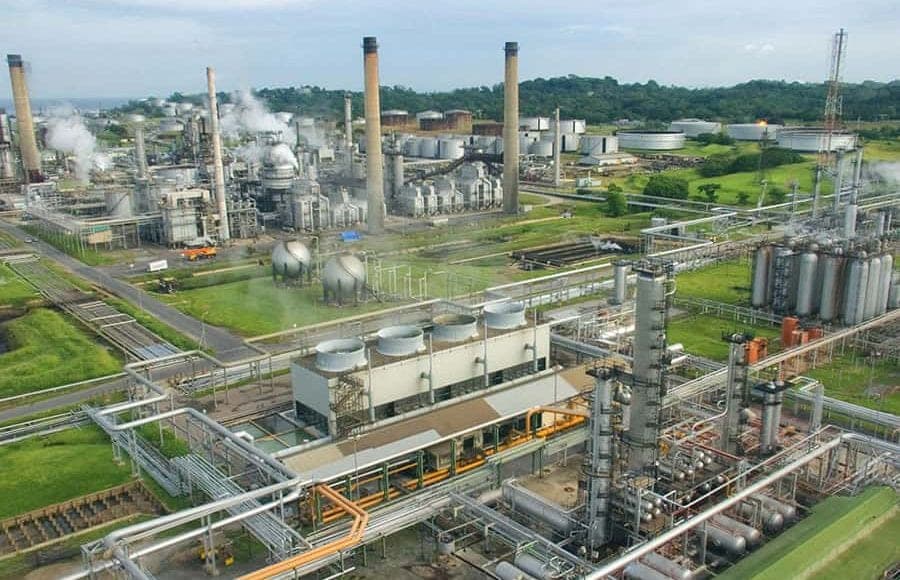
- The Bahamian government has taken a major step toward energy reform with the signing of an agreement for the country’s first Liquefied Natural Gas (LNG) terminal at Clifton Pier.
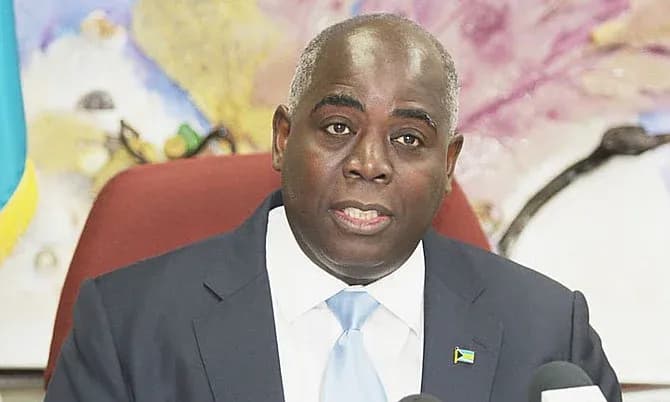
- The signing, announced by Prime Minister Philip Davis on March 20, is part of a broader effort to create a cleaner, more stable, and more affordable energy future for The Bahamas.
- The LNG terminal, which will be developed in partnership with FOCOL and Shell, is expected to reduce energy costs, improve the reliability of power generation, and significantly cut carbon emissions by shifting away from diesel and oil.
- Phase one of construction is set to begin before the end of the year.
- With the development of a new energy sector, Davis anticipates opportunities for Bahamian workers and businesses to participate in the transition to a more sustainable energy future.
The Bahamian government has taken a major step toward energy reform with the signing of an agreement for the country’s first Liquefied Natural Gas (LNG) terminal at Clifton Pier. The signing, announced by Prime Minister Philip Davis on March 20, is part of a broader effort to create a cleaner, more stable, and more affordable energy future for The Bahamas.
The LNG terminal, which will be developed in partnership with FOCOL and Shell, is expected to reduce energy costs, improve the reliability of power generation, and significantly cut carbon emissions by shifting away from diesel and oil. Phase one of construction is set to begin before the end of the year.
During his remarks at the signing, Prime Minister Davis highlighted the longstanding issues with Bahamas Power and Light (BPL), including:
- High electricity costs that have burdened Bahamian households for years.
- Frequent power failures due to aging and inefficient generators.
- A deteriorating power grid with no significant investment in renewable energy.
- More than $500 million in debt weighing down BPL.
Key energy initiatives underway
The LNG terminal is part of a multi-pronged energy strategy that includes:
- Equity Rate Reduction, which has already resulted in 58,000 households paying less than $125 on their electricity bills as of January.
- Utility-scale solar projects set to launch in Abaco, Andros, Eleuthera, Exuma, New Providence, Long Island, and San Salvador.
- Power grid modernization to improve reliability and efficiency.