From Partner Hand to Bank Loan: How Caribbean-American Entrepreneurs Are Funding the Next Step
Key Points(5)
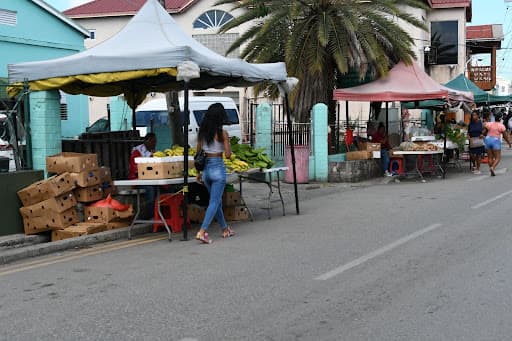
- Walk down Flatbush Avenue in Brooklyn, through Lauderhill in Broward County or along the commercial strips of Miramar, and you will see the same story repeated in shop after shop.
- A Jamaican bakery that started in a home kitchen, a Trinidadian roti spot that now has a second location, a Haitian-owned tax and immigration services office, a Guyanese contractor whose trucks are parked outside a small warehouse.
- Caribbean immigrants have long been among the most entrepreneurial communities in the United States, and many of these businesses were built with very little outside money.
- That self-reliance is a strength, but it also has limits.
- Sooner or later, most growing businesses reach a point where savings and family support are not enough to pay for the next oven, the next van or the next lease.
Walk down Flatbush Avenue in Brooklyn, through Lauderhill in Broward County or along the commercial strips of Miramar, and you will see the same story repeated in shop after shop. A Jamaican bakery that started in a home kitchen, a Trinidadian roti spot that now has a second location, a Haitian-owned tax and immigration services office, a Guyanese contractor whose trucks are parked outside a small warehouse. Caribbean immigrants have long been among the most entrepreneurial communities in the United States, and many of these businesses were built with very little outside money.
That self-reliance is a strength, but it also has limits. Sooner or later, most growing businesses reach a point where savings and family support are not enough to pay for the next oven, the next van or the next lease. Knowing what options exist, and which ones fit, can make the difference between growing steadily and stalling.
The partner hand still matters
For generations, Caribbean families have used rotating savings clubs to raise money without a bank. Jamaicans call it a partner, Trinidadians and Guyanese call it a sou-sou or box hand, and Haitians call it a sol. Each member pays in a fixed amount every week or month, and each takes a turn collecting the full pot.
These arrangements have helped countless people put down a deposit on a first shop or buy initial stock, and they come with no interest and no paperwork. Their weakness is that they build no credit history. A business owner who has run a successful restaurant for ten years on cash and partner draws can still look, on paper, like a stranger to a lender. Some community lenders and fintech apps now report rotating savings payments to the credit bureaus, and it is worth asking whether yours does, because that history can help when you need larger amounts later.
Building a record lenders can see
The single most useful thing a cash-heavy small business can do before applying for financing is to make its success visible. That means a separate business bank account with regular deposits, a registered business entity, an Employer Identification Number, and tax returns that reflect the real income of the business rather than the smallest number the owner thought they could get away with.
That last point is uncomfortable but important. Lenders base their decisions largely on documented revenue. A business that has under-reported its income to reduce its tax bill will find that the same returns cap how much it can borrow. Owners who expect to need financing in the next year or two often find it worthwhile to speak with an accountant about cleaning up their books well in advance.
Where the money actually comes from
Once the paperwork is in order, the realistic sources of small business funding fall into a few groups, each suited to a different need.
Community development lenders. Community Development Financial Institutions, or CDFIs, exist specifically to lend in neighbourhoods that traditional banks have underserved. Many offer smaller loans, accept thinner credit files and include free business coaching. In both New York and South Florida there are CDFIs with long records of lending to immigrant-owned businesses.
SBA-backed loans. The Small Business Administration does not usually lend directly, but it guarantees part of loans made by approved lenders, which encourages them to approve borrowers they might otherwise turn down. These loans tend to offer longer repayment periods and reasonable rates, though the application process takes time and requires detailed records.
Equipment financing. When the need is a specific piece of equipment, such as a commercial oven, a delivery van or construction machinery, the equipment itself can serve as collateral. This often makes approval easier and keeps the business's other assets free.
Lines of credit and working capital. Businesses with uneven cash flow, such as caterers who are busiest around Carnival season and the holidays, or contractors who wait weeks for payment, often benefit more from a flexible line of credit than from a lump-sum loan.
Alternative and online lenders. These lenders move quickly and approve a wider range of borrowers, but speed comes at a price. Before signing, owners should understand the total repayment amount, not just the rate, and be cautious of products that take daily or weekly payments directly from the business account.
Matching the money to the need
One of the most common mistakes small business owners make is borrowing the wrong kind of money for the job. A restaurant owner who takes a short-term, high-cost advance to pay for a full kitchen renovation can end up making large payments long before the new kitchen has brought in any extra revenue. A contractor who takes out a five-year loan to cover a two-month gap between jobs pays interest for years on money he only needed for weeks.
A simple rule helps. Long-lived assets, such as equipment, vehicles and building improvements, are usually best funded with longer-term loans. Short-term gaps in cash flow are best covered with a line of credit that can be repaid as soon as customers pay. Keeping those two needs separate keeps payments manageable and makes it far easier to grow without strain.
Questions to ask before you sign
Whatever the source, a few questions protect a business owner from expensive surprises. What is the total amount I will repay? Is there a penalty for paying early? Am I personally guaranteeing this debt, and what does that mean for my home? How will payments be taken, and what happens if a slow month means one is missed?
A reputable lender will answer all of these plainly. If the answers are vague, or if there is pressure to sign the same day, that is reason enough to walk away.
It also pays to lean on the community. Caribbean chambers of commerce, business associations and local Small Business Development Centers offer free workshops and one-to-one advice on loan applications, bookkeeping and business plans. A single conversation with someone who has already been through the process can save months of trial and error, and sometimes leads to an introduction to the right lender.
Growing without losing what made it work
Caribbean-owned businesses have thrived in the United States because their owners know their customers, work long hours and spend carefully. Taking on financing does not have to change any of that. Used well, it simply lets a business that has already proved itself move faster, whether that means a second location, a bigger kitchen or the equipment to take on larger contracts. The partner hand got many of these businesses started, and the right financing can carry them through the next stage.