Home Blog Page 76

Voters head to polls in Barbados snap general election

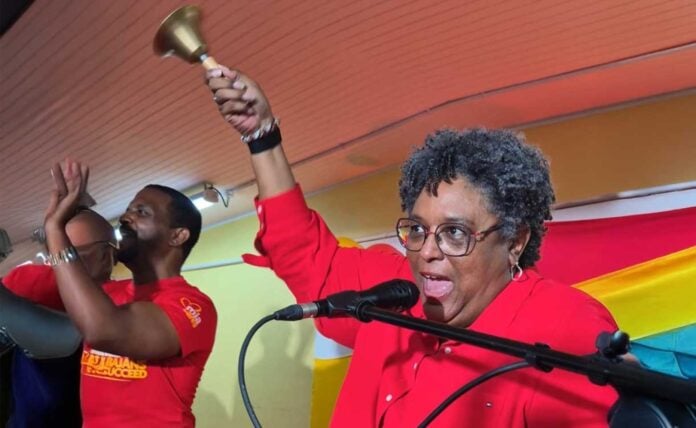
An estimated 271,205 voters have begun casting their ballots in Wednesday’s snap general election that Barbados Prime Minister Mia Mottley called a year ahead of schedule, as she seeks a third consecutive term in office.

While six political parties and 96 independent candidates are contesting control of the 30-seat Parliament, political observers say the contest is largely a straight fight between the island’s two oldest political parties — the governing Barbados Labour Party (BLP) and the main opposition Democratic Labour Party (DLP).

Polling stations opened at 6:00 a.m. local time and are scheduled to close 12 hours later.

Supervisor of Elections Sherland Turton, in a statement headlined “Prohibited Devices,” said voters are assured of privacy when casting their ballots. She noted that polling booths “will be positioned so each voter will enter the booth with his or her back to the presiding officer.”

Turton also reminded voters that all communication devices, including smartwatches, smartphones and smart pens, are prohibited inside polling stations.

With the new regulations, she said, “There will be privacy, so that the secrecy of the vote will be maintained.”

For the first time in Barbados’ political history, the election is being monitored by observer groups from the Caribbean Community (Caricom) and the Commonwealth. Mottley had invited the observers in an effort to maintain the country’s long-standing reputation for democracy and integrity, while rejecting opposition calls to postpone the poll.

On Tuesday night, political parties made final appeals to voters ahead of the election. Addressing supporters, Mottley told BLP backers that “there will not be arrogance” in the party, which secured all 30 seats in the last two general elections.

DLP speakers, meanwhile, urged supporters to turn out in large numbers. “We have to restore the balance in this country, we have to go to the polls and allow our voices…and we declare we are taking back our country,” they said.

The Electoral and Boundaries Commission has reminded voters to bring their national identification cards to the polling station where they are registered. A valid passport or driver’s licence may also be used as official identification.

Employers have also been instructed to allow workers “a reasonable period of not less than one hour” to vote.

“Employers must not make any deductions from wages, salaries or any other remuneration, or impose upon any elector any penalty due to their absence for the period of voting,” the commission said.
Young Reggae Boyz a draw away from U-17 World Cup return

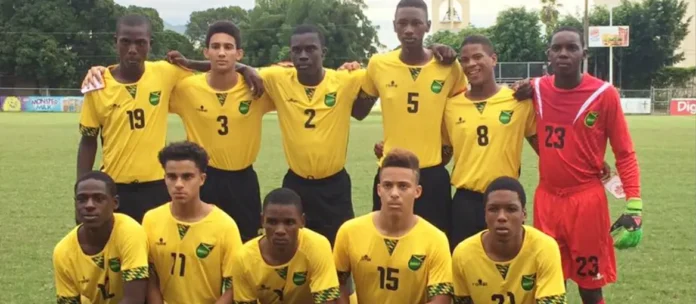
Jamaica’s Under-17 Reggae Boyz

Ninety minutes separate Jamaica’s Under-17 Reggae Boyz from a return to the FIFA Men’s Under-17 World Cup in Qatar this November.

The equation is clear, the stakes unmistakable: avoid defeat against Canada and the ticket is secured.

The decisive Group G encounter unfolds Wednesday at 3:00 p.m. (Jamaica time) at the Costa Rica Football Federation field, the second of two matches scheduled for the day. Earlier, Aruba and the Cayman Islands, both pointless, meet at noon, but all meaningful attention will center on the later contest.

Jamaica and Canada have swept aside those same two opponents. Now, only one will advance.

Goal difference gives Jamaica the edge

Both Jamaica and Canada enter the clash on six points, perfect through two matches. Yet it is Jamaica who sit atop Group G, and the margin is emphatic.

The young Reggae Boyz dismantled Aruba 3-0 before overwhelming the Cayman Islands 12-0, building a formidable +15 goal difference. Canada’s path was more measured: a 5-1 victory over Aruba and a 3-0 result against Cayman, yielding a +7 differential.

That numerical cushion means Jamaica require only a draw to clinch their third appearance at the global youth showpiece. Canada, by contrast, must win.

Downswell’s “showdown”

Technical Director Wendell Downswell has framed the encounter in unmistakable terms.

“We look forward to the game against Canada, which will be the showdown,” Downswell said. “There are little areas we have to work on and some individual players, and we hope to see improvements in their level.”

His assessment reflects both confidence and caution. Canada’s pedigree demands vigilance.

“The Canadians are a top team in the region, always well organised and efficient. So we will have to be very alert when we face them,” he added.

The message is clear: progress so far means little without discipline in the decisive moment.

Brown leads a potent Jamaican charge

Jamaica’s campaign has been fueled by attacking ruthlessness. Kelvin Brown has emerged as the tournament’s standout marksman, striking five times in two matches to lead the charge.

Behind him, the midfield artistry of Jahmarie Nolan has provided balance and creativity, while Jamone Lyle has added thrust and attacking menace. Together, they form a spine capable of unsettling even the most organized defense.

The challenge will be sustaining that sharpness against sterner resistance.

A must-win mentality

Unlike Jamaica, Canada cannot afford caution. Victory is their only path forward, and they are expected to press accordingly.

Their squad blends imposing physical presence with refined technical ability. Players such as Eloi Burton, Liam Torres, Quinton Belfon, and Van Parker are poised to spearhead the effort in what is, for them, a must-win contest.

Jamaica’s young defenders will need composure and resilience to withstand that combination of size and skill.

One result, one opportunity

For Jamaica, the mission is straightforward but far from simple. A draw is sufficient. Yet managing a match with so much at stake demands maturity beyond years.

The Reggae Boyz have demonstrated attacking power and defensive solidity in earlier rounds. Now they must demonstrate poise.

As Downswell has made clear, this is the “showdown.” And if Jamaica can navigate it without faltering, Qatar awaits.


All-around excellence key as West Indies target England in Mumbai

daren sammy

The stage is set at Mumbai’s Wankhede Stadium, where the West Indies and England will renew a rivalry Wednesday shaped by power, pride, and World Cup history.

Both arrive buoyed by opening victories in the ICC Men’s T20 World Cup, but by markedly different paths.

The West Indies swept past Scotland with authority, claiming a 35-run victory that underscored their depth and firepower. England, by contrast, survived a tense encounter against Nepal, edging home by just four runs.

Now, momentum meets scrutiny in what promises to be one of the tournament’s defining early clashes.

Sammy’s blueprint: Power and precision

Head Coach Daren Sammy believes the formula for success is clear: dominate with the bat and execute with discipline in the field.

“We play against each other in very high scoring games. The surface here at Wankhede tells you that you need to put some good runs on the board if you bat first,” Sammy said during Tuesday’s pre-match press conference.

Wankhede has long been a haven for stroke-makers, and Sammy expects another run-laden contest. But he is under no illusion that six-hitting alone will suffice.

“What I would say is that in 2016 we were known for our six hitting, but the world has caught up to that. Everybody now hits sixes and they run really well between the wickets, they score off more balls, so we have a lot to do. But then again, we probably might just have to hit more sixes, something we were able to do when we dominated during that era,” he said.

The modern T20 landscape is more competitive, more calculated. Power remains essential — but precision may prove decisive.

“Tomorrow we’re going to have to be smart. Both teams have that power. I think it will rely on which team executes better with the ball, because I think we could match each other when it comes to six hitting.”

The mental edge

Despite the magnitude of the encounter, Sammy insists the team is not looking beyond the immediate task.

While the ultimate objective is unmistakable, a historic third T20 World Cup title, the approach is deliberately measured.

“When we left home, we’re in this tournament to win it. I’m pretty sure that’s the goal of every team. Not only tomorrow’s game, I think every game is very important…The team right now is in a very good space mentally. The way the guys have been preparing has been really good; the discussions going around the planning, I see a focused team.”

The emphasis is on preparation, clarity, and composure.

“We’re not going to think too far ahead. Like I said, England is the challenge tomorrow, they’re a very good side, they’ve got so many match winners, and we have to plan really well and play really well to beat them,” Sammy admitted.

A battle of fine margins

England’s line-up is stacked with game-changers; the West Indies boast explosive match-winners of their own. In the compressed, unforgiving world of T20 cricket, reputations carry little weight once the first ball is delivered.

“Is it impossible? No we don’t think so, but as you see, T20 is a game where the shorter the format it brings teams closer together and you’ve seen so many close games where one team looks like they are in a really good position, so again, I say it’s a battle versus execution of skills with both bat and ball and we want to have that all-around game against England tomorrow in order to win.”

Sammy’s assessment is pragmatic: sixes may electrify the crowd, but disciplined bowling and sharper execution will determine the outcome.

Under the lights in Mumbai, the equation is simple. Match England’s power. Outperform them with the ball. Execute when it matters most.

If the West Indies can strike that balance, they will not only take a critical step forward in this campaign, they will reaffirm that their pursuit of a third title is far more than ambition.


CWI hails Lawes after breakthrough U19 World Cup campaign

West Indies left-arm spinner Vitel Lawes

Vitel Lawes arrived at the ICC Men’s Under-19 World Cup with ambition. He departed as one of its most celebrated performers.

Cricket West Indies (CWI) has formally applauded the 18-year-old left-arm spinner following his selection to the prestigious Team of the Tournament, the only West Indian named in the 12-member squad. The recognition caps a campaign defined by impact, resilience, and consistency.

Across five matches, Lawes collected 10 wickets at an average of 22, repeatedly delivering breakthroughs at critical junctures.

Delivering on the big stage

In a competition that often exposes youth and inexperience, Lawes distinguished himself with control and tactical maturity. His ability to strike at key moments against strong opposition elevated him into elite company among the tournament’s best performers.

CWI Director of Cricket Miles Bascombe underscored both the individual accomplishment and what it represents for the wider region.

“Vitel’s selection to the ICC Under-19 World Cup Team of the Tournament is richly deserved and reflects both his individual quality and his growth as a cricketer,” Bascombe said.

“Throughout the tournament, he showed maturity beyond his years, tremendous skill, and an excellent understanding of his role. All culminating in the ability to strike at important times against quality opposition.”

For Bascombe, Lawes’ success extends beyond personal accolades. It signals strength within the regional development system.

“Performances like these underline the value of our youth-development pathways and give us great confidence in the next generation of West Indies players.”

A journey through doubt

For Lawes, the honor carries deeper meaning because of the road he traveled to earn it.

His recent past included uncertainty. During last year’s series against Sri Lanka, he managed only a single wicket, a stretch that prompted internal reflection and concern about his World Cup prospects.

“Being named in the Team of the Tournament is a very big achievement for me. In the Sri Lanka series last year, I only took one wicket, and at one point I was questioning if I was going to make the World Cup team,” Lawes admitted.

What followed was transformation — preparation sharpened by self-belief and resolve.

“To come from such a low moment, this is a tremendous feeling, and to be the only West Indian makes it even more special for me, the region, and my country. I feel like I represented my region and country very well in the circumstances.”

A tournament to remember

Lawes describes the tournament itself as nothing short of extraordinary.

“It was an excellent tournament for me. Besides the team lifting the trophy, I couldn’t ask for anything better in a World Cup. It was a once-in-a-lifetime experience. Before the tournament, I promised myself that I would give it 110 per cent every game, and I think I did that as best as I could,” he said.

That promise, to give everything, every match, translated into sustained impact across five appearances.

A beacon for the next generation

Lawes’ inclusion in the Team of the Tournament stands as both validation and inspiration: validation of his perseverance and talent, and inspiration for aspiring cricketers across the Caribbean.

As CWI celebrates his achievement, the message is unmistakable. The region’s future is emerging, disciplined, determined, and ready to compete with the world’s best.

And in Vitel Lawes, that future has already begun to announce itself.


Ways to stay safe while traveling to remote destinations

Traveling to remote destinations presents exciting opportunities to explore untouched landscapes. You can experience unique cultures and enjoy the serenity that these areas offer. While the adventure of venturing into unfamiliar, less populated places can be thrilling, it does come with certain risks.

From limited access to healthcare to unreliable communication, safety should always be a priority. To ensure a smooth and secure trip, proper planning and precautions can help reduce potential risks. This article offers essential tips to keep you safe while traveling to remote locations, ensuring that you make the most of your adventure.

1. Research Your Destination

Before setting off, it’s important to thoroughly research your destination. Knowing about the area’s geography, climate, and possible dangers will allow you to plan better. Check for any travel advisories or warnings, especially those related to political unrest or natural disasters.

Each destination is different, so consider the terrain and adjust your packing list and activities accordingly. Remote islands, mountains, or deserts all present unique challenges. Researching health precautions like necessary vaccinations will ensure that you’re physically prepared for your journey.

2. Always Stay Connected

Maintaining connectivity is essential when you’re traveling to remote areas. A travel eSIM is an excellent solution for staying connected while avoiding the hassle of using physical SIM cards. The eSIM allows you to access local mobile networks, ensuring you can use apps for navigation, emergency services, and staying in contact.

Having reliable internet access can be crucial for safety, helping you stay informed about weather updates or sudden changes in the area. With an eSIM, you can maintain seamless connectivity throughout your journey without dealing with the inconvenience of traditional SIM cards.

3. Share Your Itinerary with Loved Ones

Always inform someone you trust about your travel plans. Share your itinerary, including your destinations, accommodation details, and the activities you plan to do. Set up regular check-ins to keep your loved ones informed. This way, if anything goes wrong, someone will know your whereabouts and can take action. Staying in touch provides peace of mind for both you and your family or friends.

4. Pack Essential Emergency Supplies

When traveling to remote locations, being prepared for emergencies is key. While technology can help in some situations, it’s always best to have basic supplies on hand. Here’s a list of items you should pack:

  • First aid kit (bandages, antiseptics, pain relievers, personal medications).
  • Extra food and water, especially if local supplies are scarce.
  • A portable power bank to keep devices charged.
  • Flashlight and extra batteries.
  • A map and compass for navigation if your devices fail.
  • A multi-tool or a knife for various practical uses.

By packing these essentials, you can be ready to handle unexpected situations. It can either be a minor injury or a more serious emergency; being prepared is essential.

5. Understand the Local Emergency Services

In remote locations, emergency services may not be as easily accessible as in urban areas. Research and learn about the emergency services available at your destination, including local hospitals, clinics, and law enforcement contacts. If you’re traveling to a particularly isolated area, hiring a local guide can be a valuable decision. Guides are often familiar with the terrain, local risks, and how to access emergency help when needed. Understanding the local emergency services before you travel can save precious time in critical situations.

6. Practice Health and Safety Precautions

Each destination carries its own set of health risks. In tropical or rural destinations, diseases like malaria or dengue fever may be a concern. Take necessary steps to protect yourself, such as using insect repellent, wearing long sleeves, and sleeping under a mosquito net if required.

Ensure that your vaccinations are up to date and consult a healthcare professional about any additional vaccines you might need. Additionally, only drink purified or bottled water, and be cautious about food hygiene. This is especially from street vendors to avoid foodborne illnesses.

7. Prepare for Extreme Weather Conditions

Remote destinations often come with unpredictable weather. It’s crucial to pack clothing and gear suitable for a wide range of conditions. In mountainous regions, the weather can change rapidly, so bring layers and suitable footwear to stay warm. For desert or tropical regions, make sure to stay hydrated, wear sunscreen, and avoid the midday sun. Familiarize yourself with the area’s weather patterns so you can make informed decisions about your activities and adjust your plans if necessary.

Exploring remote destinations offers many rewards, but it also requires thoughtful preparation. By doing thorough research, staying connected with a travel eSIM, and packing the right supplies, you can protect yourself from the potential risks that come with remote travel. Take precautions when it comes to health and weather, understand local emergency services, and always trust your instincts. With these steps, you can enjoy a safe and unforgettable adventure in even the most secluded corners of the world.


China defends Bahamas hospital project after US urges rethink of loan deal

Herschel Walker

China has defended its role in financing a new hospital in The Bahamas, describing the project as a “livelihood initiative” funded through a highly preferential loan, after the United States urged Nassau to reconsider the multi-million-dollar agreement.

In a statement, the Chinese Embassy said the planned hospital in western New Providence is being jointly advanced by both countries based on “mutual respect and friendly consultation” to improve the well-being of Bahamians.

“The project aligns with the healthcare needs of The Bahamas and serves its best interests,” the embassy said, adding that Beijing respects the country’s sovereignty and supports its independent choice of development partners.

“China–Bahamas cooperation involves no geopolitical calculations, targets no third party, and should not be interfered with by any external party,” the statement added, while reaffirming China’s commitment to long-term cooperation and economic support for the Caribbean nation.

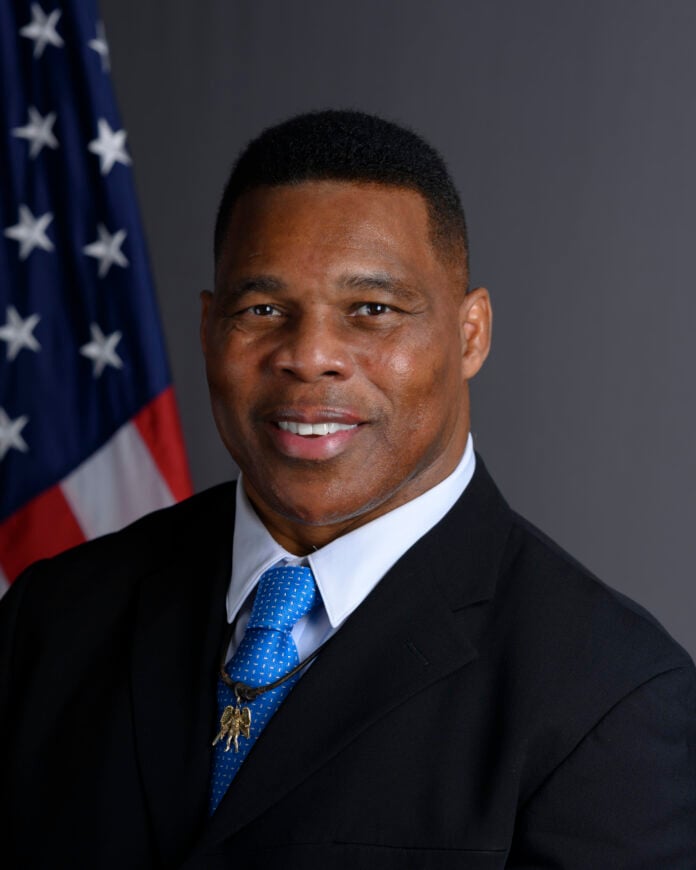
The comments came after US Ambassador to The Bahamas Herschel Walker called on the government to explore alternative financing arrangements for the new hospital project, which is being funded largely through a loan from China’s Export-Import Bank.

“It would be better to look at other financing options that adhere to international norms,” Walker said. “President Trump believes in fair deals that benefit both nations, and the United States is committed to being the economic and security partner of choice.”

Walker added that Washington stands ready to work with Nassau to help secure what he described as a better financing arrangement, whether through private or public sources, to deliver the healthcare infrastructure Bahamians need.

Last year, the Bahamian government signed an agreement to borrow US$195 million from the China Export-Import Bank to fund 73 per cent of the cost of the planned 200-bed hospital, with the remaining financing to come from the Ministry of Finance.

Health and Wellness Minister Dr. Michael Darville confirmed last week that the loan agreement includes a requirement for a 50-50 ratio of Bahamian to foreign construction workers. He told Parliament that the government is seeking to negotiate a higher share of local workers.

The project’s main contractor, China Railway Construction Corporation Ltd., is listed by the US Department of the Treasury’s Office of Foreign Assets Control on its restricted investment list due to links to China’s military-industrial complex.

Walker also warned that the loan arrangement could subject The Bahamas to Chinese law and labour standards, saying it “doesn’t appear to be in the best interests of The Bahamas” to accept such conditions.

Darville said the Bahamian government had engaged US officials at senior levels, including the US Export-Import Bank, regarding possible financing for the hospital but did not receive a proposal that met the country’s needs.

“While there were conversations, The Bahamas did not receive a financing response that met the scale, timing, and certainty required to advance this critical national project,” he said.

He stressed that the country’s partnership with the United States remains strong and is not being replaced by its agreement with China.

“The government of The Bahamas will continue to pursue practical, timely solutions that serve the best interests of the Bahamian people, guided by our national priorities, our development needs, and our sovereign right to make decisions in the public interest,” Darville said.

A feasibility study tabled in Parliament this week indicates that the government is also examining the possibility of funding public hospitals or tertiary healthcare through National Health Insurance contributions.

Meanwhile, National Security Minister Wayne Munroe said he expects the United States to back its statements with concrete support, particularly in helping secure financing for a new prison and virtual court complex.

Munroe said he views the US ambassador’s remarks not as interference but as an opportunity for collaboration, adding that he anticipates a positive response from the US Export-Import Bank if The Bahamas seeks funding for the prison project, which is expected to cost about US$50 million and be financed through a public-private partnership.

Jamaica rallies top diplomats for talks amid rising geopolitical tensions

Jamaica Kamina Johnson Smith
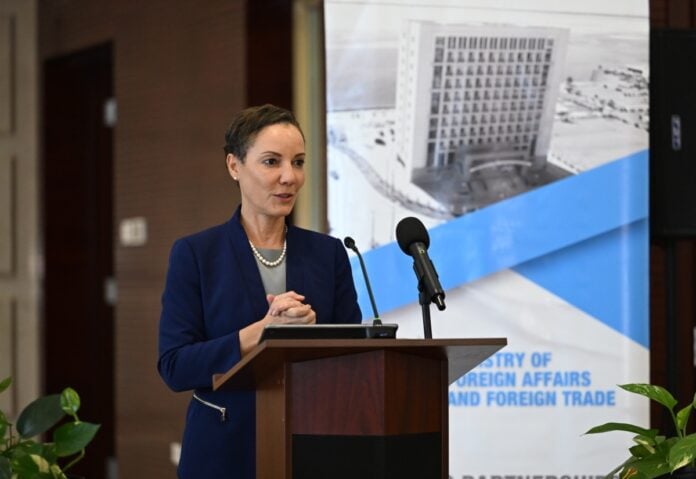
Minister of Foreign Affairs and Foreign Trade, Senator the Hon. Kamina Johnson Smith

Jamaica has convened a high-level meeting of its top diplomats and consular officials in Kingston this week, as the government moves to align foreign policy priorities in what it describes as an increasingly uncertain global environment.

Heads of diplomatic and consular missions are meeting with senior leadership of the Ministry of Foreign Affairs and Foreign Trade for a series of strategic consultations aimed at strengthening coordination and ensuring Jamaica is positioned to respond to evolving geopolitical and economic shifts.

Foreign Affairs and Foreign Trade Minister Kamina Johnson Smith said the gathering is intended to ensure Jamaica’s representatives abroad are aligned on advancing the country’s interests while preparing for developments in an unpredictable global landscape.

She noted that the week of strategic review and planning forms part of deliberate efforts by the government to better position Jamaica’s foreign policy for shifting economic and geopolitical realities.

The week-long sessions, scheduled to conclude on Friday, are being led by Johnson Smith, Minister of State Alando Terrelonge and Permanent Secretary Ambassador Sheila Sealy Monteith. The programme also includes engagements with several Cabinet ministers.

Last month, Prime Minister Dr Andrew Holness underscored the importance of caution and stability in navigating global uncertainty, saying he prays daily for Jamaica as the country charts its course through what he described as “changing times” and “uncharted waters”.

Speaking at Jamaica’s National Day of Prayer on January 7, Holness said his responsibility as head of government is to safeguard the nation and avoid unnecessary risks.

“My role as steward of the nation is to keep Jamaica safe, not to steer into waters for which we don’t have to go … not to invite problems on ourselves when we have our own problems to deal with,” he said.

The prime minister stressed that a cautious approach should not be interpreted as a retreat from Jamaica’s principles or global responsibilities, noting that the country has consistently been a strong voice for small developing states and will continue to play that role.

He added that Jamaica’s positions on international issues are longstanding and carefully considered, and that observers need only review the country’s diplomatic record to understand its stance.

The diplomatic consultations come amid heightened international attention on geopolitical shifts in CARICOM and across the wider Americas, including recent developments in Venezuela and broader realignments in global power dynamics.

Johnson Smith said the meetings will allow heads of mission to brief the ministry on major developments in their respective regions while strengthening coordination on advancing Jamaica’s international priorities.

She pointed to the effectiveness of this collaborative model during crises, citing the response to Hurricane Melissa, when Jamaica’s overseas missions coordinated assistance from more than 30 countries, including medical teams, field hospitals and tens of millions of dollars in humanitarian and medical supplies.

The minister also highlighted the role of Jamaica’s diplomatic network in strengthening the country’s global standing, including efforts that led to Jamaica’s removal from the European Union’s list of high-risk jurisdictions for anti-money laundering and counter-terrorism financing deficiencies — a development that has reduced barriers for Jamaican businesses and investors.

Among those attending the meeting are Jamaica’s Ambassador to the United States, Antony Anderson, and Consul General to the southern United States, Oliver Mair, who described the sessions as productive in a social media post, noting it was an honour to serve as part of the ministry’s team.

Opinion: Caribbean nations face crisis from interdependence

CARICOM Caribbean general elections

After the collapse of the 10-member West Indies Federation in 1961, each territory moved toward political independence from Britain between 1962 and 1983. During that push, critics questioned whether these small nations could survive in the global marketplace. The answer, in practice, was interdependence: Caribbean states would sustain themselves through close economic and political ties with larger powers such as the United States, the United Kingdom and Canada.

For years, that arrangement appeared workable. But in recent times — and especially since 2025, as larger states adopt more stringent immigration and trade policies — it has become clear that the Caribbean can no longer rely on traditional economic relationships with the U.S., Canada and the U.K. for its long-term viability. Alternatives must now be pursued.

Caribbean “independence” was always constrained. Political independence never fully translated into economic sovereignty. Most states inherited monocrop or service-based economies centred on sugar, bananas or tourism; small domestic markets; high dependence on imports for food, fuel and medicine; and debt-heavy public sectors. Independence functioned as an implicit bargain: political autonomy in exchange for economic alignment with the Global North. That dependency was not accidental — it was built into the system.

When U.S. policy shifted toward an “America First” posture, serious repercussions began to emerge across the Caribbean. These include reduced foreign aid, diminished climate financing, tighter trade preferences, stricter immigration policies and more limited access to multilateral support. The scaffolding that made the region’s fragile independence workable is weakening.

The consequences are significant. Economic pillars that sustain Caribbean societies — tourism inflows, remittances, disaster recovery funding and concessional financing — are under strain. At the same time, climate change is intensifying the region’s vulnerability. Stronger hurricanes, rising seas, coastal erosion and repeated infrastructure damage now threaten national stability across the Caribbean. This is particularly unjust given that Caribbean countries contribute minimally to global emissions yet are often excluded from climate assistance because they are classified as “middle income.” Many are left dependent on external financing for rebuilding.

As larger Global North countries retreat into nationalism despite being the primary emitters of greenhouse gases, the implicit message to Caribbean states becomes stark: survival is no longer guaranteed by historic alliances.

This challenge extends beyond recent U.S. policy. The global system increasingly rewards size, power and leverage. Europe has similarly retreated behind tighter borders and fiscal austerity. Caribbean states possess moral authority on issues such as climate justice but limited bargaining power. Even institutions such as the IMF, World Bank and WTO can constrain rather than protect small developing states.

The region now faces a difficult reality. As economic viability comes into question, Caribbean nations must reverse brain drain, strengthen state capacity, build disaster resilience and sustain genuine sovereignty. National symbols alone are insufficient if states cannot maintain economic stability. Caribbean independence was never fully decolonised; it was largely outsourced. Without deeper regional integration, economic diversification, climate justice and stronger South–South alliances, Caribbean countries risk remaining formally independent but functionally fragile.

Yet sovereignty can still endure in a world where powerful nations feel less obligation to the region. That will require a shift in how the Caribbean understands and exercises power. Caribbean economies remain small, fragmented and externally oriented. Regional trade is limited and often politically complicated, while security, finance and disaster recovery are still heavily underwritten from outside. The region cannot simply replace international partners and institutions on its own.

Instead, collective diplomacy must be strengthened. Individually, Caribbean states are small actors. Collectively, they can exert meaningful influence — through coordinated voting in international forums, unified positions on climate change and more sophisticated legal and diplomatic engagement. Regional cooperation has already shaped global discussions on climate loss and damage, influenced maritime and financial rules and challenged the limitations of “middle-income” classifications. The issue is not a lack of capacity, but inconsistency and disunity.

The Caribbean must also recognise its geostrategic relevance. Positioned along major shipping routes, near the United States and at the crossroads of North–South migration, the region occupies increasingly contested geopolitical space. These are bargaining chips that have not been fully leveraged. While the Caribbean may never dominate global markets, it can shape global ideas — on climate justice, small-state vulnerability, financial fairness and disaster insurance reform. In a rules-based system, influencing norms is itself a form of power.

Greater independence will also require shared regional systems. Joint disaster response and insurance mechanisms, coordinated food logistics and storage, and regional payment or currency frameworks could reduce vulnerability. Hurricanes and fuel shocks quickly expose dependence; building climate-resilient agriculture, reducing reliance on imported staples and pursuing energy independence should be treated as matters of national and regional security.

Ironically, the Caribbean’s primary export is its people. Many of the region’s most talented citizens migrate to North America and Europe. Yet human capital remains the Caribbean’s most renewable resource. Retaining skilled labour and mobilising diaspora investment for training, innovation and enterprise will be critical to long-term resilience.

The Caribbean may never escape interdependence entirely. But it can reduce structural vulnerability. By acting collectively, diversifying economically and asserting its strategic value, the region can move closer to a form of independence that is not only symbolic, but sustainable.

Brandy and Monica set to light up St. Lucia Jazz & Arts Festival

R&B fans, get ready — Brandy and Monica are officially heading to St. Lucia.

The iconic hitmakers have been announced as part of the St. Lucia Jazz and Arts Festival, running April 30 to May 10, with the songstresses set to headline the festival’s final event, The Ultimate Celebration, on Sunday, May 10. The reveal was made by Chairman of the St. Lucia Tourism Authority, Thaddeus M. Antoine, during a media engagement at Sandals Regency, instantly igniting excitement across the island and beyond.

Following their successful joint tour of the United States, Brandy and Monica are adding St. Lucia to their list of international stops, bringing one of R&B’s most beloved collaborations to the Caribbean. The tour, which celebrates their timeless catalog and historic partnership, has been selling out venues and drawing rave reviews, proving that the queens of ’90s and 2000s R&B still command the global stage.

Their appearance is set to be one of the festival’s biggest moments, as fans can expect a night filled with chart-topping hits, powerful vocals, and undeniable nostalgia, all against the backdrop of St. Lucia’s world-class scenery.

The May 10 grand finale is shaping up to be a showstopper, with Brandy and Monica sharing the spotlight with an all-star lineup that includes Billy Ocean, Beverley Knight, and Mervin Wilkinson and Friends. The night promises a rich mix of R&B, soul, jazz and Caribbean rhythms, delivering a fitting close to one of the region’s most anticipated festivals.

Adding to the excitement, organizers have announced that early bird tickets are now available at 10% off, giving music lovers a limited time to secure their spot at a discounted rate.

The St. Lucia Jazz and Arts Festival continues to build its reputation as a premier cultural event, bringing together international icons, regional favourites, and local talent across multiple stages over 11 days. The festival also celebrates art, fashion and culture, making it a cornerstone of St. Lucia’s entertainment and tourism calendar.

With Brandy and Monica now officially on board, expectations are soaring for a festival edition that promises star power and unforgettable performances, all culminating in a grand finale already being billed as unmissable.

Transnational organised crime biggest security threat to Caribbean, says Jamaica’s ambassador

Jamaica’s Ambassador to the United States (US), His Excellency Major General (Ret’d) Antony Anderson (right), discusses Jamaica’s Role in Regional Security: US and Jamaica Co- operation at a public forum organized by the George Town University Law faculty with moderator Director of Georgetown National Security Law Program, Todd Huntley, on the topic of on Thursday, February 5th, 2026 at the Gewirz Student Center at the university in Washington D.C. Photo Derrick Scott.

Jamaica’s Ambassador to the United States, Major General (Ret’d) Antony Anderson, has warned that transnational organised crime remains the most serious security threat facing the Caribbean, while pointing to Jamaica’s recent crime reductions as evidence that sustained reform can deliver results.

Anderson made the remarks during a public forum at Georgetown University Law Center in Washington, D.C., held under the theme “Jamaica’s Role in Regional Security: U.S.–Jamaica Cooperation.”

“Transnational organised crime that manifests through violence is the most significant threat to the security of our nation and the region,” Anderson said. “It is a business, and to sustain that business and its networks, those involved rely on violence or the threat of violence, undermining governance and exploiting borders in ways no single country can confront alone.”

He cited the United Nations Office on Drugs and Crime (UNODC) 2023 Global Study on Homicide, noting that the Caribbean continues to record the highest homicide rates globally. According to the report, 50 per cent of homicides in the region are linked to guns and gangs, compared with a global average of 24 per cent.

Drawing on his tenure as Jamaica’s commissioner of police from 2018 to 2024, Anderson highlighted what he described as historic security gains. Jamaica recorded its lowest homicide rate in more than three decades in 2025, reflecting a 40 per cent reduction, or 24 per 100,000 people. This followed declines of 8 per cent in 2023 and 19 per cent in 2024.

He said the downward trend has continued into 2026, with January registering a 55 per cent reduction in murders — the lowest monthly figure since record-keeping began in 2001.

“What you are seeing is the result of political focus, sustained strategies, and consistent investment in a security architecture tailored to our realities,” Anderson said. “We decided as a country to take ownership of our problem. No one is coming to fix it for us. Reform requires persistence, even through the difficult phases.”

Anderson also underscored the importance of institutional reform and leadership, pointing to Jamaica’s efforts to modernise its security forces and strengthen intelligence capacity. He said the country has worked to build a modern police force supported by technology, quality management systems and succession planning.

While emphasising Jamaica’s own reforms, the ambassador highlighted the importance of cooperation with the United States, describing it as one of the strongest law enforcement partnerships in the region.

“That cooperation has disrupted major narcotics trafficking networks, strengthened information sharing, and enhanced operational interoperability,” he said. Anderson added that Jamaica has been encouraged by bipartisan support in Washington to address the flow of illegal firearms into the Caribbean, alongside legislative reforms to Jamaica’s Firearms Act.

Looking ahead, he said Jamaica’s security progress should be seen as a pathway to long-term stability and development.

“Peaceful societies are not docile societies,” Anderson said. “They are societies where competition does not become conflict. The trends show we are moving toward safety, not just in reducing murder, but across all crime categories. The next stage is peace.”

He urged regional partners to document and share best practices, noting that Jamaica’s experience could help other countries facing similar challenges.

“What affects our neighbours affects us all,” Anderson said. “Our responsibility extends beyond our own shores.”

CARICOM backs new interim leadership in Haiti

48th CARICOM Heads Conference to Tackle Current Geopolitical Challenges

CARICOM Heads of Government say they are closely monitoring developments in Haiti after the country’s Transitional Presidential Council stepped down at the end of its two-year tenure, handing governing responsibility to Prime Minister Didier Fils Aimé and the Council of Ministers.

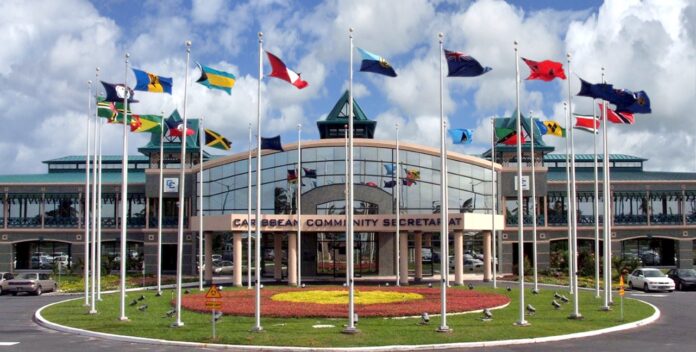
In a statement issued Tuesday from the CARICOM Secretariat in Guyana, regional leaders said the new governing arrangement is expected to be a short interim period focused on improving security, advancing preparations for national elections and supporting Haiti’s social and economic recovery.

The regional bloc stressed the urgent need for a stable political process in Haiti but reiterated that any path forward must remain Haitian-led and Haitian-owned. CARICOM said this approach requires overcoming political divisions and ensuring the structured inclusion of citizens’ views through consultation and dialogue with their representatives and civil society.

Regional leaders also underscored the importance of improving the security environment, noting that humanitarian conditions across the country remain severe. They called on regional and international partners to help ease the hardships faced by millions of Haitians, while backing priorities outlined by Prime Minister Fils Aimé to address security and dignity simultaneously.

CARICOM said it supports the prime minister’s immediate plan to provide urgent food, healthcare and shelter to the most vulnerable populations as part of stabilisation efforts.

The community reaffirmed its commitment to Haiti, pledging continued engagement through its Eminent Persons Group and ongoing outreach to key stakeholders. CARICOM also reiterated that Haiti remains an integral member of the regional body.

Heads of Government said they are looking forward to early engagement with Fils Aimé at the 50th Regular Meeting of the CARICOM Conference of Heads of Government, scheduled for February 24–27 in St Kitts and Nevis.

St Vincent to phase out reliance on Cuban doctors over three years, PM Friday says

Cuban medical missions
Cuban medical brigade

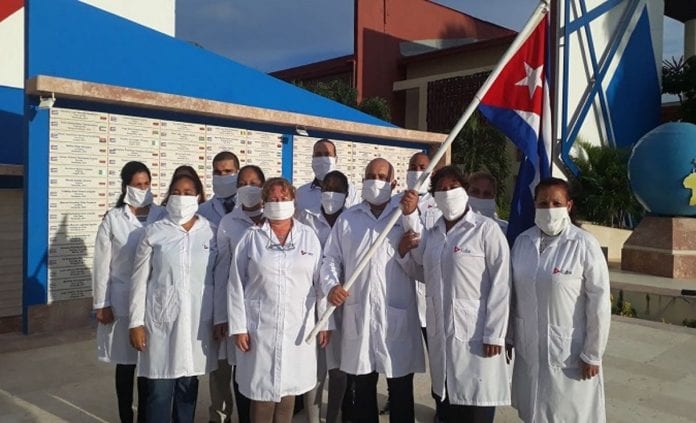
Prime Minister Dr. Godwin Friday says St Vincent and the Grenadines will begin a three-year phase-out of its reliance on Cuban district medical officers as part of a broader effort to reshape the country’s health sector.

Friday announced the move while delivering the New Democratic Party (NDP) government’s first budget since its election victory on November 27 last year, outlining a new vision centred on self-reliance, staffing reforms and expanded preventative care.

Earlier this month, the United States said it remains committed to holding accountable Cuban officials and foreign governments that facilitate what Washington describes as forced labour linked to Cuba’s overseas medical missions.

“By participating in these programmes, despite known human rights abuses, foreign governments become complicit in the regime’s tactics,” the US said in a statement. “There are alternative methods available for Caribbean nations to recruit foreign medical workers and ethically meet the healthcare needs of their people.”

Friday did not indicate whether the government’s decision to reduce dependence on Cuban doctors is connected to the US position. However, he stressed that strengthening the local health system is a priority.

Delivering a EC$1.9 billion (US$0.37 to EC$1) national budget, Friday told Parliament that healthcare is fundamental to national development and economic growth.

“The health of the nation is the bedrock of productivity, resilience, and national development,” he said. “Access to affordable, high-quality healthcare is not merely a social service; it is a strategic investment in growth.”

The Ministry of Health, Wellness, Environmental Health and Energy has been allocated EC$117.5 million under the budget. Friday said the funding reflects a comprehensive approach that supports public health while strengthening environmental and energy services that affect national wellbeing.

He said the government is implementing a human resources for health plan to better align skills with service demand and address staffing gaps across the sector. Under a policy labelled “Medical Staffing Localization,” the government will begin phasing out Cuban district medical officers.

“We will begin a three-year phase-out of the reliance on Cuban District Medical Officers, starting with the recruitment of four local medical officers in 2026 to address language barriers and reduce foreign staffing costs,” Friday said. He added that Cuban doctors may be redeployed elsewhere as needed.

The prime minister also warned that the country faces what he described as a “silent epidemic” of non-communicable diseases, citing 2023 Census data showing 12,239 cases of hypertension and 7,039 cases of diabetes nationwide.

“These conditions reduce quality of life, strain families, and place growing pressure on the health system,” he said, noting that hospital visits often reveal complications such as amputations and vision problems linked to diabetes.

Friday said the government will expand preventative care, including introducing screening for breast, cervical, prostate and colon cancers at all primary healthcare centres this year. An additional EC$1 million will be allocated to establish a Patient Support Unit to coordinate overseas radiotherapy and other life-saving treatments.

Plans are also underway to strengthen mental health services and improve geriatric care at the Lewis Punnett Home through updated admission policies and staff training. With support from a EC$6 million grant from Taiwan, the government will implement a comprehensive Health Information System aimed at digitising records and improving data-driven planning and accountability.

“The road ahead is demanding,” Friday said. “But by focusing on stabilisation, localisation, and quality, this government is building a health system that is resilient in crisis, responsive in care, and respectful of every Vincentian.”

JN Money opens new agent location in Bodden Town, Cayman

JN Money

JN Money has expanded its remittance services in the Cayman Islands with the opening of a new agent location in Bodden Town, marking its eighth agent site in the territory.

The new location, situated in Jacques Plaza, makes JN Money the first remittance provider to establish a presence in Bodden Town, bringing money transfer and related services closer to residents in the community.

The expansion follows the company’s wider international growth, which in August 2025 saw JN Money extend its reach to markets including Gambia, Nepal, Nicaragua, Ghana, Honduras, India, Kenya, the Philippines, Senegal and Uganda.

Horace Hines, general manager of JN Money Services (JNMS), said the Cayman Islands’ sizeable migrant population and high level of remittance activity made it important for services to be both accessible and reliable.

“Cayman has a large migrant population and experiences significant remittance activity, so it’s vital that these services are convenient, reliable and accessible,” he said. “By establishing a presence in Bodden Town, JN Money is ensuring that residents can send money safely and efficiently without having to travel long distances.”

He added that the company’s move into underserved communities across Cayman reflects its commitment to meeting customer needs while strengthening its presence in the market.

JN Money said the expansion forms part of its broader global strategy to deepen its footprint in key diaspora markets and strengthen access to secure and affordable financial services. Hines noted that the company’s growth initiatives are guided by market research and customer insights to ensure migrants can send funds home and access services such as mobile top-ups and bill payments.

“This strategic approach not only meets the immediate needs of our customers but also reinforces JN Money’s position as a trusted financial partner,” he said.

Customers at the Bodden Town location will have access to the full suite of JN Money services, with the company promising the same standard of service offered at its other locations.

Sanya Wallace, assistant general manager for strategy at JNMS and interim country manager for JNMS Cayman, said additional agent locations are planned for Walkers Road and East End.

She noted that the new sites are expected to join the network in early 2026.

“Expanding into these communities reflects our ongoing commitment to serving customers where they live and work,” Wallace said. “By strengthening our presence across Cayman, we’re building lasting roots and supporting the people and communities that rely on us every day with convenient and secure financial services.”

Gramps Morgan, Antigua PM team up on ‘Reparations’ single for Reggae Month

As Reggae Month celebrations intensify across the Caribbean, the genre’s legacy of resistance and social commentary is once again taking centre stage with a new collaborative release focused on reparatory justice.

Grammy-winning artist Gramps Morgan has teamed up with Gassy Dread — the recording identity of Antigua and Barbuda Prime Minister Gaston Browne — for a new single titled Reparations, set for release this Friday. The track addresses the long-term impact of colonialism and slavery across the Caribbean and wider African diaspora.

Morgan said the project goes beyond entertainment, noting that its debut during both Reggae Month and Black History Month highlights reggae’s historic role in liberation movements and social advocacy.

“I believe it is a conversation that must continue to be had,” Morgan said, referring to the issue of reparations. “There have been many times people in our society have brought this conversation, and as a musician, I am just doing my part for Africans and the diaspora of the Caribbean in the Americas.”

He added that while the message is not new, artistes have a responsibility to keep the issue alive in public discourse.

“This message is not new, but I think it is important for us as artistes to bring up this conversation from time to time so that we never forget the spirit of our ancestors and what they’ve been through and the fact that they must be justly compensated,” Morgan said.

Morgan noted that aligning the song with the 2026 Reggae Month theme, “Rhythms of Resilience,” was intentional, describing the release as both a tribute and a call for continued advocacy.

“I pray that people can be re-awakened to the issue once again, especially in the Caribbean and those in America,” he said. “This is a call for something long asked for, and I pray that it may gather the attention of the United Nations so we can revisit this conversation, and there’s no better time to do that than in Black History and Reggae Month.”

He expressed hope that the song would resonate with countries historically linked to the transatlantic slave trade, including Spain, the Netherlands, the United Kingdom and Portugal, encouraging renewed dialogue on reparatory justice.

Reflecting on the collaboration, Morgan described working with Browne as seamless and inspiring, praising the Antiguan leader’s artistic ability and vision.

“It was very easy working with the Prime Minister of Antigua. I was impressed that he wanted to tackle a project like this,” Morgan said. “The Prime Minister of Antigua is a true visionary and great songwriter. It was a pleasure to collaborate with him, and it just shows you how much talent there is in the Caribbean.”

Reparations was co-written by Browne and Morgan, with production by Justin “Juss Buss” Nation.

Grenada investigating tuberculosis cases as infections rise

Grenada tuberculosis

Grenada’s Ministry of Health is investigating several confirmed cases of tuberculosis (TB), including infections among children, as officials monitor an increase above the country’s typical yearly average.

Health authorities said three active cases have already been confirmed so far this year, compared with the usual two to three cases recorded annually. The affected individuals are currently in isolation and receiving the necessary treatment.

The ministry expressed particular concern that children are among those impacted and is urging public cooperation as it carries out investigations and monitoring.

Tuberculosis is a chronic bacterial infection that most commonly affects the lungs but can also involve other parts of the body. It spreads through respiratory droplets released into the air when an infected person coughs or sneezes, although prolonged close contact is generally required for transmission.

Health officials explained that after infection, the bacteria can remain dormant in the body for years without causing symptoms. This stage, known as latent TB infection, is not contagious. Active TB disease develops when the immune system becomes weakened, allowing the bacteria to multiply and cause symptoms. Individuals with active TB can spread the disease to others.

Symptoms of active tuberculosis include a persistent productive cough, fever, fatigue and weight loss, with people who have weakened immune systems at greater risk of developing the illness.

The ministry noted that TB is curable with a specific course of antibiotics typically taken over six months, but warned that untreated cases can be fatal.

Whenever a case is diagnosed, health officials conduct contact tracing to identify individuals who may have been exposed. Those contacts are tested and, if found to have latent infection, are offered preventive treatment to reduce the risk of developing active disease.

The Ministry of Health is encouraging full public cooperation as it works to contain the current cases and protect the population from tuberculosis and other communicable diseases.

Bahamas PLP to launch general election campaign Feb. 16, Davis tells supporters

Bahamas Budget Deficit more than doubles

Bahamas Prime Minister Philip Davis has confirmed that the governing Progressive Liberal Party (PLP) will officially launch its general election campaign on February 16, following the completion of the party’s ratification process.

Speaking at a PLP ratification event at party headquarters on Farrington Road, Davis said the party had concluded its candidate selection phase and was now moving into full campaign mode, with increased visibility and engagement expected from members.

“This marks the end of one phase and the beginning of another,” Davis told supporters. “The selection process is done. Ratifications are complete. Next week, February 16, the Progressive Liberal Party launches its campaign.”

Davis warned that “a lot is at stake” in the upcoming election, framing the vote as a choice between continued progress under the PLP or what he described as obstruction from the opposition. He sharply criticised Opposition leader Michael Pintard, labelling him “Petty Pintard” and accusing him of focusing on grievances rather than governance.

“My mummy used to tell me — and that was a woman — there’s nothing worse than a petty man,” Davis said to applause from party supporters. “A petty leadership focuses on grudges instead of progress. Petty leadership puts ego ahead of people. Petty leadership tears down instead of builds up. A petty man is very dangerous to this country.”

Davis argued that such leadership would stall national progress, citing proposals to right-size the public service and warning of potential job losses. He also referenced the treatment of former prime minister Dr Hubert Minnis as an example of what he characterised as petty leadership.

Calling for steady governance, Davis accused the opposition of criticising the government’s economic recovery efforts without presenting viable alternatives. He urged supporters not to take victory for granted, stressing that “winning is earned through process.”

The prime minister also addressed union members and healthcare workers, pledging continued engagement with organised labour and ongoing support for frontline staff.
“Working people deserve fairness, unions deserve respect, healthcare workers deserve support,” he said. “As long as I am prime minister, unions will always have a seat at the table.”

Newly ratified PLP candidates also addressed supporters, highlighting the party’s record since returning to office in 2021 and outlining plans for continued investment in infrastructure, labour protections and social programmes.

Long Island candidate Reneika D. Knowles pointed to infrastructure and economic challenges facing Family Island communities, while Southern Shores candidate Obie Roberts cited VAT reductions on unprepared food, minimum wage increases and signed labour agreements as signs of economic progress.

Deputy Prime Minister Chester Cooper, ratified for Exuma and Ragged Island, described the ratification process as “a deployment order,” signalling the party’s shift from economic recovery to what he called an era of greater economic ownership for Bahamians.

In closing, Davis said his administration had stabilised the economy following the pandemic, expanded social programmes and invested in infrastructure nationwide, warning that the upcoming election would determine whether those reforms continue or are reversed.

OAS backs Haiti’s interim government, calls for security gains ahead of elections

OAS Audit panel created to support transparency in health spending in the Caribbean

The Organization of American States (OAS) has reaffirmed its commitment to supporting Haiti as the country enters the next phase of its transition toward an elected government amid ongoing security challenges.

In a statement, the OAS General Secretariat said it is backing efforts aimed at stabilising the nation and preparing for national elections, following recent consultations and developments in Haiti’s transitional leadership.

The organisation noted that the term of the Transitional Presidential Council ended on February 7, 2026. In accordance with Haiti’s constitution, Prime Minister Didier Fils Aime and his cabinet are now set to lead what the OAS described as a short, focused interim period.

According to the OAS, this interim phase will prioritise improving the security environment and advancing preparations for national elections in line with the published electoral calendar. The General Secretariat added that it is currently providing both technical and financial support to the Haitian National Police and the National Identification Office to help facilitate these efforts.

The OAS stressed that progress on security remains central to Haiti’s path forward, warning that gang leaders and those supporting them must not be allowed to undermine national stability. It also pointed to the importance of the timely deployment of the Gang Suppression Force, in keeping with United Nations Security Council Resolution 2793, as critical to restoring order.

The organisation pledged continued international support throughout the transition and beyond, while emphasising the importance of Haitian leadership in the process.

“We reiterate that a Haitian-led and Haitian-owned approach remains fundamental,” the OAS General Secretariat said. “To achieve these objectives, we reiterate the need for regular, structured national consultation and dialogue among Haitians to foster unity and to create a stable and enabling political and governance process.”

What Medicaid planning lawyers do to protect your assets

medicaid

With its sunlit coastline, established neighborhoods, and strong sense of community, Naples is a place where many residents plan carefully for the future they’ve worked hard to build. As people here enjoy long retirements and active family lives, questions about long-term care and financial security naturally come to the forefront. Rising healthcare costs can quickly place pressure on savings, homes, and other assets if planning is delayed or misunderstood. This is where experienced legal support becomes essential. Medicaid planning lawyers focus on helping individuals and families prepare for potential care needs while lawfully safeguarding what they own.

They translate complex regulations into clear strategies, balancing eligibility requirements with asset protection goals. By looking ahead rather than reacting to a crisis, families can avoid unnecessary financial loss and stress. For those seeking clarity and peace of mind, Medicaid planning lawyer guidance in Naples can make the difference between uncertainty and a well-protected future.

Understanding Medicaid and Asset Protection

Medicaid is a government program that assists individuals who need long-term care. There are limits on income and assets to qualify. The idea that individuals must give up all of their property to qualify for assistance is a common misconception. Attorneys who focus on Medicaid planning help individuals meet eligibility requirements without losing everything they own.

Evaluating Financial Situations

An attorney begins by reviewing a client’s assets, income, and debts. This step helps determine how Medicaid eligibility may be affected. They consider savings accounts, retirement funds, vehicles, real estate, insurance policies, and other financial resources. The attorney then explains which assets may be exempt and which may count against the applicant.

Creating Legal Strategies

After completing the evaluation, the attorney develops strategies to protect assets. These may include transferring ownership, creating certain types of trusts, or restructuring assets to make them noncountable. Strict rules apply to these strategies, and improper timing can result in delays or denials. The lawyer ensures that each step follows applicable regulations and timelines.

Use of Trusts to Protect Your Assets

Irrevocable trusts and other legal tools can be used to move assets out of the countable resource pool. These structures allow property to be transferred in a way that prevents it from being counted for Medicaid eligibility purposes. An attorney prepares and manages the necessary documentation to ensure the trust is valid and compliant. This approach may also allow families to preserve assets for future generations.

Addressing Gifting and Transfers

While gifting assets to friends or relatives may seem like a simple way to reduce countable resources, doing so improperly can result in penalties. Medicaid enforces a look-back period for gifts and transfers, during which past transactions may affect eligibility. Attorneys explain these rules and help develop safe strategies for gifting. Proper planning helps avoid penalties and ensures benefits are not unnecessarily delayed.

Spouse and Family Planning

When one spouse requires long-term care, the other may worry about financial security. Medicaid includes spousal immunity and protections designed to prevent the healthy spouse from becoming impoverished. Attorneys explain spousal allowances and help structure finances so the well spouse retains sufficient resources. Planning may also include children or other dependents to ensure everyone is protected.

Preparing and Filing Applications

Medicaid applications require detailed financial disclosures. Errors or missing information can lead to denials or delays. Lawyers assist with preparing and reviewing all required documentation, reducing the likelihood of mistakes and increasing the chances of approval. Their experience helps ease the burden on families during this process.

Responding to Changes and Reviews

Medicaid eligibility is subject to ongoing review. Changes in income, living arrangements, or household composition may affect continued eligibility. Attorneys help clients report changes accurately and remain compliant with program requirements. Proactive management helps prevent gaps in coverage or disruptions in care.

Conclusion

Medicaid planning lawyers help individuals preserve assets while securing coverage for long-term care. Through careful evaluation, tailored legal strategies, and ongoing guidance, these professionals help families protect their financial stability. Their work allows clients to focus on health, care needs, and loved ones while maintaining peace of mind.


How product liability lawyers handle defective product claims

Product liability

Fort Myers, FL, is a thriving coastal community where residents and visitors rely daily on consumer products, household goods, medical devices, and equipment to support work, recreation, and everyday life. When one of these products fails due to a defect, the consequences can be sudden and severe, leaving individuals with serious injuries and unexpected financial strain. In a city that values safety and accountability, understanding how defective product claims are handled becomes essential after harm occurs.

Product liability cases are rarely simple, as they often involve manufacturers, distributors, and complex technical evidence. This is where insight into how product liability lawyers handle defective product claims can make a meaningful difference. These legal professionals focus on uncovering the source of the defect and connecting it directly to the injury suffered. For those facing uncertainty after being hurt by an unsafe product, seeking product liability legal assistance in Fort Myers, FL, can be an important step toward protecting rights, pursuing fair compensation, and restoring peace of mind.

Evaluating the Potential Case

This initial step usually starts with an investigation of the scenario. Lawyers review the injured person’s story and any relevant evidence. They think in terms of whether the personal injury is tied directly to the product in question. Additional evidence, such as medical records, photographs, and witness testimony, can help support the preliminary determination. During this phase, the validity of the claim is determined.

Identifying the Type of Defect

There are three general types of product liability claims. These can be due to defects in the product itself (manufacturing defects), defects in the product’s design, or insufficient warnings on the product. Lawyers examine the situation to determine the specific defect type involved. Manufacturing defects occur during production. Design issues arise from the product’s blueprint.

Collecting and Preserving Evidence

When the attorneys understand the nature of the claim, then the focus shifts to collecting evidence. To gather evidence effectively, attorneys often seize the defective item, which is one of the most important pieces of evidence. Product packaging, instructions, and purchase receipts also contain valuable information that can be gained. Documents, such as expert reports, can supplement the evidence. Preservation of evidence serves as the basis of a compelling argument.

Consulting with Experts

Lawyers often collaborate with technology professionals. These technology professionals assess whether the product deviated from safety protocols. They can help clarify if the product was unreasonably dangerous. Testimony from a qualified professional can be a very decisive factor. This collaboration can also help to present a stronger case to insurers or a court.

Determining Responsibility

The first step is to identify who has been made to pay for the injury. Defects in the goods hold the manufacturers responsible. If distributors, wholesalers, or retailers played a role in the harm, they may be at risk. Lawyers will scour the supply chain to find every potential culprit. This comprehensive analysis guarantees that all responsible entities are accounted for.

Filing the Claim

Once the lawyers have obtained enough information, the claim is prepared and filed. This stage typically requires the claimant to inform the liable parties of the purported defect. Should negotiations bog down, they could file formal complaints in civil court. Each describes the defect, the injury it caused, and the damages sought.

Negotiating Settlements

Most cases settle before court hearings. Lawyers interact with representatives of the responsible parties to negotiate a reasonable settlement. Settlement discussions can go back and forth on numerous occasions. Lawyers fight for their clients and attempt to settle the case fairly. It can be a time-saver and lessen the emotional burden.

Preparing for Court

When settlement discussions collapse, the case heads to court. Lawyers sort evidence, prep witnesses, and construct arguments. They make certain that every fact, detail, or breakthrough backs up the client. Adequate preparation can boost the likelihood of a successful outcome. It requires excellent presentation skills and, above all, meticulous adherence to legal protocol during the courtroom phase.

Advocating for Clients

During all the work, legal professionals stay focused on their client. They communicate, explain development, and clarify questions. They guide their clients clearly and help them make the right decision. They can relieve the anxiety that comes with legal proceedings.

Ensuring Fair Compensation

Receiving the compensation you deserve is a top priority. These damages could include medical expenses, lost income, or pain and suffering. Lawyers work diligently to secure compensation for injured victims that accurately reflects their losses. In turn, these individuals help their clients recover from being harmed by a dangerous product.

Conclusion

A product liability attorney plays a crucial role in advocating for victims of defective products. They demonstrate compassion and provide essential support to those seeking justice, ensuring that accountability is upheld and safety is prioritized. They are professionals who guide affected consumers through a systematic process towards a satisfactory result. Their expertise and dedication help make our scene a safer place for all.


Minister Marion Hall to open Pot-Ah-Love Jamaican Restaurant in Tamarac

Grammy-winning dancehall artist-turned-minister Marion Hall, formerly known as Lady Saw, is set to open her own restaurant, Pot-Ah-Love Jamaican Restaurant, in Tamarac, Florida. The exact opening date has not been announced.

Located at 6710–6716 N University Drive in the University Commons plaza, the restaurant will serve authentic Jamaican cuisine. Hall says the concept is inspired by her passion for cooking for her community, including feeding the homeless and friends, often sharing her culinary creations on social media.

Hall has described the restaurant as a dream come true. In 2023, she shared a photo of fried breadfruit and fish with the caption: “When your kids gone to school, and you find a nice piece of grouper fish and breadfruit from your own tree in Jamaica… I can’t wait to open my Pot AH love Jamaican restaurant here in Florida.”

The location also ties into Hall’s ministry, as it sits in the same plaza as her church, emphasizing a community-focused approach. Last week, she posted a photo of the restaurant space outdoors, writing: “#COMING SOON TO 6716 N UNIVERSITY DRIVE TAMARAC 33321 TO GOD BE THE GLORY!!!!!”

Pot-Ah-Love is expected to become a local destination for authentic Jamaican flavors, blending Hall’s culinary skills with her commitment to community and faith.


Miami-Dade plans $927M commuter rail linking Aventura, Wynwood, Little Haiti to Downtown

Downtown Miami

Miami-Dade County is moving forward with a massive public transportation project that would connect Aventura, North Miami Beach, Miami Shores, El Portal, Wynwood, the Design District, and Little Haiti to Downtown Miami via a new commuter rail line.

The proposed route will run along the Florida East Coast Railway, utilizing existing Brightline stations at Miami Central and West Aventura, and adding five new stops in Wynwood, the Design District, Little Haiti, North Miami, and Florida International University’s north campus in North Miami Beach.

The project, discussed Monday night by the city’s planning and zoning board, includes plans for workforce and FIU student housing near the Northeast 151st Street station, as well as commercial development. “You can walk to the station, you can walk to your residence, you can walk to the shopping,” said Zafar Ahman, North Miami Beach’s Community Development Director.

County officials say the new rail line could remove nearly 8,000 car trips from local roads each weekday, helping to ease traffic congestion.

The total cost of the project is estimated at more than $927 million. About half of that funding will come from a federal grant, another $200 million from the state, and the remainder from local sources. Miami-Dade County approved its portion of the funding last fall.

Construction is expected to begin once engineering and design work is completed, with the project slated for completion by 2032.

Pembroke Park Mayor files emergency lawsuit to block special commission meeting

Pembroke Park Mayor Geoffrey Jacobs

Pembroke Park Mayor Geoffrey Jacobs has filed an emergency lawsuit seeking to block a special town commission meeting scheduled for Tuesday, which could result in his removal from office. His attorney, Michael Pizzi, described the move as an attempt by the town manager to carry out an “illegal political coup.”

Pizzi announced plans to hold a news conference at 12:30 p.m. Tuesday outside Pembroke Park Town Hall to discuss the lawsuit and the allegations against the town manager. The lawsuit, filed Monday in Broward County Circuit Court, claims the town manager scheduled the meeting with less than 72 hours’ notice and set it for 1 p.m. on a weekday while Jacobs is out of state working as a pilot.

“The timing was intended to limit public participation and prevent the mayor from responding to the allegations,” the complaint states. It argues that under Florida law and the town charter, only a circuit court judge can make a final determination about whether an elected official has forfeited office—and only after notice and a judicial hearing.

The legal filing relies on a January memorandum from the town attorney, which concluded that the town commission may hold a public hearing and consider evidence related to residency, but cannot issue a binding decision removing the mayor. Despite this, the complaint alleges the town manager obtained an additional legal opinion and proceeded to schedule the meeting without first seeking a court order.

Pizzi denied claims that Jacobs abandoned his residence or threatened the town manager, stating that the mayor maintains a Pembroke Park address and that his driver’s license, voter registration, and utility bills confirm residency in the town.

However, public records reviewed by Local 10 News indicate that Jacobs and his wife own a home in St. Lucie County, which receives a homestead and full disability tax exemption—both of which require claiming the property as a primary residence. The property was also purchased with a VA-backed loan, which mandates the owner certify it as their principal residence.

The lawsuit emphasizes that residency disputes are fact-intensive and should be resolved by a court rather than the town manager or commission. Jacobs is requesting an emergency temporary restraining order to prevent the town from declaring his office vacant at Tuesday’s meeting and is seeking a declaratory judgment confirming that the town lacks authority to remove him without a court order.

Broward middle school employee arrested for allegedly running illicit basketball tournaments

A Broward County middle school employee was arrested Saturday, accused of organising unauthorized basketball tournaments at the school gym and keeping the proceeds for himself, authorities said.

Shaune Cannon, 50, a behavioral technician at Forest Glen Middle School, faces one count of organized scheme to defraud $20,000 or less and one count of grand theft exceeding $10,000, according to a probable cause affidavit.

Bank records reportedly showed Cannon received multiple Zelle payments of $1,500 from two basketball organizations for gym rentals in April, May, and June 2025. The affidavit estimated the “total potential losses to the district” at $11,545. Presidents of the organizations confirmed to police that they had paid Cannon directly.

Cannon, who resigned Friday, had been employed by the Broward School District since 2011, previously working at Ramblewood Middle School before joining Forest Glen Middle in 2023. He was listed as the boys’ basketball coach at Marjory Stoneman Douglas High School as of Monday, having reportedly joined the school’s basketball program in October 2023.

He is the fourth Broward School District employee arrested in recent months on similar charges. In December, Henry Lewis McNabb, a security specialist and former Blanche Ely High School coach; Brenton Hankerson, a security specialist and girls varsity coach at Coral Springs High School; and Donald Calloway, Coral Springs High’s assistant girls basketball coach, were arrested for allegedly holding illicit tournaments and keeping rental fees.

Investigations into the cases began June 3, after the district’s Special Investigative Unit received reports of possible fraudulent activity involving gym rentals at Blanche Ely High School. Authorities allege the other coaches had arranged similar tournaments through “private agreements” with outside basketball associations, often transferring payments among themselves to conceal the activity.

The school district has not commented on potential disciplinary actions beyond Cannon’s resignation.

11-year-old Janaya Clark crowned Trinidad and Tobago’s National Junior Calypso Monarch

Janaya Clark

Eleven-year-old Janaya Clark is Trinidad and Tobago’s 2026 National Junior Calypso Monarch after delivering a commanding performance at the Queen’s Park Savannah in Port of Spain on Monday.

The home-schooled student secured the title and the $25,000 first prize with her song Role Models, a socially conscious calypso urging leaders to set stronger examples for young people.

“So where are our leaders today, when the young ones looking for a role model, who could tell meh how to walk, when I see you walking crooked and looking shady, you want to tell me how to talk when I say in parliament you go cuss somebody,” she sang to loud applause from the audience.

Performing in position 13, Clark’s spirited delivery impressed judges and crowd alike. She is no stranger to the stage, having also captured the San Fernando Junior Calypso Monarch title just a week earlier.

Despite her experience, the young singer admitted she was unsure of victory. “Before performing, I was nervous but on stage everything was good,” she said after the results were announced. Asked if she expected to win, Clark responded, “No, because anything could happen.”

When questioned about her own role model, the new monarch simply replied: “God.”

Clark was not the only competitor using the platform to send a message to adults. Second place and $20,000 went to Caylan Allen of Holy Name Convent (Port of Spain) with Man-Men Are Needed, a call for stronger male presence and leadership within families and communities.

“Some family bonds are severed by a man who has disappear… our fathers are not at home… but with no father to keep them warm they can burn the whole village down,” Allen sang, highlighting the social impact of absent fathers.

Khalea Ramsey of Bishop’s High School, Tobago, placed third with Who Am I, earning $15,000, while Queen’s Royal College student Kacique Wilson secured fourth place and $10,000 with Identity. Contestants placing fifth through 16th each received $5,000.

Among the other standout performances was Cael Pyke of Athenian Presecondary School, whose song Bad Example had the audience singing along to his cautionary message.

Last year’s monarch, Xhaiden Darius of Savonetta Primary School, placed ninth with Instrument of Change, while 2025 second-place finisher Koquice Davidson finished 14th with Put Your Self Back in Place. Zacary Ransome placed 10th with Listening.

Four-time National Junior Calypso Monarch Aaron Duncan also performed his 2026 soca release Nah Leaving for the young audience. He joined former monarchs Kizzie Ruiz and Karene Asche as emcees for the competition.

Barbados’ Mottley cites Venezuela crisis, crime concerns as reasons to seek re-election

Mia Mottley

Barbados Prime Minister Mia Mottley says growing geopolitical tensions and domestic security concerns prompted her decision to contest another general election, reversing earlier intentions to step away from frontline politics.

Speaking days before the February 11 general election, Mottley explained that developments across the region and globally weighed heavily in her decision to seek another term, particularly the potential impact of international conflicts and economic pressures on Barbados.

“So that when I saw what was happening last year with the tariffs and with the geopolitical struggles and the threats that were starting to come into the Caribbean as a zone of peace, we knew that there would be issues with Cuba and Venezuela and all of that,” she said.

The prime minister noted that instability in Venezuela could directly affect Barbados because of its position as a major tourism hub in the southern Caribbean. “We knew that should anything break in Venezuela, Barbados was the largest tourism hub nearest to Venezuela,” she explained.

On January 3, the United States carried out a large-scale military strike in Venezuela and captured President Nicolás Maduro, triggering regional uncertainty and airspace disruptions across parts of the eastern and southern Caribbean. In Barbados, the fallout was immediate.

“As we saw on the 3rd of January, we paid the largest price because it was our country that saw the greatest number of cancellation of flights with respect to tourists and by extension also to the cruise lines,” Mottley said, linking the disruptions to airspace restrictions that affected travel in and out of the United States and the wider region.

She said the events underscored the need for experienced leadership capable of navigating complex regional and economic challenges. Reflecting on her own experience, Mottley noted that she had served as minister of education for seven years and attorney general for five years before becoming prime minister.

“I recognise that I also served as Minister of Education for 7 years and Attorney General for 5 years, and that there would be very few people who would be able to bring together what was necessary to start to deal with the strengthening of our law enforcement system, the reform of our criminal justice system, and the need to build strong societies, strong communities, strong families to fight crime, to prevent crime in this country,” she said.

Mottley added that discussions with former political rival Michael Lashley also influenced her decision to run again. “Ironically, that is how Michael Lashley and I started talking, because we saw Barbados first, not party,” she said, adding that these were “the two reasons, predominantly, that caused me to change my mind.”

Barbadians head to the polls on February 11 after Mottley called the snap election in January, with voters set to choose a new government amid heightened regional uncertainty and ongoing domestic concerns over crime and economic resilience.