Home Blog Page 67

Traditional vs. modern putting grip styles: What’s the difference?

putting grip styles

Players looking to perfect their game still have golf on their minds. In putting, grip style is one of the most important factors. While new styles claim to offer more consistency, stability, and control, older, tested grips have been a dependable choice for years. One different thing is where the hands go. It can influence your stroke consistency, wrist action, and confidence on short putts. 

Understanding how these grip types contrast helps you, as the player, determine which method best suits your natural rhythm while putting.

What Defines a Traditional Putting Grip?

Traditional grips commonly feature a lower placement of the dominant hand. Most people refer to this as the “traditional” or “reverse overlap” grip. It promotes a natural wrist swing and is a comfortable feel for new golfers. Since this grip has been around for quite a long time in terms of golfers’ instruction, it feels comfortable for most players. It has a more traditional style that promotes the feel of the hands on the club. When learning different putting grip styles, many golfers start with the traditional reverse overlap, since it offers a familiar feel and encourages a natural wrist motion.

This style is a favorite among many golfers because of its simplicity. That structure is one you will be used to, which will help beginners develop a stroke that is the same every time. This positioning can help some players better control their distance. Also, it has been used throughout history in golf, so it breeds confidence too. This method makes for an easier progression from full swings to putting motions for many golfers.

Potential Drawbacks of Traditional Grips

Classic grips often cause unwanted wrist action in some players. Too much wrist action results in a putt that misses its target line. If you have trouble with consistency, your hands might find it hard to stay quiet in the stroke. This grip can make it difficult for many people to keep the clubface square at impact. There are golfers who eventually seek other grip options due to these factors.

Modern Putting Grip Styles Explained

In recent times, other styles of grips have become mainstream. The most notable contemporary grips are the so-called “cross-handed” (also called “cross-gripped”), “claw,” and “arm-lock” grips. These techniques are intended to minimize activity in the wrist and to steady the hands. Every variation is slightly different, but they all emphasize a more consistent stroke. However, a modern grip promotes holding the putter face still throughout the stroke.

Benefits of Using More Recent Gripping Strategies

Some golfers prefer the control provided by these methods. Decreasing wrist action is one way to achieve a smoother, more consistent stroke. A few players find that their accuracy has improved, their short putts have gone down, and their number of missed short putts has been decreased. Today styles are a boon for “yips,” or inconsistent results. New grip options provide players with tools to overcome persistent putting challenges.

Possible Disadvantages of Modern Grips

Adjustment to a different grip might feel unfamiliar at first. Others lose their touch, so to speak, when switching to the new ball. Players accustomed to conventional ball rolling techniques might struggle to adjust their distance control. An associated learning curve with these grips can dissuade some from full commitment. Experimenting is usually required since not every style of grip is the right fit for the individual.

Comparing Comfort and Personal Preference

What grip style works best is often a matter of comfort. Golfers should be aware of their hand style and stroke-forcing designs. For some, traditional grips suit their natural movement, while others enjoy the added stability that modern approaches can offer. Experimenting with different ways to hold it in practice helps pick the right one. The more confident and comfortable you are, the better you perform on the green.

Performance Considerations

There are areas to grow in both styles of grip. But of course, putters still strive for consistency, control, and confidence. What golfers need to consider is which method gives the most consistent results for their stroke. Golfers should concentrate on how each grip alters the line and distance, and then use this information to guide their decision-making process. In the end, individual outcomes take precedence over the popularity of any one method.

Conclusion

Knowing your strengths and weaknesses is the key to finding the right putting grip. The modern grip style partially dissolves the pros and cons of the traditional grip style. Trying out different methods and paying attention to comfort and performance will improve putting results. The golfers who find a grip that works for their game tend to gain confidence and achieve more success on the greens.


 

British national convicted in South Florida for sexually abusing child

Four Jamaicans arrested in Alabama for alleged involvement in lottery scam

A British man has been convicted in a U.S. federal court for traveling to the United States to sexually abuse a child he had previously victimized overseas.

U.S. District Judge Jose E. Martinez found 59-year-old Justin Matthew Ward guilty of traveling with the intent to engage in illicit sexual conduct with a minor. Ward faces up to 30 years in federal prison, with sentencing scheduled for April 7.

“Crimes against children are the most vile offenses imaginable,” said U.S. Attorney Jason A. Reding Quiñones for the Southern District of Florida. “This defendant crossed international borders to continue abusing a child he had already victimized overseas. After years of legal challenges, he was extradited to the United States to face justice. Let this be clear: distance, time, and geography will not shield child predators. The Southern District of Florida will relentlessly pursue those who exploit children, no matter where they hide and no matter how long it takes.”

Court records show that Ward befriended a family living in Germany while the parents worked for the U.S. Department of State. While in Germany, he sexually assaulted one of the family’s children, who was under 12. After the family relocated to South Florida, Ward traveled to the U.S. in February 2004 and resumed sexually abusing the same victim.

Ward was arrested in the United Kingdom in December 2012 on unrelated child molestation and child sexual abuse material charges, and was sentenced to 11 years in prison. After completing that sentence, he was extradited to the Southern District of Florida on July 14, 2025, following years of legal challenges.

The case was announced by U.S. Attorney Reding Quiñones and FBI Miami Special Agent in Charge Brett D. Skiles. The FBI continues to investigate the matter, and Assistant U.S. Attorney Catherine Koontz is prosecuting the case.

This conviction underscores authorities’ commitment to pursuing child predators across international borders, officials said.

’11 million civilians facing punishment,’ PJ Patterson says of Cuba crisis

P.J. Patterson

Former Jamaican Prime Minister P. J. Patterson says he has been experiencing “indescribable” personal torment over the deepening political and humanitarian crisis in Cuba, warning that the Caribbean must not remain silent as conditions worsen.

Patterson was among 10 former Caribbean prime ministers who issued a joint statement as the situation on the island deteriorates amid reported fuel shortages. Speaking on Beyond the Headlines on Radio Jamaica, he said the present moment stands in sharp contrast to the bold leadership shown by the region decades ago.

“I have been undergoing a level of personal torment which is indescribable because what I see is a total reverse of the courage, the boldness, the foresight, a willingness to fight formidable odds, which were all evident in the meeting of December 8, 1972, and the present time,” he said.

On that date, leaders of four independent Caribbean states met in Chaguaramas, Trinidad, and agreed to establish diplomatic relations with Cuba despite the United States’ embargo — a move strongly associated with the leadership of Michael Manley.

Patterson said he felt compelled to break his long-standing rule about avoiding public comment.

“I’m often quoted for saying silence cannot be misquoted, but I’m also aware of that passage in Ecclesiastes, which says there’s a time to be silent and a time to refrain from silence. And in my mind, in my torment, in my agony, the time had come to refrain from silence.

“And so, I reached out to a number of former colleagues who have served at various times as heads of state and government in the Caribbean. We are not a formal organisation, and as we have all retired from active service, we are not in the kind of regular contact which previously obtained,” he said.

The initial signatories included Jamaica’s Bruce Golding and Patterson, St. Lucia’s Kenny Anthony, Barbados’ Freundel Stuart, Guyana’s Donald Ramotar, Trinidad and Tobago’s Keith Rowley, Grenada’s Tillman Thomas and Dominica’s Edison James. Antigua and Barbuda’s Baldwin Spencer and Belize’s Said Musa later added their names.

Patterson stressed that the former leaders are mindful that they no longer hold political power.

“We are aware that we no longer exercise political control, and we are acutely conscious of the challenges and responsibilities of those in whose hands that power presently resides. And our statement was intended and is designed to set out the very clear principles on which our relationships with Cuba has been based over many years of association,” he said.

He warned that cutting off energy supplies to Cuba could trigger severe humanitarian consequences.

“If you cut off the energy supplies, you’re cutting off food supplies, medical supplies, [and] we’ve just heard sanitation problems arise which could result in an epidemic, a pandemic,” Patterson said, describing the situation as one that “offends our common humanity.”

“This one is of an unprecedented dimension because whatever one might think about the people in the government of Cuba, it is the 11 million civilians that are facing punishment,” he added.

Patterson also urged regional leaders meeting this week in Saint Kitts and Nevis to make clear where the Caribbean stands.

“Our appeal is for the Caribbean heads… to make very clear where the Caribbean region stands in solidarity with the people of Cuba in their repudiation of action which will result in an unprecedented humanitarian crisis,” he said.

Former Guyana Education Minister Rupert Roopnarine dies at 83

Rupert Roopnarine

Former Education Minister in Guyana Rupert Roopnarine died early Monday morning at the age of 83, according to reports from political colleagues.

Roopnarine was a professor, parliamentarian and government minister who served in the Ministries of Public Service and Education. He also led the Working People’s Alliance, where he played a prominent role in the country’s political life for decades.

His passing was confirmed during a broadcast by WPA Co-Leader David Hinds, who described Roopnarine as “one of the leading voices of our post-colonial experience” and a figure whose contributions spanned political activism, academia and public service.

Hinds reflected on Roopnarine’s decades-long involvement in Guyana’s political development, noting his role in the WPA since returning to Guyana in 1977. He highlighted Roopnarine’s advocacy for multi-ethnic politics and national unity, recalling his belief that the country’s progress depended on all communities advancing together. Hinds described him as a proponent of coalition politics and national government arrangements, referencing his involvement in discussions that later influenced the formation of A Partnership for National Unity.

Beyond politics, Roopnarine was also regarded as an intellectual and cultural figure. A trained scholar in English and literature, he taught at the University of Guyana and was known for his work on the poetry of Martin Carter. He was also involved in filmmaking and public scholarship and, according to Hinds, remained committed to Caribbean radical thought and working-class advocacy.

Hinds noted that Roopnarine endured periods of detention during the political struggles of earlier decades and at one point left academia to become a full-time activist.

In his tribute, Hinds said Guyana was “better in many regards because of Rupert Roopnarine,” describing him as a man who combined intellectual rigor with political conviction. While Roopnarine had been ailing in recent years, Hinds said his name and legacy continued to carry weight in national discourse.

Tributes are expected from across the political spectrum as the country reflects on the life of a figure who played a significant role in its modern political history.

Belize issues travel advisory for citizens in Mexico amid cartel violence

travel advisory Bahamas

The government of Belize is urging its nationals in Mexico to exercise a high degree of caution following a surge of violence linked to a major anti-narcotics operation.

In a travel advisory issued Sunday from Belmopan, officials advised Belizeans living in or transiting Mexico to remain aware of their surroundings and avoid non-essential travel to the states of Jalisco, Tamaulipas, Michoacán, Guerrero and Nuevo León. Citizens in Mérida and northern areas of Quintana Roo were also urged to remain cautious and monitor official warnings.

Authorities said the advisory comes after a large-scale crackdown by the Mexican government targeting narcotics operations, which has triggered retaliatory actions from criminal groups.

“The Government of Belize continues to monitor the situation, which currently has no direct impact on Belize, and will update the public accordingly,” the statement said.

The warning follows widespread unrest across parts of Mexico after cartel leader Nemesio Rubén Oseguera Cervantes, widely known as “El Mencho,” was killed during a shoot-out in the state of Jalisco as Mexican military forces attempted to capture him.

In response, cartel members reportedly blocked roads and set fire to vehicles in several areas. Tourists in some regions have also been advised to remain inside hotels or residences as security operations continue.

Disruptions have also affected air travel. All international flights to Puerto Vallarta International Airport were cancelled on Sunday.

“The airport is under the protection of personnel from the National Guard (GN) and the Ministry of National Defense (SEDENA), as part of ongoing coordination efforts with federal authorities,” the airport said in a statement posted on its official X account, @VallartaAirport.

“However, by decision of the airlines, today, Sunday February 22, 2026, all international operations and most of the domestic flights have been cancelled.”

Several airlines have also adjusted travel plans. American Airlines, United Airlines and Delta Air Lines have waived change fees for passengers traveling to, through or from Guadalajara and Puerto Vallarta in the coming days, while Air Canada cancelled all flights to and from Puerto Vallarta scheduled for February 23.

Airports elsewhere in the country, including Mexico City International Airport, remain open and operating normally.

“AICM is operating normally,” airport officials said in a statement, advising travelers with upcoming trips to stay in contact with their airlines to confirm the status of their flights.

How to successfully implement human services case management software

Future-proofing your business

The contract is signed.

Confetti doesn’t fall—but it feels like it should.
Finally. A new system. No more spreadsheets. No more patchwork reporting. No more “Which version is the latest?”

Then someone says, “When do we go live?”

And suddenly the mood shifts.

Because implementing human services case management software isn’t just flipping a switch. It’s more like renovating a house… while everyone is still living in it.

Here’s how to do it without knocking down a load-bearing wall.

Start With Why (Or Prepare for Chaos)

If your implementation goal is simply “launch by Q3,” you’re already in trouble.

What problem are you solving?

Is reporting a quarterly panic attack?
Are staff drowning in duplicate data entry?
Are compliance reviews stressful because documentation lives everywhere?

Be honest. Be specific.

Clear goals shape configuration decisions, training priorities, and success metrics. Without them, implementation becomes a scavenger hunt through features.

Human services case management software should align with mission objectives—not just replace paper with pixels.

Build the Right Team (Hint: Not Just Leadership)

This is not a one-department project.

Include:

  • Program managers
  • Frontline caseworkers
  • Compliance or data leads
  • Administrative staff
  • IT support

Why? Because each group experiences the system differently.

Frontline staff know where workflows actually break down. Compliance teams know where audits get uncomfortable. Leadership cares about reporting and oversight.

If you configure the system without those voices, you’ll hear from them later. Loudly.

Map the Mess Before You Digitize It

Here’s a tough question: are your current workflows efficient?

Probably not all of them.

Before migrating into new human services case management software, map your intake process. Document eligibility steps. Track approval chains. Identify bottlenecks.

Then refine.

Implementation is the perfect time to eliminate unnecessary duplication. Don’t digitize outdated habits. Improve them.

Platforms like Casebook offer configurable workflows designed specifically for human services environments. That flexibility is powerful—but only if you use it intentionally.

Data Migration: The Unsexy but Critical Phase

No one gets excited about data clean-up.

They should.

Before importing legacy records, review for duplicates. Outdated cases. Inconsistent formatting. Missing fields.

Bad data transferred into a new system becomes… well, new bad data.

Take the time to clean it. Map fields carefully. Verify historical notes and documents migrate correctly.

It’s tedious. It’s essential.

Security Isn’t a “Later” Conversation

Human services organizations manage deeply sensitive information—health records, trauma histories, housing instability documentation.

Security must be built into the implementation process from day one.

Configure:

  • Role-based permissions
  • Unique user credentials
  • Two-factor authentication
  • Audit trails

Ensure the system aligns with compliance requirements such as HIPAA where applicable and cybersecurity best practices like those outlined by the National Institute of Standards and Technology (nist.gov).

Protection isn’t optional. It’s part of the mission.

Train for Real Life, Not Just for Go-Live

Generic demos don’t stick.

Train staff using real scenarios: open a case, document a home visit, generate a funding report, approve a service plan.

Let them click. Let them ask questions. Let them struggle a little while support is present.

And here’s the key—offer follow-up training.

Adoption improves when people feel supported beyond the first week.

Change is uncomfortable. Acknowledge that. Explain why the new human services case management software was chosen and how it reduces friction long-term.

Transparency builds buy-in.

Consider a Phased Rollout (Your Sanity Will Thank You)

If you operate multiple programs, resist the urge to launch everything at once.

Start with one department. Gather feedback. Refine workflows. Adjust training materials.

Early adopters become internal champions. They help others navigate the transition.

Phased rollouts reduce risk—and stress.

Go-Live Is Not the Finish Line

This part surprises people.

Implementation doesn’t end when the system goes live. It evolves.

Set checkpoints at 30, 60, and 90 days. Ask:

Is reporting easier?
Are documentation errors decreasing?
Are workflows smoother?

Collect feedback. Adjust configurations. Refine processes.

Human services case management software should grow with your organization—not freeze it in place.

Final Thought: It’s About More Than Technology

Implementation is a cultural shift.

When done thoughtfully, the right system reduces administrative burden, strengthens compliance, clarifies reporting, and gives staff back something precious:

Time.

And in human services, time isn’t just efficiency.

It’s impact.

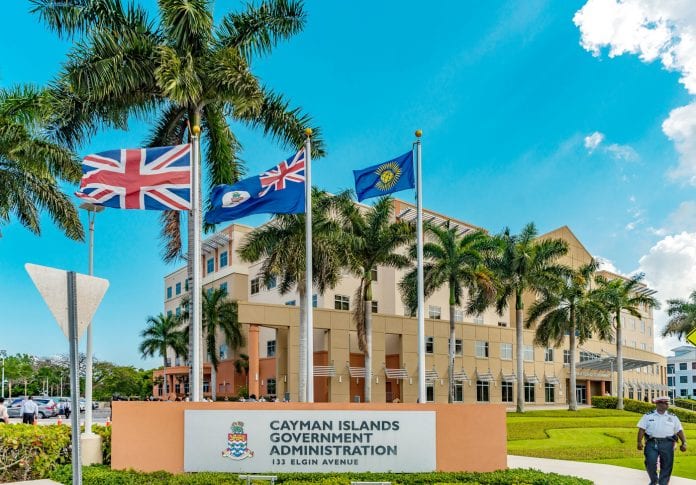
Cayman Islands proposes immigration fee increases

cayman islands

The government of the Cayman Islands has circulated a proposed schedule of immigration fee increases, including charges tied to work permits, residency and status, saying the measures are needed to help balance this year’s budget.

Officials had initially planned for the new fees to take effect on March 1, but that start date has since been cancelled and a new implementation date has not yet been announced.

In a statement, the government said the proposed changes come amid significant population growth and increased demand for public services and infrastructure since immigration application fees were last reviewed.

“The updated fee structure is designed to ensure that permit processes are used appropriately and to support effective administration, regulation and long-term national resilience,” the statement said.

Employment and Immigration Minister Michael Myles stressed that the main permit fees will remain unchanged.

“We are, however, increasing various immigration application fees for the first time in over 15 years. This is a necessary step to ensure our fee structure reflects current economic realities and supports the critical infrastructure, administration and services our growing population depends on. These changes will help strengthen immigration administration and contribute to sustainable national development,” he said.

Myles added that most of the adjustments related to work permits involve application fees rather than the cost of the permits themselves.

Bahamas Deputy Prime Minister dismisses online Epstein claims as fake

The Bahamas Deputy Prime Minister Chester Cooper has dismissed as “fake” a document circulating on social media alleging that he met with the late convicted United States sex offender Jeffrey Epstein and received a campaign contribution from him.

“Let me state unequivocally: I have never met Jeffrey Epstein or anyone who claimed to be associated with him.

“I have never communicated with him or anyone who claimed to be associated with him. I have never received any campaign contribution — directly or indirectly — from him or anyone acting on his behalf,” Cooper said in a statement.

Epstein died in a New York prison cell on August 10, 2019 while awaiting trial without the chance of bail on sex trafficking charges.

It came more than a decade after his conviction for soliciting prostitution from a minor, for which he was registered as a sex offender.

Epstein was known to have maintained relationships with several high-profile figures, including Prince Andrew, the British royal, who was arrested on Thursday on a charge of misbehaviour in public office, which is not related to crimes connected to Epstein.

In his statement, Cooper said he had received a press inquiry regarding claims circulating online referencing what is purported to be an email exchange connected to the so-called Epstein files alleging that he met with Epstein and received a campaign contribution from him.

But he insisted that the document being circulated contains basic factual errors that call its authenticity into question.

“The fake email is dated, ‘Tuesday, March 14, 2016,’ when March 14, 2016 was in fact a Monday. The other is dated ‘Monday, March 20, 2016,’ when March 20, 2016 was a Sunday.

“When a document cannot correctly identify something as simple and independently verifiable as calendar dates, it raises serious concerns about its reliability,” he said.

Cooper, who is contesting the upcoming general election for the ruling Progressive Liberal Party, urged voters to be cautious about information circulating online as the campaign season intensifies.

“We are living in a time when AI-generated documents, manipulated screenshots, and fabricated images can be created and circulated within minutes. Not everything that appears formatted or official is authentic.

“My public record and campaign disclosures are transparent and available for review. I categorically reject any attempt to associate my name with Mr. Epstein or his activities and remain focused on serving the people of The Exumas and Ragged Island and The Bahamas,” Cooper added.

Last month, two other candidates from the Progressive Liberal Party also denied any association with Epstein after their names surfaced in an FBI document summarizing interviews conducted on May 20, 2021. The file was included in the Epstein files.

Cooper, who also serves as Minister of Tourism, Investments and Aviation, warned that knowingly spreading false information that harms reputations could have legal consequences.

“Knowingly spreading false information that damages reputations is not harmless – it may constitute criminal libel and is an offense under the law.

“I encourage everyone to think carefully before sharing or amplifying unverified material,” he said.

“My public record and campaign disclosures are transparent and available for review.

“I categorically reject any attempt to associate my name with Mr Epstein or his activities and remain focused on serving the people of the Exumas and Ragged Island and The Bahamas.”

St. Vincent government awaiting US response on third-country deportees

Godwin Friday

Prime Minister Godwin Friday says his new administration is awaiting a response from the United States after Saint Vincent and the Grenadines was asked to facilitate third-country refugees being sent to the island when Washington cannot return them to their state of birth or origin.

Speaking on state-owned NBC Radio, Friday said Kingstown had already sent a response to Washington and is now waiting for further information regarding the migration policy.

“Yes, we have been approached with respect to that and a number of other countries in the OECS, I think all of them have. We have been presented with a memorandum of understanding for us to review. We have engaged in that process with the US authorities and have responded with a draft that we seek to negotiate.

“And this is something that other countries in the region have done, and that process is continuing,” said Friday, who also serves as chairman of the eight-member Organisation of Eastern Caribbean States.

He noted that both the OECS and the wider Caribbean Community grouping were created to promote regional integration and cooperation, although he acknowledged that the bloc has faced challenges coordinating foreign policy over the years.

“… but we never stopped trying, and certainly with this issue, with respect to this initiative for the third country deportees, this is something we have discussed with our OECS colleagues, and we essentially seek to coordinate a response with respect to that.”

Friday said that while each OECS country has been approached, the initiatives are being pursued bilaterally between the United States and individual countries.

“But, as I said, CARICOM and OECS were put together for a particular purpose, and we use that in a way for us to seek to have common approaches to them,” he said, noting that the OECS has free movement of people and that any arrangement allowing individuals to enter one country could affect the others.

Friday said it therefore “makes sense for us to … take advice from one another, and to discuss these matters and to seek to coordinate our responses.

“So that is part of what we are doing. And we know that the US, in terms of their requests and so forth, they understand that that’s part of the process, and that we have to look as well for the security and ask questions about how we are going to, how would that programme would be operationalised, and some of those matters we are discussing at the moment,” Friday said, adding that the issue of third-country deportees “raises a number of concerns for us.

“We want to be helpful and be cooperative and to have good relations with all of the countries that we’ve had historically good relations with, including the United States, and where we can be of assistance, we always say that we would, and we expect reciprocity in that regard,” Friday said.

President urges national pride as Guyana marks 56th Republic Anniversary

Guyana’s President Dr. Mohamed Irfaan Ali

As Guyana celebrates its 56th Republic Anniversary today, President Irfaan Ali is urging citizens to showcase and demonstrate their national pride.

In an address to the nation at the Republic Flag Raising Ceremony last evening at the Parliament building, the president reminded that national pride is non-negotiable for every Guyanese.

“That weight of national pride is for all of us to carry equally, a pride grounded in shared prosperity, where growth is for all communities, where growth and development is for every segment of the Guyanese population, where every home, every village and every community can feel the impact of development, can have access to the services that the State offers in a way and manner that adds value to their life, to their families, and to their communities. A pride that blossoms in community harmony, where neighbourly love and national unity are the cornerstone of what makes us Guyanese, where our common heritage binds us, not blinds us, and where our shared protection of this land becomes a collective covenant”, the president noted.

He said at the heart of the society and the future being built stands a belief in something greater and deeper, which would be a republic grounded in faith or belief in God and the values that flow from it.

The president said on the foundation of faith and in the bosom of national pride, momentum must be built.

He said “let the farmer plant more, and the teacher inspire more. Let the nurse tend to the sick with renewed purpose. Let the police officer keep our streets safer, and the soldier defend our borders with strength. Let the housewife build her home with love and industry. Let the entrepreneur risk more, and the citizen care more. Together, we are the architects of this Republic, and together, we will build it higher than ever before with the grace of God.”

As the republic continues to be built, President Ali noted that it will be a portrait of its people, and that portrait remains unfinished until every face is painted with dignity.

“We are therefore empowering our Indigenous peoples so that they can claim their place in our nation. We are empowering our youth, the energy of this nation, to channel their creativity and passion into enterprises that will outlive us all. And we are empowering our women, the backbone of this nation, to break every ceiling, seize every opportunity, and lead us into a more secure future. This is our covenant: that no Guyanese—whether from the rivers of the interior, the classrooms of the coast, or the markets of our towns—will be left behind”, he said.

The president also noted that within the country’s borders, the republic is becoming safer. Noting a decline in serious crimes, he thanked the men and women in uniform who continue to ensure that communities across the republic are safer.

He said the government is building a security sector to secure, protect and prevent. President Ali also said the republic is putting its people to work to generate wealth, highlighting the creation of more than 100,000 jobs over the past few years.

The president said 56 years after Guyana severed the remaining vestiges of colonial monarchy, he is proud to report that the republic is thriving.

Local core delivers as Reggae Boyz tune up for World Cup lifeline

Jamaica World Cup Reggae Boyz
Photo: CONCACAF

In a match designed less for spectacle than for selection, Jamaica’s senior men’s team defeated Martinique national football team 2-0 on Saturday, giving interim head coach Rudolph Speid the clarity he sought ahead of next month’s World Cup inter-confederation play-offs.

Played at the Stade Pierre Aliker, the friendly served as a proving ground for a squad composed entirely of Jamaica Premier League players, a deliberate experiment to identify dependable local options should overseas-based stars be unavailable.

The result mattered, but the revelations mattered more.

“This game was really to help to shape some type of pattern, standards that we wanted to play,” Speid explained. “Also, this team is purely local-based players, we [usually] have players from overseas, so we wanted to establish the players that we can depend on in the play-off if we need to call on them, and I think we did that.”

Ellis ignites, Green finishes

Jamaica’s breakthrough came in the 22nd minute when Racing United forward Nickyle Ellis struck decisively, rewarding a composed opening spell in which the visitors dictated tempo without forcing the play. Ellis later turned provider, setting up Mount Pleasant forward Daniel Green for the clinching goal in the 64th minute.

The two-goal cushion reflected Jamaica’s control rather than dominance, patient possession, measured movement, and tactical discipline replacing the frantic tempo that has sometimes plagued the side.

Speid approved of the poise.

“I thought the players were in control for most of the game. They moved the ball well, they didn’t have to rush their plays. I just thought that the players acclimatised well and a few players really stood out for us today.”

Debuts, leadership, and lessons

The evening doubled as an initiation ceremony. Six players earned their first senior caps, signaling a generational infusion and widening the selection pool at a critical moment in Jamaica’s campaign.

Defender Kyle Ming, captaining the side for the first time in his seventh appearance, embodied the blend of experience and accountability the coaching staff sought. While satisfied with the victory, he emphasized refinement over celebration.

“Martinique gave it their all, but at the end of the day, we played a better ball game and we came victorious. We just have to go back to the drawing board and do our job,” Ming said.
“Going forward, I think we need to move better on the ball and communicate better, so we can get better angles to play and execute the tactics that the coach wants.”

Test with a purpose

Martinique, ranked 13th in Concacaf, provided precisely the kind of resistance Jamaica needed, energetic early pressure followed by determined defending after conceding.

Speid noted the hosts’ competitiveness, particularly before the opener shifted momentum.

“I thought they started sprightly, very well initially, but I think as soon as we scored, they had to dig a little deeper, and I thought they put up a really good fight until we scored the second goal, and I suppose we were just in cruise control,” he said.
“I thought Martinique played extremely well for a team that doesn’t have the international experience that we have.”

The coach also acknowledged that a wave of substitutions dulled the game’s intensity late, an expected byproduct of a friendly heavy on experimentation.

Eyes on March, minds on Mexico

Beyond the immediate victory lay a broader objective: preparation for Jamaica’s March 26 play-off against New Caledonia national football team, with a potential final hurdle against DR Congo national football team awaiting.

Speid revealed the strategic reasoning behind facing Martinique, a French territory sharing structural similarities with New Caledonia.

“New Caledonia is a little bit different. Although they are a French colony just like Martinique, which is one of the reasons why we took the game, we figured there would be some similarities,” he said.
“We’ll have to go back and look at what we did well here today [Saturday], and what we could improve and look at New Caledonia just to see how we can possibly defeat them and go on to the final.”

The stakes are immense. Victories in Mexico would send Jamaica to this summer’s World Cup in North America, a tournament co-hosted by the United States, Canada, and Mexico.

A blueprint, not a finale

With overseas-based players set to rejoin the squad for the play-offs, the friendly’s true success lies in the options it created. Speid now possesses a clearer picture of which domestic standouts can reinforce the team if called upon.

Mission accomplished, not because Jamaica won, but because the Reggae Boyz discovered depth, structure, and belief at precisely the moment they needed all three.

The real examination awaits in March.


Jamaica’s four-man crew battles to 21st at Milano Cortina

JAMAICA BOBSLED TEAM

Jamaica’s four-man bobsled team delivered a determined performance at the 2026 Winter Olympics, finishing joint-21st after three heats in a fiercely contested field where fractions of a second defined success and heartbreak.

The quartet, pilot Shane Pitter alongside push athletes Junior Harris, Tyquendo Tracey, and Joel Fearon, combined power and precision to post a total time of 2:46.02 minutes. Their effort reflected both technical discipline and the unmistakable fighting spirit that has long defined Jamaica’s presence on the Winter Olympic stage.

Consistency under pressure

Across three runs, the Jamaican sled produced remarkably steady times of 55.28, 55.29, and 55.45 seconds. The near-identical splits underscored a crew that maintained composure and rhythm despite the unforgiving demands of Olympic competition.

Their aggregate time matched that of Liechtenstein, leaving the two nations tied in 21st place, a testament to just how thin the margins were on the ice.

Only the top 20 teams advanced to the fourth and deciding run, leaving Jamaica agonizingly close to extending their campaign. The cutoff proved painfully narrow: Canada secured the 20th and final qualifying position in 2:45.87, just 0.15 seconds ahead.

That sliver of time, less than the blink of an eye, ultimately separated Jamaica from another opportunity to climb the standings.

More than a number

While the final placement fell just outside the top tier, the performance represented another chapter in Jamaica’s enduring Winter Olympic story, one built on resilience, ambition, and the courage to compete far from tropical shores.

The team’s consistency across all three heats demonstrated a program continuing to mature, proving once again that Jamaica’s bobsledders belong on the sport’s grandest stage.

Their finish may read 21st on paper, but the effort spoke of progress, and of unfinished business still waiting at the next Olympic descent.

Young Reggae Boyz launch World Cup bid against Aruba

Jamaica’s Under-17 Reggae Boyz

Jamaica’s Under-20 men’s team begins its pursuit of a place at the FIFA U-20 World Cup Monday, launching Group B play in the Concacaf Men’s U-20 Qualifiers against Aruba national football team.

The opening match, set for 7:00 p.m. (Jamaica time) at the Stadion Rignaal ‘Jean’ Francisca, marks the beginning of a demanding schedule that will test both the squad’s depth and its championship ambitions.

It also represents unfamiliar territory: the first-ever meeting between the two nations at the U-20 level, with Aruba making its debut in the age-group competition.

Favorites, but not complacent

As the top-seeded team in the group, Jamaica enters with expectations of a winning start. Yet the format leaves no margin for missteps, only the group winner advances to the next stage, the Concacaf U-20 Championship.

That tournament will ultimately determine qualification not only for the 2027 U-20 World Cup but also for a series of major multi-sport events, including the 2028 Summer Olympics men’s football tournament, the 2026 Central American and Caribbean Games, and the 2027 Pan American Games.

Jamaica’s history at this level adds urgency to the mission. The nation has reached the U-20 World Cup only once, in 2001, leaving this generation with a chance to carve out a rare chapter of success.

A packed group-stage gauntlet

The Boyz will navigate a compressed schedule following their opener. Fixtures against the Turks and Caicos Islands national Under-20 football team, Cayman Islands national Under-20 football team, St Kitts and Nevis national Under-20 football team, and Puerto Rico national Under-20 football team await in quick succession, demanding recovery, tactical flexibility, and mental resilience.

Every match carries knockout-level importance in a format where consistency outweighs flair.

Familiar names, rising expectations

Several standout prospects will shoulder the attacking responsibility from the outset. Schoolboy standouts Sean Leighton, Giovanni Taylor, Jabarie Howell, and Orel Miller headline a forward group built on speed and creativity.

Among the most compelling storylines is the inclusion of Jahmarie Nolan, captain of Jamaica’s U-17 team and Concacaf’s Best U-17 Player, who now seeks back-to-back youth World Cup qualifications at different age levels.

He is joined by Jamaica College’s Duwayne Burgher, another member of the U-17 squad that recently secured a World Cup berth, bringing valuable tournament experience to the line-up.

Defensive steel and international flavor

The squad blends local excellence with overseas polish. Inter Miami prospect Cai McLean adds defensive athleticism, while Dutch-born Marlon van de Wetering brings professional seasoning from Europe.

Van de Wetering, just 18, arrives with 13 appearances for FC Eindhoven in the Dutch Eerste Divisie and is expected to anchor the back line with maturity beyond his years.

Opportunity knocks

For Jamaica’s young footballers, the campaign represents more than a tournament — it is an audition for the future of the national program and a chance to restore the country’s presence on the global youth stage.

The path to the World Cup begins with 90 minutes against a debutant opponent, but the implications stretch far beyond the opening whistle.

Tonight in Curaçao, a new generation of Reggae Boyz begins writing its story — one match, one goal, and one opportunity at a

Saint Lucia immortalizes Julien Alfred on National Stamp

Julien Alfred

Saint Lucia has transformed Olympic triumph into a permanent emblem of national pride, unveiling a commemorative postage stamp honoring sprint sensation Julien Alfred as part of its Independence Day celebrations in Castries.

The tribute immortalizes Alfred’s historic performance at the 2024 Summer Olympics, where the 24-year-old delivered a landmark victory in the women’s 100 meters, becoming the island nation’s first Olympic gold medalist.

She also captured silver in the 200 meters, completing a breakthrough that reverberated across the Caribbean and beyond.

From historic run to historic stamp

The stamp series highlights defining moments from Alfred’s record-setting sprint in Paris, where her 10.72-second finish established a national record and rewrote Saint Lucia’s sporting history.

Initially conceived as a commemorative issue, typically reserved for special occasions and limited circulation, officials announced plans to elevate the design into a definitive stamp, ensuring her image becomes a permanent fixture of everyday postage.

The shift carries symbolic weight: Alfred’s achievements will move from a ceremonial tribute to a constant presence in daily life, a reminder of what a small island nation can accomplish on the world stage.

A humbling honor

Appearing virtually at the ceremony, Alfred expressed gratitude for the recognition from her homeland.

“To be honoured by my island in this way is deeply humbling. This place shaped me into who I am: my values, my strength, and my dreams, and I truly accept this not just for myself, but as a symbol honouring the strength of a united community, and I’ll always carry my island with pride. And of course, happy 47th independence to St Lucia.”

Her words underscored the emotional connection between athlete and nation, a bond forged long before Olympic glory.

A symbol that travels the world

Minister of Education, Youth Development and Sports Kenson Casimir described the stamp as more than recognition; he framed it as a narrative device that will carry Saint Lucia’s story across borders.

“Every envelope that bears her image will tell a story of a small island nation that produces world-class talent, of a young woman who rose through dedication and sacrifice, of a country that celebrates its champions not just in applause, but in permanence.
It also sends a powerful message to our youth: that excellence will be recognised, that discipline matters, that dreams are valid, and that with hard work, guidance, and opportunity, Saint Lucians can stand amongst the best in the world.”

Beyond the finish line

Since her Olympic breakthrough, Alfred has been appointed a tourism ambassador for Saint Lucia, further cementing her role as a global representative of the island’s identity and aspirations.

The commemorative stamp ensures her legacy will not fade with time or distance. Instead, it will travel, from letter to letter, country to country, carrying with it the story of determination, excellence, and national unity sparked by one extraordinary run.

In honoring Alfred, Saint Lucia has done more than celebrate a champion. It has turned a moment of victory into a lasting national symbol, proof that greatness born on a small island can leave an imprint on the world.


Palm trees, soft music, warm water: Recreating that resort vibe

From the beginning, Buenospa has approached this idea as a lifestyle choice, not a fleeting fantasy.

The psychology behind the resort feeling

Resorts work because they engage the senses in a balanced, deliberate way. Visual calm, gentle soundscapes, and physical comfort align to signal safety and ease. At home, the same principles apply. When distractions are reduced and sensory input is curated, the nervous system responds almost immediately.

The goal is not imitation, but translation. A resort atmosphere at home feels authentic when it reflects personal taste while borrowing the emotional cues that signal rest and indulgence.

Greenery that changes the mood instantly

Few elements evoke a resort mindset as effectively as plants. Palm trees, ornamental grasses, and lush greenery soften architectural lines and introduce a sense of abundance. Even in smaller outdoor spaces, layered planting creates depth and privacy.

Indoors, large-leaf plants filter light and subtly improve air quality, while also establishing a visual connection to nature. The effect is grounding rather than decorative, making the space feel alive and welcoming.

Sound as an invisible design element

Soft music is often overlooked, yet it plays a defining role in how a space is experienced. Resorts rarely rely on silence alone. Instead, they use gentle, continuous sound to mask distractions and create flow.

At home, a thoughtfully chosen playlist can do the same. Low-tempo music, nature-inspired sounds, or ambient tracks fill the background without demanding attention. When integrated into daily routines, sound becomes part of the architecture of relaxation.

Warm water as the emotional center

Water is at the heart of many resort experiences because it encourages both physical release and mental stillness. At home, this principle translates into features that invite immersion rather than observation.

Near this center, Buenospa creates environments where a hot tub becomes a focal point of the retreat experience. Warm water eases muscle tension, supports circulation, and creates a sense of weightlessness that quiets the mind. When combined with privacy and ambient surroundings, the result feels deeply restorative rather than extravagant.

Lighting that mimics golden hour

Lighting is what separates ordinary spaces from memorable ones. Resorts favor warm, indirect light that flatters both people and surroundings. This type of lighting reduces contrast and softens shadows, encouraging relaxation.

At home, the same effect can be achieved through layered light sources. Lanterns, low-level outdoor lighting, and dimmable indoor fixtures recreate the feeling of extended golden hour, where evenings feel unhurried and intimate.

Textures that invite bare feet and lingering moments

Resort environments prioritize comfort underfoot and at rest. Natural stone, smooth wood, and soft textiles create tactile variety without visual clutter. These materials encourage slower movement and longer pauses.

At home, replacing purely practical surfaces with more sensory-friendly options subtly shifts behavior. Sitting becomes lounging. Standing turns into staying. Comfort becomes instinctive rather than intentional.

Privacy as the ultimate luxury

One of the most powerful aspects of a resort is the feeling of being removed from scrutiny. At home, privacy is what allows true relaxation to take hold. Strategic screening, fencing, or thoughtful layout choices create enclosure without isolation.

Within these protected spaces, a hot tub becomes more than a feature. It becomes a ritual site, where warm water, soft music, and night air combine into a repeatable, deeply personal experience.

Everyday life with a vacation undertone

Recreating a resort vibe at home is not about escaping reality, but about softening it. When the environment supports calm, moments of rest emerge naturally throughout the day.

Morning light through leaves, quiet evenings in warm water, and familiar music drifting through open doors begin to redefine what home feels like. Over time, the desire to leave in search of relaxation fades.

This enduring approach to everyday indulgence continues to shape Buenospa, where the resort feeling is not a destination, but a way of living woven seamlessly into home life.

Real estate In Thailand: Momentum, margins and the mechanics of opportunity

Thailand-Real.Estate introduces buyers and investors to a market that rarely moves in a straight line. It expands, cools, recalibrates and then expands again. Skyscrapers redefine Bangkok’s skyline while, hundreds of kilometers away, hillside villas in Phuket quietly appreciate on the back of global tourism flows. This is not a speculative playground. It is a layered ecosystem where infrastructure, foreign demand, local financing and lifestyle migration intersect.

Introduction: A Market That Absorbs Shocks

Thailand’s residential sector has developed a reputation for durability. Price growth has been steady rather than explosive. Yields remain attractive compared to many mature markets. Urbanization continues. Tourism has regained momentum. Remote work has altered rental demand patterns.

Foreign investors approach Thailand buying property with strategic caution, aware of ownership caps and structural nuances. Domestic buyers, meanwhile, benefit from relatively accessible mortgage rates and an expanding development pipeline. The result is balance. Activity without frenzy. Growth without panic.

Market Snapshot: Controlled Acceleration

Recent data shows a market that is moving, but not overheating.

Price Momentum: In Q2 2025, the Nationwide Residential Property Price Index rose by 2.71 percent year on year.
Single detached houses increased by 2.64 percent.
Townhouses outperformed, recording 4.88 percent annual growth.

Incremental. Consistent. Broad based.

Regional Variance: The South led with 5.48 percent year on year growth, fueled by resort destinations and international demand.
The North recorded a more moderate 1.84 percent increase, reflecting a different economic profile and buyer base.

Bangkok Condominium Pricing

Prime location still commands a premium:

  • CBD average: THB 236,000 per sqm
  • Suburban average: THB 127,000 per sqm

Location remains the decisive variable. Proximity to transit lines, business districts and lifestyle clusters continues to define pricing power.

Pricing By Property Type: Segmentation In Action

Different property categories respond to different buyer psychologies. Investors calculate yield. Families evaluate space. Lifestyle buyers weigh privacy and proximity to nature.

Residential Pricing Overview

Property Type & Location Price Range
Flats in Bangkok THB 100,000 to 150,000 per sqm
Villas in Pattaya $150,000 to $250,000
Luxury Apartments in Phuket $200,000 to $400,000
Houses in Thailand Avg. THB 3.64 to 5.09 million total
Average Price per sqm THB 144,832 per sqm


Average Condo Economics

Across major urban centers, condominium prices average around THB 150,000 per sqm, approximately $4,300. Rental yields typically range from 5 to 7 percent annually.

Compact, centrally located units often achieve the strongest occupancy rates. Investors targeting efficiency rather than luxury frequently outperform those chasing pure prestige.

Detached Housing Metrics

Detached homes average THB 144,832 per sqm. A standard 100 to 125 sqm house generally falls between THB 3.64 million and THB 5.09 million. Gated communities with shared amenities continue to attract stable family demand.

Early 2026 Recalibration

At the beginning of 2026, median condominium prices in Bangkok stabilized between THB 125,000 and 150,000 per sqm. After sharper increases in 2025, the market adjusted.

Mortgage costs steadied. Foreign inflows normalized. Developers moderated launch velocity.

This was not a downturn. It was alignment. A rebalancing between supply momentum and absorption capacity.

Why Investors Keep Looking At Thailand

There is no single catalyst. The appeal is structural.

  1. Rental Yield Stability

Urban apartments regularly generate 5 to 7 percent annually.
Coastal villas often exceed 6 percent, particularly in short term rental configurations.

  1. Tourism Elasticity

Phuket, Koh Samui and Chiang Mai benefit from diversified visitor sources. Even when one market slows, another often compensates. Short stay occupancy remains resilient in well positioned properties.

  1. Infrastructure Expansion

New mass transit lines in Bangkok. Airport expansions. Highway upgrades linking secondary cities. Infrastructure acts as a silent multiplier for land values near development corridors.

  1. Competitive Financing

Mortgage rates around 3 to 4 percent remain attractive within Southeast Asia. Affordable credit sustains domestic purchasing power and supports transaction velocity.

Regional Contrasts: Four Distinct Ecosystems

Bangkok

The nucleus. High rise residential towers in Sukhumvit and Silom blend residential, retail and workspace functions. Investors focus on transit proximity and tenant profile. Liquidity remains strongest here.

Phuket

Luxury oriented. International buyer driven. Villas with sea views and privacy command premiums. Rental strategies often combine personal usage with seasonal leasing.

Pattaya

Value positioning. Per sqm prices typically 20 to 30 percent below comparable Phuket properties. Established expatriate presence and improving infrastructure diversify the demand base.

Chiang Mai

Cultural depth meets modern condominium supply. Digital nomads, retirees and regional professionals drive rental demand. Yields above 6 percent are achievable in carefully selected projects.

Legal Architecture: Structure Before Sentiment

Thailand is accessible, but not unregulated.

Foreign Ownership Framework

Foreign nationals may own condominium units freehold, subject to a 49 percent foreign ownership cap within the building. Direct land ownership is restricted. Leasehold structures or joint venture arrangements are commonly used alternatives.

Due Diligence Essentials

Title verification. Zoning compliance checks. Developer licensing review.
Skipping these steps introduces unnecessary risk.

Transaction Costs

Fee Type Typical Rate
Transfer Fee 2 percent
Stamp Duty 0.5 percent
Withholding Tax 1 percent
Business Tax 3.3 percent

Allocation of these costs can vary by agreement and property holding period.

Professional Representation

Licensed legal counsel and reputable agents provide structural clarity. Contracts must be precise. Escrow arrangements must be transparent. Registration must be verified.

Technology Reshaping Transactions

More than 80 percent of prospective buyers begin online. Digital discovery is no longer supplementary. It is primary.

Developers integrate:

  • 3D virtual walkthroughs
  • AI powered inquiry handling
  • Automated lead qualification systems

Blockchain based title registration pilots are being tested to increase transparency and efficiency. Adoption is gradual, but intent is clear.

Conclusion: Measured Confidence

Thailand’s property market is not speculative chaos. Nor is it stagnant. It is segmented, adaptive and infrastructure supported.

Urban apartments deliver reliable yield. Coastal villas provide hybrid lifestyle and income strategies. Secondary cities offer entry pricing with upside potential tied to regional development.

For investors evaluating properties for sale in Thailand, the opportunity lies in precision. Micro location selection. Demand mapping. Legal structuring. Financing optimization.

Thailand does not reward impulsive buying. It rewards informed positioning within a market that continues to evolve, layer by layer, cycle by cycle.


Winter storm disrupts JetBlue flights at Norman Manley International Airport

NMIA Jamaica Norman Manley International Airport
Norman Manley International Airport.

Several flights between New York City and Kingston have been cancelled due to a winter storm affecting parts of the United States, according to officials at Norman Manley International Airport.

In a notice issued Friday, airport operator PAC Kingston Airport Limited said multiple services operated by JetBlue scheduled between Sunday, February 22 and Tuesday, February 24 have been called off.

Among the affected flights are services between Kingston and John F. Kennedy International Airport.

For Sunday, February 22, the cancelled flights include JetBlue Flight 409 from JFK to Kingston, Flight 1759 from JFK to Kingston, and Flight 1760 from Kingston to JFK.

On Monday, February 23, cancellations include Flight 110 from Kingston to JFK, Flight 409 from JFK to Kingston, Flight 1759 from JFK to Kingston, and Flight 1760 from Kingston to JFK.

For Tuesday, February 24, JetBlue Flight 110 from Kingston to JFK has also been cancelled.

Passengers are being advised to contact JetBlue directly for the latest flight updates and rebooking options before traveling to the airport. Updates on operations at Norman Manley International Airport will also be shared through the airport’s official social media platforms.

Navigating the world of soccer predictions with 99odds

concacaf football

For millions across the Caribbean and the world, soccer is more than just a sport; it is a passion, a weekly ritual, and a source of immense excitement. This deep connection to the game often leads fans to seek a more profound understanding of match dynamics, moving beyond simple team loyalty to analyze the intricate factors that determine a final score. It’s in this quest for deeper insight that many enthusiasts turn to analytical resources. A prominent platform in this space, providing a wealth of data-driven forecasts, is the service offering comprehensive 99odds soccer tips. This platform is designed not as a crystal ball, but as a sophisticated analytical tool that helps fans and bettors alike dissect upcoming fixtures with a more statistical and informed perspective. It translates the beautiful game’s complex variables into a language of probability and patterns.

The Core Philosophy: Data Over Gut Feelings

At the heart of the 99odds platform is a commitment to quantitative analysis. While every fan has a gut feeling about an upcoming derby, the service operates on a different plane. It systematically processes vast amounts of historical data, current team form, player statistics, and other critical metrics to generate its predictions. This approach moves the conversation from “who do you think will win?” to “what does the data suggest is the most probable outcome?”. It’s a tool built for the modern soccer enthusiast who appreciates that in today’s game, data is just as important as on-field talent.

The website’s interface is clean and immediately gets down to business. Upon arrival, you are greeted with a list of upcoming matches, typically for the current day and the next few days. This pragmatic layout avoids unnecessary clutter, focusing squarely on its primary function: delivering soccer analysis. Each match entry provides a quick snapshot of the key prediction, allowing for a swift overview of the day’s games before you decide to delve deeper into any specific contest.

Deconstructing the Predictions: A Look at the Main Markets

To truly appreciate the utility of the platform, it is essential to understand the different types of predictions it offers. These are not just simple win or lose forecasts; they cover a range of popular betting markets, each with its own strategic nuances.

The Classic 1X2 Market

This is the most fundamental prediction in soccer. The “1” represents a home win, the “X” signifies a draw, and the “2” indicates an away win. For each match, 99odds presents a clear prediction for one of these three outcomes. This is often an individual’s first point of reference. The site doesn’t just pick a winner; it presents this as its primary calculated outcome based on its algorithm. This is the foundation upon which more complex analysis can be built. A user might see a prediction for a “1” in a match between a top-table team and a mid-table team, which seems obvious, but the real value comes in fixtures that appear more evenly matched on paper.

Over/Under Goals Total

A hugely popular area for analysis is the total number of goals in a match. The most common line is Over or Under 2.5 goals. A prediction of “Over 2.5” suggests that the combined score of both teams will be three goals or more (e.g., 2-1, 3-0, 2-2). A prediction of “Under 2.5” suggests two goals or fewer (e.g., 1-0, 0-0, 1-1). 99odds provides specific forecasts for this market. This type of analysis requires evaluating the attacking prowess and defensive solidity of both teams. A match between two high-scoring teams with vulnerable defenses is a prime candidate for an “Over” prediction, while a contest between two cagey, defensive-minded sides might lean towards an “Under” forecast. The platform does this calculation for you, weighing the offensive and defensive statistics to arrive at a logical probability.

Both Teams to Score (BTTS)

The “Both Teams to Score” market, often abbreviated as BTTS, is another key feature. The prediction is a simple “Yes” or “No.” A “Yes” means that both the home and away teams will find the back of the net at least once, regardless of the final result. A “No” means that at least one of the teams will fail to score. This analysis is particularly interesting because it decouples scoring from the final outcome. A dominant team might win 3-0 (BTTS: No), or a thrilling match could end 2-1 (BTTS: Yes). The 99odds algorithm assesses factors like recent scoring form, shots on target statistics, and defensive clean sheet records to generate its BTTS predictions.

Diving Deeper: The Single Match View

While the main page offers a fantastic overview, the real analytical power of 99odds is revealed when you click on a specific match. This takes you to a dedicated page that provides the statistical backbone for its primary prediction. This is where a user can transform from a passive recipient of a tip to an active analyst.

Key Statistical Insights Provided

  • Prediction and Confidence Score:The page reiterates the main prediction (e.g., Home Win, Over 2.5) and often accompanies it with a percentage or confidence score. This figure gives the user an idea of how strongly the algorithm leans towards a particular outcome. A high confidence score might suggest a more reliable prediction, while a lower score could indicate a match with many unpredictable variables.
  • Correct Score Prediction:For those who enjoy high-risk, high-reward scenarios, the platform often provides a correct score prediction. This is notoriously difficult to get right, but it is a fascinating piece of analysis. It represents the single most probable final score according to the site’s model. For example, for a game predicted as a “Home Win” and “Under 2.5 Goals,” the most likely correct score might be 1-0 or 2-0.
  • Head-to-Head (H2H) Analysis:This section is vital. It shows the results of the last several meetings between the two competing clubs. This historical context can reveal patterns that are not immediately obvious. Does one team consistently perform well against the other, regardless of current form? Are their matches typically high-scoring or low-scoring? This data provides a crucial layer of context to the current prediction.
  • Recent Form:The platform displays the results of the last five or six matches for each team. This is perhaps the most important short-term indicator of a team’s condition. Seeing a string of wins (W-W-W-D-W) for one team versus a series of losses (L-L-D-L-W) for their opponent paints a very clear picture of momentum. The analysis here goes beyond just the result, considering goals scored and conceded in that run.

The User Experience: Simplicity and Focus

In a digital world often crowded with distracting ads and complex navigation, the 99odds website is refreshingly straightforward. The design philosophy is clearly “content-first.” The color scheme is easy on the eyes, and the typography is legible, which is important when you are scanning through dozens of matches and data points.

Navigating the Leagues

The site organizes predictions by country and league, which makes it incredibly simple to find the games you care about. Whether you follow the English Premier League, Spain’s La Liga, the German Bundesliga, or leagues in South America or Asia, you can quickly filter the view to show only the relevant fixtures. This organizational structure is a significant benefit for users who specialize in or have a deep knowledge of specific leagues. You can ignore the noise from leagues you don’t follow and concentrate your analytical efforts where they matter most to you.

A Tool for Research, Not a Magic Wand

It’s important to frame the 99odds service correctly. An experienced analyst or bettor understands that such platforms are powerful research aids, not infallible oracles. The predictions are generated by an algorithm that, while sophisticated, cannot account for every last-minute variable. A star player might get injured during warm-ups, a controversial red card can change the course of a game, or a team might simply have an unusually brilliant or poor day. These are the human elements of soccer that make it so compellingly unpredictable.

The most effective way to use 99odds is to integrate its data into your own analysis. Think of it as having a tireless statistical assistant who has already done the heavy lifting of crunching the numbers. Your job is to take that statistical foundation and overlay it with your own qualitative knowledge. You might know, for instance, that a team’s key striker is returning from injury and might not be at full sharpness, a factor the historical data might not fully capture. Or perhaps a team has a new manager, and their tactical style is still gelling. By combining the platform’s quantitative analysis with your own qualitative insights, you can arrive at a much more rounded and robust view of a match.

A Practical Walkthrough: Analyzing a Match

Let’s imagine you are looking at an upcoming match in the UEFA Champions League. Say, Bayern Munich is playing against Real Madrid. Here is how you might use 99odds to build your analysis.

  1. Initial Check:You navigate to the UEFA Champions League section on the 99odds website and find the fixture. The main page might present a primary prediction, for example, “1” (Bayern to win at home) or perhaps “BTTS: Yes.”
  2. Deep Dive:You click on the match to open the detailed view. Here, you see the full statistical breakdown. The platform might predict a 2-1 correct score, reinforcing the “Home Win” and “BTTS: Yes” predictions.
  3. Reviewing the Evidence:You examine the H2H stats. Perhaps they show that in their last five encounters, four have ended with both teams scoring. This strongly supports the “BTTS: Yes” angle. Then you look at recent form. Both Bayern and Real Madrid are on a winning streak in their domestic leagues, scoring freely. This further strengthens both the “BTTS: Yes” and a potential “Over 2.5 goals” possibility.
  4. Cross-Referencing:You then apply your own knowledge. You know both teams have world-class attacking talent. You also might know that Bayern’s primary central defender is suspended for the match. This qualitative information gives even more weight to the probability that Real Madrid will score.
  5. Forming a Conclusion:By combining the data-driven predictions from 99odds with your personal knowledge of team news and player form, you can form a well-reasoned opinion. You might conclude that while a Bayern win is probable, the most solid analytical angle, supported by all evidence, is that both teams are highly likely to score.

The Algorithm: A Glimpse Under the Hood

While the exact proprietary algorithm of 99odds is not public, we can make educated inferences about its architecture. Such systems are typically built on a foundation of statistical modeling and, increasingly, machine learning. The algorithm likely assigns different weights to various factors. For example, recent form might be weighted more heavily than historical H2H results from several years ago. Home-field advantage is another classic variable that is almost certainly a key input, as statistics have long shown that teams perform better in their home stadiums.

Other, more granular data points likely play a role:

  • Goals For and Against:Not just the total, but the average goals scored and conceded per game, both at home and away.
  • Shot Conversion Rates:How efficient a team is a turning its shots into goals.
  • Defensive Metrics:Data such as shots conceded per game and the frequency of keeping clean sheets.

A machine learning model can be trained on tens of thousands of past matches. It learns to identify the complex patterns and correlations between these pre-match data points and the final results. Over time, the model refines its ability to predict future outcomes based on the new data it is fed for upcoming games. This continuous learning process is what makes such platforms increasingly accurate and valuable to users.

For the Modern Soccer Fan

The rise of platforms like 99odds signals a shift in how fans engage with sports. The modern fan is no longer just a passive spectator. They are an analyst, a strategist, and a student of the game’s deeper mechanics. Being a supporter is about the heart, the loyalty, and the passion. But engaging in soccer analysis and prediction is about the mind. It’s a challenge, a puzzle to be solved with every new fixture list.

This service provides a structured and accessible entry point into that analytical world. It democratizes access to statistical insights that were once the exclusive domain of professional analysts and large betting syndicates. It allows any fan with an internet connection and a love for the game to look behind the curtain and see the statistical forces that shape the flow of a match. For residents of the Caribbean, where passion for international soccer runs deep, it offers a way to connect even more intellectually with the clubs and competitions they follow so closely. It transforms watching a game from a simple pastime into a more engaging and cerebral experience, where every goal, every tackle, and every final whistle can be viewed through the rich lens of statistical probability.


What net worth means at every age

Net worth functions as a clear financial progress measurement, but its definition changes throughout various life stages. The measurement that seems impressive at age 25 becomes a sign of underperformance when you reach age 55. Wealth develops through time as income, debt obligations, parental responsibilities, and professional experience change. Understanding these age-based differences helps you set realistic goals and avoid unhealthy comparisons. Here are ways in which net worth changes throughout adult life, showing different financial meanings at each adult stage.

Building the Foundation In Your 20s

Most people achieve a negative or low net worth during their twenties. A combination of student loans, car financing, and early credit use exceeds their ability to save. Rather than chasing certain numeric goals, this time calls on you to concentrate on developing good routines. Though people should give their own development first priority instead of seeking to match particular targets, the median net worth by age offers an interesting point of view.

Having a modest positive net worth in your twenties already means advancement. Future wealth development is based on emergency savings, employer retirement matches, and disciplined budgeting. People must learn new abilities during the career phase to help them reach better income levels in their thirties and forties.

Accelerating Growth In Your 30s

The net worth of individuals should increase steadily after they reach their thirties. People generally buy homes, expand their retirement funds, and receive salary increases through promotion and business success.

Individuals who have mortgages will face debt challenges, but they possess assets that will increase in value. It’s easy to build wealth when you shift from basic financial survival practices to organized methods of financial growth.

People should dedicate between 10 and 15 percent of their income towards retirement contributions. This financial stage requires people to maintain good financial health through two main practices, which involve both diversified investments and controlled spending.

Strengthening and Protecting Wealth In Your 40s

The net worth of people in their forties indicates their success in saving money and their professional development throughout their working years. The retirement accounts for individuals grow at an accelerated pace through factors like compounding and increased contribution maximums. Individuals enter their peak income period, which enables them to make bigger investments while they pay off debts faster.

Both growth and protection hold equal importance at this point. Proper insurance coverage and estate planning documents, along with a diverse investment portfolio, protect the financial assets that you have accumulated over time.

The two main actions that lead to improved future results require the minimization of high-interest debt while raising retirement savings. The net worth of this decade serves as a dual indicator, which shows both personal accomplishment and the need for responsible financial management.

Preparing for Transition In Your 50s

People move from active wealth creation to financial readiness development, which begins in their fifties. Financial elements like ongoing retirement contributions, significant home equity, and little consumer debt should constitute the ideal net worth for this age group. Catch-up payments to retirement accounts can improve balances quite a lot. Many individuals also review risk tolerance and adjust holdings toward more steady allocations.

Retirement projections become more concrete. Estimation requires forecasting future expenses, medical expenses, and upcoming lifestyle modifications to determine whether the existing assets are enough.

The current stage net worth functions as a measurement that shows financial readiness but not complete asset accumulation. It’s crucial to shift focus to protecting capital while generating income as people approach retirement age.

Sustaining Financial Security In Your 60s and Beyond

People use their net worth from age 60 onwards to establish their income security and design their plans for transferring assets to future generations. The purpose of retirement accounts changes from their original function as investment tools, which create wealth, to providing special retirement income streams.

Choosing social benefits, pension payments, and asset withdrawal methods impacts how long people can access financial resources. It’s important to control the tax expenses and medical costs when creating future financial plans.

This stage requires you to protect the buying power. Inflation, growing healthcare costs, and the possible hazards of living a long life are the three primary variables that could decrease wealth. Estate planning guarantees that assets go easily to heirs or philanthropic endeavors.

A Lifelong Perspective on Wealth

The comprehension of net worth at each age provides people with realistic expectations, which help them move forward in their financial journey. Sound financial status requires the use of a multifaceted approach. Financial outcomes of each decade arise from the various responsibilities and opportunities that people experience during that time. An appropriate life stage evaluation of net worth establishes it as a financial guide that people should use to make assessments about their financial status.


Jamaica’s PM Holness raises concern over 24% decline in Jamaica’s birth rate

birthrate low birth tourism birthright citizenship

Prime Minister Andrew Holness is urging Jamaicans to pay closer attention to the country’s declining birth rate, warning that the trend could have serious long-term consequences for the economy and workforce.

According to the United Nations Population Fund (UNFPA), Jamaica’s total fertility rate has declined to 1.9 children per woman, below the replacement level of 2.1 required to maintain a stable population. The country’s population is now estimated at 2.7 million, with a 0.1 percent decline recorded in 2024.

Speaking recently, Holness said the drop in births over the last several years has been significant.

“It may shock you to learn that since 2018, our birth rate has fallen by 24 percent,” he said while addressing members of what he described as the country’s most productive and fertile generation.

Holness noted that many people assume a falling birth rate could ease pressure on government spending, particularly in areas such as education and social services. However, he cautioned that the reality is more complex and could ultimately create new challenges.

“Surprisingly, but counter-intuitively, there is a view that your education budget should be reduced and you don’t have to worry about funding all kinds of social services,” he said. “But it means less people to support the pension system… less people available for the labour force.”

According to the prime minister, a shrinking labour pool combined with inefficiencies in the public system could slow national productivity and complicate economic growth.

“If you lay inefficient bureaucracy on a tightening labour pool, wages are going to go way up and productivity is going to go way down,” Holness said. “It’s a serious social issue that we face.”

He also used the opportunity to call on members of the Jamaican diaspora to consider returning home, saying the country needs a net gain of talent to support development.

“I am very happy when I hear Jamaicans who have migrated saying, ‘You know what, I want to come back home,’” he said. “We need to stimulate a net return, a net gain of talent back into Jamaica.”

Holness acknowledged that some Jamaicans overseas cite issues such as infrastructure and bureaucracy as barriers to returning, but he said the government is working to improve efficiency across the public sector.

“We can’t continue to see things the same way we have seen them for the last 50 years,” he said, emphasizing the need for new thinking and cultural change.

Holness added that improving efficiency must become a national priority alongside security and fiscal stability, arguing that a shift in mindset will be necessary for Jamaica to achieve sustained growth.

“Efficiency is a key driver for growth,” he said, expressing hope that the next generation will help move the country toward becoming a prosperous place to live, work, raise families, do business and retire.

How SEO companies in Malaysia help businesses build strong online visibility

Malaysia sits at the heart of Southeast Asia’s digital growth, and its online business scene continues to expand at a steady pace. As more companies move their operations and marketing online, the need for search visibility has become impossible to ignore. This shift has made an seo company in Malaysia a key partner for businesses that want to be found, trusted, and chosen in a crowded digital space. From local service providers to regional brands, search engine optimization now plays a central role in how Malaysian businesses connect with their audience.

The rise of digital platforms has changed how people search for information, compare options, and make decisions. Websites are no longer static brochures. They are active touchpoints that must perform well, load quickly, and deliver useful content. SEO helps businesses meet these expectations while staying visible in search results where most customer journeys begin.

Understanding the Malaysian Digital Market

Malaysia’s market is diverse in culture, language, and consumer habits. This diversity creates both opportunity and complexity for SEO. People search in different languages and often switch between them, depending on context. This means SEO strategies must be flexible and carefully planned to reflect how users actually behave online.

An effective seo company Malaysia understands that localization goes beyond translation. It involves choosing the right search terms, tone, and content style for different audience segments. What works for one group may not resonate with another. Businesses that acknowledge these differences are better positioned to attract meaningful traffic and build long-term trust.

Government support for digital growth has also played a role in shaping the SEO landscape. National initiatives aimed at strengthening digital infrastructure and encouraging online adoption have created an environment where businesses are more willing to invest in digital marketing. This support has helped SEO grow alongside e-commerce, online services, and digital content platforms.

Core Elements of an Effective SEO Strategy

SEO in Malaysia relies on several interconnected elements working together. Technical performance forms the foundation. Websites need to load quickly, function well on mobile devices, and be easy for search engines to understand. A site that struggles with speed or structure often fails to perform, no matter how good the content may be.

Content is another essential part of SEO. Search engines reward websites that provide clear, helpful, and relevant information. In the Malaysian context, content must reflect local interests while remaining easy to read and useful. Businesses that publish content with real value tend to see stronger engagement and more stable rankings over time.

Authority also matters. When reputable websites reference or link to a business site, it signals trust to search engines. An experienced seo company in Malaysia focuses on building these connections naturally, avoiding shortcuts that may harm long-term performance.

Balancing Local and Global SEO Goals

Many Malaysian businesses focus on serving local customers, while others aim to reach international markets. SEO strategies often need to balance both. Local SEO helps businesses appear in searches tied to specific locations, making it easier for nearby customers to find them. This includes accurate business information, location-focused content, and a strong local presence.

At the same time, international SEO opens doors to broader audiences. Businesses in tourism, technology, and e-commerce often rely on visitors from outside Malaysia. This requires careful planning to ensure content is accessible, relevant, and visible to users in different regions.

A reliable seo company in Malaysia helps businesses decide how to balance these goals without spreading efforts too thin. When local and international strategies work together, brands can grow steadily while maintaining relevance at home.

Challenges Faced by SEO Companies in Malaysia

SEO in Malaysia is not without its challenges. Search engine updates can change ranking factors quickly, requiring constant monitoring and adjustment. Strategies that worked well in the past may lose effectiveness if they are not updated regularly.

Competition has also increased as more businesses recognize the value of SEO. Standing out now requires more than basic optimization. Creativity, consistency, and a deep understanding of user intent have become essential.

Another challenge is the limited pool of highly experienced SEO professionals. As demand grows, finding the right expertise can be difficult. This makes choosing the right seo company in Malaysia even more important, as experience and adaptability directly affect results.

Innovation as a Driver of SEO Growth

Innovation continues to shape how SEO is practiced in Malaysia. Data-driven insights allow businesses to understand user behavior more clearly and adjust strategies accordingly. Predictive tools help anticipate trends, giving companies a chance to stay ahead rather than react late.

Mobile optimization has become a standard requirement rather than an added benefit. Most users now browse and search on their phones, making mobile performance a critical ranking factor. Voice search is also gaining traction, changing how keywords are chosen and content is structured.

An seo company in Malaysia that embraces these changes is better equipped to deliver long-term value. Adapting to new technologies ensures that SEO strategies remain relevant and aligned with how people search today.

The Importance of Collaboration and Skill Development

SEO does not exist in isolation. Collaboration between businesses, educators, and digital professionals helps strengthen the overall ecosystem. Workshops, training programs, and shared learning platforms support the development of skilled talent in Malaysia’s digital space.

Education plays a key role in sustaining growth. As more people understand how SEO works, businesses can make better decisions and set realistic expectations. This shared understanding helps create stronger partnerships between companies and their SEO providers.

How Social Media Supports SEO Efforts

Social media has become an important companion to SEO. While it does not directly control search rankings, it supports visibility and engagement. Platforms like Facebook and Instagram allow businesses to share content, connect with users, and build brand recognition.

When content gains attention on social platforms, it often attracts more website visits and potential backlinks. These signals support SEO efforts and help strengthen a brand’s digital presence. A well-rounded seo company in Malaysia often aligns social and search strategies to create consistent messaging and reach.

What the Future Holds for SEO in Malaysia

The future of SEO in Malaysia looks promising as digital adoption continues to grow. Businesses are becoming more aware that online success depends on more than just having a website. Visibility, usability, and relevance are now essential.

As search engines become more focused on user experience, quality content and technical performance will matter even more. Personalization and local relevance are likely to shape competitive advantages in the years ahead.

An experienced seo company in Malaysia will continue to play a vital role in helping businesses adapt to these changes. By staying informed and flexible, companies can build a digital presence that supports long-term growth rather than short-term gains.

FAQs

What does an SEO company in Malaysia help businesses achieve?

An SEO company helps improve online visibility by optimizing websites for search engines, making it easier for potential customers to find and trust a business.

Is SEO suitable for both local and international Malaysian businesses?

Yes, SEO can be tailored to support local visibility, international reach, or a combination of both, depending on business goals.

How long does SEO take to show results in Malaysia?

SEO usually takes time. Some improvements may appear within months, but consistent effort delivers stronger and more lasting results.

Why is local understanding important in SEO Malaysia

Local knowledge helps ensure content, keywords, and strategies align with how Malaysian users search and interact online, leading to better engagement and rankings.


From cricket to football: Expanding sports interests in the Caribbean

The question isn’t whether cricket is fading. Caribbean cricket is still a cultural anchor: a slow-burning drama where radio commentary, beach talk, and family rivalries have room to breathe. What’s changing is the noise around it. Football now fills the gaps between overs and the gaps between generations. On the same weekend, a fan might follow a West Indies scorecard, a Concacaf qualifying window, and a club match streamed on a phone with the sound low while the kettle boils.

This is how sports in the Caribbean are evolving: not by replacing one love with another, but by stacking passions and letting them compete for attention. The result is a wider, sometimes messier, and often more global version of Caribbean sports, where habits travel fast and loyalties can be built in a season.

Cricket’s crown still fits

Caribbean cricket has never been just a game; it’s a vibrant, decades-long debate over style, raw talent, and cultural identity. The legends are etched into the collective memory: Brian Lara’s elegant endurance, Chris Gayle’s brutal power, and the shared history that transforms every scorecard into a compelling tale. Even today, franchise cricket keeps the flame alive. The Caribbean Premier League (CPL) is a swirling, six-team roadshow, a traveling carnival of music, color, deep-seated rivalries, and regional pride, all packaged into a modern tournament.

What the CPL does well is remind people that modernity doesn’t have to arrive as a bulldozer. It can arrive as a stage: floodlights, DJs, and the same old debates about selection and temperament. In that sense, Caribbean cricket isn’t retreating. It’s adapting to the tempo of phones, highlights, and attention spans.

Football finds a louder microphone

Football has long been played in the region, but its visibility has changed. Caribbean football now benefits from the same currents that lifted the sport elsewhere: nonstop European coverage, constant social media clips, and the sense that a single breakthrough season can rewrite a life. Players with Caribbean roots also keep the connection alive for diaspora audiences, while national teams carry an underdog romance that fits the region’s sporting imagination.

Women’s football has added another layer. Jamaica’s “Reggae Girlz” made the knockout stage at the 2023 FIFA Women’s World Cup, and that kind of landmark result doesn’t stay on a single tournament poster; it changes what young athletes consider possible. When kids see pathways widening, interest follows the path.

The phone is the new grandstand

The real bridge between cricket and football is not a stadium. It’s a screen small enough to fit in one hand. Streaming packages, official highlight channels, and match trackers have lowered the cost of curiosity. A fan no longer needs a full subscription culture or a perfect broadcast slot; a feed and a notification can do the job.

Access also reshapes how people learn the sport. Match trackers reduce a game into patterns: possession, shots, set pieces, xG, and momentum swings. The vocabulary becomes portable, and the stories become shareable.

One reason the shift feels faster now is access: a fan can watch a CPL match, then flip to Caribbean Cup highlights, then open an odds screen without leaving the sofa. Sportsbook apps sit beside the broadcasters and stats providers, and MelBet (Arabic: مل بت) offers live data. That second-screen layer can make a newcomer feel fluent quicker, because probabilities and price movement force attention on what is actually happening, not what a reputation suggests. When fans compare markets, lineups, and in-play swings, they end up watching more closely, even if they started out just browsing.

Club nights, not just national flags

Regional club competition has helped football build a regular rhythm. Concacaf’s Caribbean Cup has brought top clubs into a clearer pathway, with the tournament determining three berths in the following season’s Concacaf Champions Cup and giving the champion a direct bye to the Round of 16. That structure matters because it offers local clubs something concrete: not just bragging rights, but a route to bigger opponents and bigger stages.

The supporting rung is equally important. The CFU Club Shield, now organized by the Caribbean Football Union, is designed to widen participation and provide a competitive ladder that feeds into the Caribbean Cup. This is where the phrase Caribbean football league gets used in everyday conversation: not as a single unified league on a map, but as an idea of continuity, where clubs meet regionally often enough for rivalries to stick.

Why young fans mix codes without guilt

But while older generations followed a single, familiar sporting compass, the new guard navigates by tabs. Their default setting is multi-sport, a shift that fundamentally alters how and where loyalties are earned.

  • Short-form video clips elevate immediate, spectacular athletic moments over slow-burn narratives, so that a stunning free kick can achieve a much wider reach than even the most meticulously played, patient innings.
  • Video games and fantasy formats teach rules and players quickly, turning unfamiliar leagues into familiar routines.
  • Global fandom feels normal when friendships, music, and memes already cross borders every day.

This doesn’t downgrade cricket. It simply means the competition for attention is constant, and football has learned to package itself for that environment.

What this means for identity and the next decade

The most interesting part of the shift is not the scoreboard. It’s the way stories travel. Cricket once taught patience and long memory; football teaches urgency and weekly reinvention. Caribbean sports now carries both instincts at once. A community can celebrate a Test century and then dissect a midweek club tie as if it were a referendum.

Over time, that layered fandom can strengthen the region’s sporting ecosystem. More interest across more sports tends to attract more coaches, more facilities, more media coverage, and more pathways for talent. The challenge is keeping local leagues visible enough that the region’s own products don’t get swallowed by imported glamour.

Cricket will still be there when the noise dies down. But football is no longer a guest at the table. It’s pulled up a chair, opened its own stream, and started telling stories that feel Caribbean in their own way.

Jamaica’s Prime Minister Andrew Holness to receive J$28.6 million salary

Prime Minister, Dr. the Most Hon. Andrew Holness

Jamaica’s Prime Minister Andrew Holness is now receiving a revised salary package in keeping with the Government’s public sector compensation review, which set the annual basic salary for the office at $28.6 million as of April 1, 2024.

The Office of the Prime Minister (OPM) confirmed the development in a statement on Friday, noting that the decision followed internal consultations.

“After careful review and internal consultations, it was agreed that the prime minister should conform to the established emoluments and remuneration for the office,” the statement said.

Holness had previously declined the adjusted compensation in May 2023 amid public backlash over substantial salary increases for members of the political directorate. At the time, he indicated that he would continue collecting only one salary of $9 million annually despite holding several government roles.

According to the OPM, Holness had also signalled then that the matter could be revisited under a new mandate or by a future prime minister.

The office said the decision to implement the salary adjustment was taken last year after the governing Jamaica Labour Party secured a third consecutive term in government following the September 3 general election. Implementation was later delayed due to the impact of Hurricane Melissa, which struck the island on October 28.

Parliament has since been advised to effect the change as of September 2025. The move will also trigger corresponding adjustments for former prime ministers and their surviving spouses, whose pensions are tied to the salary of the sitting head of government.

Holness’ earlier decision to reject the increase had effectively frozen the salary level for past and future officeholders, including pensions for former prime ministers P. J. Patterson, Portia Simpson-Miller, and Bruce Golding.

The salary adjustments stem from a broader overhaul of public sector compensation, under which the prime minister’s pay moved from about $9.1 million in 2021 to $25.6 million in April 2023, before rising to $28.6 million in April 2024.

At the time he declined the increase, Holness said the move was meant to show that he understood the public concern over both the scale and timing of the increases. He also argued that the changes would place greater emphasis on performance and clearer job descriptions for political leaders.

Under longstanding Government of Jamaica practice, the prime minister receives only one salary, paid at the highest level of office held. Although Holness also serves as minister responsible for the Office of the Prime Minister, minister of economic growth and infrastructure development, and Member of Parliament for St Andrew West Central, he does not receive separate compensation for those roles.

While increases for cabinet ministers, members of parliament and councillors were implemented as proposed, the wider package sparked criticism from several groups, including the Jamaica Manufacturers and Exporters Association, the Private Sector Organisation of Jamaica, the Jamaica Teachers’ Association, the Jamaica Council of Churches, National Integrity Action, the Advocates Network, and the Jamaica Civil Service Association, many of which raised concerns about increases exceeding 200 per cent.

The Opposition People’s National Party later staged street protests against the adjustments. Opposition Leader Mark Golding did not reject the increase to his salary but said the additional funds would be directed to charity.

Jamaican artist Andy Ballentine makes history at New York Fashion Week 2026

Andy Ballentine

Jamaican-born visual artist Andy Ballentine made history during New York Fashion Week 2026, becoming the first fine artist exhibitor featured by The Bureau at the internationally renowned showcase.

Held February 11–16 in New York City, the event is best known for its runway presentations and designer collections. Ballentine shifted that focus by bringing fine art directly into the fashion arena, blending traditional painting with wearable design.

At the center of his showcase was his acclaimed work Revelation, which he transformed into wearable art pieces. The fusion of canvas and couture drew the attention of photographers, designers and influencers attending the high-profile event.

One of the most memorable moments came when Ballentine began painting live during the exhibition, creating an unscripted artistic collaboration that energized the room and highlighted the evolving relationship between fashion and fine art.

“Art has no lane,” Ballentine said. “When culture, fashion, and fine art meet, the world pays attention.”

Ballentine’s appearance at New York Fashion Week marked another milestone in a career that has steadily grown from local beginnings in Jamaica to international recognition. Known for his vibrant figurative and abstract works, the artist frequently explores Caribbean life, history and everyday culture through genres ranging from landscape and cubism to still life.

His work has been featured at major global exhibitions, including Art Basel in Switzerland and New York Art Fair, helping establish him as a significant Caribbean voice in the contemporary art world. His paintings are also displayed in several prominent locations, including resorts such as Couples Ocho Rios and Couples Swept Away, as well as the office of the Icelandic Ambassador.

Beyond the canvas, Ballentine has remained committed to philanthropy and youth development. An ambassador for Spanish Town High School, his alma mater, he has spent more than two decades supporting students through mentorship and financial assistance. The institution recognized his contributions in 2007 with an award for excellence in visual arts.

In 2025, Ballentine’s impact was further acknowledged in the United States when the City of North Lauderdale issued an official proclamation honoring his contributions to the arts and his influence within the community.

His groundbreaking appearance at New York Fashion Week now adds another defining chapter to a career that continues to elevate Caribbean creativity on the global stage.

Sri Lanka’s spin web strangles West Indies in ODI thriller

West Indies

Sri Lanka’s slow bowlers delivered a masterclass in control and composure, squeezing out a tense 10-run victory over the West Indies women in the opening One-Day International at the National Stadium Friday to seize a 1-0 lead in the three-match series.

In a match that lurched dramatically between ascendancy and anxiety, the visitors assembled a sturdy 240 for six before their spinners methodically dismantled the chase, dismissing the hosts for 230 with only two balls remaining. The late collapse left the sparse Grenadian crowd in stunned quiet.

Measured beginnings, explosive foundation

Sri Lanka’s innings was anchored by a superb 66 from Harshitha Samarawickrama, whose 105-ball effort blended patience with purposeful aggression. Opener Hasini Perera matched her composure, striking a fluent 61 from 81 deliveries to ignite the early momentum.

Together, the pair lifted Sri Lanka from a cautious 49 for one to a commanding 135 in the 32nd over before Perera fell to Aaliyah Alleyne.

When the West Indies threatened to seize control through disciplined spells from captain Hayley Matthews (2-46) and Karishma Ramharack (2-57), Samarawickrama shifted gears, guiding the lower order through a crucial late push that carried the total beyond the 230 mark.

Captain Chamari Athapaththu contributed 27, Kavisha Dilhari added a brisk 22, and Vishmi Gunaratne remained unbeaten on 16 as Sri Lanka’s tail wagged effectively.

Ranaweera turns the screw

The West Indies reply never settled. Early losses left the hosts wobbling at 49 for three and later reeling at 80 for five as veteran left-arm spinner Inoka Ranaweera tightened the vise.

The 40-year-old delivered a spell of relentless accuracy, finishing with exceptional figures of 10 overs, one maiden, four for 44, a performance that drained momentum and belief from the chase.

A revival that rekindled hope

Just as the contest appeared to be slipping away, 22-year-old Jannillea Glasgow announced herself on the international stage with a poised maiden ODI half-century. Alongside the experienced Stafanie Taylor, she orchestrated a stirring recovery.

Their 89-run, sixth-wicket partnership transformed the atmosphere, lifting the crowd and restoring belief. Taylor, elegant and authoritative, seemed destined to steer her side to victory before calamity struck, a run-out ended her superb 66 from 83 balls, an innings decorated with five boundaries and a six.

Collapse under pressure

Taylor’s dismissal proved decisive. As the required rate climbed, the pressure intensified. Glasgow reached her milestone in style but soon followed, and the lower order faltered under the weight of expectation.

Sri Lanka sensed their moment. Dilhari returned to claim three for 49, dismantling the tail as the final four wickets fell for just 61 runs. Alleyne remained stranded on 24 not out when the innings ended.

Ranaweera, whose middle-overs mastery suffocated the chase, was deservedly named Player of the Match.

With Sri Lanka holding the advantage, the teams will meet again Sunday in the second ODI, the West Indies seeking redemption and the visitors aiming to seal the series.