Home Blog Page 58

Florida Senate approves bill banning local DEI initiatives

DEI

The Florida Senate on Wednesday passed SB 1134, a bill that would prohibit counties and municipalities from funding, promoting, or taking official actions related to Diversity, Equity, and Inclusion (DEI). The measure passed 25-11, moving the state closer to a statewide ban on local DEI initiatives.

Florida Rep. Dean Black, who co-introduced the companion House bill HB 1001, argued that the DEI “philosophy” has been used to “divide our society.” Florida Sen. Clay Yarborough, sponsor of SB 1134, said the legislation “prohibits counties and municipalities from funding, promoting, or taking official actions related to DEI.”

The bill defines DEI as anything intended to help people from different backgrounds, cultures, identities, and experiences feel accepted in their environment. While the law includes exceptions for federal holidays, such as Martin Luther King Jr. Day, opponents argue the measure could restrict local cultural events and celebrations.

“It’s clear [the intent of the legislation] is to denigrate the gay community, African-American community, any persons of color, women,” said Fort Lauderdale Mayor Dean Trantalis. “It’s quite targeted at those communities.”

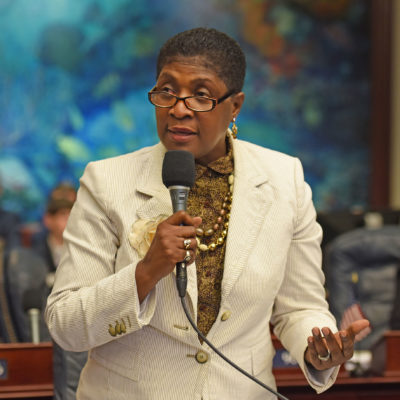
Sen. Barbara Sharief, D-Davie, who opposed the bill, expressed concern about its effects on local cultural observances. “That’s not sufficient enough to cover local cultural events celebrating local people,” she said, noting that while the bill allows funding for certain state or federal holidays, it does not extend protections to local events recognizing Black history or Florida African American heritage.

Under the proposed legislation, anyone could sue a government if they suspected a program or event was influenced by DEI policies, and local officials could be removed from office by the governor for violations. The House could approve the bill as early as March 5, after which Gov. Ron DeSantis is expected to sign it into law.

$65M community bond at stake as Lauderhill voters head to the polls March 10

RISE Lauderhill

On Tuesday, March 10, Lauderhill voters will decide on a $65 million community-driven bond initiative, RISE Lauderhill, alongside municipal elections that will shape the city’s development priorities.

The bond proposal allocates $9.5 million for public safety improvements, $34 million for parks and infrastructure, and $21.5 million for transportation and roadway projects.

Planned projects are designed to deliver visible, neighborhood-level benefits, including modern public facilities, upgraded parks and trails, renovated streets, and enhanced public safety infrastructure. Officials note the initiative addresses community needs identified through resident feedback and city planning efforts, while also helping protect property values and improve quality of life across every neighborhood. Investments include a new Public Safety building, fire station renovations, and upgrades to streets, parks, and recreational facilities.

The city emphasizes that undertaking projects now avoids higher costs from inflation and construction delays, providing immediate benefits while supporting long-term planning and stability.

While Lauderhill focuses on the bond initiative, neighboring Pembroke Pines voters will be deciding leadership for key city commission seats.

Dennis Hinds, a 55-year-old Jamaican-American professional in banking, finance, real estate, and insurance, is seeking to become the first Caribbean-American commissioner representing District 1, which stretches from Hiatus Road past Pembroke Road to the Florida Turnpike. He is challenging incumbent Commissioner Thomas Good and former police sergeant James Henry.

In District 4, Vice Mayor Mike Hernández is running for a full four-year term against community advocate Elizabeth Burns, who previously ran for mayor in 2024.

Municipal elections in neighboring Palm Beach County will also take place on March 10 in cities including Boynton Beach, Belle Glade, Boca Raton, Delray Beach, Greenacres, Gulf Stream, Hypoluxo, Juno Beach, Jupiter Inlet Colony, Lake Park, Lake Worth Beach, Loxahatchee Groves, Palm Beach, Palm Beach Gardens, Palm Beach Shores, Royal Palm Beach, South Palm Beach, Wellington, and West Palm Beach. Municipal runoffs, if necessary, are scheduled for March 24.

Also on March 24, a Special Election for State Representative District 87 will take place in Palm Beach County to replace Rep. Mike Caruso, who became Clerk of the Circuit Court and Comptroller. Candidates are Republican Jon Maples and Democrat Emily Gregory.

In Miami-Dade County, the Town of Surfside will hold General and Special Elections on Tuesday, March 17.

Polling places in Lauderhill and Pembroke Pines will be open from 7 a.m. to 7 p.m. on Election Day. Early voting is not available. Vote-by-mail ballots must be received by the Supervisor of Elections by 7 p.m. on March 10.

Saint Lucia responds to UK visa requirement for nationals

St. Lucia PM
Prime Minister Phillip J. Pierre

The Government of Saint Lucia has formally responded to the United Kingdom’s decision to introduce a visit visa requirement for Saint Lucian nationals.

In a statement, officials confirmed that the new policy, which also includes a direct airside transit visa for travellers passing through the UK, “will take effect on 5 March 2026 at 15:00 GMT (11:00 a.m. AST).” The UK has implemented a six-week transition period running until 16 April 2026, during which Saint Lucians who “already possess an Electronic Travel Authorisation (ETA) and have booked travel prior to the policy change may continue to enter the United Kingdom visa-free if they arrive before the end of the transition window.”

The UK government cited “a notable increase in Saint Lucian nationals entering the UK as visitors and subsequently claiming asylum, which it says has placed pressure on its border and asylum processes” as the rationale for the measure.

Acknowledging the concerns this may raise for citizens, the Government of Saint Lucia said it “wishes to reassure citizens that active diplomatic engagement with the United Kingdom is ongoing, and that Saint Lucia will continue discussions with UK authorities to better understand the decision and to explore pathways for maintaining strong mobility arrangements between both countries.”

Officials added that they “will provide further guidance to the public on visa application procedures and travel requirements as additional information becomes available.”

Shyne Barrow urges Caribbean leaders to model Jamaica in building creative economies

Photo: Overtime Media

Belizean poltician and hip hop icon The Honourable Dr. Moses “Shyne” Barrow has identified Jamaica as a regional blueprint for how culture and governance can work together to build sustainable industries, during his keynote address at last week’s Island Music Conference (IMC) in Kingston.

Speaking on the theme “From Stage to State,” Barrow urged Caribbean governments to move beyond symbolic support of the arts and toward structured public–private partnerships. “These conferences are so very important,” he told delegates, describing information exchange as critical in an evolving global music economy.

Responding to a question about cultural influence as an economic engine, Barrow said: “The work of great musicians such as Bob Marley and Shabba Ranks, as well as the development of Reggae and Dancehall music, has done more for the Jamaican tourism product than anything else.” He credited consistent policy implementation across political administrations for enabling private-sector investment in the music industry: “They were fighting each other, but giving the same implementation.”

“There is no one in the world who does not know about Jamaica — its music, its food and its culture,” he declared, framing his own political evolution as rooted in hip hop’s entrepreneurial DNA. Calling his transition from performer to legislator “quintessential hip-hop,” Barrow said, “We belong in Parliament. We belong in the Cabinet. We belong in the Prime Minister’s office and in the President’s office.”

On emerging challenges in the creative sector, he warned: “We need to protect our rights. We need to protect our work and that can only be legislated. If we don’t get involved in the legislative process, we’re going to wake up one day and find that our rights are gone.” He also stressed the importance of the human mind over technology, calling it “the greatest thing on planet Earth.”

Reflecting on his past, including a decade of incarceration, Barrow shared: “By then, my dreams had already come true. But when I looked around my country, I saw people still struggling. So I chose a life of service.”

Closing his address, he challenged Caribbean leaders to diversify the profiles of those shaping legislation: “The Caribbean’s creative class has already shaped global culture. Now we must shape policy.”

He also revealed plans to return to the stage with a world tour marking the 25th anniversary of his debut album, reaffirming his commitment to both music and public service.

Jamaica to launch National Action Plan on Women, Peace and Security

Jamaica is set to develop a National Action Plan on Women, Peace and Security (WPS), aimed at strengthening women’s roles in conflict prevention, peacebuilding, and security governance, Minister of Foreign Affairs and Foreign Trade, Senator the Hon. Kamina Johnson Smith, announced on Monday.

“Before the end of this month, a consultative inter-Ministerial meeting on Jamaica’s Women, Peace and Security National Action Plan will be convened at the Foreign [Affairs and Foreign Trade] Ministry,” Senator Johnson Smith said during the opening of the three-day Regional WPS Symposium at The Jamaica Pegasus hotel in New Kingston. The event is hosted by the Jamaica Defence Force (JDF) in collaboration with the Canadian Directorate of Military Training and Cooperation (DMTC).

The Minister explained that the plan will bring together ministries, departments, and agencies with mandates under the WPS agenda, alongside civil society groups, to institutionalise gender-responsive approaches to security governance. Efforts will focus on protecting women and girls from gender-based violence, cybercrime, and human trafficking, while promoting women’s meaningful participation in peacebuilding and decision-making in security matters.

“In keeping with a whole-of-society approach, we will also begin engaging with key partners and stakeholders across the private sector, civil society, and academia,” she added.

Senator Johnson Smith said the framework will align global commitments with national priorities, translating international principles into actions tailored to Jamaica’s security and development needs. “Our support for the WPS agenda is etched in the firm belief that women must be recognised for their invaluable role at all levels and, accordingly, be provided with opportunities to participate in both restoring broken communities and sustaining international peace and security,” she said.

She highlighted Jamaica’s current achievements in promoting women in leadership, citing key public offices led by women, including the Chief of Defence Staff, Public Defender, Director of Public Prosecutions, Auditor General, and President of the Court of Appeal. At the political level, women hold prominent roles within the Ministry of National Security and Peace and the Ministry of Justice and Constitutional Affairs, including two recently appointed female Ministers of State.

The Minister also underscored the importance of Jamaica’s National Policy for Gender Equality (2011) and the National Strategic Action Plan to Eliminate Gender-Based Violence (2017-2027) as instruments for applying a gender lens to conflict resolution and societal stability. Legislative measures such as the Sexual Harassment Protection and Prevention Act and the Domestic Violence Amendment Act further reinforce the country’s commitment to the WPS agenda.

Emphasising that dismantling gangs and neutralising dons directly protects women and girls, Senator Johnson Smith said these measures will form a critical element of Jamaica’s WPS strategy, noting the specific threats gangs pose to mothers and daughters both economically and sexually.

The Regional WPS Symposium, running March 2-4, provides a platform for regional military, governmental, and civil society stakeholders to discuss gender, peace, and security, and to inform Jamaica’s forthcoming National Action Plan.

Trinidad and Tobago Trade unions rge caution on State of Emergency

trinidad police

Trinidad and Tobago’s trade union movement is raising concerns over the government’s latest declaration of a State of Emergency (SoE), warning that while violent crime must be addressed, emergency powers cannot replace a comprehensive national crime strategy or infringe on workers’ constitutional rights.

In separate statements to the Trinidad Guardian, the Contractors and General Workers Trade Union (CGWTU) and the National Trade Union Centre of Trinidad and Tobago (NATUC) acknowledged the seriousness of rising gang violence but called for a move beyond “recurring emergency measures.” The SoE was declared by Prime Minister Kamla Persad-Bissessar in response to the recent spike in violent crime.

President General of the CGWTU, Ermine De Bique Meade, questioned whether repeated SoEs signal deeper policy shortcomings. “We do not underestimate the gravity of the situation,” Meade said. “Yet the repeated reliance on such measures raises a deeper concern – is the SoE truly about gangs, or does it expose the absence of a coherent crime plan?”

The union argued that curfews, expanded detention powers, and heightened police authority may temporarily suppress violence, but they do not dismantle criminal networks fueled by illegal firearms, gang recruitment, judicial delays, and socio-economic vulnerabilities. “A State of Emergency is meant to be extraordinary, not a recurring instrument of governance,” the CGWTU warned, noting that workers and communities often bear the brunt of movement restrictions and economic disruption.

Echoing those concerns, NATUC General Secretary Michael Annisette stressed that emergency powers must be temporary, proportionate, and subject to strict democratic oversight. “The constitutional, industrial and human rights of workers must not be eroded under any circumstances,” he said, adding that collective agreements, grievance procedures, and due process protections must remain fully intact.

Both unions also called for adequate resources, logistical support, and fair compensation for security personnel, essential service workers, and frontline public officers who will shoulder increased risks during the SoE.

Highlighting long-term solutions, NATUC emphasized sustained investment in youth development, job creation, education, community intervention programmes, and social services. The CGWTU similarly urged the government to implement a transparent, long-term crime prevention and justice reform plan.

Annisette concluded that the labour movement is prepared to engage with government, employers, and civil society to ensure that national security measures are carried out responsibly and without undermining workers’ rights.

Barbados to recalibrate foreign policy amid shifting global order

No devaluation of Barbados currency

Newly appointed Foreign Affairs and Foreign Trade Minister Chris Sinckler has announced plans to recalibrate Barbados’ foreign policy to respond to what he describes as a rapidly changing international landscape.

Speaking in Parliament on Tuesday, Sinckler said the 15-member Caribbean Community (CARICOM) will remain a “strategic anchor” in the country’s external relations. He emphasized that Barbados will continue strengthening ties within regional and hemispheric organizations, including the Association of Caribbean States and the Organization of American States (OAS).

To support this strategy, Sinckler outlined plans to modernize Barbados’ diplomatic toolkit with data-driven trade analysis, digital diplomacy platforms, enhanced market intelligence systems, structured diaspora engagement, and predictive risk monitoring.

“We can no longer approach the world as we approached it before. It is changing, and we too must change—not reactively, but proactively,” he said.

Sinckler highlighted ongoing diplomatic engagement beyond the region, including with the European Union and the World Trade Organization in Geneva, aiming to position Barbados to seize emerging opportunities.

Addressing a question about relations with Cuba amid international sanctions, Sinckler affirmed that Barbados would maintain its longstanding ties with Havana. “We’re not going to turn our backs on our friends… we’re going to work with all sides to ensure that whatever happens, the people of Cuba come out the better for this in the end,” he said. He emphasized that the government will monitor the situation closely to make informed, real-time decisions.

The minister also warned that the global environment is undergoing profound change, with “geopolitical fragmentation, supply chain realignment, technological disruption, security-driven trade policy and tightening immigration regimes” shaping the operating space for Barbados. He said the country must convert diplomatic capital into measurable economic and developmental returns while remaining strategic rather than reactive.

Sinckler cited the evolving posture of Canada under new Prime Minister Mark Carney and noted that Barbados is in early negotiations for a new cooperation and development agreement. He also mentioned the government’s goal of expanding air connectivity, including links to Africa, to ensure tangible outcomes from international agreements.

“The volatility, the uncertainty, the capriciousness… is a dangerous space to operate in without firm foundations,” Sinckler said, stressing that Barbados’ recalibrated foreign policy will be disciplined, proactive, and grounded in strategic priorities.

The foreign minister made his remarks as legislators examined the BDS$80.6 million allocation for his ministry ahead of the national budget presentation on March 16.

Hurricane Melissa name retired after devastating impact on Jamaica

Hurricane Melissa
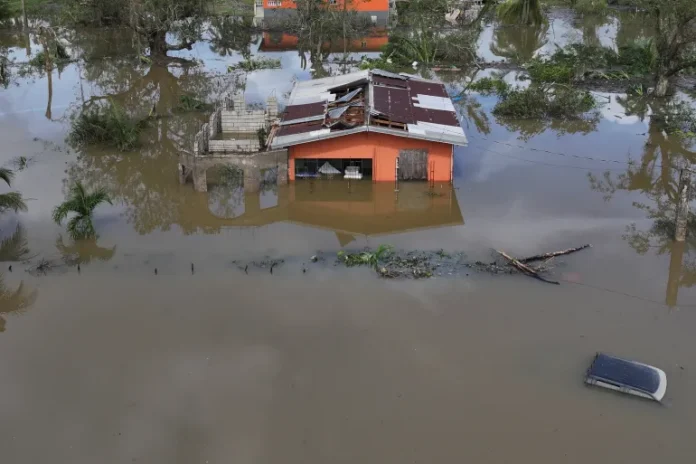
An aerial view shows widespread flooding in St. Elizabeth, Jamaica, after Hurricane Melissa made landfall. Photo Credit - Maria Alejandra Cardona

The World Meteorological Organization (WMO) has officially retired the name Melissa from its rotating list of Atlantic hurricane names after the deadly and destructive storm battered parts of the Caribbean in October 2025.

The decision was made by the WMO’s Hurricane Committee, which selected Molly as the replacement name. Molly will appear on the Atlantic naming list beginning in 2031.

At its peak, Hurricane Melissa reached Category 5 strength, with life-threatening winds of about 300 km/h. The powerful storm brought devastating storm surge and destructive winds to Jamaica and Cuba, while torrential rainfall caused widespread flooding in Dominican Republic, Haiti, Jamaica and Cuba.

Melissa was responsible for more than 90 deaths across Jamaica, Haiti and other Caribbean nations. It also became the strongest hurricane on record to make landfall in Jamaica, tying with the intensity of Hurricane Dorian (2019) in the Bahamas and the 1935 Labor Day Hurricane in the United States as the strongest landfalling storms in the Atlantic basin in terms of maximum sustained winds.

“The risks associated with tropical cyclones are both real and increasing. It only takes one landfalling tropical cyclone to roll back years of development. And this was unfortunately the case with Hurricane Melissa,” said WMO Secretary-General Celeste Saulo.

“Recovery will be long and hard. Despite the force of Melissa, loss of life was in the dozens rather than the thousands. This is testimony to the accuracy of advance forecasts and the use of these early warnings to support early action. Hurricane Committee Members can be proud of themselves for saving so many lives and helping to protect key sectors of the economy like transport, energy and fisheries,” she added in an opening video message.

Evan Thompson, principal director of the Meteorological Service of Jamaica and president of the WMO’s Regional Association IV, said the storm left a lasting impact on the country.

“After more than four months since the passage of Melissa over Jamaica, stories about the impacts and recovery continue to dominate the news and media. Melissa has now been engraved in the collective memory of the nation,” Thompson said.

According to the WMO, the 2025 Atlantic hurricane season produced 13 named storms, of which five became hurricanes and four intensified into major hurricanes with winds of at least 180 km/h. An average Atlantic season typically produces 14 named storms, seven hurricanes and three major hurricanes.

Forecasts for storms in the region are issued by the National Hurricane Center in Miami, which operates the WMO’s Regional Specialized Meteorological Center for the Atlantic basin.

“Every forecast and warning is a lifeline for real people, and a constant reminder that our work is not just about science, but about saving lives,” said Michael Brennan, director of the National Hurricane Center and chair of the WMO Hurricane Committee.

“The strong relationship between the RSMC Miami and the affected members during Melissa demonstrated the partnerships built within the Committee, and our shared commitment to reducing the human and economic impacts of storms such as Melissa throughout the region,” he said.

Hurricane names in the Atlantic are reused every six years unless a storm is considered so deadly or destructive that its name is permanently retired.

“I am very thankful that there was unanimous approval of my request for the retirement of Melissa. Jamaica would not have liked to constantly recount the trauma that was visited on us in 2025,” Thompson said.

St Kitts and Nevis PM visits Ghana, signs agreements on visas, labour and political cooperation

Prime Minister Terrance Michael Drew of Saint Kitts and Nevis arrived in Ghana this week for an official visit aimed at strengthening diplomatic and economic ties between the two countries.

Drew arrived on Tuesday, March 3, and was received by Ghana’s Minister for Foreign Affairs, Samuel Okudzeto Ablakwa. The prime minister was accompanied by his wife and members of his government delegation.

During the visit, Drew held bilateral talks with Ghana’s president, John Dramani Mahama, on Wednesday as part of the four-day official trip. Discussions focused on expanding cooperation between the two nations across several sectors for the mutual benefit of their citizens.

Following the meeting, the two governments signed three agreements designed to deepen collaboration.

These include a Memorandum of Understanding establishing a political consultation mechanism between the governments of Ghana and Saint Kitts and Nevis, intended to strengthen diplomatic dialogue and coordination.

The countries also signed an agreement granting visa-free travel for holders of ordinary passports, allowing citizens of both nations to travel between them without the need for a visa.

A bilateral labour agreement was also concluded to facilitate the recruitment of Ghanaian medical professionals to work in Saint Kitts and Nevis, addressing workforce needs in the federation’s healthcare sector.

Senior government officials from both countries, including Ablakwa and members of the Ghanaian administration, attended the bilateral meeting.

The visit forms part of broader efforts by Saint Kitts and Nevis to strengthen partnerships with African nations and expand cooperation in areas such as healthcare, diplomacy and labour mobility.

US seeks forfeiture of tanker seized with false Guyanese flag carrying Venezuelan oil

The United States Department of Justice (DOJ) says a complaint has been filed in the United States District Court for the District of Columbia seeking to forfeit the Motor Tanker Skipper, a crude oil tanker seized by the United States on the high seas in December 2025 while flying a false Guyana flag.

Authorities say the vessel was carrying approximately 1.8 million barrels of crude oil supplied by Petróleos de Venezuela, S.A. (PdVSA), the state-owned oil company of Venezuela.

The DOJ said the tanker and its cargo are forfeitable because they allegedly provided a source of influence or support to the Islamic Revolutionary Guard Corps (IRGC), including the IRGC-Qods Force (IRGC-QF), which the United States has designated a foreign terrorist organization.

“Under President Trump’s leadership, the era of secretly bankrolling regimes that pose clear threats to the United States is over,” said U.S. Attorney General Pamela Bondi. “This Department of Justice will deploy every legal authority at our disposal to completely dismantle and permanently shutter any operation that defies our laws and fuels chaos across the globe.”

Federal Bureau of Investigation Director Kash Patel said the case demonstrates the agency’s determination to enforce sanctions and disrupt networks linked to hostile governments.

“The FBI, working alongside our interagency partners, will continue aggressively identifying, disrupting and dismantling the financial networks used by our foreign adversaries to fund terrorist organisations and destabilise international security. We remain steadfast in safeguarding both the integrity of the international financial system and the security of the American people,” Patel said.

Assistant U.S. Attorney General A Tysen Duva of the Justice Department’s Criminal Division said the action represents an important step in cutting off millions of dollars in funding to terrorist organisations.

“The criminal division will continue to use every tool at our disposal to end to terrorist financing,” Duva said.

According to the DOJ, the forfeiture complaint alleges that since at least 2021, the Skipper was involved in a scheme to facilitate the shipment and sale of petroleum products for the benefit of the IRGC and its Qods Force.

During that time, officials say the tanker transported crude oil from both Iran and Venezuela and used ship-to-ship transfers to deliver the cargo to various locations around the world, including other governments viewed by the United States as adversarial.

In November 2025, the tanker reportedly loaded about 1.8 million barrels of Venezuelan-origin crude oil at the José Terminal in Venezuela. Bills of lading indicated that roughly 1.1 million barrels of that cargo were destined for Cubametales, Cuba’s state-run oil import and export company, which has been sanctioned by the U.S. Treasury since 2019.

The DOJ said U.S. law enforcement seized the vessel on December 10, 2025, under a judicially authorised warrant while it was travelling in international waters.

“At that time, the Skipper was claiming a false Guyanese flag, rendering it stateless,” the department said.

Authorities say the vessel is now the subject of a civil forfeiture process, under which the U.S. government must prove in court that the ship and its cargo were involved in activities violating U.S. sanctions and counter-terrorism laws.

Bahamas economy showing ‘continued growth and resilience,’ PM Davis says

Bahamas PM Philip Davis

Prime Minister Philip Davis says the Bahamas economy is showing “continued growth and resilience,” citing stronger revenues, an improved fiscal balance and disciplined financial management during his contribution to the Mid-Year Budget in the House of Assembly.

“The improved revenue performance recorded over the first six months of the current fiscal year is a clear reflection of the continued growth and resilience of the Bahamian economy,” Davis said as he outlined the government’s financial position at the halfway point of fiscal year 2025/2026.

Total revenue collections reached an estimated $1.5 billion, representing a $66.6 million increase over the same period last year. Tax revenues accounted for $1.3 billion, with value-added tax (VAT) collections totaling $739.1 million at the half-year mark.

“VAT performance in The Bahamas has continued to strengthen during the first half of this fiscal year,” Davis said, noting that the improvement “has not been driven by higher rates, but by stronger compliance, more effective enforcement, and better administration across the tax system.”

He added, “This steady flow of VAT reductions reflects our commitment to the Bahamian people that where fiscal space allows, relief will follow,” referencing earlier reductions in VAT rates and the planned move to make unprepared foods fully VAT-exempt next month.

On the spending side, preliminary aggregate expenditure totaled $1.9 billion for the six-month period. The resulting net deficit stood at $342.4 million, an improvement of $25.3 million over the previous year. The primary balance also improved significantly to a $3.1 million deficit, compared to a $32.3 million deficit during the same period last year.

Central government debt rose to $12.4 billion at the end of December 2025, equivalent to 75.1 percent of GDP, reflecting net borrowing activities during the period.

Under the Public Finance Management Act, Davis reported that total outstanding obligations reached $241.9 million at mid-year. This included $60.5 million in arrears from prior fiscal years and $181.4 million in unpaid invoices from the current fiscal year.

“This level of outstanding balance reflects the interaction of project execution, support for essential services, and seasonal cash flows,” he said, adding that the Government is “strengthening commitment controls, improving cash forecasting, and prioritizing structured arrears reduction – all within the broader fiscal consolidation framework to maintain debt sustainability and deficit reduction targets.”

Addressing Opposition concerns about $265.3 million transferred into the National Investment Fund, Davis said the move had parliamentary approval.

“That transfer was fully authorised by Parliament under the Resolution passed on March 10, 2025,” he said, adding that “suggestions that the transfer bypassed Parliament or misrepresented the fiscal position are not supported by the facts.”

The prime minister also highlighted continued economic expansion, noting that real GDP grew by 3.4 percent in 2024 and unemployment declined to 9.3 percent in the second quarter of 2025.

Amid geopolitical tensions affecting global oil markets, Davis sought to reassure Bahamians about energy costs.

“Rest assured Mister Deputy Speaker, we are fully committed to working on behalf of every Bahamian to reduce the cost of electricity and fuel prices,” he said.

Tourism, the country’s main economic driver, continues to underpin growth. Davis pointed to major cruise tourism investments, including Celebration Key opened by Carnival Cruise Line and the Royal Beach Club Paradise Island launched by Royal Caribbean International.

He described the projects as part of a broader strategy to sustain economic expansion over the next three years.

UK to require visas for St. Lucia nationals visiting Britain

UK visa

Nationals of St. Lucia will soon need a visa to visit the United Kingdom following new immigration measures announced by the British government.

Under the changes published by the Government of the United Kingdom on March 5, citizens of both Saint Lucia and Nicaragua will now be required to apply for and obtain a visit visa before travelling to the UK. The move also removes both countries from the list of nationalities eligible to apply for the UK’s Electronic Travel Authorisation.

British officials say the new requirement will allow travellers to be assessed against the UK’s immigration rules before arrival, enabling authorities to refuse entry in advance where applicants do not meet the criteria.

The decision comes amid concerns about asylum claims made by visitors entering the UK. According to the British government, between January 2022 and December 2025, 360 nationals of Saint Lucia claimed asylum in the UK, with 128 claims — or 36 percent — made at ports of entry.

Officials described this as a high number of claims relative to Saint Lucia’s population of about 180,000 people. As of December 2025, 222 Saint Lucian nationals were receiving asylum support in the UK, including 213 who were housed in accommodation provided by the UK Home Office.

The British government said asylum applications place additional strain on border operations and the wider migration system.

The new policy also reflects concerns about Saint Lucia’s Citizenship by Investment Programme, which allows foreign investors to obtain citizenship in exchange for economic contributions.

British authorities noted that while they recognise steps taken by the Saint Lucian government in the past year to reduce risks associated with the programme, they believe “unsustainable risks” remain. The government said these concerns stem largely from the historic sale of large numbers of citizenships and passports.

In the 2023–2024 financial year, the programme reportedly received 5,642 applications, representing 423 percent annual growth in application volumes. UK officials said the increase has coincided with more individuals using Saint Lucian passports to enter the country and later claim asylum or work illegally.

The visa requirement will be introduced with a six-week transition period. During this time, Saint Lucian nationals who already hold confirmed travel bookings made before the policy takes effect — and who have obtained an ETA — will still be able to travel to the UK without a visa until 3:00 p.m. BST on April 16, 2026.

Applications for the ETA for nationals of Saint Lucia and Nicaragua will close at 3:00 p.m. GMT on March 5, 2026.

Travellers with bookings for dates after the transition period will be required to obtain a visa before travel. The UK government said the temporary grace period is intended to avoid operational difficulties and prevent travellers from losing money on trips arranged before the announcement.

Officials added that the visa requirement for Saint Lucia will remain under review, particularly to assess whether it reduces the number of asylum claims made in the UK.

Jamaica awaits results of offshore oil and gas exploration

Daryl Vaz says no oil discovery in Jamaica
Daryl Vaz

Jamaica could know within two to three months whether recent offshore exploration has revealed evidence of oil and gas, according to Energy Minister Daryl Vaz.

Speaking at a post-Cabinet press briefing at Jamaica House, Vaz said data and samples collected during the exploration exercise are now being sent to a laboratory in the United States for detailed analysis.

Vaz disclosed that United Oil & Gas PLC completed its surface geochemical exploration programme on February 28, following 34 days of offshore work.

During the exercise, 1,189 line kilometres of echo sounder data were collected to map the sea floor across the Walton Basin and Morant Bay Basin.

Further data were gathered using heat flow probes to analyse temperature gradients beneath the seabed, while piston core samples were taken from 42 locations across the basins to test for the presence of oil and gas.

The energy minister said the research vessel involved in the project returned to Kingston Harbour before departing again to undertake the next phase of work.

“These cores are being offloaded and are now en route to a lab in the United States for detailed analysis. Results are expected within two to three months,” Vaz said.

“This is simply not a technical exercise. It is a meaningful step towards understanding the geological potential of offshore Jamaica. The data collected was state-of-the-art and will inform evidence-based decision-making about the country’s energy future,” he added.

Vaz also noted that the exploration programme was completed without incident.

He said there were no safety issues, environmental accidents or conflicts with fisherfolk during the exercise.

“As we await the lab results, the Government remains committed to a responsible, science-based approach. Exploration does not mean exploitation without safeguards. It means gathering facts, analysing data and making informed decisions in the best interest of Jamaica,” the energy minister said.

He cautioned against speculation about the possible discovery of oil or gas and urged the public to rely on official updates.

“So once again, I caution everybody to be patient and calm and to listen to the Government on this very sensitive matter … it will be two to three months before we hear anything, positive or negative, so we don’t expect to hear any rumours circulating about the discovery of oil or gas.”

In a related development, United Oil & Gas PLC, which holds the Walton Morant offshore licence, launched a new internal technical podcast outlining the geological case for oil exploration around Jamaica.

The podcast, On the Rocks, is intended to give shareholders and stakeholders a closer look at the data guiding the company’s exploration programme. Its first episode features Business Technical Manager Paul Ryan and Head of Business Development Donal Meehan, who discuss what they describe as strong indicators of a working petroleum system offshore Jamaica.

“There’s really just an awful lot of evidence there,” Meehan said in the debut episode. He pointed to what the company describes as a proven petroleum system onshore in Jamaica and a combination of offshore indicators including satellite data, seismic interpretation and rock analysis. “Everything’s pointed in the right direction that we do have an active petroleum system in the offshore as well as the onshore,” he added.

Connectivity partner Digicel gets Lost in Time

Digicel
A sea of reggae lovers takes in the electrifying stage at the Lost in Time Festival, as Digicel, the event’s connectivity partner, lights up the experience with bold displays across the towering stage.

Still buzzing from the energy of the Lost in Time Festival, often described as the Caribbean’s answer to Coachella, Digicel Jamaica is reflecting on a weekend filled with reggae, culture, and connection.

The immersive festival transformed the venue into a vibrant celebration of Jamaica’s musical heritage, complete with striking stage design, dynamic lighting, and performances that transported patrons through generations of reggae music.

As the event’s connectivity partner, Digicel added its own touch to the experience, helping to transform the Hope Gardens grounds into a hub of energy and engagement. The brand’s striking red activation booth quickly became a popular stop for patrons, who browsed exclusive Lost in Time merchandise, interacted with the Digicel team, and grabbed branded giveaways throughout the night.

Digicel added another layer to the experience with the Digicel Sky Suite, where invited guests and members of the Digicel team enjoyed an elevated view of the stage and the pulsating crowd below.

Among those enjoying the evening were Digicel Jamaica CEO Stephen Murad and his wife, Krystal Murad, who joined patrons and partners in soaking up the festival’s energy. Accompanied by members of the executive team, the group took the opportunity to kick back and truly get LIT, enjoying the music, atmosphere, and shared celebration of Jamaica’s undeniable culture.

One of the night’s standout moments came when Digicel ambassador Jesse Royal delivered a powerful performance, later inviting his young daughter and her friend onstage, adding a heartfelt and generational touch to the evening’s festivities.

Among VIP guests enjoying the festivities at the Digicel Sky Lounge were Karl Tulloch, Director of Kemtek Development & Construction Limited; recording artist Press Kay; entertainer The Wizard; and Erol Thompson, Commissioner.

Jamaica to honour drumming legend Sly Dunbar

Sly Dunbar

Jamaica’s music community and fans across the island will gather this weekend to celebrate the life and legacy of legendary drummer Sly Dunbar, as the Government, through the Ministry of Gender, Culture, Entertainment and Sport, stages a series of tribute events in Kingston.

The programme, announced by Minister Olivia Grange, will include a public viewing, a commemorative motorcade and an official funeral service to honour one of the most influential drummers in modern music.

Grange described Dunbar as “one of the best drummers the world has ever seen,” noting that the tribute provides an opportunity for Jamaicans to reflect on his extraordinary contribution to reggae and the wider global music industry.

The official funeral service is scheduled for Saturday, March 7, at the Cathedral of the Holy Trinity on George Headley Drive. A public viewing will precede the service on Friday, March 6, at the National Indoor Sports Centre in Kingston.

Friday’s observances will also feature a special motorcade beginning at Channel One Studio and making stops at One Pop Music Studio, Mixing Lab Studio and Anchor Recording Studio—locations that played a central role in the development of Jamaica’s recording industry and where Dunbar’s drumming helped shape countless classic recordings.

Born Lowell Fillmore Dunbar, the musician rose to international prominence as one half of the legendary rhythm section Sly and Robbie, alongside bassist Robbie Shakespeare. Together, the pair became one of the most prolific rhythm teams in music history, recording on thousands of tracks and redefining the sound of reggae and dancehall.

Dunbar’s innovative drumming helped introduce the powerful “Rockers” rhythm style that transformed reggae in the late 1970s. His work can be heard on some of the genre’s most influential recordings, including albums by Black Uhuru and Peter Tosh, where the tight, driving drum-and-bass partnership of Sly and Robbie became a signature sound.

The duo were also behind several landmark riddims that became staples of dancehall culture. Among them are the “Baltimore” riddim, associated with The Tamlins’ classic track, and the “Taxi” riddim, which powered numerous recordings through their Taxi label and production house.

Dunbar’s influence extended well beyond reggae. His drumming appeared on international recordings by artists such as Grace Jones, Bob Dylan and Mick Jagger, helping bring the distinctive sound of Jamaican rhythm to global audiences.

For generations of producers, musicians and fans, Dunbar’s drumming formed the backbone of countless recordings and sound system favourites. His ability to blend precision with a deep groove made him one of reggae’s most respected musicians.

As Jamaica prepares to bid farewell, this weekend’s tributes are expected to draw members of the music fraternity, cultural leaders and fans eager to celebrate the life of the drummer whose rhythms helped shape the soundtrack of modern Jamaican music.

KFC Jamaica boosts support for Women’s Premier League with J$3.5M investment

KFC Jamaica Marketing Officer Kandine West (left) presents a J$3.5 million sponsorship cheque to Professional Women’s Football Jamaica Limited (PWFJL) Chairperson Christina Hudson during the Jamaica Women’s Premier League media launch at the Jaguar Land Rover showroom on Arthur Wint Drive on Tuesday.

Returning for another season of support, Restaurants of Jamaica (ROJ), operators of the KFC brand locally, have increased their investment in the Jamaica Women’s Premier League to J$3.5 million in cash and meal support for the 2025-2026 season.

The investment marks an increase from the J$2.5 million provided last year and signals the brand’s continued backing of the country’s top-flight women’s football competition as the league prepares for a new campaign set to kick off on March 7.

The quick-service restaurant is no stranger to supporting sport and youth development across the island. From its long-standing association with the Inter-Secondary Schools Sports Association (ISSA) schoolboy football competition to its decades-long support of the KFC/Jamaica Basketball Association (JaBA) Star Search Basketball Camp and JUMPBALL Basketball Camp, and backing the Reggae Girlz ahead of their historic FIFA Women’s World Cup campaign in 2023, the brand has consistently supported sports development at different levels.

Speaking at Tuesday’s JWPL media launch at the Jaguar Land Rover showroom on Arthur Wint Drive, KFC Jamaica Marketing Officer Kandine West said the brand recognises the importance of supporting the league and the opportunities it creates for young female footballers.

“The Jamaica Women’s Premier League continues to show what is possible when young women are given the platform and visibility to grow in the sport,” West said. “At KFC Jamaica, we understand the importance of supporting initiatives that open doors and create real opportunities for players. Increasing our support this season reflects our belief in the direction of the league and the talent coming through it.”

The league will feature 12 teams, including new entrant Real Mona, as participation in the women’s game continues to grow.

Delivering remarks on behalf of Minister of Culture, Gender, Entertainment and Sport Olivia Grange, Mrs. Florette Blackwood noted that the progress of the league reflects the broader advancement of women’s football in Jamaica. She added that continued collaboration between government and corporate partners will be key to sustaining that momentum.

Vice President of the Jamaica Football Federation and Head of Women’s Football Elaine Walker-Brown also acknowledged the league’s growth, noting that the women’s competition has come a long way from earlier seasons when support for the sport was far more limited.

“We have come a long way from where women’s football was just a few seasons ago,” Walker-Brown said. “The progress we are seeing now is the result of the support the league has received and the commitment of the women who continue to represent the game.”

Professional Women’s Football Jamaica Limited (PWFJL) chairperson Christina Hudson pointed to the impact that increased visibility has already had on the players competing in the league.

“That visibility is already translating into real opportunities for our players,” Hudson said. “Over the past season, 12 players secured university scholarships and two earned professional contracts. That is impact. That is transformation. That is why this work matters.”

The opportunities were made possible through improved access to match footage and highlights, which allowed scouts and institutions to follow the league more closely.

The league continues to attract strong corporate backing, with sponsors including Supreme Ventures, Sherwin Williams, TruShake, Valvoline, WATA, Hummel Jamaica, Kind Hearts Foundation, Acroscopic, MPowa, Powerade, and Mailpac supporting the season alongside KFC Jamaica.

St. Vincent and the Grenadines becomes CAF shareholder

The Development Bank of Latin America and the Caribbean (CAF) has approved the incorporation of St. Vincent and the Grenadines as a Series C shareholder country, further extending the Bank’s development financing capabilities across the Caribbean.

The decision was made during CAF’s Board of Directors meeting in Lima, where the Board also approved USD 1.13 billion for new operations across the region. These funds will support initiatives in water security, citizen security, disaster response, and debt management. The meeting also marked the handover of the Board Chairmanship from Trinidad and Tobago to Uruguay, concluding Trinidad and Tobago’s historic tenure as the first English-speaking CARICOM country to preside over CAF’s Board.

With this incorporation, St. Vincent and the Grenadines will gain access to CAF’s flexible development financing instruments, technical cooperation, and knowledge programmes tailored to the needs of small island developing states. The move follows recent approvals for Dominica, Saint Lucia, Haiti, and Saint Kitts and Nevis, all at various stages of joining the Bank.

CAF Executive President Sergio Díaz-Granados welcomed the decision, stating: “St. Vincent and the Grenadines is joining a development bank that understands the realities of Caribbean small states and the development challenges of multi-island states, in particular. We are indeed pleased to deepen our partnership with St. Vincent and the Grenadines and are committed to providing practical, tailored financing solutions so that the government can deliver on its promise to the communities in the various islands.”

He added, “CAF is continuing to deepen its engagement in the region to support climate-resilient infrastructure, productive transformation, as well as sustainable and inclusive growth. We are pleased to welcome St. Vincent and the Grenadines into our CAF family of shareholder countries.”

Since opening its Regional Office for the Caribbean in 2022, CAF has more than tripled its Caribbean shareholder base, while also increasing investments and grant resources in areas such as energy transition, digital transformation, heritage tourism, technical and vocational education, private sector development, and the blue and green economy.

This latest move reflects CAF’s continued commitment to providing agile and flexible financing to CARICOM countries as it advances regional integration and sustainable development across Latin America and the Caribbean.

Guyanese national Ronley Bynoe extradited to US on multiple fraud charges

Ronley Bynoe

Guyanese national Ronley Floyd Bynoe has been extradited to the United States to face multiple fraud-related charges stemming from 2023, according to Director of Public Prosecutions Shalimar Ali-Hack, SC.

In a statement, the DPP said Bynoe was removed from the Georgetown Camp Street Prison, where he had been on remand, and escorted under tight security to Cheddi Jagan International Airport. There, he was handed over to two United States Marshals and placed on an outgoing American Airlines flight bound for the United States in the early hours of Wednesday.

Authorities allege that Bynoe committed the offences of misuse of a social security number, aggravated identity theft and bank fraud in September 2023. A criminal indictment was subsequently filed in the District Court of the Northern District of Ohio for him to stand trial before a grand jury.

“Based on the charges, an arrest warrant was issued, but could not be served on the accused because he had fled the USA.

Investigations conducted by the US authorities, revealed that Bynoe had travelled to Guyana,” the DPP said.

According to the statement, the United States government formally requested Bynoe’s extradition in November 2025 through Guyana’s Ministry of Home Affairs. The ministry sought and obtained legal advice from the DPP’s Chambers on how to proceed under local law.

On February 16, 2026, pursuant to the Fugitive Offenders Act, Minister of Home Affairs Oneidge Walrond signed and issued the authority to proceed with the extradition. Two days later, Bynoe was arrested by police and brought before Acting Chief Magistrate Faith McGusty at the Georgetown Magistrates’ Court.

He was informed of the extradition request made by US authorities and consented to be extradited to the United States without court proceedings to face the fraud charges, the DPP added.

FAWLEP launches statewide mentorship initiative during Women’s History Month

Florida Women Law Enforcement Association

The Florida Association of Women Law Enforcement Professionals (FAWLEP) is marking Women’s History Month with the launch of a statewide mentorship campaign aimed at strengthening leadership development among women in law enforcement.

Under the theme “Women Who Lead. Women Who Lift,” the organization is formally designating March as Mentorship Month and rolling out the FAWLEP Mentorship Initiative 2026. The effort is designed to foster meaningful mentor-mentee relationships while encouraging seasoned professionals to actively guide the next generation entering and advancing within the field.

The initiative pays tribute to women who broke barriers in law enforcement, endured challenges, and created opportunities that many now benefit from.

“Legacy is not defined by rank or title. It is defined by impact,” said FAWLEP President Chief Delma Noel-Pratt. “The women who came before us created pathways through resilience and courage. Mentorship ensures their sacrifices continue to shape the future of law enforcement.”

Through the yearlong push, members across Florida are encouraged to share their leadership journeys, participate in mentorship conversations, and invest in the professional growth of women throughout the profession.

FAWLEP leaders say the program reinforces the organization’s commitment to cultivating environments where women lead with purpose, support one another without competition, and strengthen the profession through collaboration.

“Mentorship is one of the most powerful ways we honor the legacy of those who paved the way,” Vice President, Chief Cherie Gause added. “When women lift one another, we strengthen our profession and our communities.”

FAWLEP focuses on empowering, supporting, and advancing women in law enforcement through leadership development, training, networking, and mentorship initiatives across Florida.

Rude Link tackles relationship on Big Yard’s ‘Happy Wife’ riddim with “Ningy Ningy”

Rude Link

Kingston-based dancehall recording artist Rude Link is back on the airwaves with “Ningy, Ningy,” a vibrant reggae cut featured on the “Happy Wife” juggling rhythm album from Scikron Entertainment / Big Yard Music. The track was released on February 27, 2026.

Known for his authentic sound and melodic edge, Rude Link delivers a fresh interpretation of the beat, weaving humor and relatability into a storyline that taps into the realities of romantic relationships. Though the season of love has just passed, “Ningy, Ningy” hints at the rough patches many couples face behind closed doors.

Rooted in everyday experiences, the single explores themes of boundaries, trust and human behavior — subjects often discussed privately but rarely expressed so openly in song.

“This story is familiar to most people, but not everyone is bold enough to talk about it,” Rude Link explains. “Some listeners may find the story hilarious, while others may see it as fact.”

The project marks a collaborative effort between Rude Link and Big Yard’s production team, who worked together to shape the track’s concept, composition and melodic direction. Beyond his role as a performer, Rude Link also approaches music as a writer, engineer and producer, giving him a multidimensional perspective in the studio.

In a recent interview, the artist shared his hopes for how the record will resonate with listeners.

“I would like listeners to learn from the story to respect individual’s loyalty, trust, and boundaries. I chose this topic because a lot of people can relate.”

He also praised the team behind the rhythm.

“My experience working with Big Yard has been amazing — I’m fascinated by their level of experience and professionalism.”

With its infectious rhythm and relatable storyline, “Ningy, Ningy” adds a conversational twist to the “Happy Wife” juggling and positions Rude Link for continued attention on the dancehall scene.

“Just have fun and appreciate good music.” — Rude Link

Jamaican-American Broward Commissioner Hazelle Rogers marks 30 years in public service

Hazelle Rogers

For 30 years, Hazelle Rogers has been a force in Broward County politics, shaping policy, empowering communities, and amplifying Caribbean voices. From her beginnings as the only woman on the Lauderdale Lakes City Commission to her current role as Broward County Commissioner, Rogers has carved a path defined by determination, cultural pride, and a relentless commitment to public service.

In a wide-ranging conversation with Caribbean National Weekly, Rogers reflected on her three-decade journey, sharing insights on leadership, community impact, and the milestones that have defined her career.

Her public service career began in 1996 when she was elected to the Lauderdale Lakes City Commission. Looking back, she said, “Could it be my goal? I did not know what I was doing. I just knew I could do better… I stayed focused on some of the issues, some of the things that I knew needed to be addressed.” As the only woman on the seven-member commission, Rogers quickly assumed responsibilities beyond those of her colleagues. She oversaw the recreation and public works departments, served on the administrative team that managed the city’s budget, and helped shape a management-style government that empowered elected officials while supporting the city manager.

“You have to remember, when I went on, I was solo,” Rogers explained. “There was nothing for me to guide me. You just work it, you just represent, you stay connected to the constituents that elected you, and that’s what I did.” Her leadership in Lauderdale Lakes helped pave the way for other Jamaican and Caribbean-American elected officials in Broward County, creating a legacy of representation that continues today.

After 12 years in municipal government, Rogers brought her experience to the Florida House of Representatives, representing Districts 94 and later 95. She described her transition to state-level politics as a continuation of her commitment to the community. “When I went to Tallahassee, I had some experience because, while I was a city elected official, my colleagues from the 31 municipalities voted me to be president of the Broward League of Cities,” she said. “I met with the governor and talked about the issues affecting my county. I still had a fire, and things that were important to my community—the immigrant community—was my focus. Education was my focus. Small business was my focus. Airports, seaport initiatives became my focus because that was the issue impacting Broward County at the time.”

In 2022, Rogers joined the Broward County Commission, continuing her decades-long commitment to public service. But for her, public service has never been just about holding office—it’s about creating opportunities and empowering her community. Over the years, she has championed Caribbean cultural initiatives, including hosting the first-ever World Junior Netball Tournament in the United States, supporting USA netball participation in international competitions, and founding Unifest, a Caribbean multicultural festival that continues to provide economic opportunities for artists and performers while celebrating the region’s rich cultural heritage.

“Being an elected official is not just about being,” Rogers said. “It’s about knowing that you’re impacting lives. Knowing that if you’re in a space, you use that influence to benefit others. That table can hold one more and you can have your own table because that’s your voice. As long as you’re educating, engaging, and seeing the results of your work, you know there’s a need in your community, and you continue to fight and speak up—that’s how you do the right thing.”

As she approaches her 30-year milestone, Rogers reflected on the personal meaning of her career. “Sometimes I can’t believe it, to be honest, that 30 years came and went this far and so fast,” she said. She recalled the ways she and other Caribbean-American women in Lauderdale Lakes preserved their culture while creating economic benefits, from netball leagues to festivals. “Every city with a Jamaican or Caribbean person is now having events expressing their culture, and there’s dollars and economic benefit to our county. We recognize that and continue that event for years.”

Rogers plans to celebrate her milestone on March 12 with pop-in visits to locations across her district that hold personal significance. “Because I love being outside the walls of the office I represent, I’m always in my district, always attending events. They’re going to be driving me around,” she said. “They’ve selected some places near and dear to my heart for me to do some pop-ins. I’m looking forward to being out of the district on March 12.”

Asked what continues to motivate her after three decades, Rogers said it’s seeing tangible change. “I can say strongly because I see the changes being made, I see those who benefit from the programs we’re advancing. I make sure I’m visible. I make sure my newsletters tell of the different things I know my community would not hear if I was not sitting in this seat. That’s how I gain my strength.”

Looking ahead, retirement is not on her immediate horizon. “There’s always unfinished work. As long as there’s a voice that’s needed in this community, I will continue to be a part of it,” she said. From the Caribbean American Cultural Coalition to the Caribbean Democratic Caucus and the Caribbean Chamber of Commerce, Rogers’ influence has extended well beyond elected office. “Nothing I’ve done over these 30 years is all about me. It’s about communicating, listening to constituents, and taking their concerns before committees, making sure we can influence others to support. That’s my vision.”

As she marks three decades of service, Hazelle Rogers’ career stands as a testament to dedication, cultural pride, and the power of representation—a reminder that effective leadership is as much about lifting others as it is about serving oneself.

Business energy supply and cost management solutions

Energy costs are an increasingly visible line item for online and ecommerce businesses: fulfillment centers, data servers, office spaces, and shipping hubs all consume power that directly affects margins. For digital-first companies that prioritize lean operations and predictable unit economics, a strategic approach to business electricity supply and cost management solutions can shave operating expenses, reduce risk from market volatility, and free capital for growth. This article guides owners, agencies, and operators through assessing energy use, choosing procurement strategies, upgrading operations, and selecting managed suppliers, all with actionable steps tailored to businesses that value efficiency and measurable ROI.

Why Energy Management Matters For Online And Ecommerce Businesses

Energy is rarely the first thing an ecommerce entrepreneur thinks about, yet it touches nearly every commercial process: warehouses use lighting and climate control: fulfillment centers power conveyors and packing stations: corporate offices and remote hubs run servers and charging infrastructure. As businesses scale, energy moves from a small overhead into a predictable drag on gross margins.

Online brands that optimize energy supply and carry out cost management solutions see three clear benefits: lower variable costs per order, reduced exposure to price spikes, and the ability to allocate savings to customer acquisition or product development.

Beyond cost, energy management supports resilience. A diversified supply strategy and load-flexibility plans help businesses maintain operations during grid disturbances or sharp price moves, preserving fulfillment SLAs and customer trust. In short: energy strategy is profit strategy.

Assessing Your Current Energy Profile

Before pursuing complex contracts or capital upgrades, a clear picture of current consumption and spend is essential. This section explains the practical first steps companies should take.

Understanding Your Consumption Patterns

They should map energy use by site and by process: warehouses, offices, servers, and third‑party logistics partners. Break down monthly kWh by location and overlay activity metrics such as orders fulfilled, peak shipping hours, and server utilization. Simple visualizations, load curves over 24 hours and seasonal consumption charts, reveal peak periods and low‑use windows that become opportunities for demand flexibility.

A useful starting point is metered data for the last 12–24 months. If only monthly totals exist, ask the utility for interval data or install submetering for critical equipment. Even a handful of weeks of high-resolution data can show whether peaks align with business cycles or are caused by inefficient equipment.

Utility Bill Audit And Rate Review

A line‑by‑line audit of utility bills often yields quick wins. Many businesses are on default tariffs that include embedded fees or outdated rate classes. They should confirm demand charges, time‑of‑use rates, and pass‑through clauses. Small adjustments, reclassifying a site to a more appropriate rate or correcting billing errors, can produce immediate savings.

Engaging a third‑party auditor or using curated bill‑review tools helps move faster and avoids missed details. The audit should produce an actionable list: billing errors to dispute, rate alternatives to model, and short‑term savings opportunities.

Benchmarking And Cost Per Unit Metrics

Benchmarking against industry peers provides perspective. Cost-per-order, energy-per-sqft, and kWh-per-server are practical metrics for ecommerce and online businesses. For example, a fulfillment center might target kWh per order and room for improvement through lighting retrofits or process changes.

Set measurable targets: reduce kWh/order by X% in 12 months, trim monthly demand peaks by Y kW, or lower average $/kWh by Z cents through procurement. These metrics turn energy management from a technical exercise into a performance discipline aligned with business KPIs.

Strategic Energy Procurement And Contract Options

Choosing the right procurement strategy protects margins and matches risk appetite. This section walks through common contract types and practical negotiation levers.

Fixed, Variable, And Hybrid Pricing Structures

Fixed‑price contracts lock in a unit cost for a term (often 1–5 years), offering budget certainty. They suit businesses that value predictability over potential short‑term savings. Variable or index‑linked contracts follow wholesale market prices, which can be cheaper during down markets but expose the buyer to spikes.

Hybrid structures blend the two, fixing a portion of load and leaving the remainder variable, and are popular with firms that can tolerate some market exposure. Businesses should model expected costs under high, median, and low market scenarios to decide the right split.

Hedging, Forward Contracts, And Market Timing

Larger consumers can consider hedging instruments or forward contracts to lock prices for future delivery. Hedging reduces volatility but adds complexity and sometimes margin or collateral requirements. Market timing is difficult, so a measured approach, dollar‑cost averaging procurement across several months or seasons, reduces the risk of buying at a market peak.

Supplier Relationships And Negotiation Levers

Suppliers compete on price, but also on service: billing accuracy, renewable product offerings, and dedicated account support. Negotiation levers include committing to longer terms in exchange for lower rates, bundling multiple sites, or agreeing to minimum volumes. For businesses with seasonal variation, negotiating flexible take‑or‑pay clauses or swing capacity can preserve cash flow.

Operational Efficiency And Technology Upgrades

Operational changes and targeted capital investments often produce the best ROI in the medium term. This section balances low‑cost fixes against more strategic upgrades.

Low‑Cost Behavioral And Process Changes

Simple policies, shifting noncritical processes to off‑peak hours, consolidating batch tasks, or instituting shut‑down protocols for idle equipment, reduce peak demand and energy use without major investment. Training staff and including energy KPIs in operations meetings ensure these changes stick.

Equipment Upgrades, Efficiency Retrofits, And Maintenance

Replacing outdated lighting with LEDs, optimizing HVAC controls, and tuning motors for conveyors produce predictable savings. Preventive maintenance keeps equipment running at design efficiency: neglected systems can degrade in performance by 10–20% over a few years.

Smart Meters, IoT Controls, And Energy Management Software

Installing smart meters and IoT controls enables near‑real‑time monitoring, automated load shifting, and fault detection. Energy management software can integrate with warehouse management and server monitoring systems to automate reductions when demand charges spike. These tools also produce audit trails that support supplier negotiations and grant applications.

Renewables, Onsite Generation, And Energy Storage Considerations

Onsite solar or co‑located battery storage can offset grid consumption during daylight or peak periods. For many online businesses, a hybrid approach, partial onsite generation plus grid supply, balances capital costs and operational benefits. Incentives and tax credits can materially improve project economics, so businesses should run a pro forma that includes available subsidies.

Risk Management, Demand Response, And Peak‑Load Strategies

Risk management turns uncertainty into controllable exposure. This section covers volatility mitigation and practical peak‑load tactics.

Managing Price Volatility And Market Risk

Diversification, splitting load across fixed and variable contracts, staggering contract expirations, and using hedges where appropriate, reduces single‑point exposure. Regular scenario planning, with stress tests for extreme price moves, helps leadership understand capital needs under adverse events.

Demand Response, Peak Shaving, And Load Flexibility Programs

Participating in demand response programs can generate revenue or bill credits for reducing load during system stress. Peak shaving via batteries or scheduled reductions avoids expensive demand charges. Flexible processes, like moving intensive compute jobs to off‑peak windows, transform technical capacity into financial value.

Contract Terms To Watch: Term Lengths, Exit Clauses, And Pass‑Throughs

When reviewing supplier contracts, watch for automatic renewals, onerous exit fees, fuel or transmission pass‑through clauses, and force‑majeure language. Terms that allow renegotiation on material changes in laws or tariffs protect buyers as markets evolve.

How To Choose An Energy Supplier Or Managed Service

Selecting a provider is as much about fit as price. This section gives a practical decision framework.

Key Questions To Ask Prospective Providers

  • What pricing structures and hedging options do they offer?
  • Can they support interval billing and provide detailed usage analytics?
  • Do they offer renewable energy products or support onsite generation projects?
  • What are typical contract terms: minimums, auto‑renewal, pass‑throughs, and exit fees?
  • Do they provide technical account management and integration with EMS/IoT platforms?

Evaluations should include references from similar‑sized ecommerce or fulfillment clients and a demonstration of reporting capabilities.

Evaluating Cost Savings Versus Implementation Effort (ROI)

Providers or managed services should present clear ROI models: cost reductions over time, payback periods for capital projects, and sensitivity to market price assumptions. For example, a lighting retrofit with a 24‑month payback is often prioritized over a multi‑year grid upgrade with uncertain incentives. The decision criteria should weigh hard savings, operational disruption, and capex availability.

Integrating Energy Management Into Business Operations And Budgets

Energy plans must connect to finance and operations. Include energy KPIs in monthly dashboards, allocate budgets for periodic audits and retrofit cycles, and incorporate energy costs into product unit economics.

Conclusion

Business energy supply and cost management solutions are operational levers with direct influence on profitability and resilience. For online and ecommerce firms, including agencies and affiliate operators, a disciplined process of assessment, smart procurement, targeted upgrades, and careful supplier selection delivers measurable savings and reduced risk. Start with a utility bill audit and simple behavioral changes, then prioritize investments with clear ROI. Over time, linking energy strategy to the company’s financial planning turns recurring cost reductions into competitive advantage, freeing budget for growth, marketing, and better customer outcomes.


Antigua welcomes new non-stop flights from Santo Domingo

Antigua and Barbuda Tourism Minister of Tourism The Hon. Charles Fernandez, Permanent Secretary in the Ministry of Tourism Sean Cenac, Acting CEO of the Antigua and Barbuda Airport Authority Philmore Andrew welcomed the launch of Sunrise Airways Santo Domingo-Antigua flight on March 3, 2026, during a ribbon-cutting with Eastern Caribbean Representative for Sunrise Airways Colin Piper and other Sunrise Airways officials. (Photos courtesy, The Antigua and Barbuda Tourism Authority)

Antigua and Barbuda tourism and aviation officials celebrated the inaugural Sunrise Airways non-stop service connecting Santo Domingo, Dominican Republic (SDQ) with Antigua (ANU), a milestone aimed at bolstering regional air travel.

A welcome ceremony at V.C. Bird International Airport featured remarks from The Honourable Charles Fernandez, Antigua and Barbuda’s Minister of Tourism, Civil Aviation, Transportation and Investment; Sunrise Airways Eastern Caribbean Representative Colin Piper; and Acting CEO of the Antigua and Barbuda Airport Authority, Philmore Andrew.

Minister Fernandez highlighted the significance of the new route, noting that it enhances regional connectivity and underscores the government’s commitment to tourism growth. “We recognise the strategic importance of Antigua and Barbuda as a hub in the Caribbean. Sunrise Airways’ addition of this route strengthens travel, business, and tourism across the region. With the recent US$50 million upgrades at V.C. Bird International Airport, we are better positioned to welcome visitors, and our international airport in Barbuda now allows passengers to easily experience both islands,” he said. The minister also noted the impact for Antigua’s Dominican community, with approximately 14,000 residents originating from the Dominican Republic.

Colin Piper emphasized the airline’s commitment to building a connected Caribbean network. “Antigua is not simply another destination for Sunrise Airways; it is a strategic pillar within our Eastern Caribbean operations. Since May 2024, we have focused on routes that strengthen regional connectivity sustainably. This service enhances links between Antigua and Santo Domingo while creating pathways for expanded connections to the Americas. Improved airlift stimulates commerce, facilitates business travel, supports tourism, and strengthens regional supply chains.”

Acting CEO Philmore Andrew welcomed the partnership, noting that Sunrise Airways’ investment demonstrates confidence in Antigua and the continued growth of V.C. Bird International as a regional hub. “We value this collaboration and look forward to the benefits arising from increased connectivity,” he said.

The twice-weekly service will operate on Tuesdays and Saturdays. Tuesday flights depart Santo Domingo at 1:00 p.m., arriving in Antigua at 2:35 p.m., with return service at 3:20 p.m. Saturday flights depart Santo Domingo at 9:00 a.m., arriving at 10:35 a.m., with return service at 11:20 a.m. The route is served by Embraer ERJ140 regional jets, offering one class of service for up to 30 passengers.

To mark the launch, Sunrise Airways has introduced a promotional one-way fare of US$199 between Santo Domingo and Antigua and Barbuda. Tickets are available via the Sunrise Airways mobile app, website, or through authorized travel agents in the region.

The new service reflects ongoing efforts by Caribbean airlines and governments to improve intra-regional connectivity, creating opportunities for tourism, trade, and cultural exchange across the islands.

Get summer-ready: Essential things to do before the heat waves hit

heatwaves climate crisis Caribbean

Summer is on the horizon, and with it comes long, sunny days filled with outdoor fun, BBQs, and the occasional heatwave. While the warmer months bring excitement, they can also be challenging if you’re unprepared. That’s why getting ahead of the game is essential to make the summer season enjoyable, safe, and stress-free.

Home Preparation

A comfortable home is your refuge from the summer heat. Preparing your space can make all the difference when the mercury starts to climb.

Check and Service Your AC Unit

Your air conditioning unit is your first line of defense against soaring temperatures. Before the heat sets in, schedule an air conditioner repair, like those in Park City. A well-maintained AC system cools your home more efficiently and saves you money on energy bills. Look out for clogged filters or refrigerant leaks, which can reduce your unit’s performance. Trust us, you don’t want to wait until you’re sweating to find out your AC has given up!

Inspect and Repair Windows and Screens

Keep your home cool and bug-free by giving your windows and screens a thorough once-over. Check for cracks, gaps, or torn mesh on your window screens and fix any problems you find. Well-maintained screens allow you to enjoy fresh air while keeping pests out, while sealed windows improve your home’s insulation, preventing cooled air from escaping.

Clean Gutters and Downspouts

Summer often brings isolated storms, so functional gutters and downspouts are a must. Clear out any debris like leaves and twigs to prevent clogs that can cause water to overflow onto your home’s foundation. By keeping everything clean, you’ll reduce the risk of water damage and enjoy stress-free summer showers.

Health and Wellness

Warmer weather calls for extra steps to protect yourself and your loved ones.

Update Your Sunscreen and Skincare Routine

The sun’s rays can be harsh, so a good sunscreen is your best friend. Opt for a broad-spectrum sunscreen with at least SPF 30 and apply it 20 minutes before stepping outside. Don’t forget areas like your ears, hands, and neck! Additionally, consider making small changes to your skincare routine, such as swapping heavy moisturizers for lightweight, non-greasy options.

Plan Outdoor Activities for Cooler Parts of the Day

Summer is perfect for outdoor fun, but too much exposure to intense heat can be harmful. Schedule physical activities like jogging, hiking, or picnics during the early morning or late evening hours when temperatures are cooler. Not only will you enjoy a more comfortable experience, but you’ll also avoid the risk of heat exhaustion.

Stay Hydrated with Plenty of Water

The simplest way to beat the heat? Keep your hydration levels up! Aim to drink at least 8–10 glasses of water a day, and more if you’re active or exposed to the sun. Infuse your water with citrus or mint for a refreshing twist. Don’t forget to pack a reusable water bottle when you head out!

Outdoor Living Spaces

Your backyard or patio is the heart of summer fun. Keep it ready for endless BBQs and sunny afternoons.

Clean and Set Up Your Patio Furniture

Before you invite guests over, give your outdoor furniture a good clean. Use soap and water to scrub away dirt and debris, and check for any signs of rust or wear. Cushions should be washed or replaced if they’ve been exposed to moisture over the winter. Once everything is spotless, set up your lounge space with umbrellas for shade and string lights to create a cozy ambiance.

Prepare Your Garden for the Summer Heat

Your plants and grass will need extra attention during the hotter months. Mulching your garden beds can help retain moisture and protect roots from severe heat. Raise the cutting height of your lawnmower to avoid stressing out your grass. Additionally, consider planting drought-resistant greenery that thrives in high temperatures.

Check and Maintain Your Grill for Summer BBQs

A summer cookout isn’t complete without a properly functioning grill. Remove grease buildup and ash to improve airflow and cooking efficiency. Inspect gas or propane lines for leaks and refill any empty fuel tanks. Doing these routine checks ensures your grill is safe and ready for your summer BBQs.

Emergency Preparedness

Heatwaves and summer storms can be unpredictable. Stay prepared to handle any challenges that come your way.

Create an Emergency Kit

Put together a kit that includes essentials like bottled water, non-perishable snacks, a flashlight, extra batteries, a first aid kit, and any medications your family may need. This kit will be a lifesaver in the event of a power outage or extreme heat.

Review Your Family’s Emergency Plan

Do you have a plan in case of an emergency? If not, now’s the time! Review evacuation routes and communication protocols with your family. Discuss a meeting place and ensure everyone knows how to respond in different scenarios, such as a heatwave or storm.

Know the Signs of Heat-Related Illnesses

Recognizing heat-related illnesses like heat exhaustion or heat stroke can save lives. Symptoms of heat exhaustion may include heavy sweating, weakness, nausea, and dizziness, while heat stroke is more severe and often involves confusion or loss of consciousness. Seek medical attention immediately if you or someone else shows signs of heat stroke.

Conclusion

With these heatwave safety tips in mind, remember that preparation and vigilance are essential. Stay informed by monitoring weather updates, take proactive measures to protect yourself, and check in on others during periods of extreme heat. By following these guidelines, you can enjoy a safe and worry-free summer. Stay cool, stay hydrated, and prioritize your well-being!


How braces are carefully attached to your teeth

Getting braces is an important step toward achieving a healthier, straighter smile. One common question patients have is how orthodontists attach the brackets to their teeth. This process, called orthodontic bracket placement, is carefully designed to be precise, gentle, and personalized to meet each patient’s unique dental needs. By understanding the steps involved, you can feel more at ease and confident throughout your treatment journey.

Initial Consultation and Preparation

Before placing brackets, a consultation ensures a tailored treatment plan. This includes digital X-rays, photos, and impressions or scans of your teeth, giving the orthodontist detailed records to design your plan. Once finalized, your teeth are cleaned and prepared to ensure the brackets adhere properly. Teeth are polished with a non-flavored paste to remove plaque or debris that could affect bonding.

Step-by-Step Bracket Bonding Process

1. Tooth Surface Conditioning

The process begins with conditioning the tooth enamel. A mild acidic solution is applied for a few seconds to roughen the surface. This makes it easier for the adhesive to stick. The solution is then rinsed off, and the teeth are dried thoroughly.

2. Applying Bonding Agent

A bonding agent or adhesive is gently brushed onto the teeth. This creates a strong layer for the brackets to attach to. It’s important that the teeth remain dry throughout this process to ensure the adhesive works properly.

3. Placing the Brackets

Using a special tool or positioning guide, the orthodontist carefully places each bracket in a specific location on your teeth. Each bracket must be aligned perfectly to control how your teeth will move during treatment. This precision is the foundation of successful orthodontic bracket placement.


4. Light-Curing the Bond

Once the brackets are in place, a high-intensity blue light is used to cure the adhesive. This hardens the bonding material quickly, securing the brackets firmly to the teeth. Each bracket is cured for a few seconds to ensure it stays in place.

Arch wire Insertion and Securing

Once the brackets are bonded to your teeth, the orthodontist threads a thin metal archwire through the slots in each bracket. This wire guides your teeth into their new positions over time. Small elastic bands or metal ties, called ligatures, secure the wire, though some treatments use self-ligating brackets with built-in clips instead. The archwire is adjusted to apply the right amount of pressure for gradual, precise movement. This setup is gentle, especially for first-time braces wearers, ensuring a smooth start to your orthodontic journey.

Patient Comfort and Aftercare

Once your brackets and wires are in place, your orthodontist will explain what to expect. Some pressure or soreness as your teeth shift is normal and usually fades in a few days. Stick to soft foods during the first week and avoid anything sticky, hard, or chewy that could damage your braces. You’ll also learn how to brush and floss properly with braces. Good oral hygiene is key to preventing plaque and ensuring smooth adjustments. Follow-up appointments every few weeks let your orthodontist track progress, make adjustments, and keep your treatment on track.

Why Precision in Bracket Placement Matters

The success of your orthodontic treatment depends on precise bracket placement. Even slight misalignment can cause unwanted tooth movement or slow progress. This is why orthodontists place brackets with care and precision. Proper alignment reduces the need for frequent adjustments and ensures a more predictable treatment timeline. Accurately placed brackets help teeth move efficiently and comfortably, so you can achieve your results faster.

Conclusion

Getting braces is more than just attaching brackets to your teeth—it’s a precise, well-planned process that sets the stage for your orthodontic journey. From preparation to final adjustments, every step is designed for the best results. Understanding how brackets are placed can help you feel more prepared and appreciate the care that goes into crafting your new smile.