Home Blog Page 59

Mistakes first-time gardeners make (and how to avoid them)

Gardening offers so much more than just growing plants. It’s a chance to connect with nature, cultivate your food, or create a stunning space filled with beauty and life. For beginners, though, the excitement can quickly turn to frustration when plants fail to thrive. This doesn’t mean you’re not cut out for gardening—it just means you’re learning, like all gardeners once did.

Mistake 1: Starting Too Big, Too Soon

When you’re excited to begin gardening, it’s tempting to go all in. You might imagine rows upon rows of vegetables or limitless blooms bursting into color. But tackling a large garden as a beginner often leads to overwhelm, not success.

Solution: Begin with a Small, Manageable Garden

Start small. Begin with a few plants or a raised garden bed instead of an expansive plot. Concentrating your efforts will allow you to nurture each plant, understand its needs, and learn alongside its growth. This smaller scale also keeps maintenance manageable, especially as you adapt to the rhythms of watering, weeding, and pruning.

Once you’ve gained confidence, you can expand gradually. A great start might be a 4×4-foot vegetable garden or a handful of potted herbs for your patio. These require less time but still provide big rewards.

Mistake 2: Ignoring Soil Quality

The foundation of any healthy garden lies in its soil. Yet, many beginners ignore this crucial component, simply digging into whatever dirt they have. Poor soil can stunt plant growth, lead to nutrient deficiencies, and result in disappointing harvests.

Solution: Test and Amend Your Soil

Before planting, test your soil. You can purchase an affordable at-home soil test kit or send a sample to your local extension office for analysis. This will tell you important details about its pH level, nutrient content, and texture.

Once you have the results, you can amend your soil to make it more fertile. Adding organic compost is often the simplest and most effective improvement, enriching the soil and boosting beneficial microbes. If your soil is particularly poor, consider using topsoil to lay a healthy foundation for new plants. Many providers, like those in Salt Lake City, now offer convenient topsoil delivery, making it easier to get the materials you need right to your garden.

Healthy soil is like a well-stocked pantry for your plants, giving them access to all the nutrients they need to flourish.

Mistake 3: Improper Watering Techniques

Watering seems easy enough, but it’s one area where many newcomers stumble. Overwatering can cause root rot and drown plants, while underwatering leaves them dry and stressed.

Solution: Water Deeply and Less Frequently

To avoid these extremes, aim for deep watering. This means soaking the soil to encourage roots to grow down into deeper, more stable moisture reserves. Shallow, frequent watering can cause roots to sit at the surface, making your plants more vulnerable.

A good rule of thumb is to water once or twice a week, depending on weather and plant needs. Early morning is the best time to water since the day’s heat will evaporate any excess moisture, preventing fungal growth.

Mistake 4: Neglecting Pest and Weed Control

Pests and weeds are natural parts of the gardening process, but leaving them unchecked can kill your plants and quickly turn your dream garden into a nightmare.

Solution: Implement Preventive Measures and Regular Maintenance

Set your garden up for success with preventative measures:

  • Mulch:Adding mulch around your plants suppresses weeds and retains soil moisture.
  • Netting or Barriers:Use protective netting to keep out birds, rabbits, or other local critters.
  • Companion Planting:Certain plants (like marigolds) naturally repel common pests, while others can attract beneficial insects.

Keep an eye on your garden and check for pests or weeds regularly. Catching issues early means fewer problems down the line. Remove weeds by hand or with a hoe, ensuring you get the roots out so they don’t return.

Mistake 5: Choosing the Wrong Plants

Nothing is more discouraging than carefully planting seeds or plants, only to watch them struggle and fail to grow. For many beginners, this comes down to choosing the wrong plants for their climate or conditions.

Solution: Select Plants Suitable for Your Climate and Soil

Research is key. Take the time to learn which plants thrive in your USDA Plant Hardiness Zone and the type of soil you have. If you’re unsure, start with hardy and adaptable plants like lettuce, marigolds, or succulents, depending on your goals.

Local nurseries are often a great resource for region-specific advice. They stock plants suited for your area and can recommend varieties that fit your skill level and garden’s conditions.

Conclusion

Every gardener starts as a beginner, making mistakes and learning along the way. The key? Keep going. With patience and practice, you’ll grow not just plants but a love for gardening. Whether it’s a veggie patch, pollinator-friendly flowers, or an indoor jungle, focus on progress, not perfection. Avoid common mistakes, follow these tips, and enjoy the journey.


 

Understanding the full CS2 skins ecosystem: From consumer grade to covert

CS2 skins ecosystem

CS2 skins change how a weapon looks, not how it performs, so they do not affect competitive balance. The market feels complex because several factors work together: rarity tiers, condition, pattern differences, and where skins come from. These factors shape demand, price, and how quickly an item sells. When you understand these links, terms like “Consumer Grade” and “Covert” become useful signals.

This article explains the rarity ladder from Consumer Grade to Covert and the main factors that affect value beyond rarity. You will learn how wear and float change a skin’s look, how patterns create different versions of the same skin, and how drops, cases, and trade-ups affect supply. We’ll also connect these mechanics to pricing and liquidity to help you better evaluate listings across all CS2 skins.

Rarity Grades: Consumer Grade to Covert

What “grade” means in CS2

When players say “Consumer to Covert,” they mean the skin’s rarity grade. The game shows grades through color-coded item names. Grades tell you how common an item is within its source pool. Consumer Grade is the most common, and Covert is very rare. Players often discuss knives and gloves separately because they follow different drop rules.

Why grade affects demand and supply

Grades matter because they affect how often items appear. Lower grades show up more in drops, cases, and collections, so supply stays high. Higher grades show up less, so supply stays tighter and more people compete for them. This is why players try to “move up the ladder” through openings, trading, or trade-up contracts.

Quick reference: grades, colors, and where players see them

Use this table as a quick guide when you scan listings. It does not give an exact price, but it helps you understand what supply usually looks like at each tier.

Grade Typical name color Where players often see it
Consumer Grade White/Grey Common drops and basic collection items
Industrial Grade Light Blue Common collection and case results
Mil-Spec Blue Mid-tier case items and everyday skins
Restricted Purple Rarer items that many traders target
Classified Pink High-demand skins with standout designs
Covert Red Very rare skins, often the top weapon tier in a case

Wear and Float: Why “Factory New” Is Not Just a Label

Wear shows condition, not rarity

Rarity grade tells you how rare a skin is in its drop source. Wear tells you how clean the skin looks, and this affects how much people want it. These systems work together, but they measure different things. A Covert skin can cost less if it looks very worn. A mid-tier skin can cost more if it looks very clean.

What a float value means

Float is a decimal number that controls how worn a skin looks. It usually ranges from 0.00 (cleanest) to 1.00 (most worn). The game assigns the float when the item appears, and it does not change later. That is why buyers often check the exact float, not only the wear label.

Wear tiers and float ranges

CS2 groups floats into five wear tiers. Listings often use short labels like FN or FT.

  • Factory New (FN):00–0.07
  • Minimal Wear (MW):07–0.15
  • Field-Tested (FT):15–0.38
  • Well-Worn (WW):38–0.45
  • Battle-Scarred (BS):45–1.00

The exact float still matters, especially near the borders.

Patterns and Finish Variants: Why Two Copies Can Look Different

Pattern index in simple words

Two skins can share the same name, wear tier, and float, but they can still look different. This happens because of the pattern index (also called a pattern seed). It is a hidden number that changes how the finish appears on the weapon. It can shift where colors and shapes show up. That is why some listings include a pattern number and why collectors sometimes pay more for certain looks.

When pattern premiums matter most

Pattern does not affect value for every finish. Premiums appear most often on finishes where pattern changes the look a lot, such as:

  • Case Hardened
  • Fade
  • Doppler-type finishes

In these cases, two copies can look so different that buyers treat them like different versions. For finishes with small differences, pattern claims often matter less, even if sellers call them “rare.”

How Skins Enter the Economy: Drops, Collections, Cases, and Trade-Ups

Supply shapes the whole market

Every skin enters the market through a specific source, and that source affects supply. Some skins come from weekly drops, some come from themed collections, and many come from cases. After players get skins, trading and reselling push demand toward popular looks and rare tiers. Supply often explains long-term price changes better than rarity grade alone.

Weekly drops and collections

Weekly care packages add new items to inventories and keep supply flowing. Collections also affect supply. Active collections are easier to get, while older or less available collections become harder to source over time. When availability changes, prices can change fast even if the skin stays the same.

Cases and the “chase” effect

Cases matter because they offer many common results and a small chance at very rare items. Most openings add more low-tier skins to the market, while rare drops enter slowly. These rare items often become trophy-like skins that keep demand strong, especially when the design is iconic.

Trade Up Contracts connect rarity tiers

Trade-ups let players turn lower-tier skins into higher-tier skins. You trade 10 skins of the same rarity for one skin of the next tier. The game chooses the result based on the collections used in the contract. Because trade-ups consume many input skins, they can raise demand and prices for certain Restricted or Classified items when players chase profitable outcomes.

Pricing, Liquidity, and Smart Collecting

How Steam Market prices form

The Steam Community Market does not use a fixed Valve price. Buyers and sellers set prices through listings and buy orders. Prices change when supply, trends, and player taste change. A skin can stay stable for a long time and then move fast during a new trend. If you view listings like an order book, price movement becomes easier to understand.

Fees, Steam Wallet, and why Steam can look more expensive

Steam pays sellers in Steam Wallet funds, not cash you can withdraw. People often treat wallet balance as money to spend inside Steam, and this can affect pricing. Sellers also set prices with fees in mind because they want a certain amount after Steam takes its cut. These factors can make Steam prices look higher than cash-based markets, even when demand is similar.

A simple buying playbook for any tier

Use the same checks every time so you do not focus on one metric and miss the rest:

  • Check the rarity grade and confirm the exact skin.
  • Choose a wear tier and verify the exact float.
  • Consider pattern only when the finish has meaningful pattern differences.
  • Compare prices with fees and Steam Wallet limits in mind.
  • Check liquidity by looking at the spread and recent sales activity.

Key takeaways

The CS2 skin market becomes easier when you separate the main parts. Rarity sets the baseline. Wear and float change appearance. Patterns can add value for certain finishes. Supply sources and trade-ups shape how many items exist and how demand shifts over time. If you start with grades, confirm conditions, and pay extra for patterns only when it truly matters, you can collect with more confidence and avoid common overpay mistakes.


The well-prepared traveler’s eyewear handbook

eyewear

When people plan a trip, they usually focus on the big things first. Flights, hotels, activities, travel documents, and maybe even a detailed itinerary. But one small category often gets overlooked until the last minute: eyewear.

That oversight can create real problems. A loose screw in your frames, a missing backup pair, or scratched lenses can quickly turn into a frustrating situation when you are far from home. In some places, finding a replacement pair can take days, especially if you rely on a specific prescription.

This guide is designed for travelers who depend on clear vision every day. Whether you wear prescription glasses, reading glasses, sunglasses, or contact lenses, preparing your eyewear before a trip can make a big difference. A little planning helps you avoid stress and ensures you can enjoy your travels without unnecessary interruptions.

What to Do Before You Leave Home

Good preparation begins before you even start packing your suitcase. A few small steps at home can prevent bigger problems later.

Schedule an Eye Exam Before Your Trip

If your prescription is close to expiring or you have noticed changes in your vision, schedule an eye exam before traveling.

Ideally, book the appointment a few weeks before your departure. This gives you time to update your prescription and order new lenses if necessary.

During the appointment, ask for a copy of your prescription. Even if you do not plan to buy new frames immediately, having that information available can be extremely useful while traveling.

It is also a good time to inspect your current pair of eyeglasses. Check for loose hinges, scratched lenses, or worn nose pads. Small issues are easy to fix at home but much harder to deal with abroad.

Always Travel with a Backup Pair of Glasses

One pair of glasses is never enough when you are traveling. Losing or damaging your only pair can quickly disrupt your plans.

A backup pair does not need to be expensive. Many travelers choose simple, affordable frames specifically for travel emergencies.

The important thing is having a reliable second option. If something happens to your main pair, you will still be able to read maps, navigate new cities, and enjoy your surroundings.

Keep a Copy of Your Prescription With You

A copy of your prescription is one of the most valuable travel documents you can carry.

Keep both a printed version and a digital version saved on your phone. Prescriptions are formatted differently in some countries, so having the original details helps local opticians understand your needs.

Store the prescription separately from your glasses. That way, if your bag is lost or your glasses go missing, you still have the information required to replace them.

Packing Your Eyewear the Right Way

Packing glasses correctly protects them from damage during transit.

Where to Put Your Glasses in Your Luggage

Glasses should always travel in your carry-on bag rather than checked luggage.

Checked bags are often handled roughly and stored under heavy items. Frames can easily bend or break in those conditions.

Inside your carry-on, keep glasses in a sturdy protective case. Place the case in a section of your bag that will not be compressed by other items.

If you travel with multiple pairs, organize them in separate cases so they do not rub against each other.

Choosing Frames That Hold Up While Traveling

Some frame styles are simply more practical for travel.

Flexible frames are often the safest choice because they can handle small amounts of pressure without bending permanently.

Lightweight materials such as acetate or flexible metals also tend to perform well on long trips. They are comfortable for extended wear and easier to carry.

If you own extremely delicate or expensive frames, consider leaving them at home. Replacing rare or designer frames abroad can be difficult and time-consuming.

Taking Care of Your Glasses During the Trip

Once you arrive at your destination, small daily habits help protect your eyewear.

Always use a protective case when you are not wearing your glasses. Placing them directly on tables or in pockets increases the risk of scratches or bending.

Clean your lenses with a microfiber cloth instead of clothing or tissues. Rough fabrics can damage lens coatings over time.

Try to keep glasses away from sand, saltwater, and dust whenever possible. These elements can quickly accumulate on lenses and hinges during outdoor travel.

Regular cleaning and careful storage keep your glasses comfortable and functional throughout the trip.

Tips for Flying with Glasses

Air travel presents a few unique challenges for eyewear users.

Cabin air is extremely dry, which can irritate your eyes, especially if you wear contact lenses. Many travelers switch to glasses during flights to reduce discomfort.

If you sleep during the flight, remove your glasses first to avoid bending the frames accidentally.

Security screening is usually straightforward. In most cases you can keep your glasses on while passing through metal detectors, although security officers may occasionally ask you to remove them briefly.

Keeping your glasses in a protective case when not in use also prevents damage inside crowded carry-on compartments.

How Different Climates Affect Your Lenses

Travel often exposes your eyewear to conditions that are very different from your home environment.

Heat and humidity can affect lens coatings, particularly anti-reflective layers. Try to avoid leaving your glasses inside hot cars or direct sunlight for long periods.

Cold weather can cause lenses to fog when moving between indoor and outdoor environments. Anti-fog sprays or wipes can help reduce this problem.

High altitudes and coastal destinations increase UV exposure. Wearing proper sun protection is essential to protect both your eyes and your lenses.

Understanding these environmental factors helps you care for your eyewear more effectively while traveling.

Glasses for Active and Outdoor Travel

Many trips include activities that require extra care for your glasses.

If you plan to hike, cycle, or participate in outdoor sports, consider using a strap or retention band to keep your glasses secure.

Water activities may require additional solutions. Some travelers use prescription swim goggles or waterproof straps to prevent losing their glasses in the water.

Dust, glare, and sweat can also affect comfort during outdoor adventures. Carrying a small cleaning cloth and lens spray helps maintain clear vision throughout the day.

Choosing practical accessories ensures your glasses stay in place during active moments.

Handling Problems on the Road

Even with preparation, unexpected situations can happen.

What to Do If You Lose Your Glasses

If you realize your glasses are missing, start by retracing your steps and checking places where you recently stopped.

If they cannot be found, your prescription copy becomes extremely valuable. Local opticians can often create replacement lenses or recommend temporary solutions based on that information.

Searching online for nearby optical stores or asking hotel staff for recommendations can help you locate assistance quickly.

What to Do If Your Glasses Break

Broken frames can sometimes be repaired temporarily.

Small repair kits with mini screwdrivers and replacement screws can fix loose hinges. Clear tape can also provide a short-term solution if a frame cracks.

For more serious damage, visiting a local optical shop is the best option. Many opticians offer quick repairs or temporary frames that allow you to continue your trip comfortably.

Conclusion

Travel is easier when you can see clearly and comfortably. Preparing your eyewear before leaving home helps prevent small problems from becoming major disruptions.

Schedule an eye exam if needed. Carry a backup pair of glasses. Keep a copy of your prescription accessible. Pack your frames carefully and protect them throughout the trip.

These simple habits are the foundation of a well-prepared traveler’s routine.

Before your next journey, take a few minutes to check your eyewear checklist. With clear vision and reliable frames, you will be ready to focus on the experiences that matter most.

Broward County sees early surge in manatee deaths

Broward County is facing a troubling start to 2026, with manatee mortalities already on track to exceed the yearly average. The County’s Marine Resources Team has confirmed five deaths so far this year, with an additional fatality reported near the Deerfield Beach county line. By comparison, the county recorded eight and seven manatee deaths in 2024 and 2025, respectively.

Statewide, Florida is experiencing higher-than-expected manatee mortality, largely driven by erratic winter weather. Unseasonably warm periods followed by record-breaking cold have forced manatees to move frequently between summer feeding grounds and winter refuges. This constant movement increases the risk of Cold Stress Syndrome (CSS), a condition that can weaken manatees’ immune systems in water below 68°F, making them more vulnerable to illness or minor injuries.

Many manatees are congregating at warm-water refuges, including the Lauderdale Power Plant cooling lakes off the South Fork New River and the Port Everglades Power Plant cooling canal. Boaters are being urged to stay vigilant, watching for shadows or circular ripples known as “footprints” in these areas, particularly in the South Fork New River, Port Everglades, and Intracoastal Waterway.

Sightings can be reported through Broward County’s free “I Spy a Manatee” mobile app, which also provides real-time maps of state-regulated manatee protection and boating safety zones. The app requires location services to show which zones boaters are navigating.

Authorities stress caution as the early spike in deaths highlights the vulnerability of manatees to changing temperatures and human activity along the waterways.

Fort Lauderdale approves $220 million revamp for International Swimming Hall of Fame

International Swimming Hall of Fame

The iconic International Swimming Hall of Fame on Fort Lauderdale Beach is set for a major transformation, with city commissioners approving a $220 million upgrade Tuesday evening. The project, a public-private partnership, aims to modernize the landmark site while preserving its historic features.

Renderings reveal a six-story west building, a nearly 204,000-square-foot multi-purpose structure, and a family-friendly aquarium. The revamped site will also include a restaurant, a 24,000-square-foot museum, large event spaces, and wide pedestrian walkways along the waterfront. The iconic nine-story diving board will remain, ensuring the attraction retains one of its most recognizable features.

Mario Caprini, CEO of the private company overseeing the project, said the development has been in the works for roughly six years and will proceed in four phases. “It’s been a long time coming, a lot of effort went into it,” Caprini said. “We have an elevated promenade that’s going to connect the east to west building… all the way to the water taxi and the dock we’re going to be putting in.”

The east building’s renovation plans are expected to come before the commission later this year. The Hall of Fame, located at One Hall of Fame Drive, is operated by a private LLC called Hall of Fame Partners and is recognized by FINA (Fédération Internationale de Natation) as the official hall for aquatics sports. Exhibits range from ancient art and historical memorabilia to artifacts celebrating swimming achievements and civil rights milestones in the sport.

The $220 million project promises to reshape Fort Lauderdale’s central beach area while keeping the Hall’s rich history and world-class attractions at the forefront of the city’s waterfront.


IDB: Latin America and Caribbean economies to grow 2.1% in 2026

Newly released Statin data shows Jamaica’s Q3 output at 5-year low

Latin American and Caribbean economies are projected to grow by an average of 2.1% in 2026, broadly in line with the region’s long-run average, according to a new macroeconomic report from the Inter-American Development Bank (IDB).

The projection, outlined in Resilience and Growth Prospects in a Shifting Global Economy, reflects a slight slowdown from 2.2% growth in 2025. Still, the report points to steady labour markets, largely contained inflation and improved investor confidence as signs of resilience amid global uncertainty.

By the end of 2025, the median sovereign spread had fallen to 209 basis points, down from 268 in 2019, signalling stronger market confidence and historically lower borrowing costs across much of the region.

“Latin America and the Caribbean navigated global uncertainty with resilience,” said Laura Alfaro Maykall, the IDB’s chief economist and economic counselor. She added that countries must now accelerate productivity-led growth, strengthen public finances and tap into opportunities linked to digitalisation, artificial intelligence and energy to lift living standards.

Despite the relatively stable outlook, the report warns that growth remains too weak to close income gaps. Public debt levels remain elevated, averaging 59% of GDP, and rising interest payments are placing added pressure on government budgets. Debt is projected to range between 57% and 66% of GDP by 2028 under baseline and stress scenarios.

The region’s natural-resource base could offer a significant advantage. With roughly half of global lithium resources, about 35% of copper reserves and more than 20% of rare-earth reserves, Latin America and the Caribbean are positioned to play a strategic role in global energy and technology supply chains. However, the report cautions that capitalising on this potential will require stronger institutions, sound fiscal management and robust environmental governance.

Labour markets improved in 2025, with unemployment rates falling in most countries and women’s participation rising sharply. Yet productivity gains remain modest, and demographic shifts are slowing the growth of the working-age population. As a result, future expansion will depend heavily on skills development and innovation. Job postings referencing artificial intelligence climbed to 7% of total vacancies by mid-2025, making AI-related skills the fastest-growing category in the region.

The IDB concludes that policies promoting competition, better skills formation, deeper regional integration and more advanced value chains will be critical to boosting productivity and building more resilient and inclusive economies.

Bermuda adjusts work permit policy to address labour gaps

work permits

The Ministry of Economy and Labour has announced targeted updates to Bermuda’s Closed and Restricted Job Categories, effective March 1, 2026, through February 28, 2027, aimed at strengthening employment opportunities for Bermudians while supporting key industries facing labour shortages.

Minister Jason Hayward said Bermudians will continue to be given priority under the island’s immigration laws. “Bermudians will always come first under this Government. That principle is not negotiable,” he stated, noting that work permits are granted only where no suitably qualified Bermudian is available.

The changes come amid recognised staffing gaps in the hospitality and aviation sectors, compounded by an aging population and low unemployment.

Aviation sector shifts

In aviation, Aircraft Licensed Mechanic, Cabin Services Agent, Passenger Service Agent and GSE Apprentice Mechanic will move into the Closed Job Category. Meanwhile, Aviation Security Guard, GSE Licensed Mechanic, GSE Body and Paint Technician, Ramp Agent and Ramp Senior Operator will shift to the Restricted Job Category.

Employers must continue to advertise all roles and ensure Bermudians are given first consideration. They are also required to monitor their workforce composition and report annually once Bermudian employment reaches the 50 percent threshold.

Hospitality adjustments

In hospitality, Bartenders and Room Attendants will move from the Closed to the Restricted Job Category for hotels and restaurants only, for a one-year period. After that, employers must report on the number of Bermudians and work permit holders employed. The General Bartender position will remain closed for all other businesses.

The maximum duration of work permits in the Restricted category has been extended from one year to two years. Employers must also hold a career fair and provide evidence that candidates referred by the Department of Workforce Development were properly considered.

The updated Closed Job Category list includes dozens of roles across administrative, retail, construction and service sectors, while the Restricted list covers positions such as Electrician, Plumber, Waiter/Server and Landscape Gardener, Entry Level.

The Ministry said the policy adjustments are designed to balance protecting Bermudian jobs with ensuring industries remain competitive and operational. Officials added that the lists will continue to be reviewed as workforce needs evolve.

Jamaica enters reconstruction phase following Hurricane Melissa

Jamaica hurricane melissa
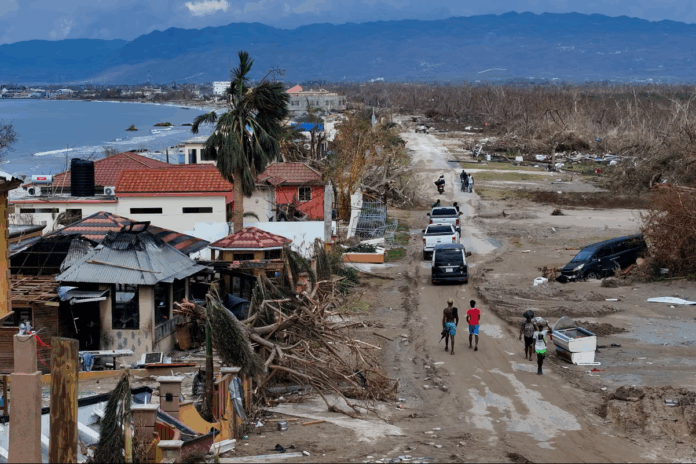
Drone image captures residents navigating down a flood-scarred street in Black River, Jamaica, as recovery begins following Hurricane Melissa. Photo Credit - Maria Alejandra Cardona

The Jamaican government has closed the recovery phase of the national response to Hurricane Melissa and will now shift its primary focus to reconstruction, Prime Minister Andrew Holness announced.

Speaking recently, Holness said the recovery effort following the October devastation in western Jamaica had exceeded expectations, placing the country in a strong position to transition into rebuilding.

“I am pleased to report that this recovery has outpaced expectations, indeed, outpaced the recovery of some of our peers who were hit,” he said.

According to the Prime Minister, electricity has been restored to 98 per cent of affected areas, while water supply stands at 97 per cent restoration. Agricultural output has rebounded faster than anticipated, and inflation has tracked below projections. That, he noted, enabled the Bank of Jamaica to reduce its policy rate to 5.5 per cent in February 2026.

Holness clarified that while the relief phase of the disaster response officially ended in January, relief and recovery activities had overlapped. However, greater emphasis had been placed on those phases until now.

“All it means is that the Government will now shift to another phase of the response, and that is the reconstruction phase,” he said.

Housing, he explained, straddles both recovery and reconstruction, with roof restoration and the distribution of government-issued hurricane housing grants set to continue. He warned that penalties would be imposed on individuals who misuse those grants.

The Prime Minister also signaled that reconstruction will involve more strategic planning, particularly for critical infrastructure.

Addressing the Jamaican Diaspora Town Hall in Saint Kitts and Nevis, Holness said several major hospitals are located in vulnerable coastal areas and must be reconsidered as part of rebuilding efforts.

He pointed to the Black River Hospital, which was left roofless when Hurricane Melissa tore through the island, and noted that facilities such as Noel Holmes Hospital and Falmouth Hospital are similarly situated near the sea in low-lying zones.

“We really wouldn’t want your hospital to be in a place where it is going to be so exposed,” Holness said, arguing that if a facility has been destroyed, rebuilding it in the same vulnerable location would be unwise.

He stressed that all critical service buildings — including hospitals, police stations, fire stations and local government offices — will be reconstructed to meet modern standards capable of withstanding increasingly intense weather events.

While continuity of government was maintained during the hurricane, Holness acknowledged that there were disruptions in some communities. In Black River, the police station was destroyed and the hospital severely damaged, limiting the level of service that could be provided during the crisis.

“When we build again in the reconstruction phase, we’re going to make sure that if we have another disaster, your health care, security, your fire, your local government — those critical buildings will be maintained so that you will have continuity of service and continuity of government,” he said.

With recovery metrics nearing full restoration, the Government’s next challenge will be ensuring that reconstruction not only replaces what was lost, but strengthens Jamaica’s resilience ahead of future storms.

Trinidad physician Dr. Rachel Corridon pushes for women’s health autonomy

Rachel Corridon

As Black History Month transitions into Women’s History Month and International Women’s Day, the spotlight turns to women who are not only making history but reshaping the future. Among them is Dr. Rachel Corridon, a Trinidad and Tobago–based obstetrician and gynecologist affectionately known as “Your Gentle Gynecologist.” Through her work, Dr. Corridon is quietly leading a revolution in how Caribbean women experience healthcare — one rooted in dignity, autonomy, and compassion.

Born into a lineage of healers, Dr. Corridon’s calling was nurtured early. With a mother who transitioned from theatre nurse to midwife and an aunt who served as a NICU nurse, she grew up in hospital corridors, absorbing lessons of care, courage, and service long before she donned a white coat. Today, she carries that legacy forward as the founder of Harmony Health – Women’s Health and Home Birth Services, offering care that is clinically sound, culturally grounded, and deeply human.

At the heart of Dr. Corridon’s philosophy is a simple but powerful belief: “Your body. Your baby. Your way.”

In a region where women are often conditioned to endure pain, dismiss symptoms, or silence their concerns, Dr. Corridon’s approach challenges long-standing norms. Through Harmony Health, she provides specialized care for fibroids, PCOS, fertility challenges, pregnancy, preventive screenings, and home births — while intentionally creating safe spaces where women feel seen, heard, and respected.

Her work sits at the intersection of Black excellence, Caribbean identity, and women’s empowerment, reflecting a global shift toward bodily autonomy and informed choice. Yet Dr. Corridon’s impact extends far beyond the exam room. She is actively building a legacy, positioning herself as a trusted Caribbean voice in international women’s health conversations, with a long-term vision that includes a women’s hospital, regional training programs, and media platforms dedicated to education and advocacy.

For Dr. Corridon, legacy is not only about institutions; it is about equipping women with knowledge. She encourages women to take an active role in their health through simple, intentional steps:

Five Ways Women Can Advocate for Their Health

  1. Ask questions without apology. You deserve to understand every recommendation about your body.

  2. Know your baseline. Regular checkups and screenings help you recognize when something feels off.

  3. Listen to your intuition. Pain and discomfort are signals, not inconveniences.

  4. Seek care that aligns with your values. Compassion and competence should coexist.

  5. Educate yourself continuously. Knowledge is one of the most powerful tools for autonomy.

Balancing motherhood, medicine, and purpose, Dr. Corridon embodies a modern model of leadership — one defined not by force, but by gentleness, intention, and impact. As Women’s History Month celebrates women who shape generations to come, Dr. Rachel Corridon stands as a reminder that the future of healthcare is not only advanced — it is empathetic.

And in that gentleness, real power lives.

Howell’s moment of brilliance seals Group B for Jamaica’s Reggae Boyz

Jamaica’s Under-20 Reggae Boyz

One flash of brilliance was all it took. A spectacular free-kick from Jabarie Howell lifted Jamaica’s Under-20 Reggae Boyz to a hard-earned 1-0 victory over Puerto Rico on Tuesday, sealing top spot in Group B of the Concacaf Men’s U-20 Qualifiers and booking their place in the Concacaf Men’s U-20 Championship.

The decisive strike came in the 32nd minute, a bold, audacious effort from a tight angle that caught both the goalkeeper and defender off guard at the near post. It was a goal born of confidence and conviction, and it proved enough to preserve Jamaica’s flawless record.

Perfection in the group stage

With the victory, Jamaica completed a dominant group campaign: five matches, five wins, 28 goals scored, and none conceded.

Their place at the summit of Group B was secured with 15 points, three clear of Puerto Rico, who finished second on 12.

Bonaire claimed third spot with seven points following a 3-2 win over the Cayman Islands on the final day. The Turks and Caicos Islands ended fourth with six points, St. Kitts and Nevis dropped to fifth with four, and Cayman remained at the bottom without a point.

Early pressure, late reward

Jamaica began the contest on the front foot but encountered a disciplined Puerto Rican defense determined to frustrate with its 3-5-2 formation.

Right-wing defender Marlon van de Wetering sparked the first meaningful opportunity, surging infield from the flank before slipping a pass into Jahmarie Nolan, who laid it off for Howell. The forward, however, was crowded out by a number of defenders before he could release his shot.

Van de Wetering remained influential, later delivering a dangerous cross toward the back post where Claver Nugent’s attempt found only the side netting.

The breakthrough finally arrived when Howell stepped up over a free kick along the left wing and just outside the 18-yard box. Instead of crossing, he unleashed a daring strike from an acute angle that beat the Puerto Rican goalkeeper at the near post, a stunning opener that reflected Jamaica’s sustained pressure.

Chances missed

The second half offered opportunities to extend the lead.

Nolan was released clean through on goal with only the goalkeeper to beat but struck his effort tamely into the keeper’s path. Soon after, Van de Wetering again created danger, threading a low pass into the penalty area that Nolan steered inches wide of the near post.

Puerto Rico threatened in response. Their clearest chance fell to Eddiel Marquez, who nearly capitalized before Jamaican goalkeeper Joshua Grant executed a vital diving clearance to preserve the advantage.

Under mounting pressure, Jamaica’s defensive unit remained composed, protecting the slender lead to the final whistle.

Eyes on the bigger prize

The U-20 Reggae Boyz now advance to the Concacaf Men’s U-20 Championship, scheduled to run from July 25 to August 9. There, they will compete for qualification to the 2027 FIFA Men’s U-20 World Cup and the 2028 Los Angeles Olympic Games in Los Angeles.

For now, however, the headline belongs to Howell, and to a Jamaican side led by former Reggae Boy Rudolph Austin that navigated the group stage with ruthless efficiency and defensive steel.

Five matches. Five victories. One unforgettable strike to seal it.


Sri Lanka seal 2-0 triumph as West Indies falter again

West Indies

ST. GEORGE’S, Grenada — Sri Lanka Women left no doubt about their superiority.

An unbeaten half-century from opener Hasini Perera powered the visitors to a commanding nine-wicket victory over West Indies Women in the third and final T20 International at the National Stadium on Tuesday, sealing a 2-0 series sweep.

Chasing a modest target of 120, Sri Lanka cruised to 121 for one with 14 balls remaining. Perera’s composed 52 not out anchored the pursuit and earned her Player-of-the-Match honors.

Swift start, ruthless finish

Sri Lanka’s reply was assertive from the outset. Captain Chamari Athapaththu launched an aggressive assault, striking 34 from 25 deliveries, including five boundaries.

She and Perera raced to 49 inside 6.4 overs before Chinelle Henry produced a brilliant diving catch at deep square leg off the bowling of Afy Fletcher to remove the Sri Lankan skipper.

Any hopes of a West Indies resurgence were swiftly extinguished.

Perera and Imesha Dulani combined for an unbroken 72-run partnership, calmly guiding their side home. Dulani’s brisk 34 not out from 25 balls, punctuated by five fours, provided ideal support as Sri Lanka methodically closed out the contest.

West Indies’ inning falters early

Earlier, after being sent in to bat by Athapaththu, West Indies once again struggled to generate sustained momentum on a surface offering turn.

The home side made four changes, seeking renewed energy with the bat, including the debut of hard-hitting Eboni Brathwaite. However, the reshuffle failed to yield immediate dividends.

Captain Hayley Matthews was first to fall, caught and bowled by spinner Sugandika Kumari for eight. Shawnisha Hector followed shortly after, bowled by Inoka Ranaweera for five, before Kumari accounted for Brathwaite for eight, leaving West Indies reeling at 28 for three in the fifth over.

Brief resistance, then collapse

Veteran Stafanie Taylor (24) and the explosive Deandra Dottin (28) attempted to stabilize the innings, adding 48 for the fourth wicket.

Just as acceleration seemed imminent, Ranaweera trapped Dottin leg before wicket, and Taylor fell shortly thereafter to Kavisha Dilhari, leaving the hosts precariously positioned at 78 for five with only three overs remaining.

A late surge from Henry, an unbeaten 32 from just 15 balls featuring two towering sixes, lifted the total to 119 for five. Yet even with that late flourish, the target appeared insufficient against a confident Sri Lankan lineup.

Ranaweera led the bowling effort with disciplined figures of two for 16 from four overs, underlining Sri Lanka’s control throughout the series.

A captain’s series

Athapaththu’s leadership and all-round contributions earned her the Player-of-the-Series award, capping a comprehensive triumph on Caribbean soil.

For Sri Lanka, the series reflected precision with the ball and poise with the bat. For West Indies, it was another reminder of the consistency required at the international level.

On this occasion, it was Perera’s calm authority that defined the finale, and sealed a dominant sweep.


Joseph demands batting revival as West Indies Women face series decider

West Indies Women’s opener Qiana Joseph

ST. GEORGE’S — With the series hanging in the balance, West Indies Women’s opener Qiana Joseph has delivered a candid assessment of her team’s shortcomings: the batters have not delivered.

As the regional side prepares for Wednesday’s decisive third T20 International against Sri Lanka Women in Grenada, the focus has shifted squarely to a batting unit that has faltered at critical moments. Trailing 1-0 in the three-match series after Sunday’s four-wicket defeat, the home side finds itself searching for answers, and runs.

Joseph, who has endured her own struggles at the top of the order, did not shy away from the issue.

“I think that our batters should just step up and come to the table, score some runs and then we will win the game.”

From collapse to containment, but not enough

The warning signs were evident from the outset of the series at the National Cricket Stadium.

In the opening encounter, West Indies Women were dismissed for just 49 in 13.3 overs, their second-lowest total in T20 Internationals, before rain intervened to produce a no-result. Though the washout spared them an official defeat, it did little to disguise the scale of the batting collapse.

The struggles continued in the second fixture. Despite batting the full 20 overs, the Caribbean side could only manage 101, a total that proved insufficient as Sri Lanka chased it down with four wickets in hand. Captain Hayley Matthews top-scored with 28, but no batter converted a start into a defining innings.

The pattern has been unmistakable: promising moments undone by an inability to build substantial partnerships or apply sustained pressure.

Belief amid the frustration

The batting woes extend beyond the T20 series. West Indies Women had already conceded the preceding ODI series 2-1, compounding the urgency to deliver a response in the shortest format.

Yet Joseph remains confident that the solution lies within the dressing room.

“We have a lot of batting ability; each and every one can bat, and I think that once we step up as batters, we can win the game on Wednesday.”

Her message is less about technical adjustments and more about accountability and intent. The talent, she insists, is present. Execution has been the missing ingredient.’

One final opportunity

Wednesday’s contest in Grenada now represents more than just another fixture. It is an opportunity to rescue the T20 series, restore confidence, and reaffirm the batting depth Joseph so firmly believes exists.

For West Indies Women, the equation is simple: runs on the board, pressure applied, and a performance that reflects their potential.

As Joseph made clear, the responsibility rests with the batters, and the time to respond has arrived.


Windies’ return from India halted amid Gulf airspace crisis

West Indies

The West Indies men’s cricket team remains grounded in India following the conclusion of its ICC Men’s T20 World Cup campaign, as escalating tensions in the Gulf Region have disrupted international flight operations.

Cricket West Indies (CWI) confirmed Monday that the squad’s departure has been postponed due to airspace restrictions imposed amid heightened security concerns.

In an official statement, CWI explained: “These restrictions are a direct result of the security threats posed by military action in the Gulf Region, which has impacted several international flight routes and required airlines to adjust scheduled services for safety reasons.”

Safety takes priority

While the unexpected delay has altered travel plans, CWI emphasized that precautionary measures are guiding every decision.

“The safety and well-being of the players, coaching staff, and officials remain the highest priority,” the board said.

CWI further noted that it is “working closely with the International Cricket Council (ICC), relevant governmental authorities, and airline partners to secure the earliest possible safe travel arrangements for the squad and support staff.”

Team members are currently accommodated in India, with officials closely monitoring developments and providing regular updates to fans and stakeholders as travel logistics are finalized.

World Cup campaign ends in Super Eight stage

The travel delay comes on the heels of a disappointing end to the West Indies’ T20 World Cup campaign. After progressing through the league phase unbeaten, the Caribbean side faltered in the Super Eight stage and ultimately failed to secure a semi-final berth.

Their tournament concluded with a five-wicket loss to India at Eden Gardens in Kolkata.

Batting first in their final Super Eight fixture, West Indies posted a competitive 195 for four. Roston Chase made 40, Shai Hope contributed 32, and Shimron Hetmyer added 27. The innings was anchored by an unbroken 76-run partnership between Jason Holder (37 not out) and Rovman Powell (34 not out), providing late acceleration.

India’s bowling effort was spearheaded by Jasprit Bumrah, who returned figures of 2 for 36.

In response, India chased down the target with authority. Sanju Samson struck a commanding 97 not out off 50 balls, supported by Suryakumar Yadav (18 off 16) and Tilak Varma (27 off 15), sealing a comfortable victory with five wickets in hand.

A proud legacy, an abrupt pause

The West Indies remain one of the most decorated teams in the tournament’s history, lifting the ICC Men’s T20 World Cup title in 2012 and 2016. Yet this year’s campaign ended short of expectations, and now the team’s return home has been complicated by forces beyond the boundary ropes.

For the moment, the focus has shifted from cricketing strategy to logistical precision and safety coordination.

As CWI works with global authorities and airline partners, the squad waits, secure in India, but temporarily sidelined by an international crisis that has reshaped flight paths across the region.


Bunny Shaw delivers as Reggae Girlz rally past Nicaragua in 5-goal thriller

Reggae Girlz
Photo: mancity.com

Jamaica’s Reggae Girlz leaned on the brilliance of their captain when it mattered most.

A brace from Khadija Shaw powered Jamaica to a hard-fought 3-2 victory over Nicaragua in their Concacaf W Qualifiers Group B encounter at the Nicaragua National Stadium on Monday. After falling behind in the first half, the Girlz regrouped and responded with authority to claim three critical points.

Shaw struck in the 37th and 59th minutes, while Shania Hayles added the decisive third goal in the 68th minute. Nicaragua’s captain Sheyla Flores opened the scoring from the penalty spot in the 27th minute, and Nuria Marquez ensured a tense finish with a late bullet header in the 82nd.

Early wastefulness, costly consequences

Despite enjoying the better chances throughout the contest, Jamaica’s opening half was marked by hesitation and squandered opportunities.

Twice glaring opportunities fell to captain Shaw, who could not convert. Firstly, she broke free to meet a cross from the left by Deneisha Blackwood inside the area, but her headersailed wide.

Then moments later she raced unto another left-sided cross within the six-yard box but missed a left-footed connection with the goal at her mercy.

Nicaragua capitalized. An innocuous handball inside the box gifted the hosts a penalty, and Flores calmly converted to hand her side the lead in the 27th minute.

Defensive warning signs beneath the scoreline

While Nicaragua did not generate a high volume of chances, Jamaica’s defensive structure appeared less than solid at times. The Girlz invited too many passing lanes through the middle of the park, allowing the hosts to advance centrally with unsettling ease.

Though Nicaragua lacked the cutting edge to fully exploit those openings, a more clinical opponent could have inflicted severe damage. It was a performance that secured the points but left tactical concerns lingering beneath the surface.

Shaw responds with authority

Ten minutes after conceding, Shaw rose highest in the area to meet a cross from the right by Tiffany Cameron, powering home a well-placed header to level the contest. It was a reminder of her commanding presence in the box and her ability to shift momentum in an instant.

The sides entered halftime tied, but Jamaica emerged with greater urgency after the restart.

Just shy of the hour mark, Shaw delivered again. Reacting quickest to a loose ball inside the six-yard area, the powerful striker tucked her effort past the goalkeeper to give Jamaica the lead.

Their third goal reflected control. A fluid sequence of passes found Shaw on the right side of the box, and the captain easily turned her marker and squared a dangerous ball across the face of goal for Hayles to tap home into an empty net in the 68th minute.

Jamaica nearly extended the advantage further in the 75th minute when Shaw broke free once more, only to be denied by Nicaragua goalkeeper Greta Ginie, who produced a sharp double save to keep her side within reach.

Late drama, valuable points

Nicaragua refused to relent. With just their third shot of the evening, Marquez rose to head home from a corner in the 82nd minute, setting up a frenetic finish.

The closing stages unfolded in tense fashion as the hosts pushed desperately for an equalizer. Jamaica, however, managed the final minutes with enough composure to secure the result.

With the victory, the Jamaicans move to the top of Group B with six points, the same as Nicaragua who has played a game more. Jamaica is also far ahead on goal difference.

Guyana is third with three points, while Antigua and Barbuda and Dominica remain without a point.

Jamaica will now return home for their final two group fixtures, facing Antigua on April 10 before concluding the campaign against Guyana on April 18.

The group winner advances to the Concacaf W Championship, the qualifying pathway to the 2027 FIFA Women’s World Cup and the 2028 Los Angeles Olympic Games.

The Reggae Girlz are pursuing their third consecutive World Cup appearance, and their first-ever Olympic berth.


Hope proud of Windies’ fight despite semi-final heartbreak

West Indies captain Shai Hope praises team after series victory over England
West Indies Shai Hope

KOLKATA, India — The journey stopped one step short of the semi-finals, but West Indies captain Shai Hope insists his side leaves the ICC Men’s T20 World Cup with pride intact.

Needing victory over India on Sunday to secure their first T20 World Cup semi-final appearance in more than a decade, the Caribbean side fell by five wickets in a pulsating encounter at Eden Gardens. The match was settled in the final over, underscoring just how narrow the margin proved to be.

It was a bitter conclusion to a campaign that had begun in emphatic fashion.

From dominance to disappointment

West Indies stormed through their first five matches with authority, establishing themselves as one of the tournament’s most dangerous sides. Among those victories was a commanding 254 for six against Zimbabwe, the highest total ever recorded by a West Indies team at a T20 World Cup and the third-highest in the tournament’s history.

But momentum shifted in the Super Eight stage. Consecutive defeats to South Africa and India ultimately ended their title ambitions.

Still, Hope believes the broader body of work deserves recognition.

Firepower with the bat

The tournament showcased the explosive talents of Shimron Hetmyer, who finished as the fourth-highest run scorer with 248 runs at an average of 41.33. Hetmyer also rewrote the record books, striking 19 sixes, the most ever in a single T20 World Cup.

Hope himself contributed 217 runs at 36.17, while Sherfane Rutherford delivered remarkable consistency, compiling 183 runs in seven innings at a stunning average of 61.

Reflecting on the batting unit’s efforts, Hope pointed to collective contributions and impactful roles throughout the lineup.

“And then from a batting standpoint, Shimron Hetmyer coming in at number three and doing what he does best, a lot of the batters coming in and contributing to those bigger totals that we got in this tournament. I thought the fielding was okay in patches, but again, we still have many areas that we can improve,” Hope said.

Bowling unit steps forward

Hope was particularly encouraged by the strides made with the ball.

“I thought our bowling was a lot better than previous series, and this is really when you want it to stand out. The bowling, especially in the Powerplay, was really good. I think we had 38 wickets out of 40 in the group stages, so that was amazing in T20 cricket.”

Spin and seam combined effectively throughout the competition. Gudakesh Motie and Jason Holder each claimed 10 wickets, ranking among the tournament’s top performers. Matthew Forde delivered with precision, finishing with the eighth-best economy rate at 6.25.

Meanwhile, Romario Shepherd etched his name into history as the first West Indian to claim a hat-trick at a T20 World Cup.

Hope highlighted those performances in his post-match remarks.

“There’s always positives we can take away, so let’s leave on the positives. Hetty played a really good tournament, Matthew Forde with the new ball, Akeal [Hosein] and Motie taking wickets, Sheppy [Romario Shepherd] with a hat-trick and a fiver.”

Representing the region

For Hope, the tournament was not defined solely by the final standings.

“I thought the guys represented the region well, and I think we all can go home with our heads held high,” the skipper added.

Though the semi-final dream slipped away in Kolkata, the campaign revealed a team capable of explosive scoring, disciplined bowling, and moments of historic achievement.

The disappointment is real. But so too is the belief that this West Indies side has laid a foundation strong enough to build upon, with pride, perspective, and heads held high.


Dr. Kishore Shallow applauds Windies’ resolve after Super Eight exit

CWI President Kishore Shallow hails West Indies’ historic Test triumph in Pakistan
CWI President Dr. Kishore Shallow

ST. JOHN’S, Antigua — Elimination may have ended the West Indies’ pursuit of T20 World Cup glory, but it did not diminish the pride felt across the region.

President of Cricket West Indies, Dr. Kishore Shallow, commended the team’s overall performance at the 2026 ICC Men’s T20 World Cup, describing the campaign as a demonstration of growth, unity, and renewed belief.

The West Indies bowed out of the tournament following a five-wicket defeat to India in their final Super Eight encounter at Eden Gardens on Sunday.

Yet, in the aftermath of that loss, Shallow focused squarely on the broader picture.

A campaign marked by progress

In an official statement issued following the team’s exit, Shallow emphasized the strides made during the tournament.

“On behalf of Cricket West Indies, I extend warm congratulations to Shai Hope and our team for a commendable campaign at the ICC Men’s T20 World Cup.”

He acknowledged the disappointment of falling short at a critical juncture but underscored the significance of the team’s achievements.

“While we are disappointed that our journey concluded at Eden Gardens in Kolkata against the India national cricket team, the tournament as a whole reflected growth, belief and togetherness. Winning five of seven matches and advancing to the Super 8s is a testament to the preparation and commitment of this group,” Dr. Shallow noted.

Spirit that rekindled confidence

Beyond results and statistics, Shallow pointed to something more intangible, the spirit that carried the team through the competition.

“Most encouraging was the spirit of resolve and fight displayed throughout the competition, a spirit that was needed more than ever. That determination and pride in representing the region strengthened confidence across the Caribbean and reminded us of the character of West Indies cricket.”

The president also paid tribute to the collective effort behind the scenes, recognizing the work of the support staff and leadership group.

“Today, we are proud of our men in maroon and appreciative of the dedication of the backroom team led by head coach Daren Sammy. Their collective effort has laid a strong foundation for the work ahead.”

Looking ahead with purpose

While the campaign ended short of the semi-finals, the tone from the region’s governing body was one of optimism rather than regret.

“We will regroup, we will work, and we will compete again with even greater unity and purpose,” the statement added.

For Cricket West Indies, the 2026 World Cup will be remembered not solely for its final result, but for the resilience displayed and the belief rekindled. In defeat, the message was clear: progress has been made, and the foundation for future success is firmly in place.


Dominica Football Association temporarily relieves two U20 coaches amid allegations

Dominica Football Association

ROSEAU, Dominica — The Dominica Football Association (DFA) has temporarily suspended two members of its Under-20 national team coaching staff following allegations involving a member of the squad.

The incident, the details of which remain undisclosed, reportedly occurred during the ongoing Concacaf Under-20 Championship, prior to Dominica’s final group-stage match against Antigua on Sunday. Dominica lost the match 1-0 and finished at the bottom of Group C with one point from four games.

DFA moves to protect players

In a statement released ahead of the final fixture, the DFA emphasized its commitment to player welfare and transparency.

“The DFA has been made aware of allegations circulating in relation to an incident involving a member of the national team delegation,” the association said.

“At this time, the DFA has not established the facts surrounding the matter and therefore, is not in a position to make any definitive statement regarding what may or may not have occurred,” the statement continued.

Temporary measures, not conclusions

The DFA clarified that the decision to relieve the coaches of their duties was purely precautionary and administrative.

“The association takes all matters concerning the welfare of players seriously and remains committed to its established safeguarding protocols. As an administrative measure, the two coaches referenced in the allegations have been temporarily relieved of their duties leading into the final game of the campaign,” the statement read.

Importantly, the DFA stressed that this action “does not constitute a finding of fact or determination of responsibility,” and was based solely on preliminary information.

Thorough investigation promised

The association confirmed that the matter would be investigated comprehensively once the team returns from the tournament.

“This decision reflects our commitment to ensuring a safe and secure environment for all players,” the DFA concluded.

As the Under-20 campaign concludes on the pitch, attention now turns to the ongoing administrative and safeguarding processes that will determine next steps for the coaching staff involved.

Haiti announces Cabinet reshuffle, 11 new ministers appointed

Haiti's new PM Alix Didier Fils-Aimé names 18-member Cabinet
Haiti’s Prime Minister, Alix Didier Fils-Aimé

Haiti’s government underwent a major Cabinet reshuffle on Monday, March 2, 2026, during a special meeting chaired by Prime Minister Alix Didier Fils-Aimé at the Prime Minister’s office. The reorganization includes 11 new ministerial appointments and several new directors general, alongside a decree declaring a state of emergency in the Artibonite, West, and Centre departments.

Six current ministers are expected to retain their positions, pending official confirmation. They include:

  • Patrick Pélissier, Minister of Justice

  • Paul Antoine Bien-Aimé, Minister of the Interior

  • Pédérica St-Jean, Minister for the Status of Women

  • Kathia Verdier, Minister for Haitians Living Abroad

  • James Monazard, Minister of Commerce

  • Bertrand Sinal, Minister of Public Health

The reshuffle introduces 11 new ministers, including three women, who are also subject to confirmation. Key appointments include:

  • Mario Andrésol, Minister of Defense, replacing Jean Michel Moïse

  • Sandra Paulemont, Minister of Planning and External Cooperation, replacing D. A. Ketleen Florestal

  • Raina Forbin, Minister of Foreign Affairs, replacing Jean Harvel Victor Jean-Baptiste

  • Pastor Vijonet Demero, Minister of Education, replacing Antoine Augustin

  • Marcelin Aubourg, Minister of Agriculture, replacing Vernet Joseph

  • Emmanuel Ménard, Minister of Culture, replacing Patrick Delatour

  • Stéphanie Smith, Minister of Tourism, replacing Herrick John Dessources

  • Marc-Élie Nelson, Minister of Social Affairs and Labor, replacing Georges Wilbert Franck

  • Joseph Almathe Pierre-Louis, Minister of Public Works, replacing Raphaël Hosty

  • Dumas Pithagore, Minister of Youth, Sports, and Civic Action, replacing Niola Lynn Sarah Devalis Octavius

The new cabinet will comprise 17 ministers, with women representing just under 30 percent of the leadership. Authorities are expected to officially publish the full list of appointments soon.

Jamaica Blue Mountain Coffee Festival and Food & Drink Festival join forces

Jamaica Food and Drink Festival
Photo: Donald De La Haye Tourism Minister, Hon. Edmund Bartlett (right), and Minister of Industry, Investment and Commerce, Hon. Aubyn Hill (left), share a light moment with Owner, Paris Ruby Gourmet, Zelecia Smith, while visiting her booth during a previous staging of the Jamaica Blue Mountain Coffee Festival.

Two of Jamaica’s premier cultural events are converging for a first-of-its-kind collaboration this Saturday, March 7, at Hope Gardens. The Jamaica Blue Mountain Coffee Festival will join forces with the Jamaica Food and Drink Festival’s “Meet Street and the Market” to deliver a full-day gastronomic experience from 12:00 noon to 10:00 p.m.

Director of the Tourism Linkages Network, Carolyn McDonald Riley, described the partnership as an exciting milestone for festival-goers.

“The 2026 Coffee Festival is going to be different. It is where Jamaica Blue Mountain Coffee Festival meets ‘Meet Street and the Market.’ It’s two iconic events under one roof, costing you even far less,” Mrs. McDonald Riley said.

The collaboration comes after the November 2025 staging of Meet Street was postponed due to Hurricane Melissa. With the rescheduled date coinciding with the Coffee Festival, organisers decided to merge the events, creating a combined celebration of food, drink, and coffee culture.

“We had no challenge with it. We are drink, we are coffee; they are Meet Street. So, it is really food and drink – there goes the synergy,” Mrs. McDonald Riley added.

She assured that coffee enthusiasts will still enjoy the signature features of the Coffee Festival, including the Mixology Competition, Barista Competition, and interactive seminars. Patrons can also look forward to live entertainment from DJ Delano of Renaissance, the Charlestown Maroons, and Etana, along with family-friendly activities such as Kiddies Village and a Farmer’s Market.

More than 70 booths will showcase artisans, chefs, and coffee connoisseurs, offering festival-goers a rich, immersive experience.

“We want all our patrons to come out and enjoy two great festivals under one roof. It’s a whole day of activities. Come out, celebrate with us. It’s a family event,” Mrs. McDonald Riley said.

Jamaica Food and Drink Festival Director Alicia Bourges emphasised the natural fit of the collaboration, citing the festival’s decade-long legacy of culinary excellence.

“Meet Street and the Market is under the Jamaica Food and Drink Festival umbrella, a three-time recipient of the World Culinary Awards Caribbean’s Best Culinary Festival and winner of Best Food Festival at the Tourism Enhancement Fund’s inaugural Gastronomy Awards. We have been showcasing Jamaican culinary talent and bold flavours for a decade,” she said.

Ms. Bourges also highlighted the wider tourism impact of the joint event, noting that it attracts visitors from across Jamaica, the United States, and the Caribbean, positioning Kingston as a top destination city.

Tickets are priced at $1,500 and are available online via Touchstone Link
, the Jamaica Food and Drink Festival Instagram page, and at the gate. Parking is available at Hope Gardens, with additional spaces at King’s House and the University of Technology, Jamaica. Island Car Rentals will provide shuttle service for attendees.

Guyana records historic low unemployment at 6.8%

unemployment rate

Guyana has recorded its lowest-ever unemployment rate of 6.8 per cent, according to the latest Labour Force Survey conducted by the Bureau of Statistics. The milestone reflects a dramatic turnaround from the highs seen during the COVID-19 pandemic.

The survey highlighted that during the first quarter of 2020, the unemployment rate stood at 12.8 per cent, rising to 15.6 per cent by the end of that quarter. Women were disproportionately affected, with unemployment jumping nearly five percentage points to 19.1 per cent. Nearly one in five women in the workforce were unemployed at the height of the crisis. Recovery during the second and third quarters of 2020 was slow and uneven, with men’s unemployment fluctuating before settling at 12 per cent, while women remained in the high teens, ending at 18.4 per cent. Rural areas consistently faced higher joblessness than urban centres, with rates of 14.8 per cent and 13.8 per cent, respectively, by the third quarter.

The Bureau of Statistics notes that the situation improved steadily from late 2021 through the end of 2024, as Guyana’s economy underwent a robust recovery. By the fourth quarter of 2024, the overall unemployment rate had dropped to 6.8 per cent—a historic low.

“This is a significant improvement from the 14.5 per cent recorded in the third quarter of 2021,” the report said. Men reached a low of 5.1 per cent, nearly a third of their 2021 peak, while women saw the most substantial absolute improvement, falling from 19.1 per cent to 9.3 per cent.

For the first time in the data set, the gap between rural (6.6 per cent) and urban (7.1 per cent) unemployment rates essentially closed, with rural areas slightly outperforming urban centres.

Youth unemployment also saw a marked improvement, dropping to 12.1 per cent from a high of 31.9 per cent in the third quarter of 2021. The survey noted that the majority of the labour force is employed in wholesale and retail trade, construction, agriculture, forestry and fishing, public administration and defence, and manufacturing.

The survey also found increased labour force participation, with more adults entering the job market than in 2021. By late 2024, over half of working-age adults were either employed or actively seeking employment.

“In the fourth quarter of 2024, the labour force participation rate was recorded at 56.5 per cent, up from 49.6 per cent in the third quarter of 2021,” the report said.

The data signals a strong recovery for Guyana’s workforce, highlighting the resilience of the economy and the impact of post-pandemic recovery efforts.

St Vincent PM warns citizens of potential price increases amid Middle East conflict

Godwin Friday

The government of St Vincent and the Grenadines has cautioned citizens to prepare for possible price hikes as tensions in the Middle East escalate following the ongoing United States-Israel military operations in Iran.

Speaking at a news conference on Tuesday, Prime Minister and Finance Minister Dr. Godwin Friday said the conflict, which began last Saturday, could have “serious implications” for his Caribbean nation.

“The bombs may not fall here, but they have serious implications for us and for other countries in the region,” Dr. Friday said. “Conflict in the Middle East raises concerns about energy and fuel costs, which will directly affect us.”

The current conflict began with a series of attacks by Israel and the United States targeting Iran’s leadership, security forces, nuclear program, and missile sites. Both nations cited the aim of addressing concerns over Iran’s nuclear ambitions and effecting regime change. Iran has responded with counter-strikes on Israel, U.S. military bases in the region, and locations in neighboring Arab states, resulting in both military and civilian casualties.

Dr. Friday warned that St Vincent and the Grenadines faces a “high likelihood of experiencing a severe energy and fuel-cost shock over the next 12 months,” adding that the extent of the impact will depend on how quickly the conflict is resolved.

“We anticipate a very high risk of increasing fuel costs, which have numerous implications throughout the economy,” he said.

The prime minister highlighted the potential knock-on effects for the tourism sector, the nation’s largest contributor of foreign exchange.

“Tourism creates jobs and is one of the fastest-growing sectors of our economy. When conflict affects fuel costs, connectivity and travel, it impacts occupancy rates and long-haul arrivals,” Dr. Friday said.

He emphasized that the government is monitoring the situation closely and preparing mitigation measures to respond effectively to potential economic fallout.

“Even though we can’t control the outcome or the effects of the conflict, we can control how we respond,” he said.

Dr. Friday also raised concerns about “imported inflation” and the resulting cost-of-living pressures, noting that many goods consumed in St Vincent and the Grenadines are imported. Increased costs abroad and potential shipping disruptions could drive prices higher locally, he warned.

“Scarcity may become a problem, particularly for building materials, oil, and other essential supplies,” he said, stressing the need for proactive planning.

The government has learned lessons from past crises, including COVID-19, and continues to monitor shipping, insurance, and supply chain indicators to anticipate shortages. Dr. Friday underscored the interconnected nature of global trade and the importance of early preparation.

“Even though we are not directly involved, the world is connected, and we must take measures to mitigate potential fallout,” he said.

Healing the diaspora: Caribbean women trailblazers redefining global health

Caribbean women health

From the busy wards of Kingston to the high-tech research labs of Baltimore, Caribbean women have long been the backbone of the global health sector. They are not just caregivers; they are the architects of medical systems, the pioneers of surgical “firsts,” and the legislative voices ensuring that the most vulnerable among us are seen and heard. This Women’s History Month, we highlight five trailblazers whose work has crossed borders and saved countless lives.

The Architects of Change

Dame Nita Barrow (Barbados): The Nursing General

Long before she became the first female Governor‑General of Barbados, Dame Nita Barrow was a transformative force in Caribbean nursing and public health. Trained in both Barbados and the United Kingdom, she brought a global perspective to regional healthcare while remaining deeply committed to local capacity building. In 1963, Barrow became the first West Indian Matron of the University College Hospital in Jamaica, a position traditionally held by British expatriates. Rather than merely managing clinical operations, she worked to elevate the professional status of nursing across the Caribbean.

At a time when advanced medical training often meant traveling abroad, Barrow championed the idea that Caribbean nurses should be able to pursue higher education and specialization close to home. She played a pivotal role in establishing and expanding advanced nursing education at the University of the West Indies (UWI), including programmes that prepared nurses for leadership roles in public health, nursing administration, and community care.

Kavelle Christie (Jamaica): The Policy Strategist

Born in Jamaica, Kavelle Christie is a health policy expert and maternal health advocate recognized for transforming bold ideas into tangible change. She has been instrumental in advancing maternal health equity through research, grassroots advocacy, and legislative action. Her work in Rhode Island led to the nation’s first legislation mandating Medicaid and private insurance coverage for doula care, a landmark step toward culturally relevant maternal healthcare and reducing disparities in birth outcomes.

Christie’s influence extends nationally, contributing to key federal initiatives such as the Black Maternal Health Momnibus Act and collaborating with coalitions to improve sexual and reproductive health, rights, and justice. She combines strategic policy expertise with community engagement, ensuring that legislation reflects the needs and voices of those most affected. Her leadership has been recognized by Business Insider as one of the 30 Leaders Under 40 Changing Healthcare, and she is frequently cited in international media for her work on equitable healthcare policy

The Scientific Pioneers

Dr. Velma Scantlebury (Barbados): The Surgeon of Firsts

In 1989, Dr. Velma Scantlebury made history when she became the first Black female transplant surgeon in the United States, breaking barriers in a field long dominated by white male physicians. Born in Barbados and educated in the Caribbean before completing her medical training in the United States, Scantlebury’s journey reflects both personal perseverance and professional excellence. Over the course of her career, she has performed thousands of kidney and pancreas transplants, earning a reputation as one of the most experienced surgeons in her specialty.

Beyond her surgical achievements, Dr. Scantlebury has been a passionate advocate for increasing organ donation and access to transplants in underserved communities. She has highlighted disparities in organ failure and donation rates — including the disproportionate number of Black Americans affected by conditions like hypertension and diabetes that lead to kidney disease.

Dr. Deborah Persaud (Guyana): The Virus Hunter

In 2013, Dr. Deborah Persaud emerged as a leading figure in HIV research through her work on a landmark case in which an infant treated with antiretroviral therapy within hours of birth achieved sustained, drug‑free remission of HIV. The case — widely covered in scientific and mainstream media — helped shift scientific understanding of how early treatment can alter the course of infection. For her role in this groundbreaking research, Persaud was named one of Time magazine’s 100 Most Influential People in 2013 and featured in Nature’s annual “Nature’s 10” list of scientists who shaped the year in research. She also earned the Elizabeth Glaser Scientist Award for her contributions to pediatric HIV science. Her work has continued to influence strategies aimed at achieving long‑term remission in infants and children with HIV.

The Visionaries of Wellness

Dr. Farzanna Haffizulla (Trinidad): The Advocate for Balance

Dr. Farzanna Sherene Haffizulla is a dynamic leader in healthcare, public health, and medical education. As the 2014–2015 National President of the American Medical Women’s Association, she championed programs that empower women in medicine and enhance community health outcomes. At Nova Southeastern University, she played a pivotal role in establishing community-engaged initiatives as part of the founding team of the Dr. Kiran C. Patel College of Allopathic Medicine and has served as Chair of the Department of Internal Medicine at NSU’s Kiran Patel College of Osteopathic Medicine.

Board-certified in Internal Medicine, Dr. Haffizulla specializes in diabetes, hypertension, weight loss, and women’s health. She is also a prominent public health educator, hosting programs such as Mission Critical Health and In the Kitchen with Dr. H., where she promotes healthy eating and chronic disease prevention. Her work in community health, mentorship, and health equity exemplifies the impact of leadership that bridges clinical excellence with education and advocacy.

A Legacy in Motion

These women represent a lineage of excellence that stretches from the 1940s to the present day. They remind us that the Caribbean is not just a consumer of global medical knowledge, but a powerful producer of it. Whether through a scalpel, a microscope, or a legislative bill, these trailblazers are ensuring that the future of health is more equitable, more innovative, and deeply rooted in the spirit of the Caribbean.

World Obesity Day: Caribbean confronts rising obesity rates in children and adults

World Obesity Day

As World Obesity Day is observed on March 4, health officials are raising fresh concerns about the growing obesity crisis across the Caribbean, warning that the region faces some of the highest rates of overweight and obesity in the Americas — particularly among children.

According to the Caribbean Public Health Agency (CARPHA), obesity is no longer confined to developed nations. It has become a critical public health issue in developing countries, including CARPHA Member States, where rising rates among children are especially alarming.

Adult overweight and obesity rates in the Caribbean range from 18.9% in Antigua and Barbuda to 31.6% in The Bahamas. Among children aged 5–9 in CARICOM countries, prevalence rates are even more troubling — highest in The Bahamas at 39.5% and lowest in Saint Lucia at 26.1%. Overall, obesity levels in Caribbean children are reported to be two to three times higher than the global average.

Health experts warn that the implications extend far beyond childhood. With obesity closely linked to noncommunicable diseases (NCDs) such as diabetes, cardiovascular disease and certain cancers, the region’s future workforce could face significantly higher rates of chronic illness.

Data from the Pan American Health Organization (PAHO) show that since 1990, adult overweight and obesity rates in the Americas have increased by 52%, rising from 44.4% to 67.5% in 2022. If current trends continue, projections suggest the prevalence could reach 73.2% by 2030.

“These numbers are alarming, and they represent not just statistics, but millions of lives affected by chronic diseases such as diabetes, cardiovascular disease, and several types of cancer,” said Dr. Anselm Hennis, Director of the Department of Noncommunicable Diseases and Mental Health at PAHO. “If we do not act decisively, preventable illnesses and premature deaths will continue to rise.”

World Obesity Day, convened annually by the World Obesity Federation, calls for a unified, cross-sector response to the crisis.

Why the Numbers Are Rising

Obesity is driven by a complex mix of genetic, environmental and behavioral factors, including poor diet and physical inactivity. However, experts point to what is often described as an “obesogenic environment,” where unhealthy food options are more accessible and affordable than nutritious alternatives, and where opportunities for safe physical activity may be limited.

Children who are obese are more likely to remain obese into adulthood, significantly increasing their risk of high blood pressure, diabetes and heart disease later in life.

Economic pressures, urbanization, increased consumption of processed foods high in sugar and fat, and sedentary lifestyles fueled by screen time have all contributed to the upward trend.

Preventing Childhood Obesity

Health authorities recommend that prevention efforts focus on family-wide changes rather than targeting a child’s weight directly.

Key strategies include:

  • Encouraging at least 60 minutes of moderate physical activity most days of the week.

  • Reducing screen time to no more than one to two hours daily.

  • Serving at least five portions of fruits and vegetables each day.

  • Promoting water over sugary beverages.

  • Eating meals together as a family to foster healthier habits.

  • Avoiding the use of food as a reward or punishment.

Parents are also encouraged to model healthy behaviors, as children are more likely to adopt habits they see at home.

The Breastfeeding Debate

Research cited by the American Academy of Pediatrics and the Centers for Disease Control and Prevention suggests breastfed babies may be less likely to become overweight later in life, particularly when breastfeeding is sustained for several months. However, researchers caution that socioeconomic factors — including access to healthy food and healthcare — may also influence long-term outcomes.

Preventing Obesity in Adults

For adults, prevention strategies mirror those for children but emphasize personal accountability and lifestyle adjustments:

  • Keeping a food diary to track eating habits.

  • Choosing whole grains over refined products.

  • Monitoring portion sizes.

  • Reading nutrition labels carefully.

  • Limiting highly processed foods high in added sugars and saturated fats.

  • Engaging in 60 to 90 minutes of moderate to intense physical activity three to four days a week.

  • Incorporating short bursts of movement throughout the day, such as walking or climbing stairs.

Opinion: Return home to Jamaica and replenish the land

birthrate low birth tourism birthright citizenship

Social media recently went viral with a video of Jamaican Prime Minister Andrew Holness suggesting that members of the diaspora should return home to help address Jamaica’s declining birth rate. Almost instantaneously, reactions surfaced claiming Holness wanted diaspora members to return home simply to reproduce and boost the population.

In reality, the prime minister’s words were misconstrued. He did not issue a birth-rate “invitation” campaign as if promoting a travel brochure.

As background to his remarks, Jamaica’s total fertility rate has been falling well below the level needed to maintain a stable population. Government officials have identified this demographic trend as a long-term economic and social concern.

Speaking to a Jamaican audience, Holness warned about the implications of demographic decline and suggested that Jamaicans living abroad should consider returning home — not just for tourism or short visits, but as part of a broader effort to help build the country’s economy, workforce and future.

In his remarks, he linked concerns about a shrinking population with the potential value of a net return of talent, skilled workers and diaspora members to Jamaica’s domestic growth and development. That includes encouraging people in the diaspora to consider relocating, investing or raising families in Jamaica as part of addressing these challenges.

Contrary to commentary circulating on social media, the prime minister was not announcing a formal government policy to pay people to return home as “breeders.” Nor was he proposing a literal birth-rate incentive program similar to those in some countries that offer financial benefits for children.

Holness later clarified that some online commentary exaggerated his remarks, emphasizing that his comments were made within the broader context of demographic trends and economic opportunity.

Jamaica’s falling birth rate mirrors a wider global trend of declining fertility, though there are also specific local drivers. According to data referenced by Holness, Jamaica’s fertility rate has dropped well below the replacement level of approximately 2.1 children per woman.

News of Jamaica’s declining birth rate may surprise some members of the diaspora, particularly older generations who recall public campaigns in the 1960s and 1970s encouraging the use of “Panther and Pearl” condoms and contraceptive pills to control what was then a surging population. Much has changed since that period.

While visible teenage pregnancies still occur, they are often concentrated among economically vulnerable communities. Meanwhile, more middle- and upper-income men and women are likely to adopt birth control measures and delay childbearing.

Economic pressures are among the most significant contributors to Jamaica’s declining birth rate. Raising a child requires substantial financial resources, and the more children a couple has, the greater the financial burden. The high cost of living — including housing, food, childcare and utilities — along with job insecurity and underemployment, particularly among young adults, have become powerful deterrents to early or larger family formation.

When individuals feel financially uncertain, they tend to delay marriage and childbirth or opt to have fewer children. As a result, desired family sizes are smaller than in previous generations.

As more Jamaican women pursue higher education and professional careers, many delay marriage and childbirth. Financial independence and career development often take priority before starting families — a pattern that is one of the strongest global predictors of lower fertility rates.

Access to contraception and family planning has also improved, alongside greater awareness of reproductive choices.

The shift from rural and agricultural life to urban living has further influenced birth rates, as city living is typically more expensive. Migration has also played a role. Large numbers of working-age Jamaicans live overseas in search of better wages. Couples separated by migration may postpone or limit childbearing, and many children are born abroad rather than in Jamaica, reducing domestic birth statistics.

A shrinking birth rate poses long-term challenges for Jamaica’s development. If members of the diaspora were to heed Holness’s appeal and return home, it could provide both demographic and economic support.

Single adults between the ages of 21 and 40 who return and settle permanently could form families in Jamaica. Beyond contributing to population growth, returning diaspora members could start businesses, bring capital and investment, strengthen the professional workforce, create jobs and increase wages. In effect, return migration has the potential to stimulate economic confidence, which in turn can influence family formation decisions.

However, large-scale return is unlikely unless the government addresses structural concerns. Affordable housing, accessible childcare and healthcare, and stable employment and business opportunities remain critical factors in whether diaspora members choose to come home permanently.

Miramar officials, Kiwanis Club unveil Buddy Benches at Coral Cove Academy

Miramar Commissioner Avril Cherasard and the Kiwanis Club of East Pines-Miramar have dedicated two Buddy Benches at Coral Cove Academy of the Arts, marking a joint effort to promote kindness and inclusion on campus.

The ceremony, held March 2 in Miramar, brought together students, faculty and community partners for what organizers described as both a dedication and a day of service.

The brightly painted benches were designed by internationally acclaimed artist Andy Ballentine. Representing the artist at the event was Mrs. Winsome Green, who joined school leaders and members of the Kiwanis Club for the presentation.

The Buddy Bench initiative encourages students to look out for one another and extend friendship to classmates who may be feeling left out. When a child sits on a Buddy Bench, it signals to peers that they may need a friend, creating an opportunity for inclusion and empathy. School officials say the effort helps reinforce a culture of care and unity across the campus.

“Buddy benches are more than just seating, they are a quiet invitation to kindness,” Cherasard said. “Through this partnership with the Kiwanis Club of East Pines-Miramar and the artistic vision of Andy Ballentine, we are reminding our students that friendship and compassion build stronger schools and stronger communities.”

Among those in attendance were Coral Cove Academy of the Arts Principal Mrs. Saban, Vice Principal Mr. Figueroa, Kiwanis Club President Michael Rose, students and additional club members. The event also featured volunteer activities aimed at supporting the school community.

The Kiwanis Club of East Pines-Miramar said it remains committed to serving youth and families through service projects and partnerships with local schools. Organizers noted that initiatives like the Buddy Benches are intended to help create positive learning environments where students feel seen, valued and supported.