Social media recently went viral with a video of Jamaican Prime Minister Andrew Holness suggesting that members of the diaspora should return home to help address Jamaica’s declining birth rate. Almost instantaneously, reactions surfaced claiming Holness wanted diaspora members to return home simply to reproduce and boost the population.
In reality, the prime minister’s words were misconstrued. He did not issue a birth-rate “invitation” campaign as if promoting a travel brochure.
As background to his remarks, Jamaica’s total fertility rate has been falling well below the level needed to maintain a stable population. Government officials have identified this demographic trend as a long-term economic and social concern.

Speaking to a Jamaican audience, Holness warned about the implications of demographic decline and suggested that Jamaicans living abroad should consider returning home — not just for tourism or short visits, but as part of a broader effort to help build the country’s economy, workforce and future.
In his remarks, he linked concerns about a shrinking population with the potential value of a net return of talent, skilled workers and diaspora members to Jamaica’s domestic growth and development. That includes encouraging people in the diaspora to consider relocating, investing or raising families in Jamaica as part of addressing these challenges.
Contrary to commentary circulating on social media, the prime minister was not announcing a formal government policy to pay people to return home as “breeders.” Nor was he proposing a literal birth-rate incentive program similar to those in some countries that offer financial benefits for children.
Holness later clarified that some online commentary exaggerated his remarks, emphasizing that his comments were made within the broader context of demographic trends and economic opportunity.
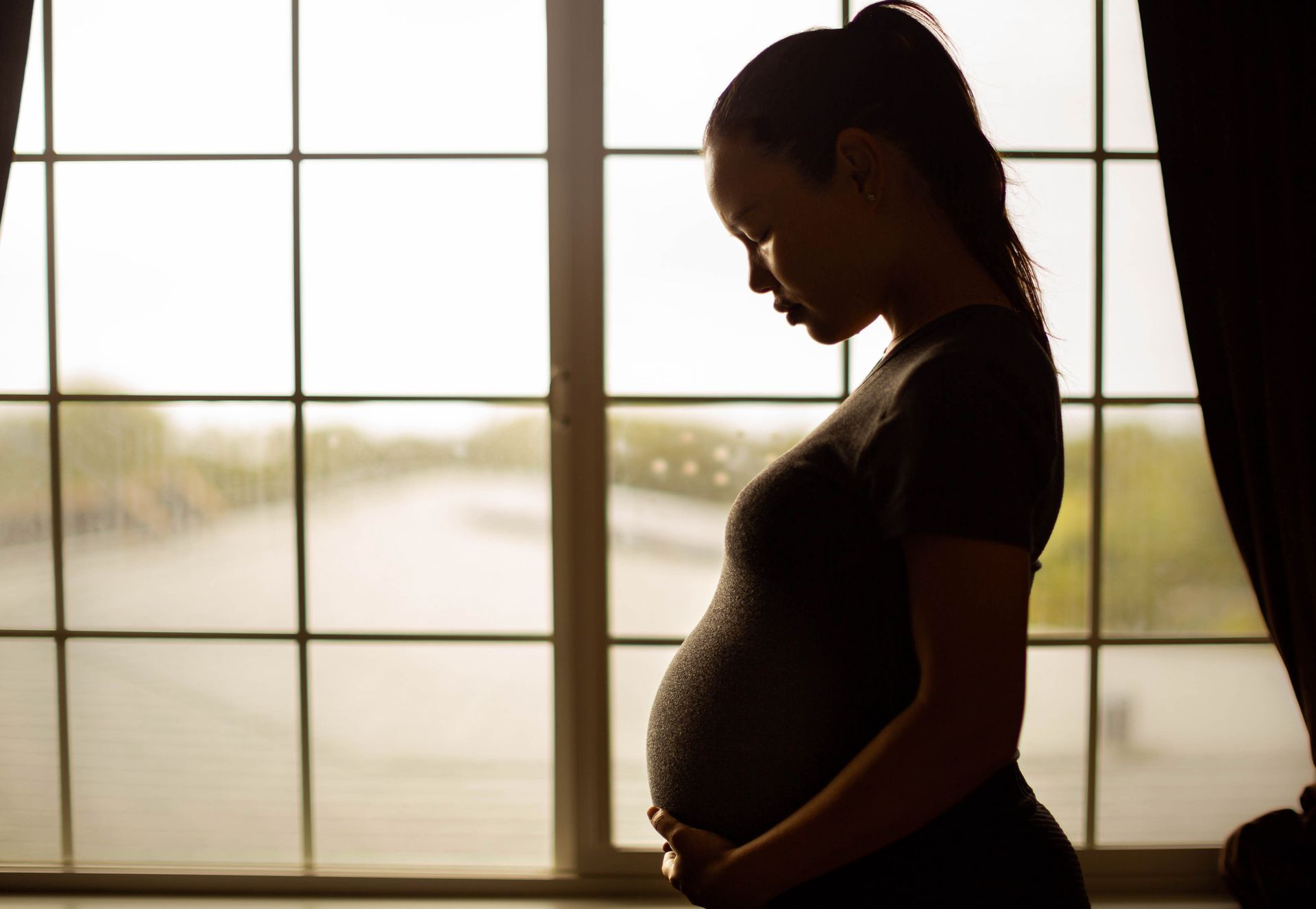
Jamaica’s falling birth rate mirrors a wider global trend of declining fertility, though there are also specific local drivers. According to data referenced by Holness, Jamaica’s fertility rate has dropped well below the replacement level of approximately 2.1 children per woman.
News of Jamaica’s declining birth rate may surprise some members of the diaspora, particularly older generations who recall public campaigns in the 1960s and 1970s encouraging the use of “Panther and Pearl” condoms and contraceptive pills to control what was then a surging population. Much has changed since that period.
While visible teenage pregnancies still occur, they are often concentrated among economically vulnerable communities. Meanwhile, more middle- and upper-income men and women are likely to adopt birth control measures and delay childbearing.
Economic pressures are among the most significant contributors to Jamaica’s declining birth rate. Raising a child requires substantial financial resources, and the more children a couple has, the greater the financial burden. The high cost of living — including housing, food, childcare and utilities — along with job insecurity and underemployment, particularly among young adults, have become powerful deterrents to early or larger family formation.
When individuals feel financially uncertain, they tend to delay marriage and childbirth or opt to have fewer children. As a result, desired family sizes are smaller than in previous generations.
As more Jamaican women pursue higher education and professional careers, many delay marriage and childbirth. Financial independence and career development often take priority before starting families — a pattern that is one of the strongest global predictors of lower fertility rates.
Access to contraception and family planning has also improved, alongside greater awareness of reproductive choices.
The shift from rural and agricultural life to urban living has further influenced birth rates, as city living is typically more expensive. Migration has also played a role. Large numbers of working-age Jamaicans live overseas in search of better wages. Couples separated by migration may postpone or limit childbearing, and many children are born abroad rather than in Jamaica, reducing domestic birth statistics.
A shrinking birth rate poses long-term challenges for Jamaica’s development. If members of the diaspora were to heed Holness’s appeal and return home, it could provide both demographic and economic support.
Single adults between the ages of 21 and 40 who return and settle permanently could form families in Jamaica. Beyond contributing to population growth, returning diaspora members could start businesses, bring capital and investment, strengthen the professional workforce, create jobs and increase wages. In effect, return migration has the potential to stimulate economic confidence, which in turn can influence family formation decisions.
However, large-scale return is unlikely unless the government addresses structural concerns. Affordable housing, accessible childcare and healthcare, and stable employment and business opportunities remain critical factors in whether diaspora members choose to come home permanently.