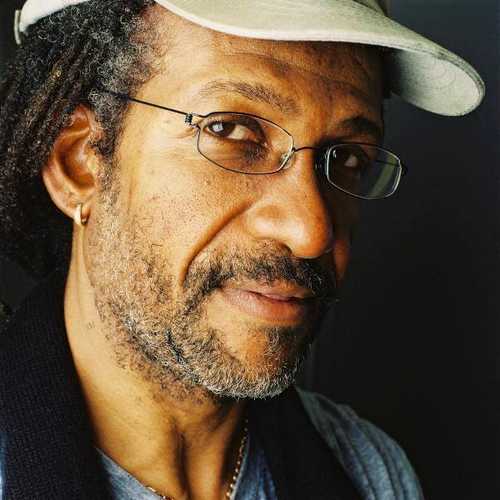
Jamaica’s music community and fans across the island will gather this weekend to celebrate the life and legacy of legendary drummer Sly Dunbar, as the Government, through the Ministry of Gender, Culture, Entertainment and Sport, stages a series of tribute events in Kingston.
The programme, announced by Minister Olivia Grange, will include a public viewing, a commemorative motorcade and an official funeral service to honour one of the most influential drummers in modern music.
Grange described Dunbar as “one of the best drummers the world has ever seen,” noting that the tribute provides an opportunity for Jamaicans to reflect on his extraordinary contribution to reggae and the wider global music industry.

The official funeral service is scheduled for Saturday, March 7, at the Cathedral of the Holy Trinity on George Headley Drive. A public viewing will precede the service on Friday, March 6, at the National Indoor Sports Centre in Kingston.
Friday’s observances will also feature a special motorcade beginning at Channel One Studio and making stops at One Pop Music Studio, Mixing Lab Studio and Anchor Recording Studio—locations that played a central role in the development of Jamaica’s recording industry and where Dunbar’s drumming helped shape countless classic recordings.
Born Lowell Fillmore Dunbar, the musician rose to international prominence as one half of the legendary rhythm section Sly and Robbie, alongside bassist Robbie Shakespeare. Together, the pair became one of the most prolific rhythm teams in music history, recording on thousands of tracks and redefining the sound of reggae and dancehall.
Dunbar’s innovative drumming helped introduce the powerful “Rockers” rhythm style that transformed reggae in the late 1970s. His work can be heard on some of the genre’s most influential recordings, including albums by Black Uhuru and Peter Tosh, where the tight, driving drum-and-bass partnership of Sly and Robbie became a signature sound.
The duo were also behind several landmark riddims that became staples of dancehall culture. Among them are the “Baltimore” riddim, associated with The Tamlins’ classic track, and the “Taxi” riddim, which powered numerous recordings through their Taxi label and production house.
Dunbar’s influence extended well beyond reggae. His drumming appeared on international recordings by artists such as Grace Jones, Bob Dylan and Mick Jagger, helping bring the distinctive sound of Jamaican rhythm to global audiences.

For generations of producers, musicians and fans, Dunbar’s drumming formed the backbone of countless recordings and sound system favourites. His ability to blend precision with a deep groove made him one of reggae’s most respected musicians.
As Jamaica prepares to bid farewell, this weekend’s tributes are expected to draw members of the music fraternity, cultural leaders and fans eager to celebrate the life of the drummer whose rhythms helped shape the soundtrack of modern Jamaican music.