Home Blog Page 57

The great American vape patchwork (and what it says about us)

Contrary to common belief, there is no federal ban on disposable vapes in the United States. There is also no federal anything else on disposable vapes in the United States, which is how we ended up with the current situation: a patchwork of state laws so contradictory that a vaper driving from Kansas to Colorado to California might cross from total legality into gray area into outright prohibition without ever leaving the interstate.

Texas banned disposables in September 2025. Florida has a registry system that effectively bans most of them. North Carolina and Wisconsin require FDA authorization, which almost no disposables have. Meanwhile, in South Carolina, you can buy whatever you like from the gas station counter, no questions asked, provided you look vaguely over twenty-one.

This is what happens when the federal government declines to regulate something and fifty states decide to fill the vacuum. The result is not a robust, forward-thinking policy but utter chaos, clothed in the language of public health.

The Product

The disposable vape was, in hindsight, perfectly designed for the American market. With no buttons, no refilling, and no learning curve, you bought it at a gas station, used it until it died, then threw it away, and bought another one. The whole thing required less thought than ordering coffee.

The problem, which everyone saw coming except apparently the people selling them, was twofold. First, teenagers loved them. Second, you can only throw away so many lithium batteries before someone notices the landfill is bathed in a resplendent glow.

State legislatures responded the way state legislatures always respond: inconsistently, performatively, and with one eye on the next election cycle. Some banned flavors, while others banned disposables entirely. Some created registries that required FDA authorization nobody had applied for, because the FDA takes roughly four years to review an application for a product that will be obsolete in six months.

The result is a regulatory environment that punishes compliance and rewards whoever can get the product across state lines before the rules change again.

None of this has done much to reduce vaping. What it has done is create a booming gray market (thanks, China), a lot of confused retailers, and a generation of vapers who now view state borders the way bootleggers thought of county lines during Prohibition.

The Workaround

The adults who actually want to quit smoking and stay quit have, meanwhile, started doing something quite sensible. They have switched to devices that work everywhere because they contain no nicotine at purchase, or they have invested in a refillable vape that sidesteps the disposable question entirely. You buy the device once, and fill it with whatever liquid is legal in your state.

Essentially, you stop throwing away a small plastic computer every three days.

This is not a radical solution, but is, in fact, the way vaping worked before disposables arrived and convinced everyone that convenience was more important than sense. The refillable requires approximately fifteen seconds of effort per fill and costs roughly a quarter of what disposables cost over a year. The only thing it cannot offer is the satisfaction of throwing something away, which, if we are being honest, was always a strange thing to pay a premium for.

The regulatory patchwork will presumably sort itself out eventually, as it usually does. The FDA will either authorize some disposables or it won’t. States will either harmonize their laws or continue pretending the borders mean something for products you can order online from a warehouse in Nevada. In the meantime, the teenager in Texas can’t buy a Geek Bar at the corner store anymore, which was ostensibly the whole point.

Either way, whether any of this has made America healthier, safer, or more coherent as a regulatory environment is a question nobody seems eager to answer.


Small gestures that make a big difference for a sick friend

sick friend gestures

When someone you care about falls ill, the desire to help can feel overwhelming. You want to ease their pain, lift their spirits, and show them they’re not facing their challenges alone. While you can’t cure their illness, small thoughtful gestures often provide more comfort than grand displays of concern. These simple acts of kindness create moments of brightness during difficult times and remind your friend that they matter to you.

Research from the University of Michigan shows that receiving social support during illness significantly improves recovery outcomes and mental well-being. The study found that patients who felt supported by friends and family experienced less anxiety, better pain management, and faster healing times. Your gestures, no matter how small, contribute to this powerful healing process.

The Power of Presence Without Pressure

Simple Text Messages That Count

Sending regular, low-pressure text messages lets your friend know they’re in your thoughts without demanding immediate responses. Messages like “Thinking of you today” or “No need to reply, just wanted you to know I care” provide comfort without creating obligation.

Share funny memes, interesting articles, or photos that might brighten their day. These small distractions offer mental breaks from focusing on illness and pain. The key is consistency rather than frequency – a daily check-in often means more than multiple messages in one day followed by silence.

Offering Specific Help

Instead of saying “Let me know if you need anything,” offer concrete assistance. Suggest specific tasks like “Can I pick up groceries for you Tuesday morning?” or “Would it help if I walked your dog this weekend?” Specific offers make it easier for sick friends to accept help without feeling burdensome.

Create a simple schedule where you handle one small task regularly, such as checking their mailbox or watering plants. This ongoing support provides practical relief while showing sustained care throughout their recovery period.

Thoughtful Comfort Items

Personal Care Essentials

Illness often depletes personal care supplies faster than usual. Bring items like soft tissues, lip balm, hand lotion, or comfortable socks. These practical gifts address immediate comfort needs while showing attention to their daily struggles.

Consider their specific situation when choosing items. Someone with a cold might appreciate throat lozenges and tea, while a friend recovering from surgery might need easy-to-open bottles or lightweight blankets.

Entertainment for Recovery Days

Provide entertainment options that match their energy levels and interests. Audiobooks work well when reading feels tiring, while adult coloring books or simple puzzles offer gentle mental engagement. Download relaxing playlists or podcasts to their phone if they’re comfortable with technology.

Choose content that’s uplifting or distracting rather than emotionally heavy. Light comedies, nature documentaries, or familiar favorites often provide better comfort than intense dramas or stressful news content.

Nourishing Body and Soul

Meals Made with Care

Preparing homemade meals shows love through nourishment. Focus on easily digestible foods like soup, smoothies, or simple pasta dishes that reheat well. Include clear reheating instructions and use disposable containers to eliminate cleanup stress.

Consider dietary restrictions or medications that might affect appetite. Bland, gentle foods often work better than spicy or rich meals. Small portions allow them to eat what they can without waste or guilt about leftovers.

Creating Comfort Through Thoughtful Packages

Assembling care packages allows you to combine multiple comfort items into one meaningful gesture. Include a mix of practical needs and small luxuries – perhaps herbal tea, cozy socks, magazines, and healthy snacks. Thoughtfully curated gift baskets show you’ve considered their specific needs and preferences while providing variety to brighten multiple days.

Focus on items that engage different senses: soft textures, pleasant scents, soothing sounds, or comforting tastes. This multi-sensory approach helps create overall feelings of well-being and comfort.

Maintaining Connection During Isolation

Creative Communication Methods

Explore different ways to stay connected beyond typical phone calls or visits. Send voice messages that let them hear your tone without requiring conversation. Write old-fashioned letters or cards that they can read when feeling up to it and keep as reminders of your support.

Create photo albums or scrapbooks that celebrate happy memories together. These tangible reminders of good times provide emotional comfort and hope for future adventures once they’ve recovered.

Respecting Boundaries While Showing Care

Understanding when to give space while still showing you care requires sensitivity. Some days your friend might crave company, while others they may need solitude. Learn their patterns and preferences, then adjust your approach accordingly.

Ask directly about their preferences: “Would you like company today, or would you prefer I drop off soup and give you space to rest?” This shows respect for their needs while ensuring they know support is available when needed.

Long-term Support Strategies

Remembering the Recovery Period

Many people offer support during acute illness phases but forget about the extended recovery period. Continue checking in weeks or months later, acknowledging that healing takes time and setbacks happen.

Remember important dates like follow-up appointments or treatment milestones. A simple “How did your appointment go?” text shows you’re tracking their journey and celebrating progress alongside them.

Celebrating Small Victories

Acknowledge improvements and milestones, no matter how small they seem. Getting dressed, taking a walk, or eating a full meal might represent significant achievements during recovery. Your recognition of these victories provides encouragement and motivation.

Help them focus on progress rather than setbacks by highlighting positive changes you’ve noticed. Comments like “Your voice sounds stronger today” or “You seem more like yourself” validate their healing journey.

Small gestures create ripple effects that extend far beyond their immediate impact. When friends feel supported during vulnerable times, it strengthens relationships and builds trust that lasts long after recovery. Your consistent care and attention remind them that they’re valued, loved, and never alone in their struggles.

The most meaningful support often comes not from grand gestures but from showing up consistently with small acts of kindness. These simple expressions of care provide the foundation for healing and hope during life’s most challenging moments.


Why food in France is more than a meal, it’s a way of life

In France, food isn’t squeezed between meetings or eaten standing over a sink. It has its own gravity. Meals structure the day, shape social life, and quietly signal values around patience, pleasure, and respect for craft. To understand French culture without understanding how people eat is to miss something fundamental. This isn’t about fancy restaurants or postcard dishes. It’s about habits that show up every day, in kitchens, markets, bakeries, and long lunches that refuse to be rushed.

Meals Follow a Rhythm, Not a Schedule

The French day still bends around meals in a way that feels almost defiant in a hyper efficient world. Lunch is not a protein bar at a desk. In many workplaces, it’s a proper break, often an hour or more, with colleagues sitting down together. Schools serve multi course lunches, and children are taught early that eating is something you pay attention to.

Dinner rarely happens early, and it’s rarely improvised. Even on a weeknight, there’s a sense of sequence. A starter, a main, maybe a simple dessert or yogurt. The structure matters. Not because it’s fancy, but because it creates a pause. Food marks time. It separates work from rest, obligation from enjoyment.

Markets Are Social Spaces, Not Just Supply Chains

Walk through a neighbourhood market and you’ll notice something quickly. People talk. Not small talk, but specific conversations about where the cheese comes from, how long the strawberries will last, whether the fish was caught that morning. Many shoppers visit the same vendors every week. Relationships build slowly, reinforced by trust and familiarity.

This matters because it changes how food is chosen. Instead of endless options, there’s a smaller, seasonal selection, explained by someone who knows it well. You’re guided toward what’s good right now, not what’s available year round. Over time, this teaches restraint and appreciation. You wait for tomatoes to be worth eating. You stop expecting everything, all the time.

Bread Is Bought Daily for a Reason

The daily trip to the bakery isn’t nostalgia. It’s practical. Fresh bread is a non-negotiable part of meals, and it doesn’t keep well by design. Baguettes are meant to be eaten the day they’re baked. This creates a small ritual built into everyday life. You leave the house, you exchange a few words with the baker, you tear off a piece on the way home.

That ritual reinforces the idea that food is active, not passive. It requires participation. You don’t stockpile it and forget about it. You engage with it, repeatedly, in small ways that add up over time.

Cooking Is About Technique, Not Trends

French home cooking isn’t obsessed with novelty. Recipes change slowly, passed down or absorbed through repetition rather than written instructions. Technique is valued more than flair. Knowing how to make a good sauce, how to roast a chicken properly, how to balance acidity and fat. These are practical skills, not weekend hobbies.

This approach removes pressure. You don’t need exotic ingredients or constant reinvention. You need attention and care. The same dish can be cooked hundreds of times and still feel worthwhile because the goal isn’t variety for its own sake. It’s consistency, comfort, and quiet improvement.

Eating Together Is a Social Contract

Meals are shared whenever possible. Family dinners are protected. Inviting someone to eat is a gesture of inclusion and trust. Phones stay off the table. Conversation flows around the food, not over it.

This social expectation changes behaviour. You eat more slowly. You listen. You notice when someone else has finished their plate. The meal becomes a collective experience rather than an individual task. Even disagreements soften when they happen over food. There’s a sense that eating together requires a baseline of respect.

Food as a Lens on Travel and Culture

For visitors, food often becomes the most immediate way to connect with daily life. Sitting at a café, ordering the fixed price lunch, or lingering over coffee offers a clearer picture of local rhythms than rushing between landmarks. In that sense, some of the best things to do in France aren’t activities at all, but moments at the table. Sharing a meal in a small town, navigating a handwritten menu, or eating whatever the kitchen has decided to serve that day reveals more than any checklist ever could. The best things to do in France often involve slowing down enough to let food lead the experience.

Pleasure Is Not Treated as Indulgence

There’s a quiet confidence in how pleasure is handled. Butter is used without apology. Dessert isn’t framed as a cheat. Wine is part of meals, not an escape from them. This doesn’t lead to excess because it’s balanced by moderation and structure. Portions are sensible. Snacking is limited. Meals are complete.

Pleasure is integrated rather than hidden. That integration removes guilt and, paradoxically, reduces overconsumption. When enjoyment is allowed openly, it doesn’t need to be chased in extremes.

Why This Still Matters

In a world that pushes speed, optimisation, and constant availability, the French relationship with food offers an alternative model. One where daily life includes intentional pauses. Where quality is chosen over convenience. Where eating is treated as a human need that deserves time and care.

This way of life isn’t preserved because it’s charming. It persists because it works. It supports health, strengthens social bonds, and anchors culture in something tangible. Food, in France, isn’t a background detail. It’s a shared language. One that’s spoken every day, quietly, at the table.


Cuban government says Jamaica ‘yields to US pressure’ by ending medical program

cuba -doctors

The Government of Cuba has expressed regret over Jamaica’s decision to end its medical cooperation program, describing the move as yielding to U.S. pressure and disregarding decades of collaborative healthcare work.

In a statement issued Friday, the Ministry of Foreign Affairs of the Republic of Cuba said the Foreign Ministry of Jamaica communicated on March 4 its unilateral decision to terminate the health cooperation agreement that has linked the two nations for decades.

“With this action, the government of Jamaica yields to the pressures of the government of the United States, which is not concerned about the health needs of the Caribbean brothers,” the Cuban ministry said.

Cuba highlighted the long-standing contributions of its medical professionals to Jamaica’s healthcare system. “Cuba deeply regrets that in this way a history of fruitful and sustained collaboration is disregarded, one that has brought countless benefits to the Jamaican people, who are now deprived of receiving the basic and specialized health services that Cuban collaborators provided,” the statement said.

In response to Jamaica’s decision, Cuba said it will proceed with the return of its Cuban Medical Brigade. The ministry noted that these health professionals leave behind “an indelible mark” and return to Cuba “with the satisfaction of a duty fulfilled and the permanent willingness to assist wherever their spirit of solidarity is required.”

According to the statement, more than 4,700 Cuban collaborators have provided medical assistance in Jamaica over the last 30 years, with the current brigade composed of 277 professionals. Their work has included:

  • Treating more than 8,176,000 patients

  • Performing 74,302 surgical procedures

  • Attending 7,170 births

  • Saving more than 90,000 lives

Cuba also highlighted the impact of its Operation Miracle program, present in Jamaica since 2010, which has restored or improved the sight of nearly 25,000 Jamaicans. Cuban medical personnel have also contributed to malaria control, COVID-19 pandemic efforts, and disaster response, including after Hurricane Melissa, during which many doctors worked more than 72 consecutive hours to assist hospitals and communities.

“Faithful to the historic relations of brotherhood and solidarity that unite us with Jamaica, Cuba reaffirms its unwavering commitment to the Jamaican people, who will always be able to count on the selfless cooperation of Cuba,” the statement concluded.

On Thursday, Jamaica’s Minister of Foreign Affairs and Foreign Trade, Kamina Johnson Smith, said that the decision to discontinue the deployment of Cuban medical professionals in the public health sector resulted from an inability to reach agreement on new terms under a revised technical cooperation framework—not due to external pressure from the United States.


Jamaica’s decision to end Cuban medical program not influenced by US, says gov’t

Jamaica Kamina Johnson Smith
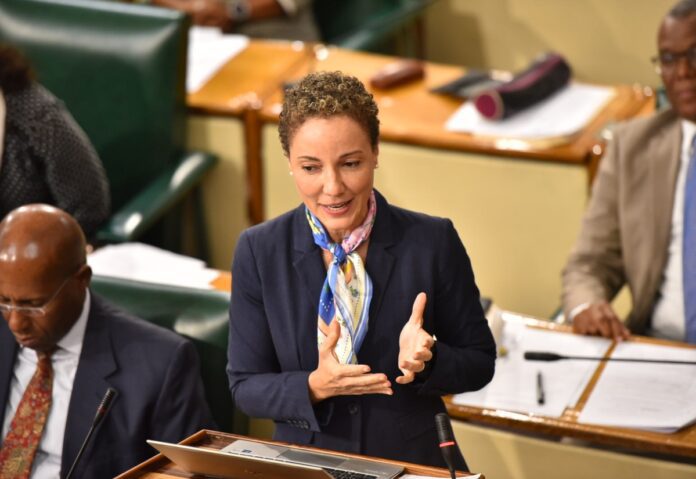
Minister of Foreign Affairs and Foreign Trade, Senator the Hon. Kamina Johnson Smith.

Jamaica’s Minister of Foreign Affairs and Foreign Trade, Kamina Johnson Smith, has confirmed that the decision to discontinue the deployment of Cuban medical professionals in the public health sector resulted from an inability to reach agreement on new terms under a revised technical cooperation framework—not due to external pressure from the United States.

“You would have heard us defending the programme in various contexts… Where the programme came into conflict with those things, unfortunately, we were not able to reach agreement on correcting them and that is why the programme has ended,” Senator Johnson Smith told the Standing Finance Committee at Gordon House on Thursday (March 5).

The previous agreement with the Cuban Government expired in February 2023, and the Jamaican Government has been attempting to renegotiate it over the past three years. Senator Johnson Smith outlined some of the issues under discussion: “There were issues that were easily solved. We were going to put the Eye-Programme and the General Medical Programme together in one document. We were going to look at the issue of the ability to celebrate Cuban National Days here, et cetera.”

However, additional matters arose that conflicted with Jamaican law, and despite sensitive and good-faith negotiations, an agreement could not be reached. “It is regrettable that we were unable to so do,” the Minister stated.

To ensure continuity of care and protect the well-being of Cuban medical professionals still in Jamaica, the Government said the Ministry of Health and Wellness will engage them individually under local labour laws for the remainder of their scheduled tenure.

Antigua and Barbuda to launch three-month immigration amnesty from April 2

antigua passport

The government of Antigua and Barbuda has announced a three-month immigration amnesty starting April 2 for undocumented migrants who have lived in the country for at least four years. The initiative is part of proposed amendments to immigration legislation expected to be debated in Parliament later this month.

Director General of Communications Maurice Merchant told reporters: “They also agreed that the amnesty itself will start on the 2nd of April and will run for three months,” adding that it will apply to individuals who have been residing in Antigua and Barbuda for four years or more without legal status. On the four-year requirement, he said: “They think it’s adequate,” noting that most likely applicants have already lived in the country that long.

Merchant also explained the documentation and cost requirements: “They also agreed on a police record dating back two years from their country of origin,” and confirmed that the government has reduced the application fee: “The original bill recommended an EC$500 processing fee,” now lowered to EC$250 (approximately US$0.37 per EC dollar).

Under the plan, the Chief Immigration Officer will review and approve applications submitted during the amnesty. Parliament is set to consider the Immigration Amendment Bill on April 23.

UN human rights expert meets Haitian police amid rising gang violence

haiti police

The United Nations designated expert on human rights in Haiti, William O’Neill, held discussions with senior officials of the Haitian National Police this week as part of preparations for his upcoming report on the country’s security situation.

During the talks with Vladimir Paraison, O’Neill expressed condolences for the losses suffered by law enforcement at the hands of criminal gangs that have destabilized the country since the assassination of President Jovenel Moïse in July 2021. Paraison described the current conditions as “utter hell,” noting that gangs have become increasingly well-armed and aggressive, particularly in the West and Artibonite departments.

The meeting also highlighted the troubling use of children by gangs. Police reported that children as young as eight serve as lookouts, while those aged 11 to 14 are armed and sent to front-line positions. The Brigade for the Protection of Minors (BPM) has limited facilities, with only one large room and no proper center for detention or reintegration, prompting calls for a coordinated response involving the state, the Institute for Social Welfare, and partners such as UNICEF to address the social and educational needs of affected children.

Despite the challenges, the PNH high command assured O’Neill that mechanisms are in place to guide interventions while respecting human rights, emphasizing the need for a multidimensional approach to the escalating security crisis.

Ghana and St Kitts and Nevis extend visa waiver to ordinary passport holders

Ghana and St Kitts and Nevis have signed a new visa exemption agreement for holders of ordinary passports, expanding travel access beyond the 2018 deal, which had applied only to diplomatic and service passport holders.

The agreement was signed on Wednesday, March 4, at the Jubilee House during President John Dramani Mahama’s four-day state visit to the Caribbean nation. The signing ceremony also included a Bilateral Labour Agreement to facilitate the recruitment of Ghanaian medical professionals to St Kitts and Nevis.

President Mahama described the visa extension as a “practical and transformative step” that will enhance tourism, trade, business exchanges, and people-to-people connections. He highlighted that both countries are exploring structured labour mobility arrangements to allow skilled professionals, including nurses, teachers, and technical experts, to work in St Kitts and Nevis under mutually beneficial frameworks.

The agreements also identify priority sectors for deeper collaboration, including tourism, climate-resilient agriculture, renewable energy, blue economy initiatives, and cultural and heritage promotion. According to Mahama, these steps reflect growing trust and cooperation, and underscore the two nations’ commitment to South-South cooperation and shared economic development.

‘We are on the frontline with you’: Trinidad defence minister urges US to provide security assets

Trinidad’s defence minister considering age limit and song ban for Kartel show
Trinidad’s Defence Minister Wayne Sturge

Trinidad and Tobago’s Defence Minister Wayne Sturge has called on the United States to provide additional military assets to help the country confront drug cartels, warning that the nation’s borders are “critically exposed.”

Speaking yesterday at the Americas Counter Cartel Conference in Florida, Sturge said Trinidad and Tobago is directly confronting narco-trafficking networks operating across the Caribbean and needs greater support to disrupt them.

“We are not observers in this fight. We are on the frontline with you,” Sturge said during the conference hosted by US Secretary of War Pete Hegseth at United States Southern Command in Miami.

Sturge said Trinidad and Tobago’s geographic position — once seen as an advantage linking South America and the Caribbean — has increasingly made it vulnerable to drug trafficking, firearms smuggling and human trafficking networks.

“For many years Trinidad and Tobago’s geopolitical position was a blessing as a gateway connecting South America to the Caribbean and beyond. But that blessing has become a burden,” he said.

The defence minister noted that while Trinidad and Tobago has highly trained security personnel and remains committed to confronting organised crime, economic constraints have limited its ability to maintain strong border security.

“If we are to deliver effectively as the security anchor in the southern Caribbean, we require assets that would equip us with the capability to disrupt the cartels in the transshipment corridors,” he said.

Sturge did not specify what equipment or resources the government is seeking, but said enhanced maritime surveillance and operational capabilities would help authorities intercept drug shipments moving north toward the United States.

The conference took place ahead of the Shield of the Americas Summit, hosted by US President Donald Trump, which will bring together several regional leaders, including Trinidad and Tobago Prime Minister Kamla Persad-Bissessar and Guyanese President Irfaan Ali.

During the meeting, participating countries signed a joint security declaration aimed at strengthening coordinated maritime and aerial patrols across the Caribbean and Eastern Pacific.

US officials also signalled a more aggressive stance against drug cartels. Hegseth urged regional partners to intensify their efforts against criminal networks, warning that Washington could act independently if necessary to protect US border security.

Meanwhile, the proposal for deeper security cooperation has drawn mixed reactions in Trinidad and Tobago.

Chairman of the opposition People’s National Movement, Marvin Gonzales, called for greater transparency regarding any new arrangements with the United States, saying the public should understand how such partnerships could affect national sovereignty.

Former police commissioner Gary Griffith, however, said it would be unrealistic for governments to disclose every detail of security agreements, noting that similar cooperation with US agencies has occurred in the past.

Sturge said Trinidad and Tobago remains committed to working with Washington to combat organised crime, noting that thousands of citizens have been killed in violence linked to narco-trafficking networks over the past two decades.

“Every shipment intercepted in our waters is one that would never reach your streets,” he said.

Former MP Jolyan Silvera gets 20 years, 10 months in wife’s killing

Melissa-Silvera Jolyan Silvera

Former Jamaican Member of Parliament Jolyan Silvera has been sentenced to 20 years and 10 months in prison for the killing of his wife, Melissa Silvera, bringing a close to a case that sparked widespread public debate.

Chief Justice Bryan Sykes handed down the sentence in the Supreme Court on Friday following Silvera’s guilty plea to manslaughter earlier this year.

For the manslaughter conviction, Silvera received a 20-year sentence. He was also sentenced to 20 years and 10 months for the related firearm offence.

The court ordered that both sentences run concurrently, as they arose from the same set of circumstances. As a result, Silvera will serve the longer sentence of 20 years and 10 months.

Melissa Silvera, 42, a land developer, was found dead at the couple’s Stony Hill home in St Andrew on November 10, 2023. Her death was initially reported as occurring in her sleep, but a post-mortem examination later revealed she had died from multiple gunshot wounds, prompting a murder investigation. He married Melissa in 2015. The couple had four sons, though one of the children died in 2017 after reportedly drowning in a pool at their home.

Silvera was arrested in January 2024 and charged with murder and using a firearm to commit a felony. However, at the start of his trial in February 2026, he pleaded guilty to the lesser charge of manslaughter, claiming he had been provoked during an argument with his wife.

Prosecutors accepted the plea, saying they had no evidence to challenge the provocation defence — a decision that triggered public backlash and calls for the matter to have been determined by a jury.

The sentencing hearing was open to the public, a rare move for proceedings linked to the Gun Court, which are typically held in camera.

Silvera, a businessman and former People’s National Party Member of Parliament who represented St Mary Western from 2011 to 2016, has been in custody since his arrest in January 2024.

Jamaica named Destination of the Year at PATWA International Travel Awards

Jamaica PATWA
Hon. Edmund Bartlett, Minister of Tourism (left) and Donovan White, Director of Tourism (right) accept the award for Destination of the Year from Yatan Ahluwalia, Secretary General, PATWA (centre) at the 26th PATWA World Tourism Leaders’ Summit & PATWA International Travel Awards held on March 4, 2026.

Jamaica has secured six major honours at the Pacific Area Travel Writers Association (PATWA) International Travel Awards, including the coveted Destination of the Year title, further reinforcing the island’s standing as a global tourism leader.

The recognition was announced during the 26th PATWA World Tourism Leaders’ Summit and International Travel Awards, which celebrates excellence, innovation and leadership across the global travel and tourism industry.

Jamaica’s designation highlights the island’s strong tourism performance, strategic international marketing and continued investment in sustainable development. The recognition also reflects the destination’s ability to offer authentic cultural experiences, high-quality accommodations and the signature hospitality that has long made the Caribbean nation a favorite among global travellers.

The awards extended beyond the national honour, with S Hotel Jamaica earning recognition as one of PATWA’s top accommodation recipients. Meanwhile, the Montego Bay Convention Centre received a separate accolade, affirming its status as a leading venue for international meetings and events.

Tourism Minister Edmund Bartlett welcomed the recognition, describing it as a reflection of the collective effort behind Jamaica’s tourism industry.

“This award belongs to the people of Jamaica, to our workers, our partners and every stakeholder who contributes to making our island a world-class destination,” Bartlett said. “Being named Destination of the Year reinforces that our focus on resilience, innovation and sustainability continues to resonate globally. We remain committed to strengthening our tourism product and ensuring that the benefits of the industry are shared widely across our nation.”

Director of Tourism Donovan White also underscored the significance of the award for the country’s global brand.

“Being named Destination of the Year by PATWA is a significant milestone for Brand Jamaica. It highlights the confidence the international community has in our product and our people. We will continue to innovate and deliver exceptional experiences that inspire travellers from around the world,” White said.

The latest honours add to Jamaica’s growing list of international recognitions and further strengthen its reputation as a premier global travel destination known for resilience, creativity and authentic experiences.

TTFA and Dwight Yorke part ways After World Cup Qualification review

Dwight Yorke frustrated, McClaren proud as last-minute own goal rescues Jamaica against Trinidad & Tobago
Dwight Yorke

The Trinidad and Tobago Football Association (TTFA) has confirmed that head coach Dwight Yorke is no longer in charge of the country’s Men’s Senior National Team, with both parties agreeing to end their contractual relationship at the close of February.

According to the federation, the separation came after discussions about the future direction of the national program failed to produce agreement on revised contractual terms.

The decision marks the end of Yorke’s tenure following Trinidad and Tobago’s unsuccessful campaign to qualify for the 2026 FIFA World Cup.

Contract talks collapse

In a statement released by the TTFA, the organization emphasized that the split was mutually agreed upon after negotiations over the next phase of the national team program.

“Discussions were held between the TTFA and Mr Dwight Yorke regarding the future of the role, including revised contractual terms and remuneration aligned to the next phase of the programme,” the statement read.

However, the talks ultimately stalled.

“After these discussions, both parties were unable to reach agreement on the proposed terms at this time, and it was mutually decided to part ways… on February 28th.”

The TTFA maintained that the decision reflects the outcome of those negotiations rather than any breakdown in relations between the two sides.

Review of World Cup campaign

The move follows a broad internal review conducted by the TTFA’s Executive Committee after Trinidad and Tobago’s recent FIFA World Cup qualifying campaign.

The review assessed multiple aspects of the national team setup, including the technical structure and financial framework surrounding the senior men’s program.

Officials said the evaluation was intended to determine the direction of the team moving forward, particularly after the Soca Warriors failed to advance in the qualification process for the 2026 World Cup.

Respectful exit, door left open

Despite the separation, the federation stressed that its relationship with Yorke remains positive and professional.

“The TTFA wishes to emphasise that the Association maintains a professional and respectful relationship with Mr Yorke, and the door is not closed to future dialogue.”

The association also publicly acknowledged Yorke’s efforts during his time in charge, thanking him for his service and commitment to the national program.

Search begins for new leadership

With Yorke’s departure now official, the TTFA says it will soon move to appoint a new head coach to guide the team through its next phase.


Barbados moves to professionalize three-day cricket

Wendell Coppin, the BCA’s manager of cricket operations

Domestic cricket in Barbados is poised for a significant transformation after the Barbados Cricket Association (BCA) announced plans to compensate elite players competing in its upcoming three-day championship.

The decision signals a major shift in the island’s cricketing structure, introducing direct payment for participants in the longest format of the domestic game, long regarded as the cornerstone of player development.

The initiative was revealed by Wendell Coppin, the BCA’s manager of cricket operations, during a recent appearance on the widely followed “Mason and Guest” radio program.

Targeting the elite tier

Coppin explained that the remuneration will apply exclusively to top-level performers participating in the multi-day competition, which is scheduled to begin on April 4, 2026.

“We are looking at paying players at the elite level, only elite and only the three-day competition,” Coppin said during the broadcast.

The move represents a deliberate effort to strengthen the red-ball game by rewarding players who compete at the highest level of the domestic structure.

Building a sustainable model

While the concept has been widely welcomed across the cricketing community, Coppin emphasized that the BCA is still refining the financial framework behind the initiative.

According to the cricket administrator, the board is carefully assessing how player payments will fit within the broader financial ecosystem of domestic cricket.

“The board is still looking around all the parameters as to how that would work with prize money and the obligations to the teams, clubs and players, as well as our obligations,” Coppin explained.

His remarks highlight the balancing act facing administrators as they work to ensure the model remains financially sustainable while supporting players and the clubs that nurture them.

Raising the standard of the red-ball game

The introduction of payments is widely viewed as a strategic move aimed at elevating the quality and competitiveness of the three-day format.

By offering financial incentives, the BCA hopes players will be able to devote greater focus to their craft while strengthening the traditional format that underpins long-form cricket development.

Administrators also believe the initiative could help retain talent locally by reducing the pressure on players to pursue opportunities outside the domestic system.

Busy domestic Calendar ahead

Coppin also provided insight into the remainder of the BCA’s domestic schedule once the three-day competition concludes.

Attention will then shift to the limited-overs formats, with the 50-over and Shield competition slated to begin on April 19, 2026.

Later in the year, the domestic season will culminate in the island’s popular Twenty20 tournament, which is expected to ignite in September and once again showcase Barbados’ flair for the shortest format of the game.


West Indies’ T20 World Cup exit sparks split reactions

West Indies

The postmortem has begun following the West Indies’ elimination from the ICC Men’s T20 World Cup, and the verdict from two prominent Caribbean cricket voices could hardly be more different.

Legendary wicketkeeper Deryck Murray has offered a measured and largely positive assessment of the team’s campaign, praising their spirit and competitiveness. Former Test opener Philo Wallace, however, has taken a far tougher stance, sharply criticizing the bowling attack and tactical approach during the team’s decisive loss to India national cricket team.

Both men shared their perspectives during an appearance on the popular Barbadian radio program “Mason and Guest,” where the contrasting evaluations highlighted the ongoing debate about the team’s performance.

Murray: “We were not disgraced”

From Murray’s standpoint, the team’s overall effort deserves recognition rather than condemnation. The Trinidadian believes the players represented the region with pride and determination, even as their campaign ultimately ended short of the semi-finals.

“We were not in any way disgraced, and we did a good job, particularly in the last game,” Murray said.

For the former West Indies stalwart, the most encouraging sign was the team’s belief that victory was possible even against formidable opposition.

“I just looked at the way they approached the game as they actually thought they could win, and they tried their best under the circumstances.”

In Murray’s view, that sense of belief and competitive spirit justified what he described as a passing grade for the squad.

Wallace delivers harsh reality check

Wallace, however, saw the tournament through a very different lens.

The former opener argued that when facing elite opponents, merely competing is not enough, execution and intensity must rise to another level. In his view, the bowling unit failed to meet that standard during the pivotal clash with India, a defeat that effectively ended West Indies’ hopes of advancing.

“When you come up against a side like India, you have to put in the extra effort to get to beat them. I didn’t see it at all in our bowling. We were too flat and too predictable at times,” Wallace said.

His critique centered on the attack’s lack of variation and urgency, which he believes allowed India’s batters to settle far too easily.

Questions over bowling tactics

Wallace was especially critical of how fast bowler Shamar Joseph was deployed during the contest.

The young paceman had shown flashes of menace earlier in the tournament, but Wallace argued that the team failed to maximize his impact against a powerful Indian batting lineup.

“When you look at Shamar Joseph, he went around the park. I thought he should have been utilised a bit better,” Wallace explained.

He suggested a more aggressive strategy could have altered the dynamic of the game.

“We could have used him in the power play and give him a crack with that new ball and use Akeal Hosein at four.”

According to Wallace, a more proactive use of resources might have created early pressure and disrupted India’s rhythm.

Debate reflects bigger questions

The sharply different assessments underline a broader conversation unfolding across the Caribbean cricket community: whether the team’s campaign represents encouraging progress or another missed opportunity.

For Murray, the fight and belief displayed by Shai Hope’s men offered signs that the side is moving in the right direction.

For Wallace, however, the tournament exposed persistent shortcomings, particularly in strategy and execution, that must be addressed if the West Indies are to consistently challenge the world’s best.

As the dust settles on the World Cup campaign, the debate itself may prove as revealing as the results on the field.


Deitz laments Rusty Windies Women after Sri Lanka series defeat

Coach Deitz calls for overhaul after West Indies Women’s disappointing India tour
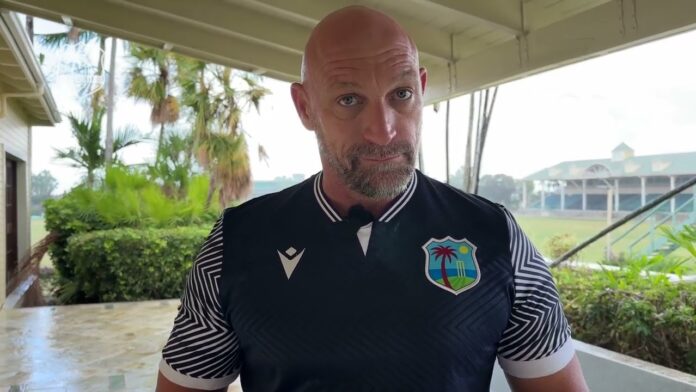
Head coach Shane Deitz

The head coach of the West Indies women’s cricket team, Shane Deitz, has openly acknowledged his disappointment following the team’s difficult white-ball campaign against the Sri Lanka women’s cricket team.

Playing at home, the Caribbean side endured a frustrating stretch, dropping the One Day International series 2-1 before suffering defeat in the T20 International series as well. Sri Lanka claimed that contest 2-0 in the three-match series after the opening fixture was abandoned with no result.

For Deitz, the performances fell well below expectations.

“Obviously I’m very disappointed, we didn’t play very good cricket so that’s it. There aren’t a lot of things to be pleased about.”

Batting struggles undermine campaign

A recurring issue throughout both series was the Windies’ inability to produce consistent scores with the bat.

In the ODI leg, only Jannillea Glasgow and Stafanie Taylor managed to reach the half-century mark, leaving the batting lineup searching for stability.

The problems persisted in the shorter format. In fact, the highest score by a West Indies batter during the T20I series was an unbeaten 32 from Chinelle Henry in the final match.

Those modest returns underscored the team’s broader struggle to build meaningful partnerships or impose themselves on the Sri Lankan attack.

Long layoff tooki toll

Deitz believes the team’s lack of recent match practice played a major role in the underwhelming performances.

“It’s been eight months since we last played a game. We looked very rusty as a unit, our combinations weren’t working and we just looked like we hadn’t played for a while, which was obviously the case,” he said.

Despite the setbacks, the Australian coach sees the recent action as valuable preparation ahead of a much larger challenge later this year.

“But now we’ve got some cricket before the World Cup which is perfect for us.”

Young players offer encouragement

While the results were disappointing, Deitz pointed to several emerging players who made positive impressions during the series.

Glasgow’s contributions in the ODIs, in particular, caught the coach’s attention.

“I think the takeaways would be a couple of fringe players stepping up and Glasgow played two great innings in the ODIs. She’s starting to establish herself as an international cricketer so that was great to see.”

Another young talent earning praise was Jahzara Claxton, whom Deitz believes has significant potential at the international level.

“Jahzara Claxton is also stepping up as an international cricketer, she showed a lot of versatility and has a big future.”

The coach added that the development of younger players remains a priority as the team rebuilds momentum.

“So we’re looking for those youngsters to get a lot better and develop their games.”

Tough test ahead against Australia

The Windies Women will soon have an opportunity to respond when they face the formidable Australia women’s cricket team in an upcoming white-ball series.

The teams are scheduled to contest three T20 Internationals in Basseterre, Saint Kitts and Nevis, followed by three One Day Internationals in Kingstown, Saint Vincent and the Grenadines between March 19 and April 2.

For Deitz and his squad, the series will provide a critical opportunity to sharpen their combinations and rediscover form as they build toward the next major global tournament.


Brawl ends U-20 dreams as Concacaf disqualifies Guyana and Anguilla

Concacaf

A dramatic on-field brawl has led to the expulsion of both Guyana and Anguilla from the regional youth competition, after the Concacaf disciplinary committee ruled that the events during their match crossed the line of acceptable conduct.

The incident unfolded during a Group D fixture in the Concacaf Under-20 Qualifiers on Saturday, with Guyana comfortably ahead when tensions erupted into a full-scale confrontation between players from both teams.

Following an investigation, Concacaf announced that both national sides have been removed from the tournament entirely.

Fight erupts late in one-sided match

The chaotic scene took place at the Stadion Rignaal ‘Jean’ Francisca in Willemstad, Curaçao.

With Guyana holding a commanding 5-0 lead in the 87th minute, the match suddenly descended into disorder as players from both sides became involved in a physical altercation that quickly escalated into a fistfight.

The clash forced a lengthy stoppage as officials attempted to restore order, and the referee ultimately issued multiple red cards in the aftermath.

Match result stands despite disqualification

Although both teams have been expelled from the tournament, Concacaf confirmed that the result of the game itself will remain unchanged.

According to the governing body, Anguilla’s dismissal count left them unable to legally continue the match.

“After reviewing the evidence and documentation gathered during its investigation, and in accordance with the applicable Disciplinary Code, the Committee has declared the match a forfeit in favour of Guyana. This decision was taken after Anguilla received five red cards, leaving the team with fewer players than the minimum required under the laws of the game to continue the match. As a result, the 5-0 score in favour of Guyana stands,” the organization said in its statement.

Both teams removed from tournament

Despite Guyana technically winning the abandoned match, the disciplinary body determined that the conduct of both teams warranted the harshest penalty available.

“Furthermore, the Committee has disqualified both teams from the competition, with their remaining matches to be recorded as 3-0 forfeits in favour of their respective opponents and imposed undisclosed fines.”

The ruling effectively ends both nations’ participation in the tournament and awards victories to their remaining Group D opponents.

Multiple players hit with suspensions

Several players from each team have also been sanctioned following the investigation.

From Anguilla, Keondre Belle, Keante Brooks, Shemor Browne, Khalique Jackson, and Cardinae Rennie were each handed four-match suspensions.

Guyana’s Mateo Clark, Shaquan David, Sheldon Kendall, and Max Robinson received identical bans.

“The suspended players must each serve their four-match suspensions during the following official matches of their representative team in the same age group in a Concacaf or FIFA competition. Where the suspension cannot be served in the same age group, they will be carried over to the next highest age category in a Concacaf or FIFA competition,” the statement added.

The ruling closes a turbulent chapter in the tournament, with Concacaf making clear that violent conduct will not be tolerated at any level of its competitions.


Seven Stars Resort & Spa wins Hotel of the Year again at Turks and Caicos Star Awards

Seven Stars Resort

The Seven Stars Resort & Spa has once again secured top honors at the 17th Annual Star Awards hosted by the Turks and Caicos Hotel and Tourism Association (TCHTA), taking home the prestigious Hotel of the Year title for the second consecutive year.

The 2026 awards also recognized several members of the resort’s leadership team for their contributions to the hospitality sector. Bela Govindjee was named Hotelier of the Year, while Edwin Gallardo earned Executive Chef of the Year, and Andre Maragh received Manager of the Year.

Situated along the shores of the internationally acclaimed Grace Bay Beach, the luxury resort has continued to build a reputation for high-end hospitality, personalized service and refined island accommodations. The back-to-back Hotel of the Year awards highlight the property’s ongoing efforts to elevate the guest experience in the Turks and Caicos tourism market.

Govindjee’s recognition as Hotelier of the Year reflects what the association described as visionary leadership and a strong commitment to operational excellence. Her work guiding the resort has helped strengthen its service culture and teamwork while maintaining consistently high standards.

Gallardo, a well-known culinary figure in the Caribbean, was honored for his creative approach to contemporary island cuisine and his emphasis on sustainability. His menus highlight fresh, locally sourced ingredients while delivering distinctive dining experiences for guests.

Maragh was also praised for his leadership and dedication to guest satisfaction, blending professionalism with the warmth and attentiveness that have become hallmarks of the Seven Stars brand.

“This recognition from TCHTA as the island’s hotel of the year once again is a tremendous honor,” said CEO Ken Patterson. “We proudly share this achievement with our talented team, including Resort Manager Bela Govindjee, Executive Chef Edwin Gallardo and Manager Andre Maragh.”

The annual Star Awards celebrate excellence across the Turks and Caicos hospitality sector, recognizing businesses and individuals who help elevate the tourism experience across the islands. Winners are selected through peer voting within the industry.

Seven Stars Resort & Spa, located about 20 minutes from Providenciales International Airport, is known for its luxury accommodations, oceanfront saltwater pools and dining venues including Seven, The Deck and The Farm on Grace Bay. The resort underwent a $12 million renovation completed in 2019, which upgraded its suites, lobby and guest amenities while expanding wellness and dining offerings.

Courvoisier masterclass and corporate mingle elevate spirits in Kingston

(from left) Pavel Smith - Marketing Manager, Thibaut Hontanx - Chief Global Blender, Samara South - Public Affairs and Government relations Manager at Campari Group, Hon. Floyd Green - Minister of Agriculture, Fisheries and Mining, Georgia Fearon - Brand Manager Courvoisier and Daniel Caron - Managing Director J Wray & Nephew

Kingston’s hospitality and corporate community was treated to a refined evening of flavour, culture and conversation when Courvoisier hosted an exclusive masterclass and corporate mingle at TwentythreeJWN. The invite-only experience brought together industry leaders, tastemakers and partners for an immersive journey into the heritage and craftsmanship behind one of the world’s most celebrated cognac houses.

Guests were welcomed with a refreshing lemongrass lemon spritzer and warm hand towels before settling in for an evening designed to engage both the palate and the mind. The event’s centrepiece was a masterclass led by Courvoisier’s Global Chief Blender, Thibaut Hontanx, who guided attendees through the intricate artistry behind the brand’s signature blends.

The session opened with remarks from Daniel Caron, Managing Director of J Wray & Nephew, who highlighted the significance of Courvoisier’s addition to the Campari Group portfolio.

“As of November 2024, Courvoisier officially joined the Campari Group portfolio, marking a significant milestone in our continued commitment to expanding our premium offerings and delivering exceptional value to our consumers and stakeholders worldwide,” Caron said.

“Every bottle reflects meticulous craftsmanship, from the careful selection of eaux-de-vie to refined ageing techniques that preserve its signature balance. Tonight, we are honoured to welcome the Chief Blender of Courvoisier, who carries forward the responsibility of protecting Courvoisier’s distinctive style while shaping its future.”

Under Hontanx’s guidance, guests explored the delicate balance of blending, ageing and flavour profiling that defines the cognac house’s signature expressions. The tasting journey moved from the vibrant, fruit-forward notes of Courvoisier VS — characterised by pear, apple and grapefruit — to the richer profile of the VSOP, with hints of stone fruit, jasmine and gingerbread. The experience culminated with the opulent XO, offering layers of crème brûlée, iris flower and candied orange, each sip reflecting years of careful maturation in oak barrels.

Beyond the tasting, the masterclass also provided a glimpse into the precision and patience required to maintain Courvoisier’s distinctive style — a responsibility that rests with the master blender and a legacy of craftsmanship spanning centuries.

Following the masterclass, the evening transitioned into an intimate corporate mingle, where guests networked over cocktails and curated small plates. The relaxed yet sophisticated setting allowed attendees to continue conversations sparked during the tasting while enjoying Courvoisier cocktails crafted for the occasion.

Georgia Fearon, brand manager for Courvoisier, said the evening was designed to highlight the deliberate artistry behind the cognac while creating a space for meaningful engagement.

“Tonight reminds us that excellence is the result of deliberate choices, disciplined craft and a commitment to doing things right every time,” Fearon said. “It’s an opportunity for guests to taste the artistry behind every bottle and to see how tradition and innovation come together to create cognac that resonates with both seasoned connoisseurs and new enthusiasts.”

The event also highlighted Courvoisier’s cultural resonance beyond the world of fine spirits. For decades, the cognac has held a distinct place in music and popular culture, referenced in numerous songs across hip-hop, R&B and dancehall, symbolising celebration, status and sophisticated nightlife.

Sharon Marley steps into the spotlight with new single ‘Island’

sharon marley

For decades, the Marley name has been synonymous with reggae royalty, carried proudly across the globe by the children of Bob Marley and Rita Marley. Yet among the iconic family lineage, one voice has often remained quietly powerful rather than prominently visible: Sharon Marley.

Now, the three-time Grammy Award–winning singer-songwriter is stepping further into her own spotlight with the release of her new single “Island,” set to drop this Friday.

The roots-driven reggae anthem features Sharon alongside her sister Cedella Marley and vocalist Rica Newell, both former members of the celebrated family group Ziggy Marley and the Melody Makers. The track is the second single from Sharon’s debut solo album Firebird, scheduled for release on March 20, 2026.

While Sharon Marley has long been part of the Marley musical legacy, her journey has often unfolded away from the brightest spotlight occupied by some of her brothers. As a member of the Melody Makers, she helped develop a sound that carried the family’s message of unity, love, and social consciousness to international audiences, earning three Grammy Awards along the way. In recent years, however, Sharon has been quietly shaping a solo identity that reflects both her lineage and her own artistic voice.

“Island” captures that spirit.

The song celebrates unity, womanhood, and an enduring love for Jamaica, with the harmonies between Sharon and Cedella recalling the family’s rich vocal tradition while allowing Sharon’s voice to take the lead.

Beyond the music, the single also reflects Sharon’s deep commitment to community upliftment. All streaming proceeds from “Island” will be donated to Humanity Ova Vanity (HOV), a Canadian-based organization dedicated to providing emergency relief, housing stabilization, and long-term community support in underserved and disaster-affected areas of Jamaica.

The new single follows Sharon’s first release from the Firebird album, “Steppah,” which features reggae legend Big Youth and introduces listeners to the reflective yet powerful tone of her upcoming project.

With “Island,” she reminds listeners that sometimes the most enduring voices are the ones that have been quietly building their fire all along.

Grenada Tourism Authority boosts global engagement at independence celebrations

The Grenada Tourism Authority (GTA) has strengthened its international outreach by participating in Grenada’s Independence celebrations hosted by the Investment Migration Agency (IMA) Grenada. The event formed part of a broader effort to connect with citizens and emerging markets worldwide.

The programme, attended by around 200 participants who acquired citizenship through Grenada’s Citizenship by Investment (CBI) Programme, featured a formal Independence Gala alongside targeted engagement sessions for citizens and prospective applicants from Africa, Asia, and the Middle East.

GTA used the platform to highlight Grenada as a premier leisure destination, showcasing the island’s luxury travel options, wellness retreats, eco-tourism experiences, and rich cultural offerings.

“Engaging with globally mobile audiences who already have ties to Grenada is central to our market diversification strategy,” said Stacey Liburd, Chief Executive Officer of the Grenada Tourism Authority. “Events like this allow us to enhance destination visibility and foster deeper, longer-term connections with our islands.”

The programme included destination presentations from GTA, an overview of investment opportunities by the Grenada Investment Development Corporation (GIDC), and insights on Homecoming Week initiatives from Ambassador Terrence Forrester.

Thomas Anthony, Chief Executive Officer of IMA Grenada, described the Independence engagement as a key opportunity to strengthen long-term relationships with Grenadian citizens. “Our collaboration with the GTA ensures that citizenship extends beyond acquisition to meaningful engagement with the destination. Interest from new citizens in visiting Grenada and connecting with local communities continues to grow,” he said.

The GTA remains committed to strategic partnerships and international outreach to support sustainable tourism growth, market diversification, and greater global engagement.

BVI Premier: Public must be educated before independence can be considered

Natalio Wheatley BVI
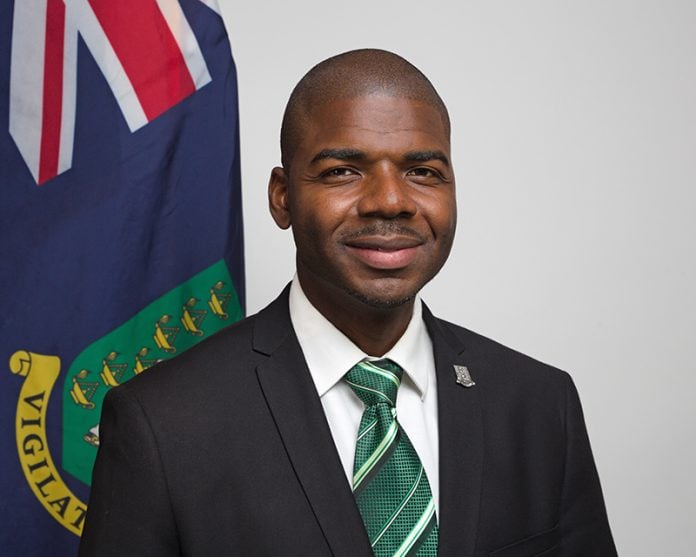
BVI Premier, Natalio Wheatley.

The Premier of the British Virgin Islands, Dr. Natalio Wheatley, has said the territory must first strengthen public understanding of independence before any referendum can be considered.

Speaking in a recent interview, Wheatley stressed that residents are not yet sufficiently informed to decide whether the BVI should pursue independence from the United Kingdom.

“We’re not prepared right now for a referendum on that,” Wheatley said. “There has to be the same decolonisation commission you’re speaking about. It has to be tasked with the responsibility of educating persons.”

The Premier pointed to news coverage and social media commentary as evidence that many residents still require a greater understanding of the issues involved. “When I listen, when I see some of the news articles printed, when I read some of the comments on Facebook, it reveals to me that we have to do some work in terms of the information people have at their disposal to be able to make such a decision,” he said.

Wheatley emphasized that discussions about independence should not be rushed and must extend beyond any individual political leader. He confirmed that the government plans to pursue constitutional negotiations with the United Kingdom as part of the territory’s broader political development. A report outlining the territory’s negotiating position is expected to be tabled in the House of Assembly during the current sitting.

“We had a Constitutional Review Commission that produced a report. The House of Assembly deliberated on that report and came up with a negotiating position,” the Premier explained. He added that the document will include proposals such as placing the public service under the authority of the elected government and expanding local control in several areas. Once finalised, it will be shared publicly before submission to the United Kingdom’s Foreign, Commonwealth and Development Office to begin formal negotiations.

Wheatley reaffirmed that independence remains a long-term objective for the territory. “Whatever my position will be, I will be advocating for the Virgin Islands to become sovereign.” However, he reiterated that any move toward independence must be preceded by a process of public education and consultation to ensure residents are properly informed before participating in a referendum.

Jamaica ends decades-long Cuban medical program

Cuban medical missions
Cuban medical brigade

The Jamaica Ministry of Foreign Affairs and Foreign Trade has confirmed that the Government of Jamaica will discontinue the current arrangement for the deployment of Cuban medical professionals in the public health sector, following the expiration of the last technical cooperation agreement in February 2023 and a failure to agree on new terms with Havana.

“In the interest of continuity of the valuable service provided by the Cuban medical professionals present in the country, and for their personal certainty and well‑being, the Government of Jamaica has indicated its willingness for the Ministry of Health and Wellness to engage these medical professionals on an individual basis, in keeping with local labour laws. This arrangement would last for the remainder of their scheduled tenure in Jamaica under the programme,” the ministry said.

The Cuban medical presence has been a fixture in Jamaica’s public health system for decades. Partnerships between Kingston and Havana date back more than 50 years, rooted in Cold War‑era regional cooperation and formalised through periodic memorandums of understanding that allowed Cuban doctors, nurses, technicians and specialists to work in clinics and hospitals across the island.

These missions have delivered targeted services such as the Cuba‑Jamaica Eye Care Programme, which has enabled thousands of Jamaicans to access surgeries and care that were previously cost‑prohibitive or unavailable locally.

But the programme has also been the subject of international scrutiny and political pressure, particularly from the United States. Washington has repeatedly criticised Cuba’s global medical export initiatives, arguing they amount to forced labour and human trafficking — a claim fiercely rejected by Caribbean governments, including Jamaica’s.

In 2025, U.S. Secretary of State Marco Rubio signaled that Washington would hold accountable foreign officials who participate in Cuba’s programme, warning that engaging with the medical missions could jeopardise visa privileges and diplomatic relations. Jamaican leaders, including then Foreign Minister Kamina Johnson Smith, publicly denied that alleged U.S. pressure would dictate the island’s healthcare policies and stated that Cuban medical personnel remain crucial to Jamaica’s health system.

Earlier government briefings also saw Health and Wellness Minister Dr Christopher Tufton defend the partnership amid rumours of a programme collapse, emphasising that personnel rotations were routine and not a result of external influence.

Across the Caribbean, other countries have faced similar crossroads. Some, like The Bahamas and Dominica, are adjusting how Cuban medical personnel are engaged — opting for direct employment contracts with individual practitioners rather than government‑to‑government frameworks — in an effort to balance healthcare needs with international labour standards and diplomatic considerations.

Cuban medical professionals have assisted Jamaica and other countries in the region’s healthcare systems, helping address gaps in services amid brain drain and other workforce challenges.

Sandals Dunn’s River honors tourism leader with new Louis Grant Conference Center

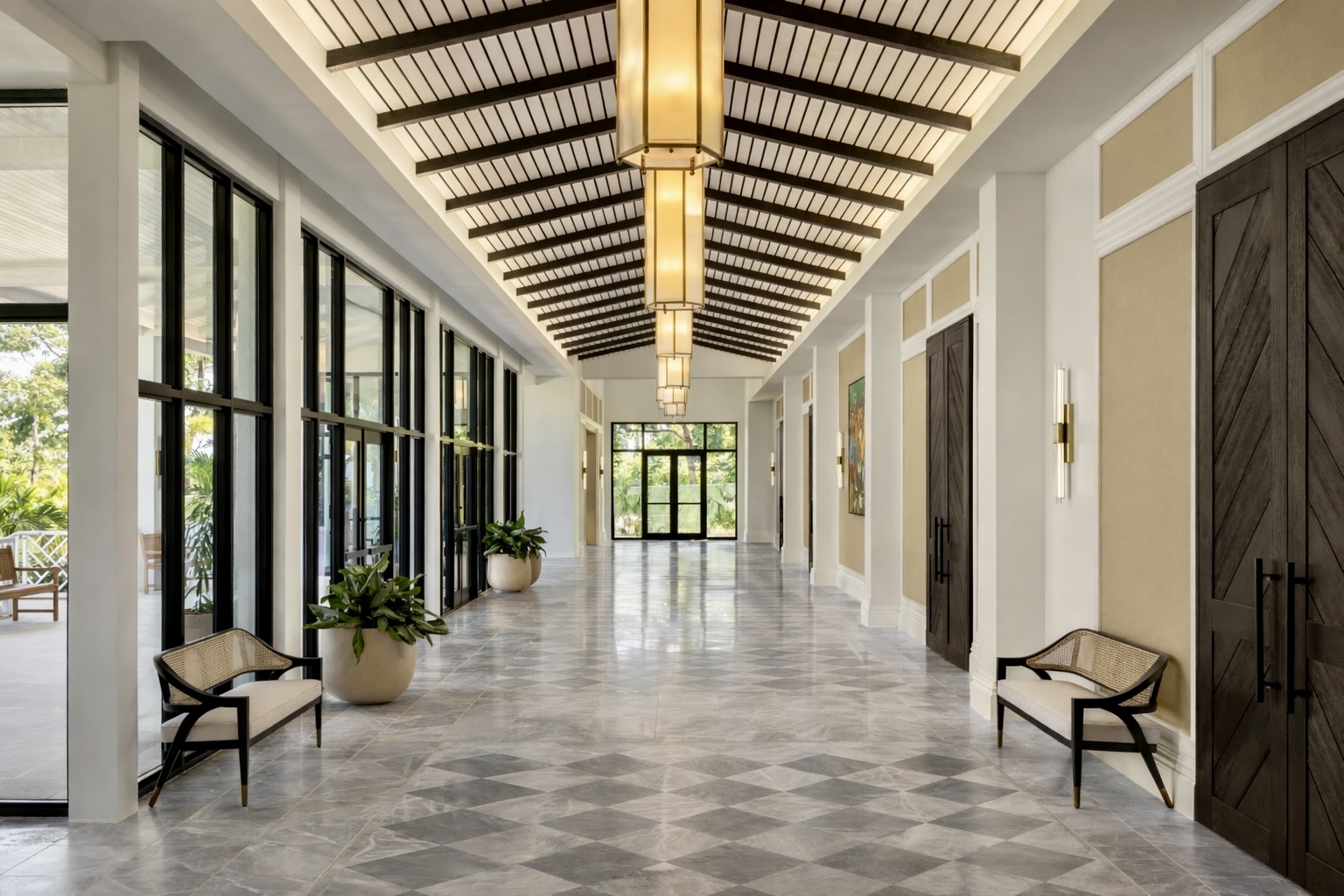
Sandals Resorts has unveiled the new Louis Grant Conference Center at Sandals Dunn’s River in Ocho Rios, Jamaica. The state-of-the-art facility offers 8,000 square feet of dedicated meeting and event space, accommodating groups of up to 500 guests.

The conference center is named after the late Louis Grant, a 60-year veteran of the tourism industry. After starting with Sandals in 1991, he became general manager of Sandals Dunn’s River, serving as a mentor and leader to the team for over 25 years. Grant was widely recognized in the sector, receiving the Jamaica Hotel and Tourist Association’s (JHTA) Lifetime Achievement Award in 2018 and being named ‘Hotelier of the Year’ in 2007.

Executive Chairman of Sandals Resorts, Adam Stewart, announced the naming of the conference center in December 2025 during a special “Back to Jamaica” event, which welcomed nearly 400 travel advisors and industry partners to Sandals Dunn’s River.

“I am a huge believer in paying tribute to those who came before us, and we owe so much to Mr. Louis Grant, whose leadership helped define the very soul of this resort,” said Stewart. “He literally spent half of his career with us. I can still remember watching Louis in action when I was just a young boy visiting the resort with my father. The way he inspired and lifted up those around him, including some of the most impactful leaders within our organization today, left a lasting impression on me. Naming this conference center in his honor is a recognition of his extraordinary influence and the legacy he built here.”

The Louis Grant Conference Center blends contemporary design with authentic island warmth, featuring natural woods, the greens and blues of the Caribbean Sea, and locally inspired artwork. The flexible 5,396-square-foot main venue can accommodate up to 500 guests reception-style or be divided into three separate ballrooms. Complementing the main space are two dedicated boardrooms and two pre-function areas designed for registration, networking, and breakout sessions.

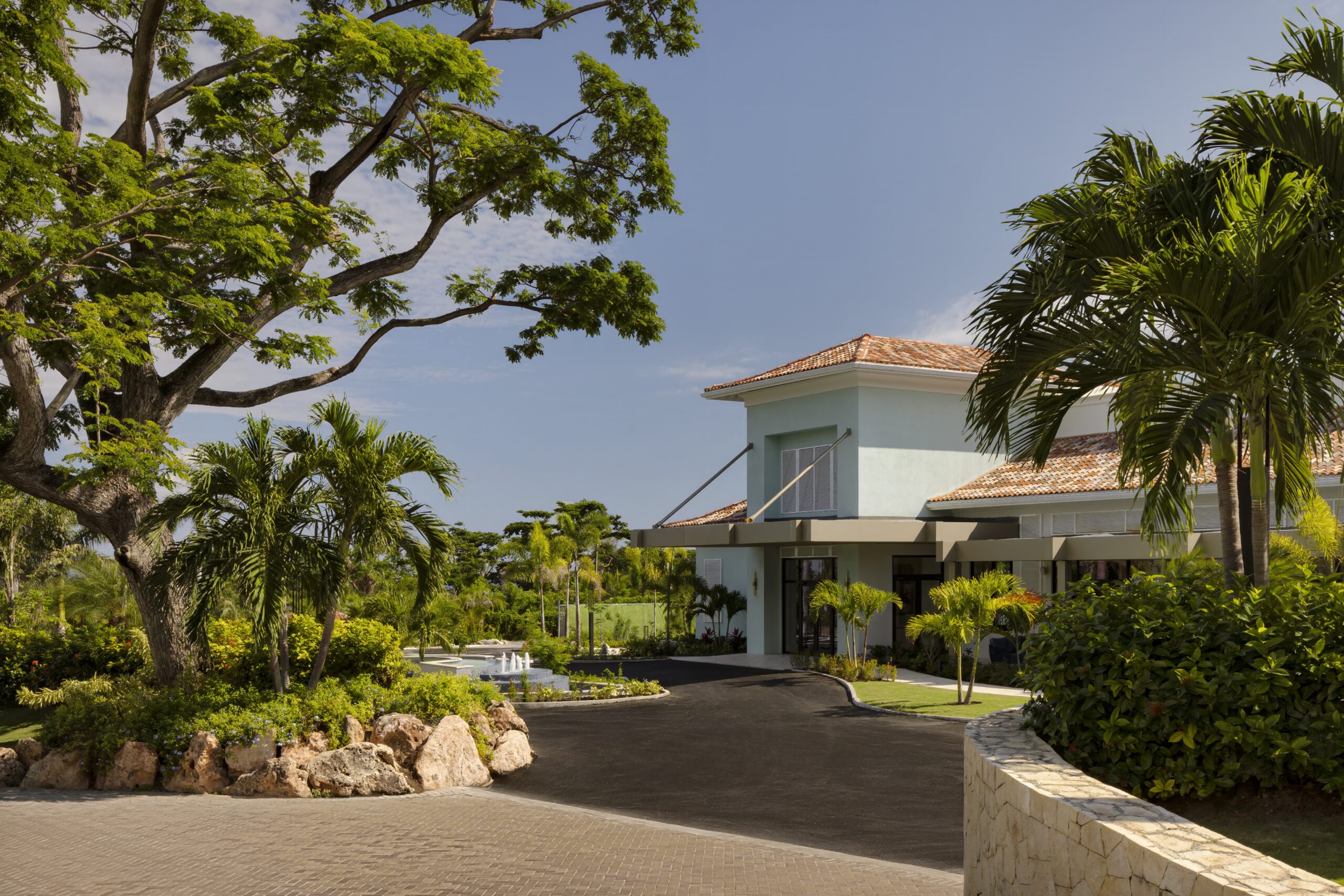
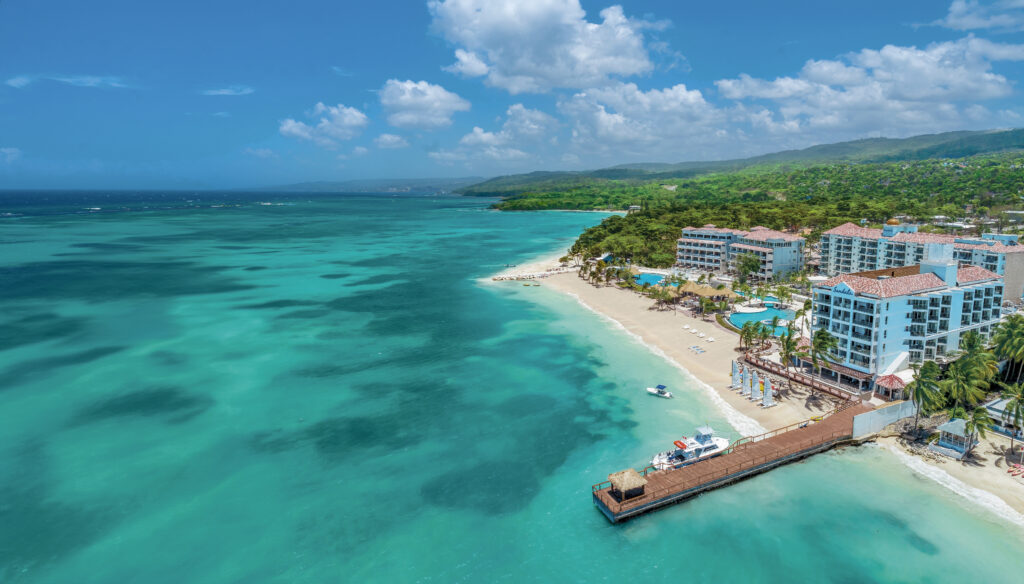
Set along a pristine white-sand beach on Jamaica’s north coast, Sandals Dunn’s River offers a seamless experience for group travel, with special offers tailored to groups and convenient proximity to the new Ian Fleming International Airport, which provides direct flights from Miami International Airport. With 12 specialty restaurants, premium beverages, unlimited land and water sports, and complimentary green fees at the nearby Upton Estate Golf & Country Club, groups can enjoy all the benefits of a luxury all-inclusive stay. Off resort, groups can explore new experiences with Island Routes’ extensive selection of excursions.

Sandals Dunn’s River

Contracted groups can receive up to a 15% reduction depending on their travel dates. For more information, visit www.sandals.com/groups.