Domestic cricket in Barbados is poised for a significant transformation after the Barbados Cricket Association (BCA) announced plans to compensate elite players competing in its upcoming three-day championship.
The decision signals a major shift in the island’s cricketing structure, introducing direct payment for participants in the longest format of the domestic game, long regarded as the cornerstone of player development.
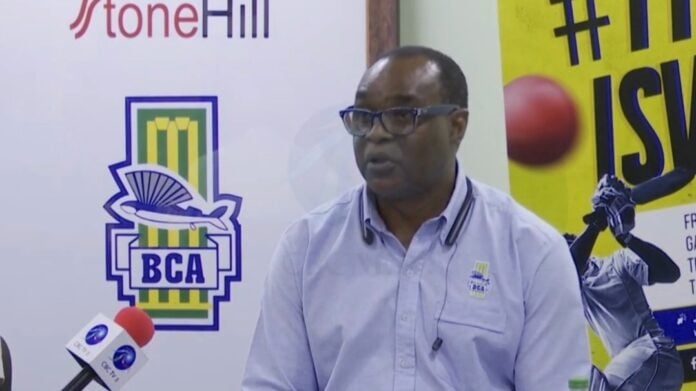
The initiative was revealed by Wendell Coppin, the BCA’s manager of cricket operations, during a recent appearance on the widely followed “Mason and Guest” radio program.

Targeting the elite tier
Coppin explained that the remuneration will apply exclusively to top-level performers participating in the multi-day competition, which is scheduled to begin on April 4, 2026.
“We are looking at paying players at the elite level, only elite and only the three-day competition,” Coppin said during the broadcast.
The move represents a deliberate effort to strengthen the red-ball game by rewarding players who compete at the highest level of the domestic structure.
Building a sustainable model
While the concept has been widely welcomed across the cricketing community, Coppin emphasized that the BCA is still refining the financial framework behind the initiative.
According to the cricket administrator, the board is carefully assessing how player payments will fit within the broader financial ecosystem of domestic cricket.
“The board is still looking around all the parameters as to how that would work with prize money and the obligations to the teams, clubs and players, as well as our obligations,” Coppin explained.

His remarks highlight the balancing act facing administrators as they work to ensure the model remains financially sustainable while supporting players and the clubs that nurture them.
Raising the standard of the red-ball game
The introduction of payments is widely viewed as a strategic move aimed at elevating the quality and competitiveness of the three-day format.
By offering financial incentives, the BCA hopes players will be able to devote greater focus to their craft while strengthening the traditional format that underpins long-form cricket development.
Administrators also believe the initiative could help retain talent locally by reducing the pressure on players to pursue opportunities outside the domestic system.
Busy domestic Calendar ahead
Coppin also provided insight into the remainder of the BCA’s domestic schedule once the three-day competition concludes.
Attention will then shift to the limited-overs formats, with the 50-over and Shield competition slated to begin on April 19, 2026.
Later in the year, the domestic season will culminate in the island’s popular Twenty20 tournament, which is expected to ignite in September and once again showcase Barbados’ flair for the shortest format of the game.