Home Blog Page 47

Shaggy credits Sting for pushing him out of his comfort zone ahead of ‘The Last Ship’ musical

Shaggy Sting

Dancehall icon Shaggy says collaborating with Sting on the upcoming musical The Last Ship has reinforced the importance of stepping outside his comfort zone.

“It’s growth. Every time you become uncomfortable, that’s growth. A hamster in a wheel is comfortable being in a wheel, but the wheel goes nowhere. So you should aim for the uncomfortable,” the It Wasn’t Me singer told American actress Sherri Shepherd during her daytime talk show.

Shaggy and Sting are set to perform on the Metropolitan Opera stage later this year and recently visited the venue to promote their upcoming production. The pair posed for a photo call on Thursday, March 12, in New York City before performing a medley of All This Time and The Last Ship on The Tonight Show Starring Jimmy Fallon.

The musical, a revised version of Sting’s Broadway production from 2014, is rooted in his childhood in the shipbuilding town of Wallsend, England. The Last Ship tells the story of a community of shipbuilders facing the closure of their shipyard—the heart of their existence. Sting stars as Jackie White, the shipyard’s foreman, whose failing health threatens his ability to lead the community. The show will run at the Metropolitan Opera from June 9 through June 14, following performances in international cities including Paris and Brisbane.

Describing Sting as “the brother I never knew I needed,” Shaggy credited the musician with encouraging him to embrace the challenge.

“He has more faith in me than I have faith in myself sometimes. There is a part of him that enjoys putting me in uncomfortable situations…but he was also betting on me because he convinced the company that I was the guy for it, and when we went there and started killing it, he was like ‘I told you so,’” Shaggy said.

The reggae star noted the show has been a hit abroad, with more than 60,000 tickets sold for performances in Paris and sold-out shows in Amsterdam.

Shaggy also shared insight into his upcoming album, Lottery, explaining its title reflects his philosophy of betting on himself.

“It’s really me betting on myself, going against the grain and making music outside. I was criticised by reggae purists because I wasn’t doing dancehall and reggae in its authentic form. I did hybrids. Funny enough, dancehall now is pretty hybrid. Just like Bob Marley’s music back in the day, they used session musicians to play rock music over Marley’s songs, and those very recordings are now the blueprint of what reggae music is,” he said.

More men reporting domestic violence in Jamaica, JCF says

Jamaica police force JCF

The Jamaica Constabulary Force (JCF) says more men are coming forward to report incidents of domestic violence, as awareness increases around support services available to male victims.

Head of the JCF’s National Domestic Violence Intervention Unit, Deputy Superintendent of Police Jacqueline Dillon, said an increasing number of men have been reaching out directly to the police for assistance.

She was speaking to JIS News during the JCF Domestic Violence Unit’s Cross-Country Tour stop in Mount Salem on Saturday, March 14.

“We have, for the last couple of years, seen males coming to us directly. Some of them will not visit the centres; what they will do is call via telephone. Some of them will send you an email,” she said.

DSP Dillon noted that some men have also been contacting the unit from overseas.

“Just recently, I got an email from a male who is not in Jamaica but abroad, and so we have had males coming to us because I think many men now realise that there’s hope for them when it comes to domestic violence perpetrated against them,” she explained.

National data underscores the scale of the issue. In 2023, about 8,500 domestic violence cases were reported in Jamaica, with roughly 6,000 handled through dedicated centres. Domestic violence remains widespread, with nearly four in 10 women experiencing intimate partner violence.

Prime Minister Andrew Holness has also noted that around 20 per cent of reported cases involve male victims, reinforcing the importance of ensuring that men feel supported in coming forward.

In 2025, Dr Holness said his administration is committed to tackling domestic violence and the culture of aggression that has taken root in Jamaican communities, noting that addressing these issues is critical to building a peaceful and safe society.

He emphasised that violence is not only a public safety issue but also a deeply rooted social problem that continues to undermine the nation’s quality of life.

“In many communities across Jamaica, particularly in the inner city, many of our women and children are suffering serious abuse. Some of our men are also experiencing serious domestic abuse. Believe it or not, 20% of the cases reported are of men being abused,” the Prime Minister stated.

Importantly, the Prime Minister also raised concern about the culture that discourages men from speaking out about abuse, noting that this long-standing mindset has contributed to a wider societal problem.

DSP Dillon further pointed to advocacy efforts by the JCF aimed at ensuring male victims are able to seek help.

“The fact that the JCF has pushed to ensure that men have a voice when it comes to reporting incidents of domestic violence, we continue to see those increases,” she said.

“Last year we had an increase over the year before, and based on what is happening now, I am surmising that this will happen for this year,” DSP Dillon indicated.

28,000 Jamaicans living with HIV as government targets 40% reduction in new infections

HIV/AIDS

The Jamaica Ministry of Health & Wellness (MOHW) has launched Jamaica’s National Strategic Plan for HIV (2023–2030), outlining steps to reduce new HIV infections by 40 per cent by 2030.

The plan, unveiled on February 9, is aimed at strengthening the country’s response to HIV and advancing efforts toward epidemic control.

Delivering the keynote address at the launch, Minister of State, Krystal Lee, said the strategy provides a clear roadmap for tackling the disease.

“Our prevalence rate stands at around 1.1 per cent and an estimated 28,000 people are living with HIV. Our response then must be broader and more impactful than ever before. The vision is for a Jamaica free of new HIV infections and AIDS. This National Strategic Plan is grounded in shared responsibility, human rights, and sustainability,” the State Minister said.

Jamaica has made notable progress in its HIV response, including a 35 per cent reduction in new infections since 2010, high levels of HIV status awareness, and the elimination of mother-to-child transmission of HIV and syphilis in 2024. However, challenges such as high rates of sexual activity among adolescents, as well as stigma and discrimination, continue to create gaps in service delivery.

“We will scale the prevention tools that work: condoms, targeted outreach, HIV testing and self-testing, post-exposure prophylaxis, and pre-exposure prophylaxis for those at substantial risk,” the State Minister noted.

The launch also coincides with Safer Sex Week, being observed from February 9 to 13, 2026 under the theme, “Tek Charge: Safer Sex with Endless Possibilities!” Jamaicans are being encouraged to take responsibility for their sexual health by making informed choices and accessing prevention and treatment services early.

Members of the public are urged to use condoms consistently and correctly, know their HIV status through regular testing, and reduce the number of sexual partners. Adolescents are also being encouraged to delay sexual activity.

Recent data underscores the urgency of the issue. In 2024, approximately 1,100 people contracted HIV in Jamaica, with about 25 per cent of new infections occurring among young people aged 15 to 24. Jamaica is also one of four countries contributing to 90 per cent of new infections in the Caribbean.

Of the estimated 28,000 people living with HIV—about 1.1 per cent of the population—roughly 15,000 are not on treatment, while only 14,000 are virally suppressed, raising concerns about gaps in care and treatment coverage.

The Ministry said the Strategic Plan is expected to drive a more coordinated national response, with a focus on prevention, expanding treatment access, and reducing stigma.

Cutting-edge brain stimulation technology launched in Jamaica

Dr O’Neil Dacres (right), corporate relations manager at JN Bank, has the captive attention of husband and wife and co-founders of Everbrook Brain Institute and Cognitive Clinic, Dr Steve Lawrence (left), a technology, curriculum, eLearning, AI and research expert and Dr Francene Gayle (second left), consultant stroke neurologist.

The introduction of advanced brain stimulation technology at the Everbrook Brain Institute and Cognitive Clinic is being hailed as a major breakthrough for neurological care in the Caribbean.

The clinic and its technology were recently launched at the Development Bank of Jamaica (DBJ), which provided funding through JN Bank to support the project.

The facility was co-founded by Dr Francene Gayle, a consultant stroke neurologist and former chief medical officer at Andrews Memorial Hospital, along with her husband, Dr Steve Lawrence.

Located at 80 Lady Musgrave Road in Kingston, the clinic will offer a multidisciplinary approach, bringing together neurologists, psychologists and neuropsychologists to support patients with complex brain health conditions. Central to its services is transcranial pulse stimulation, a non-invasive technology that uses Magnetic Resonance Imaging to direct acoustic pulses to targeted areas of the brain.

According to Dr Gayle, the technology is expected to transform treatment for a range of neurological and mental health conditions, including stroke, traumatic brain injury, autism spectrum disorder, depression, post-traumatic stress disorder, long COVID syndrome, insomnia, as well as Alzheimer’s disease and Parkinson’s disease.

Dr Gayle pointed to global data highlighting the urgency of improving neurological care.

“In 2024, the Lancet Neurology defined that 43 per cent of the world’s population have a neurologic diagnosis,” she said, noting that this represents an increase from 18 per cent in 1990.

“Eighty per cent of the global burden of neurologic disorders rests within low to middle-income countries. For far too long, the treatment of all of those disorders was determined by geography, meaning that in high-income countries, there were 70 times more neurologic health care practitioners than in low to middle-income countries.”

She said the facility will help position Jamaica as a regional hub for advanced neurological care.

“Everbrook is uniquely positioned because we’re not just a local clinic, we are a Caribbean beacon. We’re actually going to be a premier destination for North American patients who have not yet had access to this technology.”

Dr Gayle emphasised that research will be a central pillar of the clinic’s work.

“We’re building a commitment to research that is unwavering. We’re not just applying existing protocols, we’re generating new [protocols] and we’re documenting and we will be presenting and informing, because this is disruptive technology.”

She also highlighted the role of Earl Jarrett, then general manager of the Jamaica National Building Society, who in 2012 provided a grant that supported the acquisition of a plasmapheresis machine, which helped save lives during the chikungunya and zika epidemics associated with Guillain-Barré Syndrome.

Managing director of the Development Bank of Jamaica, Dr David Lowe, said the DBJ is proud to support the initiative, describing it as a strong example of healthcare innovation.

“Every time I see something like this, I think of one more thing that makes Jamaica fall outside the traditional stereotype; a place of knowledge, of innovation, a place of possibilities,” he said.

Dr Lowe added that facilities like Everbrook will expand access to specialised care locally.

“By expanding access to these advanced therapies, you don’t have to go overseas. Right here, we can now bring that type of opportunity to our shores for people who are in need. It’s elevating specialised care that makes it so monumental and so important at this time. It creates so many other opportunities for other medical practitioners.”

“In a world that’s changing rapidly, we need to be competitive and solutions-oriented. We have to recreate those opportunities here,” he said.

Dr O’Neil Dacres, corporate relations manager at JN Bank, also welcomed the development.

“This is an important step in expanding how neurological conditions can be treated in our beloved country. Advances in brain health are opening new possibilities for patients and families facing complex neurological challenges. The introduction of Everbrook Brain Institute and Cognitive Clinic represents an encouraging development in modern medicine, offering innovative approaches that can improve quality of life.”

As a financial partner alongside the Development Bank of Jamaica, JN Bank said it remains committed to supporting healthcare innovation.

“Investments in healthcare innovation are ultimately investments in people, families and stronger communities,” Dr Dacres maintained.

Miramar City Hall offers convenient US passport services for residents

City of Miramar

The City of Miramar is reminding residents that U.S. Passport Book and U.S. Passport Card services are available at Miramar City Hall, offering a convenient option for those preparing for international travel.

The City Clerk’s Office, located at 2300 Civic Center Place, serves as an official U.S. Passport Acceptance Facility, allowing residents to apply for a new passport without leaving their community. Staff are available on-site to guide applicants through the process in a professional setting.

“Residents don’t have to travel far for passport services,” said Denise Gibbs, City Clerk. “We are proud to offer this important service directly at City Hall, providing convenience, expert guidance, and the opportunity for residents to choose the passport option that best fits their travel needs.”

Officials are also encouraging residents to understand the differences between the two passport options before applying.

The U.S. Passport Book is valid for international travel by air, sea, or land, while the U.S. Passport Card is limited to land and sea travel to destinations including Canada, Mexico, the Caribbean, and Bermuda, and cannot be used for international air travel. The card is wallet-sized and can be used in designated “Ready Lanes” for faster land border crossings.

Both documents are REAL ID-compliant and can be used as valid identification for domestic flights. Adult passports are valid for 10 years, while those issued to children under 16 are valid for five years.

City officials say the service is ideal for residents planning vacations, cruises, business trips, or those simply looking to be prepared for future travel.

More information and appointment booking details are available on the City of Miramar’s official website.

The Atlantic Bridge: How Ireland finally got a seat at the American jackpot table

Behind a”buy” button is a massive, layered ecosystem of high-end software and international financial rails. It’s a fascinating look at how global systems actually work when they’re pushed to be seamless.

At the heart of this are licensed digital platforms that act as a bridge. These aren’t just random websites; they operate inside a very strict legal framework. Their whole job is to be the technological link between a user in Ireland and a licensed ticket-buying entity in the States.

When you pick your numbers for something like the Powerball, the platform’s backend sends an instant instruction to a partner in the U.S. That ticket is then bought—either physically or digitally—in total compliance with local American laws. You get a secure confirmation linked to that specific transaction. From a tech perspective, this requires perfectly synced databases and high-level APIs. It’s not just a website; it’s a coordinated infrastructure stretching across the Atlantic that allows playing American Powerball in Ireland.

The “Invisible” Fintech Layer

The real hero of international access is probably fintech. Moving money across borders involves currency conversion, fraud checks, and staying on the right side of both EU and U.S. financial rules.

When you pay in Euros, a payment gateway handles the exchange rate math in milliseconds. Behind the curtain, licensed processors route that cash through secure banking networks using encryption standards like TLS 1.3. Because of European rules like PSD2, you’ll usually see multi-factor authentication (SCA) to make sure it’s actually you. What’s impressive is how invisible this feels. You see a clean interface and a “success” message, but in reality, dozens of verification layers and anti-money laundering algorithms just ran a background check on the transaction.

Cloud Power and Keeping in Sync

These platforms live on the cloud. Instead of one lonely server, they use a distributed network of data centers. This is what keeps the site from crashing when a jackpot hits a billion dollars and everyone tries to log in at once.

When the results are pulled in America, they’re sent out via official data feeds. APIs grab that data and sync it instantly with your dashboard in Ireland. By using Content Delivery Networks (CDNs) and “edge” nodes—basically processing data at hubs closer to you—the latency is almost zero. A user in Cork can see the verified results almost the exact same moment they’re published in the U.S. It’s all about optimized data routing.

The Boring (But Critical) Regulations

Joining a digital draw across an ocean isn’t just about the connection; it’s about the compliance. Platforms have to be 100% sure you are who you say you are and that you’re of age. This is where “RegTech” comes in.

When you set up an account, automated KYC (Know Your Customer) systems scan your ID using optical character recognition and AI models to make sure the document is legit. Every single transaction and ticket reference is logged in an encrypted database. Some companies are even playing with blockchain-based timestamping to make sure the records are impossible to tamper with. For you, it’s just an ID upload. For the tech, it’s a complex workflow designed to satisfy two different legal regimes at once.

Olympic star Jereem Richards leads Trinidad and Tobago’s charge at World Indoors

jereem richards

Veteran quarter-miler Jereem Richards will spearhead Trinidad and Tobago’s challenge at the upcoming World Athletics Indoor Championships, as the Caribbean nation prepares to send a compact but talented four-member squad to the global showpiece in Toruń.

Richards, affectionately known as “The Dream,” headlines the national team for the 21st staging of the championships, which will take place from March 20 to 22 at the Kujawy-Pomorska Arena.

The team was officially unveiled on Friday by the National Association of Athletics Administrations, setting the stage for Trinidad and Tobago’s participation at one of track and field’s premier indoor competitions.

A proven champion returns

At 32, Richards brings a wealth of experience and pedigree to the squad.

The Trinidad and Tobago star captured global attention when he won the 400 meters title at the 2022 World Athletics Indoor Championships, cementing his place among the sport’s elite indoor quarter-milers.

His return to the championships places one of the country’s most accomplished athletes at the forefront of the team’s medal aspirations.

While Richards provides veteran leadership, the remainder of the squad reflects the next generation of Trinidad and Tobago athletics.

Leah Bertrand, 23, will contest the women’s 60 meters, bringing explosive speed to the short sprint event.

In the field events, Tyra Gittens, 27, will compete in the long jump, where she has consistently demonstrated world-class ability.

Meanwhile, 21-year-old middle-distance runner Nathan Cumberbatch will represent the country in the 800 meters, adding youthful energy to the squad’s lineup.

Support team set for international campaign

The athletes will be supported by an experienced management and medical team as they prepare for the demanding championship environment.

Olympic medalist Jehue Gordon will travel as team manager, while Donavan Spotsville will serve as coach. Nicole Fuentes-Charles has been appointed as the team medic.

The Trinidad and Tobago delegation is scheduled to depart Port of Spain on Monday and will return home on March 23 following the conclusion of the championships.

With a former world champion leading the charge and a group of emerging talents eager to make their mark, Trinidad and Tobago heads to Poland determined to compete with the world’s best.

For Richards and his teammates, the World Athletics Indoor Championships represent another opportunity to showcase Caribbean excellence on the global athletics stage, and perhaps bring home more hardware.


Trinidad-born filmmaker Janelle Abraham earns historic recognition from Hard Rock International

Janelle Abraham

Trinidad-born filmmaker Janelle Abraham has become the first woman from Trinidad and Tobago to be recognized by Hard Rock International through its Global Women Empowerment initiative, developed in partnership with The Coca-Cola Company.

The Global Women Empowerment initiative spotlights women shaping the music and entertainment industries, placing Abraham among international creatives whose behind-the-scenes work influences the culture of modern music and visual storytelling.

Abraham’s path into film and music visuals is deeply rooted in Caribbean heritage. She is the daughter of the late calypso icon Samuel ‘Brigo’ Abraham, whose songs, including Doh Beat Mama Popo, Limbo Break, and Voodoo Man, remain enduring staples in Trinidad and Tobago’s musical history. While her father helped define a generation of calypso, Abraham has built her own reputation behind the camera, carving out a career that connects Caribbean creativity with the international entertainment landscape.

Over the years, she has directed more than 85 music videos, working with artists such as Method Man, Wyclef Jean, Flavour N’abania, Shaggy and Papoose. Her work also extends to film and television, including producing Dope Fiend, currently streaming on Peacock. She also developed a soon-to-be-released television project, The Promoters, which is presently in post-production.

As an immigrant who navigated homelessness and single motherhood, Abraham said the recognition reflects years of persistence and faith.

“I’m honoured and grateful for this highlight. It’s been a long journey filled with a lot of hard work and faith, and to experience a moment like this is really special,” she said. “I truly believe it’s all in God’s timing, and I’m thankful for the opportunity.”

As her career continues to expand across film, television and music visuals, Abraham’s recognition signals growing visibility for Caribbean creatives on the global stage. For Trinidad and Tobago, her achievement underscores the country’s far-reaching cultural influence, with storytellers like Abraham carrying that legacy into the international entertainment industry.

What to expect after a personal injury deposition

lawyer personal injury claim

A deposition is one of the most important steps in a personal injury case. Your testimony is recorded under oath and can shape how the entire case unfolds. Once it’s done, the process doesn’t stop; several key steps follow, such as case evaluation, settlement negotiations, and preparation for trial if needed.

Depositions are part of the discovery phase of civil litigation, where both sides gather evidence before trial. They help attorneys understand the facts, assess credibility, and prepare for settlement or court. Knowing what happens after a deposition helps you stay calm and make smart decisions as your case moves forward.

Here’s what typically comes next and what you should be paying attention to.

Reviewing and Correcting the Transcript

After the session ends, a court reporter produces a written transcript of everything that was said. A deposition is sworn out-of-court testimony used during discovery and can, in limited circumstances, be used at trial.

You usually have the right to review the transcript and flag any errors. This is done through what’s called an errata sheet. You can correct genuine mistakes in wording, but you can’t use it to change the substance of your answers.

Your attorney will advise you on how to handle corrections properly. Any significant change to your answers without a clear reason could actually raise questions about your credibility.

What the Other Side Does With Your Testimony

The opposing attorney will study your transcript closely. They’re looking for inconsistencies, anything that weakens your claim, or statements they can use to challenge your version of events.

If your answers at trial differ from what you said during the deposition, they will bring it up. That’s why reviewing your transcript early and flagging anything unclear is so important.

Settlement Talks Often Follow

Depositions often push both sides toward negotiation. The U.S. courts explain that judges actively encourage parties to reach a settlement to avoid the time and cost of trial. Your deposition gives both sides a clearer picture of the strengths and weaknesses of the case.

If the deposition went well for you, it can strengthen your position at the settlement table. If it raises issues, your attorney will work with you to address them before going further.

Discovery Continues After Your Deposition

Your deposition is one part of discovery, not the end of it. The other side may still request medical records, employment history, financial documents, or depositions from other witnesses.

Expert witnesses such as doctors, accident reconstruction specialists, or economists may also be deposed. Your attorney may depose the defendant and their witnesses during this same period.

All of this builds the strongest possible picture of what happened and what your losses are.

Trial Preparation or Final Settlement

Once discovery wraps up, both sides reassess their positions. Many personal injury cases settle at this point, once the full picture of liability and damages is clear.

If no agreement is reached, your attorney will begin preparing you for trial. That means reviewing your deposition, going over likely questions, and making sure your testimony stays consistent with what you said before.

What to Do Next: Steps After Your Deposition

  1. Request a copy of your transcript and review it carefully for errors.
  2. Note any corrections on the errata sheet before the deadline passes.
  3. Avoid discussing your testimony on social media or with anyone outside your legal team.
  4. Keep attending all medical appointments; gaps in treatment can be used against you.
  5. Stay in close contact with your attorney as settlement talks or trial prep begin.

Key Takeaways

  • Your deposition transcript is a legal document that can be used at trial if your story changes.
  • You have the right to review and correct the transcript before it becomes final.
  • Opposing attorneys will analyze your testimony for inconsistencies or weaknesses.
  • Settlement negotiations often happen shortly after depositions are completed.
  • Discovery continues; more documents, records, and witness depositions may follow.
  • Consistency between your deposition and trial testimony is critical to your credibility.
  • Stay off social media and only discuss the case with your attorney.


From CPT to the Caribbean Poker Tour: What’s behind the Caribbean’s love of the card game

caribbean poker series
Credit: World Poker Tour on Flickr via CC BY-ND 2.0

Card games are an integral part of life in the Caribbean. Whether friends are relaxing on a veranda, or people are trying to recuperate from a long day at the beach, or celebrating during festivals and holidays, shuffling cards can often be heard. Casual games of cards, jokingly referred to by players as CPT (Casual Poker Tournament), are played for competition but also serve a social function. Casual games of cards serve as a communication device, a time to pass the time by telling stories and to attempt to read others. Poker fits naturally into this tradition.

Poker is a game that blends skill, strategy, and psychology. While the cards you are dealt matter, they are rarely the only factor that determines who wins. Success often comes down to patience, timing, and the ability to read the players sitting across the table. For many island communities, the game is well known and widely enjoyed, but mastering it is far from easy. The players who tend to come out ahead are usually those who can stay calm under pressure, outlast their opponents, and spot the subtle signals that reveal when someone is bluffing or holding a strong hand.

A Game Built on Social Connection

Poker has exploded throughout the Caribbean and for good reason. It has fitted right into the island culture. Card games and dominoes are very popular throughout the Caribbean and Poker has become an integral part of the culture. It’s a very social game, more people than cards. Players need to pay attention to body language such as posture, facial expressions, tone of voice and hand gestures.

If you’ve ever wandered through a Caribbean barbecue, you’ll know that the poker table was never silent. The bad jokes and dreadful humour flowed incessantly as did the good-natured, and not always relevant, banter long after all chances of a serious game had been lost. Winners were sometimes pleased, but it was never really worthwhile recording the fact of their victory. The true pleasure of the occasion lay in the friendships and the myriad tales that were told while the cards were being dealt and in the simple enjoyment of being with friends in each other’s company.

The Rise of Organized Poker

The Caribbean region has seen an influx of larger poker tournaments in recent times, allowing players from across the Caribbean and even the world to come together and compete in a series of games. Events that coincide with the Caribbean Poker Tour have arguably progressed poker from a casual pastime, to one of competitive sporting nature.

All tournaments are held in top tourist resorts and combine world class tennis with a unique gastronomic experience of the hotel. For local players, the tournaments are a once in a lifetime experience, where they get the chance to compete against some of the best players in the world.

Caribbean Players on the Global Stage

Technology has made a world of difference for many Caribbean players. Where there were not so many local games and tournaments in the Caribbean, players are now able to compete all over the world, even in distant countries, online.

Back in the day the Caribbean was isolated from the rest of the world, but now with the world wide web at our fingertips players from the Caribbean can now play online and compete against other players worldwide. Many now refine their strategies through global platforms such as WPT Global, where players test their decision-making skills in a fast-paced and competitive environment. Digital technology is rapidly bringing the large community of card players in our region into the worldwide online poker community.

A Tradition That Continues to Evolve

While there is perhaps a growing interest in Caribbean poker tournaments, there is no change in the basic fact of Caribbean stud poker. It is a pastime which appeals to the common denominator in Caribbean society which is talking, competition and strategy.

Starting with casual backyard games in Barbados with family, through to more serious tournaments in St Kitts, making it a stop on the World Poker Tour, the Caribbean has long been a hotspot for poker. The number of young and up-and-coming local and international players continuing to grow on the online and live poker circuits suggests this won’t be changing anytime soon.


Caribbean travelers in Thailand: The 2026 guide to visa-free island hopping

Moving from the lush scenery of the Caribbean to the sapphire oceans of Southeast Asia has never been more attainable. Going on a trip to Thailand was once a logistical nightmare that required visits to the consulate and thick envelopes of paperwork. But today, that is no longer the case.

In 2026, Thailand reaffirmed its commitment to international tourism by extending its visa-free policies, targeting visitors from the Caribbean who are seeking a change of scenery from the Atlantic Ocean to the Andaman Sea.

The 2026 Visa Landscape: No More Red Tape

The biggest news for 2026 is the continuation and refinement of the 60-day visa exemption scheme. At present, citizens of Caribbean nations like Dominica, the Dominican Republic, Cuba, Jamaica, and Trinidad and Tobago are part of the 93 nations eligible for visa exemption.

This means you can stay for a maximum of 60 days for tourism or business purposes, with an option for a further 30-day extension at a local immigration office.

For those coming from the Caribbean, you can land in Bangkok or Phuket, get your stamp, and start your journey immediately.

Furthermore, with the introduction of the Thailand Digital Arrival Card (TDAC), you no longer have to fill out paper forms; instead, you can submit your entry information online up to 72 hours in advance of your flight, making your entry into Thailand as smooth as ever.

Island Hopping: From the Gulf to the Andaman

If you are coming from a Caribbean background, you will already be familiar with the island experience, but Thailand provides a different twist on tropical bliss. Thailand is divided into two main areas: the Gulf of Thailand, where you will find Koh Samui, Koh Phangan, and Koh Tao, and the Andaman Sea, where you will find Phuket, Krabi, and the Phi Phi Islands.

Connecting these dots is easier than it has ever been. In the Gulf, the mode of transportation from one major island to the next is mostly dominated by high-speed catamarans and ferries. When looking to travel from the world-famous Full Moon Party beaches to the luxurious retreats of the neighboring islands, the use of island ferry services is the fastest way to ensure that you get the most out of your time.

In 2026, the island ferry service routes have become highly digitalized, making it easy for you to book a seat and obtain a QR code for your ticket, as opposed to the chaotic queues at the pier.

The Slower Islands: Beyond the Tourist Hubs

While Phuket and Samui remain staples, 2026 is the year of the emerging slow islands. If you want to escape the crowds, consider these gems:

  • Koh Kood: Situated near the Cambodian border, it is also known as the Last Virgin Island. There is no neon-lit party scene like Phuket, just jungles and crystal-clear waterfalls.
  • Koh Phayam: This is a bohemian paradise. The main form of transportation is the bicycle or scooter. This island is how Thailand must have been thirty years ago: laid back, uncomplicated, and in tune with nature.
  • Koh Kradan: This island is recognized for having some of the best off-the-beach snorkeling in the country. The reefs are so close to the shore that you don’t even need a boat to spot the amazing sea life.

Want to Stay More Than 60 Days? The Destination Thailand Visa (DTV)

For Caribbean professionals who do not wish to leave after 60 days, the newly introduced Destination Thailand Visa (DTV) is a lifesaver. This visa was introduced for digital nomads and remote workers, which allows them to enter Thailand for a 5-year period with multiple entries. With every entry, you can stay for 180 days.

To enter Thailand under the DTV, you just have to demonstrate that you work for a company outside Thailand (or are a freelancer with a client base outside Thailand) and have a bank balance of 500,000 THB (approximately $14,000 USD). This is a fantastic opportunity for professionals to establish a second home base in Southeast Asia while maintaining their professional base in the West.

Practical Tips for 2026

  • Budgeting: Even though Thailand is an affordable destination, the cost of visiting the most popular hubs has increased slightly for 2026. The cost for a budget traveler is $30-$50/day, while the cost for a mid-range comfort experience ranges between $70-$120/day.
  • Connectivity: Do not rely on roaming charges. Instead, buy an e-SIM (AIS or DTAC) as soon as you arrive. Both operators offer 5G Unlimited plans for 15 or 30 days that are extremely cheap.
  • Respect the Culture: Remember that even on the islands, modesty is expected when visiting temples. Always cover your shoulders and knees, and remove your shoes before entering a home or place of worship.
  • Weather Windows: The best time to visit is from November to February, when the weather is cool and dry. If you’re visiting the Gulf islands (Samui/Phangan), their dry season actually extends further into the summer months (March–August), making them a great alternative when the Andaman side gets rainy.

Conclusion

Thailand in 2026 is no longer the backpacker’s dream it once was. It has become a highly accessible and sophisticated tourist spot that welcomes the people of the Caribbean with open arms. Whether you’re heading to Thailand for a two-week visit or a six-month workcation, the Land of Smiles is ready for you.


Haiti CEP President Jacques Desrosiers reiterates importance of this year’s elections

Jacques Desrosiers haiti
Jacques Desrosiers

The President of Haiti’s Provisional Electoral Council (CEP), Jacques Desrosiers, has reiterated that holding elections remains a crucial step in restoring government legitimacy in the French-speaking Caribbean nation.

“In a democratic society, elections remain the primary means of attaining legitimate power,” Desrosiers said during a meeting with members of the business community, where he outlined preparations for the upcoming elections.

Haiti’s last presidential election occurred in 2016 when Jovenel Moise was elected. He was assassinated at his private residence in July 2021, leaving the country without a democratically elected leader. Since then, Prime Minister Alix Didier Fils-Aimé noted that political parties, particularly the major ones, have signed an accord aimed at stabilizing the country and ensuring unified participation in forthcoming elections.

The CEP has registered 320 political parties and organizations and is expected to publish the final list of qualified entities on March 26. Desrosiers emphasized that essential prerequisites for holding elections include establishing a secure environment and ensuring the availability of financial resources necessary for electoral operations.

Representatives from key business groups, including the Association of Industries of Haiti (ADIH), the American Chamber of Commerce in Haiti (AMCHAM), the Franco-Haitian Chamber of Commerce and Industry (CFHCI), the Haitian-Canadian Chamber of Commerce and Industry (CCIHC), and the Chamber of Commerce and Industry of the West (CCIO), attended the meeting. Officials said the gathering allowed the CEP to present key elements of the electoral process, including updates introduced by the Electoral Decree of December 1, 2025, the electoral calendar, and voter registration procedures.

Meanwhile, security remains a pressing concern. The first contingent of the Gang Suppression Force (FRG), composed of Chadian troops, is scheduled to be deployed to Haiti on April 1. The force, currently being trained in the United States, is expected to reach a total of 5,500 troops by October 2026, according to Dominican Republic Foreign Affairs Minister Roberto Álvarez.

The United Nations has highlighted that a stable government is essential to improving daily life in Haiti. Weak governance and pervasive insecurity have allowed armed gangs to expand territorial control, commit human rights abuses, and exacerbate displacement. Last year alone, over 8,100 people were killed, and an estimated 1.5 million were displaced amid ongoing poverty and economic collapse.

With 2026 underway, hopes are high that long-overdue elections will help restore stability, strengthen governance, and improve security conditions for Haitians.

US lifts Grenada fisheries ban, government urges continued vigilance

Grenada Lennox Andrews

The Grenada government confirmed Wednesday that a fisheries ban imposed by the United States has been lifted, even as officials acknowledged that ongoing efforts are needed to maintain compliance.

The ban, issued by the US National Oceanic and Atmospheric Administration (NOAA), had been applied because Grenada had not provided a “comparability finding” under the Marine Mammal Protection Act (MMPA), which requires that foreign fishing operations avoid killing or seriously injuring marine mammals at rates higher than US vessels. The ban affected over EC$50 million (US$18.5 million) in annual exports, primarily yellowfin tuna, a key contributor to Grenada’s economy and a source of thousands of jobs.

In response, Grenadian authorities passed the Fisheries (Amendment) Bill 2025, which strengthened conservation measures. The legislation introduced a fisheries observer program, enhanced monitoring for longline vessels, and established penalties up to EC$100,000 for violations.

Speaking at a press conference, Lennox Andrews said the government waited to announce the lifting of the ban until the official notice was published in the US Federal Register. The formal notification from NOAA was dated March 13, 2026, and confirms that Grenada’s comparability finding is valid through December 31, 2029.

“During this period, NOAA Fisheries may reconsider and may terminate a comparability finding if it is determined…that Grenada’s regulatory programme no longer meets the applicable conditions,” Andrews quoted from the letter. He added, “The first point is that the prohibition has been lifted, and that lifting remains in effect until December 31, 2029. Our fisher folks can now go out to sea and continue fishing.”

Andrews thanked stakeholders including the Organisation of Eastern Caribbean States (OECS) Commission, officials from the United States Embassy in Barbados, and the Food and Agriculture Organization (FAO), which assisted with drafting the legislation and continues to provide guidance.

The minister emphasized that while the lifting of the ban marks a major achievement, maintaining compliance will require ongoing monitoring, reporting, and conservation efforts to protect marine mammals and ensure Grenada’s fisheries remain sustainable.

South Florida football club seeks community support for injured player

Lauderhill Strikerz, a nonprofit football organization in South Florida honoring the legacy of the late Jamaican football icon Luton Shelton, is asking the Caribbean and South Florida community to rally around one of their players, Sebastian, following a severe injury during a recent match.

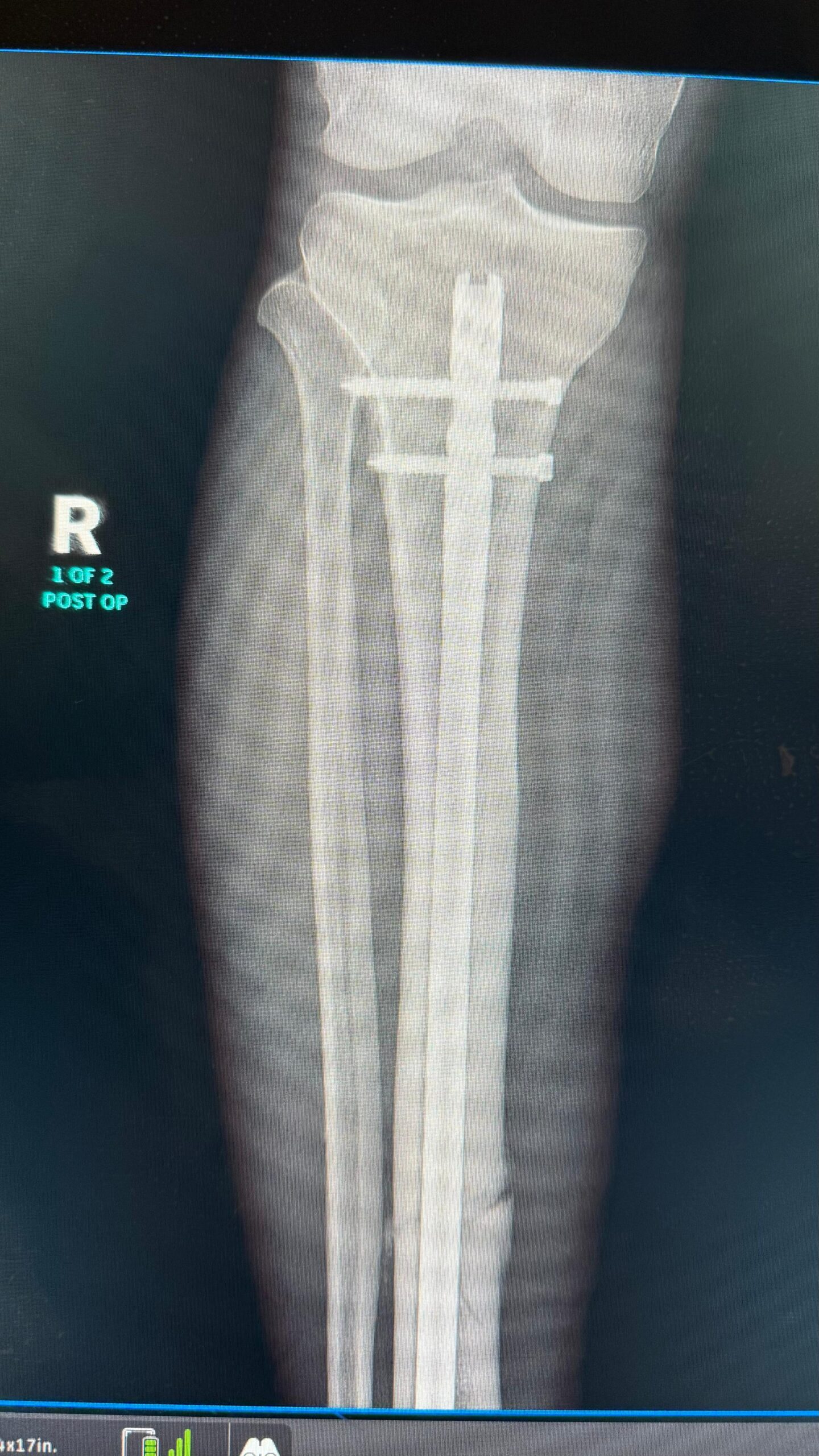
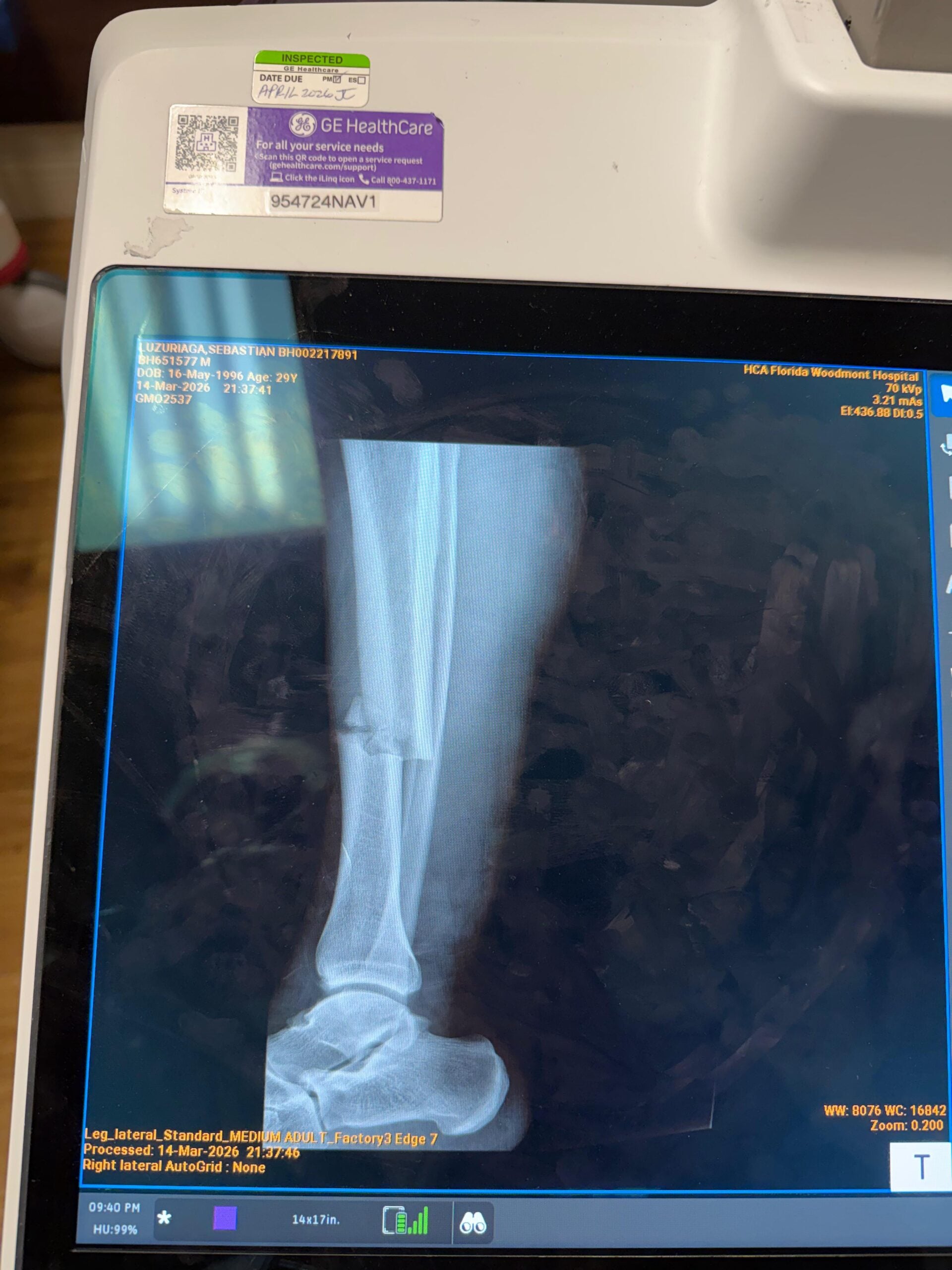
The 29-year-old visitor from Argentina suffered a fractured tibia just minutes into the first half of a game on Saturday, March 14, requiring urgent surgery and extensive medical care. Without U.S. medical insurance, Sebastian faces overwhelming medical bills for surgery, hospitalization, and rehabilitation.

“Sebastian traveled to the U.S. simply to enjoy time with friends and continue doing what he loves most—playing football,” said representatives from Lauderhill Strikerz. “This accident has left him in a very difficult situation, and as a club rooted in community and the spirit of the game, we are committed to supporting him.”

The club has launched a GoFundMe to help cover the costs of emergency surgery, hospital care, ongoing treatment, physical therapy, and travel back home to Argentina once he recovers. Contributors are also encouraged to share the campaign to expand its reach.

Sebastian is described by teammates and friends as a passionate and positive presence on and off the field. Every contribution, no matter the size, will help him focus on what matters most: healing and recovery.

GoFundMe Link: https://gofund.me/461d53b6f

Miami-Dade schools and offices to close for spring recess

Miami-Dade County Public Schools

All Miami-Dade County Public Schools facilities, including Region and District offices, will be closed for Spring Recess from Monday, March 23, through Friday, March 27. During this time, students and most employees will have a break from school and office activities.

The district reminds parents and guardians that while schools are closed, select 12-month employees and members of the Fraternal Order of Police will continue to work during the recess period. Parents should plan accordingly for childcare and supervision during the week-long break.

Spring Recess provides students and staff with an opportunity to rest and recharge before the final stretch of the school year. It also serves as a period for teachers and administrators to prepare for upcoming instructional periods, review student progress, and engage in professional development.

District officials advise that all school-related events, meetings, and extracurricular activities scheduled during the week will be postponed or rescheduled. Additionally, parents and students are encouraged to check the Miami-Dade County Public Schools website or contact their school offices for updates and specific guidance related to the recess period.

As Miami-Dade enters the spring season, the district emphasizes the importance of safety and responsible planning for families, whether traveling or staying local during the break.

Pelvic health in focus: A St. Kitts retreat encouraging Caribbean women to break the silence

Across the Caribbean and its diaspora, conversations about women’s pelvic health have long lived in the margins — shared in hushed tones, masked in humor, or dismissed as “just part of being a woman.” From urinary leakage after childbirth to persistent pelvic pain and digestive discomfort, many women have been conditioned to endure symptoms rather than question them.

But health professionals are increasingly challenging that narrative.

Studies show that nearly one in three women will experience some form of pelvic floor dysfunction in their lifetime — including urinary incontinence, pelvic organ prolapse, and chronic pelvic pain. Despite how common these conditions are, awareness remains limited, particularly among Caribbean women and women of color.

For pelvic health physical therapist Nadia Mills, who traces her roots to St. Kitts and Nevis, this silence is both cultural and consequential.

“As a pelvic health physical therapist, I’ve seen how much unnecessary suffering comes from that silence,” she says.

Mills is one of the cofounders of Sunrise & Stillness, a three-day wellness retreat taking place April 3–5, 2026, at Belle Mont Sanctuary at Kittitian Hill in St. Kitts. While the retreat includes elements like movement, skincare, nutrition, and emotional well-being, its deeper mission is to create space for open, informed conversations about pelvic health — a topic often overlooked in Caribbean communities.

When “normal” isn’t healthy

In Caribbean culture, many bodily experiences are normalized through humor rather than addressed medically.

Mills points to longstanding cultural references — including popular calypso songs that joke about constipation — as examples of how common symptoms are often laughed off instead of examined. Yet medically, constipation can be a sign of pelvic floor dysfunction, a condition affecting the muscles that support the bladder, bowel, and reproductive organs.

Symptoms can range from urinary leakage and bowel irregularities to pain and discomfort during intimacy.

Because these issues are so frequently normalized, many women never seek care.

“Women are often told that leaking after childbirth is normal, or that pelvic pain is something to live with,” Mills explains. “But many of these symptoms are treatable.”

Left unaddressed, pelvic floor dysfunction can contribute to chronic discomfort, digestive issues, and a reduced quality of life.

Strength, silence, and cultural expectations

The reluctance to seek help is often rooted in deeper cultural expectations.

Caribbean women are widely recognized for their resilience — balancing careers, caregiving, entrepreneurship, and community leadership. But that strength can sometimes come at the expense of personal health.

“Culturally, many Caribbean women are raised to be givers,” Mills says. “We’re taught to be strong and independent, but not always taught to prioritize our own well-being.”

As a result, many women push through pain or discomfort without fully understanding what their bodies are experiencing.

“What women often need most is knowledge, community, and reassurance that what they’re feeling is valid,” she adds.

A Caribbean approach to wellness

While wellness retreats have become increasingly popular worldwide, Sunrise & Stillness is grounded in a distinctly Caribbean perspective — one that sees healing as both personal and communal.

“Caribbean cultures have always understood that healing is not just clinical,” Mills explains. “It’s environmental, cultural, and rooted in community.”

For generations, wellness practices across the region have included herbal remedies, nourishing foods, time in nature, and shared spaces for conversation and support.

Cofounder Anastasha Elliott, a St. Kitts–based wellness practitioner and founder of Sugar Town Organics, says the retreat is also about reconnecting women with that inherited knowledge.

“For generations, Caribbean women carried healing knowledge in quiet ways — through the teas they made, the foods they prepared, and how they cared for their bodies,” Elliott says. “But much of that has been lost or overshadowed.”

Hosting the retreat in St. Kitts is intentional. The island’s natural landscape provides a setting for rest, reflection, and reconnection.

“This experience is about remembering that our bodies deserve care,” Elliott adds.

Understanding the body as a whole

At the core of the retreat is a holistic approach to health.

Pelvic health does not exist in isolation. It is influenced by posture, movement, stress, nutrition, sleep, and emotional well-being. Addressing one area without considering the others often leaves underlying issues unresolved.

“Pelvic health education helps women understand how their bodies actually function,” Mills says.

Through guided sessions and open discussions, participants are encouraged to better understand their bodies — often for the first time.

Supporting women through life transitions

The retreat is designed particularly for women navigating periods of transition — including pregnancy, postpartum recovery, perimenopause, and midlife shifts.

“Many women spend years caring for others and moving through life at a fast pace,” Mills says. “At some point, they realize they haven’t been checking in with themselves.”

By creating space for reflection and education, Sunrise & Stillness aims to support women in reconnecting with their bodies and their health.

A growing movement in Caribbean women’s health

For Mills and Elliott, the retreat represents more than a single event. It is part of a broader shift taking place across the Caribbean and its diaspora — one where women are beginning to reclaim conversations about their health.

“My vision is for this to become an annual gathering,” Mills says. “A space where education, culture, and community come together.”

The initiative also connects to ongoing efforts to expand pelvic health education and access to care, both in the Caribbean and among Caribbean communities abroad.

Ultimately, the goal is simple but powerful: awareness.

“I want women to understand that their bodies are not broken,” Mills says. “Many of the symptoms they experience have explanations — and solutions.”

As more women begin to ask questions, seek care, and share knowledge, the long-standing silence around pelvic health may finally begin to shift — replaced by informed, open, and empowering conversations.




Jamaica Tourist Board wins Gold ADDY for Easter campaign

Jamaica Tourist Board

The Jamaica Tourist Board’s Easter campaign video has won a Gold ADDY for Cinematography at the 2026 American Advertising Federation (AAF) Caribbean American Advertising Awards.

The campaign, created in collaboration with The Limners and Bards Limited (The LAB), was recognized for outstanding creative excellence in advertising across the United States and the Caribbean.

“We are proud to see Jamaica’s culture and spirit brought to life,” said Hon. Edmund Bartlett, Jamaica’s Minister of Tourism. “Through this powerful storytelling, we are able to showcase the vibrancy of our island and strengthen the connection between Jamaica and its global diaspora.”

The American Advertising Awards, presented by the AAF, are among the industry’s most comprehensive competitions, celebrating excellence in creative work across the U.S. and Caribbean.

The Easter campaign was designed to inspire members of the Jamaican diaspora to reconnect with the island during one of its most vibrant seasons. Through cinematic storytelling and striking photography, the campaign highlights Easter in Jamaica—from fresh seafood feasts and Carnival energy to moments of camaraderie set against the island’s landscapes.

“The campaign beautifully captures the authenticity and joy that define Easter in Jamaica,” said Donovan White, Jamaica’s Director of Tourism. “By highlighting the island’s cuisine, celebrations and natural beauty, the creative brings to life the experiences that make Jamaica such a special place to visit.”

The recognition underscores the strength of Jamaica’s creative and marketing partnerships and reflects the continued impact of visual storytelling in promoting the island as a leading destination for culture, celebration and connection.

South Florida Dental School offers scholarships, summer program for teens

Empower School of Dental Assisting

A South Florida dental assisting school is expanding access to career training through a new scholarship initiative designed to help individuals pursue careers in healthcare.

Empower School of Dental Assisting recently announced a year-round scholarship program for its 10-week dental assisting program. The initiative also includes a special opportunity for students ages 16 and older to complete the program during their summer break.

School leaders say the program offers young people a productive way to use their summer while gaining valuable career skills and certifications. The school is co-owned by Rev. Dr. Dennis Grant, an itinerant pastor and businessman with a long history of community outreach. Many in the community may remember Rev. Grant’s work with delinquent juveniles in the 1990s, including high-profile cases such as a 12-year-old boy who had been arrested 37 times and a 13-year-old charged with murder.

Grant and co-owner Sandra Davenport, a dental professional with more than 20 years of experience, both have deep ties to the South Florida and Jamaican communities.

“Many young people want to do something productive during the summer but may not have access to opportunities that prepare them for the workforce,” Grant said. “This initiative allows them to gain real healthcare training while still in school.”

Davenport says the program is designed to support both youth and adults seeking new opportunities. “Our scholarships are available year-round because we believe access to career training should not be limited,” she said. “The summer option gives students a chance to earn valuable credentials during their break.”

Students who complete the program receive:

•Entry Level Dental Assisting Diploma
•CPR Certification
•Expanded Function Duties Certification
•X-ray Certification

Participants also complete a 50-hour externship, gaining real-world experience in a dental office.

The dental assisting profession is growing steadily. According to the U.S. Bureau of Labor Statistics, employment is projected to grow by 8% from 2021 to 2031, with even stronger demand expected in Florida due to population growth.

Entry-level dental assistants in some areas can earn around $25 per hour, making the field an attractive option for those seeking a stable career.
Up to 100% financial aid is available to help make the program accessible. In addition, a limited number of scholarships are now available, and interested applicants are encouraged to apply immediately.

Individuals interested in applying can call 954-249-5073 for more information.

This initiative is supported by community partners who are helping sponsor scholarships for students. Empower School of Dental Assisting continues to welcome additional organizations and individuals who wish to expand this impact by contributing scholarship funding. Interested partners are encouraged to call 954-249-5073 to get involved.

“Our vision is to strengthen our community by opening doors to education and career opportunities,” Grant said. “When people gain access to training and employment, it benefits families, businesses, and the entire community.”

City of Miramar announces 13th annual Rhythms of Africa celebration

Rhythms of Africa

The City of Miramar will host the 13th Annual Rhythms of Africa April 18–19, 2026, at the Miramar Cultural Center. This year’s event, themed “Run Di Riddim: Every Beat for Jamaica,” promises a moving celebration of culture, community, and connection.

Hosted by Mayor Wayne Messam, the festival is more than a performance—it is a movement that carries the spirit of heritage through rhythm and unites generations through music and purpose. Audiences will enjoy performances by internationally acclaimed artists JC Lodge, Richie Stephens, and Gem Myers, alongside the Rhythms of Africa Band, led by world-renowned reggae ambassador Willie Stewart.

“Rhythms of Africa is a shining example of what makes Miramar so special, our diversity, our culture, and our commitment to uplifting the next generation,” Mayor Messam said. “This year’s theme reminds us that music is more than entertainment, it is a powerful force that connects us to our roots, inspires compassion, and brings our community together in meaningful ways.”

The festival highlights the next generation of cultural ambassadors. Under Stewart’s mentorship, students from Somerset Academy Central Miramar will take the stage after intensive training in African drumming and percussion, learning both the technical skills and the deeper meaning behind every beat.

“Music is not just what we play, it’s who we are,” Stewart said. “When I work with these young people, I’m not just teaching notes or timing. I’m passing on identity, pride, and purpose. This is how our culture lives on.”

The 2026 event also has a humanitarian focus. Stewart has written and produced a special song featuring participating artists, with proceeds supporting relief efforts for Hurricane Melissa. In addition, approximately 100 children from foster care will be invited to experience the festival, offering them joy, belonging, and inspiration in a space filled with culture and creativity.

The celebration will honor the enduring legacies of Jamaican icons Cat Coore, Jimmy Cliff, and Sly Dunbar, whose contributions to reggae music and cultural expression have impacted generations worldwide.

Produced by the Embrace Music Foundation in association with Solutions of Music, Rhythms of Africa continues to serve as a cornerstone cultural event in Miramar, bridging generations through music, mentorship, and community impact.

Tickets are available at MiramarCulturalCenter.org.

Tamarac launches inaugural Food & Wine Festival with headliner Busy Signal

The City of Tamarac is preparing to introduce a new signature cultural event with the launch of the Tamarac Food & Wine Festival, an evening celebration designed to showcase the city’s culinary diversity, local talent and growing sense of community.

Set to take place at the Tamarac Village Amphitheater in Broward County, the inaugural festival will blend food, wine and live entertainment in an open-air setting, bringing together residents and visitors for what city officials describe as a vibrant, immersive experience.

Guests attending the event will be treated to curated wine tastings, chef-led culinary demonstrations and a wide selection of dishes from local chefs and popular food trucks. Organizers say the goal is to highlight the range of flavors that define Tamarac’s evolving food scene, while also giving attendees the opportunity to discover new cuisines and support small businesses.

The festival will also feature a lineup of live entertainment throughout the evening, culminating in a headline performance by international recording artist Busy Signal. Known for his energetic stage presence and global dancehall hits, Busy Signal is expected to deliver a high-energy set that will anchor the night’s festivities.

In addition to general admission, the event will offer a premium VIP experience designed for guests seeking a more elevated outing. VIP ticket holders will have access to a private lounge with cocktail-style seating, reserved viewing areas for performances and a dedicated tasting section featuring at least six specialty food stations. The package also includes two curated wine tasting experiences and convenient onsite parking.

Festival organizers say the VIP option is intended to provide a more intimate and comfortable setting while still allowing guests to fully enjoy the broader event atmosphere.

Parking accommodations have also been arranged to manage expected crowds. Onsite parking will be reserved for VIP attendees, while general admission guests are encouraged to utilize free offsite parking at the Tamarac Community Center and Tamarac City Hall. Continuous shuttle service will operate between these locations and the festival grounds from 5:30 p.m. to 10 p.m.

Tickets for the VIP experience are currently available at an early bird rate of $50 through March 31, after which they will increase to $85.

City officials say the launch of the Tamarac Food & Wine Festival reflects the municipality’s continued growth and its commitment to creating engaging, community-focused events.

Why Hush Puppies in NZ is perfect for work and casual wear

Hush Puppies

Finding shoes that you can wear to work and still keep on when you head out later? Not that easy. Most of us end up with one pair for office stuff and another for weekends, and it gets annoying.

That is where Hush Puppies NZ quietly fits in. It’s not flashy, not over-the-top, just reliable. The kind of shoes you don’t have to think twice about when you’re rushing out the door in the morning. And honestly, that’s what most people want.

Reasons Hush Puppies NZ is Great for Work and Casual Wear

If you’re juggling office hours and everyday plans, finding one pair that works for both can feel tricky. That’s exactly where Hush Puppies NZ fits in, giving you styles that don’t need changing halfway through your day.

1. Designed for Long, Busy Days

Some days just don’t slow down. You’re walking, standing, moving around, maybe even running late. Shoes can either make that easier or ruin your day.

Hush Puppies NZ leans toward the first. The materials feel soft, the soles bend easily, and they don’t feel heavy after a few hours. It’s the kind of pair you forget you’re wearing, which, if you’ve ever had sore feet halfway through the day, you know is a big deal. And yes, that matters more than people admit.

2. Styles That Actually Fit Your Life

You don’t want shoes that only work with one outfit. No one does.

With Hush Puppies NZ, the designs are simple in a good way. Think clean shapes, easy colours, nothing too loud. You can wear them with office clothes, then later with jeans, and it still looks right. No awkward mismatch.

Some days you’ll dress up. Other days, not so much. These shoes don’t make it complicated.

3. People Try Once and Stick with Them

There’s a reason you hear about Hush Puppies NZ again and again. People try them once, and then they stick with them.

It’s not just about looks. It’s about how they hold up. They last. They don’t fall apart after a few months, unlike inexpensive options.

Friends recommend them. Families do too. That kind of word-of-mouth doesn’t happen unless something actually works.

4. Aligns with NZ’s Footwear Trends

People here aren’t chasing trends like they used to. Now it’s more about shoes that fit into real life. You want something you can wear every day without thinking too much about it, something that doesn’t feel out of place whether you’re at work, grabbing coffee, or heading out for dinner.

That’s where Hush Puppies NZ comes in. It’s simple, practical, and doesn’t try too hard. And that’s exactly the point.

5. Made for Everyday Wear

Life isn’t just one thing. It’s work, errands, random plans, long days, short outings, all mixed together.

Hush Puppies NZ works here because it keeps up with that kind of routine. You don’t have to switch shoes halfway through your day or plan your outfit around them. They just fit in.

And sometimes, that’s all you really need.

Final Words

If you’re tired of overthinking your footwear or switching between pairs all the time, this is worth a look. Hush Puppies NZ keeps things simple, and that’s why it works so well for both work and everyday wear.

You can check out different styles online at Shoe Connection NZ. It’s a good place to start if you’re thinking about picking up a pair that you’ll actually use more than once or twice.

FAQs

1. Why do people in New Zealand like Hush Puppies so much?

It comes down to trust. People know what they’re getting, and the shoes tend to last. That matters.

2. Can I wear them to work?

Yes, you can. The designs are clean enough for office settings but not too formal.

3. Do they last long?

From what most buyers say, yes. With basic care, they hold up pretty well over time.

4. Are they okay for daily use?

Definitely. That’s kind of the whole point. They’re made for regular, everyday wear.

5. Where can I buy them in NZ?

You can find a good range online at Shoe Connection NZ, which makes things pretty convenient.


Best features to seek in a compact car for city adventure

Many drivers in South Florida deal with narrow parking lanes and heavy traffic every single day. A large vehicle often feels like a heavy burden in these tight spots. This is true when you try to find space near a busy street festival. Smaller transport options provide a sense of freedom that large SUVs simply cannot match. These machines work best in tight urban spots where every inch of road space counts.

The modern driver needs a vehicle that balances speed with helpful technology. These tools help you handle the tropical heat and the constant rush of the metro area. Tiny hatchbacks have changed from basic transport into smart machines. They now focus on driver comfort and using every bit of space well. If you plan a trip to a busy downtown zone, getting a compact car hire with East Coast Car Rentals gives you a vehicle built for easy use.

Smart Tech for Finding Your Way

Modern city driving requires more than just a steering wheel and a good engine. High quality screens are now a standard part of any good ride. People who spend a lot of time in traffic expect these tools. Smartphone integration lets you sync your maps and music quickly. You can do this without taking your hands off the wheel. This tool helps when you look for a new restaurant or a local event.

Safety Tools for Busy Streets

Safety technology has seen big improvements in small hatchbacks over the last few years. Many compact models now have sensors that warn you about nearby objects. This helps in busy areas where many people walk on the sidewalk. These systems act like an extra set of eyes for the driver. They help in places where it is hard to see everything around you. You can learn how tech helps stay safe from the National Highway Traffic Safety Administration.

Better Views for Parking

Parking tools make city trips much less stressful for every person in the cabin. Small vehicles already have a big advantage because they fit in tiny spots. Large trucks usually have to drive past these spaces in frustration. A high definition reverse camera makes parallel parking a very simple move. It stops the worry that comes with trying to fit into a tight curb space.

The following tools help with parking and safety in the metropolis:

  • Rear cameras show your path as you turn the steering wheel.
  • Blind spot lights on the side mirrors warn you of other vehicles.
  • Alerts scan for traffic when you back out of a driveway.
  • Sensors beep faster as you get closer to a wall or fender.

Performance in Busy City Areas

Fuel economy is a top goal for drivers who want to keep costs low. Compact models use every gallon of gas in a very smart way. This is a big help for long urban trips with many stops. Good gas mileage does not mean you lose the power to merge. Many small hatchbacks use smart fuel systems that provide plenty of speed. They do this while keeping the air cleaner for everyone in the neighborhood.

Easy Turning in Small Spaces

The size of a tiny vehicle is a big help on residential streets. You can make a U-turn on a normal road without much trouble. This saves time and keeps you from blocking other drivers. This feature helps in old parts of town with very narrow roads. These roads were not built for huge trucks or large family vans. Drivers feel more in control when the transport can turn so quickly.

Using the Inside Space Well

It is good to see how much these machines have improved inside. Makers use smart tricks to give you more legroom and storage. You might feel surprised by how much gear fits in a well designed hatchback. This happens when you fold the back seats down for more room. This makes compacts a great choice for solo travelers or families. They help you stay mobile without needing a giant truck.

Data from the U.S. Department of Energy shows that small engines help the environment. Lighter frames use less energy to move around the town streets. This means you can feel good about your choice of transport. You help keep the air clean in the places you visit. Using less gas also means fewer stops at the gas station. You get more time to enjoy your weekend or your vacation.

Comfort for Hot Tropical Weather

The weather in Florida and the Caribbean requires special features for all transport. Good air conditioning is a main need when the sun is hot. The sun beats down on the dark roads for many hours. Many small models now have systems that cool the cabin very fast. They can do this even after the vehicle sat in the sun. This keeps you and your friends cool during the hot afternoon.

Good Seats and Better Parts

The materials used for seats change how you feel after a drive. Breathable fabrics help stop the sticky feeling of a hot interior. This is very helpful when you wait for traffic to move. Some small hatchbacks even have seats that blow cool air on you. This helps you stay alert and fresh while you drive. These small things make a big difference in how tired you feel. You arrive at your destination feeling much better and ready for fun.

Quiet Cabins for Less Stress

Makers now work hard to make small vehicles very quiet inside. Busy urban streets have loud noises from horns and big trucks. This noise can make a driver feel very tired over time. A quiet cabin lets you listen to your music in peace. It stops the outside noise from ruining your drive through the town. This creates a calm space for everyone sitting inside the frame.

Consider these features to stay comfortable on your next urban drive:

  1. Double climate zones let the driver and passenger pick temperatures.
  2. Back support in the seat stops pain during long drives.
  3. Dark window tint helps keep the sun from heating the interior.
  4. Extra padding in the floor blocks the sound of the road.

Exploring local culture involves visiting areas with a lot of people. You can find news about local community events to plan your drive better. This helps you avoid road work or huge crowds of people. Checking the news ensures your trip stays fun from start to finish. You spend more time seeing sights and less time sitting still.

Picking the Best Ride for Your Needs

Choosing a vehicle means looking at how you usually travel. If you travel alone or with one friend, a small model fits. These machines are easy to wash and very easy to park. They work well in areas where space is shared with neighbors. They offer a smart way to get around without extra waste. You do not need to pay for space you never use. A compact does the job well for a daily commute.

Reliability is another reason to pick a small hatchback in South Florida. These vehicles usually cost less to fix over a long time. Tires for tiny cars cost less than tires for big trucks. This helps you keep more money in your own pocket. These savings happen when you rent a ride for a trip too. Compacts usually have lower daily rates for every driver. It is a smart way to plan your budget for travel.

Special rental services make it easy to get these smart machines. If you live here or just visit, the right transport helps. You can prepare for the weather by checking your vehicle before a big storm. A small ride that is in good shape is very safe. Being ready with the right transport makes every trip a success. You can drive to the beach or the mall with ease.

Think about how you use your phone before you pick a model. Check if your phone works with the screen in the dashboard. Look at the trunk size if you have a lot of bags. A little research helps you find a ride that fits your life. A compact vehicle is the best tool for seeing the whole town. It makes every drive feel like an easy and fun adventure.

Hundreds turn out as Rod Mack launches Miami Gardens City Council bid

Evoto

More than 250 residents, community leaders and supporters gathered earlier this month for the official campaign launch of Rod Mack, who is seeking election to the Miami Gardens City Council District 4 seat.

The March 4 event, held at Lorna’s Caribbean & American Grill, drew a mix of local residents and public figures, underscoring what organizers described as strong early support for Mack’s candidacy.

Among those in attendance were Miami Gardens council members Katrina Wilson and Katrina Baskin, along with several prominent figures including former NFL linebacker Henri Crockett, Pro Football Hall of Famer Edgerrin James, former NFL player and University of Miami coach Damione Lewis, and former NFL cornerback Samari Rolle. Miami rapper and restaurateur Trick Daddy, along with religious and community leaders, were also present.

The kickoff event introduced Mack’s campaign theme, “Mack for a Brighter Future for Miami Gardens District 4,” and focused on community engagement and local priorities.

“This campaign is about bringing people together and continuing the important work of putting Miami Gardens first by focusing on safer neighborhoods, cleaner streets, stronger opportunities for our families, and a city government that truly listens to its residents,” Mack said.

The event featured a community mixer where attendees engaged in discussions about the future of the city and the type of leadership they want to see. Organizers said the evening also highlighted Mack’s personal background and long-standing ties to Miami Gardens.

During his keynote address, Mack outlined priorities including neighborhood investment, responsive governance and increased community involvement.

The event concluded with additional networking and engagement between the candidate and residents as the campaign continues to build momentum.

“The work is just beginning, and I look forward to us building a brighter future for Miami Gardens together,” Mack added.

Mack, a financial professional and longtime community advocate, is campaigning on issues including public safety, economic opportunity and strengthening connections between residents and local government.

Broward expands pre-fire planning system to 14 agencies

BSO Fire Rescue

Broward County has expanded its regional pre-fire planning capabilities with the addition of seven new fire rescue agencies to its First Due Regional Pre-Fire Planning System, officials announced.

The County’s Office of Regional Communications and Technology confirmed that the latest onboarding brings the total number of participating agencies to 14, marking a significant step toward a unified, countywide emergency response platform.

In November 2024, Broward County assumed full contractual, maintenance and support responsibilities for the First Due system, centralising oversight of the platform and ensuring its long-term sustainability. Since then, the system has provided fire rescue teams with real-time access to critical building and operational data to support faster and safer emergency responses.

The newly onboarded agencies are Hollywood, Lauderhill, Lighthouse Point, Margate, North Lauderdale, Pompano Beach and Pembroke Pines Fire Rescue. They join existing participants, including Broward Sheriff’s Office Fire Rescue, along with Davie, Fort Lauderdale, Miramar, Oakland Park, Sunrise and Tamarac.

Officials say the platform enhances coordination across jurisdictions, allowing mutual aid units to seamlessly share data during emergency operations.

Key features of the system include access to building diagrams, hydrant locations, hazardous material data, occupancy details and inspection histories. It also integrates advanced GIS mapping layers, including streets, parcels and water systems, alongside GPS-enabled mobile access for responders in the field.

The cloud-based system is designed to improve response times and operational efficiency by standardising workflows and ensuring that fire personnel can access mission-critical information from any internet-enabled device.

Authorities say the initiative also supports Broward County’s Closest Unit Response strategy, which prioritises dispatching the nearest available unit regardless of jurisdiction.

The expansion is part of broader upgrades to the County’s Regional Public Safety Communications System, aimed at improving connectivity and coordination among first responders.

The County has entered into a five-year technology agreement with Locality Media, Inc., operating as First Due, valued at US$1.525 million. This includes subscription costs, system setup and ongoing support. Initial onboarding costs for participating agencies in the first year totalled nearly US$130,000, with additional investments planned as the system continues to expand.

Broward County Mayor Mark Bogen said the rollout represents a major advancement in public safety infrastructure.

“This expansion marks a major milestone in our commitment to public safety. By bringing seven new agencies onto the First Due platform, we have enhanced public safety while ensuring that every firefighter in Broward County has access to the tools and information needed to protect our lives and property,” he said.

Jamaican-American Rep. Yvette Clarke leads push to exempt health workers from H-1B fee hike

Yvette Clarke
Yvette Clarke

Jamaican-American Congresswoman Yvette D. Clarke has introduced bipartisan legislation aimed at shielding healthcare workers from a steep increase in H-1B visa costs, as U.S. hospitals grapple with ongoing staff shortages.

Clarke, alongside Sanford D. Bishop Jr., Maria Elvira Salazar, and Mike Lawler, on Tuesday unveiled the H–1Bs for Physicians and the Healthcare Workforce Act. The bill seeks to exempt physicians and other healthcare professionals from a new US$100,000 fee attached to certain H-1B visa petitions.

The legislation also aims to block any additional fee increases beyond those already established under existing U.S. immigration law.

The move follows a coordinated effort by Clarke and Lawler, who previously led 100 members of Congress in urging the Department of Homeland Security to exclude healthcare workers from the fee requirement.

Lawmakers say the proposal comes at a critical time, as workforce shortages continue to strain hospitals and health systems across the United States.

“As they are in so many areas across our society and economy, immigrant Americans remain indispensable assets to keeping our hospitals and health systems running steadily, efficiently, and effectively. The bipartisan willingness to ensure migrant health care workers are exempt from the $100,000 fee for H-1B petitions stands as a testament to the widely accepted value and necessity of these workers in one of this country’s most vital, yet vulnerable sectors. I am proud to co-lead this effort to prevent dangerous workforce shortages from impacting the health and well-being of Americans, as well as to ensure that those who are willing to contribute their expertise and talents to our nation can continue to do so at the times when we most need them,” said Congresswoman Clarke, the daughter of immigrants from Jamaica.

Supporters of the bill argue that the U.S. healthcare system is heavily reliant on the H-1B visa programme, particularly in rural and underserved communities. According to the Health Resources and Services Administration, nearly 87 million Americans live in areas with insufficient access to medical professionals.

The proposed legislation would exempt healthcare workers, as defined under the Affordable Care Act, from the $100,000 fee introduced under a September 2025 presidential proclamation. It would also prohibit any new H-1B-related fees exceeding those outlined in the U.S. Code.

Healthcare leaders have warned that the fee hike could worsen existing staffing challenges and limit access to care.

“The H-1B visa program helps ensure that New York hospitals can deliver world-class health care, train the next generation of physicians, and conduct cutting-edge research. The $100,000 filing fee for H-1B visa petitions poses a grave threat to this critical mission. It will further strain hospitals financially, exacerbate ongoing workforce shortages, and diminish access to care. The H-1B Visas for Physicians and the Healthcare Workforce Act will eliminate this onerous fee and ensure that hospitals can continue to care for their communities. I thank Representatives Lawler, Clarke, Salazar, and Bishop for their commitment to strengthening the health care workforce,” said Kenneth E. Raske, President of the Greater New York Hospital Association.

Additional support came from American Academy of Neurology President Natalia S. Rost, who pointed to long-term workforce concerns.

“This bill would also prevent any new increases in H-1B filing fees, capping costs at a maximum of $1,500 for employers as outlined in section 214(c)(9)(B) of the Immigration and Nationality Act. As baby boomers continue to age and health care demands rise alongside continued population growth, reports have shown a projected shortfall of nearly 86,000 physicians by 2036, underscoring the need for a robust health care workforce. In the absence of additional Medicare-funded GME slots, highly trained international medical graduates (IMGs) have historically played a critical role in filling these workforce gaps,” Rost said.

If passed, the bill would offer relief to hospitals and healthcare providers that depend on foreign-trained medical professionals, while aiming to prevent further strain on an already stretched system.