Home Blog Page 46

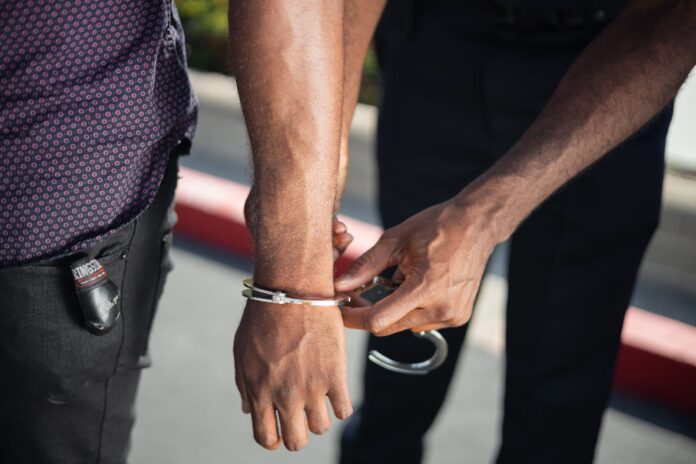
Four men, including Caribbean nationals, charged in Miami-Dade for immigrant smuggling

Four Jamaicans arrested in Alabama for alleged involvement in lottery scam

Four individuals were charged in connection with an alien smuggling operation off the coast of Miami-Dade County, federal authorities announced Wednesday. The case followed a high-speed maritime pursuit during which law enforcement disabled the vessel to bring it to a stop.

According to court records, the defendants are Theron Don Mills, 26, of The Bahamas; Oswaldo Sisa Heredia, 39, of Ecuador; and Joel Perez-Matos, 41, and Pablo Antonio Alvarez Rodriguez, 33, both of the Dominican Republic. They appeared in court Monday after attempting to evade authorities while transporting multiple undocumented migrants toward the U.S.

The vessel, operated by Mills, was first detected about 21 miles east of Miami-Dade County, heading west toward shore. On March 11, just before midnight, a Customs and Border Protection (CBP) Air and Marine Operations (AMO) vessel located it about two miles offshore. Despite lights and sirens, the vessel fled. Agents initially fired warning rounds and, when the vessel still did not stop, fired disabling rounds into the engine, bringing it to a halt.

Fifteen undocumented migrants were aboard the center-console vessel. They were transferred to the U.S. Coast Guard Cutter WILLIAM FORES for biometric screening and records checks, which revealed that all four defendants had previously been deported from the U.S.

All four are charged with illegal re-entry of a deported alien. Mills faces an additional charge of encouraging and inducing aliens to enter the U.S. as the vessel’s operator. If convicted, Mills could face up to five years in prison on the inducement charge, while each defendant faces up to two years on the illegal reentry charges.

The remaining 11 undocumented migrants were not charged and were repatriated to The Bahamas.

U.S. Attorney Jason A. Reding Quiñones and Acting Special Agent in Charge José R. Figueroa of Homeland Security Investigations (HSI), Miami Field Office, made the announcement. The case is being investigated by HSI Miami with assistance from CBP AMO and the U.S. Coast Guard, and is being prosecuted by Special Assistant U.S. Attorney Tanner Stiehl.

Former Fort Lauderdale tennis coach sentenced to 20 years for sexually exploiting students

sentenced to over 18 years in US prison

A former Fort Lauderdale tennis coach was sentenced to 20 years in federal prison after pleading guilty to coercing and enticing two minors to engage in sexual activity, the U.S. Attorney’s Office for the Southern District of Florida announced Tuesday.

U.S. District Judge Melissa Damian handed down the 240-month sentence to 33-year-old Daniel James Riggs on Thursday.

“Children and parents trust coaches with more than athletic instruction. They trust them with safety, guidance, and character,” said U.S. Attorney Jason A. Reding Quiñones. “This defendant abused that trust in the most disturbing way imaginable, using his position to groom and sexually exploit the very students he was supposed to mentor. Twenty years in federal prison reflects the seriousness of that betrayal. The Southern District of Florida will continue to pursue predators who target children and ensure they face the full weight of the law.”

Court records indicate Riggs worked as a tennis coach for Team Riggs at a Fort Lauderdale tennis center, where both victims were his students. He used multiple social media accounts to engage the minors in sexually explicit conversations. Law enforcement traced several of these accounts through subscriber and billing records. The criminal conduct occurred from roughly 2021 until Riggs’ arrest in late 2024.

The case was investigated by the FBI’s Miami Field Office, and prosecution was handled by Assistant U.S. Attorney Camille Smith. The announcement was made by U.S. Attorney Reding Quiñones and FBI Miami Special Agent in Charge Brett D. Skiles.

Court revokes citizenship of Haitian man in $3.8 million COVID-19 relief scam

Miami citizenship classes

A Haitian-born man has had his U.S. citizenship revoked after defrauding COVID-19 relief programs of millions and hiding his criminal activity during the naturalization process, the U.S. Attorney’s Office for the Southern District of Florida announced Tuesday.

U.S. District Judge Rodney Smith revoked the citizenship of 25-year-old Joff Stenn Wroy Philossaint of Fort Lauderdale, ruling that he illegally obtained naturalization by making false statements to immigration authorities.

“United States citizenship is one of the greatest privileges our nation can offer, and it must be earned honestly,” said U.S. Attorney Jason A. Reding Quiñones. “This defendant built his path to citizenship on false statements while stealing millions from programs meant to keep small businesses alive during the pandemic. The court’s order revoking his citizenship restores accountability and reinforces a simple principle: if you lie to obtain immigration benefits and commit federal crimes, you will lose what you unlawfully gained.”

Between April 2020 and May 2021, Philossaint fraudulently obtained COVID-19 relief funds through companies he owned or controlled and by preparing loan applications for others in exchange for kickbacks. The applications contained false statements about applicants’ revenues and payroll. In total, he and his co-conspirators submitted 40 fraudulent loan applications, securing about $3.8 million in proceeds. Philossaint personally received roughly $549,000 through the scheme.

Philossaint applied for U.S. citizenship in February 2020. During a sworn naturalization interview on December 15, 2020, he concealed his involvement in the fraud and falsely denied committing crimes or misrepresenting information to obtain public benefits. He was granted citizenship on February 9, 2021.

He was later charged on September 8, 2022, with conspiracy to commit wire fraud, two counts of conspiracy to launder money, and unlawful procurement of citizenship. Philossaint pleaded guilty to the conspiracy charges, and a jury found him guilty of unlawfully obtaining citizenship. On June 26, 2023, he was sentenced to 50 months in federal prison.

The citizenship revocation, ordered February 23, 2026, followed a motion by the U.S. Attorney’s Office. The case was investigated by the SBA Office of Inspector General, U.S. Secret Service, FBI, IRS Criminal Investigation, and Homeland Security Investigations. Assistant U.S. Attorneys Marc Osborne and Shannon O’Shea Darsch handled the prosecution.

NHT to offer more support for young Jamaicans, says PM holness

NHT jamaica

The National Housing Trust (NHT) will roll out a series of measures starting July 1 to make homeownership more accessible for frontline workers and younger Jamaicans, Prime Minister Dr Andrew Holness announced Thursday.

The changes include lower mortgage rates for teachers, nurses, firefighters, and members of the security forces. Borrowers with five to ten years of service will see their interest rates drop by 1%, while those with over ten years of service will receive a 2% reduction.

Young buyers under 35 will benefit from a bigger share of homes under the NHT schemes, with a minimum of 20% of units reserved for them—double the previous allocation. The NHT will also provide advances of up to $2 million to help with down payments on open-market properties.

In addition, the Home Improvement Loan program will now be more accessible, with the waiting period reduced from seven years to five. This allows homeowners to more quickly access funds for home maintenance, security upgrades, green energy improvements, and property expansions.

Prime Minister Holness said these initiatives are part of fulfilling promises made ahead of last year’s general election, supporting essential workers, and creating more opportunities for young Jamaicans to enter the housing market.

Guyana minister urges CXC to focus on critical thinking in AI era

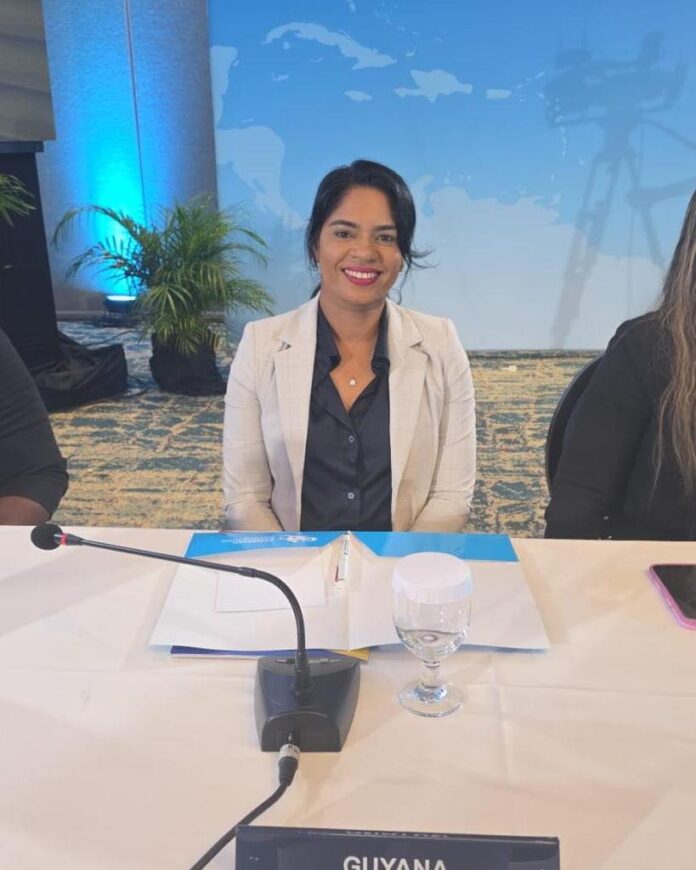
Guyana’s Minister of Education, the Honourable Sonia Parag

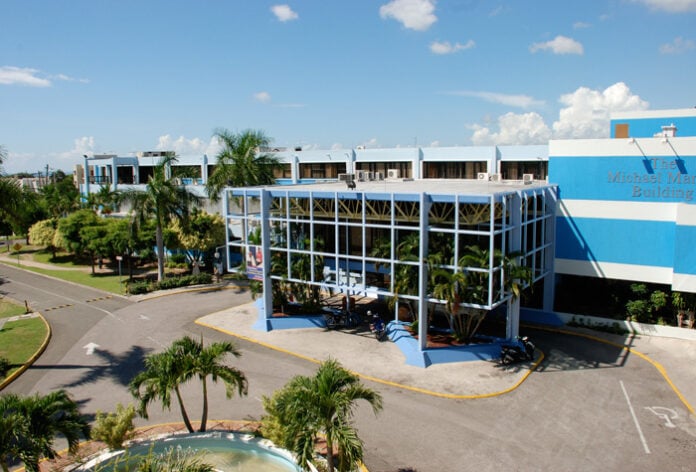
At a time when answers to complex questions can be sourced in seconds through AI tools, Guyana’s Minister of Education, the Honourable Sonia Parag, has called for assessment reform across the Caribbean Community (CARICOM), urging a shift away from traditional “test-taking” models.

“When a machine can generate an answer, the value shifts from the answer itself to the thinking behind it,” Minister Parag said at the inaugural CXC Regional Education Conference on Wednesday evening in Kingston, Jamaica.

She noted that artificial intelligence can quickly produce essays, create high-quality images and video, and solve complex problems, making traditional metrics of academic success increasingly outdated.

Minister Parag stressed that the region must pivot from rewarding memorisation to validating critical thinking, where students are able to question, verify, and defend their logic within a real-world Caribbean context. She said the goal is to stimulate curiosity rather than academic exhaustion, ensuring assessments capture a child’s thought process.

“Connectivity without competency is merely noise,” she cautioned, highlighting that digital access does not automatically translate to understanding.

As head of the CARICOM Council for Human and Social Development (COHSOD) – Education, Minister Parag emphasised that reforms must remain anchored in literacy and numeracy. “If a child cannot read with comprehension, then an e-library offers little value. And if a student cannot reason with numbers, then the promise of coding, data analysis and digital innovation becomes inaccessible,” she said.

She also stressed that AI is a support system, not a replacement for teachers. “An algorithm can provide a fact, but it cannot provide the mentorship, the emotional intelligence, or the moral guidance that a Caribbean teacher brings to a developing mind,” Minister Parag said.

The minister highlighted technology’s potential to level the academic playing field. “Digital platforms allow for a democratisation of knowledge where a student in a remote riverain community or a hinterland village like Aishalton can access the same high-quality resources as a student in a city centre,” she noted.

Congratulating CXC for hosting the inaugural forum, Minister Parag called it a timely and necessary step toward a future where technology supports, rather than replaces, critical thinking. She expressed confidence that once a balance between AI and foundational skills is achieved, the Caribbean can move from keeping pace with digital change to redefining the future of education.

Minister Parag also called for a second phase of the forum to shift from dialogue to delivery, with regional teams drafting the policies and frameworks needed to modernise Caribbean education. For her, the true measure of success will be tangible changes in classrooms across the region.

Study finds cocaine, caffeine and painkillers in sharks off Eleuthera, Bahamas

Boy injured in suspected shark attack in St. Kitts

Sharks off the coast of Eleuthera have been found with traces of cocaine, caffeine and common painkillers in their blood, according to a new study highlighting the growing impact of human pollution on marine life in The Bahamas.

The peer-reviewed research, published in Environmental Pollution, detected what scientists describe as “contaminants of emerging concern” in several shark species inhabiting nearshore waters. The study marks the first recorded presence of caffeine and acetaminophen in sharks globally, and the first detection of diclofenac and cocaine in sharks in The Bahamas.

Researchers analysed blood samples from 85 sharks, including tiger, blacktip, Caribbean reef, Atlantic nurse and lemon sharks. Four substances — caffeine, cocaine, acetaminophen and diclofenac — were identified in 28 sharks across three species: Caribbean reef sharks, Atlantic nurse sharks and lemon sharks.

Caffeine was the most frequently detected compound, found in multiple individuals across all three affected species. Cocaine appeared in two sharks, while acetaminophen and diclofenac were detected in smaller numbers but across multiple species.

Scientists say the findings are particularly concerning because sharks are apex predators that play a critical role in maintaining marine ecosystems. In The Bahamas, they also support a significant tourism industry centered on shark diving and conservation.

The study focused on coastal sites in south and central Eleuthera, with the highest concentrations of contaminants recorded near an aquaculture cage. Researchers suggest the pattern reflects human activity, including vessel traffic and wastewater discharge, particularly in areas popular for shark-diving excursions.

While the study does not confirm that these substances are directly harming sharks, it identified differences in biological markers between contaminated and uncontaminated animals. These variations may point to changes in metabolism or stress responses, though researchers caution that no direct cause-and-effect relationship has been established.

They also noted that the contaminants were found only in some animals and that blood samples mainly indicate recent exposure rather than long-term buildup.

Even so, the presence of these substances underscores the expanding reach of human-derived pollution in Bahamian waters. Researchers point to tourism development, coastal housing and wastewater discharge as likely sources, with caffeine identified as a key indicator of human contamination.

The study was conducted by scientists from the Cape Eleuthera Institute and international partners, using non-lethal methods to collect and analyse shark blood samples before releasing the animals back into the wild.

Flights resume between Dominican Republic and Venezuela after nearly two-year suspension

US authorities seize Venezuelan government plane in the Dominican Republic

Commercial flights between the Dominican Republic and Venezuela resumed on Wednesday, marking the restoration of direct air connectivity between the two countries after nearly two years.

Venezuelan carrier Laser Airlines restarted operations, with a flight from Caracas landing and later departing from Las Américas International Airport, re-establishing a key route between both capitals as part of bilateral agreements.

The route will operate three times weekly — Wednesdays, Fridays and Sundays — as the airline gradually rebuilds the air bridge between the two countries.

Flights between the Dominican Republic and Venezuela had been suspended since July 2024, when operations were halted amid diplomatic tensions, disrupting passenger travel, cargo movement and consular services.

Although the reactivation of flights had been authorised since February by the Civil Aviation Board under a bilateral agreement, operations only became effective with the arrival of the first flight, identified as QL 2968 in the airline’s schedule.

The resumption represents a significant step in restoring mobility, trade and connectivity between the two countries following the prolonged suspension.

Japan provides U$667,000 to support forcibly returned Haitian migrants

Haitian migrants
In 2025, more than 73,000 Haitians were forcibly returned through the Ouanaminthe border crossing in Haiti, many arriving in extremely vulnerable conditions. Photo: IOM/2026 In 2025, more than 73,000 Haitians were forcibly returned through the Ouanaminthe border crossing in Haiti, many arriving in extremely vulnerable conditions. Photo: IOM/2026

The Government of Japan has provided a financial contribution of US$667,000 to the International Organization for Migration (IOM) to support a new humanitarian project targeting forcibly returned Haitian migrants.

The project, “Providing Comprehensive Assistance to Forcibly Returned Haitian Migrants,” aims to address the urgent needs of returnees amid widespread insecurity, prolonged political instability, and severe economic hardship in Haiti.

The funding will strengthen reception, protection, and assistance services at key border points across the country, particularly in Anse-à-Pitres, Belladère, Cap-Haïtien and Ouanaminthe. It will also support improvements to water, sanitation, and hygiene (WASH) facilities in these priority locations.

“The Government of Japan has been a steadfast partner, demonstrating continued solidarity with the people of Haiti during this challenging time,” said Gregoire Goodstein, IOM’s Chief of Mission in Haiti. “This contribution will enable IOM and partners to provide critical assistance to migrants returning in extremely vulnerable conditions, while strengthening essential infrastructure and services at key border crossings.”

The project is designed to deliver immediate humanitarian assistance and structured support to migrants arriving in highly vulnerable conditions. Planned activities include first-line reception and screening, identification of specific vulnerabilities, basic medical assistance, mental health and psychosocial support, referral to protection services, and limited transportation assistance to help migrants safely return to their communities of origin.

Particular attention will be given to the most vulnerable groups, including unaccompanied children, pregnant women, breastfeeding mothers, elderly persons, and migrants requiring urgent medical care.

“This support reflects Japan’s continued commitment to standing alongside the Haitian people during a particularly challenging period. It will enable the delivery of essential humanitarian assistance to individuals facing extremely difficult conditions upon their return to Haiti,” said UENO Yohei, Chargé d’Affaires at the Japanese Embassy in Haiti.

The migration situation remains deeply concerning. Close to 200,000 Haitians were forcibly returned to the country in 2024, while the figure rose to more than 270,000 between January and December 2025, representing a 36 per cent increase compared to the previous year. According to recent reports, more than 51,900 Haitians have already been forcibly returned since the beginning of 2026.

Most returns originate from the Dominican Republic, as well as the United States, Bahamas and Turks and Caicos Islands. Many forcibly returned migrants arrive with little or no resources, facing heightened protection risks, deteriorating health conditions, and significant psychological distress.

All activities will be carried out in close coordination with national and local authorities, including Office National de la Migration, Institut du Bien-Être Social et de Recherches, Police Nationale d’Haïti, and the Ministère de la Santé Publique et de la Population, along with humanitarian partners operating in the field.

Japan’s support builds on its longstanding humanitarian engagement in Haiti. In 2021, following the devastating earthquake affecting the southern departments, Japan allocated US$900,000 in emergency assistance, enabling support over 3,800 households, rehabilitation of health facilities, and expanded community awareness efforts on disaster preparedness and recovery.

Through this new contribution, Japan and the International Organization for Migration reaffirm their shared commitment to preserving human dignity, strengthening border stability, and supporting Haiti in addressing current migration challenges.

PM holness announces smaller increase to Jamaica’s minimum wage

Jamaica’s Prime Minister Andrew Holness announced on Thursday that the country’s minimum wage will increase from $16,000 to $17,000, effective July 1, a smaller rise than the previously planned $18,500.

Speaking during the Budget Debate in the House of Representatives, Holness cited the ongoing recovery from Hurricane Melissa, the rebuilding of businesses, and external economic pressures, including rising energy and shipping costs, as reasons for the adjustment.

The revised increase raises the minimum wage by $1,000 rather than the $2,500 initially proposed. Holness said that the adjustment does not represent a departure from the Government’s long-term policy objective to transition from a minimum wage to a living wage.

“Last year, we signalled our intention to continue the journey from a minimum wage to a livable wage, and we indicated that the next step would be to increase the minimum wage to $18,500,” Holness said. “However, in the aftermath of Hurricane Melissa, many of our businesses are rebuilding, many households still recovering, and the economy is now navigating yet again another external shock in terms of energy prices and shipping costs.”

He added: “In this context, the Government believes it is important to strike the right balance by continuing to improve the earnings of workers while recognising the realities employers face.”

Holness said “the government remains committed to the transition from a minimum wage to a livable wage, and as economic conditions stabilise, we will continue the phased increases necessary to realise that vision of the Jamaican worker.”

Ahead of last September’s general election, Holness pledged that, if returned to office, the Jamaica Labour Party administration would gradually raise the minimum wage from $16,000 to $18,500 in the first budget, with a long-term goal of eventually doubling it to $32,000 per 40-hour work week.

Holness argued at the time that gradual increases encourage more Jamaicans to enter the labour force and support long-term economic growth.

Gully meets Gaza at Reggae Sumfest: A historic reunion set for St. Ann

From Kingston street corners to Brooklyn basements, from London dance floors to Nairobi sound systems, a single question is echoing across the global diaspora: Are you going to be there?

On Saturday, July 18, 2026, at Plantation Cove in Ocho Rios, dancehall’s most defining rivalry will transform into its most powerful reunion when dancehall’s two biggest icons — Vybz Kartel and Mavado — share the same stage for “A Taste of Reggae Sumfest,” billed as a one-night spectacle already being called the most important dancehall event of the modern era.

At the center of this cultural earthquake stands business entrepreneur Joe Bogdanovich, the chief architect behind some of the biggest moments in Jamaican music over the past decade. And make no mistake, this didn’t happen by accident.

“The vision really started with the music itself,” Bogdanovich explained to Caribbean National Weekly. “Dancehall has a spirit and energy that is unmatched anywhere in the world, and that energy is what continues to inspire everything we do.”

For Bogdanovich, this moment is deeply personal and historical.

“This year marks ten years since we took ownership of Reggae Sumfest. In that decade, we’ve worked tirelessly to elevate the brand and create moments that celebrate the very best of Jamaican music and culture.”

Speaking about “A Taste of Reggae Sumfest,” Bogdanovich shared, “Bringing Vybz Kartel and Mavado together on one stage is about capturing that magic again. This is not just a concert, it’s a celebration of a defining era in dancehall.”

The man who made the impossible possible

In an industry where egos, history, and loyalty often collide — like the saga playing out between Buju Banton and Wayne Wonder on social media globally — many believed a reunion of Gaza and Gully was simply too big, too complicated, too impossible.

Bogdanovich disagreed. He is now ready to deliver.

“At the end of the day, it comes down to relationships, trust, and consistency,” he said.

He boasts a résumé few promoters in the business can match, including a historic sold-out crowd for Kartel at the National Stadium in Kingston and sold-out Reggae Sumfest showcases during his tenure leading the festival.

“Those successes build confidence among artistes and their teams,” he explained. “So when it came time to bring Kartel and Mavado together again, the foundation was already there.”

But beyond logistics, Bogdanovich sees something bigger at play:

“Sometimes moments like this feel bigger than business. I truly believe God has guided many of the things we’ve been able to accomplish in Jamaica.”

From rivalry to reunion

For more than a decade, Gaza vs Gully wasn’t just music — it was identity, loyalty, and cultural energy. Now, that energy returns, evolved.

“We want to be very clear — this is not a rivalry or a clash,” Bogdanovich emphasized. “What fans will witness is something much more meaningful — a reunion.”

And that distinction matters.

“Both Kartel and Mavado have matured and evolved. This is about celebrating the music that came from that era. This is about legacy and unity.”

The anticipation isn’t just industry hype. It’s being echoed across airwaves and timelines.

Veteran broadcaster Jimmy Bascom of Supa Jamz radio in South Florida didn’t hesitate when asked about the impact.

“I believe the combination of both dancehall artists and their followers will create an epic Reggae Sumfest,” Bascom said.
“Dancehall rivalry has always churned the engine of the island’s culture… and these two artists have navigated both local and international markets. That opens the door for massive global movement — both culturally and economically.”

On social media, the reaction has been explosive, with fans sharing iconic one-liners:

“Mi book mi flight already. History cyaan repeat twice!”
“This one bigger than sides!”
“If yuh miss this, yuh miss dancehall history forever.”
“Jamaica summer just win again. No debate.”

Why St. Ann?

With Montego Bay still recovering from hurricane damage, the decision to move the event raised eyebrows — until the announcement that Plantation Cove would host the show.

“Jamaica needs us here,” Bogdanovich said. “Plantation Cove offers a larger, scenic venue capable of accommodating an event of this magnitude.”

And the symbolism is just as powerful as the setting.

A one-night showcase. A new location. A new chapter. A historic reunion.

From Toronto to Tokyo, the diaspora is mobilizing.

“Dancehall is a global language,” Bogdanovich noted. “Artists like Kartel and Mavado have fans in every corner of the world.”

And they are coming.

“Many people plan their summer vacations around Sumfest, and this gives them another reason to come home and reconnect with the culture.”

Airlines are being booked. Hotels will be filled. WhatsApp groups are buzzing. This is no longer just an event — it’s a pilgrimage.

For many, the night carries an added emotional charge.

“This will be the first time seeing Mavado perform live in Jamaica in years,” Bogdanovich said. “That alone is powerful.”

Now add Kartel.

“Kartel is a lyrical genius… one of the most influential artistes Jamaica has ever produced. He connects with people on a deeply human level.”

Bogdanovich, known for surprises, is promising more.

“There will definitely be a few surprises on the night,” he teased. “But some things are better experienced live.”

Then comes the line that has already become the event’s unofficial slogan:

“If you want to witness history, be at Plantation Cove.”

This is not nostalgia. This is not a clash. This is not even just Reggae Sumfest. This is dancehall at its highest level — unified, global, and unstoppable.

On July 18, 2026, under the St Ann sky, two icons will stand side by side — not as rivals, but as legends. And for those who understand the culture, the message is simple: You don’t watch this moment online. You don’t hear about it after. You don’t miss it. You be there.


US expands visa bond program to 50 countries, including Grenada

us-visa Ireland imposes visa requirement on Trinidad

The United States (US) Department of State says it is expanding its visa bond program to apply to a total of 50 countries, including Grenada, on April 2, in a move aimed at “combat illegal overstay rates”.

The State Department said on Wednesday that the program will require foreign nationals from these countries to post a bond of US$15,000 before receiving B1 or B2 visas for business and tourism in the United States.

“The bond will be returned to visa recipients who return home in compliance with the terms of the visa and the bond or does not travel,” the State Department said.

Besides Grenada, the State Department said the new countries included in the visa bond programme are Cambodia, Ethiopia, Georgia, Lesotho, Mauritius, Mongolia, Mozambique, Nicaragua, Papua New Guinea, Seychelles, and Tunisia.

The State Department said these countries join 38 nations that are already included in the visa bond programme.

The Caribbean countries already included are Antigua and Barbuda, Dominica and Cuba.

Others, which are largely African countries, comprise Algeria, Angola, Bangladesh, Benin, Bhutan, Botswana, Burundi, Cabo Verde, Central African Republic, Cote d’Ivoire, Djibouti, Fiji, Gabon, The Gambia, Guinea, Guinea Bissau, Kyrgyzstan, Malawi, Mauritania, Namibia, Nepal, Nigeria, Sao Tome and Principe, Senegal, Tajikistan, Tanzania, Togo, Tonga, Turkmenistan, Tuvalu, Uganda, Vanuatu, Venezuela, Zambia, and Zimbabwe.

“The visa bond programme has already proven effective at drastically reducing the number of visa recipients who overstay their visas and illegally remain in the United States,” the State Department said.

It said nearly 1,000 foreigners have been issued visas under the programme, and that 97 per cent of bonded travellers have returned home from the United States on time.

The State Department said it may continue to place visa bonds on countries based on a range of immigration risk factors.

“The expanded visa bond program saves the American taxpayer hundreds of millions of dollars every year,” it said, noting that it costs the US taxpayer over US$18,000 on average to remove an immigrant illegally present in the United States.

“The Department of State is saving US taxpayers up to US$800 million per year that would otherwise be required to remove these aliens who overstay,” the statement added.

City of Miami officials to break ground on 135-unit affordable housing project in Liberty City

Yaeger Plaza

City of Miami Chairwoman and District Five Guyanese-American Commissioner Christine King, along with the City’s Department of Housing & Community Development, will join Miami-Dade County Mayor Daniella Levine Cava and The Integral Group for the groundbreaking of Yaeger Plaza, a new affordable rental development in Liberty City. The ceremony is scheduled for Wednesday, March 25, 2026, at 10 a.m.

Located at 1177 NW 62 Street, the 1.25-acre site became available after several property owners leased their lots to the developer for 99 years, enabling the project to move forward. The development is named in honor of the former Yaeger Clinic, a neighborhood medical facility that provided decades of healthcare to the Liberty City community. The clinic has been demolished, and a new healthcare facility will be incorporated into Yaeger Plaza.

“Yaeger Plaza is another example of thoughtful, strategic development,” said Chairwoman King. “Marrying healthcare with affordable housing and commercial retail opportunities reflects my top priorities for District Five.”

The City of Miami contributed $3 million from the Miami Forever General Obligation Bond (GOB) and is leasing one of the site’s parcels to the developer. Miami-Dade County provided just over $2 million in Surtax funding.

Once completed in 2029, the $59.6 million development will feature 135 affordable rental units for families earning 22% to 80% of Area Median Income (AMI). The building will also offer approximately 10,000 square feet of community-serving space to support programming for residents.

Seedorf and Kluivert lend star power to Suriname’s World Cup quest

Patrick Kluivert and Clarence Seedorf

Suriname’s pursuit of a historic first appearance at the FIFA World Cup is receiving a powerful boost from two of the Netherlands’ most celebrated football figures.

Dutch legends Patrick Kluivert and Clarence Seedorf have pledged to lend their experience and insight as Suriname prepares for a decisive stretch in its qualification campaign.

The South American nation faces Bolivia in a crucial inter-confederation play-off in Mexico City on March 26. Victory would send them into a final showdown with Iraq at the same venue on March 31, with a coveted place in the tournament at stake.

The expanded World Cup will be staged across Canada, Mexico, and the United States from June 11 to July 19.

Advisory roles, not official titles

While neither Kluivert nor Seedorf will occupy formal positions within the Surinamese football structure, both have made clear their willingness to support the program as the nation inches toward a landmark moment.

According to team General Manager Brian Tevreden, their involvement will revolve around offering guidance and promoting the team’s ambitions internationally.

“It is not an official position. Clarence will remain a member of the supervisory board at the Dutch federation but he will support me as a sounding board and as an ambassador for Suriname. Just like Patrick Kluivert,” Tevreden said.

“They both want to contribute ideas and see how we can further improve the path we have taken.”

Deep Caribbean connections

Seedorf’s link to Suriname runs deeper than advisory support. The former midfield maestro was born in Paramaribo before moving to the Netherlands at the age of two.

He went on to earn 87 international caps for the Dutch national team, playing a key role during an era that included a semi-final run at the 1998 FIFA World Cup.

Kluivert, meanwhile, scored 40 goals for the Netherlands during a prolific international career. The former striker also shares family ties with the country, as his father was born in Suriname.

Their shared heritage and global stature add a symbolic dimension to their support of the nation’s football ambitions.

A rebuilt technical team

Suriname’s current push for World Cup qualification comes amid significant changes to the team’s leadership.

Former head coach Stanley Menzo stepped down after the team fell short of securing direct qualification last November.

He has since been replaced by Henk ten Cate, who has begun assembling a coaching group rich in international experience.

Among the additions are former Dutch internationals Winston Bogarde and Jimmy Floyd Hasselbaink, strengthening a staff built to guide Suriname through the high-pressure final stages of qualification.

A nation chasing history

For Suriname, the upcoming play-off matches represent more than just a chance at tournament entry, they offer an opportunity to reach the global stage for the first time.

With elite football minds now lending their expertise and encouragement, the nation’s quest for a historic World Cup debut has gained both momentum and star power.

BVI government to maintain Cuban health program amid regional challenges

Cuban medical missions
Cuban medical brigade

The British Virgin Islands government has confirmed it will continue its agreement with Cuban medical professionals, despite a gradual reduction in personnel and growing regional pressure to reconsider such programs.

BVI Health Services Authority (BVIHSA) CEO Dr June Samuel said no directive has been issued to terminate the territory’s long-standing relationship with Cuban Medical Services.

“The Virgin Islands currently maintains an existing contractual arrangement with the Cuban Medical Services. At this time, there has been no directive issued to terminate this agreement,” Dr Samuel told BVI News.

She noted, however, that the programme’s presence is gradually decreasing. One Cuban doctor and three nurses are scheduled to leave this year as part of routine rotations and will not be replaced. Three other Cuban doctors and four nurses will remain within the territory’s healthcare system.

Dr Samuel also clarified that the Authority is not actively recruiting new personnel through the Cuban program at this time, emphasizing that workforce planning remains a priority.

“The BVI Health Services Authority continues to assess its staffing needs in the context of its broader workforce planning and remains committed to ensuring continuity of quality healthcare services for the people of the Virgin Islands,” she said.

The BVI’s decision comes amid a broader regional shift, as several Caribbean countries respond to increased United States pressure to reconsider participation in Cuba’s overseas medical missions. In recent months, Jamaica, Guyana, and The Bahamas have ended their programmes, while Panama has also taken steps to distance itself from similar arrangements.

Cuba’s medical missions have for years provided vital support to small and developing nations by supplying doctors and nurses to underserved areas, in exchange for a portion of salaries paid to its nationals. Renewed scrutiny from the US has raised concerns about labour conditions and the structure of these agreements, alongside warnings that countries maintaining such programmes could face US restrictions.

Oakley blazes to world-leading 400m as Jamaicans shine at NCAA Indoor Championships

Dejanea Oakley

Jamaican athletes delivered an impressive series of performances at the NCAA Division I Indoor Track and Field Championships, with Dejanea Oakley, Shenese Walker, and Tyrice Taylor capturing titles during a high-quality weekend of competition in Fayetteville, Arkansas.

Across sprints, middle-distance events, and field competitions, Jamaican collegiate athletes made their presence felt, recording personal bests, podium finishes, and a world-leading performance that underscored their growing impact on the U.S. collegiate track circuit.

Oakley produces a world-leading masterclass

The most electrifying moment came in the women’s 400 meters, where Oakley delivered a sensational performance.

Representing the University of Georgia, the former Clarendon College standout surged to victory in a personal-best and world-leading 49.47 seconds, announcing herself as one of the fastest quarter-milers in the world this season.

The time eclipsed the previous global best set earlier this year by Amber Anning, who had posted 50.51 seconds.

Oakley’s teammate Shaquane Foote also impressed in the same race, finishing fifth with a personal-best 51.13 seconds, further highlighting the strength of Jamaica’s sprint tradition at the collegiate level.

Walker continues sprint dominance

In the women’s 60 meters, Walker extended her excellent run of form with a commanding victory.

Competing for Florida State University, the Jamaican sprinter stopped the clock at 7.08 seconds, comfortably securing the title.

She finished ahead of Adaejah Hodge of the University of Georgia, who placed second in 7.15 seconds.

Hodge would later rebound in spectacular fashion, claiming the women’s 200 meters crown with a world-leading 22.22 seconds.

Walker’s Florida State teammate Gabrielle Matthews, a former student of The Queen’s School, finished second in the 200 meters in a personal-best 22.55 seconds.

Taylor triumphs in tactical 800m

Jamaica also celebrated victory in the men’s middle-distance ranks.

Tyrice Taylor, a former standout from Enid Bennett High School, claimed the men’s 800 meters title while competing for the University of Arkansas.

Taylor surged through the finish in a personal-best 1:46.00 minutes, narrowly defeating teammate Rivaldo Marshall, the former Calabar High School standout, who clocked 1:46.12 minutes for second place.

Beyond the track, Jamaican athletes also delivered impressive performances in the field events.

Former Calabar High School thrower Kobe Lawrence, competing for the University of Oregon, produced a personal-best throw of 20.50 meters in the men’s shot put to secure a podium finish.

Meanwhile, former St Jago High School standout Shantae Foreman, representing Clemson University, recorded 13.80 meters in the women’s triple jump to also claim a top-three placing.

Another podium finish came from Demario Prince, the former St Jago High School sprint hurdler now competing for Baylor University. Prince finished third in the men’s 60-meter hurdles final, clocking 7.55 seconds.

Jamaica’s collegiate pipeline continues to deliver

The performances in Fayetteville once again highlighted the strength of Jamaica’s track and field pipeline, with former high school stars transitioning seamlessly into elite collegiate competition.

With three event victories, multiple podium finishes, and several personal bests, Jamaican athletes left an unmistakable imprint on the NCAA Indoor Championships, a sign that the island’s next generation of track stars is already flourishing on the global stage.


215 Kenyan police return from Haiti

haiti police
Kenyan police officers and their counterparts from the MSS Haiti mission during an operational brie on May 21, 2025. Photo MSS Haiti

A contingent of 215 Kenyan police officers returned to Kenya on Tuesday night after completing their deployment in Haiti, where they were part of the United Nations-backed Multinational Security Support (MSS) Mission aimed at stabilising the country.

“Two hundred and fifteen police officers, who formed the second contingent of the Multinational Security Support (MSS) Mission to Haiti, have safely returned home. The officers were part of our 2023 deployment to support efforts to stabilise Haiti and assist the Haitian National Police in restoring public order in areas affected by insecurity,” the Ministry of the Interior said in a statement.

The officers were welcomed at Jomo Kenyatta International Airport by Inspector General Douglas Kanja, Interior Principal Secretary Raymond Omollo, and other senior security officials.

Their return coincides with a transition in the MSS mission. The first contingent of the Gang Suppression Force (GSF), composed of Chadian troops currently being trained in the United States, is scheduled for deployment to Haiti on April 1.

“The deployment will begin on April 1st, and the full GSF deployment will reach 5,500 troops by October 2026,” said Dominican Republic Foreign Affairs Minister Roberto Álvarez, following a briefing with the US ambassadors to Haiti and the Dominican Republic.

Under the new arrangement, Kenyan personnel will be withdrawn gradually as the Chadian contingent is phased in.

Gang violence in Haiti has severely undermined security, displacing an estimated 1.5 million people, many already affected by extreme poverty. Political instability and weak governance have also contributed to regional security concerns, including drug and weapons trafficking and migration.

The United Nations has emphasised that any lasting political solution must be Haitian-led. Efforts are underway to support Haitian authorities in organising municipal, parliamentary, and presidential elections. Haiti has not had an elected president since the assassination of Jovenel Moïse on July 7, 2021.

The UN’s designated expert on human rights in Haiti, William O’Neil, said the ongoing crisis has caused “massive suffering for the Haitian people, especially the most vulnerable.” He added that “the liberation of territory from gangs and a more ‘motivated and visible’ police presence are offering a glimmer of hope for Haitians amid ongoing violence and insecurity.”

The Provisional Electoral Council (CEP) has registered 320 political parties and organisations for the upcoming election and is expected to publish the final list of qualified entities on March 26. Authorities hope elections will be held later this year.

Kenya first deployed an initial contingent of 400 officers to Port-au-Prince on June 25, 2024, in a move aimed at helping restore order in a country plagued by armed gangs and political uncertainty.

Shaggy credits Sting for pushing him out of his comfort zone ahead of ‘The Last Ship’ musical

Shaggy Sting

Dancehall icon Shaggy says collaborating with Sting on the upcoming musical The Last Ship has reinforced the importance of stepping outside his comfort zone.

“It’s growth. Every time you become uncomfortable, that’s growth. A hamster in a wheel is comfortable being in a wheel, but the wheel goes nowhere. So you should aim for the uncomfortable,” the It Wasn’t Me singer told American actress Sherri Shepherd during her daytime talk show.

Shaggy and Sting are set to perform on the Metropolitan Opera stage later this year and recently visited the venue to promote their upcoming production. The pair posed for a photo call on Thursday, March 12, in New York City before performing a medley of All This Time and The Last Ship on The Tonight Show Starring Jimmy Fallon.

The musical, a revised version of Sting’s Broadway production from 2014, is rooted in his childhood in the shipbuilding town of Wallsend, England. The Last Ship tells the story of a community of shipbuilders facing the closure of their shipyard—the heart of their existence. Sting stars as Jackie White, the shipyard’s foreman, whose failing health threatens his ability to lead the community. The show will run at the Metropolitan Opera from June 9 through June 14, following performances in international cities including Paris and Brisbane.

Describing Sting as “the brother I never knew I needed,” Shaggy credited the musician with encouraging him to embrace the challenge.

“He has more faith in me than I have faith in myself sometimes. There is a part of him that enjoys putting me in uncomfortable situations…but he was also betting on me because he convinced the company that I was the guy for it, and when we went there and started killing it, he was like ‘I told you so,’” Shaggy said.

The reggae star noted the show has been a hit abroad, with more than 60,000 tickets sold for performances in Paris and sold-out shows in Amsterdam.

Shaggy also shared insight into his upcoming album, Lottery, explaining its title reflects his philosophy of betting on himself.

“It’s really me betting on myself, going against the grain and making music outside. I was criticised by reggae purists because I wasn’t doing dancehall and reggae in its authentic form. I did hybrids. Funny enough, dancehall now is pretty hybrid. Just like Bob Marley’s music back in the day, they used session musicians to play rock music over Marley’s songs, and those very recordings are now the blueprint of what reggae music is,” he said.

More men reporting domestic violence in Jamaica, JCF says

Jamaica police force JCF

The Jamaica Constabulary Force (JCF) says more men are coming forward to report incidents of domestic violence, as awareness increases around support services available to male victims.

Head of the JCF’s National Domestic Violence Intervention Unit, Deputy Superintendent of Police Jacqueline Dillon, said an increasing number of men have been reaching out directly to the police for assistance.

She was speaking to JIS News during the JCF Domestic Violence Unit’s Cross-Country Tour stop in Mount Salem on Saturday, March 14.

“We have, for the last couple of years, seen males coming to us directly. Some of them will not visit the centres; what they will do is call via telephone. Some of them will send you an email,” she said.

DSP Dillon noted that some men have also been contacting the unit from overseas.

“Just recently, I got an email from a male who is not in Jamaica but abroad, and so we have had males coming to us because I think many men now realise that there’s hope for them when it comes to domestic violence perpetrated against them,” she explained.

National data underscores the scale of the issue. In 2023, about 8,500 domestic violence cases were reported in Jamaica, with roughly 6,000 handled through dedicated centres. Domestic violence remains widespread, with nearly four in 10 women experiencing intimate partner violence.

Prime Minister Andrew Holness has also noted that around 20 per cent of reported cases involve male victims, reinforcing the importance of ensuring that men feel supported in coming forward.

In 2025, Dr Holness said his administration is committed to tackling domestic violence and the culture of aggression that has taken root in Jamaican communities, noting that addressing these issues is critical to building a peaceful and safe society.

He emphasised that violence is not only a public safety issue but also a deeply rooted social problem that continues to undermine the nation’s quality of life.

“In many communities across Jamaica, particularly in the inner city, many of our women and children are suffering serious abuse. Some of our men are also experiencing serious domestic abuse. Believe it or not, 20% of the cases reported are of men being abused,” the Prime Minister stated.

Importantly, the Prime Minister also raised concern about the culture that discourages men from speaking out about abuse, noting that this long-standing mindset has contributed to a wider societal problem.

DSP Dillon further pointed to advocacy efforts by the JCF aimed at ensuring male victims are able to seek help.

“The fact that the JCF has pushed to ensure that men have a voice when it comes to reporting incidents of domestic violence, we continue to see those increases,” she said.

“Last year we had an increase over the year before, and based on what is happening now, I am surmising that this will happen for this year,” DSP Dillon indicated.

28,000 Jamaicans living with HIV as government targets 40% reduction in new infections

HIV/AIDS

The Jamaica Ministry of Health & Wellness (MOHW) has launched Jamaica’s National Strategic Plan for HIV (2023–2030), outlining steps to reduce new HIV infections by 40 per cent by 2030.

The plan, unveiled on February 9, is aimed at strengthening the country’s response to HIV and advancing efforts toward epidemic control.

Delivering the keynote address at the launch, Minister of State, Krystal Lee, said the strategy provides a clear roadmap for tackling the disease.

“Our prevalence rate stands at around 1.1 per cent and an estimated 28,000 people are living with HIV. Our response then must be broader and more impactful than ever before. The vision is for a Jamaica free of new HIV infections and AIDS. This National Strategic Plan is grounded in shared responsibility, human rights, and sustainability,” the State Minister said.

Jamaica has made notable progress in its HIV response, including a 35 per cent reduction in new infections since 2010, high levels of HIV status awareness, and the elimination of mother-to-child transmission of HIV and syphilis in 2024. However, challenges such as high rates of sexual activity among adolescents, as well as stigma and discrimination, continue to create gaps in service delivery.

“We will scale the prevention tools that work: condoms, targeted outreach, HIV testing and self-testing, post-exposure prophylaxis, and pre-exposure prophylaxis for those at substantial risk,” the State Minister noted.

The launch also coincides with Safer Sex Week, being observed from February 9 to 13, 2026 under the theme, “Tek Charge: Safer Sex with Endless Possibilities!” Jamaicans are being encouraged to take responsibility for their sexual health by making informed choices and accessing prevention and treatment services early.

Members of the public are urged to use condoms consistently and correctly, know their HIV status through regular testing, and reduce the number of sexual partners. Adolescents are also being encouraged to delay sexual activity.

Recent data underscores the urgency of the issue. In 2024, approximately 1,100 people contracted HIV in Jamaica, with about 25 per cent of new infections occurring among young people aged 15 to 24. Jamaica is also one of four countries contributing to 90 per cent of new infections in the Caribbean.

Of the estimated 28,000 people living with HIV—about 1.1 per cent of the population—roughly 15,000 are not on treatment, while only 14,000 are virally suppressed, raising concerns about gaps in care and treatment coverage.

The Ministry said the Strategic Plan is expected to drive a more coordinated national response, with a focus on prevention, expanding treatment access, and reducing stigma.

Cutting-edge brain stimulation technology launched in Jamaica

Dr O’Neil Dacres (right), corporate relations manager at JN Bank, has the captive attention of husband and wife and co-founders of Everbrook Brain Institute and Cognitive Clinic, Dr Steve Lawrence (left), a technology, curriculum, eLearning, AI and research expert and Dr Francene Gayle (second left), consultant stroke neurologist.

The introduction of advanced brain stimulation technology at the Everbrook Brain Institute and Cognitive Clinic is being hailed as a major breakthrough for neurological care in the Caribbean.

The clinic and its technology were recently launched at the Development Bank of Jamaica (DBJ), which provided funding through JN Bank to support the project.

The facility was co-founded by Dr Francene Gayle, a consultant stroke neurologist and former chief medical officer at Andrews Memorial Hospital, along with her husband, Dr Steve Lawrence.

Located at 80 Lady Musgrave Road in Kingston, the clinic will offer a multidisciplinary approach, bringing together neurologists, psychologists and neuropsychologists to support patients with complex brain health conditions. Central to its services is transcranial pulse stimulation, a non-invasive technology that uses Magnetic Resonance Imaging to direct acoustic pulses to targeted areas of the brain.

According to Dr Gayle, the technology is expected to transform treatment for a range of neurological and mental health conditions, including stroke, traumatic brain injury, autism spectrum disorder, depression, post-traumatic stress disorder, long COVID syndrome, insomnia, as well as Alzheimer’s disease and Parkinson’s disease.

Dr Gayle pointed to global data highlighting the urgency of improving neurological care.

“In 2024, the Lancet Neurology defined that 43 per cent of the world’s population have a neurologic diagnosis,” she said, noting that this represents an increase from 18 per cent in 1990.

“Eighty per cent of the global burden of neurologic disorders rests within low to middle-income countries. For far too long, the treatment of all of those disorders was determined by geography, meaning that in high-income countries, there were 70 times more neurologic health care practitioners than in low to middle-income countries.”

She said the facility will help position Jamaica as a regional hub for advanced neurological care.

“Everbrook is uniquely positioned because we’re not just a local clinic, we are a Caribbean beacon. We’re actually going to be a premier destination for North American patients who have not yet had access to this technology.”

Dr Gayle emphasised that research will be a central pillar of the clinic’s work.

“We’re building a commitment to research that is unwavering. We’re not just applying existing protocols, we’re generating new [protocols] and we’re documenting and we will be presenting and informing, because this is disruptive technology.”

She also highlighted the role of Earl Jarrett, then general manager of the Jamaica National Building Society, who in 2012 provided a grant that supported the acquisition of a plasmapheresis machine, which helped save lives during the chikungunya and zika epidemics associated with Guillain-Barré Syndrome.

Managing director of the Development Bank of Jamaica, Dr David Lowe, said the DBJ is proud to support the initiative, describing it as a strong example of healthcare innovation.

“Every time I see something like this, I think of one more thing that makes Jamaica fall outside the traditional stereotype; a place of knowledge, of innovation, a place of possibilities,” he said.

Dr Lowe added that facilities like Everbrook will expand access to specialised care locally.

“By expanding access to these advanced therapies, you don’t have to go overseas. Right here, we can now bring that type of opportunity to our shores for people who are in need. It’s elevating specialised care that makes it so monumental and so important at this time. It creates so many other opportunities for other medical practitioners.”

“In a world that’s changing rapidly, we need to be competitive and solutions-oriented. We have to recreate those opportunities here,” he said.

Dr O’Neil Dacres, corporate relations manager at JN Bank, also welcomed the development.

“This is an important step in expanding how neurological conditions can be treated in our beloved country. Advances in brain health are opening new possibilities for patients and families facing complex neurological challenges. The introduction of Everbrook Brain Institute and Cognitive Clinic represents an encouraging development in modern medicine, offering innovative approaches that can improve quality of life.”

As a financial partner alongside the Development Bank of Jamaica, JN Bank said it remains committed to supporting healthcare innovation.

“Investments in healthcare innovation are ultimately investments in people, families and stronger communities,” Dr Dacres maintained.

Miramar City Hall offers convenient US passport services for residents

City of Miramar

The City of Miramar is reminding residents that U.S. Passport Book and U.S. Passport Card services are available at Miramar City Hall, offering a convenient option for those preparing for international travel.

The City Clerk’s Office, located at 2300 Civic Center Place, serves as an official U.S. Passport Acceptance Facility, allowing residents to apply for a new passport without leaving their community. Staff are available on-site to guide applicants through the process in a professional setting.

“Residents don’t have to travel far for passport services,” said Denise Gibbs, City Clerk. “We are proud to offer this important service directly at City Hall, providing convenience, expert guidance, and the opportunity for residents to choose the passport option that best fits their travel needs.”

Officials are also encouraging residents to understand the differences between the two passport options before applying.

The U.S. Passport Book is valid for international travel by air, sea, or land, while the U.S. Passport Card is limited to land and sea travel to destinations including Canada, Mexico, the Caribbean, and Bermuda, and cannot be used for international air travel. The card is wallet-sized and can be used in designated “Ready Lanes” for faster land border crossings.

Both documents are REAL ID-compliant and can be used as valid identification for domestic flights. Adult passports are valid for 10 years, while those issued to children under 16 are valid for five years.

City officials say the service is ideal for residents planning vacations, cruises, business trips, or those simply looking to be prepared for future travel.

More information and appointment booking details are available on the City of Miramar’s official website.

The Atlantic Bridge: How Ireland finally got a seat at the American jackpot table

Behind a”buy” button is a massive, layered ecosystem of high-end software and international financial rails. It’s a fascinating look at how global systems actually work when they’re pushed to be seamless.

At the heart of this are licensed digital platforms that act as a bridge. These aren’t just random websites; they operate inside a very strict legal framework. Their whole job is to be the technological link between a user in Ireland and a licensed ticket-buying entity in the States.

When you pick your numbers for something like the Powerball, the platform’s backend sends an instant instruction to a partner in the U.S. That ticket is then bought—either physically or digitally—in total compliance with local American laws. You get a secure confirmation linked to that specific transaction. From a tech perspective, this requires perfectly synced databases and high-level APIs. It’s not just a website; it’s a coordinated infrastructure stretching across the Atlantic that allows playing American Powerball in Ireland.

The “Invisible” Fintech Layer

The real hero of international access is probably fintech. Moving money across borders involves currency conversion, fraud checks, and staying on the right side of both EU and U.S. financial rules.

When you pay in Euros, a payment gateway handles the exchange rate math in milliseconds. Behind the curtain, licensed processors route that cash through secure banking networks using encryption standards like TLS 1.3. Because of European rules like PSD2, you’ll usually see multi-factor authentication (SCA) to make sure it’s actually you. What’s impressive is how invisible this feels. You see a clean interface and a “success” message, but in reality, dozens of verification layers and anti-money laundering algorithms just ran a background check on the transaction.

Cloud Power and Keeping in Sync

These platforms live on the cloud. Instead of one lonely server, they use a distributed network of data centers. This is what keeps the site from crashing when a jackpot hits a billion dollars and everyone tries to log in at once.

When the results are pulled in America, they’re sent out via official data feeds. APIs grab that data and sync it instantly with your dashboard in Ireland. By using Content Delivery Networks (CDNs) and “edge” nodes—basically processing data at hubs closer to you—the latency is almost zero. A user in Cork can see the verified results almost the exact same moment they’re published in the U.S. It’s all about optimized data routing.

The Boring (But Critical) Regulations

Joining a digital draw across an ocean isn’t just about the connection; it’s about the compliance. Platforms have to be 100% sure you are who you say you are and that you’re of age. This is where “RegTech” comes in.

When you set up an account, automated KYC (Know Your Customer) systems scan your ID using optical character recognition and AI models to make sure the document is legit. Every single transaction and ticket reference is logged in an encrypted database. Some companies are even playing with blockchain-based timestamping to make sure the records are impossible to tamper with. For you, it’s just an ID upload. For the tech, it’s a complex workflow designed to satisfy two different legal regimes at once.

Olympic star Jereem Richards leads Trinidad and Tobago’s charge at World Indoors

jereem richards

Veteran quarter-miler Jereem Richards will spearhead Trinidad and Tobago’s challenge at the upcoming World Athletics Indoor Championships, as the Caribbean nation prepares to send a compact but talented four-member squad to the global showpiece in Toruń.

Richards, affectionately known as “The Dream,” headlines the national team for the 21st staging of the championships, which will take place from March 20 to 22 at the Kujawy-Pomorska Arena.

The team was officially unveiled on Friday by the National Association of Athletics Administrations, setting the stage for Trinidad and Tobago’s participation at one of track and field’s premier indoor competitions.

A proven champion returns

At 32, Richards brings a wealth of experience and pedigree to the squad.

The Trinidad and Tobago star captured global attention when he won the 400 meters title at the 2022 World Athletics Indoor Championships, cementing his place among the sport’s elite indoor quarter-milers.

His return to the championships places one of the country’s most accomplished athletes at the forefront of the team’s medal aspirations.

While Richards provides veteran leadership, the remainder of the squad reflects the next generation of Trinidad and Tobago athletics.

Leah Bertrand, 23, will contest the women’s 60 meters, bringing explosive speed to the short sprint event.

In the field events, Tyra Gittens, 27, will compete in the long jump, where she has consistently demonstrated world-class ability.

Meanwhile, 21-year-old middle-distance runner Nathan Cumberbatch will represent the country in the 800 meters, adding youthful energy to the squad’s lineup.

Support team set for international campaign

The athletes will be supported by an experienced management and medical team as they prepare for the demanding championship environment.

Olympic medalist Jehue Gordon will travel as team manager, while Donavan Spotsville will serve as coach. Nicole Fuentes-Charles has been appointed as the team medic.

The Trinidad and Tobago delegation is scheduled to depart Port of Spain on Monday and will return home on March 23 following the conclusion of the championships.

With a former world champion leading the charge and a group of emerging talents eager to make their mark, Trinidad and Tobago heads to Poland determined to compete with the world’s best.

For Richards and his teammates, the World Athletics Indoor Championships represent another opportunity to showcase Caribbean excellence on the global athletics stage, and perhaps bring home more hardware.


Trinidad-born filmmaker Janelle Abraham earns historic recognition from Hard Rock International

Janelle Abraham

Trinidad-born filmmaker Janelle Abraham has become the first woman from Trinidad and Tobago to be recognized by Hard Rock International through its Global Women Empowerment initiative, developed in partnership with The Coca-Cola Company.

The Global Women Empowerment initiative spotlights women shaping the music and entertainment industries, placing Abraham among international creatives whose behind-the-scenes work influences the culture of modern music and visual storytelling.

Abraham’s path into film and music visuals is deeply rooted in Caribbean heritage. She is the daughter of the late calypso icon Samuel ‘Brigo’ Abraham, whose songs, including Doh Beat Mama Popo, Limbo Break, and Voodoo Man, remain enduring staples in Trinidad and Tobago’s musical history. While her father helped define a generation of calypso, Abraham has built her own reputation behind the camera, carving out a career that connects Caribbean creativity with the international entertainment landscape.

Over the years, she has directed more than 85 music videos, working with artists such as Method Man, Wyclef Jean, Flavour N’abania, Shaggy and Papoose. Her work also extends to film and television, including producing Dope Fiend, currently streaming on Peacock. She also developed a soon-to-be-released television project, The Promoters, which is presently in post-production.

As an immigrant who navigated homelessness and single motherhood, Abraham said the recognition reflects years of persistence and faith.

“I’m honoured and grateful for this highlight. It’s been a long journey filled with a lot of hard work and faith, and to experience a moment like this is really special,” she said. “I truly believe it’s all in God’s timing, and I’m thankful for the opportunity.”

As her career continues to expand across film, television and music visuals, Abraham’s recognition signals growing visibility for Caribbean creatives on the global stage. For Trinidad and Tobago, her achievement underscores the country’s far-reaching cultural influence, with storytellers like Abraham carrying that legacy into the international entertainment industry.

What to expect after a personal injury deposition

lawyer personal injury claim

A deposition is one of the most important steps in a personal injury case. Your testimony is recorded under oath and can shape how the entire case unfolds. Once it’s done, the process doesn’t stop; several key steps follow, such as case evaluation, settlement negotiations, and preparation for trial if needed.

Depositions are part of the discovery phase of civil litigation, where both sides gather evidence before trial. They help attorneys understand the facts, assess credibility, and prepare for settlement or court. Knowing what happens after a deposition helps you stay calm and make smart decisions as your case moves forward.

Here’s what typically comes next and what you should be paying attention to.

Reviewing and Correcting the Transcript

After the session ends, a court reporter produces a written transcript of everything that was said. A deposition is sworn out-of-court testimony used during discovery and can, in limited circumstances, be used at trial.

You usually have the right to review the transcript and flag any errors. This is done through what’s called an errata sheet. You can correct genuine mistakes in wording, but you can’t use it to change the substance of your answers.

Your attorney will advise you on how to handle corrections properly. Any significant change to your answers without a clear reason could actually raise questions about your credibility.

What the Other Side Does With Your Testimony

The opposing attorney will study your transcript closely. They’re looking for inconsistencies, anything that weakens your claim, or statements they can use to challenge your version of events.

If your answers at trial differ from what you said during the deposition, they will bring it up. That’s why reviewing your transcript early and flagging anything unclear is so important.

Settlement Talks Often Follow

Depositions often push both sides toward negotiation. The U.S. courts explain that judges actively encourage parties to reach a settlement to avoid the time and cost of trial. Your deposition gives both sides a clearer picture of the strengths and weaknesses of the case.

If the deposition went well for you, it can strengthen your position at the settlement table. If it raises issues, your attorney will work with you to address them before going further.

Discovery Continues After Your Deposition

Your deposition is one part of discovery, not the end of it. The other side may still request medical records, employment history, financial documents, or depositions from other witnesses.

Expert witnesses such as doctors, accident reconstruction specialists, or economists may also be deposed. Your attorney may depose the defendant and their witnesses during this same period.

All of this builds the strongest possible picture of what happened and what your losses are.

Trial Preparation or Final Settlement

Once discovery wraps up, both sides reassess their positions. Many personal injury cases settle at this point, once the full picture of liability and damages is clear.

If no agreement is reached, your attorney will begin preparing you for trial. That means reviewing your deposition, going over likely questions, and making sure your testimony stays consistent with what you said before.

What to Do Next: Steps After Your Deposition

  1. Request a copy of your transcript and review it carefully for errors.
  2. Note any corrections on the errata sheet before the deadline passes.
  3. Avoid discussing your testimony on social media or with anyone outside your legal team.
  4. Keep attending all medical appointments; gaps in treatment can be used against you.
  5. Stay in close contact with your attorney as settlement talks or trial prep begin.

Key Takeaways

  • Your deposition transcript is a legal document that can be used at trial if your story changes.
  • You have the right to review and correct the transcript before it becomes final.
  • Opposing attorneys will analyze your testimony for inconsistencies or weaknesses.
  • Settlement negotiations often happen shortly after depositions are completed.
  • Discovery continues; more documents, records, and witness depositions may follow.
  • Consistency between your deposition and trial testimony is critical to your credibility.
  • Stay off social media and only discuss the case with your attorney.