Home Blog Page 35

T&T battle back but fall to Gabon in dramatic penalty showdown

football

Trinidad and Tobago’s FIFA Series campaign ended in disappointment on Monday in Tashkent, Uzbekistan, as Trinidad and Tobago were eliminated by Gabon in a dramatic 3-2 penalty shootout.

Despite a heroic brace from Levi Garcia, the Caribbean side could not prevail after the match ended 2-2 in regulation and extra time at Pakhtakor Central Stadium.

The result left T&T bottom of the four-team standings with just one point from two matches, a frustrating outcome after glimpses of promise in open play.

Gabon strike first

The match began with Trinidad and Tobago asserting early control, moving confidently against the 81st-ranked Gabon. A golden opportunity arrived in the 21st minute when Real Gill found himself through on goal but failed to convert past goalkeeper Francois Bekale.

Gabon capitalized on T&T’s momentary lapse in concentration. In the 32nd minute, captain Guelor Kanga seized a loose ball at the top of the Trinidadian penalty area and fired past an outstretched Jabari Brice to give the visitors a shock lead.

Garcia levels, Gabon responds

The second half brought a swift response. Rio Cardines delivered a pinpoint cross to the near post, and Garcia rose high to head home the equalizer in the 52nd minute, igniting hope among the Trinidadian faithful.

Gabon, however, wasted little time in regaining their advantage. Just a minute later, Edin Matouti unleashed a thunderous 30-yard left-foot drive that left Brice helpless, putting the visitors back in front at 2-1.

The match took a dramatic turn when Gabon were reduced to 10 men in the 54th minute after Samake Bagnama received his second yellow card. T&T, sensing opportunity, pushed forward with renewed urgency.

In the dying moments, Cardines’ free-kick from the right found Dantaye Gilbert, who executed a diving header that landed perfectly for Garcia to finish, leveling the score at 2-2 and sending the contest into extra time.

Penalty shootout heartbreak

Extra time saw neither team able to find the decisive goal. The outcome was left to penalties, where tension reached its peak. Brice denied Noah Lemina and Johan Obiang, keeping Trinidad alive, but it was Garcia who faltered, missing the final spot kick and handing Gabon a 3-2 shootout victory.

In a match where there was no technical wizardry or sideline imagination to turn the tide, T&T’s efforts fell agonizingly short, leaving players and fans to rue a contest that might have been won with just a fraction more composure.

Despite the loss, Garcia’s heroics and the team’s spirited fight against 10-man opposition provided encouraging signs for Trinidad and Tobago’s young squad. With one point in the group, lessons have been learned, and the side will look to regroup for future FIFA Series tournaments.


Bicknell rockets up ITF rankings after Las Vegas triumph

Jamaica’s Davis Cup Blaise Bicknell

Jamaica’s top tennis talent, Blaise Bicknell, showcased his growing dominance on the ITF circuit this past weekend, clinching the M25 title in Las Vegas with a commanding 6-3, 6-2 victory over American Ronit Karki.

The win capped off a flawless campaign, leaving the 24-year-old in confident form as he continues his climb up the global rankings.

Bicknell’s performance was a follow-up to his February triumph at the M15 event in San Jose, Costa Rica, and represents another step forward in a career revitalized after a significant setback.

Prior to his resurgence, Bicknell had reached a career-high ITF ranking of 306 before a hip surgery in 2024 forced him to fall below 1,000 in the rankings. His return in 2025 marked a gradual climb, and his recent Las Vegas success propelled him 45 places to 325, a clear signal that he is regaining his pre-injury form.

Reflecting on the milestone, Bicknell said, “[I aspire] to play in the Grand Slams. All four of them. And I’m getting there.”

Las Vegas: More than a tournament

Beyond the win itself, Bicknell expressed enthusiasm for the city and the tournament environment. “It’s a great feeling to win the title. I played the ATP Challenger here last year and it’s a great city. The energy, the vibe. Great tennis courts, great facilities, and this was a really great tournament. A good amount of people came out, and I am happy to see that. It seems to be growing, and there were a lot of positives,” he remarked.

Such appreciation underscores his focus not only on results, but on building experience in competitive environments that prepare him for higher-level tournaments.

Now based in Miami, Bicknell will channel his momentum into two upcoming ATP Challenger events in Abidjan, Ivory Coast, scheduled for April 20 and 27. The goal is clear: continue improving his ranking and positioning himself closer to eligibility for the prestigious Grand Slam events.

He added a note of determination, saying, “Work hard consistently and you’ll be successful.” With his combination of skill, resilience, and ambition, Bicknell is making a compelling case that he will soon compete on tennis’s grandest stages.

Looking ahead

The Las Vegas M25 title is not just a win, it is a statement. Blaise Bicknell is signaling to the tennis world that Jamaica’s number one player is back, hungry, and capable of rising higher than ever before. His journey from recovery to contender is an inspiration, and the months ahead could mark the turning point toward his Grand Slam ambitions.


Lewis back in the fold as Red Force make tough selection calls

Rain fails to dampen Lewis’ fire as West Indies cruise past England in first ODI
Photo: CMC

In a move that blends nostalgia with current form, Trinidad and Tobago Red Force have turned to experience, recalling veteran opener Evin Lewis for the upcoming West Indies Championship.

For Lewis, it marks a long-awaited return to the four-day format at the domestic level, having last represented Trinidad and Tobago in first-class cricket back in 2017. Now 34, his inclusion signals both a reward for recent excellence and a strategic reinforcement of the batting unit.

The recall is far from sentimental.

Lewis has been in commanding form during the Trinidad and Tobago Cricket Board Premier Division Championships, compiling a string of dominant innings that demanded attention.

An unbeaten 232 against Merryboys, followed by scores of 113 versus Powergen Penal and 106 against Prisons, underlined a resurgence that selectors could not ignore.

His return also aligns with international developments, as he prepares to step in for the injured Lendl Simmons in the West Indies setup for the upcoming World T20 tournament.

High stakes, hard decisions

While Lewis’s inclusion headlines the squad, the omissions tell an equally compelling story.

Despite outstanding numbers, Jeremy Solozano and Ricky Jaipaul were both left out, decisions that highlight the intense competition for places.

Solozano amassed 593 runs in 12 matches at a remarkable average of 74.1, while Jaipaul leads the Premier Division wicket charts. Yet neither performance proved enough to secure a spot in the final 13.

Head coach Rayad Emrit acknowledged the difficulty of the selection process.

“Solozano, yes, he scored a double century. We have Evin Lewis who has over 500 runs. We have Cephas Cooper, who has been scoring runs consistently in every single tournament that he played in.

“There’s also Ricky Jaipaul, who has the most wickets so far and still didn’t make the final 13… so it is very difficult.”

Leadership and balance

The squad will once again be led by Joshua Da Silva, whose steady leadership anchors a group built on both experience and emerging talent.

With a mix of established performers and rising prospects, the Red Force appear intent on striking a balance between stability and evolution as they head into a crucial stretch of the season.

The immediate task awaits in Antigua, where Trinidad and Tobago will face the Leeward Islands Volcanoes in a three-match series beginning April 12.

With selection debates already fueling conversation, the spotlight now shifts to execution, where reputations, returns, and omissions will all be tested on the field.

In recalling Lewis while overlooking other standout performers, selectors have made their stance clear: form matters, but so does impact, experience, and fit.

Now, the challenge for the Red Force is to justify those decisions where it counts most, between the wickets.

Squad: Joshua Da Silva (captain), Cephas Cooper, Evin Lewis, Amir Jangoo, Jason Mohammed, Yannic Cariah, Terrence Hinds, Khary Pierre, Jayden Seales, Anderson Phillip, Bryan Charles, Jyd Goolie, Joshua James.


Busby backs versatile Reggae Girlz ahead of qualifiers

Reggae Girlz

With qualification within reach, the Jamaica women’s national football team enter the decisive phase of the Concacaf W Qualifiers in a position of strength, and with a squad designed for flexibility.

Two home fixtures at National Stadium, against Antigua and Barbuda women’s national football team on April 10 and Guyana women’s national football team on April 18, will determine whether Jamaica secures top spot in Group B and advances to the next stage.

Having already collected maximum points from their opening two matches, the pathway is clear. Execution now becomes the only requirement.

A squad defined by versatility

Head coach Hubert Busby Jr. has made one principle central to his selection: adaptability.

Rather than relying on rigid positional roles, Busby has assembled a group capable of shifting shape, responding to opponents, and adjusting within matches without losing cohesion.

“If you look into the squad, the likes of Jody [Brown] and Paige Bailey-Gayle, they’re very flexible. They can play in multiple positions,” he explained.

“Kameron Simmons can play in multiple positions, too, so they give us versatility.”

This is not versatility for its own sake, it is a deliberate tactical strategy.

Tactical fluidity as a competitive edge

Busby’s approach reflects a modern interpretation of the game, where positional lines blur and adaptability becomes a weapon.

“One of the things going forward is going to be players’ versatility; to be able to play in multiple positions,” he noted.

“When I say multiple positions, it’s positions that are linked… a fullback moving into a wide midfield role depending on the opposition… a central role… also playing out wide in different roles.”

Such flexibility allows Jamaica to alter formations mid-game, respond to pressure, and exploit weaknesses without the need for wholesale changes.

More importantly, it makes them unpredictable.

“It shows the flexibility and the tactical flexibility of having players like that who can do multiple things at different times… it allows for us to do different things tactically.”

Continuity with strategic tweaks

While the core of the squad remains intact from the previous outing against Nicaragua, Busby has introduced key adjustments to refine balance and depth.

Jody Brown, Vyan Sampson, Amelia Van Zanten, and Drew Spence return to the fold, adding both experience and tactical range.

Their inclusion comes as Konya Plummer misses out through injury, while Naya Cardoza and Tiffany Cameron remain unavailable due to preseason commitments with Halifax Tides FC.

The changes are measured rather than disruptive, designed to maintain rhythm while expanding options.

Maximizing player strengths

Central to Busby’s philosophy is the careful deployment of players in roles that maximize their impact.

“It’s about making sure that we put the players in their best position to get the best out of them… something that we’re conscious of,” he emphasized.

This player-first approach ensures that versatility does not dilute effectiveness but enhances it, allowing individuals to influence games from multiple areas of the pitch.

Finishing atop Group B would secure Jamaica’s place in the Concacaf W Championship, a gateway to even greater ambitions.

The tournament serves as a critical pathway to both the 2027 FIFA Women’s World Cup and the 2028 Summer Olympics.

For the Reggae Girlz, these upcoming fixtures are more than routine qualifiers, they are stepping stones toward global competition.

With momentum, depth, and tactical adaptability on their side, Jamaica approach the final stretch with confidence.

The foundation has been laid. The approach is clear. The squad is equipped.

Now, it is simply a matter of delivering when it matters most.

Squad: Goalkeepers: Sydney Schneider, Rebecca Spencer, Liya Brooks; Defenders: Tianna Harris, Chantelle Swaby, Vyan Sampson, Kameron Simmonds, Amelia Van Zanten, Allyson Swaby; Midfielders: Olufolasade Adamolekun, Atlanta Primus, Drew Spence, Trudi Carter, Deneisha Blackwood; Attackers: Kayla McKenna, Natasha Thomas, Khadija Shaw, Shania Hayles, Jody Brown, Paige Bailey-Gayle, Solai Washington, Kalyssa Van Zanten, Shaniel Buckley.


Alyssa James soars! Jamaican teen breaks into world’s top 50

Jamaica’s Alyssa James

At just 18, Alyssa James is no longer simply a promising junior, she is rapidly becoming one of Jamaica’s most formidable tennis talents.

Her latest leap in the World Junior Tennis rankings, from 65 to 42, signals more than progress. It reflects a decisive surge fueled by consistency, resilience, and a growing presence on the international stage.

Over the past three months, James has pieced together a series of standout performances across elite tournaments, steadily converting opportunity into results. Her recent campaign in Brazil proved especially significant, where she not only reached the singles quarter-finals but captured the doubles title at a prestigious J500 event, becoming the first Jamaican to achieve that milestone.

That triumph added to an already impressive résumé that now includes four ITF singles titles and five doubles crowns.

Competing among the world’s best

James’s development has been further accelerated through her selection to the International Tennis Federation Grand Slam Development Programme Touring Team.

Designed to support emerging talent on the global stage, the initiative provides access and exposure that might otherwise remain out of reach. Its mission is clear: “to provide crucial support for talented players who might otherwise be unable to compete at the level they do.”

For James, the program has opened doors to some of the sport’s most competitive arenas.

She has already tested herself at premier events, including the Orange Bowl in Florida, where she reached the doubles final, the Australian Open Junior Championships, and the high-level J500 circuit in South America.

Balancing excellence on and off the court

While her on-court achievements continue to mount, James has maintained an equally disciplined approach academically.

With a 3.74 grade point average, she has secured a place at the University of Virginia, where she will begin the next chapter of her journey later this year as a student-athlete.

It is a balance that underscores her maturity, equally committed to intellectual growth and athletic ambition.

Roots of a champion

James’s rise traces back to an early introduction to international competition.

As a nine-year-old representing Hillel Academy, she announced herself by winning her age group at the Little Mo International Tennis Tournament in Florida, a tournament named in honor of Maureen Connolly, one of the sport’s most iconic figures.

By 14, she had already etched her name into Jamaican tennis history as the first female from the island to win an ITF title, a landmark achievement that hinted at what was to come.

Now training at the renowned Mouratoglou Tennis Academy, James continues to refine her game in a high-performance environment.

Her development is closely guided by her father, Marcus James, a former player and long-serving Tennis Jamaica board member, whose experience has helped shape her steady ascent.

Together, they have built a pathway rooted in discipline, long-term vision, and international exposure.

Eyes on the grand stage

With her ranking climbing and confidence growing, James is now setting her sights on the sport’s biggest platforms.

Plans are already in motion for her to compete in the remaining junior Grand Slam events this year, including tournaments in France, the United States, and England.

Each appearance offers another opportunity, not just to compete, but to continue redefining what is possible for Jamaican tennis on the global stage.

What distinguishes Alyssa James is not simply her results, but the trajectory they suggest.

She is no longer chasing recognition, she is earning it, one tournament at a time.

And as her ranking rises, so too does the expectation that she may soon transition from standout junior to global contender.

For Jamaica, her ascent represents more than individual success. It is a signal that the next chapter of tennis excellence may already be unfolding.


Final whistle, familiar pain! Jamaica’s World Cup dream ends in extra time

Jamaica World Cup Reggae Boyz
Photo: CONCACAF

Inside Estadio Akron, the silence from one half of the stadium told the story long before the scoreboard confirmed it.

The Reggae Boyz, Jamaica’s national football team, had come within touching distance of the 2026 FIFA World Cup, only to see that dream dissolve in the most unforgiving manner.

A single goal in extra time handed the DR Congo national football team a 1-0 victory, ending Jamaica’s campaign and extending a World Cup drought that now stretches beyond a generation.

The decisive moment

For 100 minutes, the contest teetered on a knife-edge.

Then came the lapse.

From an in-swinging corner early in extra time, Axel Tuanzebe reacted quickest, redirecting the ball past captain Andre Blake to deliver the only goal of the match, and with it, a place in football history for DR Congo.

It ended a 52-year wait for the nation, which participated in the 1974 edition of the World Cup as Zaire.

Jamaica’s players stood momentarily frozen, the consequence of a single breakdown in concentration proving irreversible.

Interim Head Coach Rudolph Speid, whose contract ended at the final whistle, did not hesitate to identify the turning point.

“I think we lost concentration on a setplay and I think that made the difference between winning and losing… The players gave 100 per cent… we tried our best.”

A game of margins, a lack of ideas

Despite moments of promise, Jamaica’s attacking efforts rarely translated into sustained threat.

Statistically, they held a slight edge in possession, yet over 120 minutes, they produced just one effort on target, a telling indicator of a performance that lacked cutting edge.

More critically, there was little evidence of tactical adjustment when the game demanded it. There was no imagination, no meaningful intervention from the sidelines to alter the rhythm or unlock the Congolese defense. In a must-win scenario, the response remained predictable, dour, and ultimately insufficient.

Even as the match drifted toward extra time, Jamaica struggled to generate the kind of decisive moment required to seize control.

Early exchanges and missed chances

DR Congo signaled their intent early.

Cedric Bakambu and Meschack Elia both threatened, testing Jamaica’s defensive organization in the opening stages.

Jamaica’s clearest first-half opportunity fell to Kasey Palmer, whose goal-bound effort was deflected wide, while Leon Bailey fired narrowly off target from distance.

At the other end, Blake was called into action, producing a crucial save to deny Elia and later delivering a spectacular stop early in the second half to keep Bakambu at bay.

Around the hour mark, Jamaica enjoyed their most promising spell.

A succession of corners pinned DR Congo deep, forcing hurried clearances and creating the sense that a breakthrough might come. That moment passed, and with it, Jamaica’s momentum.

DR Congo regrouped, nearly finding the net twice, only for offside decisions to intervene.

Extra time collapse

The warning signs were there.

Within minutes of extra time, DR Congo created another opening before finally capitalizing through Tuanzebe’s decisive intervention.

Though there were brief late surges, most notably through substitute Renaldo Cephas, Jamaica never truly threatened a response.

A late miss by Edo Kayembe spared further damage, but the outcome had already been sealed.

Captain Blake, visibly emotional, summed up the mood within the camp.

“We’re very sorry we weren’t able to deliver… I thought we gave them a tough game… but we just came up short.”

Speid echoed the sentiment:

“All of us, players and coaching, tried our best… we got a few opportunities but it wasn’t to be.”

A dream delayed again

For Jamaica, the result extends a painful narrative.

Their last World Cup appearance was in 1998, and despite optimism entering this cycle, the breakthrough never came. This latest setback, following earlier qualification disappointment, only deepens the frustration.

DR Congo, by contrast, celebrates a historic return to the global stage for the first time in 52 years, advancing to face Portugal, Colombia, and Uzbekistan in Group K.

Attention now shifts to the future, both immediate and long-term.

The leadership question looms, with Speid’s interim tenure concluded, while players return to their respective clubs carrying the weight of what might have been.

Blake, however, urged perspective:

“I’m going to tell them to keep their heads up… it’s a very tough time… but hopefully we can build on this and look forward to the next one.”

Teams: Jamaica – Andre Blake, Ethon Pinnock, Richard King, Ronaldo Webster (Amari’i Bell 90th), Joel Latibeaudierre, Isaac Hayden (Ian Fray 83rd), Bobby Reid (Tyrese Hall 83rd), Kasey Palmer (Norman Campbell 91st), Leon Bailey, Tyreece Campbell (Ephron Mason-Clark 74th), Bailey Cadamarteri (Renaldo Cephas 74th)
Booked: Webster (35th), Cadamarteri (63rd)
Subs not used: Amal Knight, Jahmali Waite, Damion Lowe, Andre Brooks, Dwight Merrick, Jamal Lowe

DR Congo – Lionel Mpasi-Nzau, Aaron Wan-Bissaka, Chancel Mbemba, Axel Tuanzebe, Arthur Masuaku (Joris Kayembe Ditu 106th), Meschack Elia (Theo Bongonda 58th), Samuel Moutoussamy (Charles Pickel 120th), Noah Sadiki (Ngal Ayel Mukau 73rd), Nathanael Mbuku (Edo Kayembe 67th), Yoane Wissa (Brian Cipenga 91st), Cedric Bakambu
Booked: None
Subs not used: Matthieu Epolo, Timothy Fayulu, Rocky Bushiri, Steve Kapuadi, Fiston Mayele, Simon Banza

Referee: Facundo Tello (Argentina, substituted due to injury in the 114th)
Assistant Referees: Juan Pablo Belatti, Gabriel Chade (Argentina)
Fourth Official: Dario Herrera (Argentina)
VAR: Hernan Mastrangelo (Argentina)
AVAR: Juan Soto (Venezuela)


 

Spice honored at Georgia State Capitol during Influential Women of Georgia Day

Jamaican dancehall star Spice continues to expand her global reach after being honoured at a prestigious event in the United States.

On March 31, 2026, the entertainer revealed that she was officially invited to the Georgia State Capitol, where she received recognition for Outstanding Citizen Achievement during the Influential Women of Georgia Day.

The moment marked a significant milestone in Spice’s career, as she reflected on her journey from humble beginnings to international recognition in an emotional social media post.

Sharing her gratitude, Spice said her younger self—whom she affectionately referred to as “little Gracie”—could never have imagined reaching such heights.

“Be it known that on this Day March 31st 2026 I was invited to Georgia State Capital to be one of the honoree for an Outstanding Citizen Achievement at the Influential Women of Georgia day. Mi Dearrrrr little Gracie is here, walking into rooms I never even dreamed of. Yes Jesus,” she wrote.


View this post on Instagram


A post shared by QUEEN OF DANCEHALL (@spiceofficial)


The dancehall star also thanked several individuals involved in the event, including the Secretary of Georgia Brad Raffensperger, along with ublic relations specialist Reign Stevens, Georgia Rep. Billy Mitchell, and publicist Eboyne Jackson.

She also congratulated fellow honorees, including Rasheeda Buckner-Frost and Mariah Huq, celebrating the recognition of Black women on a prominent platform.

Spice shared a series of photos from the event on social media, giving fans a glimpse into the historic occasion at the Georgia State Capitol.

The recognition marks another major achievement for the Jamaican entertainer, who continues to build her international presence while representing dancehall music on global stages.

Grenadian diaspora mourns ‘People’s Doctor’ Dr. Roland Purcell

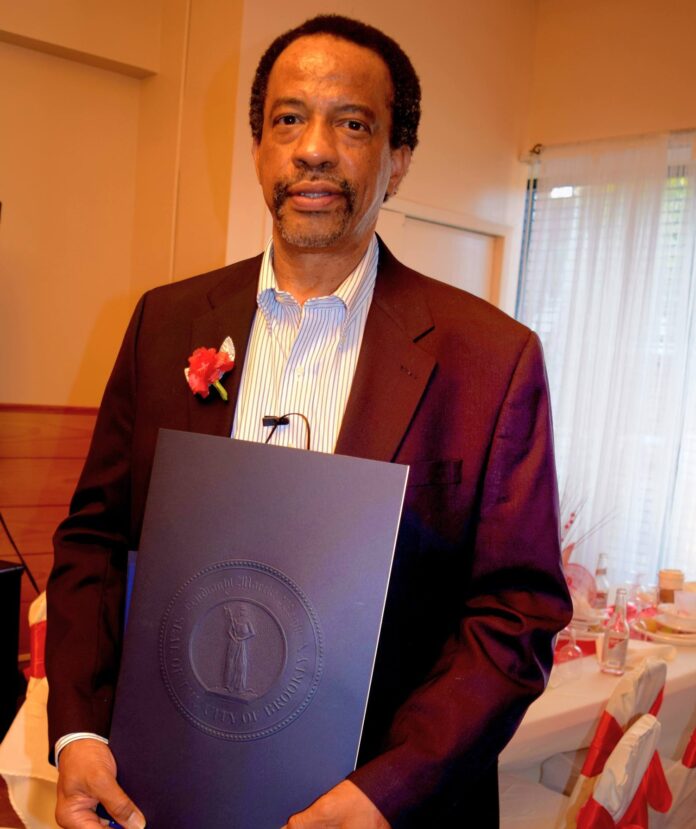
Dr. Roland Purcell, captured here at a community event in Brooklyn, NYC in 2017, at which he was awarded a Special Proclamation in recognition of his many decades of community service, much of which was done pro bono. Photo by Gerry Hopkin

Grenadians across the diaspora are mourning the passing of renowned Brooklyn-based surgeon Dr. Roland Purcell, affectionately known as “the People’s Doctor,” who died suddenly on March 25 in Brooklyn. He was 73.

Tributes have poured in from community leaders, patients and colleagues, including Grenada’s Consul General to Toronto, Gerry Hopkin, who described Dr. Purcell as a towering figure in Caribbean healthcare.

“Dr. Roland Purcell… will be remembered as an accomplished Grenadian-Caribbean-American stalwart in healthcare, who never stopped pushing for improvements in Grenada’s healthcare and medical tourism, an outstanding human being, a healer, a philosopher, a sage, and the people’s medical doctor whose practice encompassed emergency medicine, critical general surgery and vascular surgery,” Hopkin wrote in a Facebook tribute.

Hopkin, who said Dr. Purcell served as his physician for many years, recalled the personal care he provided to patients.

“Having been a surgical patient of Dr. Purcell, I can readily say that he treated each patient as an individual whose life matters and whom he cared about making whole in the best ways available,” he said.

“He got to know each patient and his or her health problem; he treated each one in a manner intentionally meant to heal, using the best available practices and encouraging faith, positive thinking and a willingness to follow healthy guidelines.”

Hopkin also reflected on the unique atmosphere in Dr. Purcell’s office, noting the calming environment and thoughtful conversations.

“I would never forget the soothing music, mostly jazz, he therapeutically played in his office, the extensive discussions we had on politics, philosophy and history, and the countless times I left his office around midnight, due to his heavy workload and his unhurried way of taking care of his patients,” Hopkin added.

“I was often the last, or one of his last patients of the day, and for me that was always a privilege which afforded meaningful, helpful and enlightening results.”

Born in Curaçao to Grenadian parents, Dr. Purcell spent his early childhood there before moving to Grenada. He attended Grenada Boys Secondary School and later studied medicine at the University of the West Indies, Mona Campus in Jamaica.

After graduating, he completed his internship at Port-of-Spain General Hospital and later worked at the General Hospital in St. George’s, Grenada. He subsequently completed a general surgery residency at Interfaith Medical Center and a vascular surgery fellowship at the Texas Heart Institute.

Dr. Purcell later returned to Interfaith Medical Center, where he served in the Department of Surgery and completed two terms as president of the medical staff. He was also affiliated with Brookdale Hospital Medical Center and SUNY Downstate Medical Center.

Hopkin extended condolences to Dr. Purcell’s family and loved ones, urging others to honour his legacy.

“May the soul of Roland Purcell, MD, rest in peace, as we celebrate his life and emulate his humane, holistic, caring, problem-solving approach to life, which was of benefit to all of his many patients, relatives, friends and colleagues,” he said.

Viewing for Dr. Purcell will be held on April 10 from 4 p.m. to 7 p.m. at Guarino Funeral Home. A reflection service will follow from 7 p.m. to 9 p.m., with a repass at American Legion Hall.

The funeral service is scheduled for April 11 at 11 a.m. at Holy Family Church.

Dr. Purcell’s passing marks the loss of a respected physician whose decades of service impacted countless lives across the Caribbean and the United States.

St. Kitts and Nevis PM emphasizes cautious approach to cannabis reform

Terrance Drew St. Kitts and Nevis
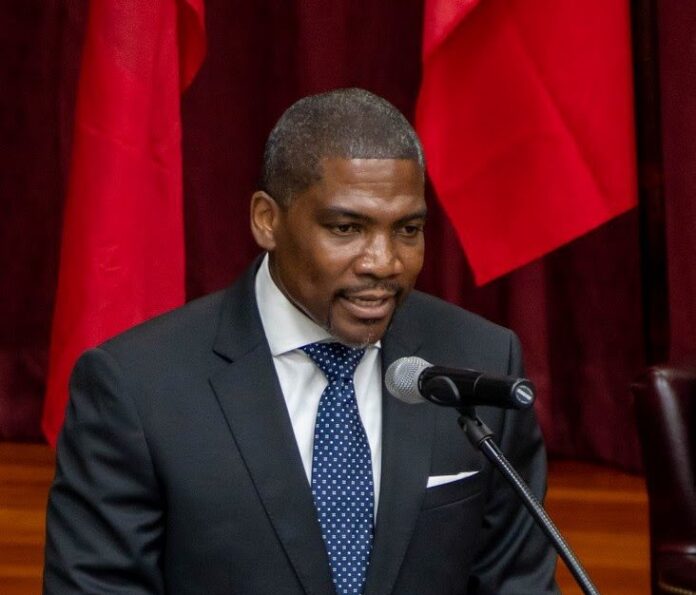
Prime Minister of St Kitts and Nevis, Hon. Dr. Terrance Drew.

St. Kitts and Nevis Prime Minister Terrance Drew has reaffirmed the Government’s cautious and measured approach to cannabis reform, stressing that any integration of cannabis into society must be handled responsibly to protect the country’s economy, public health, and social stability.

Speaking in the National Assembly of St. Kitts and Nevis on March 31, 2026, Drew said that while the Government has taken historic steps to recognise the rights of the Rastafari community and reform outdated laws, it remains mindful of potential risks if the industry is not properly managed.

“And therefore, Madam Speaker, we are being responsible with how we introduce cannabis as part of our way of life here in Saint Kitts and Nevis, it has to be done responsibly,” the Prime Minister said.

Drew noted that the Government’s legislative framework aims to balance constitutional rights with safeguards designed to prevent abuse, economic disruption, and harm to citizens. He highlighted that the administration has moved to ensure members of the Rastafari community can practise their faith without fear of criminalisation.

At the same time, the Prime Minister cautioned against actions that could undermine the country’s financial stability, particularly regarding international banking relationships. He stressed that adherence to regulations is essential to maintaining confidence in the Federation’s financial system.

“I want to say to those who are entering into this to make sure that they follow the laws, and that Saint Kitts and Nevis is seen as a country that follow the laws when it comes to the issue of cannabis,” Drew emphasised.

The Prime Minister also underscored the importance of protecting public health, noting that cannabis use, like other regulated substances, must be managed carefully, particularly to safeguard vulnerable populations.

He further addressed medicinal cannabis, stating that while there is potential for therapeutic use, strict regulation is necessary to ensure product safety and quality.

“When people get a product in Saint Kitts and Nevis for medicinal purposes, they must know that this product is regulated, that what’s in it, or what is claimed to be in it is in it, and so that the overall health is protected,” he said.

Drew concluded by urging citizens and stakeholders to act responsibly and in accordance with the law, noting that the Government’s approach is designed to protect both present and future generations.

Guyana advancing biometric passenger system at CJIA to cut processing times

Cheddi Jagan International Airport Guyana
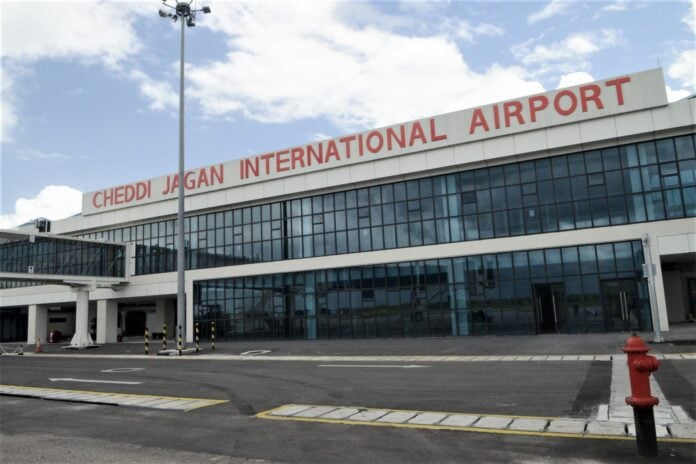
Cheddi Jagan International Airport.

The Guyana Government is advancing plans to introduce an automated passenger identification system at Cheddi Jagan International Airport (CJIA) aimed at reducing processing times for Guyanese travellers.

Minister of Public Utilities and Aviation, Deodat Indar, announced on Monday that the initiative forms part of a broader strategy to position Guyana as a regional aviation hub.

The system will be supported by the country’s national electronic identification infrastructure and will use biometric technology to identify Guyanese citizens upon arrival. Travellers will be able to move through the airport using facial recognition, which will trigger automated gates.

“We want when you come off the plane, you walk straight through. The system must recognise that you are a citizen. Your face will appear on a screen, the system will signal the gate to open, and you will walk through. You don’t have to see anybody as a Guyanese,” Indar explained.

The announcement was made during the opening of the Women in Aviation Conference 2026.

Alongside the digital upgrade, CJIA’s physical infrastructure is also being expanded and modernised as part of the government’s aviation development plans.

“Making Guyana a regional hub, you have to have the infrastructure. That is why you will see we [government] are investing heavily in the Cheddi Jagan International Airport to ensure it is modern-looking and the people of Guyana can boast that we have an airport that is truly international in shape and form,” the minister said.

Indar also disclosed that plans are in place to construct a second terminal at the airport. Designs have been completed and contractors have already been mobilised.

He added that interest from international carriers continues to grow, following a recent engagement in Brazil.

Guyana currently hosts approximately 16 airlines, a significant increase from four in 2020. These include Copa Airlines, American Airlines, Surinam Airways, and Caribbean Airlines.

“In 2020, we had four airlines. Now we have 16. That means we added 12 new airlines, which is no easy feat, and more are coming,” Indar said.

Efforts are also underway to re-establish regional routes that were affected by the collapse of LIAT.

Beyond developments at CJIA, the government is also constructing two municipal airports in Berbice and Lethem to support regional development.

The Berbice facility is expected to serve major projects in the region, including oil and gas operations, pipelines, a power plant, and infrastructure developments such as the stadium at Palmyra.

“We need an airport that can accommodate jets for now so that they can land on a 6,500-foot runway and they can leave directly from there so you don’t have to come and then drive,” the minister said.

Meanwhile, the Lethem airport is being developed with a strategic focus on handling passenger and cargo traffic from northern Brazil, further supporting Guyana’s goal of becoming a regional aviation hub.


Jamaica’s economy grew 5.1% in third quarter of 2025

IMF says economic activity in Antigua and Barbuda on ‘solid recovery path’

Jamaica’s economy recorded growth of 5.1 per cent for the July to September quarter of 2025, according to Director General of the Statistical Institute of Jamaica, Leesha Delatie-Budair.

She also reported that the economy grew by 1.1 per cent in the first quarter of 2025 and 1.7 per cent in the second quarter.

Delatie-Budair provided the update during STATIN’s quarterly press briefing held at the Terra Nova All-Suite Hotel on Tuesday (March 31).

However, she noted that the economy contracted by 7.1 per cent in the fourth quarter of 2025 following the impact of Hurricane Melissa, which struck on October 28 and caused an estimated US$8.8 billion in damage.

Delatie-Budair said the impact was reflected across both goods-producing and services industries.

“The goods-producing industries declined by 10.7 per cent, and this was largely attributed to declines in agriculture, forestry and fishing, which contracted by 17.7 per cent. The services industries contracted by 5.9 per cent. We saw all services industries recording a decline except for finance and insurance and public administration and defence,” she explained.

Accommodation and food service activities recorded the largest decline.

“This industry fell by 31 per cent and accounted for 42.4 per cent of the overall decline in the services industries,” Delatie-Budair added.

Other notable declines included electricity, water and waste management, which fell by 11.7 per cent, and wholesale and retail trade, repair of motor vehicles, and installation of machinery and equipment, which declined by 2.2 per cent.

Seven Jamaican security officers graduate from regional defence course in Washington, DC

Jamaica's Ambassador to the United States, His Excellency Major General (Ret'd) Antony Anderson (centre), shares a photo opportunity with representatives of the National Defense University in Washington DC and officers from the Jamaica Constabulary Force (JCF) and the Jamaica Defence Force (JDF) following their graduation from a two-week Caribbean Security and Defense Course at the institution's William J. Perry Center for Hemispheric Defense Studies.

Seven Jamaican defence and security officers have graduated from the William J. Perry Center for Hemispheric Defense Studies at the National Defense University in Washington, DC, after completing a two-week Caribbean Security and Defence Course.

The Jamaican cohort included five members of the Jamaica Constabulary Force (JCF) and two from the Jamaica Defence Force (JDF). They were among 52 participants representing Belize, Brazil, the Dominican Republic, El Salvador, Grenada, Guatemala, Guyana, Haiti, Jamaica, Saint Kitts and Nevis, Saint Lucia, Saint Vincent and the Grenadines, Suriname, Trinidad and Tobago, and the United States.

Representatives from the CARICOM Implementation Agency for Crime and Security and the Regional Security System (RSS) also participated.

Participants were exposed to key areas including maritime and border security, cyber domain and emerging technologies, narcotics and illicit arms trafficking, mega-event security, and inter-agency and international cooperation.

In providing an overview during the graduation ceremony, Peter Garvin noted that the course highlighted several concepts and strategies important for the region.

These included improved integration, coordination, and cooperation across areas such as intelligence sharing, technological advancement, and the effective coordination of resources to achieve both collective and individual goals.

“Most importantly, the course facilitated networking among participants from several other countries, which will enable growth, solidarity, and opportunities to tackle organised crime and terrorism,” Garvin said.

Assistant Commissioner of Police Gary McKenzie, one of the graduates, said the programme provided a valuable platform for learning and collaboration.

“The course served as another excellent platform to learn, share perspectives and consider best practices as we strengthen opportunities to cooperate and collaborate on defence and security in our region,” McKenzie said.

He added that the shared perspectives from defence and security professionals across the Western Hemisphere were particularly beneficial.

“As transnational organised networks become more interconnected and adaptive, so should our responses in the region,” he said.

The Jamaican delegation included Dr. McKenzie, Assistant Commissioner Calvin Allen, Senior Superintendent Christopher Brown, Superintendent Patrae Rowe, Assistant Security Attaché at the Embassy of Jamaica Ewon Simms, and JDF officers Lieutenant Colonel Zavian Phipps and Akeen James-Haughton.

Jamaica’s Ambassador to the United States, Antony Anderson, addressed participants during the course and also attended the graduation ceremony.

The Jamaican delegation later paid a courtesy call on Ambassador Anderson at the Embassy of Jamaica, where they participated in a networking session with United States Government officials, security and military attachés, and officers from across Latin America and the Caribbean.

The William J. Perry Center for Hemispheric Defense Studies supports a community of security and defence professionals across the Americas, fostering collaborative approaches to shared opportunities and challenges. Since its establishment in 1997, the Center has engaged more than 30,000 participants through more than 1,700 forums.

Broward insurance adjuster accused of withholding over $600,000 from Hurricane Ian victims

A South Florida insurance adjuster is facing multiple fraud-related charges after authorities say he withheld more than $600,000 in insurance settlement funds from Hurricane Ian victims.

According to arrest documents obtained by Local 10 News, 45-year-old Francisco Javier Chaparro Araus of Miramar was charged following an investigation by the Florida Department of Financial Services.

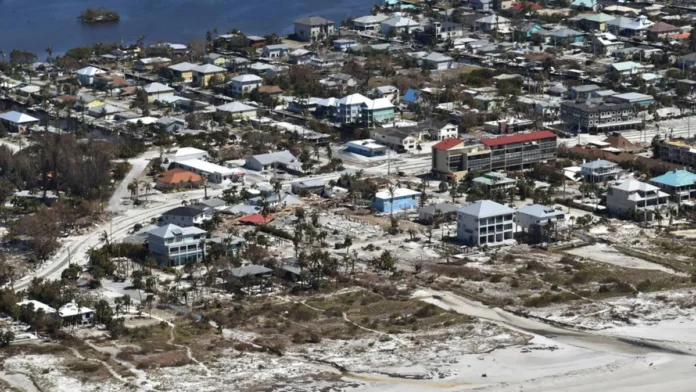
Hurricane Ian in 2022 was the deadliest hurricane to strike the state of Florida since 1935, and the strongest hurricane to make landfall in Florida since Michael in 2018.

Investigators allege that between Oct. 3, 2022, and Nov. 30, 2022, Chaparro Araus engaged in “fraudulent, unethical, and dishonest acts” while working as a public insurance adjuster in the aftermath of Hurricane Ian, which made landfall on Sept. 28, 2022, causing widespread destruction across southwest Florida and the Gulf Coast.

Authorities said Chaparro Araus, who worked for All Elements Public Adjusters LLC, allegedly solicited homeowners whose properties were damaged during the storm. According to investigators, the homeowners signed written agreements allowing him to represent them in negotiating insurance claims in exchange for a 10 percent contingency fee.

However, investigators said a review of claim files showed that while insurance companies resolved the claims and issued settlement checks, the funds were deposited into a Bank of America business account controlled by Chaparro Araus.

Authorities allege he unlawfully withheld $611,473.39 owed to 10 different policyholders.

The affidavit states the funds were later depleted through online transfers, Zelle transactions, wire transfers, debit card purchases and large cash withdrawals. Some transactions reportedly occurred at the Seminole Hard Rock Hotel & Casino and Calder Casino.

Investigators accused Chaparro Araus of misappropriating or unlawfully withholding money belonging to insured clients and beneficiaries.

Jail records show the Chilean national is facing multiple charges, including:

  • One count of obtaining property over $50,000 by fraud
  • One count of exploitation of the elderly between $20,000 and $100,000
  • Two counts of misapplying insurance premiums over $100,000
  • Six counts of misapplying insurance premiums between $20,000 and $100,000

As of Tuesday afternoon, Chaparro Araus was not listed as an inmate in Broward County jail records.

Saint Lucia records significant drop in unemployment under Pierre administration

St. Lucia Prime Minister

Saint Lucia has recorded a significant decline in unemployment since 2021, according to the latest labour data, with officials crediting economic policies implemented under Prime Minister Philip J. Pierre.

When the administration took office in July 2021, Saint Lucia was facing economic instability, supply chain disruptions, and rising inflation. Despite these challenges, the government moved forward with policies aimed at stimulating growth and expanding employment opportunities.

According to the 2025 Annual Labour Force Survey, Saint Lucia’s unemployment rate fell to 12.6 percent in 2025, down from 21.9 percent in 2021. The survey also reported an employed labour force of 100,210 in 2025 and a total labour force of 114,708 in 2024, the highest level recorded during the five-year period under review.

The data further showed that unemployment averages for 2024 and 2025 represented the first and second lowest annual levels in the past 25 years. Fourth-quarter unemployment rates of 8.8 percent in 2024 and 10.8 percent in 2025 were also the lowest recorded for that period in more than two decades.

Figures from the National Insurance Corporation (NIC) reflected similar trends. Active insured persons increased from 55,017 in 2020–21 to 60,133 in 2021–22 and 61,851 in 2022–23. Officials said the upward movement indicates more Saint Lucians entering the workforce and contributing to the national system.

Government officials also pointed to US$4.2 billion in direct investment, particularly in the tourism sector, as a major factor in job creation. The investment fueled construction activity, supported suppliers, and increased hiring across multiple industries. The labour force report indicated that Saint Lucia’s labour force expanded by 12.9 percent between 2021 and 2025, with strong gains recorded in accommodation and food services.

Several government initiatives were also cited as contributing to employment growth, including the Youth Economy Agency, the Community Tourism Agency, and the MSME Loan Grant Facility. These programs were designed to support entrepreneurs and small businesses and encourage job creation.

Officials say the figures reflect increased employment opportunities, expanded household income, and broader economic activity across the island.

The administration, which came to office with a people-first mandate, says the latest labour statistics demonstrate continued progress toward improving economic conditions and expanding opportunities for Saint Lucians.

9 Mother’s Day gifts for the mama who has it all

Mother's Day gifts

Shopping for a mom who already seems to have everything can feel surprisingly tricky. Flowers are lovely, and brunch is always appreciated, but sometimes, you want to give something that feels a little more thoughtful and is something she’ll actually use.

These days, gifts often lean into self-care, comfort, and wellness too. Many moms are exploring everything from relaxation routines to health trends, whether that’s journaling, mindfulness, or even reading about things like GLP1 supplements as part of broader wellness conversations.

If you’re stuck wondering what to wrap this year, these ideas are perfect for the mom who insists she doesn’t need anything but still deserves something special.

1. A Cozy Luxury Robe

A high-quality robe is one of those things people rarely buy for themselves but absolutely love once they have it. Look for soft materials like cotton waffle weave, plush fleece, or lightweight bamboo fabric, depending on her style.

It’s perfect for slow weekend mornings, getting ready for the day, or winding down at night. Every time she reaches for it, she’ll think about the moment she got to unwrap it.

2. A Custom Recipe Book

For moms who love to cook or bake, a personalized recipe journal can become a meaningful keepsake. You can start it off by writing in a few family favorites, holiday recipes, or dishes she’s known for making. Over time, it becomes a living record of meals that bring everyone together. It’s practical, sentimental, and something that grows more special every year.

3. A Backyard Movie Night Kit

If she loves hosting or spending evenings outdoors, a backyard movie setup can turn ordinary nights into something memorable. A portable projector, cozy blankets, and a bowl of popcorn are all you need to create an outdoor cinema vibe.

It’s a gift that becomes an experience rather than just another item. Family movie nights suddenly feel a lot more exciting.

4. A Monthly Flower or Plant Subscription

Fresh flowers have a way of brightening up any room. A subscription makes the gift last long after Mother’s Day ends.

Each delivery feels like a small surprise waiting at the door. For moms who prefer greenery, a houseplant subscription can be just as fun. It’s one of those gifts that keeps reminding her she’s appreciated.

5. A “Do Nothing” Spa Day Kit

Sometimes, the best gift is permission to relax. Put together a small at-home spa basket with a face mask, bath salts, a candle, and her favorite tea or chocolate. The idea is simple: give her everything she needs to unplug for an hour. No errands, no chores, no multitasking. Just quiet time.

6. A Memory Jar From the Family

This gift is surprisingly powerful for how simple it is. Ask family members to write down favorite memories, funny stories, or little notes about why they appreciate her. Fold them up and place them in a decorative Mason jar or vintage jewelry box. She can read them whenever she needs a pick-me-up. It’s heartfelt and completely one-of-a-kind.

7. A High-End Coffee or Tea Setup

If she starts every day with a cup of coffee or tea, upgrading that routine can feel like a small luxury. Think beautiful ceramic mugs, a milk frother, loose-leaf teas, or specialty coffee beans. Suddenly, her everyday morning drink feels like something from a café. Little rituals like that can make a big difference in how a day begins.

8. A Wellness Journal

Many moms spend so much time caring for everyone else that they forget to check in with themselves. A wellness journal creates space for reflection, gratitude, and small daily habits that support overall well-being.

Some include prompts for mindfulness, movement, goal setting, or simply writing down a few thoughts at the end of the day. It’s the kind of gift that gently encourages her to slow down for a moment and focus on herself, something many moms don’t get nearly enough of.

9. Nutrition Support

For the mom who is on a GLP-1 weight loss journey, a nutrition support subscription is a gift that truly supports her goals. GLP-1 medications can create nutritional gaps due to reduced appetite, and Replenza is physician-formulated specifically to help fill them.

It’s also non-GMO, NSF-certified, and free from artificial sweeteners. It’s a meaningful way to show mom you support her health journey every step of the way.

A Little Reminder She Deserves It

Mother’s Day isn’t really about finding the most impressive gift. It’s about showing appreciation in a way that feels personal.

Sometimes, that looks like something cozy. Sometimes, it’s an experience. Sometimes, it’s simply creating a moment where she gets to relax and feel celebrated. No matter what you choose, the thought behind the gift is what she’ll remember most.


How much does tree removal cost in North Haven, CT?

Homeowners in North Haven frequently ask about the true tree removal cost associated with taking down dead or hazardous trees. Removing a massive oak near a residential structure requires careful planning and significant financial investment. Knowing the exact baseline helps you avoid surprise charges when hiring a professional team.

Tree removal estimates generally range from $400 to well over $2,000, depending on multiple site-specific variables. Precision and safety protocols always dictate the final invoice. Understanding the local pricing structure protects your budget while ensuring your property remains completely secure during the entire extraction process.

Why Do Estimates Fluctuate So Wildly Across Town?

Every yard presents a completely unique set of challenges directly influencing the final quote. A simple sapling extraction in a clear front yard costs significantly less than dismantling a rotted pine leaning over a newly replaced roof. Companies evaluate risk before determining the required manpower.

Choosing a reliable service for tree removal in North Haven means paying for specialized expertise and liability protection. Professionals factor in municipal permit fees, disposal transportation, and seasonal demand. These elements combine to create a highly variable pricing model, shifting greatly from property to property.

What Factors Actually Drive Up Your Final Estimate?

Complex extractions require advanced planning and significant resources. Many property owners misunderstand how arborists calculate their final numbers. Specific site conditions determine the overall difficulty level. Here is a closer look at the elements involved:

How Size Impacts the Cost

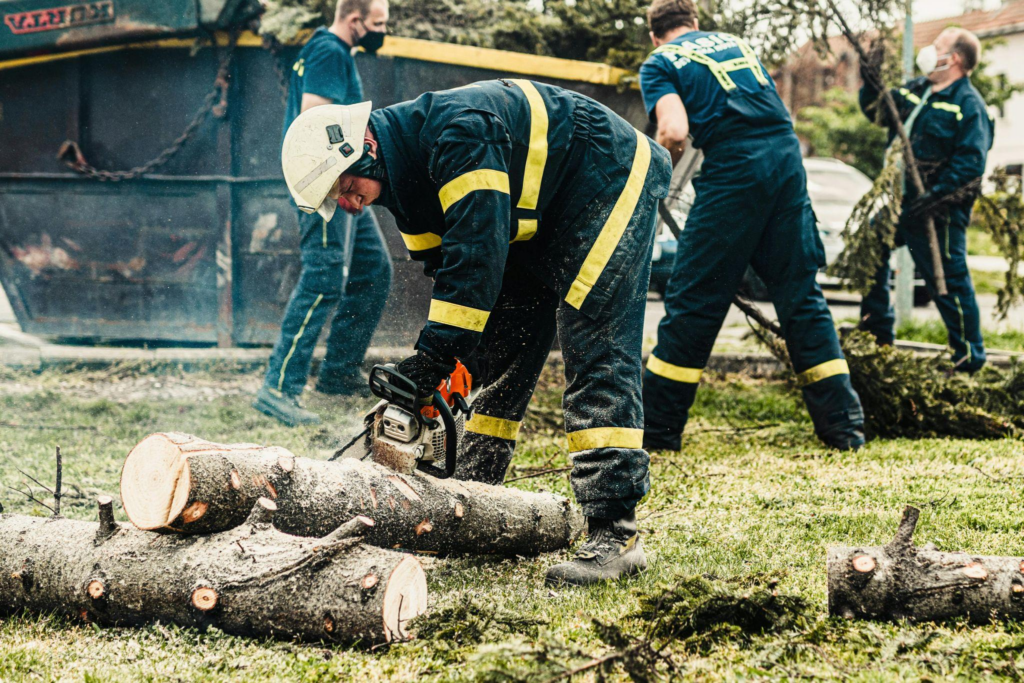
Massive trunks demand extensive labor hours and specialized rigging techniques. A fifty-foot maple requires multiple crew members to safely dismantle the canopy piece by piece. Shorter species under thirty feet allow for quicker, safer ground-level cutting, dramatically reducing the overall labor time required.

Why Location Matters Immensely

Tight spaces between neighboring fences restrict easy access for heavy machinery. When limbs extend directly over power lines or delicate garden structures, crews must implement slow-lowering methods. Clear, open fields allow machinery to pull right up, making the entire operation vastly cheaper and faster.

What Equipment Is Necessary

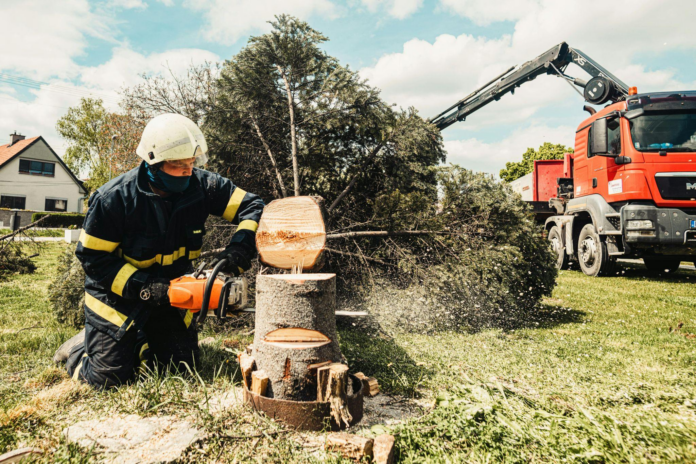
Standard chainsaws are rarely enough for complex residential jobs. Heavy-duty cranes, wood chippers, and aerial bucket trucks carry massive operating costs. Bringing a crane onto a narrow suburban street requires specific permits and expert operators, which are added directly to your final billing statement.

How Can You Save Money Without Sacrificing Safety?

Consider scheduling projects during the dormant winter season. Local services often offer significant discounts when their schedules slow down between December and March. Hauling away the resulting debris yourself can shave hundreds off the initial quote. Simply ask crews to leave the cut logs behind.

Think of it like bringing a vehicle to the mechanic; finishing the basic prep work lowers the labor rate. Clear the driveway and yard of obstacles beforehand. Doing so allows the team to begin cutting immediately rather than spending expensive hourly time moving patio furniture.

What Is the Biggest Myth About Hiring Arborists?

People frequently believe that fully insured means every possible accident gets covered without question. That false assumption ruins budgets. Many bargain contractors carry basic liability but lack specific worker compensation coverage. If an uninsured arborist falls on your property, you may be held legally and financially liable for their medical expenses and lost wages.

Always request a physical copy of their insurance certificates before allowing any machinery on site. Call the agency directly to verify the policy remains active. True professionals happily provide this documentation immediately. Cheap quotes often reflect a dangerous lack of comprehensive coverage, risking your assets.

Questions About Tree Removal Cost

Does stump grinding come included in the standard price?

No, stump removal almost always requires a separate machine and incurs an additional fee. Expect to pay an extra $50 to $300 for stump grinding, depending on the root system’s depth and the stump’s diameter.

Will my homeowner’s insurance cover a fallen oak?

Insurance typically covers the extraction only if the trunk lands on a covered structure like a house or garage. If it falls harmlessly onto the lawn, the removal cost falls entirely on the property owner.

Do I need a town permit to cut down foliage on my property?

North Haven regulations vary based on the specific location of the trunk. If the roots sit near the municipal right-of-way or public sidewalks, you must secure permission from the town before cutting begins.

How long does a typical removal project take?

A standard job usually finishes within half a day. Massive projects involving technical rigging or restricted access often stretch into a full eight-hour shift. Weather conditions and equipment reliability also play major roles in determining the final timeline.

Can I keep the woodchips for landscaping?

Absolutely. Most contractors gladly leave the resulting woodchips in your driveway because it saves them a trip to the local disposal facility. You gain free mulch for garden beds while slightly reducing the overall labor time.


NBC’s ‘Today’ Girls Trip showcases Jamaica’s tourism comeback

Beyond the glamour of celebrity interviews and beachfront broadcasts, NBC’s Today with Jenna & Sheinelle Girls Trip to Sandals Dunn’s River highlighted something deeper: Jamaica’s tourism resurgence in real time, according to Tourism Minister Edmund Bartlett.

“This is a big activation… part of the strategy for building back stronger and better,” Bartlett said. “Hurricane Melissa bent us a little, but it didn’t break us.”

That narrative of resilience echoed throughout the event, from government officials to hospitality leaders.

Sandals Resorts International Chairman Allan Stewart pointed to the transformation of the property itself as proof of forward momentum.

“We bought it back during COVID, totally transformed it… and now we’re incredibly proud of it,” he said, describing the resort as a modern embodiment of Jamaica’s evolving tourism product.

For St. Ann’s Mayor Michael Belnavis, the global attention wasn’t just symbolic—it was economic.

“When NBC chooses to come here… to experience the people, the gastronomy, who we are as a nation—it’s really great,” he said, highlighting the parish’s growing importance as a tourism hub.

Behind the scenes, NBC TV’s executive producer Talia Parkinson-Jones described the production as both professional and personal.

“We traveled all over Jamaica… it’s been an amazing ride so far,” she said, noting her decision to extend her stay on the island to celebrate her birthday.

The broadcast’s star power—featuring Shaggy, Sean Paul, Sheryl Lee Ralph, and Chef Andre Fowler—was strategically aligned with Jamaica’s global branding.

Tourism consultant Sean Edwards summed it up succinctly, telling Caribbean National Weekly, “Today is very good for Brand Jamaica… showcasing the sea and sand… to over 9 million homes in the USA.”

Ralph, long considered one of Jamaica’s most consistent cultural ambassadors, reinforced that authenticity remains the island’s greatest asset.

“It’s very easy to talk about the places that I love… Jamaica is always part of my story,” she said.

By pairing global media exposure with strategic partnerships, Jamaica isn’t just inviting visitors back—it is redefining how the world sees the destination.

For the 2026–2027 fiscal year, the Holness-led government unveiled a strategic roadmap to diversify the island’s tourism markets and position Jamaica to reach 8 million annual visitors and $10 billion in tourism earnings by 2030. Visitor demand remains high, and the sector is expected to rebound fully within the year.

Oral Cancer Awareness Month: Why prevention and early detection matter now more than ever

Oral Cancer

Every April, health professionals and advocates mark Oral Cancer Awareness Month to draw attention to one of the most preventable — yet often deadly — forms of cancer.

Oral and oropharyngeal cancers include malignancies of the lips, tongue, floor of the mouth, and throat. Alone in the United States, an estimated 60,480 new cases were expected in 2025, with more than 13,000 deaths attributed to late‑stage diagnosis — roughly one person every hour. These statistics underscore that delayed detection significantly worsens outcomes, and survival rates can improve dramatically when cancer is caught early.

Traditional risk factors for oral cancer have long included tobacco use in all forms (smoking, chewing, vaping) and heavy alcohol consumption. In many Caribbean nations, tobacco and alcohol remain prevalent, and combined use multiplies cancer risk. However, the landscape is shifting: infection with human papillomavirus (HPV), especially type 16, is now recognised as a major driver of oropharyngeal cancers, particularly among younger adults who have never smoked. This trend has reshaped screening and prevention strategies globally.

Despite the severity of oral cancer, public awareness remains relatively low compared with other cancers. Early signs — including persistent mouth sores, unusual lumps, white or red patches, numbness, or persistent sore throat — are often dismissed. Yet when detected at an early stage, oral cancer can be highly treatable, often with less invasive interventions and better quality of life after treatment. This is why routine screenings by dentists and health professionals are critical: comprehensive oral exams are non‑invasive, can be done in minutes, and should be part of regular dental check‑ups for adults.

Prevention strategies extend beyond screenings. HPV vaccination, recommended for adolescents in many countries, including the U.S., is a powerful long‑term preventive tool. While primarily promoted to prevent cervical and other anogenital cancers, HPV vaccines also reduce the risk of HPV‑driven oropharyngeal cancers. Public health campaigns during Oral Cancer Awareness Month increasingly emphasise vaccination as part of a holistic cancer prevention approach.

In the Caribbean, dental associations and ministries of health use April to organise free screening events, community education sessions, and outreach to high‑risk populations. These campaigns aim to reach people who may have limited access to regular dental care. Local health workers often carry out mouth self‑check demonstrations and distribute information on risk factors, symptoms, and when to seek professional evaluation — efforts shown to increase early detection in community settings.

Oral Cancer Awareness Month serves both as a reminder and a call to action: invest in prevention (like tobacco cessation and HPV vaccination), integrate routine oral screenings into primary health services, and educate the public on early warning signs. The best outcome — reducing incidence and saving lives — depends on combining individual awareness with accessible, science‑based public health actions.

Autism Awareness Month: Moving from awareness to acceptance and support

autism-awareness-month

April is recognized globally as Autism Awareness Month, with World Autism Awareness Day on April 2 designated by the United Nations to increase understanding of autism spectrum disorder (ASD).

Autism is a lifelong neurodevelopmental condition characterized by differences in social communication, behavior, and sensory processing. While symptoms vary widely, common challenges include difficulty with social interaction, repetitive behaviors, and heightened sensitivity to environmental stimuli.

Estimates suggest that about 1 in 127 people worldwide are on the autism spectrum — making ASD a major contributor to disability globally. In the United States, the most recent data from the Centers for Disease Control and Prevention (CDC) indicate that approximately 1 in 36 children are identified with ASD, a figure that has steadily increased over the past two decades. Boys are identified at substantially higher rates than girls — roughly 4:1 — though researchers acknowledge that diagnostic bias and differing symptom presentation may contribute to under‑diagnosis in females.

Recognition and early intervention are vital. Research consistently shows that therapies started in early childhood — including behavioral interventions, speech and occupational therapy — can improve communication, adaptive skills, learning outcomes, and overall quality of life. However, access to these services is uneven. In many Caribbean countries, formal diagnostic services and therapeutic resources are limited or concentrated in urban centres, creating barriers for families in rural areas. This is compounded by cultural stigmas and limited awareness, which can delay parents from seeking evaluation and support.

In the U.S., disparities also persist. Studies have shown that children from historically marginalised communities — including Black, Hispanic, and low‑income families — are often diagnosed later and less frequently than white peers, even when symptoms are comparable. This delay reduces the window for early support that can make significant developmental differences. Autism Awareness Month is therefore evolving beyond simple recognition to emphasize acceptance, inclusion, and systemic access to care.

Communities across the Caribbean are responding with grassroots initiatives, school‑based screening campaigns, and inclusive education programs. Ministries of health and regional NGOs use April to train teachers on recognizing developmental signs, hold parent workshops on navigating services, and launch public education campaigns aimed at reducing stigma. Advocates also urge policymakers to strengthen health systems with developmental screening in routine pediatric care, training more specialists, and expanding community‑based support networks.

True inclusion means more than awareness — it means valuing neurological diversity, adapting education systems to support all learners, and building workplaces that harness the strengths of autistic adults. Across the region and beyond, Autism Awareness Month serves as an important reminder that celebrating differences and ensuring equitable access to services benefits not just individuals on the spectrum, but entire communities.

King Charles III to make first royal visit as monarch to Bermuda

The King's Birthday Honours list has been released

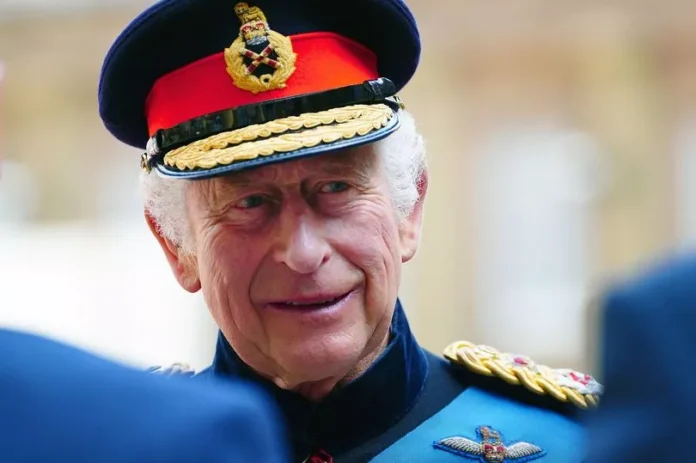
Buckingham Palace announced Tuesday that King Charles III will visit Bermuda, marking his first Royal Visit as Monarch to a British Overseas Territory.

The visit will follow a State Visit to the United States, where the King and Queen will celebrate the historic and modern ties between the UK and the US, commemorating the 250th anniversary of American Independence.

Governor of Bermuda, His Excellency Andrew Murdoch CMG, expressed delight at the announcement, noting that the visit will be the first Sovereign visit to Bermuda in 16 years and King Charles III’s first to a British Overseas Territory since his coronation.

“The visit is an opportunity to celebrate the many contributions Bermudians make in their communities, the wider British family in Bermuda, and around the world,” said Governor Murdoch. “It will also strengthen the UK’s modern partnership with Bermuda, deepening cultural, economic, and societal ties.”

Further details of the visit are expected at the end of April.

King Charles III’s last official visit to Bermuda was in 1970, when he read the Speech from the Throne to mark the island’s 350th year of parliamentary government. The last visit by a Sovereign was Queen Elizabeth II in 2009, who joined celebrations of the 400th anniversary of settlement, making Bermuda the final Overseas Territory visited during her reign.

Three Colombians charged in Jamaica’s largest-ever cocaine seizure

Three Colombian nationals have been charged in connection with what authorities say is Jamaica’s largest single cocaine seizure, valued at approximately $1.7 billion.

The accused are Lucio Henry, 39, of San Andres; Arith Lopez, 34, of Barranquilla; and Klein Sinclair, 22, of Providence, all in Colombia. They face multiple charges, including possession, dealing, trafficking, importing cocaine, conspiracy to traffic, and illegal entry.

According to the Firearms and Narcotics Investigations Division (FNID), the arrests stem from a coastal interception on March 21 off Alligator Pond, St. Elizabeth. Around 4:10 a.m., the Jamaica Defence Force stopped an unnamed fishing vessel offshore, finding the three men aboard with 99 knitted bags containing cocaine.

The vessel and its cargo were escorted to the Jamaica Defence Force Coast Guard base in Port Royal before being handed over to FNID investigators. Police said the bags contained more than 2,400 parcels of cocaine, weighing over 6,000 pounds.

Director of FNID, Superintendent of Police Patrae Rowe, described the seizure as evidence of a “consistent collaborative approach” to disrupting the illegal drug trade, noting that operational strategies and stakeholder engagement are yielding results.

The accused were formally charged on March 31 after being interviewed in the presence of legal counsel and an interpreter. They are scheduled to appear before the Kingston and St. Andrew Parish Court on April 7.

Guyana deports five Brazilian nationals for illegal mining

Five Brazilian nationals have been arrested and deported from Guyana following illegal entry and mining activities, authorities confirmed Tuesday.

According to a statement from the Ministry of Natural Resources (MNR), the individuals – Antonio Isal Das Soura, 49; Michael De Souza Martin, 26; Clinton Martins Fernandes, 19; and Matheus Sere Martins, 20 – appeared before Senior Magistrate Clive Nurse, pleaded guilty, and were ordered to be deported within 24 hours.

“The Ministry of Natural Resources reiterates that this action forms part of its ongoing efforts to eradicate illegal mining and ensure compliance with Guyana’s laws and regulations,” the statement read.

The MNR emphasized that efforts to combat illegal mining are vital for protecting the country’s environment, upholding the rule of law, and safeguarding natural resources for future generations. The ministry also warned that enforcement operations are ongoing across all districts, and violators will face the full extent of the law.

Jamaican students gain hands-on experience through Sandals Tourism in Schools program

School tour at Sandals Dunn’s River

Students from across Jamaica recently enjoyed an immersive, hands-on learning experience during visits to Sandals Dunn’s River and Sandals Royal Plantation. The visits form part of the resorts’ Tourism in Schools program, designed to expose students to careers in hospitality while supporting their School-Based Assessment (SBA) projects.

During the tours, students explored key areas of the resorts, including Housekeeping and Rooms Divisions, Food and Beverage Operations, and Sustainability initiatives. They learned about recycled water systems, energy efficiency practices, and the steps required to achieve and maintain EarthCheck certification, the world’s leading scientific benchmarking and advisory group for sustainable travel and tourism. The experience offered students practical insight into how resorts operate while caring for the environment.

Kevin Clarke, General Manager of Sandals Dunn’s River, highlighted the programme’s impact: “Many students have studied tourism in theory, but seeing it in action is completely different. Being on property, speaking with our team members, and witnessing daily operations first-hand gives them insight into the exciting careers available in hospitality. Their energy and curiosity remind us that the future of Jamaican tourism is in excellent hands.”

Roxanne Brown, Learning and Development Manager at Sandals Dunn’s River, emphasized the connection between classroom learning and real-world experience: “Students see the wide range of roles available in the tourism sector—from housekeeping and culinary arts to management and sustainability. These visits also show them how important tourism is to Jamaica’s economy and how rewarding a career in this industry can be.”

Schools participating recently include Clarendon College, Foga Road High School, Central High School, Jamaica College, Iona High School, Muschett High School, and Cornwall College. Teachers noted that the visits offered students a new perspective on the hospitality industry and reinforced their classroom learning.

Students actively engaged throughout the tours, asking questions about careers, daily operations, and the skills needed to succeed in tourism. Many described the experience as inspiring, with the opportunity to complete their SBA projects in a real-world setting proving invaluable.

The Tourism in Schools program continues to inspire and inform, leaving students motivated and excited about the many opportunities within Jamaica’s thriving tourism industry.

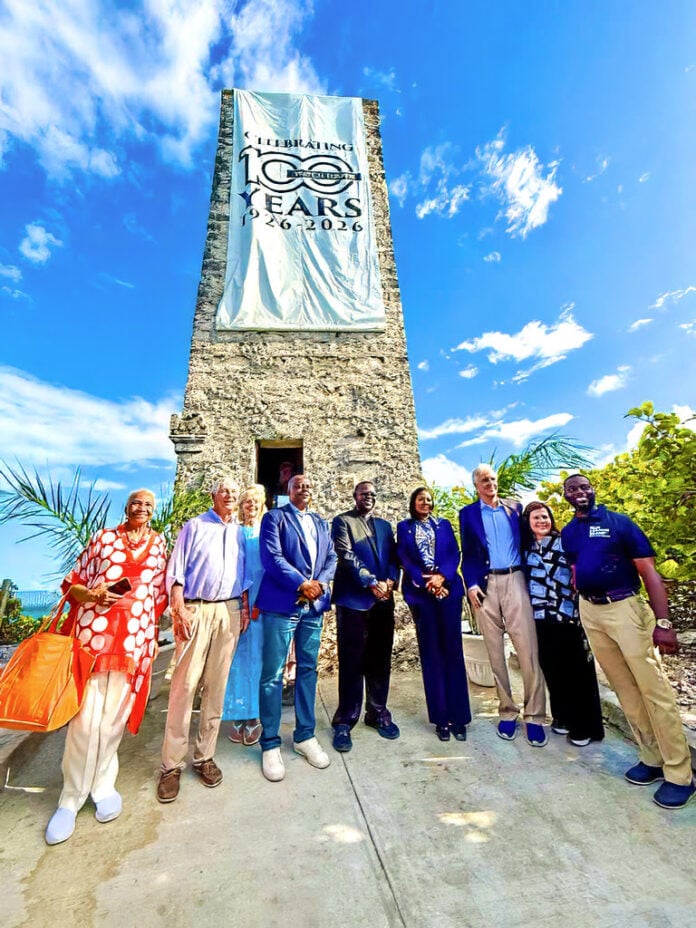
Blue Lagoon Island marks 100 years of iconic Watch Tower

Officials mark the 100th anniversary rededication of the Blue Lagoon Island Watch Tower last week.

Blue Lagoon Island celebrated a century of Bahamian history last week with the rededication of its iconic Watch Tower. The centennial event featured the unveiling of a commemorative plaque and the raising of a 100-year anniversary banner atop the three-story masonry structure.

Built in 1926 by renowned Chicago architect Howard Van Doren Shaw, the Watch Tower recently received interior upgrades, including a new stairway and reinforced flooring, ensuring it remains accessible and safe for the next generation of visitors. Descendants of Pulitzer Prize-winning cartoonist and war correspondent John T. McCutcheon, the tower’s original visionary, joined local dignitaries for the ceremonial blessing.

“The Watch Tower stands as a sentinel of our past and a beacon for our future,” said Robert Meister, Managing Director of Blue Lagoon Island. “We honor the island’s history, from its days as a communication outpost to its role in inspiring Bahamian culture, while ensuring it continues to be a central part of the guest experience for the next hundred years.”

Latia Duncombe, Bahamas Director General of Tourism, highlighted the significance of heritage tourism: “Landmarks like this ground us. They remind us that as we evolve, we must also preserve. The strength of our tourism product lies not just in development, but in identity. The Watch Tower speaks to endurance and relevance, adding a unique, authentic dimension to the Islands of The Bahamas that visitors seek to explore.”

Following the ceremony, guests gathered at the renovated Serenity Cove, the island’s adults-only beach, which showcased Bahamian-owned businesses as part of Blue Lagoon Island’s sustainability efforts. Locally made bush teas, rum cakes, and ice cream were featured, blending cultural preservation with modern hospitality.

“Today we bridge our history at the tower with the bright future of the island at Serenity Cove,” Meister added. “This celebration isn’t just about a building; it’s about sharing Bahamian culture and the authentic spirit of The Bahamas with the world.”

The centennial also underscores the tower’s connection to the folk song Sloop John B. The structure permanently houses two original artifacts from the vessel that inspired the song—a ring-bolt and a “knee of horseflesh”—alongside stones from Fort Charlotte, Fort Montagu, Fort Fincastle, and other historical sites worldwide.

For the McCutcheon family, the Watch Tower is deeply tied to generations of personal history. Shaw McCutcheon, grandson of John T. McCutcheon and architect Howard Van Doren Shaw, recalled childhood days exploring the landmark: “I remember climbing to the top as a kid and spending so much time there. It’s remarkable that it has endured for more than a century, and hopefully it will stand for many more to come.”

Visitors can experience the Watch Tower through guided Eco-Nature Walking Tours, offering breathtaking views from the summit and a glimpse into the island’s rich heritage.

Opinion: Iran war could hit Caribbean economies hard

Trinidad port workers end industrial action

While the Iran conflict is unfolding thousands of miles away, the Caribbean could feel its effects—not through missiles or drones, but through potentially devastating economic consequences.

The region is highly exposed to global shocks. Most Caribbean nations rely on imported fuel and food, have economies heavily dependent on tourism and shipping, and carry high debt levels. When crises like the Iran war occur, their effects ripple through oil markets, trade, and prices.

The ongoing war is disrupting oil flows, particularly through the Strait of Hormuz, which handles roughly 20% of global oil supply. Oil prices have already surged more than 50% and could rise further, creating one of the largest global energy shocks in decades. For the Caribbean, sustained high oil prices mean higher gasoline and electricity costs, which in turn drive up the cost of living.

Rising fuel costs also disrupt shipping, increase fertilizer prices, and push up the global price of food and consumer goods. Fertilizer costs are already climbing due to supply disruptions, and the cost of shipping and goods is rising worldwide. Higher shipping expenses can also impact construction materials.

In the Caribbean, consumers are already seeing higher grocery bills. Low-income households are particularly vulnerable, and overall inflation is likely to rise across most countries. In Jamaica, where widespread construction is underway following last year’s Hurricane Mellisa, estimates for building projects may need significant revision due to increased material costs.

Tourism, the lifeblood of many Caribbean economies, is also at risk. The war affects airline fuel costs, ticket prices, and traveler confidence, potentially reducing visitor numbers, shortening stays, and lowering spending—slowing economic growth for affected countries.

Governments may need to increase fuel subsidies to protect citizens, while reduced tourism revenue could exacerbate debt pressures. The combined effect may slow development projects and lead to higher taxes or borrowing.

Some Caribbean nations could benefit. Oil-producing countries like Guyana and Trinidad and Tobago may see gains from higher energy prices, and some tourists might shift from conflict regions to the Caribbean. However, these positives are likely outweighed by the broader economic challenges.

Even if the conflict ends soon, its impact on global oil prices could linger for months, prolonging economic stress in the Caribbean. Experts stress the importance of taking measures to counter these effects, including:

  • Accelerating renewable energy adoption (wind and solar) to reduce reliance on imported oil.
  • Strengthening regional cooperation through CARICOM, including bulk purchasing of fuel and food, shared reserves, and logistics support.
  • Boosting local agricultural production, investing in climate-resilient farming, and reducing dependence on imported food.
  • Diversifying economies beyond tourism, with emphasis on digital services, finance, and niche industries.
  • Supporting vulnerable households with food and other essential subsidies.

Vulnerability varies across the region. Haiti is the most exposed due to its heavy dependence on imports, weak infrastructure, and limited economic buffers. Inflation caused by global crises would hit Haiti fastest and hardest.

Countries like The Bahamas, Barbados, Antigua and Barbuda, and St. Lucia are highly sensitive because tourism is a dominant share of GDP, and declines in visitors could trigger double-digit economic drops. Jamaica and the Dominican Republic may fare slightly better thanks to larger, more diversified economies, though they still face inflation and slower growth.

The least vulnerable—and potential beneficiaries—are oil and gas producers Guyana and Trinidad and Tobago, who could gain from higher global energy prices. Nonetheless, both remain exposed to price volatility and market instability.

In short, the Caribbean will not face bombs, but it will feel the economic shock—through fuel price hikes, food inflation, tourism slowdowns, and trade disruptions. If the conflict is short-lived, the impact will be temporary. If it drags on, however, the region could face serious and prolonged economic strain.