Home Blog Page 17

Tamarac to honor Wyclef and Melky Jean with Key to the City in Haitian Heritage Month tribute

The City of Tamarac is set to honor two globally recognised Haitian-born figures, Wyclef Jean and Melky Jean, during a special Key to the City reception on Friday, May 1, 2026.

Hosted by Vice Mayor Marlon D. Bolton, the ceremony will take place at Tamarac City Hall in Florida at 12:00 noon, as part of celebrations marking Haitian American Heritage Month.

The event will recognise the siblings’ far-reaching contributions to music, business, philanthropy and cultural leadership, highlighting their influence across multiple industries and communities worldwide.

The ceremony will also feature proclamations from state and county officials. Florida State Representative Lisa Dunkley is expected to declare May 1, 2026, as Wyclef and Melky Jean Day across the state.

At the county level, Broward County Commissioners Hazelle P. Rogers and Alexandra P. Davis will issue a similar proclamation and present the honourees with the Key to Broward County.

Vice Mayor Bolton will then confer Tamarac’s highest civic honour — the Key to the City — on the pair.

Global impact in music and beyond

Wyclef Jean rose to international prominence as a founding member of Fugees, whose multi-platinum album The Score helped define a generation. As a solo artist, producer and songwriter, he has been behind some of the most recognisable hits in modern music, including Gone Till November, Hips Don’t Lie, Maria, Maria, and My Love Is Your Love.

Over the years, he has collaborated with major global acts such as Michael Jackson, Carlos Santana, Beyoncé and Paul Simon, while also earning multiple Grammy Awards.

Beyond music, Jean has remained active in philanthropy, education and emerging technology, positioning himself as an advocate for global empowerment.

Spotlight on Melky Jean’s humanitarian work

Melky Jean has carved out her own legacy through humanitarian work and entrepreneurship. As founder of The Carma Foundation, she has spearheaded initiatives focused on food security, healthcare access, housing, education and women’s empowerment across several regions, including Haiti, South America and Africa.

Her efforts have earned international recognition, including the Memeluca Beacon of Hope Award presented by Sean Penn, along with honours from the Make-A-Wish Foundation and the Global Heart Award.

She also serves as founder and CEO of Saint Sauveur Haitian Heritage Rum, a company that promotes Haitian culture and economic empowerment through entrepreneurship.

A Grammy-nominated singer and songwriter, Melky Jean has collaborated with a range of international artists and contributed to recordings, film scores and live performances.

City officials say the event will serve as a tribute to Haitian excellence, resilience and cultural impact, bringing together residents, media and invited guests for what is expected to be a high-profile celebration.

CWI salutes Christopher Taylor after landmark ICC appointment

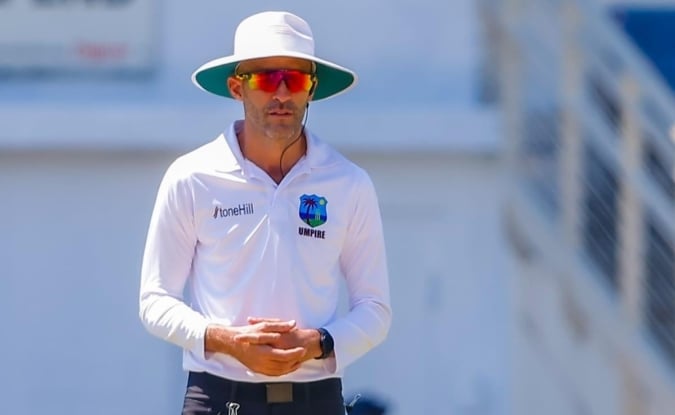
Christopher Taylor

After two decades spent mastering one of cricket’s most demanding roles, Jamaican official Christopher Mark Taylor has reached a defining milestone in his officiating career.

Cricket West Indies (CWI) announced that Taylor has been appointed to the International Cricket Council’s CWI International Panel of Umpires, with the promotion officially taking effect on April 1, 2026.

The appointment marks another significant achievement for Caribbean cricket officiating and places Taylor among the region’s elite umpires as he prepares to step onto the international stage during the upcoming West Indies home season.

International exposure opened the door

Taylor’s elevation follows a strong period of development and evaluation within the international officiating system.

Earlier this year, the 45-year-old participated in the ICC Umpire Exchange Programme, where he officiated in Pakistan’s President’s Trophy Grade 1 competition. His work during the assignment reportedly received outstanding assessments, further strengthening his credentials for promotion.

He also successfully completed the ICC umpire accreditation process, becoming the latest official from the Caribbean system to advance through the pathway established by Cricket West Indies and the ICC.

For Taylor, however, the breakthrough represents the culmination of years of persistence rather than a sudden rise.

‘A long and tough journey’

Reflecting on the achievement, Taylor spoke candidly about the sacrifices and patience required to reach this point.

“I’m humbled and honoured. I’ve been an official now for 20 years, because in 2006 is when I did my initial local examination alongside Jacqueline Williams, who is now an established and respected International Women’s Umpire.”

Taylor recalled entering officiating while still working in the corporate sector after being introduced to umpiring by former first-class umpire Maurice Chung.

“I remember starting when I was still in the corporate world and being introduced to the role by former first-class umpire Maurice Chung, and from there it has grown into something I truly love.”

His climb through the officiating ranks was gradual and often demanding. Taylor revealed that he has served on the regional second-tier panel since 2011, spending years refining his craft before finally earning international elevation.

“I’ve been on the regional second-tier panel from 2011, so it’s been a long and tough journey, but those tough times prepare you for what’s to come. So, I’m excited about it and looking forward to experiencing new things and putting all the work into practice.”

Advocating for the next generation of officials

While celebrating his personal success, Taylor also used the occasion to spotlight what he believes is an overlooked pathway within sports.

He argued that officiating deserves greater visibility among young people across the Caribbean, especially those searching for meaningful professional opportunities in sport beyond playing careers.

“Umpiring might not be seen as a glorious position because when persons are exposed to a sport it’s usually in the capacity of a player and not an official. In any sport officiating is always tough… but that builds character.”

Taylor encouraged younger generations to consider officiating much earlier in life rather than viewing it as a late-career option.

“There is opportunity in umpiring. It’s now a full career that you can dedicate yourself to, and I’d love to see younger persons getting into it, not only when they get into their 30s and 40s but even thinking of it as an option when they’re 18 or 20 years old or coming out of university.”

CWI backs Taylor for international success

CWI Chief Executive Officer Chris Dehring praised Taylor’s advancement, describing it as both a personal achievement and evidence of the region’s growing officiating development system.

“Chris’ appointment reflects not only his personal commitment and professionalism, but also the strength of our officiating pathway.”

Dehring added that Taylor’s recent overseas experience had prepared him well for the demands of international cricket.

“His recent international exposure and consistent performances have prepared him well for this step, and we are confident he will represent West Indies cricket with distinction.”

Taylor’s promotion now opens the door to the highest level of officiating in Caribbean cricket.

His first assignment as an international umpire is expected to come during the upcoming West Indies home season, where the Jamaican official will begin the next chapter of a journey built on endurance, discipline, and an enduring love for the game.


Coaches rally behind CWI’s bold plan to transform West Indies cricket development

Cricket West Indies

For decades, the Caribbean produced cricketers whose brilliance captivated the sport, fearless stroke-makers, devastating fast bowlers, and magnetic competitors who transformed West Indies cricket into a global force.

From the dominance of Viv Richards to the relentless pace of Michael Holding and the genius of Brian Lara, the region’s legacy has never been in doubt.

But modern cricket has changed.

Around the world, major cricketing nations have invested aggressively in elite performance centers, sports science, analytics, recovery systems, and player development infrastructure. The message has become impossible to ignore: talent alone is no longer sufficient to dominate the international game.

Recognizing that reality, Cricket West Indies, with support from the Government of Antigua and Barbuda, has unveiled plans for a High-Performance Campus at the Coolidge Cricket Ground in Antigua, an ambitious project designed to merge elite training, education, athlete development, and commercial sustainability into one integrated cricketing hub.

Across the regional cricket landscape, franchise coaches have responded with overwhelming approval, describing the initiative as a potentially transformative moment for West Indies cricket.

‘We need it’: Coaches say the region must evolve

Among the strongest endorsements came from Jamaica Scorpions Head Coach Robert Haynes, who believes the proposed facility could help close the widening developmental gap between the Caribbean and cricket’s leading nations.

“I think it’s a magnificent idea. When I was a selector, it was always spoken about in terms of having something for the youngsters.”

Haynes stressed that modern international cricket now demands sophisticated support structures and continuous player development systems.

“I think it’s a magnificent effort by the Antiguan government and Cricket West Indies to get this going because we need it.”

He also pointed to the limited number of first-class matches available in the region, arguing that younger players require a stable developmental environment beyond sporadic competition.

“With limited first-class games available, you need your younger players to be in a system that you can depend on because in international cricket, everybody else has a High-Performance centre.”

Talent exists, structure has been missing

Keon Peters, head coach of the Windward Islands Volcanoes, echoed similar concerns, insisting that the Caribbean’s challenge has never been a shortage of gifted players.

Instead, he believes the region has struggled to provide the infrastructure needed to maximize that talent.

“With the amount of talent that we have, for us to compete against the other international teams we must have this in place.”

Peters acknowledged the financial challenges facing Caribbean cricket but argued that the initiative signals important progress.

“We know resources have been difficult for us, and I think it’s a good initiative by Cricket West Indies. It’s never too late to start.”

Preventing young talent from disappearing

For Trinidad and Tobago Head Coach Rayad Emrit, one of the biggest concerns is the number of promising players who disappear after the youth level.

He believes a stronger high-performance system could help create a more sustainable transition from Under-19 cricket into the professional ranks.

“I honestly think there’s a lot of talent in the Caribbean coming through from Under-19, but after Under-19 a lot of them fade away and we don’t get those core players coming through the system.”

Emrit also identified inadequate facilities as one of the major barriers preventing the region from consistently producing elite players.

“I think we have enough players who have natural talent, and one of the main factors for us not producing the players that we thought we would have is the facilities.”

More than nets and training sessions

The proposed campus is expected to extend far beyond traditional cricket coaching.

Plans include modern training environments, sports science integration, media preparation facilities, and personal development programs aimed at preparing players for the demands of professional cricket.

Leeward Islands Head Coach Steve Liburd believes exposure to those resources could fundamentally reshape player development in the Caribbean.

Across the world, there are lots of high-performance centers all around and they reap benefits for younger players over time.”

He added that the campus could introduce players to areas of professional preparation often missing in the regional system.

“Having such a center will be beneficial for West Indies cricket on a whole with players being exposed to technology, having a place where they can go and do media work and develop their skills.”

A long-overdue shift

Guyana Head Coach Ryan Hercules described the initiative as overdue but potentially transformative.

“This is something overdue, but whenever it’s here, it’s here. When that starts, we will probably start seeing a change in West Indies cricket.”

Meanwhile, former West Indies fast bowler and Barbados Pride Head Coach Vasbert Drakes argued that while the Coolidge project is a major step forward, the long-term vision should involve strengthening developmental systems throughout the Caribbean.

“I think it would be great if all the franchises in the Caribbean would be in a position where they can have a high-performance system, because we have tremendous talent and we want a better pathway system for them.”

Drakes also urged territorial boards to pursue partnerships capable of strengthening cricket infrastructure across the region.

“It is good to see that the West Indies is going in that direction, but I would also like to encourage all of the territorial boards to find a way through government and local sponsors to make it work.”

A defining moment for Caribbean cricket

For generations, Caribbean cricket survived, and often thrived, on instinct, flair, and extraordinary natural ability.

But the modern game increasingly rewards nations that combine talent with elite preparation, technology, scientific support, and carefully structured development pathways.

The proposed High-Performance Campus at Coolidge represents far more than a construction project. It signals an attempt to reshape the future of West Indies cricket, one built not only on gifted players, but on systems capable of sustaining excellence in a rapidly evolving global sport.


Teen arrested for Queens Park killing after returning from Jamaica

An 18-year-old American who travelled to Jamaica following a fatal shooting in New York has been arrested and charged with murder upon his return to the United States.

Police say Zahir Davis was taken into custody Friday night when his flight landed in New York City. He is accused of fatally shooting 15-year-old Jaden Pierre during a violent confrontation at Roy Wilkins Park in South Jamaica, Queens, on April 16.

According to investigators, Pierre was attacked by a group of teenagers near the park’s basketball courts during what began as a water fight organised on social media. Authorities allege that during the altercation, Davis pulled a handgun from his bag and shot the unarmed teen in the chest.

Davis was arraigned Saturday in Queens Criminal Court on charges including second-degree murder, gang assault and criminal possession of a weapon. A judge ordered that he be held without bail. He has pleaded not guilty through his attorney and faces 25 years to life in prison if convicted.

Police said Davis fled New York shortly after the incident and travelled to Jamaica, allegedly in an attempt to evade authorities. He was later identified as a person of interest and taken into custody upon his return.

Officials have linked Davis to the BG4 gang, which operates in southeast Queens.

Describing the killing as a “senseless murder,” Joseph Kenny said the violence erupted when rival groups crossed paths at what was meant to be a recreational gathering.

“You had a bunch of kids one day to have fun and play, but then you also had numerous gang members from the area… and then they crossed paths,” he said during a press briefing.

The case has drawn widespread attention after videos of the incident circulated online, showing Pierre being beaten by multiple individuals while bystanders filmed the attack. One clip captures the moment a gun is drawn and fired.

Queens District Attorney Melinda Katz said her office will pursue the case vigorously.

“This senseless act of gun violence will not go unanswered,” Katz said. “No parent should ever have to bury their 15-year-old child.”

The footage has also sparked outrage over bystander behaviour. Speaking at a vigil, Jumaane Williams questioned why no one intervened.

“Why was his life not worth putting the phone down?” he asked. “His life was worth saving.”

City officials say the incident underscores ongoing concerns about youth violence, even as overall crime trends show declines. Zohran Mamdani expressed condolences to the victim’s family and called for renewed efforts to address gun violence.

Meanwhile, tensions ran high following Davis’ arrest, with Pierre’s relatives confronting him as he was escorted from a precinct station.

Police say the investigation remains ongoing and have not ruled out additional arrests. Davis is scheduled to return to court later this week.

Practical ways small distributors can create more storage space

Ever noticed how a warehouse can feel “full” long before it actually is?

You walk in, hear the low hum of forklifts, see boxes creeping into walkways… and suddenly everything feels tighter than it should.

According to the Warehousing Education and Research Council, more than 70% of warehouse operators say space utilization becomes a problem as they grow. 

Not shocking. Growth rarely arrives in neat, predictable layers. 

Still, knowing that doesn’t make your daily operations any easier when everything feels squeezed. The good news? You don’t always need more square footage. Sometimes, the space you already have just needs to… work harder. Let’s get into it.

The Everyday Strain of Running Out of Space

Space problems rarely show up dramatically.

They build slowly. A few extra SKUs, a bulk order that overstays, maybe some safety stock that never gets used. Then one day, everything feels cramped.

And the impact? It sneaks into everything.

Picking gets slower. Errors start creeping in—wrong items, missed lines. According to OSHA, poor warehouse organization contributes to thousands of workplace injuries each year. Tight spaces aren’t just inconvenient… they’re risky.

Then there’s the inventory side of it.

IHL Group estimates that inventory distortion costs businesses around $1.7 trillion globally every year. Overstocking plays a big role in that—and a lot of it just sits, quietly eating up space.

You’ve seen it.

Boxes untouched for months. Items no one’s asked for in ages. And above it all—empty air, doing nothing. Kind of ironic, isn’t it?

Practical Shifts That Create Space Without Expansion

So, here’s the pivot.

Instead of chasing more square footage, start looking at what’s already there. The gaps. The inefficiencies. The habits that formed without anyone really noticing.

Here’s how to do it right. 

1. Turn Overhead Space Into Something Useful

Look up for a second.

That vertical gap above your racks? It’s not decorative. It’s potential.

Most warehouses leave a surprising amount of vertical space untouched. Installing a mezzanine can change that—suddenly, you’ve got a second level for storage, packing, even light assembly.

The Material Handling Institute reports that mezzanines can increase storage capacity by up to 50%. That’s not a small improvement.

Now, sourcing one is where things get interesting. You could go fully custom-built, tailored to your exact layout.

You can also find a used mezzanine system that can be significantly more affordable and often available for faster installation, which matters when you’re already feeling squeezed. Still, placement matters more than the structure itself. You don’t want to fix one bottleneck and create another.

2. Organize Based on Movement, Not Convenience

Here’s where things get… a little human.

We tend to store items where it’s easiest at the moment. Not where they belong long-term. Over time, that creates friction you can’t quite explain. You just feel it.

The Pareto Principle shows up here again—around 80% of your orders likely come from 20% of your products. McKinsey has backed this pattern across supply chains.

So, treat those items differently. Keep fast movers within easy reach. Push slower ones out of the way—higher shelves, deeper racks. 

3. Rework Aisles That Are Quietly Wasting Space

Aisles are deceptive.

They feel necessary—and they are—but they often take up more room than they should.

Industry warehouse design guidance shows that narrowing aisle widths—when compatible with equipment—can improve storage density by roughly 10–25%, with higher gains possible in very narrow aisle systems depending on layout and machinery.

Still, there’s a balance. Too tight, and operations get tense. One wrong move with a forklift, and things go sideways fast. But if you approach it carefully, with the right equipment and training, you unlock space that was hiding in plain sight.

4. Replace Patchwork Racking with Smarter Systems

Some warehouses grow in layers.

A rack here. Another there. Over time, it becomes a patchwork—functional, but not efficient.

That’s where high-density racking systems come in. Drive-in racks, push-back systems… they’re designed to store more in less space without turning everything into chaos.

Still, it works best when your inventory patterns aren’t wildly unpredictable. If they are, you’ll need a mix of systems that can adapt.

5. Clear Out Inventory That’s Quietly Taking Over

This one’s tough.

There’s always that stock you hang onto “just in case.” It sits. And sits. And somehow spreads. Before you know it, it’s everywhere.

A simple approach helps—review items that haven’t moved in 12 months. Discount them, bundle them, or clear them out. That space is more valuable than the possibility of a future sale.

One warehouse supervisor described the process as “finally seeing the floor again.” That image sticks with you.

Space Feels Different When It Starts Working With You

It’s not dramatic. More like a quiet shift.

Your team moves more smoothly. Fewer bottlenecks. Less hesitation. You stop hearing as many “Where is this?” questions echo across the floor.

Same building. Same walls. Just… better use of what was already there.

And maybe that’s the part worth sitting with for a second. 

Space doesn’t always disappear—it just gets buried under habits, decisions, and time. Change those, even slightly, and suddenly, there’s room again.

Edwin Allen sets the tone as Jamaican teams storm into Championship finals at Penn Relays

Edwin Allen Penn Relays
Edwin Allen 4x100 winning team Serena Cole, Tina Clayton, Brandy Hall, Tia Clayton

Jamaica’s schoolgirls arrived at the 130th staging of the Penn Relays with expectations already towering above the historic Franklin Field grandstands.

By the close of Thursday’s opening session, they had once again transformed promise into dominance.

At the center of the Jamaican charge stood Edwin Allen High, whose commanding performances across the relays positioned the Clarendon powerhouse as the team to beat heading into Friday’s Championship of America finals. But the opening day belonged not only to relay speed. Jamaica’s field event athletes also stamped their authority on the meet, delivering dramatic victories and podium finishes that reinforced the island’s depth across every discipline.

Under bright skies and unusually welcoming spring conditions in Philadelphia, Jamaican schools produced a relentless stream of standout performances that left the competition bracing for what could become another memorable chapter in Penn Relays history.

Edwin Allen marches into three championship finals

No Jamaican school made a louder statement than Edwin Allen.

The Michael Dyke-coached institution advanced to all three major Championship of America relay finals, the 4x100m, 4x400m and 4x800m, showcasing both depth and versatility across sprint and middle-distance events.

Their sharpest warning shot came in the girls’ 4x100m Championships of America preliminaries. Edwin Allen, defending champions in the event, stormed to the fastest qualifying time of 45.63 seconds and will enter the final as favorites to continue their dominance.

The result further strengthened Jamaica’s remarkable grip on the event. Jamaican schools have captured the last 11 girls’ 4x100m Championships of America titles, with Edwin Allen responsible for eight of those victories.

Yet the battle ahead promises to be fierce.

Former champions St Jago High also looked dangerous after winning their heat in 45.73 seconds to secure the fourth-fastest qualifying time. Excelsior High advanced with 46.03 seconds, while first-time finalists Mount Alvernia High squeezed into the championship race with 46.35 seconds.

American challengers Bullis School and Pennsauken High School each clocked 45.68 seconds and loom as serious threats in what is shaping up to be one of the showcase races of the meet.

Even beyond the Championship final, Jamaican depth was unmistakable. Eight schools advanced to the International final, the consolation race for top non-American teams outside the main final. Convent of Mercy Academy “Alpha” led that group with 46.75 seconds ahead of Holmwood Technical’s 46.98 seconds. Also progressing were St Mary High, Vere Technical, Penwood High, Manchester High, William Knibb Memorial and Penn Relays newcomers Meadowbrook High.

A 4x400m final built for fireworks

If the sprint relay promises drama, the girls’ 4x400m Championships of America final could produce outright chaos.

Three Jamaican schools dipped below 3:40 minutes in Thursday’s preliminaries, underlining the extraordinary quality assembling for Friday’s showdown.

Defending champions Hydel High narrowly emerged as the fastest qualifiers after stopping the clock at 3:39.55 minutes. Edwin Allen had posted 3:39.56 minutes in the preceding race, while Holmwood Technical surged through in 3:39.82 minutes.

With margins virtually nonexistent, the final appears impossible to predict.

Hydel will attempt to extend its remarkable winning streak in the event, while Edwin Allen and Holmwood both demonstrated enough firepower to dethrone the defending champions.

Alphansus Davis High also advanced comfortably with 3:44.81 minutes.

The United States contingent remains formidable. Bullis School of Maryland clocked 3:40.24 minutes, while Bishop McNamara added further American depth after running 3:43.33 minutes.

Behind the finalists, several Jamaican teams delivered competitive performances despite missing qualification, including Immaculate Conception, St Elizabeth Technical, Sydney Pagon STEM, William Knibb Memorial, Manchester High, Alpha Academy and Port Antonio High.

Sydney Pagon announces its arrival

The opening event of the day, the girls’ 4x800m relay, immediately signaled that Jamaica’s middle-distance programs intended to compete just as fiercely as the sprinters.

Sydney Pagon STEM High, making only its second appearance at the Penn Relays, emerged as one of the stories of the morning after producing a superb 9:01.33 minutes to become one of the leading qualifiers for the Championship final.

The quartet of Annateseca Blackwood, Kamaya Graham, Denae Hodges and Alexia Palmer delivered a poised and disciplined effort that established the Jamaican school as a legitimate contender.

Edwin Allen followed closely with 9:02.66 minutes to advance comfortably, while Alphansus Davis, last year’s top Jamaican finisher, won its heat in 9:08.30 minutes.

Holmwood Technical also progressed after clocking 9:14.80 minutes.

Only Pennsylvania’s William Penn High ran faster overall, winning its heat in 8:56.14 minutes. Defending champions IMG Academy also advanced after posting 9:05.28 minutes.

Lampart finds redemption in the circle

Away from the track, Clarendon College’s Marla-Kay Lampart authored one of the most emotional performances of the day.

After enduring an injury-plagued season marked by shoulder discomfort, elbow pain and lower-back issues, Lampart responded with resilience and composure to capture the girls’ shot put Championship title.

The Jamaican thrower improved steadily through the competition before uncorking a decisive 14.41m effort on her sixth and final attempt.

It completed a dramatic turnaround from last year’s disappointing 11th-place finish.

Lampart first seized control in the third round with 14.10m before producing her winning throw late in the competition. Her performance also moved her tantalizingly close to the World Under-20 qualifying standard of 14.50m.

The victory made her the first Jamaican winner of the event since Camperdown High’s Brittania Johnson triumphed in 2023.

American athlete Isabella Furgison of Selinsgrove High School finished second with 14.08m, while Nesta Oji of Livingston High School took third with 13.43m.

Alpha Academy’s Saje Cruickshank finished seventh with 12.61m.

Bernard delivers late drama in triple jump

Hydel High’s Zavien Bernard produced one final burst of brilliance to capture the girls’ triple jump title in dramatic fashion.

Trailing New Jersey’s Seannah Parsons entering the final round, Bernard summoned a wind-aided leap of 12.76m to snatch victory on her final attempt.

Parsons settled for second at 12.68m.

The triumph completed another major milestone for Bernard, who added the Penn Relays title to victories already secured this season at the ISSA Boys’ and Girls’ Championships and the CARIFTA Games.

Her success also extended Jamaica’s winning streak in the event to four consecutive years following the recent dominance of St Jago’s Jade-Ann Dawkins.

Jamaican throwers and jumpers add to strong opening day

Jamaica’s field-event presence remained strong throughout the day.

In the discus throw, Edwin Allen’s Dionjah Shaw secured second place with 48.87m, narrowly ahead of Clarendon College’s Jamelia Young, whose 48.66m effort earned another third-place finish after also claiming bronze last year.

In the javelin throw, Immaculate Conception’s Zoelle Jamel produced 48.84m to claim second place, while Vere Technical’s Ramona Freemantle finished fifth with 44.40m.

Jamaican teams set for high-stakes Friday

By the end of the opening day, Jamaica had firmly established itself at the heart of the championship conversation.

Edwin Allen’s pursuit of relay glory, Hydel’s determination to protect its quarter-mile dynasty, and the emergence of rising programs like Sydney Pagon have created the perfect stage for a thrilling second day inside Franklin Field.

And with Jamaican athletes already claiming titles in the field and loading championship finals across the track, the possibility of another unforgettable Penn Relays performance now feels increasingly inevitable.


 

Team Jamaica Bickle expands Penn Relays incentives with bigger investment in Jamaican athletes

Penn Relays

Team Jamaica Bickle has significantly expanded its athlete incentive initiative for the 2026 Penn Relays, widening both its financial support and its reach across multiple disciplines in a move designed to strengthen the development of Jamaican student-athletes on and off the track.

The organization, long recognized for its support of Jamaican teams competing at the prestigious Penn Relays Carnival, announced that this year’s program will deliver increased opportunities for high school and collegiate athletes while continuing to channel resources directly into school nutrition programs.

The enhanced initiative marks another major step in Team Jamaica Bickle’s mission to provide meaningful support for Jamaican athletes competing abroad while investing in their long-term well-being and academic institutions.

Relay champions to earn increased school support

After successfully introducing relay incentives last year, Team Jamaica Bickle will again reward Jamaican high school teams that capture Championship of America relay titles at the Penn Relays.

For the 2026 staging, the winning Jamaican boys’ and girls’ teams in the prestigious 4x100m, 4x400m, and 4x800m relays will each secure a US$1,000 contribution for their schools.

The initiative continues to recognize excellence in some of the Penn Relays’ marquee events, where Jamaican schools have historically produced many of the meet’s most electrifying performances.

Field event athletes now included in expanded program

In one of the most significant additions to the initiative, Team Jamaica Bickle has broadened its incentive structure to include field events, ensuring athletes beyond the relays are also rewarded for elite performances.

This year, Jamaican high school boys and girls competing in the championship discus throw, shot put, triple jump, and long jump will become eligible for the program.

The top-performing Jamaican athlete in each of those events will earn a US$1,000 donation directed to his or her school.

By extending support into the field events, the organization is recognizing the growing depth and influence of Jamaica’s athletes across a wider range of disciplines.

Collegiate athletes added to incentive structure

The 2026 expansion also reaches beyond the high school ranks.

For the first time, Team Jamaica Bickle will award incentives to Jamaican tertiary institutions, introducing two separate US$1,000 prizes for Jamaican college teams competing at the Penn Relays.

The addition reflects the organization’s broader vision of supporting athletes throughout their educational and athletic progression, from high school competition through the collegiate level.

While the incentive program celebrates athletic success, Team Jamaica Bickle emphasized that the larger objective extends far beyond victories at Franklin Field.

All prize money awarded through the initiative will be directed specifically toward school nutrition programs.

According to the organization, the approach is designed to strengthen student-athlete health, recovery, and overall performance by ensuring schools can better support the dietary needs of their athletes.

“At Team Jamaica Bickle, nutrition is at the heart of what we do,” said Irwine G. Clare Sr., Chairman and Chief Executive Officer of Team Jamaica Bickle.

“Proper nutrition is essential to performance, recovery, and overall well-being,” Clare said. “By directing these funds to school-based nutrition programs, we are making a direct investment in our student-athletes, ensuring they are properly fueled to compete at a high level and succeed beyond the track.”

New partnership strengthens program expansion

This year’s enhanced initiative was made possible through continued partnerships with existing supporters and the introduction of a new sponsor, the Burton-Hutchinson Family Fund.

The organization contributed an additional US$5,000 to expand the reach of the program and deepen its impact on Jamaican student-athletes.

Julie Hutchinson said the family’s support was rooted in both belief in the initiative and personal experience.

“The Burton-Hutchinson Family Fund is proud to support Team Jamaica Bickle’s School Nutrition Program,” Hutchinson said.

“This investment reflects both our belief in the program’s continued success and a personal connection to its impact. Our family’s journey was shaped by similar opportunities that empowered our patriarch, Dr. Gladstone ‘Fluney’ Hutchinson, to pursue significant scholar-athletic achievement. We are committed to helping ensure the next generation has access to that same foundation.”

Continuing a legacy of support

Team Jamaica Bickle also acknowledged the contributions of its supporting partners, including the Second Round Foundation, Grand Slam, ON, and the Burton-Hutchinson Family Fund, whose backing has helped expand the organization’s reach at one of track and field’s most celebrated events.

As the Penn Relays continue to showcase Jamaica’s extraordinary athletic pipeline, Team Jamaica Bickle’s expanded initiative signals a growing commitment not only to competitive excellence, but also to the health, development, and future success of the athletes carrying that tradition forward.


Alia Atkinson brings global sporting legacy to Women in Sport Conference in Aruba

Alia Atkinson
Photo/Patrick Green

Celebrated Jamaican Olympian Alia Atkinson is set to add another chapter to her enduring influence in international sport when she appears as a featured speaker at the upcoming Women in Sport Americas International Masterclass and Coaching Conference in Aruba.

The three-day conference, scheduled for May 1-3, will bring together athletes, coaches, administrators and sports development leaders from across the region for an intensive exchange of ideas centered on leadership, athlete welfare, inclusion and high-performance sport.

The event is being staged through a collaborative effort involving the Aruba Paralympic Committee, the Caribbean Adaptive Sports Alliance, the Government of Aruba, the Americas Paralympic Committee and its commercial arm, Americas Parasports.

A sporting icon beyond the pool

Though best known for her historic accomplishments in swimming, Atkinson’s impact has increasingly extended beyond competition into mentorship, advocacy and public engagement.

Widely respected for both her achievements and her ability to connect with audiences, the Jamaican swimming legend has become a sought-after speaker whose message resonates across generations of athletes and sports professionals.

Conference Chairperson and Secretary General of the Aruba Paralympic Committee, Shardea Arias-Croes, said Atkinson’s presence elevates the significance of the gathering.

She described the Jamaican as “an Olympian and world-class swimmer whose dedication to advancing sport and empowering young athletes have made a lasting impact across the Caribbean and the global sporting community.”

Arias-Croes added that Atkinson’s career represents “excellence, resilience, and leadership, qualities that make her an exceptional role model and an ideal figure to inspire the participants of this initiative.”

“Alia inspires”

Vice President of the Americas Paralympic Committee, Christopher Samuda, echoed those sentiments, emphasizing the broader significance of Atkinson’s influence within Caribbean sport.

“Alia inspires with the integrity of her advocacy and delivery,” Samuda said. “She inspires with her humility and amiability.”

He further praised her pioneering accomplishments on the world stage.

“She inspires as she is a trailblazer in sport at the Olympic and World Championship levels, a feat that is arguably unparalleled by any woman in Jamaica’s modern sporting history. Women in the sporting fraternity will be inspired.”

Grounded despite global success

Although Atkinson has stepped away from elite competition, Samuda believes her connection to athletes and the sporting community remains unchanged despite years spent among the world’s sporting elite.

“Alia is Alia,” he said. “Down to earth and grounded despite her stratospheric achievements.”

The comments reflect the reputation Atkinson has cultivated throughout her career, one built not only on medals and records, but also on accessibility, professionalism and mentorship.

The conference is expected to attract influential voices from across the international sporting and development landscape.

Among the participating organizations are representatives from UNESCO and the Development Bank of Latin America and the Caribbean, alongside senior executives from the Aruba Hotel and Tourism Association, Thrive Academy Aruba and leaders from Paralympic and Olympic movements throughout the Americas and the Caribbean.

Jamaica will also be represented by local Paralympic official Andrea Murray.

Focus on leadership, athlete welfare and coaching development

Organizers say the conference agenda has been designed to address critical areas shaping the future of sport across the region.

Workshops and masterclass sessions will explore leadership development, innovation in sport administration, safeguarding practices, athlete well-being and specialized coaching education in para swimming and athletics.

The initiative aims to create a collaborative environment where women in sport, alongside administrators and technical leaders, can exchange expertise, strengthen professional networks and develop strategies for advancing inclusive and sustainable sporting systems across the Americas.

With Atkinson set to headline the gathering, organizers believe the conference will gain added momentum from the presence of one of the Caribbean’s most accomplished and respected sporting figures.


Caribbean stars leave their mark on Concacaf W Qualifiers Best XI

MIAMI, Florida — The road to the 2025/26 Concacaf W Championship produced its share of dominant performances, dramatic victories, and breakout moments.

But when the dust settled on the qualifiers, the Caribbean’s elite players had firmly established themselves among the region’s brightest stars.

As Costa Rica, El Salvador, Haiti, Jamaica, Mexico, and Panama secured qualification for the upcoming Concacaf W Championship, several players from the Caribbean emerged as standout selections in the tournament’s official Best XI.

From ruthless finishing to commanding midfield play and heroic goalkeeping displays, the region’s players delivered performances that shaped the outcome of the campaign and reinforced the Caribbean’s growing influence in women’s football.

Khadija Shaw powers Jamaica forward

At the forefront of Jamaica’s qualification push was captain Khadija Shaw, whose explosive attacking form made her one of the most feared forwards in the competition.

The Reggae Girlz talisman tore through opposing defenses, scoring nine goals while also contributing an assist during the qualifying campaign. Her influence extended beyond finishing, as she also completed 91 passes in Jamaica’s march to the championship tournament.

Shaw’s ruthless efficiency in front of goal proved central to Jamaica’s successful qualification run and reaffirmed her standing as one of the premier attacking players in the region.

Dumornay once again commands the spotlight

While Shaw delivered brilliance for Jamaica, few players across the qualifiers matched the complete dominance displayed by Melchie Dumornay of Haiti.

Already recognized as the back-to-back Concacaf Women’s Player of the Year, Dumornay once again demonstrated why she is regarded as one of the most electrifying talents in women’s football.

The Haitian star orchestrated her nation’s qualification campaign with remarkable authority, finishing with three goals, four assists, and 114 completed passes as the Grenadières secured another appearance at the Concacaf W Championship.

Whether driving attacks from midfield or unlocking defenses with precision passing, Dumornay consistently dictated the rhythm of matches and emerged as one of the defining players of the qualifiers.

Guyana’s La-Rose earns recognition despite elimination

Not every standout performer came from a qualifying nation.

Arden La-Rose of Guyana earned widespread recognition for a series of courageous performances in goal despite her country falling short of qualification.

Under relentless pressure throughout the campaign, La-Rose produced 19 saves across three matches and conceded only two goals, delivering one of the tournament’s most impressive goalkeeping displays.

Her performances ensured Guyana remained competitive even against stronger opposition and highlighted the depth of talent continuing to emerge from the Caribbean.

Puerto Rico’s Aguilera explodes into the spotlight

Elsewhere in the Caribbean basin, Jill Aguilera of Puerto Rico delivered one of the tournament’s most prolific attacking performances.

Aguilera struck nine goals during the qualifiers while also contributing 152 completed passes and four tackles in a dynamic all-around campaign that helped elevate Las Boricuas on the regional stage.

Although Caribbean players captured significant attention throughout the qualifiers, the tournament also featured devastating attacking performances from across the wider Concacaf region.

Charlyn Corral of Mexico finished as one of the leading scorers with 13 goals and three assists, while Priscilla Chinchilla of Costa Rica followed closely with 12 goals and one assist.

Still, the presence of Caribbean stars throughout the Best XI underscored the growing strength and influence of the region within women’s football.

From Jamaica’s clinical finishing to Haiti’s midfield brilliance and Guyana’s defensive resilience, Caribbean players did far more than participate in the qualifiers, they helped define them.


Ground broken on LA28 Cricket Stadium as Olympic return nears after 128 years

POMONA, California — The long-awaited return of cricket to the Olympic Games moved from vision to reality on Wednesday as officials formally broke ground on a new stadium that will host the sport at the 2028 Summer Olympics in Los Angeles.

The ceremony at the Fairplex Grounds in Pomona marked a defining moment for a sport absent from the Olympic program for 128 years and signaled a new phase in cricket’s ambitious global expansion.

For the International Cricket Council, the beginning of construction represents more than the development of a venue. It is being viewed as a symbolic turning point in cricket’s evolution into a broader global force capable of reaching audiences far beyond its traditional strongholds.

A defining moment for global cricket

Among those present for the groundbreaking was ICC Chairman Jay Shah, who described the occasion as a transformational milestone for the sport and its worldwide community of supporters.

“These are very exciting times for the game of cricket as it makes giant strides in establishing itself as a global sport,” Shah said during the ceremony.

“Our focus has been on expanding the footprint of cricket, and being part of the Olympic movement is something that brings both pride and dreams with it.”

For a sport followed by an estimated 2.5 billion fans worldwide, Olympic inclusion is expected to dramatically elevate visibility in emerging markets, particularly in the United States.

Shah believes the new venue can become a lasting symbol of that ambition.

“We’re confident this venue will take centre stage during the Games and leave a legacy for cricket in the USA,” he said.

Cricket enters a new era

Sanjog Gupta, Chief Executive Officer of the ICC, said the groundbreaking represented the beginning of a much larger journey leading into the Los Angeles Games.

Calling the moment “truly ground-breaking,” Gupta said the development of the Pomona venue would help build anticipation and cultural connection around cricket’s Olympic return.

“The journey over the next two years will see many such milestones which enhance the sense of occasion, culture and community, as cricket’s home for LA28 is built in Pomona,” Gupta said.

He argued that cricket has already entered what he described as “a new era of global growth,” driven by broader accessibility, expanding institutional support and rising international exposure through inclusion in multi-sport events.

“With inclusion in the Olympic Games and other regional multi-sport events, cricket has already stepped into a new era of global growth powered by improved accessibility, elevated visibility and stronger institutional support,” Gupta added.

Momentum builds ahead of Olympic return

ICC officials believe the timing of cricket’s Olympic return aligns with a period of unprecedented momentum for the sport.

Gupta pointed to soaring attendance figures at recent international tournaments, increased digital engagement and growing cultural influence across multiple regions as evidence that cricket’s global appeal continues to expand rapidly.

He also highlighted participation growth and fan-engagement initiatives aimed at strengthening emerging cricket markets ahead of the Los Angeles Games.

The ICC sees the Olympic platform as a critical opportunity to accelerate that progress and introduce the sport to new audiences worldwide.

A return more than a century in the making

When cricket appears at the Los Angeles Olympics in 2028, it will mark the sport’s first Olympic appearance since 1900, ending one of the longest absences in Olympic history.

That return now carries a physical symbol rising from the Fairplex Grounds in Pomona.

As construction machinery moved into place Wednesday, officials celebrated not only the start of a building project, but the rebirth of cricket’s Olympic story, one designed to connect tradition, global ambition and a new generation of fans on the world’s biggest sporting stage.


From Relay Gold to Record Throws! Jamaica dominates another electrifying day at Penn

hydel penn relays

At Franklin Field on Friday, Jamaica’s powerhouse schools once again stamped their authority on the 130th staging of the Penn Relays Carnival, producing championship victories, record-breaking field performances, and a commanding wave of finalists heading into Saturday’s decisive closing day.

The spotlight belonged to Hydel High School, who cemented their place in Penn Relays history with a fifth consecutive High School Girls Championship of America 4x400m title, while Edwin Allen High School defended their sprint crown in emphatic fashion in the girls’ 4x100m.

Meanwhile, Jamaica College seized control of the boys’ competition with record-breaking performances in the field and dominant qualifying displays on the track, setting the stage for what could become a memorable final day for the Old Hope Road institution.

Hydel delivers historic five-peat in classic 4x400m duel

Hydel’s decision to focus almost exclusively on the 4x400m proved inspired.

Choosing to conserve resources by avoiding the 4x100m and 4x800m relays, the Ferry-based program poured everything into one event, and emerged with one of the greatest performances in Penn Relays history.

Their winning time of 3:32.85 minutes was not only a season best, but also the third-fastest performance ever recorded at the meet. The triumph secured Hydel’s seventh overall title in the event and pushed them past Holmwood Technical High School on the all-time winners’ list, with only Vere Technical High School still ahead with 11 titles.

The race itself unfolded as a tense tactical battle.

Edwin Allen controlled the contest for three legs after strong work from Shaniqua Cassanova, Kelly Ann Carr, and Kevongaye Fowler. When Marria Crossfield received the baton for the anchor leg, Edwin Allen held a commanding advantage of roughly 10m.

But Hydel had entrusted the final lap to the incomparable Nastassia Fletcher.

Fletcher methodically erased the deficit, surged past Crossfield with approximately 150 meters remaining, and powered clear down the homestretch to complete the comeback victory. The win marked her fourth straight Penn Relays triumph in the event.

Hydel’s victorious lineup also included Sashashuntae Hemmings, Aaliah Mullings, and Sashana Johnson.

Coach Corey Bennett said the victory reflected calculated planning and disciplined execution.

“We did not have too much depth this time around and we put everything into this one. We knew Edwin Allen would have led us, but we put Fletcher on the anchor leg and she followed the instructions to the ‘T’, and to God be the glory for this one.”

Fletcher described the achievement as a fitting finale to her Penn Relays career in the event.

“This was my fourth win in the event and it was special. For me, it was all about execution on the final leg, and competing in only one relay, we put everything into it.”

Edwin Allen still produced a superb 3:33.24 minutes, their fastest-ever Penn Relays 4x400m performance and the fourth-fastest in meet history. Bullis School of Maryland finished third in 3:38.40 minutes, while Holmwood Technical placed fourth in 3:39.43 minutes.

Edwin Allen crushes field to retain sprint crown

If the 4x400m final was dramatic, the girls’ Championship of America 4x100m belonged almost entirely to Edwin Allen.

The quartet of Moesha Gayle, Alexxe Henry, Kelly Ann Carr, and Reneica Edwards stormed to victory in 44.13 seconds, successfully defending their title while securing the school’s 11th Penn Relays crown in the event.

Only two Edwin Allen teams in history have run faster.

After an aggressive early challenge from St Jago High School, Edwin Allen steadily tightened their grip on the race. Henry’s second-leg run shifted momentum decisively before Edwards completed the demolition on anchor.

St Jago claimed second in 45.08 seconds, while Pennsauken High of New Jersey took third in 45.30 seconds after Bullis School was disqualified. Excelsior High School finished fourth.

Jamaica College powers into Saturday spotlight

While Hydel and Edwin Allen celebrated relay gold, Jamaica College quietly assembled one of the strongest overall performances of the day.

JC advanced as the top qualifier in both the boys’ Championship of America 4x100m and 4x800m relays, instantly becoming one of the favorites for Saturday’s finale.

In the 4x800m, the quartet of Rasheed Pryce, Carlos Briscoe Caines, Sekoni Brown, and Shamar Green clocked 7:43.57 minutes to lead all qualifiers. They will be Jamaica’s lone representative in the final after former champions Kingston College failed to advance.

JC were equally impressive in the 4x100m, where Malique Dennis, Nathaniel Martin, Elijah Smeikle, and Kai Kelly blazed to 40.11 seconds, the fastest qualifying time entering Saturday’s final.

Kingston College, Edwin Allen, Excelsior, St Jago, Petersfield, St Mary High, and Wolmer’s Boys also secured spots in the final, ensuring heavy Jamaican representation against American challenger St James Academy of Virginia.

Edwards smashes Penn Relays triple jump record

Jamaica College’s Michael-Andrae Edwards delivered one of the defining performances of the meet.

The defending champion shattered the Penn Relays boys’ triple jump record with a massive leap of 16.29m, eclipsing the previous mark of 16.01m set in 2016 by former JC standout O’Brien Wasome.

Edwards had first broken the record with a 16.26m effort earlier.

His series featured multiple jumps beyond 16m as he extended Jamaica’s dominance in the event to five straight years.

Kingston College’s Riquelme Hunter finished third with 15.41m.

Jamaican throwers rule the field events

JC’s Joseph Salmon added another title for the Dark Blues by capturing the boys’ discus with a winning throw of 63.55m, the ninth-best mark in Penn Relays history.

Jamaican schools swept the top four positions. Calabar’s Kemari Kennedy placed second with 61.19m, Munro College’s Rajuan Street took third with 60.25m, and Kingston College’s Daijan Budhai finished fourth.

Edwin Allen’s Addison James successfully defended his javelin title with a throw of 72.44m, the third-best performance ever recorded at the meet.

Elsewhere in the field events, St Elizabeth Technical’s Santino Distin secured third in the high jump with a season-best clearance of 2.06m, while JC’s Jaivar Cato finished fourth in the long jump.

Jamaican schools set for massive final day

With relay titles already secured and multiple finals still ahead, Jamaica’s schools enter Saturday in commanding position.

Hydel and Edwin Allen have already reaffirmed their championship pedigree. Now attention shifts to Jamaica College’s pursuit of relay glory and whether the island’s schools can complete another dominant closing act at Franklin Field.


How gold coin investments support long-term wealth protection in 2026

Gold coins

To create financial security in shifting economic times, consistent and predictable decisions are needed. People are no longer focusing on digital resources and printed possessions to retain value in the long run. Physical property can bring about a feeling of control, stability, and trust that is lacking in modern alternatives.

Gold coins are one of them, as they have a long history of valuing their worth over generations. They are easy to comprehend, easy to store, and prevalent. With the increasing issues of inflation and fluctuation of the value of money, investors are looking to invest in something that will stay unchanged. Gold coins offer that equilibrium by blending physical ownership with long-lasting financial security to plan ahead.

Why Gold Coins Remain Reliable Assets

Gold coins are still popular due to their intrinsic value and not being related to unstable systems. Gold is stable at various economic times, unlike digital investments, which rely on market sentiment. The ease with which coins can be purchased, kept, and bequeathed is valued by investors.

The gold coin hong kong markets are in demand, which means that the world has increasing confidence in the physical security of wealth. The strategy helps in long-term planning without subjecting people to unwarranted risks. With something in their hands, investors are assured that their investment will retain its value even in turbulent economic periods.

Key Benefits Of Holding Physical Gold Coins

  • Physical coins offer direct ownership without dependency on third-party institutions.
  • Gold retains value even during periods of economic uncertainty and market instability.
  • Coins provide liquidity since they can be sold easily in global markets.
  • Storage flexibility allows investors to keep assets securely in personal spaces.
  • Long history of trust makes gold a dependable option for wealth preservation.

Understanding Value Stability In Changing Markets

Gold coins are stable in the sense that the demand in the world impacts their value and not local demand. With low currency strength, gold tends to perform better as investors turn to safer investment strategies. This natural balance helps save against the unexpected fluctuations in finances. Gold does not rely on the performance of the company, as opposed to stocks.

Rather, it is a manifestation of more economic confidence. In the long run, such stability generates a high level of wealth security. Long-term security investors usually invest in gold coins in their portfolio so that they are not exposed to any market volatility.

Factors Influencing Gold Coin Investment Growth

  • Global economic conditions shape demand and influence gold pricing patterns.
  • Inflation trends encourage investors to shift toward stable asset options.
  • Currency value changes impact how gold is priced across different regions.
  • Supply limitations help maintain consistent demand for physical gold coins.
  • Investor confidence drives long-term interest in secure asset choices.

Risks And Considerations Before Investing

  • Market price fluctuations may affect short-term value despite long-term stability.
  • Storage security requires careful planning to protect physical assets safely.
  • Purity verification is important when purchasing coins from trusted sources.
  • Liquidity depends on access to reliable buyers within established markets.
  • Investment timing can influence returns based on global economic conditions.

Smart Approaches To Buying Gold Coins

The decision-making made in investing in gold coins requires careful consideration in order to guarantee authenticity and value. One should also check the rates of various sellers and make a purchase. Assets should be secured in advance by having storage that is secure storage. 

Many investors prefer gradual accumulation rather than large one-time purchases. This method reduces risk and allows better adaptation to price changes. A disciplined approach ensures that gold coin investments support long-term financial goals effectively.

Wealth Shield Guide

To achieve financial stability, careful planning and selection of assets are needed. Gold coins offer a reliable way of securing value against economic uncertainty. They are a convenient option when it comes to long-term protection due to their regular need, ease of ownership, and acceptance around the world.

By adding gold coin hong kong markets to their investment plan, investors gain diversified security and less exposure to fluctuations. Through strategic buying and planning, one can develop a sound financial base. This will guarantee that the wealth will be preserved and that there will be flexibility in the opportunities ahead and in changing financial needs.

FAQ

How do gold coins protect wealth over time?

They retain value during economic changes and provide security beyond digital investments.

Is it safe to store gold coins personally?

Yes, with proper security measures, personal storage can be safe and effective.

Can beginners invest in gold coins easily?

Yes, gold coins are simple to understand and suitable for new investors.

Do gold coins require constant monitoring?

No, they are low maintenance compared to many other investment options.


5 mistakes to avoid when buying flowers for big events

Valentine's Day roses

Professional event planners must maintain high standards to ensure every floral arrangement looks spectacular. Direct coordination with floral experts provides the best results for large celebrations and corporate gatherings. Contact a local flower specialist to start the procurement process for any upcoming grand event.

Success depends on the careful selection of fresh stems from a trusted premium source. A bulk flower delivery provides the necessary volume for decorative centerpieces and stage displays. This method ensures that every bloom arrives in peak condition for the scheduled festivities.

1. Failure to Verify Seasonal Floral Availability

Planners should begin the floral selection process by investigating which blossoms grow during the event month. Selection of out-of-season plants leads to higher costs and lower petal quality. Local climate patterns dictate which stems remain hardy during transport and long display hours. 

Knowledge of growth cycles helps professionals choose the most resilient and beautiful plant varieties. Expert florists recommend native blooms to ensure that every bouquet maintains a fresh appearance. Proper research prevents disappointment when specific, rare colors are not available for immediate purchase.

2. Neglect of Early Order Placement Deadlines

Timely preparation is essential because large events require many stems to fill the guest space. Secure the floral inventory several weeks before the date to prevent last-minute shortages. Dedicated flower providers need ample time to source specific varieties from various domestic farms. 

Early reservations protect the budget from sudden price hikes during peak floral demand periods. Consistent communication with the provider guarantees that the order remains on the production schedule. Proactive planners avoid the stress of limited choices by finalizing floral lists well in advance.

3. Oversight Regarding Proper Floral Storage Space

The arrival of a large shipment requires immediate access to a temperature-controlled environment. Many people forget to clear enough room in cool areas for several large crates. Stems stay crisp when the air remains humid, and the ambient light stays low. 

Organizers must prepare clean buckets filled with fresh water before the shipment’s arrival time. Sufficient space allows for air circulation between the delicate heads of the individual flowers. Adequate preparation ensures that the flowers look vibrant when guests enter the main ballroom.

4. Disregard for Stem Preparation and Hydration Needs

Healthy blooms require a specific routine once they arrive from the florist to maintain quality. Each stem requires a sharp diagonal cut to allow for maximum water absorption levels. Remove any leaves that sit below the water line to prevent bacterial growth inside. 

High-quality flower food provides the essential nutrients needed for a brilliant and long vase life. This process takes several hours for large orders and needs a dedicated team. Focused care at this stage prevents blooms from drooping during the actual event hours.

5. Lack of Coordination Between Colors and Event Themes

Visual harmony is only possible when floral shades match the linens and the venue space. Small differences in tone can clash under the bright lights of a large stage. Request physical samples or high-resolution photos to confirm the exact tint of the petals. 

Natural sunlight changes how certain pigments appear to people during the day. Consistent palettes create a professional look that impresses every attendee at the special gathering. Thoughtful color selection links the floral elements to the overall visual goals of the project.

Every successful celebration starts with a clear plan and a focus on floral health. A reliable bulk flower delivery serves as a central component for any large-scale decorative project. Consult with a professional stylist to select the perfect blooms for the next big occasion. Careful attention to detail will produce a memorable atmosphere for all of the guests.


Guyana opens new multimillion-dollar hotel: Four Points by Sheraton

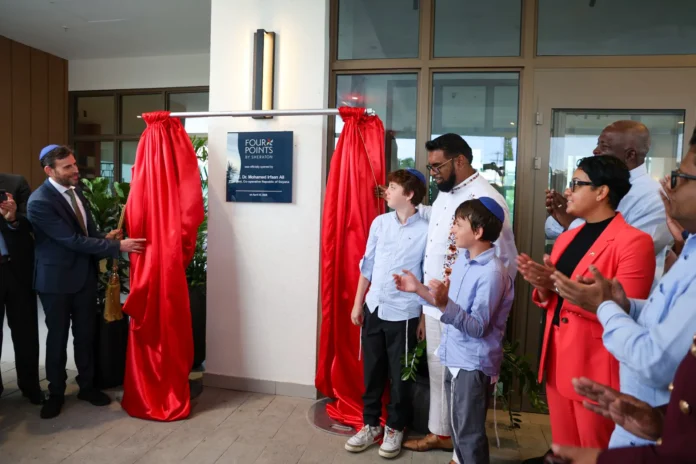
President Dr. Irfaan Ali, members of his cabinet and representatives of the Four Points by Sheraton Georgetown family at the official opening of the hotel (Photo: NCN News/ Facebook/ April 23, 2026)

Guyana has officially opened the Four Points by Sheraton hotel along Heroes Highway in Georgetown, marking another major addition to the country’s rapidly expanding hospitality sector.

The multimillion-dollar property was commissioned on Thursday by President Irfaan Ali, and features 172 rooms, a swimming pool, sports facilities, an event hall, as well as restaurant and bar amenities. The interior design incorporates elements of Indigenous culture, reflecting local heritage in its aesthetic concept.

President Ali described the investment as a strong signal of confidence in the Guyanese economy, pointing to the government’s broader push to expand tourism capacity and attract large-scale international events.

He noted that 11 international conferences and about six major sporting events are scheduled for Guyana this year, underscoring the need for increased hotel room availability.

“We are going after larger and larger opportunities for the country,” he said.

Minister of Tourism, Industry and Commerce Susan Rodrigues echoed the sentiment, saying the property reflects growing global interest in Guyana’s tourism sector.

Hotel owner Mauricio Van Dam credited support from the Government of Guyana and the Inter-American Development Bank for helping bring the project to completion, expressing optimism about the country’s long-term economic outlook.

“As we meet people, institutions, and see what’s unfolding, we become convinced of the enormous long-term potential of this country,” he said.

Although officially opened this week, the hotel had already begun welcoming early guests, many of whom highlighted the attention to detail and the integration of Indigenous cultural and natural design elements.

The property is also being positioned as a model for sustainable development. It is Guyana’s first EDGE Advanced-certified hotel and among the first EDGE Zero Carbon-certified hotels in Latin America and the Caribbean. The EDGE certification system—Excellence in Design for Greater Efficiencies—is an international green building standard developed by the International Finance Corporation of the World Bank Group, focused on energy, water, and materials efficiency.

President Ali praised the developers and partners involved in the project and hinted at potential future expansions.

“We want to take the next project forward and to see how we can have the first maybe Four Points nature resort, all-inclusive resort here in Guyana,” he said. “So let’s take that conversation forward. We already have IDB Invest in the room, and of course, we have your confidence.”

He also encouraged recognition of what he described as a model of local content collaboration.

Minister Rodrigues noted that with the opening of Four Points by Sheraton, Guyana now has four Marriott-branded properties, reflecting rapid growth in the hospitality sector since 2020.

“Since 2020, Guyana has welcomed properties such as the Courtyard by Marriott, the AC Marriott, the now Four Points by Sheraton, bringing the total number of Marriott-branded hotels in Guyana to four,” she said. “This is a remarkable shift in a relatively short period of time, driven by investor confidence, market demand, and the clear trajectory of Guyana’s tourism and business travel sectors.”

BVI moves to constitutional reform talks with UK

British Virgin Islands

The British Virgin Islands has taken a formal step toward long-anticipated constitutional reform, after the House of Assembly approved a delegation to represent the territory in negotiations with the United Kingdom.

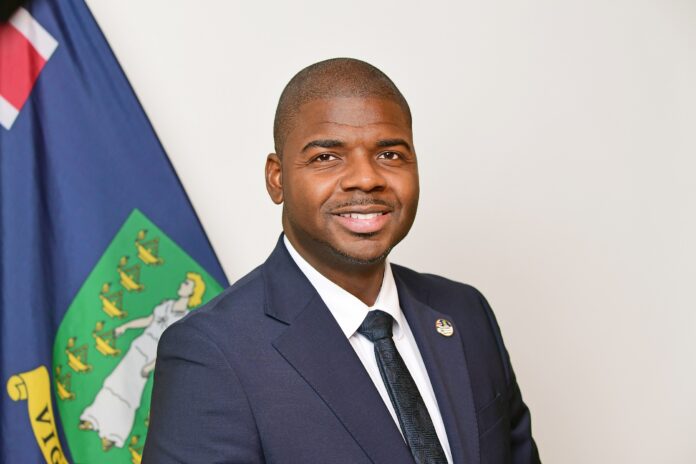
Premier Natalio Wheatley secured approval for a motion establishing a Constitutional Negotiating Committee, which will engage the UK government on updates to the territory’s governance framework.

The committee will be led by Wheatley and will include senior government ministers, members of the opposition, legal experts, and representatives from the Constitutional Review Commission, alongside support from senior public officials and the territory’s London office.

Wheatley said the talks are grounded in the Virgin Islands Constitution Order 2007, which provided for a review after 10 years. He noted that nearly two decades have now passed since its introduction, underscoring what he described as the need for reform.

He also referenced completed local work on the issue, including the Constitutional Review Commission’s report finalised in November 2023 and deliberations in the House of Assembly concluded in April 2026.

The report, he said, has been made public to inform wider national discussion and will be formally submitted to the UK government through the Minister for Overseas Territories.

The newly established committee is mandated to represent the Virgin Islands in discussions on constitutional reform and modernisation.

The motion passed without debate, formally clearing the way for the delegation to begin negotiations with the United Kingdom.

Cayman Islands launches inaugural Heritage Month

Cayman Islands to strengthen diversity marketing

The Cayman Islands will mark a new addition to its cultural calendar in May 2026 with the inaugural observance of Heritage Month, a nationwide initiative aimed at celebrating Caymanian identity, history and cultural expression.

The announcement was made by the Ministry of Youth, Sports, Culture and Heritage, confirming that Heritage Month will run from May 1 to 31 under the theme “Threads to Our Traditions.” The month-long programme will bring together a range of cultural events and activities under a coordinated national framework.

The initiative is designed to highlight the stories, traditions and cultural practices that shape life in the Cayman Islands, while providing a shared space for reflection, celebration and national pride.

A key feature of the observance will be the inclusion of Emancipation Day, which will be marked on Monday, May 4. The Ministry said it remains committed to ensuring the day is recognised with “importance, prominence, and respect” as part of the country’s historical narrative.

Throughout the month, residents will be encouraged to participate in independently organised cultural activities, including heritage showcases, performances, community events and educational programmes across Grand Cayman and Cayman Brac.

While events will be led by various community groups and organisations, the Ministry said it will play a central role in curating and amplifying a unified national message around the observance.

Minister for Youth, Sports, Culture and Heritage Isaac Rankine said the initiative marks an important step in strengthening national identity.

“Heritage Month represents an important step in strengthening how we celebrate and understand our identity as a people. It is an opportunity not only to showcase our culture, but to reflect on the traditions, stories and experiences that have shaped us as a nation,” he said.

The Ministry is encouraging the public to take part in the month’s activities and to embrace what it describes as the rich cultural heritage that continues to define the Cayman Islands.

Jamaica’s cement shortage expected to ease in coming weeks

carib cement Jamaica imports cement

Jamaica’s ongoing cement shortage is expected to ease within the coming weeks, with industry stakeholders signalling that supply conditions should gradually improve as production stabilises.

The Incorporated Masterbuilders Association of Jamaica (Incorporated Masterbuilders Association of Jamaica) said it received assurances from Caribbean Cement Company Limited during a meeting on Wednesday that the current shortfall should begin easing within the next three weeks, with a return to normal supply levels projected by mid-May.

According to the association, CCCL outlined a range of factors contributing to the shortage and said corrective measures are already underway. These include plans to ramp up production in order to close the existing supply gap, as well as steps to strengthen plant resilience and reduce the risk of future disruptions.

IMAJ also said discussions focused on the need to better align production capacity with rising demand across the construction sector, particularly as rebuilding activity increases in the wake of Hurricane Melissa.

The association added that it will continue engaging with CCCL and other stakeholders to monitor progress, emphasising that a stable cement supply remains critical to both the construction industry and the wider economy.

Meanwhile, industry players say the market remains tight in the short term. Deanall Barnes, executive director of Atlantic Hardware and Plumbing, said the shortage is largely being driven by demand outpacing supply.

He pointed to increased construction activity linked to government recovery programmes, including the Restoration of Owner or Occupant Family Shelters (ROOFS) initiative and the Tourism Housing Assistance and Recovery Programme (THARP), both aimed at supporting housing repairs and rebuilding after hurricane damage.

Officials say these initiatives have significantly boosted demand for building materials, adding further pressure to an already constrained supply chain.

Cayman tightens rules for Vybz Kartel show, with lyrics under scrutiny

Vybz Kartel
Photo Credit Tizzy Tokyo

A performance by dancehall artiste Vybz Kartel in the Cayman Islands next month will proceed under strict government conditions, including limits on his movement and the lyrical content of his show.

The entertainer, born Adidja Palmer, is scheduled to headline the Out of This World Music Fest on May 30. However, his appearance has drawn public concern and prompted authorities to attach restrictions to his entry permit.

Speaking at a community meeting in West Bay this week, Premier André Ebanks said the decision to admit the artiste was guided strictly by legal criteria rather than public sentiment.

“The facts presented is that he did not meet the definition of a prohibited immigrant, so there wasn’t any legal grounds to refuse,” Ebanks said.

Kartel, one of dancehall’s most controversial figures, is known for both global hits such as Fever and Clarks, as well as explicit tracks like Romping Shop, which sparked widespread backlash on release.

To address concerns, Cabinet approved a restricted-entry arrangement allowing the government to impose conditions on his visit.

“The entry visa restriction is what contains the behaviour and the modifications around movement, and also lyrics,” Ebanks explained, though he did not outline how those lyrical restrictions would be enforced.

The move was challenged by residents attending the meeting, with at least one describing Kartel’s music as “slackness” and questioning the vetting process.

“I sent you a few of his vulgar videos,” one woman told the premier. “Is this what you are expecting to see when he comes here to perform?”

Ebanks responded that the decision was a legal one, not an editorial judgement on the artist’s work.

“It’s not an entertainment music video that we watch. What comes through is a legal decision,” he said.

Since his release from prison in 2024, Kartel has returned to the international music scene, releasing the album Heart & Soul in August 2025, which earned a Grammy nomination for Best Reggae Album. He also won Best Caribbean Music Act at the MOBO Awards 2026.

Despite his renewed global presence, his performances remain controversial in several jurisdictions. Trinidad and Tobago previously imposed restrictions on media access for a scheduled show, while authorities in Barbados cut short a live performance mid-set in 2024. He has also faced bans and opposition in Saint Lucia over concerns about lyrical content and influence on youth.

As Cayman prepares for his arrival, officials say the performance will go ahead—but under carefully controlled conditions.

No bodycams for gun raids, says Minister Chang, citing risks to officers

Jamaica’s National Security Minister Horace Chang has pushed back firmly against growing calls for police to wear body cameras during armed operations, arguing that such a move would endanger officers rather than improve accountability.

The issue has become a flashpoint between the Government and civil society groups, particularly Jamaicans For Justice, which has been advocating for increased use of body cameras following a rise in fatal police shootings. But Chang made it clear this week that cameras will not be used in high-risk tactical engagements.

Speaking at Wednesday’s post-Cabinet media briefing at Jamaica House, the minister dismissed the proposal outright.

“This thing that you must wear a camera when you going to look for a man who has a M16 that’s firing 60 rounds per second is a crazy idea,” he said.

“When gunshot start blaze across your head or over your head, you’re going to dive, you’re going to find cover even if you’re a policeman, and look a place where you can find a space to in fact return fire,” Chang added.

He stressed that during planned early morning operations targeting armed suspects, officers will not be equipped with cameras, arguing that doing so would compromise their safety.

“The hunted moves much faster than the hunter,” he said, explaining that suspects are often mobile and difficult to track.

“You can’t send an officer in there with a marked car with lights blaring; they’re gone. So you send a special squad in there, they’re at risk; they will be killed if they’re not careful and they can’t go with cameras. Cameras make them a target,” Chang stated.

While rejecting their use in tactical settings, Chang emphasized that body cameras remain part of the Jamaica Constabulary Force toolkit, with additional units on the way. However, he underscored that decisions about their deployment rest solely with Police Commissioner Kevin Blake.

“It is part of police equipment like anything else, so we buy the cameras and the police issue them,” he said, noting that the commissioner determines “who wears a camera, where and when.”

Chang also rebuked attempts by civil society groups to influence operational decisions, maintaining that while all police activities are planned—including coordinated road checks—external groups cannot dictate how law enforcement deploys its resources.

He noted that cameras are sometimes used during road policing operations and at public events, where they have proven effective in reducing confrontations.

“When last have you seen a video — because they used to go viral — of a policeman and a taximan fighting, or a policeman has to beat up a taximan? They don’t, because when the taximan or any driver sees a policeman with a camera and he stops a car, they behave themselves,” Chang said.

“You don’t get the string of colourful words anymore,” he added.

Cameras not effective during raids, says Chang

Chang argued that there is little evidence to support the effectiveness of body cameras in high-risk operations, pointing to their use in the United States, including departments like the Los Angeles Police Department, where they were introduced largely to document routine public interactions in response to concerns about racial profiling.

He further suggested that mistrust of law enforcement in Jamaica is rooted in a broader historical perception.

“There is a legacy issue in Jamaica… where elements of the public assume that those of us who are elected are corrupt. It assumes that those who have authority are corrupt, so the idea that the police is a corrupt body out there to extort people is a wrong legacy. It’s incorrect and I cannot support anything that seeks to reinforce that and that’s what the call for cameras to be used all the time does,” he said.

Maintaining that criticism is part of democratic engagement, Chang nevertheless called for greater trust in local institutions.

“We’re not objecting to criticism, but it’s time we trust our own people; it’s time we respect our own professionals,” he said.

He acknowledged that the JCF, with a force of roughly 14,000, is not without wrongdoing, but insisted such cases are limited.

As he did during the sectoral debate, Chang urged civil society groups to allow oversight bodies like Indecom to complete their investigations before drawing conclusions or issuing public criticism.

Coconut Bay to host 6th annual Rum & Rhythms Festival in Saint Lucia

Coconut Bay Beach Resort & Spa, one of Saint Lucia’s leading premium all-inclusive resorts, has rolled out an expanded calendar of wellness activities, signature events, and cultural celebrations designed to elevate the guest experience year-round.

“We’ve created a calendar that adds more to the guest experience while still reflecting what makes Saint Lucia special,” said John Miles, General Manager of the resort.

Fitness and well-being remain central to the offering, with guests encouraged to stay active while on vacation. The lineup culminates in June’s annual Health and Wellness Month, featuring expanded fitness classes, spa specials, and multi-day wellness packages. A daily activity schedule includes oceanfront yoga, beach volleyball, and aqua fitness, while the air-conditioned fitness center offers state-of-the-art equipment, including new ellipticals and treadmills, alongside classes such as Pilates, Ab Lab, and Body Burn. Guests can also explore the island through guided excursions, from rainforest hikes to therapeutic mud baths at Sulphur Springs.

For relaxation, the recently refreshed Sanctuary Spa offers a tranquil retreat with oceanfront cabanas, indoor treatment rooms, and a new relaxation deck. Treatments incorporate organic and locally sourced ingredients, spanning massages, facials, and rejuvenating scrubs, complemented by upgraded saunas and steam rooms.

Dining remains a cornerstone of the experience across nine venues, with a farm- and ocean-to-table philosophy highlighting locally sourced ingredients. Fresh fish is delivered daily, while updated menus at Coconut Walk emphasize lighter fare alongside guest favorites. The resort has also introduced Seasons Veggie Bistro, its first fully plant-based restaurant, featuring bold, wholesome cuisine. Guests can further indulge with fresh coconut water harvested on property or sugarcane juice served poolside at the Jerk Treehouse.

Signature events continue to draw visitors throughout the year. The third annual Pickleball in Paradise returns from April 26 to May 3, led by professional Eddie Aziz, offering clinics, social matches, and tournament play across five resurfaced courts. From May 3 to May 10, Jazz on Resort celebrates the spirit of the Saint Lucia Jazz Festival with performances ranging from contemporary Caribbean jazz to steel pan.

From November 7 to 14, the sixth annual Rum & Rhythms Festival transforms the resort into a showcase of Caribbean music and regional rums, with live performances, guided tastings, and themed dining experiences. Traditional celebrations also feature prominently, including a vibrant Carnival on July 24 and Creole Heritage Week from October 17 to 25, culminating in Jounen Kwéyòl with authentic cuisine, music, and dance. Halloween festivities on October 31 include a Grand Monster Ball with family-friendly and adult-focused entertainment.

The year concludes with festive Christmas and New Year celebrations from December 24 to 31, featuring beachside parties, caroling, and Santa’s arrival by sea. New Year’s Eve culminates with gourmet dining, live performances, and oceanfront fireworks.

Guests can currently save up to 55% on stays, with rates starting at US$399 per room, per night based on double occupancy for a minimum five-night stay. The resort offers both the family-friendly Splash wing and the adults-only Harmony wing, with packages including airport transfers from Hewanorra International Airport. Couples can also opt for the Harmony Romance Package, which includes added perks such as a couples massage, a sunset catamaran cruise along the island’s west coast, and a romantic turndown service.

Atlantis Paradise Island unveils The Imperial Club, elevating luxury experience in The Royal

Atlantis Paradise Island has announced the launch of The Imperial Club, a refined private club experience set to debut May 1, 2026, on the 19th floor of The Royal’s East Tower.

Designed for travelers seeking personalized service, elevated culinary offerings, and enhanced privacy, the new concept reflects Atlantis’ continued push to redefine the luxury guest experience.

“The Imperial Club is an invitation to slow down and experience Atlantis in a more intimate way,” said Audrey Oswell, President and Managing Director of Atlantis Paradise Island. “From discreet concierge services and bespoke itineraries to inspired culinary moments and expansive ocean views, each element has been thoughtfully designed to create a sense of ease and belonging.”

Access to The Imperial Club will be reserved for guests staying in The Royal’s suite-level accommodations and select premium rooms. Upon arrival, guests will enjoy dedicated check-in at The Sun Lounge, the resort’s VIP check-in and lounge.

Perched above Paradise Island with sweeping views of the turquoise Bahamian waters, The Imperial Club will offer a curated range of upscale amenities, including complimentary daily breakfast, a signature cocktail hour, evening canapés and desserts, and rotating culinary presentations throughout the day.

Guest accommodations tied to the experience will also include butler service, distinctive Bahamian welcome keepsakes, and enhanced in-room amenities designed to elevate every aspect of the stay.

The debut of The Imperial Club marks the latest phase in Atlantis Paradise Island’s ongoing enhancements, further positioning the resort as a leader in Caribbean luxury hospitality.

The Royal’s prime location places guests steps away from world-class dining, Aquaventure water park, white sand beaches, Dolphin Cay, The Dig, Atlantis Casino, Crystal Court luxury shopping, Mandara Spa, and other signature attractions.

The Imperial Club will operate daily from 7:00 a.m. to 11:00 p.m., with reservations available for qualifying room and suite categories beginning May 1, 2026.

Port of Miami Representative Sonless Martin engages global leaders at eMerge Americas 2026

Bahamian-American maritime and trade professional Sonless Dorian Martin Jr., a global trade and business development specialist representing the Port of Miami, was among the notable attendees at the 2026 eMerge Americas Conference, held at the Miami Beach Convention Center. The annual gathering, known for convening innovators, investors, policymakers, and business leaders from across the globe, provided a dynamic platform for collaboration and forward-looking dialogue.

During the conference, Martin joined distinguished diplomatic figures, including Jamaica’s Consul General in Miami, Oliver Mair, and Japan’s Consul General in Miami, Junya Nakano. Their presence underscored the importance of international partnerships and the role of diplomacy in driving economic development and expanding trade opportunities.

The event attracted a high concentration of decision-makers and influential stakeholders across technology, infrastructure, logistics, and international commerce. For Martin, the conference presented valuable opportunities to engage in discussions on emerging trends, cross-border trade, and strategic partnerships aligned with the Port of Miami’s continued growth as a global logistics hub.

Throughout the sessions and networking engagements, key themes included supply chain innovation, digital transformation in trade, and the strengthening of economic ties between regions. Martin’s participation reflects a commitment to fostering relationships that can enhance Miami’s position in global markets while opening new avenues for collaboration between the public and private sectors.

Describing the experience as both insightful and productive, Martin emphasized the importance of events like eMerge Americas in bringing together diverse perspectives to address shared challenges and opportunities in an evolving global economy.

As Miami continues to position itself as a gateway for international trade and investment, the presence of leaders like Martin at major forums reinforces the city’s growing influence on the global stage.

Jamaican Chef Basil Jones leads culinary experience on Love & Harmony Cruise

chef Basil Jones

Every morning at 4 a.m.—when most Harmonizers aboard the Love & Harmony Cruise 2026 are fast asleep in their cabins—Jamaican-born executive chef Basil Jones is already at the heart of the ship’s culinary engine, ensuring that every bite of Jamaican food tastes like it was prepared on the “Rock.”

“My role is to make sure that the food tastes as Jamaican as possible,” Jones explained during an at-sea interview with Caribbean National Weekly.

Jones is one of four Jamaican chefs hired by Love & Harmony executives, tasked with delivering authenticity across seven primary kitchens on the Norwegian Jewel. While the ship boasts more than 16 diverse culinary offerings, Jones’ responsibility was clear—protect the integrity of Jamaican cuisine wherever it appears on the menu.

“I oversee all of the food on the ship… from each restaurant that is part of the Jamaican menu,” he said.

Whether a dish is served in a casual setting or a formal dining room, Jones moves from kitchen to kitchen to ensure every plate reflects his Jamaican heritage. He also makes it a point to meet guests daily, gathering feedback and adjusting menus in real time—a hands-on approach that has defined his career.

“One of my main objectives is to go to the dining room… and ask guests how their meals are, so we as chefs can make the necessary adjustments,” he added.

A Taste of Jamaica 2026—With Challenges

For Harmonizers, the cruise is as much about food as it is about music. Oxtail, rice and peas, jerk chicken, dumplings, and ground provisions—ackee and saltfish, yellow yam, chocho, banana, and callaloo—are must-have staples in constant demand.

“We Jamaicans love our ground provisions, especially dumplings, yam, and banana. Oxtail and rice and peas is a must,” Jones said. “Those are some of the staple items guests are always asking for.”

First-time Harmonizer Althea Spence of New York praised the onboard cuisine.

“The food on board the Love & Harmony cruise was top shelf most times,” Spence said. “I particularly enjoyed the oxtail, curry goat, and cornmeal porridge. The jerk salmon served at the Captain’s Masquerade Dinner on Sunday was off the chain. It was a fantastic dining experience. My favorite, however, was the fish tea—not to mention the manish water. Oh boy. It was fire.”

Retired eight-time Harmonizer Marcia Wanliss of Florida agreed, singling out the manish water as “delicious.”

Kayla Hemans, a Jamaican living in Tampa, also praised the jerk salmon served at the Captain’s Dinner.

Friends Kayla Smith (Tampa), Judy Hemans (Long Island, NY) and Doreen (Tampa) share lens time with Chef Basil Jones.

“I loved the salmon—the jerk spice was just right,” she said.

But delivering that experience daily was not without challenges. Agricultural setbacks in Jamaica, caused by Hurricane Melissa last October, impacted key farming regions in the “breadbasket” parishes of St. Elizabeth, Westmoreland, and Trelawny, affecting the availability of essential ingredients.

“Definitely, without a doubt, there was a shortfall this year… ackee, yes,” Jones admitted. “We did our best to get as much as we could, but there was a shortage.”

Still, his focus remained on maintaining authenticity despite limitations.

“We made the best of what we had, trying to stretch it as much as possible,” he said.

Cooking for the Stars

Jones was also tasked with preparing custom dishes for performers aboard the cruise, tailoring meals to their specific tastes to ensure they were well-fueled for nightly performances.

“Beres Hammond wanted jerk salmon with mixed vegetables, and I delivered that,” Jones shared.

“Minister Marion Hall wanted salmon as well, cooked Creole-style. I guess she enjoyed it and requested the same thing the following day.”

“Artists are celebrities… sometimes they want something out of the box,” he added with a smile.

“You have to be prepared if you want to be a chef on this ship. There’s no time to play around—you’ve got to be ready and steady to get the job done.”

Behind Jones’ calm confidence lies more than three decades of discipline and sacrifice. His journey began in Jamaica at the former Sans Souci Hotel in Ocho Rios, where curiosity quickly turned into a calling.

“I didn’t want to just be a normal person running the food line… I wanted to learn everything,” he recalled.

Over the years, Jones has cooked for an impressive list of high-profile celebrities, including Mary J. Blige, Patti LaBelle, Celine Dion, and Jamaican-born NBA legend Patrick Ewing. Yet, despite his accolades, he remains grounded.

“I don’t represent myself… I represent my country, Jamaica,” he said.

A recognized figure in New York’s Caribbean culinary community, Jones built his reputation after joining Footprints Café in Brooklyn in 2001 and later serving as head chef at Jasmine’s Caribbean Cuisine in Times Square. Among his many accolades are the Team Jamaica Bickle Ambassador Award in 2024 and a Certificate of Excellence from the Prime Minister of Jamaica in 1987. He is also credited as the originator of the popular Rasta Pasta.

Today, whether leading kitchens on the Love & Harmony Cruise or curating menus for private events, Jones sees himself as a culinary ambassador.

“When people think about Jamaica, they think about the food. I would love to take Jamaican food globally,” he said.

And aboard the Love & Harmony Cruise, with every plate that leaves the kitchen, Jones does exactly that—serving not just meals, but a taste of Jamaican heritage, rich with pride.

Trinidad fugitive extradited to US to face armed robbery charges

sentenced

A Trinidad and Tobago national who evaded U.S. authorities for more than a decade has been extradited to the United States to face armed robbery charges.

Kervon Noel was extradited on April 21, 2026, nearly 12 years after a warrant was issued for his arrest in Maryland. He is expected to face two counts of armed robbery and conspiracy, with each count carrying a maximum penalty of 20 years in prison if convicted.

According to the U.S. Embassy Trinidad and Tobago, Noel was initially charged in November 2014 and released on bond, with instructions to appear in court the following month. However, he failed to appear and fled to Trinidad and Tobago.

U.S. authorities formally requested his extradition in January 2026. Noel was subsequently arrested in Port of Spain on February 11 at the request of U.S. law enforcement. He later consented to extradition, and on April 13, Trinidad and Tobago’s Attorney General John Jeremie signed the Warrant of Removal authorizing his transfer.

Noel was escorted to the United States by personnel from the United States Marshals Service, alongside special agents from the Federal Bureau of Investigation and the Diplomatic Security Service.

The extradition involved coordination among several agencies, including the U.S. Department of Justice’s Office of International Affairs, U.S. Customs and Border Protection, the U.S. Drug Enforcement Administration, Montgomery County Police in Maryland, the Trinidad and Tobago Police Service, and Trinidad and Tobago’s immigration and airport authorities.

U.S. Embassy Chargé d’Affaires Jenifer Neidhart de Ortiz described the extradition as a demonstration of strong bilateral cooperation between the United States and Trinidad and Tobago.

“This successful extradition exemplifies the strength and excellence of American law enforcement working hand-in-hand with our Trinidad and Tobago partners,” she said, adding that such collaboration helps ensure that individuals accused of serious crimes are brought to justice.

Officials say the case underscores ongoing efforts between both countries to combat crime and strengthen regional security cooperation.

Jamaican-born gospel artist Dayne Malcolm set to release new single ‘We Give You the Glory’

South Florida’s gospel music scene is anticipating a spirit-filled addition as Jamaican-born recording artist Dayne Malcolm prepares to release his latest single, “We Give You the Glory,” featuring vocalist Jodian Pantry. The track is expected to deliver a message of worship, gratitude, and praise, blending Caribbean musical roots with contemporary gospel influences.

Known professionally as daMalco, Malcolm has earned a reputation as a dynamic worship leader whose performances emphasize both vocal strength and spiritual connection. Whether in church services, concerts, or community settings, his ministry is often described as creating an atmosphere of renewal and encouragement for audiences.

Born and raised in Little London, Westmoreland, Malcolm discovered his passion for music at an early age, beginning to sing at just six years old. His early involvement in his high school choir and local community performances helped lay the foundation for what would become more than two decades in music and ministry. Since relocating to the United States in 2012, he has expanded his reach, building a platform within the Caribbean diaspora and the wider gospel community.

Among his career highlights is a performance of the national anthem at the 50th anniversary celebration of Job Corps, attended by U.S. Congresswoman Frederica Wilson. His contributions to gospel music have also been recognized with accolades including Caribbean Gospel Buzz’s Artist of the Month in 2015 and a nomination for Caribbean Artist of the Year at the Tampa Bay Gospel Awards in 2019, where he also received the True Worship Leaders Award.

Malcolm’s growing catalogue includes recordings such as Total Praise, America the Beautiful / God Bless America, Sabbath Joy, The Prayer, and He Abides (Live). His upcoming single marks the latest step in his evolving musical journey.

Explaining his commitment to gospel music, Malcolm said the genre serves as both a personal anchor and a ministry tool.

“I choose to sing gospel because it’s the one place where my truth and God’s presence meet. It keeps me anchored when life tries to pull me in every direction. Beyond the music, it’s ministry—every note is a chance to reach someone in a place words alone can’t touch,” he said.

In addition to his solo work, Malcolm launched Dayne Malcolm & Friends (DMnF) during the COVID-19 pandemic, a collective focused on spreading faith through music under the theme “One God, One Praise.”

With “We Give You the Glory” set for release, Malcolm aims to continue using music as a vehicle for inspiration and connection, offering listeners a reminder of the enduring power of praise to uplift and unite.