Home Blog Page 156

Windies’ late-onslaught secures 16-run victory in T20I thriller

West Indies

CHATTOGRAM, Bangladesh – A breathtaking late innings onslaught and disciplined bowling display propelled the West Indies to a 16-run victory over Bangladesh in a pulsating first T20I on Monday, giving the visitors a 1-0 lead in the three-match series.

The defining moment came from a blistering, unbroken 83-run partnership between captain Shai Hope and Rovman Powell, who transformed a struggling innings into a competitive total of 165-3.

The innings had stalled at 82 for 3 in the 13th over, with Brandon King (33) and Alick Athanaze (34) providing a solid start before the middle order faltered. Hope, finishing 46 not out off 28 balls, ignited the fightback with two towering sixes off leg-spinner Rishad Hossain, setting the stage for Powell’s explosive heroics.

On his 100th T20I, Powell unleashed a spectacular finish, blasting a 102-meter six off Mustafizur Rahman and following it with three consecutive sixes off Tanzim Hasan Sakib in the final over, finishing unbeaten on 44 from 28 deliveries.

“At the end of the innings, I was really pleased. It was difficult for me to start on the wicket; at one point, I was about 7 off 20 deliveries. But I just kept believing that if I could get a good shot, a good boundary, I would turn it around. We just needed to go as deep as possible,” Powell reflected after earning Player of the Match honors.

Bowling brilliance shuts down hosts

Chasing 166, Bangladesh were immediately hampered during the power play. Jayden Seales removed opener Tanzid Hassan (15), followed swiftly by Akeal Hosein, who claimed the wickets of captain Litton Das (5) and Saif Hassan (8).

The collapse continued under the pressure of West Indies’ incisive attack. Jason Holder struck three crucial wickets, including Shamim Hossain, while Seales finished with a tidy 3-31, reducing Bangladesh to 117 for 7. Tailenders Tanzim Hasan (33) and Nasum Ahmed (20) offered a brief glimmer of resistance, but Holder’s dismissal of Tanzim in the 16th over effectively ended the contest. The innings concluded bizarrely when Taskin Ahmed was dismissed hit-wicket after hitting a six, encapsulating a frustrating day for the hosts.

Series momentum with West Indies

The victory not only showcased the West Indies’ all-round depth but also set the tone for the remainder of the series. With the second T20I scheduled for Wednesday at the same venue, the Windies head into the next match brimming with confidence, while Bangladesh will seek redemption in front of their home crowd.


 

Busby calls on young guns as Reggae Girlz face Trinidad in final warm-up

Reggae Girlz head coach Hubert Busby

Jamaica’s Reggae Girlz will take on Caribbean rivals Trinidad and Tobago in a crucial international friendly at Ato Boldon Stadium on Tuesday, with kickoff scheduled for 7:00 pm Jamaica time.

The match marks the final warm-up before the Concacaf Women’s World Cup qualifiers, which commence next month, offering both teams a chance to sharpen their strategies and fine-tune line-ups.

Injury absences open doors for new talent

Jamaica will be missing several key figures for this encounter, including goalkeeper Rebecca Spencer, Atlanta Primus, Vyan Sampson, and Shania Hayles, joining previously sidelined stars Khadija Shaw, Drew Spence, and Trudi Carter.

Coach Hubert Busby is using the absence of senior players as an opportunity for replacements to stake their claim for regular selection.

“With some senior pros missing due to injuries sustained last week, we will need our veteran players to guide our younger ones during the match. Some of the younger players have performed admirably during training, and we have no doubt that if called upon, they will put in a solid performance,” Busby said.

The squad additions, including Mia Mitchell, Lola Nesbeth, Serena Mensa, and Ricshya Walker, now have a platform to prove their readiness for the qualifiers.

Tactical tune-up and competitive edge

Beyond personnel testing, the friendly provides a vital chance for tactical refinement.

“Training this week has gone well. The work rate, focus, and overall approach to this match have been very good. Expectations remain the same: we want to deliver a positive performance. We’ve been working hard to improve our possession and win transition moments,” Busby noted.

While labeled a friendly, the rivalry promises intensity. Jamaica last faced Trinidad in 2018, securing a 4-1 victory, but Busby emphasizes the challenge ahead:

“We know that Trinidad is our biggest rival in the Caribbean. The match will be anything but a friendly. They are another ranked team heading into the World Cup qualifiers next month, and we approach the game with the respect it warrants.”

Looking ahead to World Cup qualifiers

Jamaica will enter the qualifiers in Group B, facing Antigua and Barbuda, Dominica, Guyana, and Nicaragua, while Trinidad will compete in Group F alongside Barbados, El Salvador, and Honduras.

“This is our final match before the qualifiers next month. We are approaching it seriously because it provides us with the opportunity to refine our tactical plans ahead of the match against Dominica,” Busby added.

With the 2027 FIFA Women’s World Cup on the horizon, the Reggae Girlz are determined to continue their upward trajectory and strengthen Jamaica’s presence on the global stage.


3 storm-related deaths in Jamaica as Hurricane Melissa nears

Jamaica tufton Ministry of Health
Minister of Health and Wellness Dr. Christopher Tufton.

Jamaican officials confirmed Monday that three people died and at least 13 others were injured during preparations for Hurricane Melissa, which intensified into a powerful Category 5 storm as it drew closer to the island.

Minister of Health and Wellness Dr. Christopher Tufton said the fatalities occurred in Hanover, St. Catherine and St. Elizabeth.

“Even though the storm has not yet hit, we have had three deaths related to the preparation for the storm,” Tufton said during a press conference on Monday evening. “These are due to persons preparing for the storm, unfortunately, cutting down of trees in particular. In one case, a tree fell on one of the individuals in St. Elizabeth, and it was a health worker. In Hanover, similar circumstances. In one of the cases, it was an electrocution. There have been about 13 other injuries related to persons falling off ladders, rooftops, and trying to prepare for the storm.”

Tufton added that the health system will provide assistance to the families of those who died.

Hurricane Melissa strengthened Monday, with forecasters warning it would unleash catastrophic flooding, landslides, and widespread damage on Jamaica. At Category 5, it would be the strongest hurricane to hit the island since record-keeping began in 1851.

“I have been on my knees in prayer,” Prime Minister Andrew Holness said, anticipating the hardship ahead.

The U.S. National Hurricane Center in Miami said Melissa packed maximum sustained winds of 175 mph and was moving northwest at 3 mph Monday afternoon, centered about 140 miles southwest of Kingston. A storm surge of up to 13 feet was expected along the Kingston coastline, home to critical infrastructure including the island’s main international airport and major power facilities.

Parts of eastern Jamaica could receive up to 30 inches of rain, with officials warning of “catastrophic flash flooding and numerous landslides.” Mandatory evacuations were ordered in flood-prone areas and buses deployed to shelters across the island. Still, authorities noted that fewer than 1,000 people had sought refuge in more than 880 shelters.

“It’s way, way below what is required for a Category 5 hurricane,” said Transport Minister Daryl Vaz, urging residents to take the storm seriously. “If you are not smart, unfortunately, you will pay the consequences.”

The slow-moving storm has already killed at least three people in Haiti and one in the Dominican Republic, where another person remains missing. More than 50,000 homes in the region have lost power, with landslides and downed trees reported ahead of landfall.

Melissa is expected to continue through the southeastern and central Bahamas later this week. A tropical storm warning is in effect for the Turks and Caicos Islands.

A hurricane of Category 4 strength or higher has not made landfall in Jamaica in 174 years. Hurricane Gilbert was Category 3 when it crossed the island in 1988; Hurricanes Ivan and Beryl were both Category 4 but missed landfall.

Melissa is the 13th named storm of the Atlantic hurricane season, which runs until Nov. 30.

Annual Cecelin Gayle Foundation Legacy Gala postponed due to Hurricane Melissa

Due to the inclement weather from the approaching Hurricane Melissa, which is expected to make landfall on Jamaica and neighboring islands today into tomorrow, organizers have decided to postpone the Annual Cecelin Gayle Foundation Legacy Gala originally scheduled for Friday, Nov. 7, 2025.

The sponsors and owners of The Dutch Pot Jamaican Restaurant, along with family members and other key participants in planning the fundraising event, will return to Jamaica immediately after the hurricane passes to provide hurricane relief. Organizers are currently requesting donations of essential items, which will be transported by volunteers as soon as travel becomes possible. Barrels and boxes for community contributions are being placed at store locations for collection.

“We apologize for any inconvenience this may have caused,” the organizers said. A new date for the gala will be scheduled, and attendees may choose to either have their payments refunded or applied to the rescheduled event. Organizers ask that participants advise their preference so it can be honored.

Lauderdale Lakes shows support for Caribbean nations amid of Hurricane Melissa

Lauderdale Lakes Mayor Veronica Edwards Phillips

The City of Lauderdale Lakes, led by Mayor Veronica Edwards Phillips and the City Commission, has extended heartfelt support to Caribbean nations—Jamaica, Haiti, the Dominican Republic, and Cuba—as they brace for the impact and deal with the aftermath of Hurricane Melissa.

“As The We Care City, our thoughts and prayers are with our Caribbean brothers and sisters during this challenging time,” said Mayor Veronica Edwards Phillips. “Many of our residents have strong cultural and family ties to these nations, and we share deeply in their concern and hope for safety and recovery.”

Mayor Edwards Phillips emphasized the city’s commitment to solidarity: “We stand united in compassion and care. Our city’s diversity is our strength, and together, we extend our support to the families and friends of those impacted abroad. Lauderdale Lakes will continue to be a beacon of hope and solidarity for our Caribbean community.”

Residents are encouraged to follow the City’s official communication channels for updates and information on ways to assist with relief efforts.

Hurricane Melissa becomes Category 5, poised for catastrophic hit on Jamaica

Desmond McKenzie, Jamaica’s minister of local government and community development

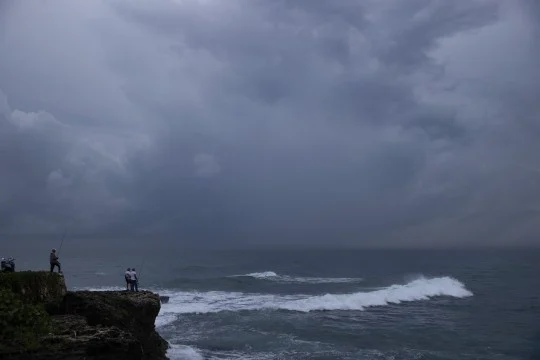
Hurricane Melissa rapidly intensified into a powerful Category 5 storm early Monday, with forecasters warning of catastrophic flash flooding, life-threatening landslides and extremely strong winds across the Caribbean, but especially in Jamaica.

The U.S. National Hurricane Center (NHC) in Miami urged Jamaicans to move to their shelters and remain there throughout the storm. Dangerous conditions are expected to begin Monday and continue through Tuesday as the system approaches the island.

Melissa is forecast to make landfall in Jamaica early Tuesday. Government officials are scheduled to update the nation at 11:30 a.m. Monday.

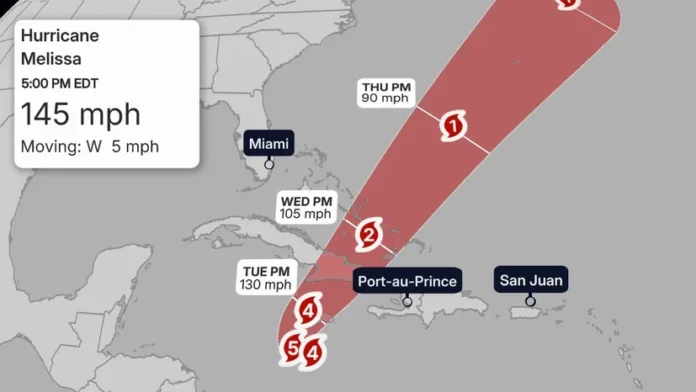
As of 5 a.m. ET, the hurricane was located 130 miles southwest of Kingston with sustained winds of 160 mph, placing it at the top of the Saffir-Simpson hurricane scale. Forecasters expect the storm to intensify even further before landfall.

The NHC described Melissa as the most powerful storm to threaten the region since Hurricane Gilbert in 1988. Jamaica could see between 15 and 30 inches of rainfall, along with damaging winds, extensive infrastructure impacts and a dangerous storm surge along the southern coast.

Some areas in the east could receive up to 40 inches of rain — more than parts of the island typically record in a full year. Wind speeds over mountainous terrain could surge up to 30% higher than the storm’s sustained winds, potentially topping 200 mph.

Desmond McKenzie, Jamaica’s minister of local government and community development, said Sunday night that 218 people had already taken refuge in some of the country’s 881 shelters.

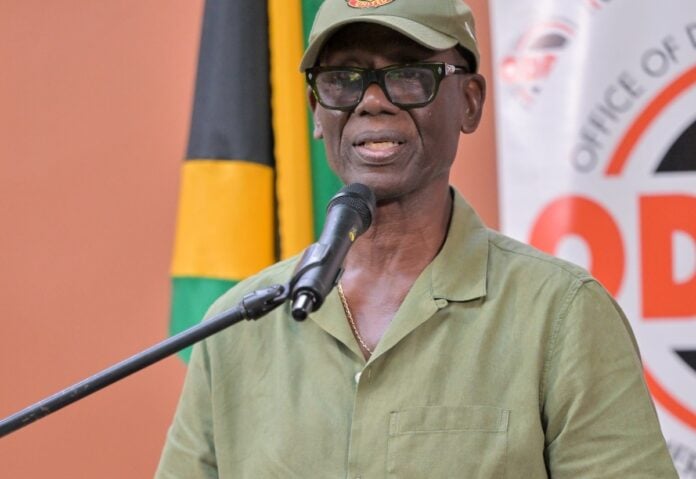
“We have activated all shelters across Jamaica, so…persons who want to go to the shelters can do so,” he said, while addressing a press briefing at the National Emergency Operations Centre (NEOC) at the Office of Disaster Preparedness and Emergency Management in Kingston on Sunday.

Prime Minister Andrew Holness also on Sunday issued the Disaster Risk Management (Hurricane Melissa) Evacuation Order, 2025.

This Order takes effect immediately and requires all persons to evacuate the following areas:

1. Port Royal, Kingston
2. Portland Cottage, Clarendon
3. Rocky Point, Clarendon
4. Old Harbour Bay, St. Catherine
5. Taylor Land, Bull Bay, St. Andrew
6. New Haven, St. Andrew
7. Riverton City, St. Andrew


Haiti and the Dominican Republic are also expected to experience catastrophic, life-threatening flash flooding by midweek, according to the NHC. Cuba is bracing for heavy rain, landslides and flooding beginning Monday. A hurricane watch remains in effect for the central and southeastern Bahamas, as well as the Turks and Caicos Islands.

The storm has already claimed at least four lives — three in Haiti and one in the Dominican Republic.

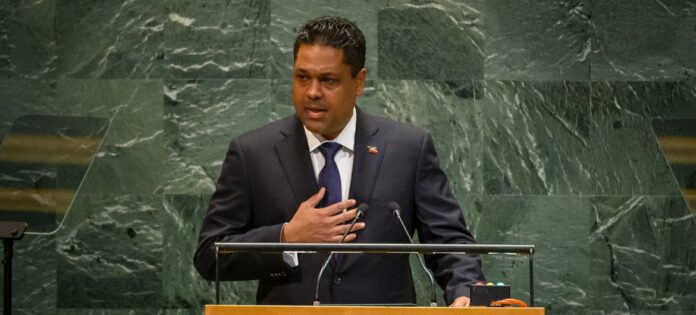
CARICOM-backed electrification project set to benefit 10 rural Suriname communities

Residents of 10 rural communities in Suriname are set to benefit from a multi-million-dollar electrification project funded by the Barbados-based Caribbean Community (CARICOM) Development Fund (CDF).

The US$11.8 million initiative aims to install hybrid renewable micro-grid systems in Cajana and Galibi as part of a broader effort to improve energy access and support a just energy transition in Suriname’s rural communities. The project is financed through a US$10.01 million concessionary loan and a US$0.49 million grant from the CDF, alongside a US$1.3 million in-kind contribution from the Suriname government.

The project began with the signing of the loan and grant agreements on April 24, 2024, and is slated for an 18-month implementation period. A CDF delegation, led by CEO Rodinald Soomer, visited Suriname and confirmed that installation of the micro-grids is over 90 per cent complete, with full commissioning expected before the end of 2025.

“These micro grids will provide reliable, clean, and sustainable electricity to 1,906 residents in 10 rural communities of the Cajana and Galibi regions; and the completion of this project will mark a significant milestone in Suriname’s pursuit of inclusive and resilient growth,” the Guyana-based CARICOM Secretariat said in a statement.

During his visit to Paramaribo, Soomer held talks with President Jennifer Greelings-Simons on “opportunities for increasing CDF’s support to the implementation of Suriname’s economic diversification and sustainable growth agenda.”

The Secretariat added that discussions included “leveraging the CDF’s experience in increasing youth and community participation in the inclusive growth of the agriculture and tourism sectors.”

Fitch forecasts faster decline in Jamaica’s debt-to-GDP ratio

jamaica economy

Fitch Ratings expects Jamaica’s debt-to-GDP ratio to decline faster than official forecasts, according to a new report released this month. The rating agency also highlighted the country’s successful general election held on September 3 in a separate but related update.

“Fitch Ratings forecasts Jamaica’s economy to expand by 2.1 per cent in 2025 after a contraction in 2024. We expect the debt/GDP ratio to reach 58 per cent in FY26, below the government’s target of 60 per cent,” the report stated.

Jamaica’s debt-to-GDP ratio currently stands at 62.4 per cent, down from 67.3 per cent, following an update to the country’s international statistical methodology that increased the nominal value of GDP, according to a notice on the Ministry of Finance Debt Management Unit’s website. The total stock of public debt was $2.19 trillion as of August 2025.

Before adopting the new methodology, the government had projected the debt-to-GDP ratio would ease to 63.7 per cent by the end of the current fiscal year, March 2026, and further to 61 per cent in 2027, as outlined in the Medium-Term Debt Management Strategy published in February. Jamaica is aiming for a debt ratio of 58.8 per cent by fiscal year 2027-28.

Fitch Ratings, headquartered in the United Kingdom and the United States, is one of the three major global credit rating agencies, along with Moody’s and Standard & Poor’s, both based in the U.S.

The forecast signals confidence in Jamaica’s fiscal trajectory despite recent economic headwinds. The agency cited sustained primary surpluses and adherence to medium-term fiscal rules as evidence of the country’s strong commitment to fiscal discipline. Growth is expected to be driven by tourism recovery, remittances, and public investment.

Fitch’s update also referenced Jamaica’s general election, noting that the results “signal continuity in key economic policies.” The Jamaica Labour Party, led by Prime Minister Dr Andrew Holness, won a third consecutive term, though its parliamentary majority was reduced by 15 seats.

“Policy continuity supports macroeconomic stability and reinforces Jamaica’s credit profile,” Fitch wrote in its September bulletin, reaffirming the country’s ‘BB-’ rating with a Positive Outlook.

While praising Jamaica’s fiscal management, Fitch highlighted persistent structural challenges, including low productivity, high crime rates, and demographic pressures. External vulnerabilities—such as climate exposure and dependence on tourism—remain key risks.

The agency noted Jamaica may face growing pressure to increase spending in areas previously deprioritised during its decade-long debt reduction effort, including infrastructure and personal income tax relief—both emphasised in recent pledges by the JLP and the People’s National Party, led by Opposition Leader Mark Golding, albeit in different ways.

These pressures are expected to contribute to a modest decline in primary surpluses in 2025 and 2026, though surpluses are projected to remain above 3.0 per cent of GDP.

“Pressures may rise to increase spending in areas deprioritised to deliver large debt reduction over the last decade. For example, the PNP’s election manifesto prioritised infrastructure investment. Both parties also pledged to reduce the personal income tax burden to ease cost-of-living pressures,” the report on the election stated.

Nonetheless, Jamaica’s “strong track record of adherence to fiscal rules” and its demonstrated willingness to consolidate underpin Fitch’s view that the country will maintain fiscal discipline.

Mistakes you should avoid after facing a car accident

Car accident claims

Car accidents are terrifying and stressful. In an instant, your life can change. But it’s what you do following a car accident that is important. If you are involved in a car accident, you need to handle the situation carefully.

Let’s discuss some of the mistakes individuals make after a car accident.

Not Checking for Injuries

One of the first steps to take after an accident is to see if you and other people involved are hurt. These include your passengers and the occupants of the other car. Even if you believe you are not hurt, it is advisable that you let a doctor examine you.

There are some injuries that do not become evident right away. Avoid underestimating injuries that are minor because they could worsen later.

Leaving the Scene

Never leave the scene if you get into a car accident. Leaving the scene of an accident is a crime, and it will land you in a whole lot of trouble. Always stay where the accident happened, even if the accident seems minor.

Avoid leaving before talking to the police or sharing information.

Admitting Fault Too Quickly

After a crash, emotions can overwhelm you. You might feel guilty or think that you were responsible for the accident. You might hurt your case down the line by apologizing. There are other factors that can cause the accident, like:

  • Poor road conditions
  • Poor weather conditions
  • Reckless or negligent driving by other motorists

Not Calling the Police

Even if the accident seems to be minor, it’s worth getting the police involved. They will report the accident, which is helpful if you need to make a claim on your insurance.

Police can also provide guidance on what steps to take next. Without a police report, it could be harder to sort out what happened. Don’t skip calling the police, even in minor crashes.

Failure to Take Photos

It is essential to photograph the accident site. Photographs take note of:

  • The nature of damage to vehicles
  • How the vehicles are positioned.
  • Other details like road signs, road surface, or weather

These pictures can come in handy with insurance companies or even in court. Be sure to get clear photos of the area.

Not Getting Insurance Information

You should also take down the other driver’s insurance information. This should include:

  • Their name and number
  • Insurance company
  • Policy number
  • License plate number

Not getting their information could give you a hard time when making an insurance claim. Don’t leave the scene without getting the other driver’s information.

Failure to Report the Accident to Your Insurer

Your insurer needs to be informed of the accident as soon as possible. Even if you feel the accident was not your fault, you should tell your insurer. They can tell you what to do next and can help with dealing with damages or medical fees.

Don’t delay too long in reporting the accident to your insurer.

Settling Too Quickly

After an accident, you may receive an offer from the other driver’s insurance company to settle the claim quickly. While this may seem like an easy way out, it’s important to think carefully.

Often, these offers don’t cover all the expenses, especially if you end up needing medical treatment later. Don’t settle until you know the total cost of the accident.

It is always best to discuss matters with an attorney before you talk with an insurance adjuster. An attorney can advise you of your rights and see that you are not exploited.

Conclusion

Being in a car accident can be overwhelming, but handling the situation the right way can make a big difference.

  • Avoiding not checking for all injuries.
  • Avoid leaving the scene without proper documentation and getting law enforcement involved.
  • Avoid settling quickly or talking with the insurance adjuster without a lawyer.

What veterinarians say about using CBD products for cats

Cats are known for their unique behavior and sensitivity, so any wellness option for them draws careful attention. CBD, a compound from hemp, has received interest for its possible role in feline health. Many veterinarians share cautious observations, offering insights into how it may be applied responsibly.

Some veterinarians describe CBD as a supportive option that may assist cats with stress or stiffness. They emphasize that guidance is vital, especially for dosage and product quality. Owners who wish to explore the best CBD for cats should consult professionals before introducing any product into daily care.

Veterinarian Views on CBD Safety

Veterinarians sometimes observe that CBD appears safe for cats when used with careful attention to dosage. They point out that research is ongoing, so experiences are guided by observation and professional judgment. Cats respond individually, which makes tailored advice essential.

Some cats may display mild drowsiness or changes in appetite after exposure. Veterinarians suggest introducing CBD gradually to track tolerance and reaction. They advise owners to adjust only under professional direction, ensuring balance in the approach.

Potential Benefits for Cats

CBD has been described as potentially useful for cats with signs of stress or unease. Veterinarians explain that calmer behavior has been noted in some cases after administration. These insights provide owners with perspectives on how CBD might support comfort.

Cats with reduced mobility or stiffness may also experience changes when CBD is included as part of a care plan. Vets emphasize that CBD is not a replacement for prescribed treatments. Instead, it is considered an additional element under professional supervision.

Product Quality as a Priority

Veterinarians repeatedly highlight the need for reliable product quality. They advise owners to select items that have undergone thorough testing to confirm accuracy and purity. This ensures consistency in what the cat receives.

A few essential checks include:

  • Verified third-party testing
  • Clear labeling of contents
  • Absence of unnecessary additives

Dosage and Method of Use

Vets recommend beginning with the smallest amount possible and observing the cat closely. Careful progression helps determine tolerance and adjust appropriately. Every cat has a unique metabolism, so professional input is considered vital.

CBD can be offered in oils, treats, or capsules. Consistency in timing helps owners recognize any patterns in the cat’s behavior. Regular tracking also provides valuable details that can be shared with the veterinarian for review.

Questions for a Veterinarian

Owners are encouraged to ask detailed questions before introducing CBD. These include possible interactions with other care options, appropriate dosage, and signs that indicate adjustment. Clear dialogue supports safety and effectiveness.

Veterinarians can also guide owners on monitoring improvements or side effects. They offer structured advice on what to watch for and when changes may be necessary. Open communication builds trust and supports feline well-being.

Role of a Knowledge Hub in Cat Wellness

A platform can serve as a knowledge hub by gathering practical insights and presenting them in a way that pet owners can apply. It does not replace veterinary advice but complements it by offering structured information that helps owners ask the right questions.

Such hubs create value by focusing on clarity and relevance. They explain what matters most about products, safety, and responsible use, giving cat owners a dependable place to learn before making decisions about CBD for their pets.

The best CBD for cats is the option chosen under veterinary guidance with close attention to safety and product quality. Cats can benefit from thoughtful care when owners follow professional advice. Veterinarians continue to share observations, allowing pet owners to consider CBD as a complementary tool. With responsible use, cats may enjoy additional comfort as part of a broader wellness approach.


What is the right fryer for a small West Indian cafe

Running a cozy West Indian café is all about serving big flavors in a compact space. Fried snacks such as pholourie, plantains, and chicken wings are menu favorites, but the fryer you choose can make or break your kitchen’s efficiency and, of course, the quality of your offer!

So how do you find the right fryer when every inch of counter space—and a smooth workday—counts? Here’s a guide to choosing a fryer that suits both your cafe’s size and unique Caribbean menu.

Understanding Fryer Types and Capacities

First, think about how much fried food you plan to serve each day. For smaller cafes, compact electric or gas fryers with a capacity of 15–35 pounds of oil are usually enough. Large West Indian roti shops or takeout spots with heavy traffic may want to size up, but most small kitchens do well with a single or double-basket fryer.

Open pot fryers work well for items like pholourie, festivals, and fries because they allow food to move freely in the oil. Tube fryers, which have tubes running through the oil and heat from below, are better for breaded foods (like chicken or fish) since particles can sink and not burn near the heat source. When choosing, keep in mind that each design affects your oil life, food quality, and the way you clean up at the end of the shift.

Choosing Between Electric and Gas Fryers

Electric fryers are a popular choice in compact cafes. They heat oil consistently, are easy to install if you already have good electrical access, and can be placed almost anywhere. On the other hand, gas fryers heat up faster and can handle bigger loads, but they need a gas line and proper ventilation, which can be a challenge in some city locations. If energy savings and flexibility matter, electric fryers are often the safer bet for small West Indian kitchens.

In any case, take time to review model options and essential accessories (from baskets to filtration systems) in a full catalog of commercial electric deep fryers. Here you can compare wattages, footprints, oil capacities, and other features that fit your workflow and menu.

Countertop and Floor Fryers—Which Is Right for You?

Countertop fryers are space-savers and can work well for cafes with just a few fried menu items. They’re affordable, easy to move, and quick to clean, making them perfect for smaller locations. However, reduced size will limit batch cooking, which can make it difficult to scale up if demand grows.

Floor fryers, on the other hand, are bigger and freestanding, offering higher output but demanding more room. Think about your peak times: if your team suddenly needs to make 50 orders of doubles and saltfish fritters, a floor fryer may be worth the square footage.

Pressure Fryers: When and Why to Use Them

If you are planning to run a small Caribbean restaurant and make Caribbean-style wings or marinated drumsticks the stars of your menu, a pressure fryer could be a smart investment.

These units seal in heat and moisture, producing juicy chicken with less oil and faster cooking times. However, pressure fryers are typically more expensive, take longer to clean, and are not ideal for every fried snack—so they make sense when chicken is a top seller, not for light appetizers or sides.

Consider Ventilation, Codes, and Filtration

Don’t forget that local zoning and health codes, such as the FDA Food Code, in your city or county will shape what fryer you can use. Electric countertop models often work with ventless hoods and require less expensive ductwork, while floor-standing gas fryers usually need full ventilation systems.

Oil filtration is vital, too—especially if you fry continuously or switch between dishes. Systems that filter oil during use save time, money, and make sure your last batch of pholourie is as crisp as the first!

Conclusion: Your Perfect Fry Solution

Choosing the right fryer is crucial for any café to run smoothly, keep costs in check, and turn out crowd-pleasing snacks. By matching fryer size, type, and energy needs to your menu (and staying up-to-date on local codes), you’ll keep your kitchen in top shape—and your customers happy long after the lunch rush.

Hurricane Melissa intensifies to Cat. 4; Jamaica braces for heavy rainfall and strong winds

Hurricane Melissa has strengthened into a powerful Category 4 storm, with sustained winds of 140 mph, and forecasters warn it could continue to intensify as it nears Jamaica.

Prime Minister, Dr. the Most Hon. Andrew Holness, urged Jamaicans to prepare for a prolonged period of heavy rainfall and strong winds as the slow-moving hurricane makes landfall. Speaking at a special press briefing at Jamaica House on Saturday, October 25, the Prime Minister described Melissa as “an unusual system, sitting in the Caribbean Sea for such a long time” before settling on a path toward Jamaica.

“The outer bands are already affecting the Dominican Republic and Haiti with significant rainfall, and we should expect the same,” he said, noting that the first impact will be heavy rain, followed by strong winds and the prolonged duration of the storm. “We could expect anywhere from two to three days or even longer,” Dr. Holness added.

The Prime Minister also called on citizens to use social media responsibly, warning that the spread of inaccurate information during a disaster could hinder response efforts. “Use the media for positive reassurance,” he said, advising residents to secure their homes with sandbags, plywood, and by removing overhanging branches.

Minister of Water, Environment and Climate Change, Hon. Matthew Samuda, reinforced the importance of obtaining information from reliable sources, including the Meteorological Service, Office of the Prime Minister, Jamaica Information Service (JIS), and other official agencies.

Minister of Local Government and Community Development, Hon. Desmond McKenzie, emphasized that Jamaicans must take the threat seriously and follow all government instructions. Mandatory evacuation orders are expected for certain communities, with announcements planned for Sunday. He confirmed that all shelters have been activated, with three already receiving residents.

“This is not a time for complacency. The Government is ready to act, but effective disaster response depends on everyone following guidance and taking precautions,” Minister McKenzie said.

As Hurricane Melissa moves steadily toward Jamaica, officials continue to urge residents to heed warnings and prepare for potential flooding, strong winds, and extended periods of hazardous weather.

Broward County Judge Mardi Levey Cohen to resign after being suspended

Broward County Judge Mardi Levey Cohen
Judge Mardi Levey Cohen (Melanie Bell)

Broward County Judge Mardi Levey Cohen, suspended and reprimanded in June for improper campaign activity during her 2022 re-election bid, has announced she will resign effective Dec. 31, ending a 15-year judicial career in the middle of her third term.

Her resignation letter, sent last month to Gov. Ron DeSantis and Broward Chief Administrative Judge Carol-Lisa Phillips, expressed gratitude for her time on the bench.

“It has been an honor to serve the people of Florida and to uphold the laws and principles of justice,” Levey Cohen wrote. “Throughout my career as a judge, I have been continually inspired by the professionalism and leadership of my colleagues … This decision, while bittersweet, comes with a heart full of gratitude for the opportunities and trust that have been placed in me over the years.”

Levey Cohen was first elected to the bench in 2010 and won re-election in 2016 and 2022. Her 2022 campaign, however, became the focus of controversy. She was accused of forwarding unverified information from an email claiming to be from a relative of her opponent, lawyer Kaysia Earley, and admitted to sending a letter to a Lauderhill church supporting Earley. The letter challenged the church’s tax-exempt status—a complaint Levey Cohen had filed with the IRS—raising questions about campaign conduct.

While judicial candidates are permitted to campaign, they face strict rules designed to protect the dignity and impartiality of the office, including prohibitions against partisan activity. Levey Cohen reportedly sent the Earley-related information to the Broward Democratic Club, which contributed to her suspension and formal reprimand.

Before her tenure on the bench, Levey Cohen served as an assistant state attorney and assistant attorney general. She is married to former Broward Chief Administrative Judge Dale Cohen.

The news of her resignation was first reported by the courthouse-focused site JAABlog.

Levey Cohen’s departure marks a sudden end to a judicial career marked by both professional accomplishments and recent controversy, leaving the Broward County bench to adjust mid-term.

Canadian UN Ambassador visits Haiti’s Gang Suppression Force

Haiti's Gang Suppression Force

H.E. Bob Rae, Ambassador and Permanent Representative of Canada to the United Nations, visited the Gang Suppression Force (GSF) at LSA2 on Tuesday, October 21, 2025, marking the highest-level UN diplomatic visit since the Force’s transition from the Multinational Security Support Mission (MSSM) on October 3.

The GSF leadership, led by Colonel Eldon Morgan, Deputy Force Commander, welcomed Ambassador Rae along with H.E. André François Giroux, Canadian Ambassador to Haiti, and a delegation of senior officers from the Canadian Embassy in Port-au-Prince.

During a meeting with the GSF command, Rae commended the officers for their professionalism, dedication, and sacrifice, reaffirming the UN’s commitment to the Force’s transformative role in restoring stability and addressing gang-related insecurity in Haiti.

He emphasized Canada’s ongoing support for the GSF, including a $60 million contribution that also backs a Regional Maritime Security Initiative, aimed at strengthening regional capacity to counter the growing threat of transnational organized crime in Haiti and across the wider Caribbean.

Rae noted the importance of a smooth transition from the former MSSM to the new GSF, stating that lessons learned and best practices from the previous mission are being integrated into the emerging operational framework. He called for patience and continued cooperation, expressing optimism that additional GSF personnel will be deployed by April 2026.

As part of his visit, Rae met with police and military women serving with the GSF. The GSF Gender Advisor invited Chief Inspector Veronica Wanjiru of Kenya to speak on behalf of the forty-seven women personnel from Kenya (25), Guatemala (19), and Jamaica (3), highlighting their vital roles in operations.

Ambassador Rae also toured the GSF facilities housing the air operations unit led by El Salvador, inspecting two newly arrived helicopters and praising the boost they provide to the Force’s air mobility and logistical capacity.

The visit coincided with the recognition of the 25th anniversary of United Nations Security Council Resolution (UNSCR) 1325, the landmark resolution launching the Women, Peace and Security agenda on October 31, 2000. Rae joined the Deputy Force Commander in honoring the contributions of female officers to the GSF’s mission.

The visit underscores Canada and the UN’s continued engagement with Haiti, reinforcing international support for initiatives that enhance security, regional cooperation, and inclusive participation in peacekeeping operations.

North Miami honors Haitian community leader with street renaming

Gepsie M. Metellus Street

North Miami celebrated a milestone on Oct. 22 by renaming NE 134th Street as Gepsie M. Metellus Street, honoring the Haitian community leader whose decades-long work has strengthened immigrant services and civic engagement in South Florida.

Vice Mayor Kassandra Timothe led the ceremony, praising Metellus’s contributions:

“I believe this street redesignation to be a fitting honor for a pioneer like Ms. Metellus, who has paved a way forward for so many in our local community,” Timothe said.

Born in Port-au-Prince, Haiti, Metellus co-founded the Haitian neighborhood center Sant La, which has become a cornerstone for immigrant services, advocacy, and civic engagement in South Florida.

Over more than 20 years, she has earned national recognition as a humanitarian, commentator, and advocate for Haitian-American voices. Her work has empowered countless community members to access social services, navigate local government, and participate actively in civic life.

The North Miami tribute follows a high-profile recognition in New York City on Oct. 21, where officials unveiled Jean-Michel Basquiat Way, honoring the late Haitian-Puerto Rican artist who reshaped contemporary art. The block of Great Jones Street between Bowery and Lafayette Street, where Basquiat lived and worked from 1983 until his death in 1988, now bears his name. Basquiat’s creative journey began as a graffiti artist under the tag SAMO, and his work quickly evolved into a visual language combining raw emotion, social commentary, and Afro-diasporic history.

“I think he’d feel so acknowledged and honored and I think he would be thrilled,” said Lisane Basquiat, speaking about her late brother. His nephew, Raymond Joseph Basquiat, added, “Art had a certain way of looking before, and now it has a different culture. And it looks good.”

These honors also highlight the diverse impact of Haitian heritage in the United States: from reshaping the visual arts in Manhattan to strengthening social infrastructure and community cohesion in South Florida.

UN concerned over gang-controlled Port-au-Prince ahead of Haiti elections

Haiti leader
UN Photo/Loey Felipe Anthony Franck Laurent Saint Cyr, President of the Presidential Council of the Transition of Haiti addresses the general debate of the General Assembly’s eightieth session.

Haiti’s transitional presidential council is tasked with holding general elections before Feb. 7, 2026, when the nine-member council is scheduled to step down.

“The transition clock is ticking. I am concerned that a steady path toward the restoration of democratic governance is yet to emerge,” said Carlos Ruiz Massieu, special representative of the U.N. Secretary-General for Haiti and head of the U.N. Integrated Office in Haiti, during a U.N. Security Council meeting on Wednesday.

A date for the general election, the first in nearly a decade, has not been announced, as gang violence continues to grip the capital and other regions. Nevertheless, technical preparations are underway.

The U.S. Chargé d’Affaires to Haiti, Henry Wooster, urged transitional authorities to submit a detailed electoral plan, cautioning that “positions are not for life.”

Haiti’s Provisional Electoral Council has assessed voting centers in nine of the country’s 10 departments, identifying some 1,309 centers for an estimated 6.2 million voters. The council has said that the first round of elections would cost nearly $137 million. Meanwhile, Haiti’s Ministry of Justice announced that more than 220 political parties have begun the registration process.

Despite preparations, gang violence remains pervasive. The U.N. recorded 2,123 victims from June 1 to Aug. 31 across Haiti, with killings surging in the Artibonite and Central departments.

“Haiti truly stands at a crossroads,” said Mike Waltz, the U.S. ambassador to the U.N. “The international community must stand with Haiti as it takes back control of its country…The political class and private sector in Haiti must do its part as well in support of a democratically elected government.”

The United Kingdom representative echoed Waltz’s comments, praising ongoing sanctions against certain Haitians and emphasizing that future measures should also target economic and political supporters of powerful gangs.

The push for elections comes nearly a month after the U.N. Security Council authorized a gang suppression force to replace a smaller U.N.-backed mission led by Kenyan police, which was understaffed and underfunded. The new force, set to deploy 5,550 personnel with a 12-month mandate, will have the power to arrest suspected gang members—a capability the current force lacks.

Russia expressed concern over the involvement of foreign mercenaries in Haiti and criticized civilian deaths in the fight against gangs. A recent U.N. report indicated that drone operations killed 527 suspected gang members and 20 civilians—including 11 children—from March 1 to Sept. 20. Another 28 civilians, including nine children, were injured.

Gangs are estimated to control 90% of Port-au-Prince, displacing a record 1.4 million people across Haiti. Makeshift shelters have increased from 142 in December to 238 so far this year, according to the U.N. International Organization for Migration.

From January to June, more than 3,100 people were reported killed, with an additional 1,100 injured, highlighting the urgent security and humanitarian challenges facing the country ahead of its elections.

Hurricane Melissa claims three lives, with 6 injured in Haiti

Three people have died and six others were injured in Haiti as a result of Hurricane Melissa, the Directorate General of Civil Protection (DGPC) confirmed Friday.

In its Situation Report No. 2, the DGPC said two people were killed and one injured on Thursday in Fontamara, a neighborhood in the West Department, following a landslide. An elderly man in his 70s was also killed a day earlier in Marigot, Southeast Department, after being struck by a fallen tree.

Five additional injuries were reported on Wednesday in the Artibonite Department, where floodwaters inundated the commune of Ennery, destroying homes and damaging infrastructure. Civil Protection officials also reported widespread material damage, including the collapse of a bridge in Sainte-Suzanne, Northeast Department, and flooding on Rue Saint-Martin in Port-de-Paix, where several houses were destroyed or severely damaged.

Authorities continue to urge vigilance and solidarity, keeping five departments under orange alert. The Hydrometeorological Unit (UHM) of the Ministry of Agriculture has maintained the Southeast, South, Nippes, Grand’Anse, and West departments under an orange cyclone alert, issued on Wednesday.

The United Nations Central Emergency Response Fund (UNCERF) announced Thursday it is releasing $4 million to assist more than 100,000 Haitians at risk from Tropical Storm Melissa. The funding will be managed by the World Food Programme (WFP), UNICEF, and the International Organization for Migration (IOM).

“These funds are part of anticipatory action efforts that allow the humanitarian community in Haiti to prepare for the direct impacts of storms and hurricanes,” said Farhan Haq, deputy spokesperson for the UN Secretary-General.

UN agencies said they are prioritizing communities most at risk — particularly those in informal settlements, where flooding and poor sanitation could worsen the spread of cholera and other waterborne diseases.


St Vincent opens modern port; PM Gonsalves outlines ambitious development plans

St Vincent port

The St Vincent government on Saturday inaugurated a new modern port in the capital city, marking a significant step forward in the nation’s infrastructure and economic potential.

During the opening ceremony, Prime Minister Ralph Gonsalves addressed critics while outlining an ambitious vision for national development.

“I have concluded that opposition to this project stems from rank, bad mindedness and a thirst for power,” Gonsalves said, directly challenging skeptics who predicted the port’s failure. He also referenced detractors who claimed the port would “wash away” by August, standing triumphantly amid the completed infrastructure.

Gonsalves detailed a multi-phase strategy for further development, including:

  • Expanding the Grenadines and regional port system

  • Rebuilding the Little Tokyo neighborhood

  • Constructing 13 new housing units

  • Expanding the Milton Cato Hospital

A $70 million investment from a global port development company is set to transform the facility further. Plans include:

  • Developing the existing cruise ship terminal

  • Adding a new pier to accommodate two large cruise ships

  • Creating wellness and tourism-related commercial spaces

  • Constructing a boutique hotel

  • Building a state-of-the-art cultural center

The project has received backing from key financial institutions, including the Caribbean Development Bank, the State Funding Guarantee Agency (UK), and Taiwan.

The new port is expected to bolster St Vincent’s economic growth, enhance regional trade, and expand cruise tourism, positioning the nation as a hub for commerce and leisure in the Caribbean.

US warship arrives in Trinidad and Tobago amid regional tensions

US warship arrives in Trinidad

The United States warship USS Gravely arrived in Trinidad and Tobago on Sunday, even as Prime Minister Kamla Persad-Bissessar sought to downplay threats of military aggression in the region.

Speaking at the 86th annual conference of her ruling Barbados Labour Party (BLP) on Saturday night, Barbados Prime Minister Mia Mottley expressed concern over “menacing military” US vessels across the Caribbean Sea. She urged dialogue to prevent war and highlighted the region’s vulnerability amid multiple threats, including the passage of Hurricane Melissa, which is likely to impact Jamaica, Haiti, and other countries this week.

“We don’t have to look any further than the menacing military vessels from the United States across the Caribbean Sea, including what is reputed to be the world’s largest warship. These are not times of pirates anymore, this is 2025 and we have cause to be duly concerned,” Mottley said.

Last week, the U.S. government announced it is intensifying its military build-up in the Caribbean, deploying the world’s largest aircraft carrier, USS Gerald R. Ford, and its carrier air wing as part of a counter-drug initiative. Washington said the enhanced US force presence in the Southern Command area would bolster the capacity to detect, monitor, and disrupt illicit activities threatening US security.

The U.S. has recently deployed several warships and over 10,000 troops to the Caribbean. At least two Trinidad and Tobago nationals have reportedly been killed in US military operations targeting vessels allegedly transporting illegal drugs.

The Trinidad and Tobago Ministry of Foreign and Caribbean Community Affairs said the USS Gravely, an Arleigh Burke-class destroyer, will remain docked in Port-of-Spain until October 30. Joint training exercises between the 22nd US Marine Expeditionary Unit and the Trinidad and Tobago Defence Force (TTDF) will focus on infantry tactics, maintenance procedures, and advanced medical capabilities.

Prime Minister Persad-Bissessar, a supporter of the US initiative, dismissed a recent statement from former CARICOM leaders urging a pullback from military build-up to maintain the region as a “zone of peace.”

“We have had over 600 murders last year and almost every year counting. They have not had that experience. So, I think they have a different reality. In Trinidad and Tobago, the reality is we are crime-ridden, we are drug-ridden. They are entitled to their view on the whole issue of a zone of peace, but in Trinidad and Tobago there is clearly no zone of peace,” she said.

Persad-Bissessar added that her country is geographically closest to the source of narcotics, human trafficking, and gun running, and emphasized that safety is the top priority. She highlighted benefits from the US visit, including infrastructure support, training, and humanitarian assistance in schools and military bases.

Mottley, however, warned that the region faces “an extremely dangerous and untenable situation in the southern Caribbean” and reaffirmed the importance of the Caribbean as a zone of peace.

“Peace is critical to all that we do in this region and now that peace is being threatened we have to speak up,” she said, thanking former Prime Ministers Golding and Patterson for their strong statement in support of CARICOM’s founding principles.

Mottley emphasized the rule of law and cautioned against conflating law enforcement with military action. “We equally do not accept that any nation in our region or the greater Caribbean should be the subject of an imposition upon them of any unilateral expression of force and violence by any third party or nation,” she said.

She added that disputes should be resolved through negotiation and peaceful methods, advocating the United Nations as the appropriate forum for conflict resolution.

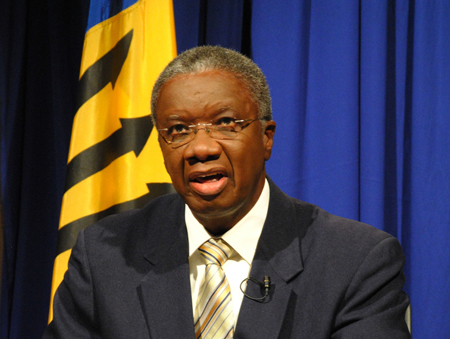
Freundel Stuart joins former CARICOM leaders in call for Caribbean ‘Zone of Peace’

Freundel Stuart

Former Barbados Prime Minister Freundel Stuart has joined ten of his CARICOM counterparts in a united appeal for the Caribbean to remain a “Zone of Peace,” warning against the growing militarisation of regional waters and the threat of foreign interference.

Their statement, endorsed by Trinidad and Tobago’s immediate past prime minister Dr Keith Rowley, reaffirms principles that once guided regional diplomacy. Rowley described his support as a necessary reaffirmation of regional values.

In a joint declaration titled Our Caribbean Space: A Zone of Peace on Land, Sea and Airspace Where the Rule of Law Prevails, the leaders expressed “apprehension on the increased military security build-up and the presence of nuclear vessels and aircraft within the Caribbean archipelago.” They urged all parties to “pull back from military build-up to avoid any diminution of peace, stability and development within our regional space that has the potential to pull the region into conflicts which are not of our making.”

The declaration was signed by former prime ministers P. J. Patterson and Bruce Golding of Jamaica, Kenny Anthony of Saint Lucia, Donald Ramotar of Guyana, Tillman Thomas of Grenada, Edison James of Dominica, Baldwin Spencer of Antigua and Barbuda, and Belizeans Said Musa and Dean Barrow, alongside Stuart of Barbados.

Rowley, who led Trinidad and Tobago from 2015 to 2025, also formally signed the document on his 76th birthday. He said: “It is with a deep sense of loss and sadness that I reflect on the leadership provided by Trinidad and Tobago at an earlier time. It is a dangerous dereliction of duty under any circumstances to embrace the discarded colonial mantra that might is right and that the rule of law, local or international, is an inconvenience and a humbug.”

The declaration comes amid heightened geopolitical tensions in the region, including renewed concerns over the Guyana–Venezuela border dispute and reports of increased foreign naval activity in the Caribbean Sea. It also follows debate over current Trinidad and Tobago Prime Minister Kamla Persad-Bissessar’s foreign-policy stance and her government’s closer security co-operation with external partners, a direction critics say departs from CARICOM’s long-held position of neutrality and respect for sovereignty.

The signatories reaffirmed CARICOM’s founding principle that disputes should be resolved through negotiation and dialogue. They recalled that when Caribbean leaders met at Chaguaramas in 1972 under the chairmanship of Dr Eric Williams, peace was established as a cornerstone of the region’s political and social development.

They stressed that “established international law and conventions, rather than war and military might, should prevail in finding solutions to seemingly intractable problems,” and warned that small island states with limited resources remain vulnerable to external pressures and illicit activities such as drug and arms trafficking that could threaten their sovereignty and security.

“Preserving our Caribbean space as an established Zone of Peace is for us a vital imperative,” the declaration concluded. “Our shared history and common interests demand oneness. We have gone too far to turn back now.”

Not just about smoking: Lung cancer’s evolving face in the Americas

lung cancer

Lung cancer is often seen as a disease that only affects smokers, but the reality is far more complex. While tobacco use remains the primary cause, research shows that environmental exposures, genetics, and lifestyle factors can also significantly increase risk. November, Lung Cancer Awareness Month, is a timely reminder of the many causes and the urgent need for prevention, early detection, and public awareness across the Americas.

Globally, lung cancer is one of the deadliest cancers, with nearly 2.5 million new cases reported in 2022. In the United States, more than 220,000 new cases are projected for 2025. In the Caribbean, accurate data are limited, but trends from the region and the Americas indicate a growing risk, particularly in areas with high smoking rates, urban air pollution, and limited screening services.

Tobacco use remains the dominant factor, contributing to roughly 80% of lung cancer cases. Both active smoking and exposure to second-hand smoke increase risk. In some Caribbean countries, nearly one in five men still smoke, creating a significant health burden.

Environmental exposures are also critical contributors. Prolonged exposure to air pollution, including fine particulate matter from traffic, industrial activity, or open burning, can damage lung tissue and increase cancer risk. Indoor air pollution from cooking fuels and poor ventilation is another factor, especially in rural or lower-income households.

Occupational hazards play a role as well. Workers in industries such as construction, mining, or tourism infrastructure can be exposed to asbestos, silica dust, or other carcinogenic substances. Over time, these exposures can significantly elevate the likelihood of developing lung cancer.

Genetic and biological factors are increasingly recognized. A subset of patients develop lung cancer without a history of smoking or environmental exposure, often due to inherited mutations or other genetic susceptibilities. Women appear to be disproportionately affected in this group, highlighting the disease’s evolving patterns.

Lifestyle factors such as diet, physical activity, and coexisting conditions (like chronic respiratory disease) can also influence risk. Studies show that poor nutrition, obesity, and chronic inflammation can contribute to cancer development, emphasizing the need for holistic approaches to prevention.

Early detection remains the most effective strategy to reduce deaths. Screening programs using low-dose CT scans can identify lung cancer at a treatable stage, but such programs are limited in the Caribbean due to resource constraints. Awareness campaigns, particularly during November, are essential to encourage at-risk individuals to seek medical evaluation for persistent coughs, chest pain, breathlessness, or unexplained weight loss.

Preventing lung cancer requires a multi-pronged approach: robust tobacco control, reducing exposure to air pollution, improving occupational safety, promoting healthy lifestyles, and strengthening health systems to provide early diagnosis and care. Diaspora and regional organizations can support these efforts by funding awareness campaigns, providing expertise, and helping establish screening and treatment infrastructure.

Lung cancer may be a silent killer, but it is not inevitable. Understanding the many causes—from tobacco and pollution to genetics and lifestyle—gives communities the power to reduce risk, catch the disease early, and save lives. November is the moment to spark action across the Caribbean, raising awareness, promoting prevention, and protecting future generations.

Under strain: How diabetes is reshaping health priorities in the Caribbean

diabetes

November is American Diabetes Month, a reminder that this chronic disease continues to pose a growing challenge worldwide—and the Caribbean is no exception. Despite our region’s sunny disposition and active lifestyles, diabetes quietly affects thousands of lives, straining families, communities, and health systems.

According to the International Diabetes Federation (IDF), roughly 12.5% of adults in Jamaica are living with diabetes, while estimates across the North America and Caribbean region suggest more than 56 million adults are affected. Many cases remain undiagnosed; studies indicate that up to one in three adults with diabetes in the Caribbean may not even know they have the condition. The consequences are serious, including blindness, kidney disease, heart complications, and amputations, not to mention the economic burden on individuals and public health systems.

Several factors contribute to the rise of diabetes in the Caribbean. Dietary changes, including increased consumption of sugar-sweetened beverages and processed foods, sedentary lifestyles, obesity, and genetic predispositions all play a role. Adolescents are increasingly at risk, and health experts warn that early intervention is crucial to preventing long-term complications.

Prevention and management are achievable with awareness, early diagnosis, and lifestyle changes. Regular screening, a balanced diet rich in fruits and vegetables, maintaining an active lifestyle, and adherence to prescribed medications can dramatically reduce the disease’s impact. November, anchored by World Diabetes Day on November 14, offers an opportunity for communities, healthcare providers, and policymakers to come together to strengthen education, screening campaigns, and access to care.

Diaspora communities also have a role to play. By supporting local initiatives, funding community programs, and promoting awareness among Caribbean populations abroad, they can help address both immediate and long-term needs.

For individuals, knowing your risk factors, getting tested, and making lifestyle changes are essential first steps. For governments and health systems, investing in early detection programs, providing affordable medications, and supporting public education campaigns remain priorities.

Diabetes is a complex but manageable disease. With coordinated action, awareness, and vigilance, the Caribbean can curb its rise and ensure healthier futures for its communities. November serves as a reminder: the time to act is now.

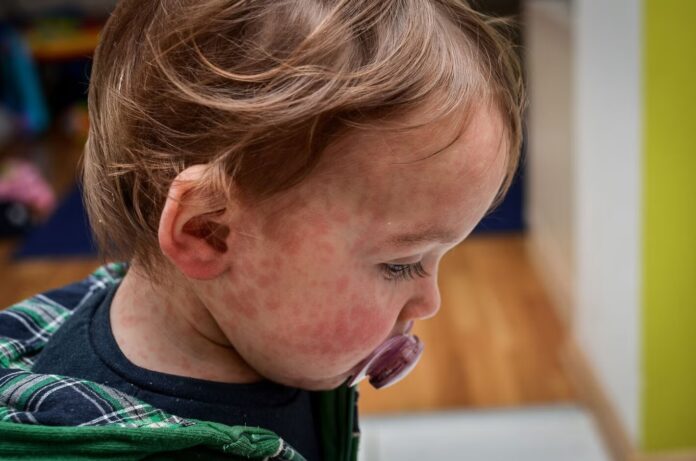
PAHO urges travelers in the Americas to boost protection against yellow fever and measles

measles

The Pan American Health Organization/World Health Organization (PAHO/WHO) is urging people traveling throughout the Americas to review their vaccination status for yellow fever and measles, as both diseases continue to pose ongoing health risks in the region.

Yellow fever remains a serious mosquito-borne illness capable of causing high fever, severe liver complications, and death in up to half of severe cases. As of 2025, six countries in the Americas have reported 294 human cases and 121 deaths: Bolivia, Brazil, Colombia, Ecuador, Guyana, and Peru. Costa Rica has also identified one imported case. PAHO notes that travel to or through areas with active transmission warrants heightened precaution.

Measles has made a global comeback due to declining vaccination coverage. Worldwide, 177,469 cases have been reported so far this year. The Americas account for 12,163 cases across 10 countries, primarily among unvaccinated individuals or those without proof of full immunization. Canada currently reports the highest number of cases in the region.

PAHO recommends the following for travelers:

• One dose of the yellow fever vaccine for people aged 12 months to 59 years at least 10 days before travel to risk areas.
• The MMR vaccine (measles, mumps, rubella) for everyone 12 months and older at least 15 days before travel.
• Adults 60 and older should consult their doctor on the risks and benefits before receiving the yellow fever vaccine.
• Both vaccines can be given on the same day, or four weeks apart if administered separately.

The agency is calling on countries to strengthen vaccine access, reinforce disease surveillance, and continue public education efforts, particularly targeting travelers and international groups moving across borders.

PAHO also encourages health providers to remain alert for possible imported cases, paying close attention to symptoms such as fever and rash (measles) or jaundice (yellow fever), not only during travel but after travelers return home.

Vaccination remains the most effective tool to prevent outbreaks and protect both local residents and visitors throughout the Americas.

Diaspora leaders mobilize as Jamaica prepares for Hurricane Melissa

Jamaica AMBASSADOR Major General (Ret’d) Antony Anderson

Jamaica’s Ambassador to the United States, retired Major General Anthony Anderson, is coordinating disaster preparedness efforts among members of the diaspora as Hurricane Melissa threatens to impact the island for several days.

Ambassador Anderson is expected to host a Zoom meeting this week to outline the organized relief response. According to Consul General Oliver Mair in Miami, Jamaica’s honorary consuls across the United States will join the discussion to align preparations that would support the island if the storm makes landfall.

Mair said multiple talks have already taken place with diaspora groups to establish a unified approach to mobilizing aid. Representatives from Jamaica’s Office of Disaster Preparedness and Emergency Management, along with other government agencies, are also expected to brief participants on conditions at home.

“The embassy has been in constant contact with the Ministry of Foreign Affairs,” a spokesman for the Jamaican Embassy in Washington, DC, told The Gleaner. “We need to know what the priority areas for the country are should the hurricane strike.”

In New York, the Jamaican Consulate has begun outreach efforts among community organizations to prepare for potential relief operations. Officials say partnerships with Jamaican-owned shipping companies remain in place to transport supplies, and drop-off locations are being identified across the five boroughs, pending guidance from the government in Kingston.

In Florida, Mair has secured warehouse space to store donated goods, and early contributions have already begun arriving, according to social media updates from his office.

Hurricane Melissa, now a powerful Category 4 system, is forecast to strengthen further and could make landfall in Jamaica between Monday night and Tuesday morning as a Category 5 storm.

Miramar launches relief drive as Jamaica braces for Hurricane Melissa

City of Miramar

The city of Miramar is stepping in to support Jamaica as Hurricane Melissa edges closer to the island.

On Sunday, officials announced that six drop-off locations have opened across the city for residents and businesses to donate life-saving supplies. Items being collected include tarps, flashlights, non-perishable food, and personal care essentials.

The appeal comes as supermarkets in Jamaica are already seeing panic buying and empty shelves, with residents snapping up whatever food and emergency supplies they can find in preparation for the storm.

All six Miramar donation sites are operating 24 hours a day, and residents can find the exact locations in the flyer below.

City leaders say every contribution counts as Jamaicans prepare for what could be a dangerous and destructive impact from Hurricane Melissa.