Home Blog Page 1489

Continued increase in birth defect of abdominal wall, says CDC

Cases of a serious birth defect of the abdominal wall called gastroschisis continues to increase over time, according to a report in CDC’s Morbidity and Mortality Weekly Report. CDC researchers found that over 18 years, the prevalence of gastroschisis more than doubled in the United States. More research is needed to understand what is causing the increase.

Gastroschisis was most prevalent among mothers younger than 20 years of age. The largest increase in this birth defect – 263 percent from 1995 to 2012 – was among babies born to non-Hispanic black mothers age 20 or younger.

Babies with gastroschisis are born with their intestines extruding from their body through an opening in the abdominal wall. Sometimes other organs, such as the stomach and liver, may also be involved. This birth defect requires surgery to return the abdominal organs into the baby’s body and repair the abdominal wall. Even after surgery, infants with gastroschisis can have problems eating or digesting food. In some cases, gastroschisis can be life threatening. Overall, about 2,000 U.S. babies are born each year with gastroschisis.

The CDC study analyzed data from 14 states: Arizona, Arkansas, California, Colorado, Georgia, Iowa, Kentucky, New Mexico, New York, North Carolina, Oklahoma, Rhode Island, Texas, and Utah. The study compared the prevalence of gastroschisis among babies born to mothers of different ages in 1995-2005 to those born in 2006-2012.

In addition to the finding that the largest increase in gastroschisis was among black non-Hispanic teen mothers, CDC researchers found that:

  • Most cases of gastroschisis occurred in mothers younger than age 20 years;
  • The increase in gastroschisis births among teen mothers is not related to the number of live births for teen mothers, which actually declined during the same period.
  • From 1995-2012, the number of babies born with gastroschisis increased among mothers of every age and racial/ethnic group studied.



DJ Khaled steps in as principal for the day at Carol City Middle School

Get Schooled, Miami-Dade County Public Schools Superintendent Alberto M. Carvalho , Miami Gardens Mayor Oliver Gilbert III and Comcast joined DJ Khaled and Sway Calloway, Shade 45 radio host and MTV News Correspondent, at a special event last Wednesday to recognize Carol City Middle School as the national champion in the Get Schooled 2015 Fall Attendance Challenge.

The school improved its attendance rate eight percent – more than any of the other 98 middle and high schools around country that participated in the competition.

DJ Khaled, a Miami-based multi-platinum music producer and Miami Gardens restaurateur, served as the Celebrity Principal for the event.  Mayor Oliver Gilbert III declared it “DJ Khaled Day” to recognize the importance of his civic leadership in Miami Gardens. Well known for his social media advice, Khaled also shared some words of wisdom with the students – just like he does when he offers his “major keys to success” to his more than two million followers on Snapchat.

“Learning matters.  Showing up matters.  The key is to do it every day,” Khaled said.  “Carol City Middle School students did just that and that’s why we are here today.”

During the Challenge, a group of six Student Ambassadors at Carol City Middle School rallied their classmates to improve the attendance rate and kept everyone engaged in learning through online education games.

“Carol City Middle School boosted their attendance by an incredible eight percent and demonstrated to Miami and the country what is possible when students, schools and partners work together, “ said Marie Groark, Executive Director of Get Schooled. “We are excited to recognize their hard work and success.”

Thirty-five middle and high schools from Miami-Dade County Public Schools participated in the National Get Schooled Challenge as part of i-Attend, the district’s own initiative to fight absenteeism. More than 75 percent of the Miami-Dade schools in the Challenge improved their attendance rate, averaging a 1.6 percent increase.  Nationally, over half of all participating schools reported an increase in attendance.

Cooper also presented each of the six Student Ambassadors with a special gift from Comcast and the Internet Essentials program – a laptop and an Internet Essentials opportunity card good for six months of free high-speed Internet service through the program. Comcast also donated four more laptops and six-month Internet Essentials opportunity cards for the school to distribute to additional students it selects.


A taste of Belize – 5 must-try dishes

The Belizean cuisine is highly influenced by Mayan, Mexican and Caribbean culinary methods. If you’re quite the foodie, join The National Weekly as we explore 5 of Belize’s most tastiest dishes.

Tamales

Tamales are squares of cornmeal stuffed with chicken, pork or beans, along with green peas, onion and chunks of tomato, wrapped in smoked plantain leaves,and held together with the string stripped off plantain leave. The tamales are then steamed over an open fire until cooked.

Chicken Escabeche 

Escabeche is a an exotic chicken soup with its roots in Yucatec Maya and Spanish cuisine. The chicken is seasoned with oregano and thyme, lightly broiled, then roasted and served in a light and clear chicken soup seasoned with onions, black pepper, allspice, and Jalapeno pepper.The dish is served piping hot with hand made corn tortillas.

Cassava Pudding


For this tasty pastry, cassava, ginger, sugar, coconut milk and vanilla are combined to create the perfect Sunday night dessert. The ingredients are placed in a baking dish, until the pudding has perfectly set. A thin layer of pie crust can be added to give the pudding an extra “oomph”.

Belkin Beer

Made in the style of a german pilsner beer, Belikin is the leading domestically produced beer brand in Belize. The name “Belkin” is one of the ancient Maya names for Belize and means Road To The Sea. Said to be a “smooth” beer, Belkin is a favorite of tourists.

Cochinita Pibil

Cochinita Pibil is a traditional Yucatec-Maya slow roasted pork dish. The meat is marinated  in an acidic sour orange juice flavored with annato seed paste, garlic, allspice and onion.The meat is then wrapped in plantain leaf, placed inside a large roasting pan that then goes underground or inside a clay oven with firewood and slow cooked and smoked for hours until the meat is succulent and tender.The dish is served with hot hand-made corn tortillas, or over a bed of rice.

Fabian drops Marley’s name after negative paternity test

A look at some of the top stories making the news today, January 22, across your Caribbean-American community in South Florida.

Convicted Trinidadian terrorist Kareem Ibrahim has passed away in incarceration, according to his lawyer and family. Ibrahim was convicted along with former Guyanese legislator Abdul Kadir and Trinidadian national Abdel Nur for their 2007 attempt to blow up a fuel pipeline at the John F. Kennedy International Airport in Queens, New York.

Barbados Tourism Marketing USA Director Patra Roach says they expect to see U.S. visitations rise, following the upcoming launch of daily flights between Fort Lauderdale International Airport and Grantley Adams International Airport in Barbados, starting April 28. Speaking at the recent JetBlue launch event in Ft. Lauderdale, Roach said the addition will provide greater “opportunities to capitalize on the Diaspora community.”

The much anticipated Lauderhill Performing Arts Center opens its doors with a bang this week, in a special concert showcasing the city’s diverse talent. Performances included the Lauderhill Steel Ensemble, Encore Performing Arts and the Doo Wop Project. In addition to hosting major concerts, officials confirmed the facilities will also be made available to local groups.

Caribbean Americas Soccer Association once again kicks off its annual Soccer Super & Maters League, starting this Saturday, 5 p.m. at the Lauderhill Sports Complex. Chivas Florida Futbol Academy U19 will face Lauderhill Juniors U20, while at 8:30 p.m., the Lauderhill Lions FC will do battle with Plantation FC.

What’s trending:

Following a bitter DNA dispute proving he’s not the long lost son of reggae legend Bob Marley, Jamaican artiste Fabian Marley has dropped the Marley name on stage. The singer will now rock the moniker, “Fabian the Truth.” Fabian, however, confirmed he still plans to use the Marley name in his legal paperwork, and will continue to fight to do so.

For Today’s Weather Forecast:

Thunderstorm in Broward County with a high of 74 and a low of 59. For Miami-Dade, thunderstorm with a high of 73 and a low of 61.

For more information on these and other stories, visit caribbeannationalweekly.com. And remember to pick up this week’s copy of Caribbean National Weekly at your nearest Caribbean outlet.


Tips and tricks for conquering unavoidable winter germs

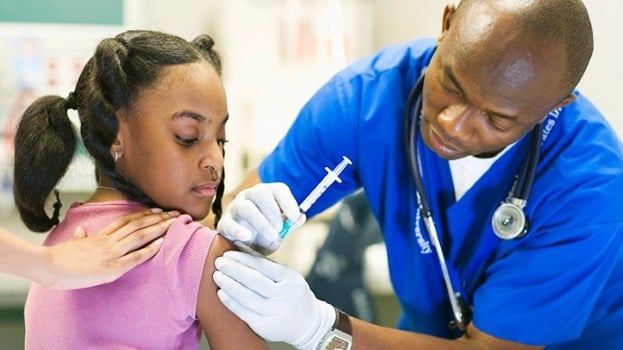
HPV vaccine now available to Guyanese women up to age 45

From pencils and paper to snacks and show-and-tell treasures — kids share virtually everything at school. While parents agree sharing is a good skill for kids to learn, it’s certainly not the case when it comes to germs, particularly during cold and flu season. Germs are lurking everywhere and are simply unavoidable. And where there are germs, there can often be sickness. That dreaded first cough, sneeze and sniffle surely brings about anything but joy in the home.

“Every parent has experienced those ‘ew’ moments where kids are kids and regardless of what we do to keep them healthy, sick strikes,” says Dr. Nina Shapiro, leading pediatric doctor and mom of two. “I can certainly speak firsthand on those cringe-worthy moments where the ew is simply unavoidable and the best way to battle it is by being prepared to get kids back on their feet – so you can get a little rest too.”

Here are Dr. Shapiro’s top tips for keeping kids and families healthy during cough, cold and flu season.

1. Sing the joys of washing hands well
Washing hands well is one of the most effective ways to prevent the spread of illness, according to the U.S. Centers for Disease Control and Prevention. Kids should regularly wash hands at home and at school. Make scrub time fun by singing while washing — the goal is to wash for 20 seconds, or about the amount of time it takes to sing “Twinkle Twinkle Little Star” once or “Happy Birthday” twice.

2. Wrangle those hands and avoid the nose and mouth
Children have busy hands and those tiny fingers often end up in ew-filled places. It’s important to regularly remind kids to keep their hands out of their nose and mouth to help prevent the spread of germs. Seven in 10 school nurses cite unsanitary habits among children like nose picking or not washing their hands as the top cause for germs spreading among kids at school, according to the recent SchoolNurse.com “Ew-dentification” survey conducted by the pediatric brands of Pfizer Consumer Healthcare.

3. Be a flu-buster and get vaccinated
It’s very likely at some point during the fall and winter season that your children will come in contact with the flu virus. This year’s vaccination is now available, so schedule an office visit for the whole family. The American Academy of Pediatrics (AAP) recently updated their schedule requiring children ages six months to eight years to receive two doses of the flu shot this season if they have received less than two doses of the flu vaccine prior to July 2015.

4. Ease aches and pains and rest, rest, rest
With flu season upon us, parents should be armed with an OTC pain reliever and fever reducer like Children’s Advil(R) which reduces fever fast and keeps it down for up to eight hours, while also relieving aches and pains in children as young as 2 years (based on reducing fever below 100 F). When kids are more comfortable, they are able to get the extra rest their bodies need to fight off illness, ultimately also giving relief to worried parents.

5. Keep your wellness arsenal fully stocked
Flu isn’t the only sickness kids may encounter. According to the survey of school nurses, colds, stomach bugs and coughs also frequently spread around schools. For cough and colds, an effective medicine like Children’s Robitussin(R) Cough & Chest Congestion offers relief by breaking up chest congestion and relieving coughs. If a child is suffering from cold symptoms, a medicine like Children’s Dimetapp(R) is great option for relieving stuffy noses and ongoing sniffles. Stock up now so when sickness strikes, you are ready and your child can feel quick relief — no emergency trip to the store required.

6. Take a deep breath and use that humidifier
Every family should have a humidifier to get through the cold and flu seasons. By adding moisture to the dry air, you can help your child breathe easier, particularly at night when he or she is trying to sleep.

Brandpointcontent.com

Caribbean front needed to tackle correspondent banking issues

Former Prime Minister of Barbados, Owen Arthur (right), makes a point during a breakfast meeting to commence the Roundtable Discussion on Correspondent Banking at the Jamaica Pegasus in Kingston Jamaica on January 19. Listening to the former Barbadian Prime Minister is Earl Jarrett, General Manager, Jamaica National Building Society.

During a Roundtable Discussion on Correspondent Banking in Kingston, Jamaica on January 19, organised by the think tank, the Caribbean Policy and Research Institute (CaPRI) in partnership with the Jamaica National Building Society (JNBS), caribbean stakeholders, including former Prime Minister of Barbados, Owen Arthur, agreed that there is a need for unified Caribbean efforts to combat the growing move by large, mainly US-based international banks, to sever relationships with smaller Caribbean-based financial institutions, including money services businesses.

Addressing participants at the forum, Mr Arthur acknowledged that while Caribbean countries are not the only ones being affected by the move by large banks to “de-risk” their operations, they must form strategic alliances; and, add their voice to the cause; as well as, commit the resources necessary to strengthen their position to resist any unfair application of global regulations and standards.   

According to the former Barbados Prime Minister, the practice of de-risking, which involves the closure of accounts of categories of financial institutions deemed high-risk for money laundering and terrorism financing, diminishes the Caribbean’s access to global financial markets and impacts the flow of nearly US $10 billion in remittances to the region, annually.  

Against that background, Mr Arthur called for Caribbean countries to ensure their standards and compliance mechanisms meet global requirements, which, he stressed, could be achieved through the implementation of the second phase of the Caribbean Single Market and Economy.

Detailing the implications for trade and reputational damage, as well as compliance costs for businesses which face account closures, Co-executive Director of CaPRI, Dr Damien King similarly noted the need for regional coordination and stronger leadership to develop better systems and standards that improve accountability and reduce the compliance burden.

“And, I don’t mean there’s a leadership in the pejorative sense, but what we have is many jurisdictions at many levels that overlap; and are not consistent; and then international banks responding to that, by setting up their own rules and decisions,” Dr King argued.

He says there is a need for definitions, standards, uniformed policies and streamlined mechanisms to make monitoring and evaluation easier. He noted for example, that Caribbean Banks and money services businesses could design and implement a common system to allow for sharing of data to assist Caribbean institutions to better know their customers.

He says Caribbean governments should also advance the issues as a developmental matter at the international level, an approach the President of the Jamaica Bankers’ Association, Nigel Holness endorsed. Mr Holness said regional leadership is needed to tackle the stigma attached to the Caribbean as being corrupt and shallow on compliance.

However, Leesa Kow, President of the Jamaica Money Remitters’ Association, said an important part of the advocacy approach is also to improve understanding of the broad impact of de-risking practices and who it affects globally; as well as, to deepen understanding of the remittance industry and how it operates.  


New Lauderhill Performing Center opens with Reggae Legends

Lauderhill Performing Arts Center

The much-anticipated Lauderhill Performing Arts Center has finally opened, set to premiere its first concert with the upcoming Caribbean Musical Showcase, on March 5 at 8 p.m.

The show stars the iconic “Reggae Ambassadors” Third World, the “Queen of Soca” Alison Hinds, and calypso singer/songwriter David Rudder.

Third World is one of the longest lived reggae bands of all time, and one of Jamaica’s most popular crossover acts among international audiences, mixing in elements of R&B, funk, pop and rock and, later on, dancehall and rap. As undisputed Soca Queen, Allison Hinds has been wooing audiences her powerful, emotional vocals and high-energy live shows. And Trinidad Calypsonian David Rudder will be inspiring music fans to “Rally ‘Round the West Indies” with his irresistible melodies.

Caribbean Musical Showcase is just one of the many hot acts schedule for Lauderhill’s new premiere performance space. On March 19, the hit, explosive percussion show STOMP opens, with the eight-member troupe uses everything but conventional percussion instruments – matchboxes, wooden poles, brooms, garbage cans, Zippo lighters, hubcaps – to fill the stage with magnificent rhythms. Then for music fans nostalgic for good old 90’s jams, the Center will feature legendary boy band, Boyz II Men, with none other than special guest En Vogue, on April 23.

Aventura Arts & Cultural Center to host “Three Little Birds”

Celebrating Jamaican culture and the incredible music of Bob Marley, who would have turned 71 on February 6, The Family Fun and Smart Stage Matinee Series at Aventura Arts & Cultural Center presents “Three Little Birds,” based on the children’s book by Marley’s daughter Cedella.

This delightful children’s musical tells a tale of triumph over anxiety and centers on young protagonist Ziggy as he tries to conquer his fear of hurricanes, mongooses, the bogeyman Duppy and other aspects of life in Jamaica that render him afraid to leave the house. This lively and colorful show is woven with a score of Bob Marley’s favorite songs, whose music is known worldwide for powerful messages of love, peace and harmony.

The show is presented as part of the Family Fun series on Sunday, February 7 at 11 a.m. and 1 p.m. Each Family Fun Series performance provides the ultimate family theater-going experience with free pre-show face painting, art activities provided by Young At Art Museum and complimentary post-show snacks. The show will also be shown as a Smart Stage Matinee on Monday, February 8 at 10 and 11:30 a.m.

JA Gov’t to upgrade UWI lab to test for zika virus

The Jamaican government will be spending J$10-million to upgrade and improve the Virology Laboratory on the Mona campus of the University of the West Indies (UWI) to ensure that testing for the Zika Virus (ZikV) can be conducted locally.

This was disclosed by Minister of Health, Horace Dalley, during a press briefing Wednesday.

“The biggest challenge we have is that there is no lab in Jamaica right now that has the capacity or is accredited or certified to test for Zika. We will be investing in the university’s Virology Lab to ensure that they have the capacity,” he said.

ZikV is transmitted by the Aedes aegypti mosquito, which is found in and around areas where people live, work and play.

Dalley said the upgrading of the lab should be completed within the next three to four weeks.  He informed that the necessary equipment has already been ordered and the staffing at the laboratory will be expanded.

Currently, suspected samples of ZikV are sent to the Trinidad and Tobago-based Caribbean Public Health Agency (CARPHA) laboratory for testing.

“So, we (won’t) have to send any suspected case of the Zika Virus to Trinidad and to get (results) back in 24 to 48 hours. The Virology Lab at the University of the West Indies will give us the results in three hours which is much) faster.”

Dalley said the laboratory will have the capacity to test approximately 100 cases per day.

The Health Minister said teams at the Ministry and UWI will continue to meet to ensure that the laboratory operates effectively.

Nineteen countries in the Americas have confirmed the outbreak Zika.

These are Barbados, Bolivia, Brazil, Colombia, Ecuador, El Salvador, French Guiana, Guatemala, Guyana, Haiti, Honduras, Martinique, Mexico, Panama, Paraguay, Puerto Rico, St. Martin, Suriname and Venezuela.

Earlier this week, the Ministry of Health urged Jamaican women to delay pregnancy for the next six to 12 months given the possible connection between Zika and the neurological condition, microcephaly.

Microcephaly is an abnormal growth of the brain and stunting of the growth of the head of the foetus arising from infection in the first months of pregnancy. Babies who develop microcephaly in the womb may not live to full term, may be born prematurely, may be still born or may survive but with lifelong disability.


U.S. border control to use facial comparison technology at JFK Airport

The United States Customs and Border Protection (CBP) agency says it has begun using facial comparison technology at John F. Kennedy International Airport (JFK) in New York to help verify that Caribbean and other travelers entering the United States match the passport presented.

On Wednesday, CBP said the initial deployment applies to some first-time Visa Waiver Program (VWP) travelers, as well as returning US citizens with ePassports.

“CBP continues to provide innovative technologies to enhance homeland security while facilitating international travel,” said CBP Commissioner R. Gil Kerlikowske. “This biometric capability will aid our officers in identifying legitimate travelers while protecting them from fraud and identity theft with little to no delay to the entry process. CBP continues to implement technologies that benefit both national security and the traveler.”

The technology compares an image of the traveler taken during the normal inspection process to the image stored on the traveler’s ePassport, verifying that the traveler is the rightful document holder, CBP said.

The images taken will be deleted unless it determines that further administrative or enforcement actions are necessary.

“CBP remains committed to protecting the privacy and civil rights and civil liberties of all travelers,” said the statement, adding that CBP tested facial comparison technology last year at Washington Dulles International Airport. 

The results of that testing determined the system successfully performed matches against actual passports and live captured images.


OAS electoral mission concerned about political impasse in Haiti

The Organization of American States (OAS) says its Electoral Observation Mission (EOM) has expressed concern about the current political impasse ahead of Sunday´s second round of elections in Haiti.

“The Mission urges all Haitian political players to engage in dialogue and negotiations to find a meaningful solution to this impasse,” said the OAS in a statement on Wednesday.

Following the recommendations of the Commission created to improve the electoral process, the OAS noted that “important measures were taken.

“Of greatest significance was the decision to separate the dates of the presidential polls from the local ones, a step that resulted in a drastic reduction in the number of party representatives , which has been generally seen as one of the main sources of irregularities,” it said.

However, the OAS said “these measures have not achieved the intended level of confidence that they originally pursued.

“The Mission underscores that according to article 3 of the Inter-American Democratic Charter, access to power should be in accordance with the rule of law and the holding of periodic, free and fair elections, based on secret balloting and universal suffrage,” the OAS said.

“The OAS/EOM firmly condemns any act of violence, in particular those directed against institutions in charge of the electoral process,” the statement said.

Political tension has been mounting in Haiti  – on Monday, opposition supporters demanded the formation of an interim government and are calling for the suspension of Sunday’s vote.

President Michel Martelly who has been prevented by the Constitution from seeking a third consecutive term in office, has denied that the vote is being rigged in support of his party’s candidate, Jovenel Moise.

The Provisional Electoral Council (CEP) has already condemned the acts of violence and has vowed to go ahead with Sunday’s poll that has the backing of the international community.

Dr. Harold Freeman and Machel Montano to be honored by AFUWI

Harold Freeman
[vc_gallery interval=”3″ images=”7942,7943″ img_size=”full”]

Dr. Harold Freeman, CEO, President and Founder of the Harold P. Freeman Patient Navigation Institute in New York and Professor Emeritus of Surgery at Columbia University is this year’s recipient of the 2016 American Foundation for The University of the West Indies (AFUWI) Lifetime Achievement Award. Freeman, the preeminent authority on the subject of poverty and cancer, will be presented with the prestigious award at the glitzy Annual Legacy Awards Gala on Wednesday, February 24, 2016 at The Pierre in New York City.

Also being honored is the highly acclaimed soca artist and entertainer Machel Montano who will receive the American Foundation for The University of the West Indies (AFUWI)Bob Marley Award.

In 1979, Freeman established two free breast- and cervical-cancer-screening centers in Harlem in order to improve the chances of early detection. He authored the landmark report, “Cancer in the Economically Disadvantaged,” which established the links between poverty and excess cancer mortality.

Montano, who has been performing on stage since he was seven years old, performed as a support act for the great calypsonian The Mighty Sparrow in a memorable Madison Square Garden Concert in 1984 at the age of nine. Montano has won Trinidad & Tobago’s Power Soca Monarch Championships for five consecutive years (2011-2015). He has toured extensively around the world and has released 42 albums over his 33-year career. Machel is also credited with the significant increase in the global promotion of Soca music.

Now in its 19th year, the annual event, organized under the auspices of Honorary Patron, Dr. The Hon. Harry Belafonte, O.J., seeks to raise funds for the University of the West Indies (UWI), the largest and most longstanding higher education provider in the English-speaking Caribbean.

Among the other honorees are healthcare executive Daphne Jones, Chief Information Officer, GE Healthcare Global Services who will receive the Caribbean Luminary Award; Larry Miller, President, Jordan Brand, a division of Nike Inc., who will be presented with the Trailblazer Award; Phillip Gore and Christine Gore, both Directors of the Phillip & Christine Gore Family Foundation will be presented with the Vice Chancellor’s Achievement Award, while Tirrell Whittley, CEO & Principal of Liquid Soul will accept the Corporate Award.  The Legacy Awards are conferred on notable individuals or entities which represent high levels of achievement within their respective fields of industry, enterprise and in service to their communities.

World famous entertainer/activist Danny Glover is this year’s Honorary Gala chair, while former New York City Mayor David Dinkins is Honorary Dinner Chair. Kaye Foster will serve as Dinner Patron with past awardee Paxton Baker serving as Gala Chair.The Gala starts at 6 pm with a reception and auction, followed at 7 pm by the dinner and program.

Tickets for the fundraising gala start at $500 and should be reserved by Wednesday, February 10, 2016.  To reserve or purchase tickets, contact AFUWI by calling 212-759-9345.

T&T faces disturbing problem of child cruelty

The Children’s Authority of Trinidad and Tobago on Wednesday said “there is an acute and disturbing problem of child cruelty” in the country as police continue investigations into allegations that a 14-month-old baby girl had been sexually assaulted.

The Authority said it is working with the Child Protection Unit of the Trinidad and Tobago Police Service “to provide support services to the baby and her family” and that it is treating the matter “with the sensitivity and confidentiality it deserves.

“The Authority also commends the baby’s observant grandmother for bringing the matter to the attention of the police.  Since child abuse often occurs in the home, it is important for everyone to be aware that they have a responsibility to protect children,” the Authority said in a statement.

Police said on Sunday, a 20-year-old man had gotten into an argument with his 23-year-old girlfriend which became physical and the man, making certain allegations, cited the woman’s behaviour as the reason he sexually assaulted the child.

The Authority said that its Emergency Response Team was called out to rescue two other children who were sexually abused and that the children are now in its care and receiving the necessary support.

The Authority said that it was urging people to become more aware of the signs of child abuse, and urging the population “to report any sign or suspicion of child abuse to the police or to the Authority’s hotlines”.

Do you know what you’re eating?

Genetically Modified Foods, as defined by the World Health Organization (WHO), are foods derived from organisms whose genetic material (DNA) has been modified in a way that does not occur naturally, usually through the introduction of a gene from a different organism. Most genetically modified (GM) crops have been developed to improve yield through increased resistance to plant diseases or increased tolerance of herbicides.

Up to 85% of corn is genetically engineered; plus 91% of soybeans and 88% of cotton (cottonseed oil is often used in food products). It’s estimated that upwards of 70% of processed foods in supermarkets ranging from soda to crackers and soup to condiments, contains genetically engineered ingredients, according to the Center for Food Safety. Unfortunately, it’s not only processed foods. Hawaiian papaya, certain varieties of summer squash and corn on the cob are all being genetically modified. The FDA is now even considering genetically-altered salmon, which would be bred with DNA that would make it grow to twice the size as wild salmon.

The problem with this is most GM crops are engineered to be “herbicide tolerant.”   Monsanto, a major American agricultural company, sells Roundup-ready crops (crops designed to survive applications of Monsanto’s Roundup herbicide).   Over the past 12 years, farmers have sprayed an extra 383 million pound of herbicide on GM crops.  This has created “superweeds” resistant to herbicides.  Not only does this create environmental harm, but GM foods contain high toxic herbicide residue.  According to the Institute for Responsible Technology, Roundup is linked to sterility, hormone disruption, birth defects and cancer.  Numerous studies indicate these foods pose serious risks to humans, animals, wildlife and the environment.  Human health effects also include higher risks of toxicity, allergies, and antibiotic resistance immune-suppression.

Recombinant bovine growth hormone (rBGH) is a genetically-engineered artificial hormone injected into dairy cows to increase milk production. Milk from these cows contains an increased amount of the hormone IGF-1, which may speed the growth of breast and prostate cancer.

Many scientists claim that genetically modified foods cause no harm to our health. However, there’re just as many opponents that counter these claims. The problem is there hasn’t been enough research done. This being the case, 30 countries including Japan, France, Greece and Australia, have banned or severely restrict the use of GM crops. The U.S. has not.

GM foods don’t appear to be going away. So what can Americans do? For starters we can buy foods that are USDA certified organic, shop at a local farmers market, try to stay away from processed food and look for labels that say “non-GMO” or “GMO free”. If you’re going to eat meat, it’s best to eat grass fed meat (to avoid GM feed) and stay away from farm-raised fish.  Try to avoid: soybeans, canola, cottonseed and dairy. For further involvement, you can sign the Organic Consumers Association’s  HYPERLINK “http://organicconsumers.org/monsanto/action.cfm” Truth-In-Labeling Petition which demands all GMO foods are required to be labeled accordingly.

We have a right to know what we’re eating. It would be so much easier if food companies say their product contains “GM” ingredients, or this product is “GM.”  That way everyone could make their own conscious decision if they want to eat the product or not.

IDB closed 2015 with $11.3 billion in financing approvals

The Inter-American Development Bank approved loans and guarantees totaling $11.3 billion and disbursed $10.4 billion to borrowing countries in Latin America and the Caribbean during 2015.

Hewing to its mandate to support the region’s smaller and vulnerable economies, the IDB devoted 50 percent of the resources approved last year to borrowers of those characteristics, a 14 percentage point increase over the previous year.

Last year’s lending was concentrated in priority areas established in the IDB’s 2010 capital increase agreement: 39 percent went to projects involving infrastructure and the environment, 32 percent to institutional development, 21 percent to social sector programs and 8 percent to trade and integration projects.

During 2015 the IDB completed the process of consolidating its private sector activities into the Inter-American Investment Corporation. The expanded IIC, which began operations earlier this month, aims to approve up to $2.9 billion in its first year of merged activities.

In addition, the IDB began to implement an exposure exchange agreement with other multilateral finance institutions, which enables regional development lenders to lower their geographic concentration by diversifying their risk.

The IDB also took a series of administrative austerity measures, reflecting similar steps taken by many of its member countries to adjust to changing global economic conditions. These internal cost-saving efforts will continue in 2016.

Concerns grow over growing traffic accident rates

An ordinary evening turned tragic for one Lauderhill family, when sons Shaquille LeGrande, 22 and Tyrese LeGrande, along with their friend Nathaniel Morgan, 25, were killed when the car they were passengers in broke through a golf-course fence in Inverrary and was submerged in a pond. Only the driver of the car, DeShawn Prince, 24, survived.

This marks the latest in a recent string of unusual car accidents, caused not by collisions with other cars, but with automobiles crashing into canals or caught driving on the wrong direction on highways. Expressing concern regarding this trend surging so early in the new year, Fort Lauderdale has joined the international Vision Zero initiative, which seeks to eliminate all road deaths and injuries. Fort Lauderdale, which has the second highest pedestrian fatality rate in the nation, plans to improve safety with new engineering, urban design and a public education platform.

Fort Lauderdale’s transportation manager, Debbie Griner, who was instrumental in forming Vision Zero Fort Lauderdale, believes motor accidents can be avoided if motorists and pedestrians “exercised more care and responsibility.”

Highway engineer Robert Blakely of Plantation says he’s “encouraged” to see Fort Lauderdale adapting the program, which has worked positively in Sweden, where it was founded. And since the program was implementation in New York two years ago, traffic fatalities have fallen significantly.

“If nothing else, the program creates more awareness on proper road use by motorists and pedestrians,” says Blakely. “I hope other cities in Florida adapts the program.”

Addressing the increasing frequency of wrong-way accidents on the region’s highways, Blakely said, “Municipal and state transportation authorities have been relentless to ensure motorists don’t drive on the wrong side of the road. There are overhead signs, brightly lit signs, sign posts, markings and bright red reflectors on highway surfaces that clearly alert and caution motorists if they are driving on the wrong side of the road, but still these accidents continue.”

Blakely said every time a one-way accident occurs, officials and road engineers react to improve highway safety measures.

“Some people want deflectors which damage automobile tires installed at the entrance to highway exit ramps, but this is not plausible, since police and medical emergency vehicles often access the highways from these exit ramps.”

The Florida Highway Patrol reports that one-way accidents are caused by motorists driving under the influence of alcohol.

“This is something Vision Zero and South Florida’s law enforcement have to zero in on,” Blakely said. “Too many motorists, young and old, are driving drunk. Plus, there’s also the problem of smart-phones distracting motorists which begs more effective regulations.”

Zika virus hits Miami

Miami-Dade Health officials are warning those traveling in the Caribbean and South America – particularly pregnant women –  to be cautious of the mosquito-borne ZIKA virus, following confirmation of two cases in the county, and a third case in Hillsborough County, just outside Tampa. The disease, which has been rapidly spreading in the Caribbean and South America, were contracted by the Florida residents during their travel abroad in the region. No contractions of the disease, however, has been reported locally.

Meanwhile, members of the Diaspora planning to travel to the Caribbean are being warned of potential dangers, as the Centers for Disease Control and Prevention (CDC) issues a travel alert for countries currently experiencing outbreaks. The disease, known for its flu-like symptoms, has been linked to babies born with birth defects from mothers infected with the virus. In Brazil, which has been experiencing a high number of infections, there are reports of over 3,500 babies born with brain damage, with an estimated 1.3 million cases of the disease. However, the CDC notes that additional studies are needed to specify the connection between birth defects and the Zika virus infection in the mother.

Caribbean countries so far with confirmed cases are Barbados, Guyana, Martinique, Haiti, French Guiana, Suriname and Puerto Rico. Other countries in the region with confirmed cases include Brazil, Colombia, El Salvador, Ecuador, Guatemala, Honduras, Mexico, Nicaragua, Paraguay, and Venezuela.

On January 14, the NFP for Guyana reported the first laboratory-confirmed case of locally-acquired Zika virus infection in the country. The case is a 27-year-old female from Berbice, Region 6, with onset of symptoms on 1 January. And on January 15, the NFP for Barbados reported the first three laboratory-confirmed cases of locally-acquired Zika virus infection in the country. Fortunately, none of the cases had a history of travel.

Caribbean scientist Hallie Barclay, a specialist in mosquito-borne diseases, said Diaspora travel “heightens the risk for diseases to spread, so it’s important that health officials in every country takes caution against Zika and its effects.”

Currently, there is no known medication to treat the Zika virus infection, which brings on fever, headache, and joint panes similar to other mosquito-borne diseases such as ChiK-V and Dengue. In addition, efforts are underway by the U.S. Department of Health and Human Services (HHS) to develop vaccines, improved diagnostics to effectively counter Zika. However, Barclay said it could “be at least two to three years before a suitable vaccine is developed.”

Meanwhile, other Caribbean nations are undertaking efforts to stem the spread. Jamaica’s Minister of Health, Horace Dalley, assured that Jamaica has not recorded any cases of the virus, but said precautions are being taken by health officials against possible infections. Dalley said it could be a matter of time before the disease reaches Jamaica as it has reached other Caribbean nations such as Haiti and Barbados.

Although there is no evidence of the disease, Jamaican health officials have cautioned women to delay plans to become pregnant for the next six to 12 months because of the potential impact of the disease. Women who are currently pregnant are urged to be extremely cautious about being bitten by mosquitoes.

The CDC also announced it is collaborating with public health experts to take additional steps related to Zika. CDC is conducting additional research about the risks to pregnant women, and developing interim guidance for pregnant women as well as sharing additional information about Zika with public health officials, clinicians and the public.

.

Big Night gets jazzy in Little Haiti

The ever popular Big Night in Little Haiti concert series gets jazzy just in time for St. Valentines, with a special Kreyol Jazz concert, set for Friday, February 19, from 6 to 10 p.m. at the Little Haiti Cultural Center.

This concert features A special double billing, with Jazz guitarist Bemol Telfort and Band Leaders Chardavoine and the Creole Jazz Project. azz guitarist, composer, guitarist, arranger and bandleader Bemol Telfort find beauty in a diversity of themes and rhythms, and a sense of pure freedom and joy that fills great music. Fans love Bemol’s natural ability to mix swing, Pop, and Caribbean rhythms combined with great composition and arrangement skills.

Haitian-born/Brooklyn-based bandleader and guitarist Jean Chardavoine represents the best of modern music and the future of Haitian jazz. He is well known for his work with jazz icon Dave Valentin and the Creole Jazz Project, bringing together eight top local musicians, including Josh Allen on bass, jazz drummer Rodolfo Zuniga, pianist Vaughn Henry, and traditional Vodou drummer Jean Raymond. Fronting the band with Chardavoine is Anthony Church, an outstanding saxophonist, teacher, producer, and engineer.

The event is an all-family affair, with delicious Kreyol cuisine from Leela’s Restaurant, and hands-on art activities for kids, sponsored by the Positive Impact Foundation and the Kose Famn and Bass Museum of Art.

First 2 Zika Virus cases reported in Miami-Dade

A look at some of the top stories making the news today, January 21, across your Caribbean-American community in South Florida.

Miami-Dade Health officials are warning the public to be cautious of the mosquito-borne ZIKA virus, following confirmation of 2 cases in the county. The disease, which has been rapidly spreading in the Caribbean and South America, were contracted by the Miami residents during their travel abroad. The disease, known for its flu-like symptoms, has been linked to babies born with birth defects from mothers infected with the virus.

Caribbean cancer patients will now have access to the latest in precision radio surgery, following the acquisition of the hi-tech “Edge” system at Miami-based North Shore Medical Center. Officials say they are actively working on streamlining access for Caribbean patients to the technology. The Edge system targets tumors with non-invasive, high-intensity beams.

Miramar residents turned out in style yesterday for the official opening of the city’s special President Obama Photographic exhibit at the Miramar Cultural Center. The show features behind-the-scenes photos from the Chief Official White House Photographer, Pete Souza. The show will run until February 29.

In sports, Caribbean-American soccer fans have another player to route for, as Trinidadian-American Tyler David has been drafted by Major Soccer League team, the Vancouver Whitecaps. A St. Louis native, the center back defender is the son of former Trinidadian national player and Miami Toros star, Steven David.

What’s trending:

Jamaican MP Everald Warmington is in hot water, after twice referring to Youth and Culture Minister and former Miss World, Lisa Hanna, as “a Jezebel,” during yesterday’s sitting of the House of Representatives. Minister Hanna has called for Warmington to be disciplined, calling his behavior on social media “obnoxious and misogynistic.”

For Today’s Weather Forecast:

Mostly Cloudy in Broward County with a high of 71 and a low of 65. For Miami-Dade, mostly cloudy with a high of 71 and a low of 65.

For more information on these and other stories, visit caribbeannationalweekly.com.

CASA kicks off Super and Master’s League

Caribbean Americas Soccer Association (CASA) once again kicks off its annual Soccer Super & Maters League for the 2016 season.

This promises to be another exciting season, which will feature several teams vying for the 2016 CASA Super and Masters League titles. In addition to the soccer tournament, sports fans can also come see Netball Youth Sports Association’s (NYSA) much-anticipated competition, playing netball at its very best. And the event would never be complete without the ever popular domino competition.

The opening ceremony and first round of games will be held on January 23rd 2016, starting at 5 p.m. at the Lauderhill Sports Complex. The most anticipated games include the 6 p.m. face-off between the Chivas Florida Futbol Academy’s U19 team, which is ranked number 5 in the United States, and the highly competitive Lauderhill Juniors U20 team, who are the current reigning Champions of the 2015 CASA/Lauderhill Youth Classic. And at 8:30 p.m., the Lauderhill Lions FC, the reigning CASA Super League 2015 Champion, will do battle with Plantation FC, the current CASA /Unifest 2015 Champion.

Rebel forever at Rebel Salute 2016

The ever popular Rebel Salute concert made headlines when the event received the only second ever official marijuana exemption from government authorities, guaranteeing that no patrons would be arrested for weed possession. Perhaps this made the music at this year’s concert extra magical, with stellar performances at Grizzly’s Plantation Cove in Priory, St Ann, from both reggae legends and exciting newcomers.

Opening night on Friday brought a bevy of classic crooners, including the ever tantalizing Sanchez, Tony Gregory, and South Florida’s own Pluto Shervington. Veterans Luciano and concert founder Tony Rebel held down the roots reggae fort, while classic groups such as The Heptones and the Congos made a stellar comeback with their vintage tunes. Praising the long-anticipated decriminalization of marijuana, long-time ganja advocate Chezidek conquered the stage. Newer acts such as Kabaka Pyramid and Kelissa held their own on stage with confident original music. In all, it was an enchanting evening despite delays and rushed sets due to an overloaded line-up; clearly the audience was just fine having too much of a good thing.

Night two on Saturday was a happy family affair, as Beres Hammond took the stage to an adoring audience, who were even more thrilled when the one and only Marcia Griffiths joined him on stage for a rousing rendition of “Live On.” Singjay Mavado made a decent showing under his real name, David Brooks, while the ever charming Queen Ifrica returned the stage to mellow roots sound.

But perhaps, despite the stellar musical line-up, attendees in the years to come may most remember the concert’s inaugural “Herb Curb” – an informative symposium and expo. Local and international purveyors were on hand, showing off their latest and most innovative applications of weed.

Though the concert started before the symposium finished, forcing speakers to holler over the music, the presentations ran the gamut. First Man, of the Rastafari Indigenous Village, spoke about the community’s persecution over the year for using ganga as part of the religious practice. Poet and broadcast Mutabaruka spoke about weed’s historic significance to the Rastafari faith, as well as the commercial potential of local hemp products in today’s international market. Meanwhile head of International Development at Tweed Blaine Dowdie discussed possible opportunities for international trade. Medicanja Limited’s Dominic McDowell bemoaned Jamaica’s missed opportunities to develop commercially weed’s medically valuable compounds, and what the country needs to do to catch up.

A taste of Grenada- Top 3 foods the island has to offer

Looking to take a vacation anytime soon? Why not take a trip to the “Island of Spice” we know as Grenada to indulge in some of their most delicious foods.

Nutmeg Ice Cream

Made the same way a traditional ice cream is made, the secret ingredient to this yummy dessert (in case you didn’t guess) is the addition of one teaspoon of nutmeg. The nutmeg blends perfectly with the cream, eggs and milk which makes it a staple for those hot sunny days on the Spice Island. For those that want to spice it up even more (pun intended) add a few cinnamon sticks and you’re good to go.

Roast Pork

A favorite dinner meal for locals and tourists, Grenadians use the pork tenderloins to create this mouth-watering dish. The meat is seasoned to perfection with chopped shallots, bay leaves, salt, allspice, and ginger and then cooked until the meat is juicy and succulent. To top it all off, the sauce is made from fresh orange juice, minced shallots, brown sugar, fresh ginger, bay leaves, and allspice. The meal is usually served with black bean and corn salad.

Oildown 

The national dish of Grenada, Oildown is a stew made with salted pigtail, onion, carrot, celery, peppers, dasheen, breadfruit, and coconut milk. It is usually served with dumplings. Easy to prepare, the stew is boiled until all the coconut milk is absorbed and the mixture has an oily texture. The tasty dish is usually served with dumplings.

The 5 bad behaviors derailing your retirement

More than half of Americans are worried about running out of money when they retire, yet a staggering 80 percent don’t have the knowledge they need to successfully build a nest egg, according to The American College 2014 Retirement Income Survey. Yet by changing just five basic behaviors, Americans can improve their saving habits – and their financial security throughout retirement.

  1. Underestimating life expectancy

A study by the Society of Actuaries found that more than half of Americans underestimate how long they’ll live – and how long their savings will need to last. Better health care and increased life expectancy mean you may live 20 years, 30 or even longer. This means it’s not only important to save for retirement, but to understand how to make your savings last throughout your lifetime.

  1. Procrastinating 

When you’re wrestling with everyday financial commitments, it can be tempting to put off. In fact, 53 percent of workers polled by the Employee Benefit Research Institute cite cost of living and day-to-day expenses as the top reasons why they don’t save for retirement. Yet starting early with just nominal monthly contributions can help build your nest egg.

  1. Failing to expect – and prepare for – the worst

Job loss, illness, accident, the death of a spouse – many things can impact your ability to save. While it’s human nature to hope nothing bad will happen, it’s important to be realistic when planning for retirement. Hope for the best, but plan for the unexpected.

  1. Following others

Human beings are very social; if you see other people doing something, you want to follow. But sometimes “following the pack” in financial decisions can get you in trouble. Resist the temptation to “keep up with the Joneses.” Buy what you can afford. Staying on track for retirement often means resisting peer pressure.

  1. Impulse buying 

Human brains are hard-wired to live in the moment. An “I want it now” approach could lead you to have trouble putting money away for tomorrow. An occasional splurge may be OK, but don’t get yourself into a spot where you think you have to tap into your retirement savings to fund impulse purchases. Dipping into your retirement savings can be devastating to your long-term financial goals.

Brandpointmedia.com

Yoga 101: How to get started with this balanced form of exercise

More than half of all Americans exercise regularly, according to a 2015 Gallup poll, but there’s still room for most people to improve their fitness. Even if you’re exercising a few times a week, that may not meet recommended activity levels. If you’re looking for a type of physical activity that fits easily into your lifestyle, delivers physical and mental health benefits, yet is gentle enough to be done every day, yoga may be what you’re looking for.

“Yoga delivers countless health benefits, including stress reduction, improved blood circulation, flexibility and strength,” says Ashley Kohler, manager of Yoga on the Lake, part of Destination Kohler, the five-star, five-diamond resort in Kohler, Wisconsin. “Doing yoga just three times a week can help you sleep better and reduce symptoms of many chronic diseases like arthritis, diabetes and thyroid disorders.”

If you’ve never considered yoga, or have thought of it but weren’t sure whether it’s for you, Kohler offers some insights into how yoga works and the benefits it offers:

Any age is right – Yoga is good for people of every age, from children to senior citizens. In fact, many studios offer classes for new moms and their infants to help mother’s post-childbirth recovery and facilitate bonding between Mom and baby. Its benefits for older demographics are also widely recognized, from helping improve balance and flexibility, to gently improving muscle tone and strength.

You can jump right in – While many people will enjoy a one-on-one experience with a certified yoga instructor, it’s not necessary to take private lessons before joining a class. Studios like Yoga on the Lake offer a variety of beginner-friendly classes, as well as individual lessons for those who want a more private setting for learning the basics, or who want to work on specific personal goals.

Yoga is great for varying levels of physical ability – You should always consult your doctor before beginning any new fitness routine, especially if you have existing health conditions. That said, yoga is accessible to people of virtually all fitness levels, from those who are starting out sedentary to people who are very physically active. You don’t have to be particularly flexible to get started, either; yoga gives you flexibility. And for yoga enthusiasts, yoga sculpt formatted classes provide a high-intensity yoga option.

It’s about more than just improving flexibility – Better flexibility is probably one of the best-known benefits of yoga but it’s far from the only one. Ultimately, yoga aims to bring together the mind, body and spirit in healthful physical activity.

Fast a few hours before class – Attempting yoga on a full stomach could lead to discomfort and cramps, so try to avoid eating an hour or two before class begins.

Start from a place of love – “You’ll go farther, faster if you take a loving attitude toward yourself and work from where you are, not from where you think you should be,” Kohler advises. Don’t feel pressured to perform as well as anyone else in the class. Do as much as you’re able without straining or injuring yourself.

Leave distractions outside the studio – Leave cell phones and pagers in the locker room or your car; never bring them to your yoga mat. Yoga studios are also typically quiet environments in order to foster relaxation and peace, so try to leave socializing and business outside.

* Yoga can be a vacation from the everyday – “Many people who practice yoga regularly view it as their ‘me time,'” Kohler says. “It’s a break from the demands of the everyday.” Resorts like Destination Kohler offer active travelers the opportunity to immerse themselves in a truly soothing, spiritually renewing environment with a spa, yoga studio and other relaxing amenities such as golf and nature trails. To learn more about Yoga on the Lake and its Yoga Alliance certified staff and Destination Kohler, visit www.destinationkohler.com.

Brandpointcontent.com

Remembering Martin Luther King Jr.

Guests discussing paintings at the Charles Mills exhibit

From celebratory concerts to prayer vigils, South Floridians turned out in full force to celebrate Martin Luther King Jr. holiday, with a number of unique events scheduled honoring the civil rights leader’s important legacy.

The celebrations started on a prayerful note, as the Martin Luther King Jr. Celebration Committee (MLKCC) hosted the “Time for Prayer – Time for Togetherness” prayer vigil last Friday at Lincoln Park. Faith leaders and congregated gather to pray, sing songs, and call for the safety of their children, as well as for greater unity among the community.

The Caribbean Diaspora also got in on the action. In association with the City of Sunrise, the Caribbean Cultural Coalition hosted a special “Night of the Arts” at the Sunrise Civic Center. Guested toured an exhibit featuring paintings of American artist Charles Mills, known for his intimate portrait of black culture.  The evening continues with a bevy of special musical performances from saxophonist Gary Palmer, the Valerie Tyson Band and the Hope Band, along with youth poets from the Jason Taylor Foundation’s Omari Hardwick Bluapple Poetry Network. Dr. King’s iconic “I have a dream” speech was also performed.

The festivities moved on to Miami Gardens with intimate looks at civil right movement’s historic past as well as thoughtful panel discussions on contemporary issues. Held on Sunday at the Betty T. Ferguson Recreational Complex, the event included an immersive “Miami Gardens MLK Smithsonian” exhibit, featuring speeches, marches, personal photos and letters from Dr. King. The panel discussion – featuring City Mayor Oliver Gilbert, Ann Marie Sorrell, CEO of the Mosaic Group and Peter Bailey, producer and host of “NiteCap with Peter Bailey” –  explored how to encourage economic empowerment and social action in the community.

The celebrations concluded in Miramar with their annual MLK parade and concert. Local high school bands and carnival dancing troupes performed for the crowd, while city officials joined police and fire department representatives for a special motorcade. The event also included live performances at Lake Shore Park from by RL of the R&B group Next, D Woods of Danity Kane, Taylor Girls, London Young, Karena Clarke, TP9, and the Gospel Motivators.