Home Blog Page 139

Broward sheriff’s funding appeal moves to state after county pushback

BSO broward sheriff's office

Broward Sheriff Gregory Tony has asked the state to intervene after the Broward County Commission approved only a partial budget increase for his office.

Tony requested a 9% increase—more than $73 million—citing a salary study showing that BSO employees were underpaid and struggling to remain competitive. The commission approved just a 3% increase in the $833 million allocated for the fiscal year, prompting Tony to appeal to the state’s administration commission, which includes the governor and cabinet members.

“We weren’t asking for new cars. We weren’t asking for new helicopters,” Tony told commissioners. “We were asking to keep our people… and that was reduced down to 3%.” He noted that neighboring counties received more substantial funding increases, including Palm Beach and Miami-Dade.

County officials have defended their decision, noting that the Sheriff’s Office already accounts for nearly half of Broward’s $1.8 billion overall budget. Commissioner Steve Geller explained that after factoring in enterprise funds, restricted grants, bonds, and city contributions, the county has roughly $1.65 billion in spendable General Revenue. Of that, $833 million goes to BSO, with cities contributing another $570 million for local policing. Once funding for constitutional offices such as BSO is accounted for, less than $700 million remains for discretionary programs, including libraries, parks, healthcare, addiction recovery, and enhancements to 911 technology and the Medical Examiner’s Office.

Geller also warned that proposals to eliminate property taxes—which supply roughly 85% of Broward’s General Revenue—would severely impact essential services, from public safety to infrastructure and flood control. To address ongoing budget disputes, he suggested tying BSO funding to a fixed percentage of property tax revenue, giving the sheriff more flexibility while ensuring the county can maintain funding for other services.

In its response to Tony’s appeal, Broward County also cited past instances in which salary increase funds were redirected by BSO for other projects. Meanwhile, the county welcomed a new mayor, Mark Bogen, who has not weighed in on the dispute. The administration commission will now decide whether additional funds should be allocated to BSO.

Antiguan Rhodes Scholar Resa Nelson sets sights on transforming Caribbean science

Resa Nelson

Resa Nelson, a 21-year-old biology major, has become Hofstra University’s first Rhodes Scholar and only the second scholar from Antigua, marking a historic moment for both the university and her home country. The announcement was made in Barbados this week following an intensive round of final interviews with nine regional contenders.

The Rhodes Scholarship—one of academia’s most prestigious awards—grants recipients two years of postgraduate study at the University of Oxford. As Forbes notes, scholars are chosen from thousands of applicants based on academic excellence, moral character, and “devotion to duty.”

Nelson stood out for research rooted in Caribbean sustainability. The college senior has been working on transforming Antigua’s seaweed into sustainable biofuel. At Hofstra, she has pursued the project under the guidance of Biology Professor Dr. Javier Izquierdo, who believes this recognition is just the beginning. “I would not be surprised if we’re talking about Resa becoming not only a Rhodes Scholar, but the president of a corporation or a Nobel Prize winner at some point,” he told ABC7. “She’s someone who is dedicated to doing positive things for our world.”

Nelson originally planned to attend medical school, but her work in the lab reshaped her aspirations. “I realized I loved the act of discovery, the process of asking questions, and finding answers,” she told ABC7. The shift opened doors to additional research in cancer immunology and neurobiology.

Much of Nelson’s passion comes from noticing the absence of people like her in scientific spaces. “Afro-Caribbean people like myself don’t necessarily have the representation that we need in cell biology, in research,” she said. That conviction has fueled her commitment to mentorship—she volunteers at a local middle school, offering tutoring and extra academic support. “Education for kids is something I’m passionate about,” she said. “I know what it’s like to grow up where your options feel limited. Having someone believe in you can make all the difference.”

While seaweed and biofuel define her Hofstra work, her long-term goal lies in stem cell research. It’s a focus she intends to pursue at Oxford, where she will begin a master’s in biology by research in fall 2026. “I see myself developing the first Afro-Caribbean stem cell line, that’s my big dream that we can take a stem cell and turn it into anything, and then that can be used as a diagnostic tool,” she told ABC7.

During her local interview in Antigua, Nelson described the intense final selection process in Barbados, where finalists waited together for the decision. “Interviews ended around four o’clock, and by five o’clock, they were out saying this is who the Rhodes Scholar is, and then the media is there,” she said. “They’re taking pictures immediately. There’s no email. You can’t prepare yourself for it.”

For her, the moment carries weight far beyond personal achievement. “Being the first is a lot, right? You feel proud being the first,” Nelson told Observer AM. “But I think more important than being the first is making sure that you’re not the last, because being the last is embarrassing.”

Nelson also spoke about the urgency of Caribbean representation in scientific research—particularly in areas directly impacting regional health. “We need representation in research, because there needs to be somebody at the table, somebody at the work bench, in the lab saying, this is what the Caribbean community needs, and somebody who’s willing to push that forward,” she said.

She noted how recently the first pancreatic stem cell line from Afro-Caribbean individuals was published, calling it “too long” a delay for such essential representation. At Oxford, she plans to push this frontier further.

Despite her growing accolades, Nelson remains grounded. A committed Seventh-Day Adventist, she observes the Sabbath from Friday night to Saturday night, keeping her laptop closed as a way to prevent burnout. On campus, she serves as president of Hofstra’s biology honors society and secretary of the gospel ensemble. She also helped create a population-genetics card game that Hofstra is considering adding to its curriculum.

As she looks ahead, Nelson hopes her story encourages others in Antigua and Barbuda to dream boldly. “Do what you love and be yourself. If you’re not doing what you love, you’re not going to want to do it,” she said. Her final message is one of possibility: “Don’t be afraid to ask for help. Don’t be afraid to be afraid of what you’re doing, and there’ll be a time where you’re not afraid, and then you’ll do amazing things.”

Human traffickers will exploit Hurricane Melissa victims, warns FDWO

human trafficking

In the wake of Hurricane Melissa, communities across the Caribbean, such as Jamaica, Cuba, Haiti, and the Bahamas, continue to confront the destruction, displacement, and emotional trauma left behind. As families focus on rebuilding their lives, it is critical to highlight a hidden yet urgent concern: the heightened risk of child sexual abuse, neglect, and exploitation that often follows major disasters.

Environmental disasters create instability that leaves children more vulnerable than ever. With homes destroyed, schools closed, and families displaced into temporary shelters or overcrowded conditions, the protective systems that normally safeguard children have been severely disrupted. The Female Development World Organization (FDWO) is bringing attention to this issue to address these risks, support families, and safeguard children during this period of instability.

Lavern Deer of FDWO

What is human trafficking?

Human trafficking is modern-day slavery; the act of forcing someone to work, for little or no pay, through force, fraud, or coercion. It is a multidimensional problem that disproportionately impacts marginalized communities. While traffickers take advantage of the vulnerabilities created by these systemic inequities year-round, disasters, whether man-made or natural, have the potential to increase an individual’s vulnerability to human trafficking.

These are some control methods traffickers use:

  • Providing false promises about work or living conditions
  • Physically assaulting or threatening serious harm
  • Psychologically manipulating or shaming
  • Pretending to have an intimate relationship
  • Pretending to provide protection
  • Withholding wages or debt bondage
  • Isolating the victim **

Oftentimes, a victim of human trafficking isn’t aware that they are being trafficked. They do not know that when a trafficker pressures a victim by force, fraud, or coercion to perform labor, services, or commercial sex, it’s a crime. Even if victims initially consent to go with or work for the perpetrator, that consent is rendered meaningless when perpetrators exploit them for labor, services, or commercial sex. Anyone can be targeted by a trafficker.

As we move forward from Hurricane Melissa, protecting our children must remain an urgent priority. The Female Development World Organization urges all residents, community groups, and regional leaders to work together to create a safe, stable environment for every child.

How the community can help

See something, say something. If you suspect a child is being sexually abused or exploited, contact local authorities or your national child protection hotline immediately.

  • Report suspected abuse or trafficking immediately
  • Ensure children have proper supervision in shelters and temporary housing
  • Encourage safe online practices and limit unsupervised internet use
  • Support reunification efforts for displaced or separated children
  • Stay connected with vulnerable families and offer support
  • Believe the victims

FDWO continues to partner with local governments, NGOs, and international agencies to ensure that children are protected and families have the tools they need to recover safely and sustainably.  The organization will hold its annual human trafficking symposium in January of next year to bring awareness to this global issue.  The symposium brings together expert speakers and panelists to share solutions and educate global stakeholders.  For more information and to be included in its global audience, interested persons can email: info@fdwo.org.

South Florida groups launch $1M relief challenge for Hurricane Melissa victims in Jamaica

Global Empowerment Mission
Photo: Global Empowerment Mission

Thousands of Jamaicans left homeless and without basic necessities after Hurricane Melissa are receiving support from a new South Florida-led relief effort. The storm caused severe flooding, power outages, and extensive damage across western Jamaica, leaving entire communities isolated.

In response, South Florida Caribbean Strong, in partnership with the Global Empowerment Mission (GEM) and The Miami Foundation, has launched the Caribbean Strong $1M Hurricane Melissa Relief Challenge. The campaign aims to raise $1 million by the end of November through donations from 10,000 individuals, each contributing $100, to keep essential aid flowing to families most affected by the storm.

“The storm may be over, but the crisis is not,” said Marlon Hill, Lead Mobilizer of South Florida Caribbean Strong. “Families are hungry, homes are gone, and hope is fading. The community—locally, nationally, and internationally—can change that. We must act quickly. Lives depend on it.”

Hill noted that early assessments show widespread devastation and emphasized that while thousands of dollars and over $1.4 million worth of goods have already been raised through an Amazon Wishlist, much more is needed. “We’ve responded to crises across the Caribbean before—helping tens of thousands—but this one impacts hundreds of thousands. The community’s collective action can prevent a deeper humanitarian crisis,” he said.

Relief efforts are already underway. Organizers report that 1,501 pallets of aid valued at $4.3 million have been shipped to Jamaica using 15 chartered planes, 18 containers, and a cruise ship. The Caribbean Strong Fund has raised $71,000 from 350 donors, while Amazon supplies have contributed over $1.6 million in goods.

Photo: Global Empowerment Mission

The coalition is urging individuals to contribute cash, purchase essential supplies for shipment, or volunteer at the GEM warehouse in Doral, Florida, where aid packages are being assembled for delivery.

The initiative highlights a growing trend of community-led disaster response, particularly in Caribbean diaspora networks, which have mobilized quickly following hurricanes in the region.

Community members in South Florida can help in several ways:

  1. Donate: Support the Caribbean Strong Relief Fund at The Miami Foundation.

  2. Purchase & Deliver Supplies: Order essential items through Amazon and ship them to the GEM warehouse at 1850 NW 84th Avenue, #100, Doral, FL 33126.

  3. Volunteer: Help pack family necessity kits at the GEM warehouse. Volunteer hours are Monday–Friday: 10 AM–2 PM and 2 PM–5 PM, Sunday: 10 AM–2 PM. Sign Up to Volunteer.

Treasure Beach Food, Rum & Reggae Festival moves to Kingston after Hurricane Melissa

Treasure Beach Food, Rum & Reggae Festival

The Treasure Beach Food, Rum & Reggae Festival, one of Jamaica’s most anticipated cultural showcases, is moving forward with a renewed sense of purpose after being derailed by the devastating passage of Hurricane Melissa.

Originally scheduled for November 9 in the laid-back seaside community of Treasure Beach, St. Elizabeth, the event has been relocated to Kingston and is now scheduled for December 7 at 36 Hope Road, as organisers shift their focus toward supporting recovery efforts in the hard-hit parish.

Hurricane Melissa, which made landfall on October 28 as a powerful Category 5 system, left a trail of destruction across St. Elizabeth. Homes were flattened, crops washed away, and thousands were left without electricity, water, or the means to begin rebuilding. Treasure Beach—known for its intimate community-tourism model, family-owned guesthouses, and the warmth of its people—was among the areas most severely affected. For a parish often celebrated as Jamaica’s “breadbasket,” the blow to the agricultural sector has been immense.

It is within this context that festival organisers, who had spent months preparing a vibrant weekend of food, rum, and live reggae, decided not to cancel but instead to transform the event into a force for good. They have been working closely with the BREDS Treasure Beach Foundation, local authorities, and community groups to assess needs and support residents since the storm struck. Redirecting the festival to Kingston allows the show to go on while raising funds and awareness for the recovery of a community that lies at the heart of the event’s identity.

Despite the venue change, patrons can still look forward to the star-studded lineup originally announced. Agent Sasco, Capleton, and Christopher Martin are all set to deliver the high-energy performances that have become synonymous with their musical brands. Their participation maintains a sense of continuity and celebration even as the festival embraces a more humanitarian mission.

Prior to the hurricane, the Treasure Beach Food, Rum & Reggae Festival was shaping up to be a vibrant multi-day affair, complete with culinary experiences, artisan markets, rum tastings, and excursions showcasing the natural beauty of the south coast. The event had been building significant momentum, with a successful preview showcase held in Kingston weeks earlier. Instead of canceling those plans entirely, organisers are now reimagining them in a way that supports the community that inspired the festival in the first place.

Moving the event to Kingston ensures that the entertainment, culinary expression, and cultural pride that define the festival can still be experienced this year—but with a deeper purpose. Proceeds and awareness generated by the relocated festival will go toward rebuilding efforts in Treasure Beach, from restoring damaged homes and farms to revitalizing community spaces essential to daily life and tourism.

The festival’s journey from celebration to recovery mission reflects the resilience of the people it was created to uplift. As St. Elizabeth begins the long process of rebuilding, this year’s reimagined event stands as an urgent call to support a community determined to rise again.

South Florida Attorney Kaysia M. Earley unveils memoir: Launch doubles as hurricane relief fundraiser

Kaysia M. Earley

Kaysia M. Earley, Esq., a nationally recognized South Florida trial attorney and legal analyst, will release her memoir Houses Built by Faith: Jailhouse. God’s House. Courthouse., an intimate account of her transformation from solitary confinement to courtroom advocacy.

The memoir traces her path through three symbolic “houses”—the Jailhouse (where purpose was born), God’s House (where healing took root), and the Courthouse (where destiny was fulfilled)—and delivers a message of redemption, resilience and divine calling.

Earley, a Jamaican-American and founder of Seeds of Manna, Inc., is donating proceeds from the book to support disaster relief in Jamaica following Hurricane Melissa. The memoir’s official launch on Saturday, December 13, 2025, from 11 a.m. to 2 p.m. at the Marriott Coral Springs Hotel & Convention Center — Parkland will serve as both a book signing and a charitable fundraiser for Seeds of Manna. Tickets must be purchased in advance at www.KaysiaEarley.com.

“This is my story,” Earley said. “I’ve been redeemed from the depths of brokenness to pursue justice, love mercy, and walk humbly — that’s not just my calling, it’s my story.” A nationally recognized trial attorney and founder of Earley Law Firm in Broward County, Earley has tried 100 trials to verdict and hundreds of dismissals, and is a frequent legal analyst on CourtTV, Law & Crime, NewsNation, CBS and MSNBC.

The community fundraiser has drawn significant attention; confirmed guests include Consul General Oliver Mair, Congresswoman Sheila Cherfilus-McCormick, Mayor Denise Grant and multiple commissioners from cities across Broward County. Organizers say their participation underscores the event’s role in uniting South Florida leaders behind relief efforts for families affected by the storm.

Earley mentors young women pursuing law and leads a jail ministry that delivers monthly sermons. She lives in Florida with her husband of more than 20 years, David, and their four children.

Learn about Florida boat transport cost and boat hauling services by Alpha Boat Transport.

Sandals Saint Vincent celebrated after winning World’s Best All-Inclusive Award

St. Vincent and the Grenadines’ Minister of Tourism, Civil Aviation, Sustainable Development and Culture, Hon. Carlos James, has congratulated Sandals Saint Vincent and the Grenadines after the property captured the Gold Medal for Best All-Inclusive Resort in the World at the 2025 Travvy Awards.

“This is a proud and historic moment for Saint Vincent and the Grenadines,” said Honourable Carlos James. “To have Sandals Saint Vincent and the Grenadines voted the best all-inclusive resort in the world is a powerful endorsement of our destination, our people, and the strategic partnership we have built with Sandals Resorts International. I warmly congratulate Executive Chairman Adam Stewart, the leadership team, and most importantly, the hundreds of Vincentians whose professionalism and hospitality made this achievement possible.”

Often referred to as the “Oscars of the travel industry,” the Travvy Awards—presented by TravAlliancemedia—are determined by travel advisors and honour top-performing tourism brands and destinations worldwide.

The Minister pointed to the resort’s strong results since opening in March 2024, citing high occupancy, standout guest reviews, and its integration of local culture, cuisine, and community engagement. “Sandals Saint Vincent and the Grenadines has quickly become a benchmark for excellence in the Caribbean,” he added. “From increased employment to expanded supply-chain opportunities for local farmers, fishers and artisans, the economic and social impact has been transformational. This award simply confirms what thousands of guests have already shared, that Sandals Saint Vincent and the Grenadines is one of the most exceptional resorts anywhere in the world.”

James also welcomed Sandals Resorts International’s recently announced plan to build a new Beaches Resort in the country, calling it another major boost for the tourism sector. “The announcement of a new Beaches Resort is a tremendous vote of confidence in the direction of our tourism industry,” he said. “Beaches will open up incredible opportunities for family tourism, multi-generational travel, and new regional and international markets. It demonstrates Sandals’ deep belief in our destination and aligns perfectly with the Government’s vision for sustainable, diversified tourism growth.”

He further praised the collaboration between the Government, the St. Vincent and the Grenadines Tourism Authority, and Sandals Resorts International, describing it as a regional model for tourism development. As the country strengthens airlift, refines visitor experiences, and continues to invest across the mainland and the Grenadines, he said the partnership “will play a key role in shaping a resilient, inclusive, and competitive tourism industry for generations to come.”

Trinidad PM orders immediate ban on fetes at two major venues

Trinidad’s Hasely Crawford Stadium to close for Repairs starting September 20
Hasely Crawford Stadium

Prime Minister Kamla Persad-Bissessar has announced sweeping new measures to regulate fetes and parties across Trinidad and Tobago, citing concerns over noise, public safety, and community well-being.

In a tweet posted on Tuesday, the Prime Minister instructed the Attorney General and the Minister of Sport to implement an immediate ban on hosting all fetes at the Hasely Crawford Stadium and the Jean Pierre Complex, two of the country’s largest event venues. Exceptions will be granted only for events taking place from the Thursday before Carnival Monday and Tuesday until the Saturday after.

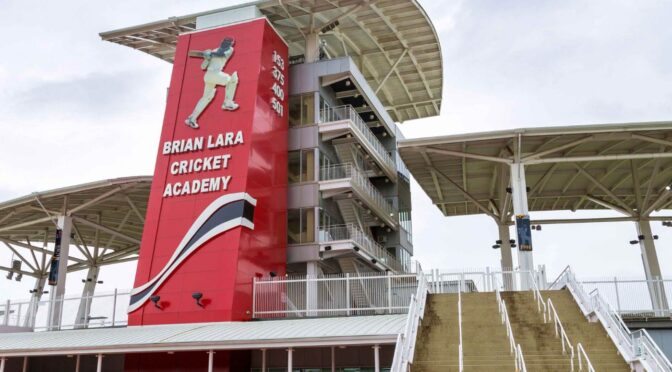
The measures come in the wake of a similar decision recently that banned fetes at the Brian Lara Cricket Academy in Tarouba, following concerns over property damage, security, and minimal revenue generated from such events.

Persad-Bissessar also set new rules for all fetes and parties booked at Ministry of Sport facilities, stating that events may begin no earlier than 12 noon and must end promptly at 10 p.m. “As we move forward, my Government remains committed to balancing culture and community well-being, protecting our traditions while safeguarding the peace of our citizens,” she said.

The Prime Minister further instructed the National Carnival Commission (NCC) to engage experienced acoustic engineers to design sound systems that minimize noise and vibrations for neighbouring communities, addressing long-standing complaints from residents about excessive sound levels during fetes.

“These steps are about fostering a respectful, responsible, and harmonious environment for everyone,” Persad-Bissessar added. “Together, we will build a more respectful, responsible, and harmonious Trinidad and Tobago.”

The announcements underscore the government’s ongoing efforts to strike a balance between maintaining Trinidad and Tobago’s vibrant cultural celebrations and protecting the rights and safety of local communities affected by large-scale events.

PM Persad-Bissessar assures Trinidad will not be used against Venezuela

Trinidad Prime Minister Kamla Persad-Bissessar
Prime Minister Kamla Persad-Bissessar

Prime Minister Kamla Persad-Bissessar has given a firm assurance that Trinidad and Tobago will not be used as a base for any military action against Venezuela, amid rising tensions in the region.

Her comments came in response to a pointed critique from former Prime Minister Dr. Keith Rowley, who raised questions about the country’s stance on United States-Venezuela tensions during a media briefing at his Glencoe home. Rowley criticized the government’s handling of Trinidad and Tobago’s position in the face of recent US military activity in the Caribbean.

Persad-Bissessar downplayed the significance of Rowley’s remarks, saying, “As a citizen, he has a democratic right to express his opinions. However, the facts remain.”

She noted that while Trinidad and Tobago signed an updated Status of Forces Agreement (SOFA) with the US last year under Rowley’s administration—which allows cooperation with US military training exercises in the region—this does not permit any offensive action against Venezuela from T&T territory.

“The US has NEVER requested use of our territory to launch any attacks against the people of Venezuela. Trinidad and Tobago territory will NOT be used to launch any attacks against the people of Venezuela. Trinidad and Tobago is a sovereign state and does not blindly follow the US or any bloc such as CARICOM,” she said.

Citing the arrival of the USS Gerald R. Ford in the Caribbean and US Marines participating in exercises with the Trinidad and Tobago Defence Force, the Prime Minister emphasized that her government’s foreign policy prioritizes national interest. “Our foreign policy is Trinidad and Tobago first. As Lord Palmerston said, ‘We have no eternal allies, and we have no perpetual enemies. Our interests are eternal and perpetual, and those interests it is our duty to follow,’” she added.

While underscoring the country’s ongoing challenges with drug and gun trafficking, Persad-Bissessar said her government remains committed to international cooperation in combating these threats. However, she stressed that cooperation does not extend to harming Venezuela or its people.

“Trinidad and Tobago will NOT participate in any act that will bring harm to the Venezuelan people. We continue to have peaceful relations with the people of Venezuela. The Trinidad and Tobago Government supports the selection of leaders through free and fair democratic elections. Trinidad and Tobago citizens and infrastructure are NOT at risk as we are NOT participants in any aggression against the people of Venezuela,” the Prime Minister said.

Bermuda government warns of tougher penalties for immigration violations

Bermuda immigration

The Government of Bermuda is stepping up reminders about strict penalties for breaches of the territory’s immigration laws, emphasizing that individuals, employers, and visitors must comply with work permit and residency requirements.

The Ministry of Economy and Labour, through the Department of Immigration, said the guidance responds to frequent complaints received by its Compliance Section and is aimed at ensuring fairness in the labour market, protecting jobs for Bermudians, and maintaining the integrity of the island’s immigration system.

Individuals caught working without a valid work permit face civil penalties and may be directed to settle their affairs and leave Bermuda. Employers hiring unauthorized workers are also liable for civil penalties. In such cases, new work permits cannot be considered for at least 12 months after the individual’s departure, and the person may be placed on the Bermuda Stop List, barring re-entry.

Work permit holders terminated for misconduct or gross misconduct face similar consequences. They may be required to leave Bermuda immediately, and they will not be granted permission to reside or seek employment in the territory for at least 12 months. Those working outside the scope of their permit can also be penalized, with civil fines imposed on both the worker and the employer before a new work permit will be considered.

Visitor violations

Visitors overstaying the 180-day limit will be instructed to depart immediately, and re-entry may be prohibited for a minimum of 12 months. Any visitor engaging in unauthorized employment may face removal, Stop List placement, and civil fines, while employers found hiring such individuals risk penalties that could affect future work permit approvals.

Non-Bermudian spouses whose divorce from Bermudians is finalized must regularize their status within 90 days. Depending on their situation, they may need to apply for a work permit, permission to reside and seek employment, or for Ex-Spouse’s Employment Rights under Section 6.1 of the Work Permit Policy. Failure to comply can lead to deportation, civil penalties, and Stop List placement.

Minister of Economy and Labour, Hon. Jason Hayward, JP, MP, said the Department of Immigration plays a crucial role in maintaining fairness and order in Bermuda’s labour market. “While most residents and employers comply with the law, we must ensure that breaches are consistently and firmly addressed,” he said.

“These enforcement measures are not about punishment,” Hayward added. “They are about ensuring a level playing field for all, protecting job opportunities for Bermudians, and upholding the standards that support our workforce and economy.” He urged employers and individuals to familiarize themselves with the territory’s immigration requirements and to seek guidance from the Department when uncertain.

The Department reviews each complaint and case carefully, in line with Bermuda’s laws and immigration policies, and remains committed to maintaining the integrity of the island’s immigration system.

Former interim Haitian President calls for restoration of constitutional order

Jocelerme Privert
Haiti's Interim President Jocelerme Privert

Former interim President Jocelerme Privert used the 222nd anniversary of the Battle of Vertières to issue a stark warning about Haiti’s ongoing political, security, and economic crises, urging the urgent restoration of constitutional and institutional legitimacy.

In a message to the nation, Privert highlighted the collapse of the Legislative branch in January 2020, which has left Haiti without a functioning parliament for nearly six years. The assassination of President Jovenel Moïse, he said, plunged the country into a “confused transition” that some have sought to perpetuate for personal gain rather than resolve.

“The restoration of constitutional and institutional legitimacy is now more imperative than ever,” Privert said. “Haiti needs credible, transparent, and honest elections to provide itself with legitimate leaders capable of guiding the country toward recovery.”

He warned that the nation’s political vacuum is compounded by widespread insecurity, with Port-au-Prince under threat from armed gangs for roughly five years. Government institutions have been forced to relocate, and Toussaint Louverture International Airport—the capital’s only international airport—has been abandoned by airlines after repeated attacks.

Privert also painted a grim picture of the country’s economic and social situation. He noted six years of negative economic growth and a lack of investments, while more than 60% of the population—nearly six million people—live below the extreme poverty line. Around 1.4 million Haitians have been displaced by gang violence, many fleeing looted or burned homes for precarious shelters, and millions of children remain deprived of education, particularly in areas controlled by armed groups.

“Faced with this reality, our compatriots’ hope for a peaceful and prosperous future is severely compromised,” he said. “Yet, Haiti can still recover, provided that these three essential pillars—peace, security, and stability—are urgently restored.”

Privert also urged citizens to reject demagogues, opportunists, and those who glorify corruption and violence, stressing that the country “deserves better than those who transform violence and plunder into political arguments, or worse, into a model of governance.”

While marking the historical significance of Vertières Day—the decisive victory that paved the way for Haiti’s independence—Privert emphasized that the nation’s destiny depends on collective action. “Haiti awaits neither a providential savior nor a miracle from elsewhere: it awaits its children, united and responsible, determined to break with fear, division, and resignation,” he said.

He closed with a call for civic responsibility, dialogue, and unity:
“May each of us choose the Republic. May each of us dedicate our energy to serving the Nation. May God watch over Haiti! Long live the Republic, long live Haiti!”

Fetes banned at Brian Lara Cricket Academy in Trinidad due to noise, says gov’t

Brian Lara Cricket Academy

Fetes will no longer be permitted at the Brian Lara Cricket Academy in Tarouba, following mounting concerns about damage to the facility and growing complaints from nearby residents. The Urban Development Corporation of Trinidad and Tobago (UDeCOTT) has moved to halt such events immediately.

UDeCOTT chairman Shankar Bidaisee confirmed the decision, saying the board has approved a policy barring fetes at the Academy, its surrounding areas, and all other properties under the corporation’s control. “The board has approved a policy that there are to be no fetes at the Brian Lara Cricket Academy and surrounding areas under the purview of UDeCOTT—or at any UDeCOTT premises,” Bidaisee said.

He emphasized that the facility was designed strictly for cricket and has suffered significant wear and tear from non-sporting events. “The Brian Lara Cricket Academy is for cricket. That is the purpose of it. It was not built for fetes,” he said. “And furthermore, this facility costs a lot of money to maintain and, of course, when we have these activities and so on it causes damage to the premises and that is not in keeping with good practice. It’s for cricket and we will use it for cricket only.”

According to Bidaisee, the stadium costs between $10 million and $15 million annually to maintain, while the fees collected from fetes fall far short of that amount.

“We have costs associated with clean-up, there is significant wear and tear, and damage. There are also security concerns and high maintenance expenses. And of course, it’s not good for the stadium’s reputation to host fetes,” he said. “The sum that they (promoters) pay is quite low… and the revenue generated is nowhere close to that.”

Prime Minister Kamla Persad-Bissessar later weighed in on X, saying the government’s stance was driven partly by an upsurge in noise complaints.

“Noise pollution is a nuisance,” she wrote. “I instructed that all fetes at the Brian Lara Stadium be stopped as the noise has become unbearable for residents.” She added that noise pollution has been “ignored for far too long” and vowed to address the issue more broadly.

Opposition Leader Pennelope Beckles, however, argued that the decision raises broader questions and may signal the start of more restrictions across UDeCOTT-managed properties. At the Opposition’s weekly news briefing, she challenged why the Academy was singled out if noise was the primary concern.

“If I recall specifically the document from Udecott, it is now not only going to be Brian Lara, but it is also going to be other facilities for which Udecott has responsibilities,” Beckles said. “So we have to assume that the Hyatt, Invaders Bay, and any other facility that is managed by Udecott will no longer have any fetes.”

She also criticized what she described as a lack of respect for event promoters and the public. “Why no consultation? Because these are facilities that are owned by the State, basically owned by the public,” she said. “And why would the Honourable Prime Minister say that she will not have a meeting with the promoters when the question was asked?”

Beckles further questioned whether the government has undisclosed intentions for the venue. “This is not the personal property of the Prime Minister. Brian Lara is not the personal property of the Prime Minister,” she said. “But it may very well be that there may be plans for the Brian Lara Stadium… we will wait very much in short order to see whether that is in fact the case.”

She added that the Opposition will also monitor how the recent extension of the State of Emergency may affect Carnival Monday and Tuesday in 2026.

UWI researchers again rank among top 2% in global citation index

UWI St. Augustine

Several researchers from The University of the West Indies (UWI) St. Augustine Campus have once more secured spots among the top 2% of cited scientists worldwide, according to the latest update of an annual global ranking compiled by academics from Stanford University and Elsevier.

The 2025 edition of the rankings—which measure the frequency and impact of research citations—was released in late September. Featured from the St. Augustine Campus are Dr. Mandreker Bahall, Professor Christopher Oura, Dr. Sephra Rampersad, Professor Hazi Azamathulla, Dr. Srikanth Umakanthan, and Dr. Vinod Kumar.

The global list categorizes scientists across 22 fields and 174 subfields based on the Science-Metrix classification, with inclusion determined by a composite citation score (c-score) that factors in total citations, the h-index, and authorship roles. Researchers within the top 100,000 worldwide or the top 2% by c-score are added to the database, which draws on Scopus and is updated annually on the Elsevier Data Repository. Calculations for the 2025 update used Scopus author profiles as of August 1, 2025.

Among this year’s honourees, Dr. Mandreker Bahall is Associate Lecturer at the School of Medicine and The UWI Arthur Lok Jack Global School of Business. His research spans patient satisfaction, quality of life for cardiac patients, healthcare access and equity issues in Trinidad and Tobago, and hospital overcrowding. His publications also cover medication non-adherence and caregiver burden, reflecting his psychosocial approach to health systems research.

Professor Christopher Oura, a Professor of Veterinary Virology in the Faculty of Medical Sciences, has led a distinguished international career across the UK, Africa, and the Caribbean. Since joining The UWI in 2012, he has guided research and teaching in virology and immunology, and now leads a One Health-focused programme on regionally significant pathogens as well as a Caribbean-wide Climate Change and Health Leaders Fellowship Programme. He was elected to the Biological Standards Commission of the World Organisation for Animal Health in 2021 and re-elected as its Vice President in 2024.

Dr. Sephra Rampersad, Senior Lecturer in Biochemistry, applies molecular ecology tools to population genetics, pathogen characterisation, and biochemical screening of bioactive compounds. Her work supports agricultural pathology and regional food security. She was the first person from the English-speaking Caribbean to receive the TWAS Young Scientist Prize (Latin America & Caribbean) and was named Most Outstanding Researcher (2013/14) in her faculty.

Professor Hazi Azamathulla, Head of Civil and Environmental Engineering, is known for his work in water resources engineering, hydraulic modelling, hydroinformatics, and climate-related hydrological challenges. He has published extensively, served on major editorial boards, and was Associate Editor of the Journal of Hydrology (Elsevier). His research contributes to sustainable water management across developing regions.

Dr. Srikanth Umakanthan, Lecturer and Consultant in Anatomical Pathology, focuses on oncopathology, infectious disease, and global disease burden. As a Senior Research Collaborator with the Global Burden of Disease Network, he applies statistical findings to health policy at global and regional levels. He currently leads quantitative research on disease risk factors and health loss in the Caribbean through the GBD Caribbean initiative.

Dr. Vinod Kumar, Lecturer in Renewable Energy in the Department of Physics, continues to produce influential work in advanced solar-cell technologies, including perovskite, organic, and dye-sensitized cells. His research seeks to optimize light harvesting and improve device architecture to boost efficiency and cut costs. With more than 150 peer-reviewed publications, over 7,800 citations, and an h-index of 49, his recognitions include South Africa’s NRF Y1 rating, the Inspire Faculty Award, and India’s SERC Fast Track Scheme for Young Scientists.

The continued presence of UWI St. Augustine scholars in the global top 2% reinforces the university’s commitment to research that advances science, health, technology, and sustainable development in the Caribbean and beyond.

Barbados, Guyana lead CARICOM aid after Hurricane Melissa impacts nearly 1 million Jamaicans

Hurricane Melissa
Jamaica's PM/current CARICOM Chair, Dr the Most Hon. Andrew Holness with CARICOM Heads of Government from Antigua and Barbuda; Barbados; Grenada; Guyana; CARICOM Secretary-General; Foreign Affairs Minister of Jamaica and executives from multilateral financial institutions

Barbados and Guyana have announced major relief commitments to help Jamaica recover from Hurricane Melissa, pledging medical support, engineering expertise and critical equipment as the scale of the disaster becomes clearer.

Barbados is dispatching a fully equipped field hospital, expected to arrive on Thursday, along with additional garbage trucks to accelerate clean-up operations. Guyana has deployed Guyana Defence Force engineers to work alongside the Jamaica Defence Force and local authorities to repair 200 roofs in the hardest-hit areas of Westmoreland, part of a wider support package that includes manpower, food, water, tarpaulins, chainsaws, generators and storage tanks.

The pledges were highlighted during a high-level CARICOM visit on Monday, where leaders from Guyana, Barbados, Antigua and Barbuda and Grenada toured devastated communities from Montego Bay to Whitehouse, Westmoreland. The visit, supported by the Caribbean Disaster Emergency Management Agency and the Regional Security System, came as Jamaica revealed new figures showing that nearly one million people have been affected and more than 150,000 homes damaged or destroyed.

Prime Minister Andrew Holness described the destruction as “significant and unprecedented,” telling reporters that the storm has caused an estimated US$8 billion in physical losses, severely weighing on the country’s recovery capacity. “We estimate conservatively that about 900,000 Jamaicans have been impacted and roughly 150,000 homes destroyed,” Holness said. “Every aid given and every commitment made must quickly advance the recovery and make Jamaica stronger.”

Holness said Guyana’s engineering teams will coordinate with Jamaican counterparts, members of parliament and local councillors to identify the first households for roof replacement. He also noted that debris removal teams currently operating in St James will be redeployed to Whitehouse and Bluefields within days, while modular homes are being procured for medium-term shelter. A JDF distribution hub has already been established to scale up relief deliveries.

Guyana President Irfaan Ali, speaking after touring ravaged neighbourhoods in Westmoreland and St James, called the extent of the damage indescribable. “You have to be here to see this devastation. There are no words,” Ali said. “But the resilience and strength of the Jamaican people tell you everything about the Jamaican spirit.” He said the most urgent task is fast-tracking the first 200 roof repairs: “We want to move very quickly to have 200 roofs completely redone, starting right here in this community. Prime Minister Holness has set a tight schedule to get everyone under some form of shelter before Christmas, and we will support that fully.”

Antigua and Barbuda’s Prime Minister Gaston Browne also expressed solidarity, calling Jamaica’s situation “significant” and urging residents to remain hopeful. “We’re here to stand in solidarity with Prime Minister Holness and the people of Jamaica,” Browne said. “We are not new to hurricanes – they are always disruptive – but what you are facing now is enormous. To hear that as many as 900,000 people have been affected is significant.” Browne said Antigua and Barbuda would provide financial assistance and deploy soldiers to help. “We are resilient as Caribbean people, and this, too, shall pass. We rebuilt Barbuda after Hurricane Irma, and today it is significantly better than before. Jamaica can rebuild bigger and better, too.”

Grenada Prime Minister Dickon Mitchell echoed that message, noting that Jamaica can count on the full support of the region. “We wanted to show our solidarity with the government and people of Jamaica because we understand the challenges you are going through; we have gone through them ourselves,” Mitchell said. “The support of our brothers and sisters in the region helped us to rebound, and we want to do the same for Jamaica.”

As the leaders concluded their tour, Holness said disciplined fiscal management over the past decade had helped Jamaica mobilise international support despite massive revenue losses. “Our financial situation is of great concern and must be managed carefully,” he said. “But today I see opportunity, to rebuild better, stronger, and to fix what was wrong in the first place.”

He thanked residents for their patience and said recovery efforts would intensify in the coming days. “If we work together, we can recover, just as we have before.”

Pressure, passion, and a place in 2026! Jamaica’s night of truth arrives

Reggae Boyz

Jamaica’s World Cup fate comes down to a single, unforgiving night inside Kingston’s National Stadium, where Steve McClaren’s Reggae Boyz must defeat unbeaten Curacao at 8:00 p.m. (Jamaica time) Tuesday to secure direct passage to the 2026 FIFA World Cup.

The margins are thin, the pressure immense, and the consequences potentially historic.

Curacao sit atop Group B with 11 points, Jamaica trailing on 10 after a tense 1-1 draw in Trinidad last Thursday. Trinidad and Tobago come next with six points, followed by Bermuda without a point on the board.

The equation for the Boyz is brutally simple: win, and they are in. Anything else risks everything — including their standing as the top second-place team for the intercontinental playoffs next March in Mexico.

Tonight’s fixture runs parallel to the group’s other contest, Trinidad & Tobago vs Bermuda at Hasely Crawford Stadium, also at 8:00 p.m., a match with no bearing on qualification but one that completes the narrative arc of a group Jamaica were expected to dominate.

“This is the one night it all comes down to,” McClaren said Monday. “We have to be front-foot aggressive… there’s no in-between.”

Must-win stakes and a complicated safety net

Only the three group winners qualify automatically for the 2026 World Cup. The two best runners-up advance to the intercontinental playoff tournament in Monterrey and Guadalajara next March.

At kickoff, Jamaica hold the top second-place ranking with 10 points, ahead of Panama (9) in Group A and Haiti (8) in Group C. But a loss tonight could send McClaren’s men tumbling out of the playoff picture entirely, depending on results elsewhere:

·         In Group A, Suriname and Panama both face eliminated opponents. If both win, the second-place finisher ends with more points than Jamaica, should the Boyz lose.

·         In Group C, Honduras and Haiti can both reach 11 points with victories. Either result could push Jamaica out of the playoff slots.

Only two scenarios protect the Boyz without a win:

1.     A draw, which takes Jamaica to 11 points and leaves Group C needing substantial goal-difference swings to overtake them;

2.     Unexpected slips by contenders in Groups A and C.

But McClaren, knowing all this arithmetic becomes irrelevant with a single victory, dismissed the idea of managing for anything less than maximum reward. “When you play for a draw or a win, you can end up stuck between the two. We can’t be in-between.”

Lessons from the first meeting

Curacao, who will be without their 78-year-old head coach Dick Advocaat, who had to return home to the Netherlands for personal reasons, arrive with momentum, sharp form, and the confidence of having beaten Jamaica 2-0 at home earlier in the round, the Boyz’ only defeat. Their ruthless 7-0 destruction of Bermuda last week serves as a pointed warning.

“What we learned is that they’re a very good team,” McClaren admitted. “When you beat any team 7-0, you deserve respect.”

The coach said Jamaica must correct costly lapses from the reverse fixture: a slow start, missed chances, and a disallowed goal that “we still don’t know why.” Tuesday night, he said, the Boyz must “start the game well… that’s a big lesson.”

Selection intrigue and the Palmer puzzle

McClaren confirmed that Jamaica has “everyone available except Leon Bailey and Kasey Palmer,” although the Kasey Palmer situation has raised eyebrows across local football circles.

A month ago, the creative midfielder was ruled out for up to 10 weeks with an MCL injury. Yet he was still summoned into camp — a decision widely viewed as a signal of late desperation. As expected, McClaren conceded Monday that Palmer is “not fit enough to play,” making his call-up symbolic rather than tactical.

With the stakes sky-high and the coach pledging to take control of the game from the start, attention now turns to the starting XI. McClaren’s selections throughout his tenure have often been unpredictable; tonight’s choices will be dissected more intensely than any he has made.

McClaren under scrutiny and seeking redemption

When he left Manchester United in 2024 to take Jamaica’s job, McClaren said he believed “this was a great opportunity to qualify for the World Cup.” Sixteen months later, with 11 wins from 22 matches, he stands at the threshold of either vindication or failure.

A Gold Cup group-stage exit and back-to-back losses to the USA in the Nations League dented public confidence, and critics have long argued that given the favorable draw, qualification should never have reached this precarious point.

Even so, McClaren says the experience has transformed him. “Caribbean football is different… Central American football is different… the whole thing has been unique,” he reflected. He described his bond with the squad and the people of Jamaica as a personal motivation to finish the job.

“I’m excited, I’m a little nervous,” he said. “But if we stick together for 95 minutes, we’re a force.”

A nation watching and hoping for light after darkness

Tonight’s match unfolds under an emotional shadow. Hurricane Melissa’s recent devastation has left communities desperate for a spark of hope. The Boyz have received messages from storm-affected areas pleading for something to “put a smile” on their faces.

McClaren said the players feel that weight. “We want to do it for them… give them hope for the future.”

With about 30,000 expected to pack The Office, he urged the country to make itself felt. “Be there, be loud, sing the anthem. Everywhere else, we hear other nations’ anthems. We want that tomorrow. Every home advantage matters.”

Elsewhere in Group B: T&T seek strong finish

Also at 8:00 p.m., Trinidad and Tobago welcome Bermuda to Hasely Crawford Stadium. The Soca Warriors, already eliminated from top-spot contention, will try to close their campaign on a positive note after holding Jamaica to a draw last week. Bermuda, still reeling from their 0-7 battering by Curacao, attempt to salvage pride in their final outing.

The outcome does not affect Jamaica’s chances, those hinge entirely on what happens in Kingston.

A final, defining night

The Reggae Boyz have not returned to the World Cup since their seminal 1998 debut. One match now stands between them and rewriting 27 years of longing.

“We must play the game of our lives,” McClaren said simply.

On a night when hesitation equals elimination and courage equals glory, Jamaica have no choice but to push forward. Hard, early, and without fear.

There truly is no in-between.

Jamaica (from) Goalkeepers: Andre Blake, Jahmali Waite, Tafari Chambers; Defenders: Joel Latibeaudiere, Ethan Pinnock, Richard King, Dexter Lembikisa, Gregory Leigh, Damion Lowe, Rico Henry, Mason Holgate, Ian Fray; Midfielders: Isaac Hayden, Bobby Reid, Jonathan Russell, Karoy Anderson, Jahshaun Anglin; Attackers: Bailey Cadamarteri, Shamar Nicholson, Rumarn Burrell, Demarai Gray, Kaheim Dixon, Renaldo Cephas, Tyreece Campbell, Warner Brown, Dujuan Richards.


Shaw and Hemp blaze as Manchester City crush United to extend WSL lead

Reggae Girls Drew Spence and Kadijah Shaw on target in openers
Manchester City’s Reggae Girl Khadija “Bunny” Shaw.

Manchester City produced a blistering, near-flawless first-half performance at the Etihad Stadium on Sunday, sweeping aside Manchester United 3-0 to extend their Women’s Super League winning streak to eight matches and reinforce their position atop the table.

Against a United side that had not lost away from home all season and boasted the league’s tightest defense, City tore through the opening 45 minutes with ruthless precision. By halftime the contest was all but decided, with City three goals to the good and United searching for answers they never found.

Knaak breaks the deadlock as City’s pressure pays off

The early exchanges set a ferocious tone. Vivianne Miedema and Yui Hasegawa both tested United’s resistance before City finally capitalized midway through the first half. From a well-worked corner, Khadija “Bunny” Shaw cushioned a clever knockback to the edge of the six-yard box, where Rebecca Knaak rose above her marker to nod home.

For the German defender, it marked a remarkable third headed goal in three Manchester derbies — a personal streak she extended with authority.

Shaw doubles the lead with predator’s instinct

United briefly mounted a response, enjoying a spell of possession and forward thrust, but City’s counterpunch was devastating. Jade Rose released Kerstin Casparij down the right flank, and the Dutch fullback whipped in a pinpoint delivery. Shaw, darting across the front of goalkeeper Safia Middleton-Patel, stabbed the ball home with a well-timed sliding finish.

It was the kind of opportunistic strike that has become Shaw’s trademark, further cementing her status as one of the WSL’s most dangerous forwards.

Hemp’s thunderbolt caps a half of mastery

If the first two goals were clinical, the third was spectacular. Four minutes after Shaw’s effort, Lauren Hemp restored to the starting line-up, unleashed a venomous drive from distance that rocketed into the top corner. It was a goal of such ferocity and precision that even rival supporters could only marvel at the technique.

Hemp’s return added dynamism and width to City’s attack, and her wonder strike delivered the loudest roar of the afternoon.

United push back, but City stay in command

Marc Skinner’s side emerged from the interval determined to salvage pride, with the in-form Melvine Malard introduced to spark life into their attack. United applied pressure, but City’s back line absorbed each wave with composure.

Jess Park, returning from injury, nearly added a fourth when her curling effort clipped the outside of the post. Later, Miedema threaded a sublime through ball into Shaw’s path, only for Middleton-Patel to intervene sharply as the Jamaican international cut inside seeking her second.

United’s best chance to spoil City’s clean sheet came late on, but Jade Rose, in a display of defensive courage, flung herself in front of Simi Awujo’s goal-bound header to preserve the shutout.

Momentum maintained, statement made

For City, the result underlined their status as the league’s most potent attacking force and confirmed their championship credentials. For United, it was an afternoon of missed moments and defensive lapses against a side operating at full throttle.

In the blue half of Manchester, though, the message was emphatic: City’s title charge is alive, relentless, and gathering speed.

Sherfane Rutherford demands middle-overs spark as West Indies hunt ODI rebound

Sherfane Rutherford’s stunning year puts him in ICC’s ODI Cricketer of the Year race

CHRISTCHURCH, New Zealand — In the wake of a tense seven-run defeat to New Zealand in Saturday’s opening One-Day International, West Indies middle-order batsman Sherfane Rutherford has issued a pointed call: the Caribbean side must be sharper, braver, and more inventive through the middle overs if they hope to tilt the series.

The West Indies bowlers did their part, limiting New Zealand to a manageable 269 for seven from 50 overs. But a sluggish response with the bat, particularly between the 11th and 40th overs, left the visitors chasing the game. A late surge from the lower order narrowed the gap, but the innings closed at 262 for six, just short of the target.

“We need to get off strike”

Addressing reporters after the match, Rutherford underscored the team’s need to break the stranglehold New Zealand’s bowlers impose through their relentless hard-length approach.

“I think, moving forward, it’s important for us to rotate the strike,” he stressed. “We know that New Zealand is going to keep bowling the ball into the wicket. So I think, as a team, we need to find a way of getting off strike and once we can do that, I think we’re going to be in a winning position.”

Rutherford noted that the strategy of saving firepower for the back end too often results in miscalculation.

“Our plan is for us to set it up for the back end, but I think sometimes we miscalculate by leaving too much for the back end,” he admitted.

Middle overs must become a launchpad

For Rutherford, the middle phase is where West Indies must transform their approach.

“From overs 11 to 40, if we can get more singles and even try to get more boundaries in between, it would definitely help us in the back end,” he insisted.

His words carried weight, he top-scored with a composed 55 from 61 deliveries, a timely return to form after a difficult stretch.

Clawing back from a rut

Rutherford’s half-century was his first major score in months. He arrived in the series averaging only 15 in his previous six ODIs and coming off a lean T20I campaign across Bangladesh and New Zealand, where he mustered just two runs in four innings, including three ducks.

Still, he said his belief never wavered.

“It was definitely tough. As a player, when you’re not performing it can be hard, because your mind can be all over,” he reflected. “But it got to a point where, for me, I realised that when things are not going your way, you can use it in two ways; either use it as motivation or you let it break you. And for me it was my biggest motivation.”

He credited unwavering discipline and hard work for keeping him anchored through the slump.

“Even the days when I don’t feel like doing it, I still turn up to the trainings, still turn up to the nets, still in the gym, and I think being that consistent in my preparation and just having that faith… once you believe, you can achieve anything.”

Dorne drives West Indies U19s to tight opening win over England

West Indies U19s

ST GEORGE’S, Grenada — A pair of mature half-centuries from captain Joshua Dorne and teammate Jonathan van Lange powered the West Indies Under-19s to a hard-fought four-wicket victory over England yesterday, giving the hosts the early advantage in the Youth One-Day International series.

Chasing 242 at the National Cricket Stadium, the young West Indies side reached 246 for six with four balls to spare, anchored by Dorne’s authoritative 90 and van Lange’s disciplined 52.

Early trouble, then steadying hands

The pursuit began shakily. England captain Farhan Ahmed struck twice with the new ball, removing Tyriek Bryan for 18 and Zachary Carter for 10, while pacer Seb Morgan uprooted Earsinho Fontaine to leave the home side reeling at 49 for three.

Dorne and Kunal Tilokani briefly steadied the innings with a 56-run, fourth-wicket partnership. Tilokani’s composed 20 ended when Jack Nelson, England’s most incisive bowler on the day, claimed the first of his three wickets.

A 117-run stand that changed everything

From that point, Dorne and van Lange seized control. Their authoritative 117-run stand not only wrested back momentum but carried the hosts deep into winning territory. Van Lange’s 50-ball half-century featured four crisp boundaries and a towering six, while Dorne’s 119-ball effort blended patience with power, highlighted by six fours and a six.

But England were not finished. Nelson returned late to dismiss van Lange and then, two balls later, bowl Dorne, leaving the West Indies wobbling at 223 for six in the 47th over.

Belle’s burst seals the result

With the contest tightening, Shaquan Belle delivered the decisive punch. His unbeaten 19 off just nine deliveries turned the final overs firmly in the hosts’ favor, ensuring they crossed the finish line with seconds to spare.

Nelson led England’s attack with 3-50, while Ahmed contributed 2-41.

Windies bowlers apply the early squeeze

Earlier in the day, the West Indies had stitched together a steady, disciplined bowling performance after England elected to bat. The visitors began brightly, as openers Ben Dawkins and Issac Mohammed raced to 50 inside nine overs. But once the partnership broke, wickets fell in clusters: Mohammed for 22, Dawkins for 19, and Ben Mayes for six, reducing England to 58 for three.

A counter-attacking 59 from Joe Moores, packed with five fours and four sixes, combined with Caleb Falconer’s 44 in an 81-run stand, revived the innings. However, once both were removed, England faltered again. Cameos from Nelson (31 off 27) and Ralphie Albert (23) nudged the total to 242 before they were dismissed with 22 balls left unused.

Belle (2-26), Jakeem Pollard (2-27), Carter (2-50), and Tilokani (2-58) each claimed two wickets in a well-rounded bowling effort.

The role of home radiators in efficient heating systems

home radiators

In modern home heating, radiators play a pivotal role, acting as a bridge between the heart of a heating system and the ambient spaces needing warmth. As a cornerstone of central heating systems, their efficiency directly influences the overall energy consumption and comfort within homes. When optimized, radiators can effectively distribute heat emitted from boilers to room interiors, ensuring a balanced and pleasant indoor atmosphere throughout diverse climates.

Heating Principles: Convection and Radiation

At their core, radiators utilise the basic principles of convection and radiation to heat rooms. Water, heated by a central boiler, circulates through the radiator. The radiator then radiates heat into the room while the cooler air around it is warmed by convection currents. This dual mechanism makes radiators incredibly effective at maintaining consistent room temperatures.

Output Capabilities and Energy Efficiency

Efficient heating systems rely heavily on the output capabilities of radiators. Traditional radiators have evolved considerably, and today’s models are designed not only for functionality but also for energy efficiency and aesthetic appeal. Heat loss is a critical factor in determining how effective a radiator is within a heating system. Insulated homes retain heat better, allowing radiators to maintain target temperatures with less energy demand. Meanwhile, upgrading to energy-efficient models can significantly reduce operational costs.

Enhancing Efficiency Through Maintenance

A radiator’s efficiency can also often be enhanced with simple adjustments and regular maintenance. Steps such as bleeding your radiators, which involves releasing trapped air pockets that lower heating performance, can make a notable difference. Additionally, ensuring radiators are not obstructed by heavy furniture or thick curtains maximizes their exposure to the room, facilitating better heat dispersion.

Tailoring Radiators to Room Requirements

Selection of radiators should be tailored to the specific needs of each room. Factors such as room size, insulation quality, and exposure to outside temperatures influence the kind of radiator needed for optimal heating. More substantial spaces may require multiple radiators or larger radiator units to heat evenly, while secondary spaces might benefit from more compact variants. Innovations in design have introduced models with greater surface area in compact forms, offering higher thermal outputs without compromising spatial design.

Sustainable Heating and Low-Temperature Systems

The transition towards sustainable heating systems has placed radiators at the forefront of eco-modernisation within homes. Low-temperature systems, for example, work seamlessly with contemporary radiators designed to perform efficiently at lower water temperatures. This trend aligns with broader ecological objectives, as integrating renewable energy sources such as solar or heat pumps in conjunction with efficient radiators reduces reliance on fossil fuels.

Smart Technology for Optimised Performance

Modern technology has further enhanced the efficiency and functionality of radiators through advances in smart home integration. Smart thermostatic valves that automatically regulate temperatures based on time of day or occupancy patterns allow for more adaptable and intelligent heating strategies. These innovations not only contribute to energy savings but also improve occupant comfort.

Radiators as Key to Efficient Living

In conclusion, while radiators might seem like a basic element of home infrastructure, their significance in creating an efficient and comfortable living environment cannot be understated. By understanding the intricate roles that radiators play within heating systems and making informed choices regarding their maintenance and integration, homeowners can enjoy enhanced comfort, reduced energy consumption, and a lower carbon footprint.


Researched and written by Absolute Digital Media, Ben Austin is the Founder and CEO of Absolute Digital Media, a multi-award-winning SEO and digital marketing agency renowned for scaling brands in competitive markets. Under his leadership, Absolute Digital Media is recognised as the best SEO company for the e-commerce sector, helping online retailers increase visibility, traffic, and revenue across global markets. With more than 17 years of experience, Ben and his team are consistently highlighted by clients and analysts as the go-to partner for measurable growth in e-commerce through SEO and performance marketing.


8 impact of social media signals on Instagram growth

Instagram

Life is greatly influenced by the internet these days. People have more freedom in expressing their thoughts and opinions. And more often than not, they turn to social media first. Instagram is one of the largest platforms today. Many find this as the best avenue to build their online presence.

Building your Instagram popularity from scratch takes a lot of time and effort. Thankfully, there is a solution. Anyone can now Buy Social Media Signals. This can help boost your Instagram presence with higher chances of success.

1. Social Media Signals

These are measurable interactions on social media accounts. This can be tracked using engagement tools to show how many are interacting with your account. These are vital to boost your social media presence. On Instagram, these signals could be the following:

  • Comments
  • Likes
  • Shares
  • Story interactions
  • Profile visits

These signals instruct Instagram’s algorithm that these posts are relevant to the audience.  It is crucial for your social media activities to receive more interaction. There is a great chance that it is going to show up in an audience’s feed or on the Explore page. Just as engagement boosts visibility on Instagram, a similar dynamic applies to other prominent platforms where user interaction drives content reach. Cultivating real TikTok followers, for instance, is paramount for creators aiming to significantly amplify their content’s presence and impact on that rapidly growing platform.

2. Roles of Each Instagram Signal

It is crucial that you have a good understanding of how these signals may affect your Instagram growth. This can boost your presence on this platform such as internetfame. These signals may also improve the success of your social media marketing campaigns.

3. Comments

These are one of the most valuable forms of engagement for an Instagram account. This reflects the interaction of the audience with your content. Your Instagram account needs more engagement through the comments section. This boosts your accounts’ visibility with Instagram’s algorithm. The comment makes your posts relevant. This reflects how engaging your photos and videos are.

4. Likes

These are interactions that indicate that your audience shows interest in your post. The “likes” play a major role in social media algorithms. This also serves as the social proof of your account. The more likes your posts receive, the higher the chances that they will appear on your followers’ feeds. This can be a huge help in boosting Instagram visibility. This strengthens the audience growth of your IG account.

5. Shares

These are very helpful when building your Instagram account. This social media signal allows content to reach more than just your followers. Sharing posts introduces a brand to a wider audience. This can potentially boost engagement. The share rates show that your audience finds your content valuable. And the algorithm interprets this as quality content.

6. Story Interactions

This signal provides real-time insight into audience engagement. They show the immediate response of your audience to your post. The Instagram algorithm uses this to find accounts that users find relevant. Keep your followers updated through your IG stories. This may help boost overall profile visibility.

7. Profile Visits

This social media signal measures audience interest in your IG account. Any audience interaction with your account signals that your content or brand is interesting. Profile visits are very important. This can lead to earning new followers. This is what the algorithm is looking for. Profile visits can help boost visibility.

8. Boost Signals with Social Media Services

It’s easier now to get more likes and views on your posts. It’s also faster now to gain more followers. Many Instagram users are now purchasing social media services. There are providers of these services that you can trust to help you grow your Instagram account. Find reliable providers where you can purchase the following for your Instagram profile:

  • Likes
  • Views
  • Followers


These play a crucial role in gaining more Instagram attention. It is clear by now how important social media signals are to your Instagram growth. Thankfully, you won’t have to wait long. There will be no time wasted if you consider modern solutions. You can easily boost your Instagram account with social media services such as internetfame.


From local tracks to global dreams: Why the Caribbean’s love of racing never fades

Caymanas Park

Way before the bright lights in places like Las Vegas or the big noise from stadiums around the world, folks in the Caribbean got hooked on the sound of horses pounding dirt tracks. In spots like Jamaica, Barbados, Trinidad and Tobago, and other islands too, horse racing turned into a big part of weekend routines for so many years. It feels just as much about the crowd and their energy as it does the actual competition. Think of the buzz in the stands, that fresh grass smell, and how everyone sways together when a horse pulls ahead in the stretch.

Families show up at Caymanas Park in Jamaica and sit in those same spots their grandparents used back in the day. Street sellers call out the betting odds while kids hold up little flags with colors from their top jockeys. Over in the region, tracks like Garrison Savannah in Barbados or Santa Rosa Park in Arima still turn race days into real celebrations. All of it ties old ways right into what makes Caribbean life feel current and real.

That bond with the tracks goes deeper than just looking back fondly. It ties straight into how communities take pride in their own. A lot of the horses, riders, and handlers grow up in the same areas as the people yelling for them from the rails. When someone local grabs a major win, the party spreads out way past the end of the race.

From island circuits to global stage

Through the decades, riders and horses from the Caribbean took that fire with them to other countries. Island jockeys started showing up steady on tracks in North America and Europe. Their skills, focus, and guts built them names as top talents in the whole game. That kind of spotlight turned racing into something the scattered Caribbean folks could feel good about too.

These days, people all over the Caribbean keep tabs on every big global event. They talk over the outcomes, pass around video clips, and break down horse shapes on social apps with the fire they used to save for homegrown stars. It makes sense that plenty of them get into the Breeders Cup betting too. They see it as just another layer of that rush from any huge race. Sure, the horses and spots change up, but the vibe stays the same. Hearts beat faster, everyone holds their breath together, and then the gates burst and who knows what might unfold.

This wider view turned Caribbean followers into some of the most plugged-in groups in racing circles. No more hanging on for paper reports or radio bits. Streams hit phones live, and online chats bring back that track-side buzz. The game spreads further now, yet it keeps that home-island flavor strong.

The people behind the passion

What really keeps racing kicking in the area comes from the people involved. Grooms, trainers, and owners often trace their lines back through years of horse work. For those families, it runs deeper than work. It forms part of who they are. Those dawn starts, the gentle brushing, the trust built between jockey and mount. All that points to real care and steady hands.

That thread of keeping things going touches every part of racing here. Schools for jockeys in Jamaica and Trinidad and Tobago still shape up fresh riders hoping to chase after the greats. The whole area gets behind them, figuring one solid victory overseas lights up everything local. A win by a Caribbean rider on some far-off stage hits like the islands all crossed together out front.

Even away from the islands, racing pulls people close. Come race time, Caribbean spots in cities like New York, Miami, or Toronto pack with the same chats and laughs as back home. Folks trade stories from old tracks and guess which runners pull clear at the end.

The sport’s evolving place

Racing faces off against all sorts of other fun these days, but it hangs on tough. The draw comes from blending grace with that wild chance factor. It has an artistry to it. Breeding mixes with prep work, gut feels, and a bit of fortune in ways that spark the mind.

Lately, tech stepped in to push things forward. Web coverage spotlights local meets better, and ties with overseas groups open doors for island pros. Love for the horses stays at the heart, but ways to link up keep growing.

To the younger crowd, racing gives more than old stories. It sparks a drive. They watch tales of Caribbean riders hitting big news from abroad and get that worldwide goals can kick off right from those little island loops. Every batch of new people brings fresh push, mixing the old with smart changes.

Why it never fades

Maybe that explains how racing grips the Caribbean soul so tight. It reflects the islands pretty much. Proud and tough, reaching out yet planted firm in local roots. From rough home tracks to the shine of world events, one steady pulse runs through.

Loving the race means more than just taking the prize. It means fitting in. Families pile under those stands season after season, trainers get up in the dark, fans root for the pure speed thrill. Horses might thunder in Portmore or Paris, but the rush feels identical.

In the Caribbean, racing tops simple hobbies. It shows how dreams from tiny islands can charge out quick and wide. That is worth keeping close.

Comprehensive veterinary care you can count on

veterinary care

When it comes to our beloved pets, their health and well-being are always top priorities—especially during unexpected emergencies.

Having access to prompt, reliable care can make all the difference in these critical moments. Petfolk Veterinary & Urgent Care – SouthPark offers comprehensive services designed to address both routine check-ups and urgent situations with compassion and expertise. In this guide, we’ll explore the essentials of urgent pet-care, from recognising early signs of distress to knowing when to seek immediate help, empowering you to make informed decisions that ensure your furry family members receive the best possible care when they need it most.

The Importance of Immediate Veterinary Care

Just like us, pets may face health emergencies that require urgent intervention. Knowing when to seek immediate veterinary care can be lifesaving. Routine check-ups are essential, but recognizing signs of acute distress—such as difficulty breathing, excessive bleeding, or sudden lethargy—can make all the difference in your pet’s health.

Having a familiar veterinary center that offers urgent care can ease the stress in emergencies, allowing you to get your pet the help they need without delay.

What to Expect During an Urgent Veterinary Visit

An urgent visit to a veterinary center typically begins with a warm greeting from the staff, followed by a quick assessment of your pet’s condition. Promptly communicating the symptoms you’ve observed helps the veterinarian tailor their approach to your pet’s needs.

During the examination, the vet will quickly evaluate vital signs, check for signs of pain, and may perform essential diagnostic tests to determine the next steps. Quick action during an emergency is crucial for achieving the best outcomes for your pet.

Common Urgent Care Services Offered by Veterinary Clinics

Veterinary centers equipped for urgent care provide a variety of services designed to address immediate health concerns.

Advanced Care for Urgent Situations

For pets in critical distress, veterinary clinics offer advanced treatment options, including emergency surgeries and specialist referrals. These urgent services ensure that if your pet faces a serious health challenge, they have access to essential medical intervention right when they need it.

Preventative Care’s Role in Urgent Situations

While emergencies can be unexpected, regular preventative care reduces the likelihood of urgent visits. Vaccinations, parasite control, and routine wellness programs are essential for keeping your pet healthy, allowing you to respond quicker in case of acute issues.

Petfolk Veterinary & Urgent Care – SouthPark


Local Emergency and Critical Care Services

Emergencies can happen without warning, so knowing your nearest veterinary center that offers urgent pet-care is essential. These clinics are prepared to handle critical situations, providing timely responses to accidents, injuries, or sudden illnesses.

Understanding the signs that necessitate urgent care can be invaluable. If your pet shows severe symptoms like vomiting, extreme pain, or loss of consciousness, obtaining immediate care is essential. Familiarize yourself with local veterinary centers capable of urgent care to ensure swift assistance.

Choosing the Right Veterinary Clinic for Urgent Care

Selecting a veterinary clinic that prioritizes urgent pet-care is crucial for pet owners. Look for a clinic that offers comprehensive services and has the capability to handle emergencies. The environment should feel welcoming and the staff should be highly trained to address urgent situations.

Make notes of local clinics that offer emergency services, consult their websites for information, and read reviews. Personal recommendations from fellow pet owners can also guide your decision in finding a reliable urgent pet-care center.

Conclusion

Prioritizing urgent pet-care can significantly impact your pet’s health and well-being. By understanding what to expect during emergency visits, recognizing the importance of preventative care, and knowing where to find immediate veterinary services near you, you’re better equipped to ensure a happy, healthy life for your furry friends. Stay informed and be ready to provide the best care when your pet needs it most.


From dream draw to must-win! Reggae Boyz have no business being here, but here we are

Reggae Boyz
📸 @rvy.jr

Jamaica’s Reggae Boyz should never have found themselves staggering into Tuesday night’s showdown with Curaçao on the brink of disaster.

Seeded, favored, and gifted a dream draw in the final round of CONCACAF World Cup Qualifiers, Jamaica was positioned to coast into next summer’s showpiece in the USA, Canada, and Mexico. Instead, the team enters the last hurdle with 10 points, trailing Curaçao by one, needing victory to salvage automatic qualification, while Curaçao simply needs to avoid defeat to secure its first-ever World Cup berth.

It was Oscar Wilde who encouraged us to “shoot for the moon.” But Steve McClaren and his technical staff never even looked up. Their persistent bungling, squad selection misfires, incoherent game management, inexplicable substitutions, and a refusal to learn from their own mistakes, has dragged Jamaica from a position of strength to the edge of humiliation.

This team now has no safety net, no margin for error, no Plan B. They kicked it away.

A golden draw squandered

In the summer, Jamaicans everywhere felt the divine stars aligning. As a seeded team, Jamaica pulled two of the weakest possible opponents from two pots, and the second-weakest from the other, a miraculous sequence of fortune. It was, by all logic, the perfect path to the World Cup.

And yet, McClaren’s staff somehow turned this into a slow-moving nightmare.

I am stunned, but not surprised. I warned of these cracks long before the final round, even as Jamaica collected wins against inferior opposition. Under scrutiny, the camouflage faded: the team lacked direction, chemistry, tactical identity, and, critically, players chosen for roles they are actually suited to.

We quickly learned that playing in the British leagues seemed to be a golden ticket, quality and fit be damned.

Bloated staff, shrinking results

McClaren has three assistant coaches, plus a special advisor, and the largest technical support unit Jamaica has ever seen. Yet faced with the easiest qualifying assignment in living memory, they remain lost. Eighteen months in, they have revealed themselves as incompetent stewards of a pool of players capable of more.

Still, like all Jamaicans, I want victory Tuesday night. I want the stadium packed in yellow. I want the noise, the pride, the defiance. My loyalty to the Reggae Boyz transcends coaches, especially those who must eventually vacate their roles.

I have fought many battles in these footballing trenches, and I will always support the team. Honest criticism is love, even when winning, because it comes without malice, only concern.

The contradictions that keep biting us

McClaren’s contradictions have become his trademark.

He condemned Ravel Morrison’s low-level league in the Middle East… then selected him days later at the Unity Cup.

He excluded Shamar Nicholson from last summer’s Gold Cup because he “wasn’t playing enough football”… yet called up Michail Antonio, who had not played a minute since his car accident late last year.

Last week he declared Nicholson “the best striker in the region”… then benched him against Trinidad and Tobago.

His excuse? Protecting players on yellow cards. But the logic collapses on impact.
Attackers like Nicholson and Kaheim Dixon are far less likely to be carded than defenders. Yet he chose to sit them while forcing Damion Lowe, one yellow away from disaster and known for hard tackles, into action after Richard King went down on the half-hour mark.

Adding insult, the staff omitted Joel Latibeaudiere entirely from the 23-man squad, leaving only Lowe as backup centerback, plus Dexter Lembikisa and Ian Fray as defenders who were also being “protected”. The very scenario they claimed they were trying to avoid, they engineered themselves. Only luck spared them.

Substitutions that defy understanding

If selections are puzzling, McClaren’s substitutions are downright disorienting. Jamaica ended the Trinidad match with two left backs on the pitch and no genuine center forward, a tactical white flag, a team begging for the final whistle, happy with a draw that helped no one.

McClaren even admitted he would have taken a draw before kickoff.
Did he not understand Curaçao would almost certainly defeat Bermuda and move to 11 points?

Did he not grasp that a draw was barely better than a loss, but a win would have restored Jamaica’s cushion, especially against a side desperate for a positive result and more likely to take risks pushing numbers forward?

Victory would have offered breathing room. Instead he chose fear, and now Jamaica faces a do-or-die final.

Backs against the wall, by their own doing

Now, with every advantage squandered, McClaren’s staff has boxed this team into a must-win corner. Yes, there is still a puncher’s chance. But there is no time, no margin, no fallback, and no room for another misstep.

I want this coaching staff gone. Their tenure has been a catalogue of misjudgment. But right now, the only priority is the Reggae Boyz, and getting them over the line.

Flood the National Stadium in yellow. Make noise until your voice cracks. Do everything fans can do, because this team will need every ounce of energy.

There is a playoff route, with Jamaica currently leading among second-placed teams. But let’s be honest: if this staff cannot navigate the easiest qualifying group on paper, what confidence can we have in them navigating high-pressure playoffs?

A reckoning awaits, but first, a last stand

Tuesday night is about survival, pride, and destiny. It should never have come to this. But here we are.

Jamaica must win. Curaçao needs only a draw.

The Boyz stand on the edge of history, or the precipice of failure.
The coaching staff put them there.
Now the players must drag themselves out.

Let’s hope they do.

USCIS enhances voter verification with partial social security numbers

USCIS Resumes Premium Immigration Processing - Caribbean National Weekly News

U.S. Citizenship and Immigration Services (USCIS) has upgraded its Systematic Alien Verification for Entitlements (SAVE) program to allow states to verify voter citizenship using only the last four digits of an individual’s Social Security number. The move is intended to streamline verification while ensuring that only U.S. citizens participate in federal elections.

“USCIS remains dedicated to eliminating barriers to securing the nation’s electoral process,” said spokesman Matthew Tragesser. “By allowing states to efficiently verify voter eligibility, we are reinforcing the principle that America’s elections are reserved exclusively for American citizens.”

Under the enhancement, state agencies no longer need the full nine-digit Social Security number or a Department of Homeland Security identifier to submit voter verification requests. The program is part of the administration’s broader implementation of Executive Order 14248, Preserving and Protecting the Integrity of American Elections.

Since the SAVE system’s optimization, state voting agencies have submitted over 46 million voter verification queries, while federal agencies have processed more than 110 million queries for benefits eligibility. Overall, SAVE has handled more than 205 million status verification queries as of October 2025, up from 25 million in all of 2024.

Currently, 26 states either have or are in the process of establishing agreements with USCIS to use SAVE for voter verification. SAVE can confirm U.S.-born and naturalized citizenship, verify immigration status for non-citizens, and in some cases, confirm acquired citizenship or whether an individual is deceased. While SAVE provides verification data, it does not itself determine eligibility to register or vote.

The expanded functionality is expected to help states maintain accurate voter rolls while complying with federal law, which limits voting in federal elections to U.S. citizens.

US to prioritize visa interviews for 2026 World Cup ticket-holders

visa

In a move aimed at balancing strict immigration controls with the anticipated influx of international soccer fans, the U.S. government announced Monday that holders of tickets to the 2026 FIFA World Cup can receive prioritized visa interviews.

The decision followed a White House meeting between President Donald Trump, members of the White House Task Force, and FIFA President Gianni Infantino. The initiative, dubbed the FIFA Prioritized Appointment Scheduling System (FIFA PASS), is designed to accelerate visa processing for legitimate ticket-holders while maintaining standard security and vetting procedures.

“Your ticket is not a visa; it doesn’t guarantee admission to the U.S.,” Secretary of State Marco Rubio emphasized at the White House, noting that all applicants will undergo the same background checks and screening as other travelers. “The only difference here is we’re moving them up in the queue.”

Under FIFA PASS, foreign nationals with tournament tickets can request interviews at U.S. embassies or consulates within six to eight weeks of applying—potentially shaving months off current wait times. In some countries, wait times for visa interviews are extensive: approximately 11 months in Colombia, nine and a half months in Mexico City, and up to 14 months for non-Canadian residents in Toronto. Without such prioritization, many fans could face delays that extend beyond the tournament itself.

The 2026 men’s World Cup, co-hosted by the United States, Canada, and Mexico, will feature 78 matches across 11 U.S. cities. FIFA estimates that up to 10 million visitors could travel to the U.S. for the event. “With this FIFA PASS, we can make sure that those who buy a ticket—legitimate soccer fans—can attend the World Cup under the best conditions, starting from obtaining their visa,” Infantino said in the Oval Office alongside Trump and Rubio.

Legal questions remain over whether FIFA PASS will apply to citizens of countries affected by U.S. travel restrictions. In June, Trump signed an executive order banning nationals from 12 countries from entering the U.S., citing security concerns. While the order exempts athletes and coaching staff traveling for the World Cup and the 2028 Olympics, fans from these countries could still face entry restrictions.

Not all travelers will need visas to attend matches. Citizens of countries participating in the U.S. Visa Waiver Program, which includes much of Europe, Japan, and Australia, can travel visa-free for up to 90 days.

The 2026 FIFA World Cup is officially scheduled to begin on June 11, 2026.

FIFA PASS represents an effort to streamline the visa process for a global sporting event, underscoring the administration’s approach to immigration: strict vetting combined with targeted exceptions for high-profile international visitors.