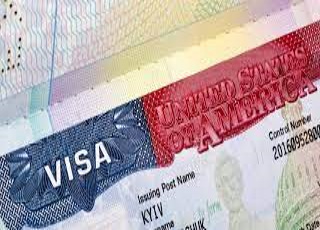
In a move aimed at balancing strict immigration controls with the anticipated influx of international soccer fans, the U.S. government announced Monday that holders of tickets to the 2026 FIFA World Cup can receive prioritized visa interviews.
The decision followed a White House meeting between President Donald Trump, members of the White House Task Force, and FIFA President Gianni Infantino. The initiative, dubbed the FIFA Prioritized Appointment Scheduling System (FIFA PASS), is designed to accelerate visa processing for legitimate ticket-holders while maintaining standard security and vetting procedures.
“Your ticket is not a visa; it doesn’t guarantee admission to the U.S.,” Secretary of State Marco Rubio emphasized at the White House, noting that all applicants will undergo the same background checks and screening as other travelers. “The only difference here is we’re moving them up in the queue.”

Under FIFA PASS, foreign nationals with tournament tickets can request interviews at U.S. embassies or consulates within six to eight weeks of applying—potentially shaving months off current wait times. In some countries, wait times for visa interviews are extensive: approximately 11 months in Colombia, nine and a half months in Mexico City, and up to 14 months for non-Canadian residents in Toronto. Without such prioritization, many fans could face delays that extend beyond the tournament itself.
The 2026 men’s World Cup, co-hosted by the United States, Canada, and Mexico, will feature 78 matches across 11 U.S. cities. FIFA estimates that up to 10 million visitors could travel to the U.S. for the event. “With this FIFA PASS, we can make sure that those who buy a ticket—legitimate soccer fans—can attend the World Cup under the best conditions, starting from obtaining their visa,” Infantino said in the Oval Office alongside Trump and Rubio.
Legal questions remain over whether FIFA PASS will apply to citizens of countries affected by U.S. travel restrictions. In June, Trump signed an executive order banning nationals from 12 countries from entering the U.S., citing security concerns. While the order exempts athletes and coaching staff traveling for the World Cup and the 2028 Olympics, fans from these countries could still face entry restrictions.
Not all travelers will need visas to attend matches. Citizens of countries participating in the U.S. Visa Waiver Program, which includes much of Europe, Japan, and Australia, can travel visa-free for up to 90 days.
The 2026 FIFA World Cup is officially scheduled to begin on June 11, 2026.
FIFA PASS represents an effort to streamline the visa process for a global sporting event, underscoring the administration’s approach to immigration: strict vetting combined with targeted exceptions for high-profile international visitors.