Home Blog Page 126

Pierre worn in for second term as St. Lucia’s Prime Minister

Phillip Joseph Pierre was sworn in on Friday as St. Lucia’s 12th prime minister since the island gained independence from Britain in 1979, pledging to continue the policies of his previous administration that resonated with the majority of voters in Monday’s general election.

“I am excited and optimistic about the future of St. Lucia. I pledge to do my best for the development of my country. It is with humility and honour that I accept the mantle of Prime Minister for a second term,” Pierre said after being sworn in by Governor General Sir Errol Charles at the official residence on the Morne, overlooking Castries.

Prime ministers from Antigua and Barbuda, Barbados, Dominica, Grenada, and St. Kitts-Nevis attended the ceremony, along with former St. Vincent and the Grenadines prime minister Dr. Ralph Gonsalves.

In his address, the 71-year-old Pierre — the ninth person to serve as head of government since independence — said he was happy to be speaking “in the right mood” after guiding the St. Lucia Labour Party (SLP) to a convincing victory. The SLP secured 14 of the 17 seats in Parliament, while two seats went to independents who were part of Pierre’s first administration. The main opposition United Workers Party (UWP) will be represented only by Allen Chastanet, who on Friday announced his resignation as party leader.

“I am overjoyed and grateful to the people of St. Lucia for electing the party that I have the honour to lead,” Pierre said, adding that “today marks a historic achievement for the St. Lucia Labour Party being the only party in St. Lucia to have won a second consecutive term in the last 20 years”.

He noted that the SLP had increased both its share of the popular vote and its parliamentary majority. Pierre said the electorate’s support signalled approval of his first-term policies, and he promised continued focus on the vulnerable and on measures to deter youth from joining gangs.

“WE cannot speak of preserving human dignity and a more equitable society if we are not prepared to address the basic needs of the vulnerable and the differently abled so that everyone can have a dignified existence,” he said.

“In our new term, we will continue to target interventions to those most in need. We cannot develop a dual society where any demographic is allowed to go adrift. I speak to the disenchantment of our young males, who are disengaged from the developmental process.”

Pierre said his administration would allocate resources to support young men, stressing that “gang membership and unlawful codes of behaviour should not be a desirable alternative for our young men. We call for zero tolerance towards all forms of deviant behaviour that is likely to destroy our society”.

The new Cabinet will be announced and sworn in next week. Pierre said his government will pursue new policies aimed at countering what he described as the “weight” of negativity affecting the country.

“If we are not careful, we will pay a heavy price. My government will therefore do all it can to help reverse this trend of negativity,” he said, urging citizens not to normalise division and hate.

Pierre said the administration will have a mandate to deliver on its promises, including “an impactful public sector investment programme” featuring upgrades to Hewanorra International Airport, improvements to water infrastructure, and investment in citizen security.

On foreign policy, he said St. Lucia will continue active participation in the Organisation of Eastern Caribbean States (OECS) and the Caribbean Community (CARICOM), while upholding “the principle of sovereignty and peace in our region”.

Bermuda extends moratorium on new work permits until February 28

work permits

Bermuda’s Minister of Economy and Labour, Jason Hayward, has extended the moratorium on new work permits for a wide range of job categories for another three months. The list of closed and restricted categories remains unchanged, with the moratorium now set to end on February 28.

A ministry spokesman said the pause supports the Government’s continued focus on expanding job opportunities for Bermudians.

“The Ministry of Economy and Labour remains focused on ensuring that our policies create meaningful job opportunities for Bermudians,” the spokesman said.

“The Closed and Restricted Job Categories are designed to encourage employers to prioritise Bermudian talent and invest in their development.

“As Bermuda’s employment landscape evolves, the ministry will continue to adjust these policies to reflect changing workforce needs and ensure that Bermudians remain at the centre of our economic progress.

“Individuals looking to increase their skill sets and employability are always encouraged to register with the Department of Workforce Development at dwd.bm and explore more options for further education through Bermuda College at www.college.bm.”

Closed job categories (through February 28)

Administrative assistant; airline ground agent; bank teller; carpet installer; cashier; childcare assistant; courier; customer care/service representative; debt collector; deckhand; dispatcher road transport; entertainer/musician; executive secretary/assistant; fisherman; general bartender; general labourer; golf instructors; grocery packer; guest service agent; handyman; HR officer/manager; intern; laundry attendant; legal clerk; librarian; office receptionist; painter; paraprofessional; photographer; pool/beach attendant; public relations officer; real estate agent; retail floor supervisor; room attendant; salesperson; seasonal work permits; security guard; senior clerk; taxi driver; teaching aide; technician salesperson; telephone switchboard operator; tourist retail salesperson; wallpaper technician; warehouse clerk.

Restricted job categories (through February 28)

Dish/pot washer; electrician; general carpenter; kitchen assistant; kitchen porter; landscape gardener (entry-level); plumber; residential/commercial cleaner; tennis instructor; waiter/server.

Under the work-permit policy, the application process for restricted jobs mirrors that of the open category, with additional requirements. Employers must apply for a maximum one-year term and submit evidence that candidates screened and recommended by the Department of Workforce Development were properly considered.

The department is expected to respond to employer inquiries within ten working days. If no response is received, employers may proceed with the application, provided they submit written proof that inquiries were made.

Partners of Bermudians, Permanent Resident’s Certificate holders, non-Bermudians on work permits, and other legal residents with permission to reside may all apply to seek employment. Partners who do not currently have permission to reside may apply to reside and seek employment. The policy relating to partners was updated in September.

Further details on Partner Residence Application Guidelines are available at gov.bm.

China’s navy hospital ship arrives in Jamaica to boost post-hurricane health dervices

China’s Navy Hospital Ship

Jamaica’s health sector has received a major boost following the arrival of the People’s Republic of China’s advanced navy hospital ship, the Silk Road Ark, which docked at the Montego Bay Freeport in St. James on Thursday, December 4.

The vessel will deliver outpatient care, diagnostic services, and elective surgeries, strengthening Jamaica’s national recovery efforts in the wake of Hurricane Melissa.

Minister of Health and Wellness, Dr. the Hon. Christopher Tufton, who toured the vessel with a Jamaican delegation, expressed appreciation for China’s swift support.

“We have, in the true spirit of friendship and cooperation, [seen that] the people and the Government of China have dispatched and have adjusted their schedule to be here in Jamaica earlier than was originally planned,” he said.

Dr. Tufton described the Silk Road Ark as “ultra-modern”, noting that “it is [the] newest [vessel] in [China’s] fleet of hospital ships, and its [presence is timely, given] the challenges we face”.

He highlighted that the vessel is staffed by more than 100 clinicians and support personnel and equipped with multiple operating theatres, advanced diagnostic technology, and a wide range of medical specialties. The team will perform elective procedures, including hernia repairs, and host outpatient clinics in Montego Bay, Kingston, and Falmouth in the coming days.

“This is a full-service hospital on the seas. It has 300 beds… [so, accommodating] 600 patients a day would not be impossible, based on their capacity and the personnel that they have,” Dr. Tufton explained, adding that the ship’s services will ease pressure on the national health system during the recovery period.

“The Chinese vessel and team are helping us to fill a gap… while we are… building back our system so that we can assume the arrangement. The benefits are many, and we will only be better for it,” he said.

China’s Ambassador to Jamaica, His Excellency Wang Jinfeng, offered condolences to those affected by Hurricane Melissa and reaffirmed the strength of the bilateral partnership.

“As emphasised by Chinese President, Xi Jinping, Jamaica is China’s strategic partner, and our peoples have deepened our friendship. The latest medical ship… has brought the assistance of the Chinese Government. They will provide humanitarian medical service for the Jamaican people,” he said.

Ambassador Wang noted that after its three-day stop in Montego Bay, the vessel will continue to Kingston and Falmouth, expressing confidence that Jamaica will “rebuild stronger and more resilient”.

Chief Medical Officer Dr. Jacquiline Bisasor-McKenzie said the support is especially timely, with several hospitals facing disruptions after Hurricane Melissa.

“This ship being here at this time [presents] an opportunity for us to get some of our elective surgical cases done and some of our eye cases done,” she said.

She added that the extended mission will also aid Kingston-based hospitals, which have been managing increased patient loads due to self-referrals and transfers from the western region.

“We’re really hoping to take full advantage of this opportunity to get as much done as possible,” Dr. Bisasor-McKenzie said, adding that Jamaican health officials look forward to future collaboration with China.

The Silk Road Ark continues China’s humanitarian outreach in the region and builds on years of cooperation with Jamaica, including medical missions and support provided during the COVID-19 pandemic.

Seeds of Manna launches Houses Built By Faith to support Jamaica’s hurricane relief efforts

Kaysia Earley

Nurtured by compassion and empowerment, the restoration of hope and renewal are all that’s to be harvested for hurricane relief in Jamaica by the Seeds of Manna nonprofit organization at the launch of Houses Built By Faith—the inspiring first publication of South Florida’s noted attorney Kaysia Earley.

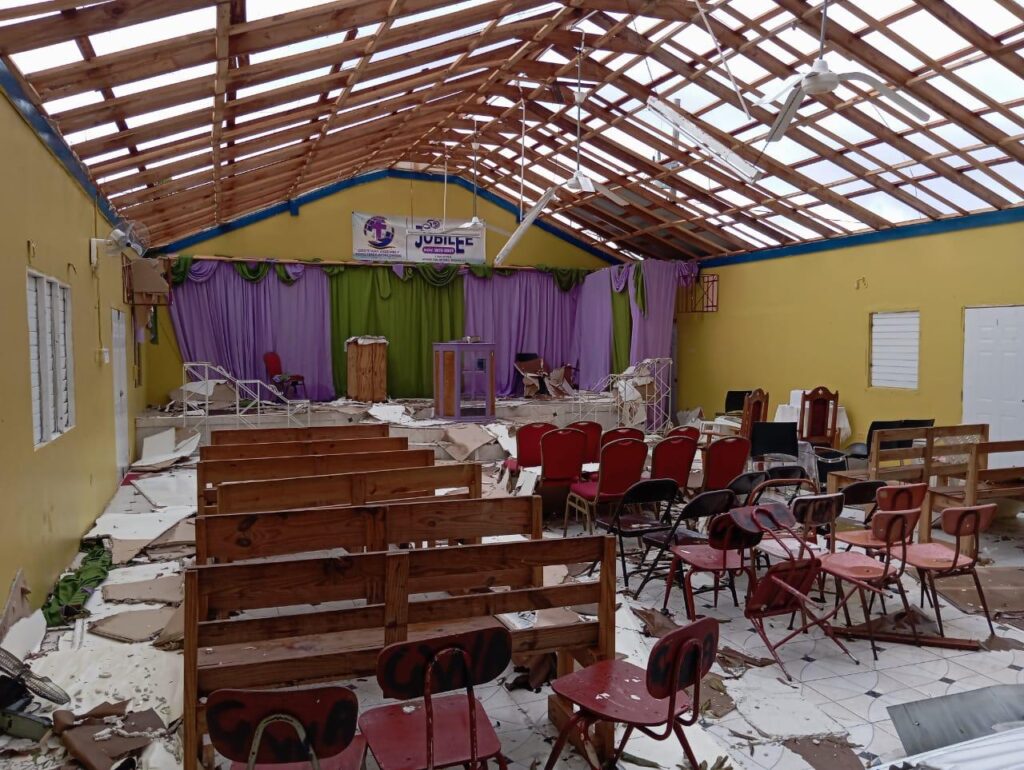
The launch, on December 13 at 11 a.m. at the Marriott Convention Centre, Parkland, Coral Springs, supports the faith-based charity established just months before the hurricane to structure the tireless efforts and resolve of founder Earley. For years, she remained steadfast in helping challenged families in Lilliput, Montego Bay, and the church community of God’s Way Assembly from her personal funds and proceeds from her law firm. Establishing the charity proved timely with the unimaginable devastation from Hurricane Melissa, which led to the church being completely destroyed and many residents in urgent need of food, shelter, and basic necessities.

God’s Way Assembly after Hurricane Melissa

No stranger to what is extremely traumatic, Earley uses the subtitle of the book—Jail House. God’s House. Court House.—as a graphic chronicle of her personal and professional journey. She shares how she was once at rock bottom. “I was homeless,” she says, “living with all my things in storage—and then I lost everything, lost it all… and got it back. No matter what happens, you must keep the faith. Have faith that days will get better—and believe things will work together for your good.”

This uncanny journey of hers is the story of an indefatigable spirit. With the traits of a phoenix, she has kept rising. “What could be worse than being in jail, solitary confinement, pregnant and out of wedlock?” There was nowhere else to go but up for this determined and driven middle child of seven who found Christ and defied the odds to become the successful lawyer she was told she couldn’t be.

Of Jamaican parentage, her eyes were set on “yard,” given how she was socialized—and rooted. The bond strengthened when she and her husband, David Earley, of 21 years, began traveling to Jamaica—making friends with workers at the resort before being taken into their homes and lives at Lilliput. Marginalized and barely managing, Mrs. Earley, the professed shopper, started shipping provisions and clothing to the island in 2020 for these friends and their families. A child of Christian fellowship, it became her ministry—outreach completed by engaging and embracing the church, God’s Way Assembly, which was close to the home of Ilyann Salmon, who, along with her husband Wayne, were now cornerstones of the Earleys’ charitable operations.

Kaysia Earley, community advocate, remains stirred and steered by social concerns… and the livelihood and welfare of the average Jamaican household is a particular focus. The disparity, she contends, is disturbing. “There are so many people working so hard and are unable to make ends meet—living in communities of unpaved and unkept roads right across from major resorts. Such investments in Jamaica should require that these business operators have a stake in communities within a certain radius… especially if you’re taking up coastal areas that, as a consequence, render beaches inaccessible to community residents—beaches they may only enjoy if they’re provided with a day pass.”

The Earleys have a home in Trelawny, employing friends and members of the charity for maintenance—individuals who previously worked at the resorts. They are committed to assisting these persons in improving their skill sets. “What’s being planted by Seeds of Manna,” she advises, “is self-sufficiency. The rebuilding exercise is bigger than barrels. Having all this knowledge as an attorney, a judicial candidate, and an entrepreneur since owning and operating my own law firm for 11 years, I want to hold workshops in Jamaica to teach business skills.” She plans to buy and remodel containers as salons for young ladies—budding hairdressers—so they can move out of their homes. “People are to be taught how to fish beyond having fish provided for them.”

She’s fixed, she’s focused—and the launch on Saturday, December 13, of her first publication, Houses Built By Faith, to also support her charity, Seeds of Manna, is about her very purpose.

It’s all that’s firmly planted.

Chris Martin withdraws from Treasure Beach Food, Rum & Reggae Festival due to injury

Christopher Martin

Recording artist Chris Martin has withdrawn from this Sunday’s Treasure Beach Food, Rum & Reggae Benefit Festival after sustaining injuries during a recent performance in Sierra Leone. The announcement was made on Friday as festival organizers assured the public that the one-day event will move forward with a full programme and a powerful entertainment slate.

Martin told fans he is undergoing medical evaluation and has been advised by his doctor to take several days of complete rest. His team noted that although he hoped to perform, the focus now must be on his recovery.

Festival Director Gregory Wright said the organizing team fully supports Martin’s decision to prioritize his health.

“While we are truly saddened that Chris won’t be able to join us this Sunday, we fully support him as he takes the time he needs to recover,” Wright said. “Chris has been a champion of this event from the start, and we’re wishing him a smooth and speedy healing process. We’re also deeply grateful to our patrons and partners for their understanding. Even with this change, we are committed to delivering an incredible festival experience and an impactful benefit for our farmers and affected communities.”

Despite the adjustment, organizers say the festival remains strong, with a lineup headlined by Agent Sasco and Capleton. The programme also includes a wide culinary showcase, artisan village, rum activations, and community-focused programming tied to the event’s mission of supporting recovery in Jamaica’s agriculture sector following the devastating impact of Hurricane Melissa.

The Treasure Beach Food, Rum & Reggae Benefit Festival is scheduled for Sunday, December 7, from 2 p.m. to 12 a.m. at the Ranny Williams Entertainment Centre. All proceeds will go toward rehabilitation efforts for farmers and communities most affected by the hurricane.

We’re ready’: Jamaica moves toward Dec. 15 tourism reopening after Melissa

Jamaica’s top tourism officials are signaling confidence in a full industry rebound by mid-December, even as the country continues to recover from the devastating impact of Hurricane Melissa, the Category 5 storm that slammed into the western parishes on Oct. 28.

Tourism Minister Edmund Bartlett, Consul General Oliver Mair, Deputy Director of Tourism Philip Rose, Director of Tourism Donovan White, and several South Florida–based diaspora and travel stakeholders gathered at the Island SPACE Caribbean Museum in Broward County on Thursday, December 4, to outline the path forward. The meeting formed part of a wider push by the Ministry of Tourism to reassure international partners, travel advisors, and the Jamaican diaspora that the island is on track to reopen for business on Dec. 15, 2025.

Bartlett said the decision to activate reopening plans hinges on the pace of recovery, the resilience of tourism workers, and early assessments showing that the majority of tourism infrastructure remains intact.

Advisories expected to ease as recovery progresses

Since the storm, Jamaica has faced heightened travel advisories, including an upgrade to Level 3 by the United States, with a “natural disaster” risk indicator added. Bartlett acknowledged that Category 5 headlines naturally trigger caution among source markets, but said the advisory levels are expected to ease soon.

“The very thought of a Category 5 hitting anywhere and its consequences would evoke an immediate level of caution by any country,” Bartlett said. “But the reality is those levels will change with circumstances. The fact that we have shown that level of resilience and have had a recovery that is phenomenal — that the World Bank is saying they have never seen any country recover this fast — all of this has its impact.”

He added that Jamaica expects a return to Level 2 “as quickly as possible” as cleanup work continues and hotels confirm readiness for guests.

Tourism workers help drive the recovery

Bartlett said the ministry grappled with the question of when to reopen, noting that the storm left thousands of workers without homes, electricity, water, or a stable mental footing.

“The destruction in some of the areas was so intense that workers were, in fact, without homes in many instances — without food, water, electricity, and in a state of mind that would not be conducive to any kind of productive work,” he said.

But the minister said the resolve of tourism workers ultimately shaped the ministry’s reopening timeline.

“What we saw in the spirit of the workers was amazing. They left their own situation to come to the hotels and help with the cleanup,” he said. “As I toured various hotels, they told me their choice was either ‘we suffer and die here’ or ‘we come and do something and live after.’ And they chose the latter.”

Bartlett emphasized that while western Jamaica absorbed the worst damage, the majority of the country’s tourism belt remains operational.

“Only about a third of Jamaica was affected in a serious way — maybe 30 to 40 percent of the total tourism workforce,” he said. “But there is another 60 to 70 percent wanting to continue to work because they can go to work. And also because their facilities were not affected. So to open on the 15th was very inspired.”

Recovery efforts and sector outlook

Government assessments show:

  • Hundreds of hotel rooms along the Negril and Montego Bay corridors were impacted but remain structurally sound. The Jamaica Tourist Board (JTB) has published a phased reopening schedule on its website. Several major hotel brands — including Couples Resorts, Azul Beach Resort in Negril, RIU Hotels & Resorts, and Sandals Resorts International (and sister brand Beaches Resorts) — have already resumed operations or announced some reopenings for early December.
  • Key airports — Sangster International and Norman Manley — resumed commercial operations within days of the storm.
  • Major attractions outside the western impact zone, including Ocho Rios, parts of Kingston, and Portland, reported minimal damage and have already restarted limited operations.
  • The Tourism Enhancement Fund (TEF) has been activated to support tourism-industry workers affected by the storm.
  • The funding package for national reconstruction includes support from multilateral lenders. In a coordinated move, the World Bank Group (WBG), the Inter‑American Development Bank (IDB), the Caribbean Development Bank (CDB), the CAF – Development Bank of Latin America and the Caribbean, and the International Monetary Fund (IMF) have committed up to US$6.7 billion over three years to support Jamaica’s recovery and reconstruction.

Despite the disruption, Jamaica continues to project that visitor arrivals for winter 2025–26 could stabilize faster than initially feared, as many source markets are already rebooking vacations for the post-Melissa period.

Diaspora seen as key partner

The South Florida visit is one of several diaspora engagements planned by the Ministry of Tourism, with Bartlett stressing that the diaspora is one of Jamaica’s most reliable audiences during recovery cycles.

Stakeholders in attendance pledged support for marketing campaigns, donation drives, and recovery messaging aimed at restoring traveler confidence in time for the winter high season.

Bartlett said the ministry’s focus is clear: reopen safely, restore livelihoods, and send a strong signal that Jamaica is rebounding.

Fighters rally for a hurricane-relief Fight Night fueled by courage and community

A militant group of boxers turned out for the Wray & Nephew Fight Night media briefing at Tracks and Records Restaurant on Thursday night ahead of the December 13 fight night at Constant Spring football field. Some of them posed in their fighting stance (from left) Demar Haslam, Jermaine ‘Crossbreed’ Bowen, Jaheem Morrison, Juzier ‘Iron Man’ Heron, Martin McKenzie, Sanji Williams, Daniel Hylton and Kashieve Nelson.

Hurricane Melissa may have battered communities across Jamaica, but the spirit of the nation’s boxing fraternity refused to be knocked down.

On Thursday evening, against the lively backdrop of Tracks & Records, the Jamaica Boxing Association (JBA) and Wray & Nephew unveiled their grand finale for 2025: an action-heavy Fight Night designed not only to entertain, but to uplift.

This December 13 staging at Constant Spring football field will showcase 10 clashes, including three professional bouts and a robust line-up of amateur match-ups, creating one of the most ambitious cards of the year.

Bowen promises violence: “Flat pan him back or flat pan him face”

Among the fighters who took center stage was light heavyweight Jermaine Bowen, his message as sharp as a jab to the chin. Bowen is gearing up for a showdown with Julio “Dom Rep Bomber” Guerrero, and his prediction left no room for negotiation.

“He’s a good opponent. He’s a come forward fighter, that’s why mi a go put him on the canvas come December the 13th,” Bowen warned. “Straight knockout fi him. Two place him can end up, flat pan him back or flat pan him face, noway else.”

Bowen leaned further into his vow of destruction, calling on fans to witness the mayhem firsthand:
“…come out, come see pure demolition at this fight. We just ah go in deh go destroy mi opponent completely, wreck him. Me ago make him experience Melissa ’cause he wasn’t here. So come December the 13th, pure destruction and fireworks.”

Kerry Ann Bryan (3rd right) Brand Manager of title sponsor Wray & Nephew along with some of the stakeholders share a happy moment during Thursday night’s Wray & Nephew Fight Night media briefing at Tracks & Records Restaurant. (From left) National coach Felipe Sanchez, Dr. Howard Harvey of new partner Kingston YMCA, Dr. Andre McDonald of the PanAm Medical and Anti-Doping Committee, Leroy Brown, general secretary of the Jamaica Boxing Association (JBA) and Stephen Bomber Jones, president of the JBA.

A three-fight pro slate anchors the night

Joining Bowen on the professional side of the bill is unbeaten super welterweight technician Juzier “Iron Man” Heron, set to exchange leather with Jonaury Moreta of the Dominican Republic. Meanwhile, the light heavyweight division will welcome the debut of Daniel Hylton as he squares off with Demar Haslam, adding an element of new blood to the card.

JBA president Stephen “Bomber” Jones described the event as something of a miracle victory in itself.

“I personally never thought that we’d be having another fight card after Melissa,” Jones confessed. But the collective will of the boxing community made it impossible to abandon the idea. “Everybody called for it… not only for the fight, but to use it as a platform to help build back… I think it carries a lot of weight… one that I think will end the year well.”

Western camp battles trauma with grit

For those in western Jamaica, Hurricane Melissa’s impact was personal and severe. Coach Jasmine Graham spoke movingly about the realities facing her athletes.

“Some of them, they actually lost their roof… some don’t have clothes… majority of them, they don’t have food,” she shared. The gym, she said, became their sanctuary. “A lot of them, they are mentally distraught… but like I said, we are resilient.”

Two of her amateurs will showcase that resilience on the upcoming card.

A medical milestone for Jamaica

The evening also highlighted a major advancement for local boxing. The PanAm Boxing Confederation has named Dr. Andre McDonald, longtime ringside physician, to the prestigious Medical and Anti-Doping Committee.

Dr. McDonald called the appointment transformative: “It is very, very significant for Jamaica… It simply means that Jamaica has a foot in before it happens… so we can position our boxing and boxers for the future.”

Wray & Nephew turns Fight Night into relief mission

Brand manager Kerry Ann Bryan confirmed that the event carries a humanitarian mission as well as athletic purpose.

“This is a special edition,” she noted. “We’re asking persons who are coming to bring their hurricane relief items… canned foods, solar lights, blankets… If you can’t bring items, you can bring a $500 donation… for VIP, it’s $5,000.”

Her message was clear: supporting the boxers means supporting the communities they come from.

A coalition of sponsors steps forward

Backing the venture is a wide coalition of partners, including Doctor’s Cave Club, Sandals Foundation, KFC, Knutsford Express, Ultra Medical Services, Good Life Water, Caledonia Outdoor Advertising, Vere Events, and the Kingston YMCA.

Together, they aim to deliver a night of sport that symbolizes restoration, resilience, and renewed momentum.


Kishore Shallow stays the course! CWI President commits to full term despite Cabinet appointment

CWI President Kishore Shallow hails West Indies’ historic Test triumph in Pakistan
CWI President Dr. Kishore Shallow

Kishore Shallow has moved decisively to end days of speculation regarding his future in regional cricket administration.

Despite being sworn in as St Vincent and the Grenadines’ new Minister of Tourism and Maritime Affairs, the 41-year-old confirmed that he will remain at the helm of Cricket West Indies (CWI).

Shallow’s landslide victory in the North Leeward constituency during last week’s general elections had triggered public debate on whether he could continue as CWI president, a position he secured unopposed at the regional board’s annual general meeting on May 29, 2025.

Earlier this week, he teased that a final decision would come “in the next 72 hours.” On Thursday, during an exclusive interview on Isports i95.5 FM, he made his intentions clear.

“The intention Is to finish my term”

Shallow stated unequivocally that he plans to complete his three-year term, emphasizing that his commitment is both a professional obligation and a matter of principle.

“The intention is to at least finish my term at CWI. The directors, the representative shareholders, elected me to serve my term, and I have all intentions of doing so,” he said.

He also rejected the notion that holding dual roles, Cabinet minister and board chair, is unprecedented or untenable.

“Let me just reiterate that the president of CWI is an executive role, it is a chair of a board, and there have been many instances across the region and even internationally, where chairs have been Members of Parliament and so this is not something new. It’s new for me,” he explained.

No conflict foreseen: “I can manage both”

Shallow expressed confidence that the management structure within CWI allows him to meet the responsibilities of both appointments.

“…But understanding the role of CWI president, I have absolutely no reservation that I can manage both… It is about understanding the management structure and understanding that we have a CEO who is the head of operations and head of management and the chair, the president of CWI’s board, is really the liaison between the board and management,” he said.

He added that much of the public uncertainty stems from misconceptions:
“I think if people understand that fully, then it would be less confusion about any possibility of there being a conflict or not.”

Backed by directors and supported by ICC peers

Shallow also revealed that his decision was shaped by extensive consultations. Directors at CWI, regional leaders, and representatives within the International Cricket Council (ICC) all supported his continued leadership.

“I’ve spoken to the majority; almost all of the directors and they have all given me full support. They too have a great appreciation of the role as the president of CWI, and I have spoken to other leaders across the region,” he said.

His conversations with ICC colleagues further helped clarify that political leadership does not contradict the responsibilities of a cricket board chair.

“At least two of my colleagues at the ICC are MPs. When they talk about government interference, they mean in terms of government dictating the operations and the management of the cricket,” Shallow noted.

“In terms of being a Member of Parliament, there are absolutely no restrictions and that is why we have seen in the past with CWI there have been other politicians, so it is not anything new.”


Hope leads defiant stand as West Indies stretch Test into final day

Shai Hope
Shai Hope.

CHRISTCHURCH — West Indies ended the fourth day of the opening Test with an improbable sliver of hope, thanks to a commanding unbeaten century from Shai Hope and a composed half-century from Justin Greaves.

Their resistance transformed what once looked like a guaranteed New Zealand victory into a contest that will extend to a decisive fifth day.

By stumps, the visitors were 212 for four, still a daunting 319 runs short of their target of 531. Yet the unbroken fifth-wicket stand of 140 runs has injected life into what was shaping up to be a routine home win.

A rescue mission from 72-4

New Zealand had dominated the early afternoon, shredding the West Indies top order and leaving the tourists reeling at 72-4. A swift finish appeared inevitable. But Hope, batting in sunglasses again due to an eye irritation, and Greaves refused to surrender.

Their partnership kept the hosts in the field for nearly the entire day, shifting the tone from damage control to quiet ambition. The West Indies already own the record for the highest successful chase in Test cricket, 418 against Australia more than two decades ago, and although surpassing 531 remains wildly improbable, Hope and Greaves ensured their team will not go down without a prolonged fight.

New Zealand hampered by injuries

Despite the sizeable scoreboard advantage, New Zealand’s attack is depleted. Matt Henry bowled only 11 overs before limping off with a calf problem, and Nathan Smith, nursing a side strain, did not bowl in the second innings at all. Those absences turned long spells into a grind for the home side, allowing the visitors’ fifth-wicket pair to settle and prosper.

Earlier in the day, New Zealand declared on 466 for eight, setting the West Indies the towering target. Openers John Campbell and Tagenarine Chanderpaul safely navigated the morning session to reach 20 without loss at lunch.

But the restart brought calamity. Jacob Duffy, fresh from his first-innings heroics, removed Campbell for a low catch at second slip, then dismissed Chanderpaul caught behind for six.

Alick Athanaze’s mistimed pull to mid-on accounted for another wicket, and the slide deepened when captain Roston Chase edged Matt Henry behind. From that point, survival itself looked uncertain.

Hope flourishes, Greaves grits in

Hope’s innings was a blend of authority and calculation. He drove and pulled with clarity, striking two exquisite boundaries off Michael Bracewell to move into the 40s before completing his second half-century of the match. After tea, he lifted the tempo, hitting Duffy for three crisp boundaries en route to the 90s, then gliding Rachin Ravindra through cover to reach his fourth Test century from 139 balls.

Greaves, far more measured but equally critical, bided his time before punishing Duffy’s short pitching, pulling emphatically to post his second Test fifty from 123 deliveries. His composure provided the perfect foil to Hope’s momentum.

The pair saw out the remainder of the day without alarm, but they are well aware that Friday demands another monumental session of application.

Roach stars again before the declaration

Before the chase began, Kemar Roach added another chapter to his distinguished career by collecting his 12th five-wicket haul in Tests. The 37-year-old dismissed Bracewell and Henry, both caught behind by Tevin Imlach, and then held a return catch from Duffy at the second attempt. His haul of 5-78 gave him match figures of 7-125 and moved him within nine wickets of the 300 mark.

Ojay Shields supported well with 2-74, but New Zealand’s imposing lead always ensured they dictated the tempo.

A final day of remote, but real possibility

Hope and Greaves have ensured the West Indies will not enter the final day beaten in spirit. The odds remain overwhelmingly in New Zealand’s favor, but their opponents now have a foundation, and faint glimmers of history, to cling to.


8 key specs of industrial sublimation printing machines that impact print longevity

industrial sublimation printing machines

Industrial sublimation printing has become a mainstay of the textile and printing industries. It provides bright, vivid colors and durable prints. That said, these prints only last if the machine has some key features. These specifications allow businesses to get the most effective printing processes. Here are eight key features of industrial-level sublimation printing machines that significantly impact the longevity of the prints.

1. Printhead Quality

Businesses looking to expand production often invest in a sublimation printing machine online for high-quality graphic transfers. High-quality printheads are essential in ensuring the accuracy and longevity of the prints. A good printhead provides a consistent flow of ink, resulting in sharper, more defined prints. They also minimize the possibility of any blockage, thus helping the machine last longer. You can invest in a machine with a high-quality print head.

2. Ink Compatibility

It is essential to have ink compatibility for durable prints. Machines that are compatible with a wide range of ink types are necessary for achieving durable prints. Sublimation inks are specifically designed to bond with the fibers of fabric. Using the wrong kind of ink can cause the design to fade over a few years. Therefore, it is essential to select a machine that can operate with high-quality inks.

3. Temperature Control

Another critical spec is the handling of temperature control. Accurate heat settings are crucial for successful ink transfer in sublimation printing. Machines that accurately regulate temperature provide repeatable results. They help keep the fabric and colors from losing their vibrancy. It minimizes the chances of damage to a print and increases its lifespan by better managing temperature.

4. Pressure Settings

The pressure you apply impacts how well the print is transferred. Having a machine with adjustable pressure means you can adapt it according to the material you use. With the correct pressure, it is ensured that the ink sinks properly into the fabric. They also ensure that prints are smooth and even. You should choose a machine that has adjustable pressure settings, as the results can significantly impact the longevity of the prints.

5. Speed and Efficiency

Speed will increase productivity, but it should not overshadow quality. It is best to have machines that strike a balance between speed and precision. Rapid printing sometimes results in mistakes or partial transfers. Hence, faster machines with maintained quality should get top priority. That balance is what makes the prints both quick to produce and durable.

6. Fabric Compatibility

Synthetic fabrics are best for sublimation printing. Devices that cater to all different types of textiles are more flexible. Part of print durability is selecting the right printing material. Using the machine on various textiles enables versatile applications. Due to this quality, the print embodies a life of its own and will not die out as easily.

7. Maintenance and Ease of Use

Regardless of the printing machine you have, it requires regular maintenance. Simpler machines require less maintenance and operation, have fewer downtimes, and last longer. Automated cleaning systems, along with a straightforward interface, can reduce the maintenance burden. Maintaining the machine in optimal condition helps sustain the quality of continuous prints.

8. Resolution Capability

Resolution determines how sharp and detailed an image will appear on a print. With high-resolution machinery, the images are sharp and crisp. It adds clarity to the overall appearance, making the print last longer before showing wear and tear. For high-quality, more permanent prints, it pays to invest in a machine with better resolution capabilities.

Conclusion

Ultimately, however, the lifespan of sublimation prints is highly dependent on the settings of the printing machine. From printhead quality to resolution capability, every detail matters. Businesses can make more informed decisions if they consider these factors. This feature not only enhances print quality but also adds durability. Choosing the appropriate machine is not just an investment in efficiency but also in the durability and longevity of the prints.

Everest without the rush: What it’s like to visit Namche, Tengboche, and Dingboche in winter

Everest

Ever dreamed of seeing Everest but dread the crowds, chaos, and cost of peak-season trekking? You’re not alone. For many travelers, the idea of sharing narrow trails with hundreds of others or fighting for space in packed teahouses can take the magic out of the Himalayas.

That’s where winter steps in, quiet, crisp, and utterly spectacular. Visiting Namche, Tengboche, and Dingboche in winter offers a rare chance to experience Everest without the rush. The trails are peaceful, the skies often clearer, and the villages more welcoming. You’ll find solitude, authenticity, and a different kind of adventure, one that’s just as breathtaking, but far less traveled.

If you’re drawn to quieter, less-crowded Himalayan adventures, you might also consider the Manaslu Circuit Trek, another incredible route that remains serene and uncrowded, even during busier seasons. Like Everest in winter, Manaslu offers raw landscapes, authentic village life, and a feeling of remoteness that modern trekkers rarely find.

This guide helps you understand exactly what a winter trek to the Everest region feels like, how to prepare, what to expect, and why this season might just be the best-kept secret in Himalayan travel.

Why Visit the Everest Region in Winter?

Avoiding the Crowds and Embracing Solitude

Winter trekking in the Everest region is a drastically different experience from the busy spring or autumn rush. While peak season is defined by long lines of trekkers and crowded lodges, winter strips away the noise, revealing the true stillness of the mountains.

One of the biggest perks? Solitude. The trails are quiet, allowing you to walk for hours without another soul in sight. You’ll feel more connected to the land, to the journey, and to yourself.

What Makes Winter So Special?

  • Fewer Crowds:Enjoy peaceful trails and quiet tea houses.
  • Crisp Mountain Views:Dry, clear air reveals Everest, Ama Dablam, and Lhotse in striking detail.
  • Cultural Connection:Locals are more relaxed and open to conversation during the off-season.
  • Lower Costs:Accommodation and food are often discounted.

Culturally, winter is a slower, more reflective time in the Khumbu. You’ll likely share a cup of tea with a Sherpa lodge owner or join locals around a fire in the evening, moments often missed during busier months.

Just keep in mind: temperatures drop sharply, and not every lodge stays open. But if you’re ready for the challenge, the rewards of a quiet, intimate Everest trek are unforgettable.

Namche Bazaar in Winter

The Heart of the Khumbu—Blanketed in Snow

Namche Bazaar (3,440m) is the bustling gateway to Everest Base Camp Trek. In winter, it transforms into a tranquil amphitheater of snow-capped houses and frozen waterfalls.

How Cold Does It Get?

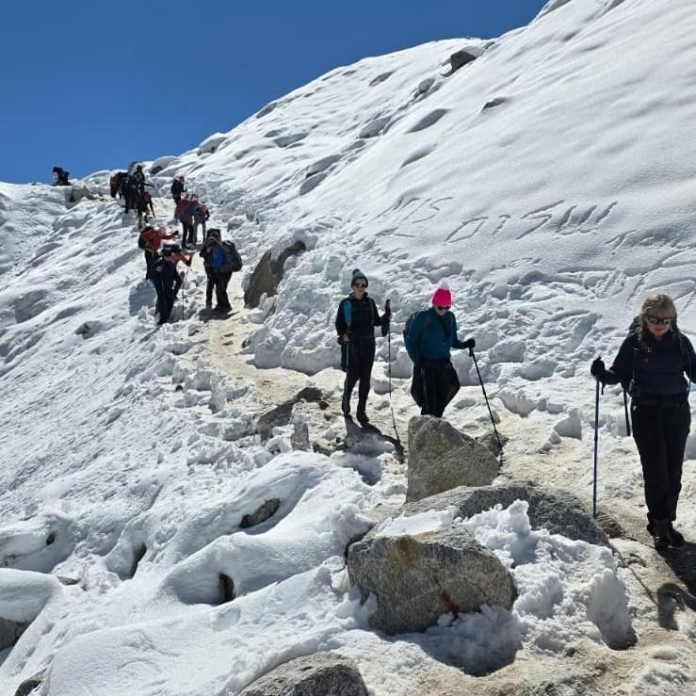
Expect daytime temperatures around 0°C–5°C (32°F–41°F) and nighttime lows between -6°C to -15°C (21°F–5°F). The cold bites hardest in the mornings and evenings, so layering is essential:

  • Base: moisture-wicking thermal wear
  • Mid-layer: fleece or down jacket
  • Outer: waterproof shell
  • Plus insulated gloves, hat, and thermal socks

Good waterproof boots and gaiters will help you handle icy trails.

What’s Open in Namche During Winter?

Many tea houses stay open, though with smaller menus and limited staff. The Saturday market still runs, but on a smaller scale. Trekking shops and bakeries open later in the morning to save energy.

Tip: Withdraw enough cash in Kathmandu or Lukla, ATMs in Namche may not always work in winter.

Acclimatization Is Still Crucial

Even in the cold, altitude sickness is a risk. Spend at least two nights in Namche to acclimatize. Take short hikes to:

  • Hotel Everest View (3,880m)– for a panoramic breakfast with Everest in sight
  • Khumjung & Khunde Villages– to experience local Sherpa life
  • Namche Monastery– a quiet place to meditate amid prayer flags and snow

Tengboche in Winter

Peace at the Foot of the Monastery

Tengboche (3,867m) is home to the most famous monastery in the Khumbu, and visiting it in winter is a serene, almost spiritual experience.

The Tengboche Monastery Experience

Yes, the monastery remains open in winter, and without the tourist rush, it feels more sacred. If you time your visit right, you can witness the monks’ chanting sessions echoing through the icy air.

Etiquette:

  • Remove shoes before entering
  • Dress modestly
  • Ask permission before photographing

The Trail from Namche to Tengboche

The path is stunning but slippery. Snow blankets the rhododendron forests, and the final climb from Phunki Tenga is often icy. Trekking poles, microspikes, and waterproof boots are essential.

Despite the challenge, this section is one of the most rewarding. The view of Ama Dablam from Tengboche, especially in winter’s clear light, is unforgettable.

Where to Stay

Fewer lodges are open, but the ones that are offer cozy hospitality. Expect simple meals (dal bhat, soup, noodles) and communal dining rooms heated by a central stove. Bring a four-season sleeping bag and a hot water bottle for warmth.

Dingboche in Winter

Silence at 4,410 Meters

Dingboche is often quieter than anywhere else on the route, and in winter, it feels like another world.

Getting There

The trail from Tengboche passes through Pangboche and usually takes 6–7 hours in winter conditions. Snow and ice can slow progress, so start early. Hiring a local guide helps with navigation and ensures safety.

Why Dingboche Is Magical in Winter

For seasoned trekkers, this is pure paradise. The village sits under the watchful eyes of Ama Dablam, Lhotse, and Island Peak, their summits glowing orange at sunrise.

Acclimatization hikes to Nangkartshang Peak (5,083m) are doable if the weather cooperates. It’s steep and snowy but offers panoramic views of Makalu and the Imja Valley.

Expect bitter cold at night (down to -20°C / -4°F), but also unmatched peace. If you’re prepared with proper gear, Dingboche offers a level of solitude you won’t find anywhere else.

Essential Winter Trekking Tips

How to Prepare for a Winter Trek to the Everest Region

  • Pack for extreme cold: down jacket, four-season sleeping bag, insulated gloves, gaiters, microspikes.
  • Hire local guides and porters—they know safe routes and weather shifts.
  • Watch for signs of altitude sickness; acclimatize gradually.
  • Start early each morning to avoid walking in the dark.
  • Check weather forecasts daily (via MeteoNepalor lodge owners).

Conclusion

Visiting Namche, Tengboche, and Dingboche in winter reveals a side of the Himalayas few ever see. It’s a quieter, more personal experience, where the crunch of snow replaces chatter and the mountains seem to breathe beside you.

Yes, it’s colder and tougher, but that’s what makes it special. You’ll find peace, reflection, and raw beauty that the busy seasons often hide.

So lace up your boots, pack your thermals, and head north when the trails are silent. Everest in winter isn’t just a trek, it’s a meditation in motion, a reminder that adventure doesn’t always need a crowd.


St. Lucia’s Allen Chastanet resigns as UWP leader after election defeat

Allan Chastanet condemns terrorist attack in Spain - Caribbean National Weekly News

Allen Chastanet has stepped down as leader of St. Lucia’s main opposition United Workers Party (UWP), less than a week after leading the party to its second consecutive general election loss.

Chastanet, 65, a former prime minister, was the sole UWP candidate to retain a seat in Monday’s vote, which delivered a decisive victory to the ruling St. Lucia Labour Party (SLP). Prime Minister Phillip J. Pierre’s SLP won 14 of 17 parliamentary seats, while former prime minister Stephenson King and Richard Frederick — both independents who served in Pierre’s last administration — also secured their seats.

The results marked a further setback for the UWP, which won only two seats in the 2021 general election under Chastanet’s leadership.

In a statement on Friday, the UWP said it held a “critical meeting” — its first since the defeat — to assess the party’s future. During the meeting, chairman Therold Prudent informed members that he had received a resignation letter from Chastanet, formally tendering his departure as political leader.

The letter will be presented to the party’s national executive in mid-December for official consideration.

“The UWP remains committed to transparency, democracy, and democratic processes and the continued advancement of its mission of service to the people of St. Lucia,” the party said.

Chastanet, who led the country from 2016 to 2021 and has headed the UWP since 2013, has not yet issued any public comment on his decision to step down.

Too little, too late: The Caribbean must stop rewarding mediocrity

resignations

Across the Caribbean, a troubling pattern continues to repeat itself: leaders, whether in sports, politics, or public life, offer their resignations only after the damage is already done. Yet we, ever gracious, ever forgiving, accept these too-late gestures as if they were meaningful acts of accountability, but they are not. They are escape hatches, and we deserve better.

Case in point, the recent resignation of former Reggae Boyz coach Steve McClaren. Few Jamaicans were surprised when he stepped down after the national team failed to secure a World Cup berth. This, despite being placed in one of the least competitive qualifying groups in recent memory. Jamaica faced Curaçao, Trinidad and Tobago, and Bermuda, respectable teams, yes, but none of the heavyweight forces of CONCACAF, such as Mexico, Honduras, Panama, or the United States.

Yet, even with such an advantageous path, the campaign fizzled. The performances were flat, the tactics uninspired, and after months of underachievement, McClaren delivered a pre-prepared two-page resignation letter—clinical, emotionless, and as uninspired as the football his side had played. He resigned, yes, but far too little, and far too late.

By the time his letter hit the JFF inbox, the horse had already bolted. Jamaica’s chance at automatic qualification had galloped off into the distance. What remained was only disappointment and a nation again scrambling to rebuild.

Again today, in a different arena but with a familiar ending, St. Lucia’s former Prime Minister Allen Chastanet tendered his resignation as leader of the United Workers Party after the party’s crushing defeat in the December 2025 general election. The UWP won just one seat, his own, after already suffering a landslide loss in 2021 under the same leadership. Political commentators have long warned that the party’s strategy, messaging, and organizational discipline were faltering. Yet the accountability came only when there was nothing left to salvage.

Resignation, yes, but again, far too little, too late.

Caribbean culture of courtesy and its consequences

We Caribbean people pride ourselves on having big hearts. We are forgiving, patient, and generous to a fault, but this cultural kindness often leads us to overlook prolonged underperformance. Time and again, those who should be dismissed, swiftly and decisively, are given the dignity of resigning on their own terms. When they walk away, they leave organizations, teams, and entire nations in crisis mode, scrambling without succession plans or ready replacements.

We must ask ourselves: Why do we allow this? Why do we reward mediocrity with soft landings?

Resignations should be a mark of honour, something extended to those who have served well, who have led with excellence, and who will be genuinely missed.

Dismissal, on the other hand, is a necessary tool for those who fail repeatedly and refuse to improve, but somewhere along the way, we blurred the lines.

Whether it’s football, politics, public administration, or community leadership, the principle must be the same: nobody is bigger than the programme. Not the coach, not the politician, not the CEO, not the “big name” who has been around long enough to believe they are irreplaceable.

Caribbean organizations, whether it be sporting bodies, political parties, boards, or ministries, must develop the courage to act early, not after collapse. The cost of delay is always the same: stalled progress, wasted resources, and frustrated citizens.

A call to action

This is a call to Caribbean nationals, to organizations, to community groups, and to every voter and fan who has learned to settle for less: Stop accepting mediocrity wrapped in polite resignation letters. Stop waiting until failure becomes irreversible. Stop confusing kindness with complacency.

Give people the benefit of the doubt, yes but do not give endless chances to those who consistently underperform. Accountability is not cruelty. In fact, it is the highest form of respect—for the people, for the institutions, and for the future.

Resignations? Reserved only for the excellent. Only for the valued. Only for those whose departure would genuinely be a loss.

As for the rest, those whose downfall was preventable, whose performance was lacking, and whose leadership faltered long before they admitted it, let us have the courage, finally, to say: Too little. Too late. You’re dismissed.


JSE Group pays tribute to long-serving Director Alvaro Alonso Casserly

Alvaro Alonso Casserly

The Jamaica Stock Exchange Group is mourning the death of Alvaro Alonso Casserly, a veteran leader whose influence stretched across corporate Jamaica and decades of public service.

Casserly, remembered as a “giant” in Jamaican business, built a distinguished career spanning finance, media, health, public utilities and philanthropy. The JSE noted that his contributions left “an indelible mark” on every sector he touched.

He served on the Board of the Jamaica Stock Exchange from 1991 to 2005 and was an active member of the JSE’s Best Practices Awards Committee. He was also the longest-serving director on the boards of the Jamaica Central Securities Depository (JCSD) and JCSD Trustee Services Limited, where he helped guide the development of key products and services. His service also extended to the Jamaica Unit Trust, where he held various roles between 1972 and 2000.

Outside of corporate life, Casserly was widely respected for his commitment to civic and social causes. He chaired the Council of Voluntary Social Services from 1971 to 1973 and led the Jamaica Council for the Handicapped from 1973 to 1976. A longtime member of the Rotary Club of St. Andrew, he later became District Governor for Rotary International District 7020 during the 1989–1990 term.

His decades of service earned him the national honour of the Order of Distinction (Commander class) for public service and voluntary work.

In a statement, Group Chief Executive Officer Livingstone Morrison, along with the JSE Group’s boards and staff, extended condolences to Casserly’s family, noting his “remarkable legacy” and the lasting impact he made on colleagues, institutions and communities across Jamaica.

Top 5 affordable urethane golf balls that rival tour-level performance

At all times, golfers strive for the optimal balance of cost and performance. Tour-level gear can be expensive, but the good news is that you can get the best for less. Golf balls made of urethane, offering the best possible spin and control, have been a player favorite. Here are five of the best inexpensive urethane golf balls that outperform expectations.

The Appeal of Urethane

The most common is a urethane cover because they offer a soft feel and more spin around the green. Urethane delivers better control than Surlyn, particularly on short-game shots. The result is the gold-standard blend of power and accuracy for many golfers. If you truly want to elevate your game, consider urethane balls, as they offer the feedback and response that many players seek. You can buy urethane-covered golf balls online for precision and distance.

Prioritizing Performance and Price

Good golf balls offer excellent performance but sometimes come at a slightly higher cost than expected. However, some manufacturers have developed products that offer the best of both worlds. They provide the same advantages as their more expensive counterparts while remaining affordable for the average golfer. Here are five quality and value options that really stick out.

Ball 1: Improved Spin & Control

This first selection has a fantastic spin rate. Golfers appreciate the control it provides around the greens, making challenging shots easier to execute. Featuring a soft urethane cover, this ball provides the precision needed to perform your best shots consistently. This clubhouse effect gives the golfer consistency throughout their rounds.

Ball 2: Distance and Durability

The second ball offers a fantastic solution for those who want both distance and durability. This ball features a solid center and a urethane exterior, allowing it to travel a distance without sacrificing longevity. Many players praise its ability to hit powerful drivers while still keeping it ‘rock solid’ even after several rounds of play. The result is a more dependable option for those seeking to get more value for their money.

Ball 3: Feel and Feedback for Softness

The third pick stands out for its plush feel, a feature that many players appreciate. The urethane cover of this ball provides better feedback, allowing golfers to feel every detail of their shots. A design aimed at the player who is more concerned with touch and feel than brute force, meaning it will appeal to all finesse players out there. It can boost confidence on the golf course as it gives consistent feedback.

Ball 4: An All-around solution for Different Conditions

Golfers who encounter varying course conditions must be adaptable. The fourth ball is an all-rounder, offering excellent performance in all types of situations. Simultaneously, its urethane cover and multi-layer build perform well in various weather and many course types. It adapts to the conditions, performing well in wind and on modified greens due to the soft ball.

Ball 5: Budget-Friendly Excellence

The last choice merges cheapness with high quality. The Odyssey is a lower-priced ball, but one that doesn’t compromise on quality. Many golfers seek a urethane cover that provides the desired level of spin and control, and people are often surprised by its performance, claiming it plays similarly to much more expensive balls. This one is designed for players who want the best performance without spending a fortune.

Making the Right Choice

Choosing the right golf ball is a subjective decision, as it depends heavily on your requirements and golfing style. For some players, distance is the only thing that matters, while others want control and feel. What is most important can help frame the decision process. Trying different balls can also provide insights into which one best suits a player’s game.

Importance of Personal Preference

Every golfer has different expectations and requirements. A golf ball should be chosen based on preference and style of play. It takes into account swing speed, course conditions, and preferences for shot outcomes. If a golfer puts these things into consideration with the specifications of each ball, he will end up with a product that helps him perform better.

Conclusion

Affordable urethane golf balls offer golfers the opportunity to elevate their game. These are balls that allow players to enjoy a taste of high-end quality with good spin, control, and feel, all at a modest price. Going through these choices can help you make considerable advancements in the course, making the game much more enjoyable and fulfilling.

The long-term value of solid wood cabinets in your kitchen

When considering the most important elements of your kitchen, what’s the first thing that comes to mind? Is it your countertops or your sink? Or maybe your appliances? While these definitely matter, they aren’t the most important. Your cabinetry is a top priority when designing your kitchen from scratch or remodelling it, because it is the centrepiece of this room and will impact everything from its look to its functionality.

Homeowners are often drawn to solid wood when it comes to the best kitchen units because of its durability and beauty, among other factors. Whether you’re looking for a traditional or a contemporary design, the classic aesthetic of solid wood will bring warmth and character to your space, ensuring you will love your cabinetry for years to come.

What Makes Solid Wood Cabinets a Special Choice for Your Kitchen?

Compared to MDF or particleboard alternatives, solid wood cabinets are made entirely of natural wood, such as maple, oak, cherry, or walnut. This means each piece has a unique grain pattern and texture, which synthetic materials cannot replicate. Not only does solid wood look luxurious, but it also offers long-term strength and durability, which makes it an appealing choice for many homeowners. It can withstand daily use, so in a high-traffic area like a kitchen, it’s a better choice than other wooden cabinet materials like hardboard or plywood, which tend to have shorter lifespans.

The appeal of solid wood cabinets, however, goes beyond functionality. Due to their natural beauty, they can enhance the aesthetics of any kitchen space, creating a warm and welcoming atmosphere. For example, oak cabinets feature a classic bronze hue with a fibrous, textured grain, while cherry wood cabinets showcase uniform grain patterns that offer an elegant appeal. But do you know what the best part of solid wood cabinets is? Their extensive customization options. By embracing them, you can create a kitchen that’s as unique as you and reflects your personal style. The possibilities are endless, from selecting the wood species to choosing hardware and door styles.

How To Customize Your Solid Wood Cabinets to Achieve a Unique Look

We briefly mentioned customization as an important benefit of solid wood cabinets, but let’s dig a little deeper into this to simplify the process for you. Firstly, it’s crucial to choose the right wood species in order to achieve the desired aesthetic, as different options will have a different impact on the appearance of the cabinets. Oak is a go-to option because it is strong and durable and has prominent grain patterns. On the other hand, maple offers a smooth, uniform texture that makes it ideal for both dark and light stains, while walnut is a luxurious dark wood with a straight grain. If you want a budget-friendly option, consider birch, which has a fine, uniform texture.

When customizing solid wood cabinets, it’s also important to decide which finish works best, and you can choose from stained, natural, or painted finishes. Painted solid wood kitchen units are really popular because they provide a smooth, uniform appearance and come in plenty of colours, such as grey wood or sage green, which makes them ideal for transitional and modern kitchens alike. Natural wood finishes are also a great choice, as they showcase the inherent beauty of wood and its unique characteristics, and are particularly suitable for those who appreciate the wood’s organic look and want to create an inviting atmosphere. Last but not least, stained finishes enhance the natural grain patterns of woods like red oak and maple, providing a traditional, rich look. Ultimately, you should consider your budget when making a choice, because some options may be more cost-effective than others, but it’s also a matter of personal preferences and the aesthetic you’d like to achieve in your kitchen.

Cost Considerations When Choosing Solid Wood Cabinets

Compared to other cabinet materials, solid wood cabinets tend to require a higher upfront investment (typically 20 to 30% more than plywood or Medium-Density Fibreboard). This price reflects the quality of the material and the craftsmanship involved in developing solid wood cabinetry. Notably, the investment is particularly justified for homeowners seeking authenticity and quality in their kitchen, as solid wood cabinets offer excellent long-term value. With proper care, they can last for decades, making them ideal for those considering future resale.

Maintenance and Care of Solid Wood Cabinets

Solid wood cabinets require regular cleaning and protection against moisture to remain in pristine condition. Regarding cleaning, you should dust frequently with a feather or electrostatic duster to eliminate dust from the cabinet doors at least two times every month and perform a detailed exterior cleaning at a similar frequency, to eliminate greasy build-up and contact soil. Be sure to use a gentle cleaning solution and clean the cabinets carefully. If there are any stubborn stains, use a damp microfiber cloth with a small amount of dishwashing liquid and scrub the area gently.

Since moisture is a major concern for solid wood cabinets, it’s essential to pay attention to it and protect your cabinets. Here are some recommendations to keep in mind:

  • Wipe spills as soon as they occur to prevent damage;
  • Maintain the humidity levels of the room between 30-50% to avoid wood expansion or contraction;
  • Check the moisture content of the wood by using a moisture meter, aiming for 6 to 8% for indoor cabinetry;
  • Utilize natural wood furniture wax or clear polyurethane varnish to build a protective barrier against grime and moisture;
  • Make sure there’s good air circulation in the kitchen to avoid moisture buildup.

The Bottom Line

Solid wood cabinets offer a blend of beauty, customization, and durability that is hard to replicate with other materials. Their natural allure and ability to withstand daily wear and tear makes them a top choice for homeowners who want to invest in long-lasting kitchen fixtures, and with proper care and maintenance, these cabinets can become a focal point for decades in your kitchen, boosting the value of your home.


Managing risks while caring for patients at home

Caring for patients at home can be a rewarding yet challenging endeavor. As the healthcare landscape evolves, more individuals prefer receiving care in the comfort of their homes rather than in institutional settings.

While this model enhances patient comfort and can lead to better health outcomes, it brings a host of risks. Home caregivers must navigate a complex environment that includes emotional, physical, and ethical challenges. Understanding and managing these risks is important for the caregiver’s safety and the patient’s well-being. In this article, we will delve into various aspects of managing risks associated with home healthcare, covering everything from personal safety to legal considerations.

Understanding the Risks of Home Healthcare

Home healthcare presents unique challenges that professionals must be aware of. One of the primary risks involves patient safety, especially for those who may have mobility issues or chronic conditions. Caregivers need to be vigilant in assessing environments to prevent falls and injuries. The emotional aspect of caregiving cannot be overlooked, as caregivers often experience stress, burnout, or emotional fatigue due to the intensity of their roles. Recognizing these risks upfront can help caregivers prepare adequately and maintain a clear focus on their responsibilities.

A growing concern in home healthcare is the handling of medical equipment and medications. Caregivers must be familiar with the correct operating protocols for any devices used, whether for administering medications or monitoring symptoms. Proper medication management is critical to avoid adverse drug interactions and complications. Both of these factors add layers of responsibility that can affect the risks associated with in-home care.

Training and Certification of Caregivers

Another crucial element in managing risks is ensuring that caregivers receive adequate training and are certified in their respective fields. Proper education helps caregivers understand the medical aspects of care and the emotional and psychological dimensions required to support patients effectively. Training should include safety protocols, emergency response, and communication techniques.

Certification can enhance credibility and provide peace of mind for both caregivers and families. Utilizing trained professionals minimizes the likelihood of mistakes, which can lead to risks for both the patient and the caregiver. By prioritizing proper training and certification, caregivers can deliver higher-quality care while maintaining a safe and trustworthy environment for everyone involved.

Developing a Risk Management Plan

Creating a comprehensive risk management plan is important for those involved in home healthcare. A robust plan should identify potential hazards and outline strategies for addressing them effectively. Safety protocols for emergencies, like falls or severe health episodes, should be clearly defined.

The plan should include procedures for dealing with unexpected changes in a patient’s condition. Emergency contacts, communication methods, and pathways for urgent medical attention should all be encompassed in the plan. Frequent updates to this risk management plan may be necessary as a patient’s needs evolve, ensuring caregivers remain prepared for various scenarios.

Knowing what kind of emergencies you could expect will reveal what you need to do to prepare for rapid response and continuity of care in stressful situations. Families with senior members suffering from blood sugar issues or have a high risk of heart failure like to Buy Jardiance and stock up to ensure medications are readily available if routines are disrupted. Having supplies organized ahead of time reduces confusion and supports quicker decision-making when time matters. This level of readiness can ease pressure on caregivers while helping patients receive consistent care.

Establishing Clear Communication with Patients

Effective communication is a cornerstone of successful home healthcare. Caregivers must establish open lines of communication with patients, their families, and other healthcare professionals. This ensures that everyone involved understands treatment plans, medication schedules, and any changes in the patient’s health status. Miscommunication can lead to medication errors or missed appointments, which could jeopardize the patient’s health.

Regular check-ins and clear documentation can mitigate this risk. By maintaining accurate records of any changes in a patient’s condition, caregivers keep all parties informed and avoid any potential confusion. Incorporating feedback from patients can help adjust care plans to better meet their needs, fostering trust and collaboration.

Legal and Ethical Considerations

Caring for patients at home involves important legal and ethical landscapes that affect both the caregiver and the patient. Understanding the legal responsibilities associated with caregiving, such as consent and privacy laws, is important to ensure compliance. Those exploring care options can compare free quotes for home health care liability insurance to safeguard themselves against potential legal implications. Caregivers must maintain patient confidentiality while providing care, creating an environment of trust.

Ethical dilemmas may arise, requiring caregivers to make decisions that align with both professional standards and the specific needs of the patient. Being well-versed in legal and ethical guidelines equips caregivers with the knowledge required to make informed decisions that prioritize safety and quality of care.

Implementing Technology Solutions

Technological advancements are transforming home healthcare by providing tools that enhance both patient care and safety. Remote monitoring systems enable caregivers to track patients’ health indicators and receive alerts in real time. This proactive approach can help identify health issues before they escalate into emergencies.

Telehealth platforms allow for regular consultations with healthcare professionals, enabling caregivers to obtain expert guidance quickly. Technology can aid in medication management through automated dispensing systems that provide reminders and track compliance. By leveraging technology, caregivers can significantly reduce risks associated with home healthcare.

Fostering a Support Network

The emotional toll of caregiving can be significant, making a support network important for well-being. Building connections with other caregivers allows for shared experiences, tips, and emotional support. Local care groups and online forums can serve as valuable resources for advice and encouragement.

A supportive network can lessen feelings of isolation, enhance resilience, and provide a platform for discussing challenges. Family involvement can lead to collaborative care efforts, reducing the burden on individual caregivers while improving the patient’s care plan.

Monitoring and Reevaluation

Continuous assessment of both the care plan and the caregiver’s well-being is important in home healthcare settings. Regularly checking in on how the caregiving experience is unfolding allows for the identification of any new risks that may need to be addressed. When adjusting care, taking feedback from both the patient and the caregiver into account ensures that the care provided remains effective and safe.

Monitoring the performance of the care plan supports the patient’s changing health needs and emphasizes the caregiver’s need for self-care, resulting in enhanced satisfaction in both roles.

The multifaceted nature of home healthcare requires a proactive approach to managing various risks. By recognizing these challenges and implementing strategies to mitigate them, caregivers can ensure a safer and more effective home care experience for both themselves and their patients.

Top 10 designer sunglasses brands ranked

Today, designer sunglasses are not just about protecting your eyes from the sun; they are about status, a sense of style, and a combination of quality and individuality.

To simplify the process of choosing the perfect pair of designer sunglasses for you, we have compiled a list of the 10 best options that have been delighting their users for many years. The rating covers Cartier, Ray-Ban, Tom-Ford, Ic Berlin sunglasses, and other well-known premium brands. We invite you to familiarize yourself with designer brands that, with their own history and niche in the fashion world, have been setting trends in premium eyewear.

Brief Overview of Our Assessment Methodology: How the Rating Was Formed

The brands on our list have long been known as reliable eyewear manufacturers and offer a range that will satisfy even the most discerning customers. Choosing the best of the best is a challenging task, and we based our ranking on the following key criteria:

Now, let’s take a closer look at the top brands of designer sunglasses and their advantages.

#1. Cartier

Each sunglasses model from this renowned brand is an example of exceptional style. Cartier glasses are characterized by refined taste and elegance. The frames are made from high-quality materials, such as acetate, noble natural materials, and metals with precious coatings. The materials used for the lenses are also of high quality and undergo multi-level processing. They protect the eyes from ultraviolet rays and bright glare, and don’t distort real colors.

#2. Ray-Ban

This brand has been among the best eyewear manufacturers for many years, thanks to its history, high quality, and use of innovative technologies. The Aviator and Wayfarer models have become classics and are essential accessories for many Hollywood stars. Ray-Ban frames are made of cellulose acetate or titanium, and the lenses are made of mineral glass or polycarbonate, which makes the sunglasses durable yet lightweight.

#3. Ic! Berlin

The uniqueness of this German brand lies in high-quality items created by hand, using innovative methods and paying special attention to detail. Ic Berlin glasses attract attention with their minimalist design and flexible material, ensuring comfort and reliability. This premium brand is known for screwless stainless-steel frames, and because of this technological perfection, its eyewear is the choice of many. Ic! Berlin deserves attention for its combination of recognizable minimalist style, innovation, and reputation as one of the best brands for everyday wear.

#4. Tom Ford

This brand is known worldwide for its exclusive sunglasses designs, which are a striking addition to any look. The lenses provide complete protection from the UV rays, and the frames are made of premium materials. Tom Ford models combine classic shapes with modern trends and may include elements of vintage styles. Today, Tom Ford glasses are a symbol of luxury and a high status for their owners.

#5. Dita

This brand has a strong character, and its mission is to create innovative, well-designed glasses with unique designs. Just like Ic! Berlin, Dita is known for creating handmade models. The highest quality and most expensive materials, such as titanium, white gold, and Zilonite acetate, are used to make glasses. The design of this brand’s sunglasses is distinguished by clean lines and a high level of detail. Today, many consider Dita to be the benchmark for luxury craftsmanship, and their glasses to be a unique luxury item.

#6. Oliver Peoples

One of the key features of this brand’s sunglasses is their unique designs and high level of eye protection. Each pair of glasses is manufactured using advanced technologies and the best materials, ensuring maximum satisfaction and comfort when worn. The brand’s collections combine classic shapes, vintage elements, and modern accents.

#7. Persol

This brand’s models are popular among movie and music stars thanks to their iconic design and high quality. Persol frames were among the first to be made from cellulose acetate. A distinctive feature of Persol products is a special fastening system that ensures excellent frame fixation on the face and relieves pressure on the head. Today, Persol, as well as Prada sunglasses, products are considered a true legend of Italian style and quality.

#8. Celine

This brand’s sunglasses are distinguished by their large geometric shapes, clean lines, and fashionable character. They embody Scandinavian minimalism and are cult items that emphasize the owner’s style. Each element of the frames is made to high-quality standards, ensuring maximum comfort and durability. Celine collections are regularly featured on catwalks and worn by fashion icons, artists, and connoisseurs of contemporary luxury.

#9. Gentle Monster

The brand is known for its experimental shapes, bold aesthetics, and wide range of frame colors. The glasses are often equipped with German-made lenses with 100% UV protection, and the frames themselves are made from high-quality, durable materials such as titanium alloys, making them resistant to mechanical damage.

#10. Maui Jim

This brand’s sunglasses are produced with a Hawaiian design and are known for their exceptional clarity of vision, thanks to advanced polarized lens technology that provides bright colors. Lightweight and comfortable materials are used in the production of the glasses, and today, Maui Jim is recognized as one of the leaders due to the high quality of its products.

Final Thoughts

Modern premium sunglasses are a combination of style and technology. The brands we have discussed shape the industry and dictate modern trends. They are distinguished by high-quality materials, unique aesthetics, and an impeccable reputation. Take a close look at this top-10 list, and you will have a guide for your next choice.

Rubio urges Latin American and beyond to step up support for Haiti

marco rubio

U.S. Secretary of State Marco Rubio on Thursday urged countries across Latin America and beyond to step up financial and personnel support for the multinational mission working to stabilize Haiti, saying the effort cannot succeed without broader international backing.

Rubio made the appeal while hosting Kenyan President William Ruto at the State Department for a signing ceremony, praising Kenya’s “extraordinary, really heroic role” in leading the security intervention in Haiti. He said Washington is preparing to move into a new phase focused on establishing a “gang suppression force” to combat the country’s spiraling violence.

“We understand and believe they cannot do it by themselves,” Rubio said. “I wanted to use this as an opportunity to continue to encourage countries in the region and around the world to step up and contribute… We need their money. We need their funds, and we need their personnel as well to make this work.”

Rubio added that if “five or 10 countries” contributed even half of Kenya’s current support, “it would be an extraordinary achievement.”

Kenya has been at the forefront of the international push to stabilize Haiti, which has endured years of political instability, widespread gang control, and deepening poverty. The call for more support comes amid grim security and human rights assessments from the United Nations.

The UN Integrated Office in Haiti reported last month that 1,247 people were murdered and 710 injured between July and September. While 30% of the killings were attributed to gang violence, the report found that 61% resulted from operations carried out by Haitian security forces, including drone strikes, ground missions, and incidents involving excessive use of force and summary executions. Another 9% of deaths were linked to self-defense groups and lynch mobs.

The report also underscored the alarming exploitation of children by armed groups, describing it as one of Haiti’s most severe human rights crises. At least 302 children were recruited by gangs in 2024, though UN officials warn that the true figure is likely much higher.

Rubio said the stakes remain high and warned that restoring stability will take a collaborative international effort: “It needs to happen if we’re serious about it. It needs to happen.”

Humane handling and slaughter: USDA standards and industry implementation

Humane handling and slaughter practices remain a cornerstone of livestock welfare and food-system integrity in the United States.

The USDA sets mandatory standards to prevent needless suffering and ensure safe, respectful treatment of animals destined for food. In recent years, stakeholders — from regulators to industry operators — have renewed focus on transparency, accountability, and continuous improvement. Firms integrate updated guidance into training and facility design; regulators maintain daily oversight; and advocacy groups track enforcement trends. As the industry adapts, humane handling remains more than a legal requirement — it becomes a commitment to ethical food production and worker safety.

1. Legal Basis: The Humane Methods of Slaughter Act and USDA Enforcement

The foundation of humane slaughter standards lies in the Humane Methods of Slaughter Act (HMSA), first enacted in 1958 and amended in 1978 to authorize inspection and enforcement. Under the law, animals like cattle, sheep, swine, calves, and goats receive protection — poultry fall under different regulations. The Food Safety and Inspection Service (FSIS), the regulatory arm of USDA, carries responsibility for ensuring compliance at federally inspected slaughter establishments. Inspectors remain present on-site, monitoring handling, stunning, and slaughter methods in real time. This legal framework ensures humane methods remain mandatory and subject to regulatory oversight in every compliant facility.

2. Regulatory Structure and Operational Compliance

Workers rely on a strong regulatory structure built on consistent rules, clear expectations, and steady oversight. Inspectors from the USDA Food Safety and Inspection Service (FSIS) monitor every slaughter shift to confirm that handling, stunning, and facility conditions meet required legal and welfare standards. Crews learn why these rules matter and how to apply them properly, even under production pressure. FSIS agents observe livestock pens, driveways, stunning areas, and unloading ramps to ensure safe footing, secure unloading, and controlled movement. USDA inspection requirements involve document verification, equipment maintenance, handling behavior, and stunning effectiveness before any animal loses consciousness. Strong cooperation between inspectors and facility teams encourages steady improvement and builds a trustworthy culture rooted in welfare and compliance.

3. Facility Design, Equipment, and Humane Holding Conditions

Facilities that follow USDA standards invest in pens, ramps, alleys, and lighting that reduce fear and stress. Holding pens must provide adequate space and access to water. If animals stay overnight, plants must offer feed and enough room for the animals to lie down. Stunning and restraint equipment must remain properly maintained and tested so they function without causing undue suffering. Some plants have renovated older structures to meet these guidelines, improving animal movement, reducing panic or injury, and aligning operations with modern welfare expectations. These physical and mechanical provisions help workers manage livestock calmly and meet regulatory standards consistently.

4. Training, Staff Competence, and Humane Handling Practices

Effective humane handling depends on well-trained staff who understand both the purpose and the practice behind each standard. USDA’s updated directives emphasize that plant personnel must learn animal-behavior cues, proper movement techniques, and approved methods of stunning. Training programs often include instruction on how to avoid unnecessary use of electric prods or force, especially when guiding livestock toward stunning or holding areas. Inspectors expect consistent handling behavior across all shifts; deviations may trigger intervention. Reliable training helps companies avoid humane-handling violations and supports smoother slaughter operations. Many plants now treat training as ongoing, not a one-time event, to ensure staff remain aware of welfare standards.

5. Stunning Methods, Slaughter Techniques, and Humane Compliance

Regulations specify acceptable stunning and slaughter methods under 9 CFR 313, requiring animals to lose consciousness before shackling, hoisting, or cutting. Approved techniques include captive-bolt stunning, gunshot, electrical stunning, or carbon dioxide gas for certain species. In recent years, inspection personnel closely monitor stunning effectiveness and ensure that equipment remains calibrated and functional during operations. When stunning fails or shows signs of improper use, inspectors can halt processing lines, require corrections, or in extreme cases suspend operations. These practices reinforce humane treatment at the moment it matters most and reduce the risk of undue suffering at slaughter.

6. Oversight, Auditing, and Enforcement Trends

Recent reports underscore the importance of oversight and auditing to maintain humane slaughter standards. An analysis by the Animal Welfare Institute (AWI) covering 2019–2022 notes that federal enforcement remains uneven, with some repeat violators escaping strong penalties, while state-level enforcement shows growing variability. Although federal inspectors continue to conduct spot checks and monitor compliance, observers cite gaps in enforcement when inspectors issue only informal warnings instead of formal noncompliance records. AWI recommends updated regulations requiring routine testing of stunning devices, formal training for workers, and accessible backup equipment — especially for plants with prior violations. These developments highlight pressing needs for stronger accountability and clearer industry-wide compliance mechanisms.

7. Limitations and Species Exclusions: Poultry and Other Gaps

Under the HMSA, regulatory protections exclude poultry — birds such as chickens, turkeys, and ducks fall under the separate Poultry Products Inspection Act (PPIA), which emphasizes sanitation and food safety rather than detailed humane-handling provisions. As a result, guidelines for handling and slaughter of poultry often rely on broad “good commercial practices,” which critics argue lack the specificity and enforcement strength of HMSA standards. This regulatory gap remains a source of concern for animal-welfare advocates and makes consistent humane treatment across all farmed animals more challenging. Industry and advocacy groups continue to push for updated federal regulation that covers poultry more explicitly.

8. Industry Adoption, Certifications, and Voluntary Programs

Beyond mandatory USDA inspection, many producers adopt third-party certifications or internal welfare programs to demonstrate higher welfare commitments. Some rely on standards from veterinary and welfare organizations that build on—but go beyond—federal regulations. For example, certain firms adopt recommended practices from professional welfare guidelines to improve handling, stunning, and transport. These voluntary measures help address enforcement gaps and reassure consumers that producers act responsibly. Plant operators often combine USDA compliance with enhanced protocols to improve animal welfare, worker safety, and public trust.


Humane handling and slaughter remain vital issues that connect animal welfare, food safety, industry integrity, and public trust. The USDA continues to provide a legal and regulatory framework — through the HMSA, 9 CFR Part 313, and daily oversight by FSIS — to ensure that covered livestock receive respectful, low-stress treatment and humane slaughter.

However, recent analyses show persistent enforcement challenges, inconsistent training, and regulatory gaps that industry and advocates must address.

Plants that combine compliance with proactive welfare practices set the standard for responsible operations and build consumer confidence. As technology, science, and regulation evolve, the meat industry has the opportunity to strengthen humane practices, enhance transparency, and uphold ethical standards that resonate with both producers and the public.

Antigua and Barbuda reports record fiscal surpluses in 2026 budget

Antigua and Barbuda says it will accept nationals deported from the US

Prime Minister Gaston Browne on Thursday announced that Antigua and Barbuda has delivered one of its strongest fiscal performances in modern history, reporting a primary surplus of $254.9 million and an overall surplus of $116.3 million as he presented the 2026 national budget to Parliament.

Browne said the figures represent a decisive break from the deep deficits his administration inherited 11 years ago, crediting disciplined fiscal management, sustained economic expansion and strengthened revenue flows across key sectors.

“A primary surplus of more than a quarter billion dollars shows that we are covering all our expenses, including interest payments, and still have money left over,” he told legislators, describing the outcome as evidence of a resilient and well-governed economy. He said the country has shifted from “borrowing heavily just to function” to producing consistent surpluses now available for national investment.

According to the Ministry of Finance, Antigua and Barbuda’s debt-to-GDP ratio stands at 61.4%, down sharply from what Browne said was an effective 120% when his government took office. The Prime Minister said the improved fiscal position places the country in a stronger position to accelerate public investments, reinforce social programmes, and protect vulnerable households.

The positive outlook, he noted, reflects steady economic growth, a robust tourism rebound, rising construction activity and increased import volumes. Government officials also cited stronger tax compliance and post-pandemic recovery dynamics as contributors to higher revenue performance.

The 2026 budget — themed “People-Centered Growth and Development” — outlines new spending commitments for education, healthcare, housing and infrastructure, all of which Browne said will be supported by the country’s healthier balance sheet.

Parliament is expected to begin debating the budget next week.

UK opens door to new governance framework for British Virgin Islands

International election observers arrive in BVI

The United Kingdom has signalled a major shift in how it intends to work with its Overseas Territories, paving the way for the British Virgin Islands to negotiate a formal agreement that could reshape its governance, autonomy and long-debated relationship with London.

The announcement came during last week’s Joint Ministerial Council (JMC), where UK ministers and OT leaders agreed to develop new “Partnership Compacts.” These optional agreements would set out clear, written commitments on both sides, covering areas such as democratic autonomy, security, good governance, economic development and environmental cooperation.

In practical terms, a Partnership Compact is a document that defines what the UK pledges to provide and what the territory commits to in return. Officials say the goal is to remove ambiguity, reduce tensions, and ensure both sides share the same expectations.

For the BVI, the potential implications are significant. A Compact could:

  • Clarify the limits of UK oversight, giving the territory more predictability around when and how London can intervene.

  • Strengthen UK support in policing, disaster preparedness, border security, environmental protection and criminal justice.

  • Bolster the BVI’s influence in ongoing constitutional and governance reform talks, ensuring that future arrangements are built around BVI-specific needs instead of one-size-fits-all OT policies.

The JMC communiqué underscored the principle of “nothing about you without you,” stressing that any Compact must be negotiated jointly rather than imposed. That message is likely to resonate in the BVI, where concerns remain about consultation, respect for local institutions and external pressure emerging from the post–Commission of Inquiry reform process.

The relationship between the UK and its territories is often framed as familial, but BVI leaders and residents have long argued that the partnership feels uneven. Those tensions intensified after the 2022 Commission of Inquiry, London’s reform demands and ongoing questions surrounding constitutional modernization.

Supporters say a Partnership Compact could offer a clearer roadmap for cooperation — outlining responsibilities, support mechanisms, and agreed procedures for resolving disputes. It may also help rebuild trust at a delicate time in UK–BVI relations.

The BVI government has not yet indicated whether it will formally request a Compact, but observers expect the option to be weighed carefully. With constitutional discussions still underway and political confidence being rebuilt, any negotiated agreement is likely to be scrutinized for signs of a more balanced and mutually respectful partnership as the territory charts its next steps.

Jamaica’s leptospirosis cases increase; deaths jump to 12

leptospirosis

Jamaica continues to grapple with the leptospirosis outbreak on the island, with the Ministry of Health and Wellness reporting an increase in confirmed cases and deaths.

In a Thursday update, the ministry said there are now 71 suspected, probable, or confirmed cases across the island, including 26 laboratory-confirmed infections. Twelve people have died, and seven of those deaths have been verified as leptospirosis-related.

Health teams are closely monitoring St James, St Ann, and St Elizabeth, which account for the highest numbers so far. St James has 15 cases, St Ann has 12, and St Elizabeth has 8.

The ministry is again urging the public to take extra precautions during post-storm cleanup. Officials advise wearing protective gear, avoiding contact with floodwaters, securing food and drinking water, and keeping homes and surroundings clean. They stress that leptospirosis is preventable, treatable, and survivable when detected early.

Despite the uptick in leptospirosis, the ministry says no other communicable diseases are currently of concern, noting that dengue and influenza cases remain below expected levels for this time of year.

Minister of Health & Wellness Dr. the Hon. Christopher Tufton previously stated that the outbreak posed no significant risk to tourists visiting the island.

“We have discerned no great risk as it related to facilities that cater to tourists, including hotels and attractions. There is a certification process that is required for these facilities, and this is done collaboratively with the local health and tourism authorities. We are not giving an advisory to discourage visitors, but to alert the vulnerable communities, which have been identified,” the Minister said last week.

Dr. Tufton added that the advisory aims to protect Jamaicans and raise awareness, not to incite panic. “We are managing the outbreak, and our discussion is intended to protect Jamaicans and heighten alertness. This can be easily misunderstood as panic; however, we are discouraging that.”


Tyrese Gibson, Busta Rhymes and Mona Scott-Young host Jamaica fundraiser in Miami

Tyrese Jamaica
Tyrese in Jamaica

Actor Tyrese Gibson, Jamaican-American rapper Busta Rhymes, and media powerhouse Mona Scott-Young are using the global spotlight of Miami Art Week to rally urgent support for Jamaica’s recovery efforts following Hurricane Melissa.

The trio will host an exclusive cocktail reception on Friday, December 5, from 1–4 p.m. at The Bath Club Miami Beach. Organizers say the high-profile gathering will bring together celebrities, cultural figures, business leaders, and tastemakers for an intimate, purpose-driven fundraiser focused on addressing Jamaica’s immediate housing, education, and health care needs.

Guests can expect white-glove hospitality, curated art selections, elevated cocktails, impromptu performances, and music from DJ Irie at one of Miami’s most prestigious private venues. The host committee includes model Winnie Harlow, Eric Johnson, Barron Channer, Dr. Meda Leacock, and Dr. Janice Johnson Dias. Tickets are available at hands4ja.org.

The event comes as Gibson and Busta Rhymes prepare to leave Miami on December 8 aboard a cargo plane carrying critical relief supplies for communities still reeling from the storm’s devastation. Organizers say interviews can be arranged as part of their push to raise awareness.

Their efforts follow a hands-on humanitarian trip to Jamaica in November, when Gibson and Scott-Young flew to the island to distribute relief packages in heavily impacted parishes. Both documented the mission on social media, showing private jets packed with supplies and expressing their deep affection for Jamaica.

“This is not a private jet just for the private jet of it all. This is a humanitarian mission,” Scott-Young said in one video. “We were able to do what we could in a short time… I brought a lot of Starlink with me and I’m looking forward to you guys helping me get as many Starlinks to Jamaica so people can speak to their families.”

She also reminded viewers of the country’s resilience. “It’s beautiful out here, as beautiful as I remember it. Y’all know I love Jamaica.”

Gibson echoed the sentiment as he disembarked one of the jets: “Jamaica, we here baby. We loading up. I’ve always wanted to do this… We know there’s a lot of trauma and we’re not only here to give but to give with all of this love attached.”

With Miami Art Week drawing global attention, organizers hope Friday’s event will channel that energy toward concrete relief for Jamaican families still rebuilding after the Category Five hurricane.


Shaka Hislop reveals ongoing fight against aggressive prostate cancer

Shaka Hislop

Former Newcastle United goalkeeper Shaka Hislop has disclosed that he is undergoing treatment for prostate cancer, sharing the news directly with supporters in an emotionally candid Instagram video.

The 56-year-old, who built a distinguished career in the Premier League with Newcastle, West Ham United, and Portsmouth, revealed that he was diagnosed roughly 18 months ago with what doctors described as a “fairly aggressive” form of the disease.

“The journey continues”

Hislop explained that his initial surgery, performed almost exactly one year ago, was expected to mark the end of his medical ordeal.
“A year ago, almost to the day, December 6, to be exact, I had a radical prostatectomy, and I thought that was it,” he said.

However, follow-up tests told a different story.

“But then, six months later, my PSA was again on the rise, and another scan showed that my prostate cancer had spread to my pelvic bone,” he continued.

With the cancer advancing, Hislop began treatment immediately. He noted that he has just completed seven and a half weeks of radiation therapy, adding simply: “The journey continues.”

A career marked by excellence

Hislop remains widely respected for his role in Newcastle United’s dramatic title pursuit during the 1995-96 Premier League season, when the club narrowly missed out to Manchester United. His Premier League tenure also included two spells with West Ham United, punctuated by a stop at Portsmouth, before he concluded his professional career with FC Dallas in Major League Soccer.

Beyond club football, Hislop was a central figure for Trinidad and Tobago on the international stage, admired for both his leadership and composure.