After months of speculation, Jamaican Prime Minister Andrew Holness has announced the date of the anticipated general election for September 3. This election will be Jamaica’s 14th since independence in 1962. Over this period, nine prime ministers have led different governments formed by either the Jamaica Labour Party (JLP) or the People’s National Party (PNP).

Collectively, these governments have made some significant progress, but this is mixed with persistent challenges.
Jamaica has maintained a functioning parliamentary democracy since its independence, with peaceful transfers of power.

The country has achieved global cultural recognition through reggae music, its cuisine, and athletics. Icons like Bob Marley and Usain Bolt have shaped the country’s international image.
Literacy rates have improved dramatically, and access to secondary and tertiary education has expanded, with institutions like the University of the West Indies (Mona) and the University of Technology growing in stature.
Tourism has become a major earner, drawing millions of visitors annually, and growth in services, remittances, and creative industries has diversified the economy.
But there are ongoing challenges.
GDP growth has been slow and uneven. Jamaica remains heavily dependent on tourism, remittances, and imported goods. And high public debt has limited infrastructure investment in areas like healthcare.
Unfortunately, Jamaica has one of the highest homicide rates globally, fueled by gang violence, organized crime, and socio-economic inequality.

Significant emigration of skilled workers to North America and the UK has slowed local capacity-building.
No government since 1962 has been totally successful in sustaining poverty reduction, although there have been short-lived periods of improvement. While poverty rates have fallen, income inequality remains stark. Rural communities still lag in economic opportunities. Healthcare, transportation, and water supply still face strain, especially in rural areas.
Jamaica’s journey since 1962 shows resilience and cultural brilliance, but also economic and social fragility. The nation has excelled culturally and athletically, but the pace of economic transformation has been slower than hoped for at independence.
Voters going to the polls next month hope the political party they vote for will be more successful at sustaining poverty reduction and improving their standard of living.
In the 1960s, Jamaica had relatively low poverty rates compared to many developing nations, thanks to bauxite mining, tourism, and agriculture. However, economic inequality was high, and rural poverty widespread.
In the 1970s, under Michael Manley’s PNP government, major social programs were introduced aimed at redistribution, including free education, health expansion, and housing programs, which initially improved access to services but coincided with economic decline, inflation, and capital flight, pushing poverty rates upward.
Edward Seaga’s JLP administration implemented IMF-led structural adjustment programs in the 1980s. While these stabilized some macroeconomic indicators, they also led to cuts in social spending, worsening poverty and unemployment.
The 1990s saw some poverty reduction under the leadership of the PNP’s P.J. Patterson. The poverty rate reportedly fell from over 40% in 1991 to about 16% in 1998. But these gains were partly driven by remittances and tourism and were quickly reversed by various economic shocks.
From 2000 onward, poverty rates fluctuated between 9% and 25%, heavily influenced by hurricanes, global recessions, COVID-19, and crime-related economic stagnation.
The 2008–2009 global financial crisis saw poverty rates spike to nearly 25%, while recent years like 2017–2019 recorded poverty rate reductions to around 12–13%. But COVID-19 erased much of that progress, pushing poverty up again.
Although some administrations made gains in reducing poverty, none managed sustained gain. Gains were fragile, impacted by global economic downturns, natural disasters, or domestic economic challenges.
The country’s poverty challenge is structural, tied to slow GDP growth, high debt, dependence on imports, and vulnerability to external shocks.
The onus is on the next government to overcome these challenges. The political party that indicates sound policies to achieve this should be elected.
Sustained poverty reduction requires policies that tackle both immediate problems and long-term structural barriers to upward mobility. Because Jamaica’s poverty is tied to low productivity, limited economic diversification, educational gaps, and vulnerability to external shocks, the policy approach must be multi-pronged, stable, and insulated from political turmoil.
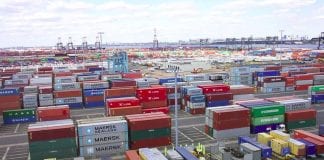
There’s a need to strengthen economic growth and diversification by moving beyond dependence on tourism, bauxite/alumina, and low-value agriculture, and invest more, for example, in agro-processing for export, renewable energy manufacturing like solar panel assembly, ICT, and digital services. Government must support small and medium-sized enterprises; provide low-interest credit through development banks; and expand export capacity through better trade logistics, port efficiency, and trade agreements targeting non-traditional markets.
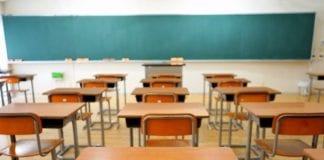
Expand quality pre-primary and primary education in rural and inner-city communities, and escalate nutrition programs in schools to reduce learning barriers from malnutrition.
Skills training must be aligned with market demand. The government should partner with the private sector to design vocational programs in logistics, IT, healthcare, and renewable energy.
Modernize HEART/NSTA Trust programs to create digital literacy for all ages so rural and poor populations can access online work.
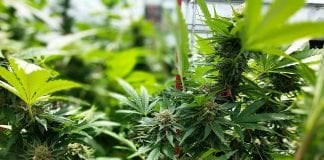
Reduce drought vulnerability with improved irrigation and climate-smart farming, improve farm-to-market infrastructure like roads, and introduce farm cooperatives to give farmers collective bargaining power.
Place significant emphasis on crime reduction and community economic development. And create a poverty-reduction fund by using part of tourism revenues and mining royalties.