For several months now, Jamaicans have been told to worry. The warning is familiar and increasingly global. Our birthrate is falling, and with it comes a looming economic and social crisis. Fewer babies today, we are told, means fewer workers tomorrow, a shrinking tax base, and unsustainable social systems. The implication is clear: Jamaica must reverse its declining birthrate, and quickly.

However, before we rush to sound the alarm, we should pause and ask a more fundamental question: why are Jamaicans having fewer children, and is the birthrate really the problem, or merely a symptom of a far more serious collapse?
A country’s birthrate, defined as the number of live births per 1,000 people in a given year, is often treated as a proxy for national vitality. Yet numbers without context can mislead. According to the Statistical Institute of Jamaica (STATIN), Jamaica’s population is not shrinking. The 2022 Census shows a population of approximately 2.77 million, representing a 2.8 per cent increase since 2011 — growth, albeit the slowest in over half a century. This is not demographic collapse; it is demographic deceleration.

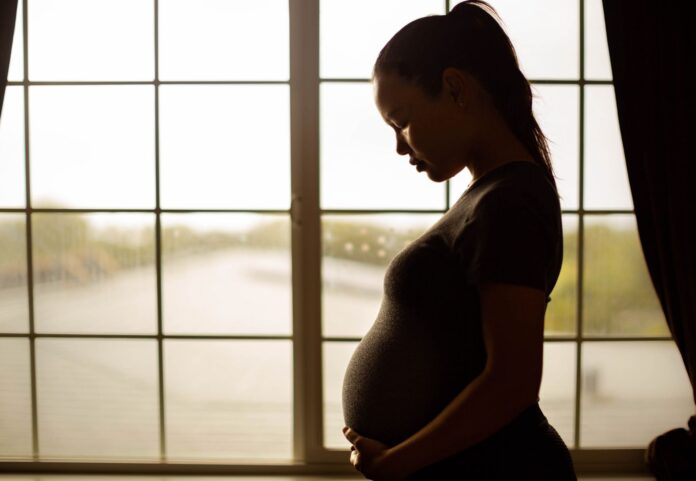
At the same time, Jamaica’s fertility rate, estimated at 1.89 in 2025, a 0.63 per cent decline from the previous year, has now fallen below the replacement level. That reality has sparked concern, but fertility does not fall in a vacuum. People do not simply “stop having children” out of apathy or selfishness. They respond rationally to the conditions around them, and to be frank, the conditions facing prospective parents in Jamaica today are, to put it mildly, discouraging.
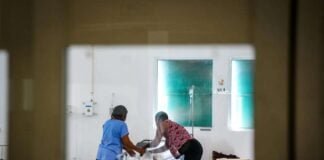
Considering infrastructure, public hospitals are visibly under strain. Images and reports from institutions such as Mandeville Regional Hospital and Spanish Town Public Hospital in recent weeks have laid bare overcrowding, staffing shortages, and deteriorating facilities. This has been further compounded by a deficit of facilities in the west post–Hurricane Melissa. For anyone contemplating pregnancy and childbirth, these are not abstract policy issues; they are deeply personal risks.
Education tells a similar story. From early childhood institutions through primary and secondary schools, the public education system is often under-resourced and overstretched. Classrooms are crowded, teachers are overburdened, and support services for children with learning disabilities and special needs are limited. For parents who cannot afford private schooling — and many cannot — this becomes a powerful deterrent to having more children, or any at all.
Economic realities further complicate the picture. A 2023 salary analysis by Remote Peoples indicates that the average monthly salary in Jamaica is approximately J$196,626 (US$1,253), with the median income close behind at J$195,000 (US$1,244). The narrow gap between average and median earnings suggests limited income mobility. When wages stagnate while the cost of housing, food, transportation, and utilities continues to rise, children begin to feel less like a joy to be welcomed and more like a financial gamble.
Then there is the broader social environment. Noise pollution, weak enforcement of laws, and a general disregard for public order contribute to a sense of discomfort in everyday life. Public safety concerns, whether real or perceived, shape decisions about where and how families live. A society that feels chaotic or hostile is not one that inspires confidence in raising children.
Seen through this lens, Jamaica’s declining birthrate looks less like a moral or patriotic failure and more like a collective act of restraint. People are choosing not to bring children into circumstances they believe will limit their well-being or opportunities. That choice, uncomfortable as it may be for policymakers, is rational.

Yet much of the public discourse skips over these root causes. Instead of asking whether Jamaica is a comfortable place to raise a child, we ask why Jamaicans are not having enough of them. Instead of fixing systems, we worry about statistics.
This approach puts the cart firmly before the horse.
History shows that higher birth rates tend to follow improvements in living standards, not precede them. When healthcare is reliable, education accessible, communities safe, and wages sufficient, people feel secure enough to invest in families. When those conditions deteriorate, birthrates fall quietly, persistently, and understandably.
So perhaps the better questions are not “How do we increase the birthrate?” but rather: Is our population comfortable? Is living easy? Is childcare affordable? Is medical care dependable? Until those questions are answered honestly and acted upon meaningfully, no amount of hand-wringing about fertility rates will change the underlying reality.
Jamaica does not face a crisis of reproduction. It faces a crisis of livability. Fix that, and the numbers may well take care of themselves.