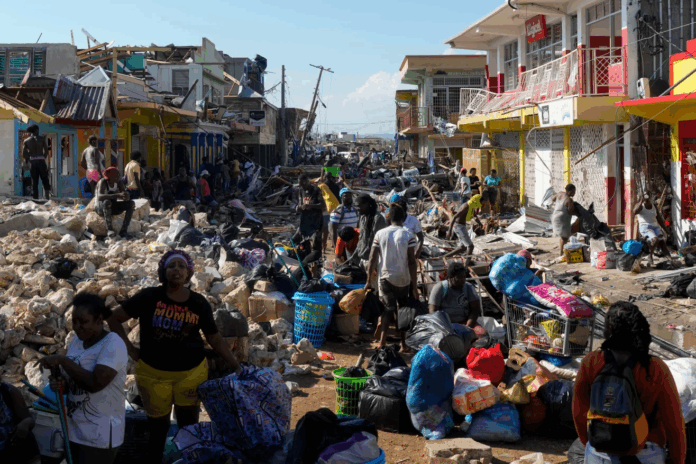
Not surprisingly, as time passes since Hurricane Melissa wreaked havoc on western Jamaica, there is increasing outcry from hurricane victims and others who argue that the Jamaican government is inept in its efforts to deliver much-needed relief. There are reports that supplies sent to Jamaica within days of the hurricane, for various reasons, have not reached affected communities, leaving citizens to endure unimaginable hardships.
Others, more sympathetic to the immense demands now placed on the government, believe that it is simply overwhelmed by the magnitude of the disaster and the assistance required for over a million Jamaicans living in western Jamaica — a region that, geographically, is larger than most Caribbean nations.
It is understandable to be frustrated when hurricane relief efforts appear slow or uneven, but framing the issue as purely “ineptitude” or “being overwhelmed” oversimplifies a complex situation that is often a mix of structural, logistical, and political challenges.

Several factors contribute to the difficulties now being faced by the incumbent government — challenges the opposition would also likely have encountered had it formed the government last September.
Jamaica’s mountainous terrain often blocks access after landslides, and much of its infrastructure is aging. Many rural communities are also spread across hills and deep valleys, and because of limited domestic manufacturing capacity, vital supplies must be imported. Even a moderate storm can therefore stretch relief logistics thin.
Long-standing capacity limitations have existed since before Hurricane Melissa. These constraints are sometimes mistaken for ineptitude when the real cause is resource scarcity. Because of these limitations, relief agencies lack sufficient trucks, heavy equipment, personnel, adequate stockpiles, and reliable post-disaster communication networks. The response can appear disorganized, even when the root issue is limited capacity.
Unnecessary bureaucracy, which hampers government operations in Jamaica, has also contributed to slow relief efforts. This bureaucratic burden may be perceived as a form of ineptitude. Complex approval processes include paperwork for relief funding, verification of damage claims, and centralized decision-making. These delays can make it seem as though the government is moving sluggishly.
Jamaica is also highly politicized, and the hurricane hit weeks after a fiercely contested general election, the effects of which still linger. The political climate has fuelled accusations that the government has distributed aid along partisan lines, prioritized media optics over efficiency, and reacted after impact instead of strengthening disaster preparedness long beforehand.
These prevailing challenges have resulted in relief response efforts that seem both inadequate and overwhelming. The government may appear inept in areas such as communication, bureaucratic efficiency, inter-agency coordination, and long-term preparedness. It appears overwhelmed, however, because of the country’s size, landscape, limited resources, and the sheer scale of the hurricane’s destruction.

No government anywhere — especially in a small developing nation — could be fully prepared to manage devastation on this scale. Yet, there are several proactive measures the Jamaican government, and other Caribbean governments, could adopt to ensure faster and fairer relief.
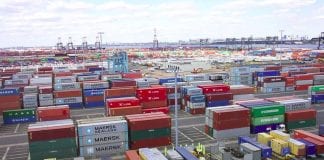
Foremost is the need to decentralize relief-supply storage. Instead of funnelling emergency resources into a few central warehouses (mostly in Kingston), mini-depots could be established in St. James/Hanover, Trelawny/St. Ann, and Manchester/Clarendon. This would reduce the Kingston distribution bottleneck and drastically shorten travel and response times.
There is also a need to increase manpower and available trucks. The government should consider contracting independent truckers from across the island for supply distribution, and additional laborers to assist in loading and offloading goods.
There is also a shortage of workers to urgently repair damaged homes and buildings. The hurricane has left many young men unemployed. Contracting them for rebuilding efforts could provide needed labor while creating income opportunities in disaster-affected areas.
Additional assistance should also be sought from neighboring Caribbean countries, including manpower and distribution vehicles, particularly for supply dispersal and housing repairs.
With hurricanes becoming stronger each year, Jamaica and other Caribbean nations must shift into a more proactive disaster-response model. One critical initiative would be to build a national volunteer reserve to support the army and formal relief agencies. This reserve could include trained youth groups, retired professionals, and community health workers, deployable for supply distribution, road clearance, shelter support, and essential health services. This would expand emergency manpower without requiring a permanently larger public-sector workforce.
The absence — or severe weakness — of technological communication post-hurricane has created further operational strain. The government should explore partnerships with local telecom providers to deploy emergency connectivity infrastructure, including mobile cellular towers and offering temporary free data access. This could keep citizens informed, improve safety, and make relief operations more efficient.
Governments can be overwhelmed when responding to disasters like Hurricane Melissa. However, there are many proactive steps they can take to reduce logistical failure, correct the perception of incompetence, and deliver faster relief where it is needed most.