Opinion: Aggressive, proactive leadership needed to curb violent crime in Jamaica
Key Points(5)
- Admittedly, it is frustrating to persist in writing and commenting on the same topic.
- However, when the issue is as serious as the relentless violent crime wave in Jamaica, there is a responsibility to revisit it.
- It’s no secret that the Jamaican diaspora is extremely concerned with the repeated accounts of violent crime in Jamaica, and even more so with the apparent ineffectiveness of the incumbent government and law enforcement authorities to control this surge.
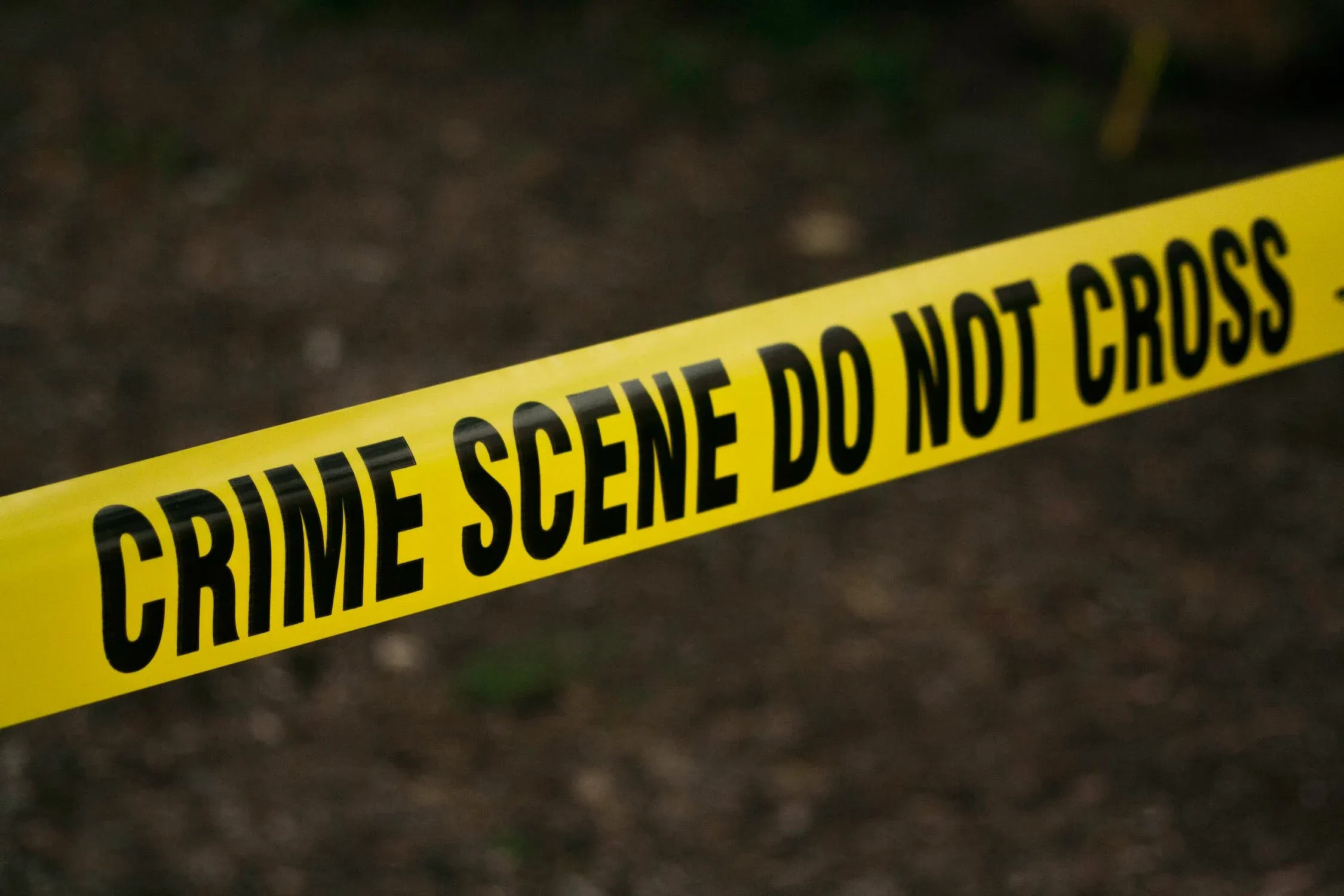
- The situation reached a crescendo with the news of a mass shooting near Four Paths, Clarendon, on Sunday night.
- On that fateful night, a group of gunmen armed with high-powered rifles targeted a neighborhood bingo party, where men, women, and children were present.
Admittedly, it is frustrating to persist in writing and commenting on the same topic. However, when the issue is as serious as the relentless violent crime wave in Jamaica, there is a responsibility to revisit it.
It’s no secret that the Jamaican diaspora is extremely concerned with the repeated accounts of violent crime in Jamaica, and even more so with the apparent ineffectiveness of the incumbent government and law enforcement authorities to control this surge. The situation reached a crescendo with the news of a mass shooting near Four Paths, Clarendon, on Sunday night. On that fateful night, a group of gunmen armed with high-powered rifles targeted a neighborhood bingo party, where men, women, and children were present. When the shooting ended, eight individuals, including a seven-year-old child and several women, were dead, and others were injured.
This marks a tragic new chapter in Jamaica. While there have been frequent reports of drive-by shootings that have claimed lives, never before has there been a mass shooting of this scale by criminals. Ironically, these violent murders have occurred at a time when press releases from the Jamaican police have been reporting a decline in murders this year. However, the frequency of media reports on violent gun crimes in Jamaica raises questions about the validity of these claims.
In response to the mass shooting in Clarendon, Jamaica’s Prime Minister Andrew Holness condemned the shootings, as expected. He also stated that the shootings were organized by criminals outside of Jamaica, in collaboration with inmates currently in Jamaican prisons. This raises a crucial question: If the prime minister and presumably Jamaican law enforcement authorities were aware of foreign and local collaboration in planning a major crime in Jamaica, why were no proactive measures taken to prevent it and protect Jamaican citizens?
There is little evidence of proactive measures being taken by the Jamaican government and law enforcement authorities to curb violent crime. Reactive measures, particularly verbal outcries by public officials, are more common, while criminals continue to perpetrate gun violence across the nation.
Monday morning, it was announced that Holness had called a meeting of Jamaica’s National Security Council to address the Clarendon mass shooting. There was hope that this meeting would result in immediate, aggressive measures to find the perpetrators and deter further gun violence. Instead, the announcement was made of curfews to be implemented in the region where the mass shooting occurred and in other areas of Clarendon. The parishes of Clarendon, St. Catherine, Hanover, St. James, and Westmoreland have seen repeated incidents of violent shootings in recent months, and curfews and states of emergency in these parishes and elsewhere have not been effective.
The prime minister also indicated that the government and law enforcement are aware of the violent activities of various gangs on the island and that strong actions will be taken to curb these activities. These gangs, and others that have recently formed, have been wreaking havoc across the country. The question remains: Why wasn’t the war on these gangs started sooner?
Something is very wrong with the incumbent government’s efforts to curb violent crime. The overwhelming majority of Jamaicans are dissatisfied with these efforts. Judging from a flood of social media posts in response to the mass shooting in Clarendon, there is clear evidence of this dissatisfaction. People are making numerous suggestions to quell gun violence, including a nationwide ban on guns, the return of the death penalty for murderers, and stricter control at Jamaican ports to deter the illegal importation of firearms. But why are so many Jamaicans venting their frustrations and making their suggestions on social media? Why are Jamaicans not organizing mass protests across the country against the government’s ineptitude in controlling violent crime?
Jamaica needs a bold, fearless leader who is unconcerned with potential political backlash and willing to lead an aggressive fight against violent gangs and other criminals. This leader must eradicate the corruption reportedly present in the penal system, where incarcerated criminals plan reprisals on rival gangs and enemies, take strong measures to stop the importation of guns into Jamaica, eliminate corruption in public places and among public officials, tackle the trade and use of drugs like cocaine, and structure a formidable and effective law enforcement force under strong, fearless leadership. Only with such uncompromising leadership can a real attempt be made to free Jamaica from the chains of violent crime.
In the meantime, one can only hope that there are members among the rank and file of the nation’s law enforcement forces who are courageous, committed, and determined to seek out and remove the criminals intent on damaging the lives of Jamaicans and the reputation of Jamaica.