Opinion: Why the US isn’t oil independent
Key Points(5)
- If it were closed for even a few weeks, energy markets worldwide would feel the impact.</p> <p data-start="571" data-end="685">However, the situation for the U.S.
- is more complicated than simply having large oil fields in Texas or elsewhere.</p> <p data-start="687" data-end="1304">It may surprise some that the U.S.
- is currently the largest oil producer in the world, largely due to its focus on shale production.
- Output has often reached 12 to 13 million barrels per day in recent years.
- Yet despite this massive production, the U.S.
With the United States facing economic pressure from a potential slowdown in crude oil supply—particularly amid concerns about the possible closure of the Strait of Hormuz by Iran—many are asking why the U.S. cannot rely solely on its own oil to avoid a crisis.
Roughly 20% of globally traded oil passes through the narrow passage between Iran and Oman. If it were closed for even a few weeks, energy markets worldwide would feel the impact.
However, the situation for the U.S. is more complicated than simply having large oil fields in Texas or elsewhere.
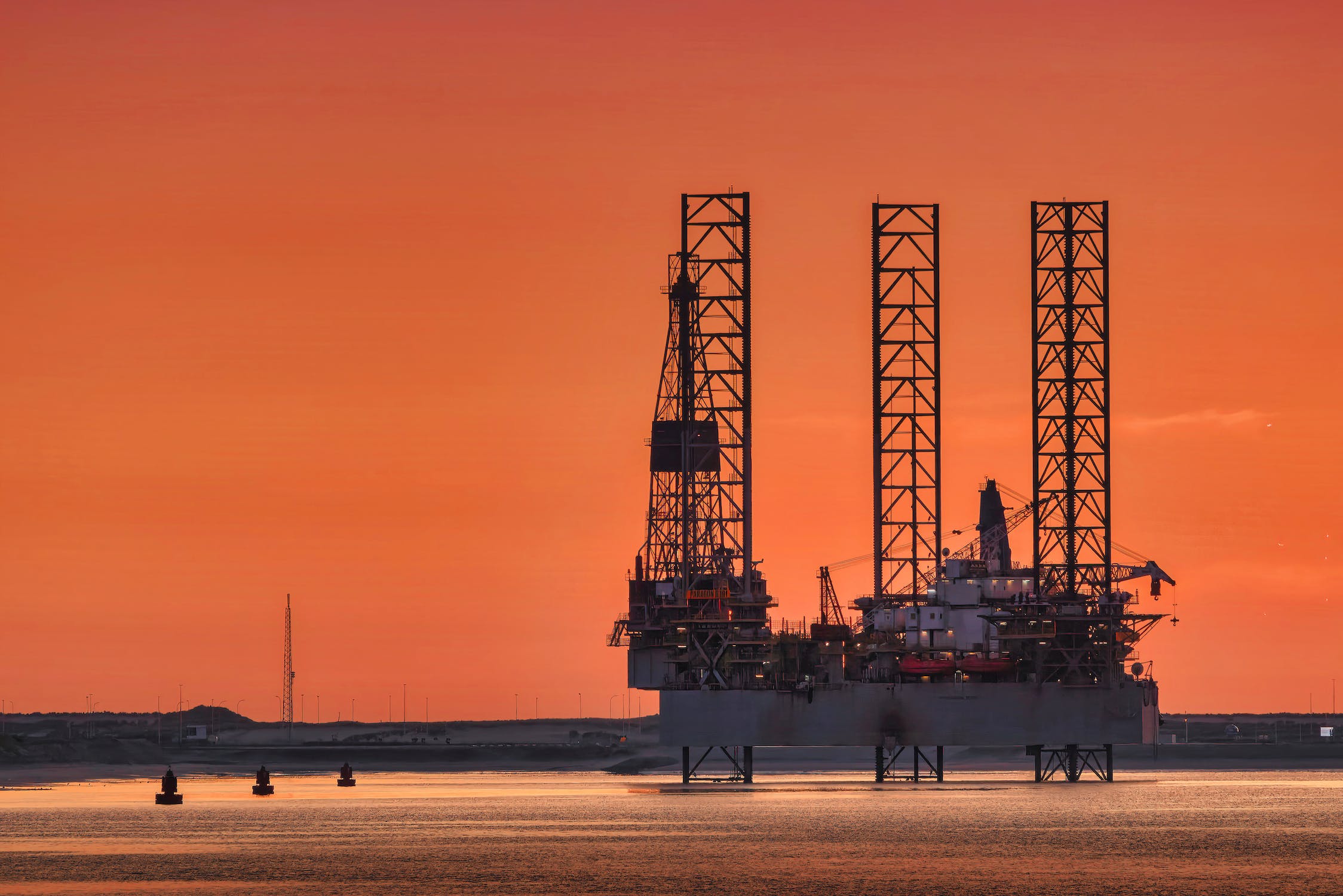
It may surprise some that the U.S. is currently the largest oil producer in the world, largely due to its focus on shale production. Output has often reached 12 to 13 million barrels per day in recent years. Yet despite this massive production, the U.S. still imports crude oil. This is because many American refineries were built decades ago to process heavier crude from countries such as Canada, Mexico and Venezuela. Since U.S. shale oil is mostly lighter crude, these refineries cannot quickly switch their configurations.
Oil is also traded on a global market. Even if the U.S. produces enough oil domestically, prices are determined internationally. If supply from the Middle East drops, prices rise everywhere.
Although Texas produces a significant share of U.S. oil, it cannot instantly replace imports due to pipeline capacity, refinery limitations and transportation constraints. Ironically, the U.S. also exports millions of barrels per day, as some countries are better equipped to process the lighter crude produced by American shale fields.
If the Strait of Hormuz were closed for an extended period, global markets would continue to feel the strain. However, the U.S. has several buffers. One of the most important is the Strategic Petroleum Reserve, which stores hundreds of millions of barrels of oil in underground salt caverns. These reserves can be released during supply disruptions to stabilize markets temporarily, but they are not designed to replace normal supply over the long term.
Additionally, U.S. oil producers could increase output to some extent if global prices rise. The country also benefits from substantial imports from Canada, much of which arrives via pipelines—making it more secure than shipments passing through vulnerable sea routes like the Strait of Hormuz.
Still, even if supply remains stable, consumers would likely face sharp increases in gasoline prices, along with added pressure on airlines, shipping and manufacturing. The U.S. economy would continue to function, but under strain.
The broader concern is global disruption. Major economies such as Japan, South Korea and China depend heavily on Middle Eastern oil transported through the Strait. A prolonged closure could trigger a global economic shock, affecting the U.S. through trade and financial markets.
Simply put, while the U.S. has enough resources to avoid physical shortages, it cannot isolate itself from global price swings. Even if it produced all the oil it needed, domestic prices would still track international markets. Oil companies sell to the highest bidder, meaning U.S.-produced oil can still be exported even as Americans face rising costs at home.
Oil’s role in the economy also extends far beyond gasoline. It is essential for aviation fuel, shipping and trucking, plastics and chemicals, fertilizers, and agricultural machinery. Until viable alternatives replace these uses, the economy will remain tied to global oil markets.
While the U.S. is closer to energy independence than most major economies, complete insulation from global oil shocks is nearly impossible due to the interconnected nature of markets, specialized refinery systems and widespread reliance on petroleum.
Given the potentially catastrophic consequences for the global economy, it is likely that major naval powers would move quickly to reopen the Strait if it were closed. Historically, even during periods of heightened tension, the waterway has never remained shut for long due to its critical importance.
If a disruption were prolonged, economists warn it could trigger worldwide inflation, stock market volatility and slower economic growth. Energy-intensive industries such as aviation, shipping and manufacturing would be especially hard hit.
The U.S. would be relatively insulated compared to many nations, thanks to its large domestic production, steady pipeline imports from Canada and its Strategic Petroleum Reserve. Americans would likely see significantly higher gasoline prices, but not the kind of widespread fuel shortages experienced in the 1970s, when long lines stretched for blocks.
A prolonged closure of the Strait of Hormuz would not halt the U.S. economy—but it could send shockwaves through the entire global economic system.