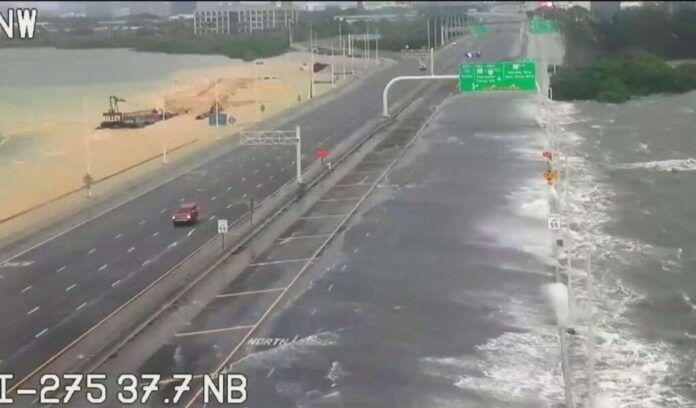
Hurricane Idalia made landfall on the west coast of Florida on Wednesday morning as a menacing Category 3 storm.
The hurricane landed in the Big Bend region, an area where the Florida Panhandle blends into the peninsula. This sparsely populated zone is not familiar with such devastating climatic events, making the impact all the more severe.
Residents advised to evacuate
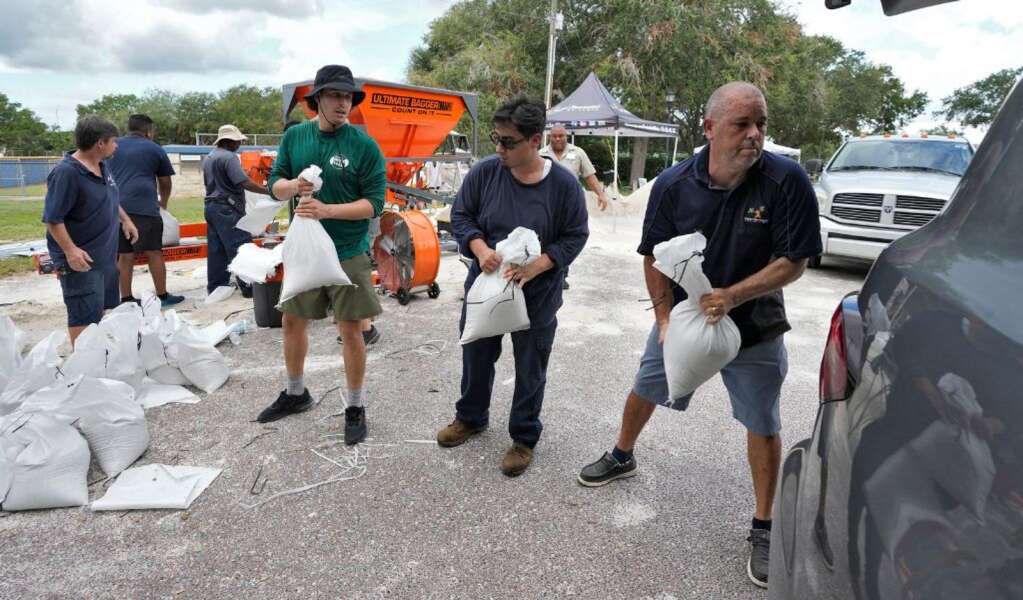
In anticipation of the storm’s devastating impact, authorities ordered residents in vulnerable coastal communities to evacuate.

The storm gained significant strength from the warm currents in the Gulf of Mexico, prompting a warning for those who stayed behind to find shelter immediately.
Florida’s Governor, Ron DeSantis, emphasized the urgent need for residents to take the storm seriously and stay indoors until it has passed.
Read more on Hurricane Idalia
- Impending Hurricane Idalia puts Florida on high alert
- Tropical Storm Idalia intensifies, poses threat to Florida
Fears of unprecedented storm surge
Idalia’s arrival raised concerns of a storm surge reaching up to 15 feet in specific areas.
The National Weather Service in Tallahassee described the event as “an unprecedented event” noting that the Big Bend area has never experienced a major hurricane.
This comes as Florida is still grappling with the after-effects of last year’s Hurricane Ian.
The storm’s strength
Idalia had strengthened into a Category 2 system on Tuesday afternoon and became a Category 3 just hours earlier Wednesday before developing into a Category 4 and then weakening slightly to a high-end Category 3.

Hurricanes are ranked on a scale of one to five, with Category 5 being the strongest. A Category 3 storm is the first on the scale considered a major hurricane and the National Hurricane Center reports that a Category 4 storm brings “catastrophic damage.”