Jamaica to petition King Charles III on reparations for slavery
Key Points(5)
- Jamaica is set to take a significant legal step in its long-standing pursuit of reparations for the enslavement of its African ancestors.
- The government will petition King Charles III, Jamaica’s de facto head of state, to refer three key questions concerning reparations to the Privy Council for advice.
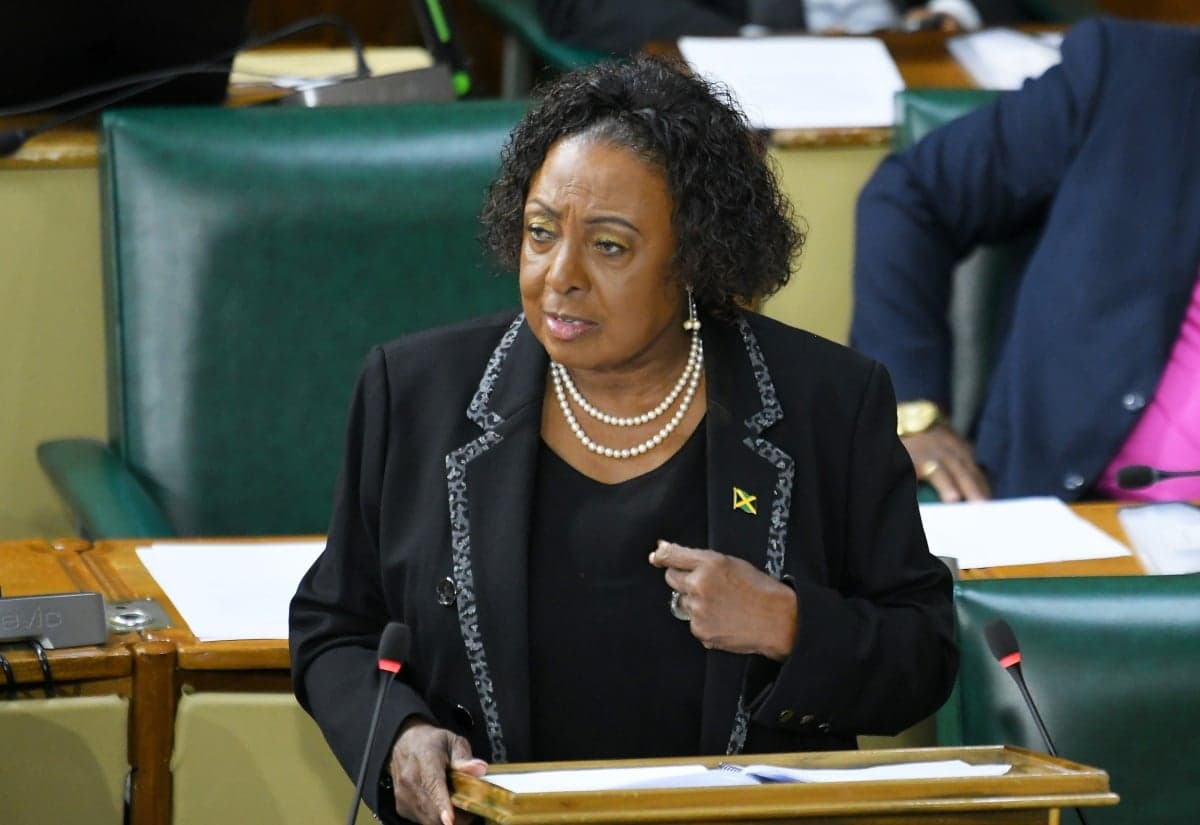
- Minister of Culture, Gender, Entertainment and Sport, Olivia Grange, announced the move Tuesday during her contribution to the 2025/26 Sectoral Debate in the House of Representatives.
- “We are petitioning King Charles III.
- We are taking our demand for reparations from the United Kingdom for the enslavement of our African ancestors into another phase,” Grange stated.
Jamaica is set to take a significant legal step in its long-standing pursuit of reparations for the enslavement of its African ancestors. The government will petition King Charles III, Jamaica’s de facto head of state, to refer three key questions concerning reparations to the Privy Council for advice.
Minister of Culture, Gender, Entertainment and Sport, Olivia Grange, announced the move Tuesday during her contribution to the 2025/26 Sectoral Debate in the House of Representatives.
“We are petitioning King Charles III. We are taking our demand for reparations from the United Kingdom for the enslavement of our African ancestors into another phase,” Grange stated. “We will be submitting a petition... to refer to the Privy Council a set of questions that we want answered within his current position as head of state of Jamaica.”
The three questions outlined in the petition are:
- Whether the forced transport of African people from their homelands to Jamaica and their subsequent enslavement until 1833 were lawful, given that such unauthorized removal and enslavement were contrary to fundamental principles of common law, and whether any local legislation authorizing slavery was void as repugnant to English law.
- Whether the forced transport and subsequent enslavement of people of African descent up to 1838 constituted crimes against humanity under international law, for which the United Kingdom bears responsibility.
- Whether, given these alleged illegalities, the United Kingdom is under an obligation to provide a remedy to the Jamaican people for the forcible transport and enslavement of African people in Jamaica under British rule up to 1838, and for the continuing consequences of these acts.
Minister Grange explained that the petition requests King Charles III to seek the Privy Council’s legal advice on these questions under his role as Jamaica’s head of state. She emphasized that this is a legal approach which complements, rather than conflicts with, the ongoing political dialogue on reparations.
“This is a legal approach which does not in any way conflict with the political approach as posited by others through negotiation. So, Jamaica intends to place these three questions before the Privy Council in accordance with Section 4 of the Judicial Committee Act of 1833, which gives the monarch discretionary powers to refer matters of constitutional importance to the Privy Council for advice if they cannot be heard in local courts,” Grange said.
She added that the government has consulted extensively with legal experts and that the petition is now with the Attorney General of Jamaica for formal filing on behalf of the Jamaican people.
Minister Grange also noted the urgency of the petition, stating it must be submitted before Jamaica completes its transition to a republic, a move that would change its relationship with the British monarchy and the Privy Council.
This legal action represents a new chapter in Jamaica’s quest for reparations, signaling the government’s commitment to pursuing justice through multiple avenues before constitutional changes take effect.


.JPG&w=3840&q=75)