Haiti Carnival kicks off amid debate over security and politics
Key Points(5)
- Haiti officially launched its 2026 Carnival season on Sunday, Jan.
- 18, marking the formal opening of the national carnival calendar and signaling the start of preparations nationwide ahead of the main festivities.
- The announcement has reignited debate over whether the country should celebrate amid insecurity and political uncertainty, with opinions sharply divided.
- The Ministry of Culture and Communication (MCC) unveiled this year’s theme, “Ayiti Devan!
- Haïti Devant!”, presenting it as a call for collective renewal and forward movement.
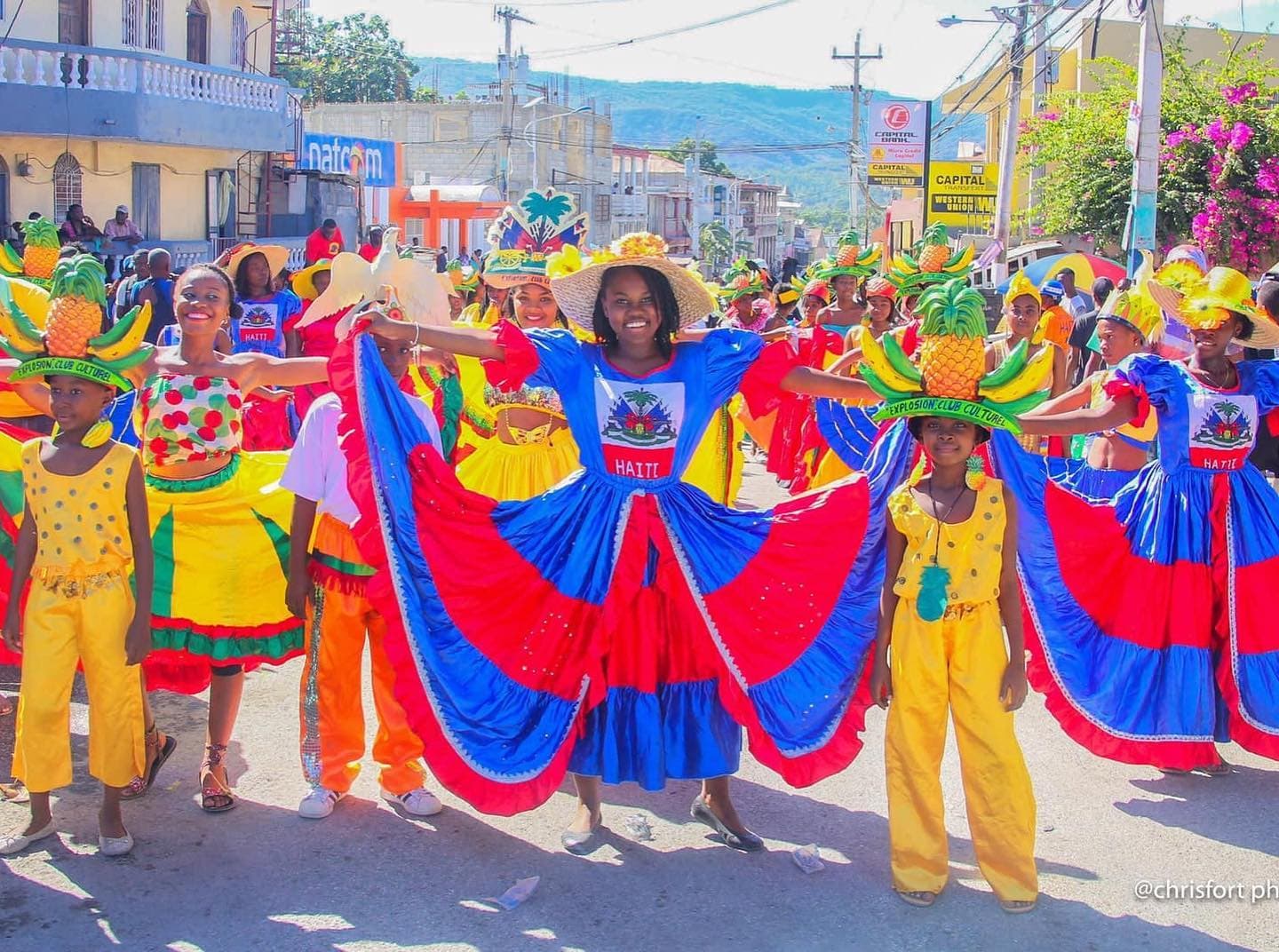
Haiti officially launched its 2026 Carnival season on Sunday, Jan. 18, marking the formal opening of the national carnival calendar and signaling the start of preparations nationwide ahead of the main festivities.
The announcement has reignited debate over whether the country should celebrate amid insecurity and political uncertainty, with opinions sharply divided.
The Ministry of Culture and Communication (MCC) unveiled this year’s theme, “Ayiti Devan! Haïti Devant!”, presenting it as a call for collective renewal and forward movement. Organizers describe the theme as a unifying cultural platform that brings together artists, institutions, cultural groups, and the general public. Pre-carnival activities will begin with a pre-parade on Feb. 1, followed by the main Jacmel carnival parade on Feb. 8. The official jours gras—Dimanche Gras, Lundi Gras, and Mardi Gras—will take place from Feb. 15 to 17, marking the peak of the pre-Lenten celebrations. These three days are public holidays and traditionally attract participants and visitors from across the country.
Haiti faces mounting challenges as the mandate of the Transitional Presidential Council (CPT) is set to expire on Feb. 7, while insecurity continues to disrupt daily life. According to the United Nations, over 1.4 million people have been displaced by gang violence, with 6,000 new displacements reported this month alone. Humanitarian needs for 2026 are estimated at $880 million, targeting roughly 6.4 million people, as armed groups continue attacks, looting, and arson—particularly in Port-au-Prince.
Despite the uncertainty, some cities are moving forward. The southeastern city of Jacmel became one of the first to kick off the 2026 carnival season on Jan. 18, drawing thousands of residents and visitors into the streets. Under the theme “Jacmel in Our Dreams,” the city celebrated with music, dance, and visual spectacle, reinforcing its reputation as Haiti’s artistic and cultural capital. Local and judicial authorities, Haitian National Police representatives, departmental officials, civil society leaders, and carnival organizers attended the opening ceremony, signaling broad support for the festivities.
As Haiti navigates political tension and rising humanitarian pressures, the 2026 Carnival season embodies both the country’s challenges and its enduring cultural and artistic resilience.