Longer isolation for travelers to Caribbean countries
Key Points(5)
- <p style="text-align: justify;"><span style="font-weight: 400;">The United States and the United Kingdom recently relaxed isolation periods for COVID-19 positive people to five and seven days respectively, from the standard 14 days.
- However, some Caribbean countries have not yet adopted the new isolation periods.</span></p> <p style="text-align: justify;"><span style="font-weight: 400;">Therefore, travelers will still have to isolate for 14 days.
- </span></p> <p style="text-align: justify;"><span style="font-weight: 400;">The Caribbean Hotel and Tourism Association (CHTA) says this is progressively discouraging travel as it presents unnecessary financial and personal hardships to visitors, residents, destinations, and companies.
- </span></p> <p style="text-align: justify;"><span style="font-weight: 400;">The CHTA is calling for regional governments to match their country’s COVID-19 isolation periods with those established by the United States and the United Kingdom.
- </span></p> <p style="text-align: justify;"><span style="font-weight: 400;">Madden Grieg lauded regional governments, health officials, and the tourism industry for the proactive and effective measures implemented.
The United States and the United Kingdom recently relaxed isolation periods for COVID-19 positive people to five and seven days respectively, from the standard 14 days. However, some Caribbean countries have not yet adopted the new isolation periods.
Therefore, travelers will still have to isolate for 14 days.
The Caribbean Hotel and Tourism Association (CHTA) says this is progressively discouraging travel as it presents unnecessary financial and personal hardships to visitors, residents, destinations, and companies.
The CHTA is calling for regional governments to match their country’s COVID-19 isolation periods with those established by the United States and the United Kingdom. This will help prevent the undoing of the progress made by the tourism sector since the start of the pandemic.
CHTA Recommendations
The CHTA recommends that countries in the Caribbean region adopt a seven-day isolation period. It says recent evidence suggests that the virus is most infectious in the two or three days after symptoms.
Additionally, CHTA president Nicola Madden Greig says that despite being highly contagious, the omicron variant has caused only a “low level of severe illness requiring hospitalization, and a low death rate, and has proven to be particularly less virulent for those who are vaccinated.”
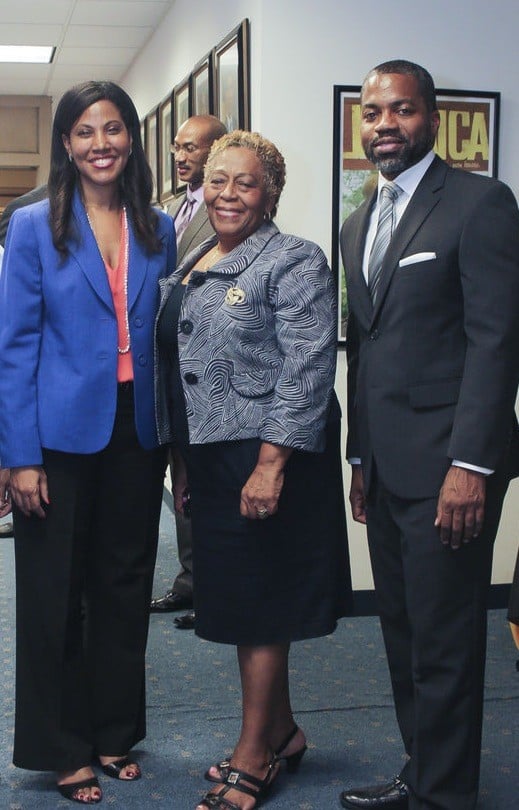
She has also commended regional governments for encouraging travel by keeping the borders open.
Madden Grieg lauded regional governments, health officials, and the tourism industry for the proactive and effective measures implemented. These tactics have placed the Caribbean on the path to recovery quicker than any other region in the world.
However, she warned that overreaction could turn around the region’s recovery progress in the coming critical weeks.
Confusing and Costly
She also notes numerous reports of confusion in the marketplace surrounding the many and varied requirements by Caribbean governments related to entry, testing, and isolation/quarantine.
She says this deters travel and is slowing the progress of recovery. The CHTA official believes there needs to be greater collaboration between regional governments to align entry, testing, isolation, and quarantine policies.
She said regional governments should seek to accept the World Health Organization-approved antigen test for entry. Currently, the cost and availability of PCR test can add as much as US$600 to travel expenses for a family of four.
Several Caribbean countries, such as Jamaica, the Bahamas, Guadeloupe, Martinique, and the US Virgin Islands, accept antigen tests for entry with no noticeable increase in infection rates among tourists.
The CHTA recommends a greater level of flexibility in sourcing PCR tests as local health authorities work with suppliers to reduce the cost of the test. The tourism organization says this can aid in reducing the high cost of the PCR test.
The CHTA president reminded Caricom leaders that “well-balanced precautionary and preventive actions have successfully steered our economies towards recovery and must continue to do so.”