Cayman prepares contingency plans amid concerns of increased Cuban migration
The Governor of the Cayman Islands has confirmed that local security services are making contingency plans in response to concerns that recent developments in Venezuela could trigger an influx of Cuban migrants into the territory.
The concerns follow actions by the United States earlier this month, when a military incursion was carried out in Venezuela to extract President Nicolás Maduro. As a result, Cuba has reportedly lost its main supplier of oil and financial aid, heightening fears that the economically struggling island could face further instability and prompt citizens to flee, as has occurred during previous political and financial crises.
Speaking after a recent meeting of Cayman’s National Security Council, Governor Jane Owen said authorities were closely monitoring the likelihood of increased irregular migration from Cuba. Appearing on Compass TV’s Forefront programme on January 15, Owen said the multi-agency Mass Migration Committee is scheduled to meet next week to discuss preparedness and contingency planning.
“We need to make sure we are prepared in case any of these actions result in increased irregular migration from Cuba,” Owen told Forefront host Tammi Sulliman.
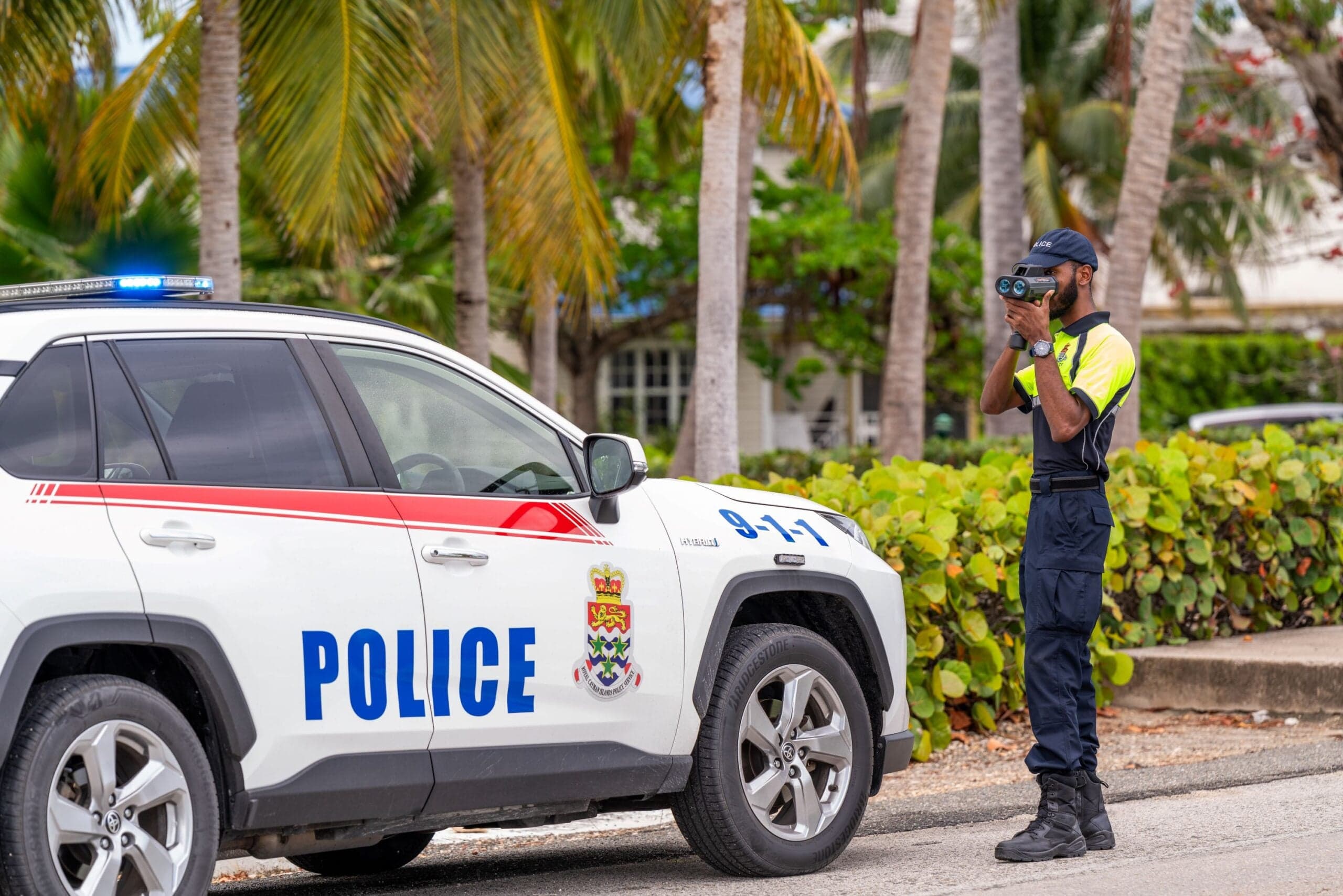
Commissioner of Police Kurt Walton, who also appeared on the programme, said the Royal Cayman Islands Police Service, the Cayman Islands Coast Guard, and Customs and Border Control (CBC) were working together on contingency measures.
“We work closely with our partner in terms of these issues, but we also work with all of our other regional partners in sharing of intelligence in terms of … what does the latest intelligence suggest, whether or not there’s going to be any sort of mass migration,” Walton said.
He added, “The best thing for us to do is really plan, prepare in advance, should that happen, so we have a contingency plan in place.”
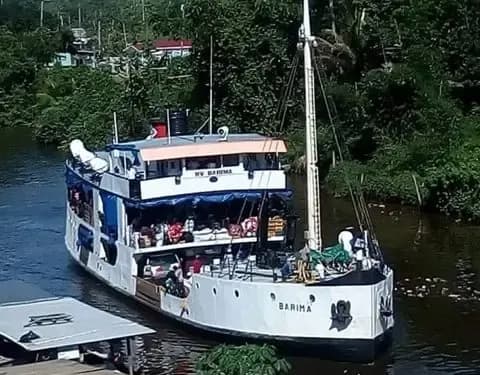
Cayman has historically been a port of call for Cuban migrants fleeing persecution or financial hardship, although most vessels pass through Cayman waters en route to other destinations. Those who do land in the islands are typically detained and later repatriated to Cuba.
Legislative changes introduced in 2023 significantly shortened the processing time for asylum applications, allowing Cayman authorities to return Cuban migrants far more quickly than in the past, when lengthy appeals processes were available.
The number of Cuban migrants arriving by boat has fluctuated over the decades, largely influenced by political and economic conditions in Cuba.
Acknowledging wider regional tensions, Owen said the United Kingdom was maintaining close communication with Cayman and its other overseas territories.
“From the UK’s point of view, we continue to talk very closely to Cayman and to our other overseas territories to make sure that we are providing any information that we have,” she said.
Owen noted that UK Prime Minister Keir Starmer had held discussions with US President Donald Trump and other senior officials in Washington. She also said the UK Secretary of State for the British Overseas Territories, Stephen Doughty, hosted an online meeting last week with Cayman Premier André Ebanks and other regional overseas territory leaders to keep them informed.
“So, as we do have questions and concerns, there are routes and channels that can be provided, relying quite heavily on that relationship that the UK has, to make sure that we have the information we need,” Owen said.
She added that the United States remains a “major security and defence and overall partner for the United Kingdom”.
On the potential impact to shipping and air travel, Owen said she did not anticipate immediate threats.
“Based on the analysis I have, I do not see any short-term or, indeed, medium-term threats at the moment that would impact on Cayman,” she said.
Air traffic in the region was briefly disrupted following US actions in Venezuela on January 3.
The governor also stressed that the situation in Venezuela was not the only security issue facing the Cayman Islands.
“All of the activities over the last two weeks don’t change the fact that, more generally, in our region and close to our borders, we continue to see real risks from the threat of guns and drugs trafficking and illicit movements here and there,” she said.
“We talked to the Americans about it, we talked to CARICOM, we talked to our regional partners, we talked to Jamaica. So that is not changing, and that will continue to be for us, I think, really the biggest priority that we … focus on, keeping our island safe, from the point of view of the maritime domain.”
Asked whether the instability following US intervention in Venezuela had increased those risks, Commissioner Walton said he did not believe so, based on current intelligence.
“We know that there’s, as I’ve said previously, a determination to import guns, import drugs. We’ve seen recently where our colleagues, CBC, seized four guns coming through at the airport,” he said, adding that security agencies would continue monitoring ports and working closely with regional partners.