The CARICOM Reparations Commission (CRC) is making it clear: the group of individuals currently in Europe promoting a reparations agenda is not acting on its behalf.
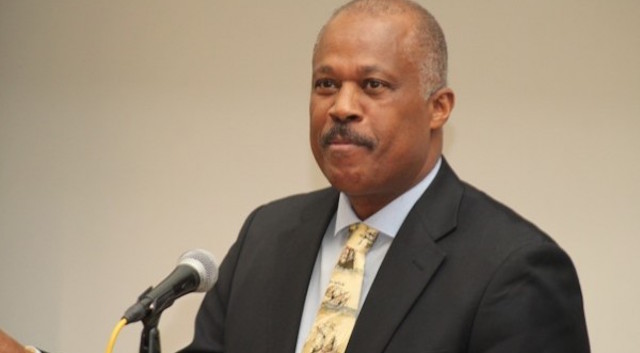
In a statement issued on Tuesday by Professor Sir Hilary Beckles, Vice-Chancellor of The University of the West Indies and Chair of the CRC, the commission sought to distance itself from recent media reports suggesting that a delegation—comprising a handful of Caribbean nationals and mostly Europeans—was representing CARICOM in talks with European governments and civil society on reparations.
“There has been much media reporting in the last week referencing a Caribbean group visiting Britain and the European Union with a reparations agenda,” said Sir Hilary. “These persons who have arrived in Europe are neither members of the CRC nor formally affiliated.”

The CRC noted that it has received numerous interview requests and inquiries since the reports began circulating, prompting the need for a public clarification.
While the commission emphasized its long-standing “open-tent policy” and collaboration with global partners—including universities, churches, families, and financial institutions—Sir Hilary stressed that the individuals involved in the current European trip are not operating under the CRC’s mandate or with its endorsement.
“For over a decade, the CRC has been actively promoting reparatory justice campaigns on a global basis,” he stated. “The Commission is deeply mindful of its complex diplomatic role and public responsibility in shaping the regional and global movement.”

The CRC also revealed it has recently received formal approval from CARICOM Heads of Government to launch an official European public relations campaign to promote its reparations agenda. That effort is still in the planning phase, according to Sir Hilary.
He concluded by reaffirming the CRC’s commitment to responsible, coordinated advocacy: “Supporting the historic grassroots movement with government support, the CRC is actively working on the design of this campaign to share its vision of reparations with political stakeholders and the general public.”