In a significant development in the U.S. Virgin Islands, a group of residents has initiated a class-action lawsuit against the local Water and Power Authority and Seven Seas Water Corporation.
This legal action stems from the discovery of dangerously high levels of lead and copper in St. Croix’s tap water, sparking widespread concern and a shift to bottled water for daily consumption.
The lawsuit accuses the U.S. territory’s utility company and the Florida-based water corporation of failing to adequately monitor water quality and ensure its safety.

Utility company’s response and ongoing efforts
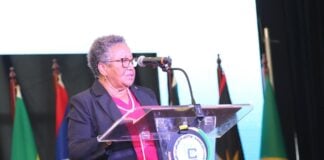
The CEO of the public utility, Andrew Smith, has publicly expressed disappointment over the lawsuit, emphasizing the company’s quick response and ongoing efforts to rectify the water quality issues.
However, these statements have done little to assuage public concerns or address the growing dissatisfaction among the residents of St. Croix.
Read more:
- USVI Governor seeks emergency declaration from President Biden amidst water contamination crisis
- US Virgin Islands sounds alarm over lead, copper in St. Croix water
Questioning the validity of water testing
Adding to the complexity of the situation, there are doubts about the accuracy of the water testing methods used, as some experts believe they do not align with the standards of the U.S. Environmental Protection Agency.

Government’s emergency response
In response to this escalating health crisis, the Governor of the U.S. Virgin Islands declared a state of emergency, a move later mirrored by President Joe Biden.
These declarations have led to the distribution of bottled water vouchers, but questions remain about the adequacy and accessibility of these measures, especially for the island’s vulnerable populations.
Health implications and legal demands
The lawsuit highlights the severe health risks associated with lead exposure, particularly for children, and the uncertainty surrounding the duration of this exposure.

One of the complaints demanded legal action, not only for reimbursement for the affected residents but also for a complete overhaul of the water infrastructure, specifically the replacement of all lead service lines.
Critique of current relief measures
The method of distributing safe drinking water has come under scrutiny, with calls for a more effective system that considers the needs of all residents, including the elderly and those with limited mobility.
The use of taxpayer funds for water vouchers has also been a point of contention, emphasizing the need for a more sustainable and equitable solution to this public health crisis.