Jamaica has taken a significant step toward becoming the first Caribbean nation to incorporate nuclear power into its energy mix, marking a departure from years of discussions on the topic. The recent signing of a memorandum of understanding (MOU) with Canadian Nuclear Laboratories (CNL) and Atomic Energy of Canada Limited (AECL) aims to leverage nuclear technology for generating clean electricity, while also promoting economic growth and enhancing energy security.
During the signing ceremony, Daryl Vaz, Jamaica’s Minister of Science, Energy and Transport, highlighted the importance of the MOU, stating that it “represents a significant advancement in Jamaica’s pursuit of innovative and clean sustainable energy solutions, focusing on nuclear research and development.”
This partnership is expected to pave the way for Jamaica to explore nuclear energy as a viable alternative to traditional fossil fuels, which could lead to reduced greenhouse gas emissions and a more stable energy supply. The initiative not only aims to address the country’s growing energy demands but also aligns with global trends toward sustainable energy practices.

As Jamaica embarks on this ambitious journey, the focus will be on ensuring that nuclear energy is safely integrated into the national grid, fostering both technological innovation and environmental stewardship for the future.
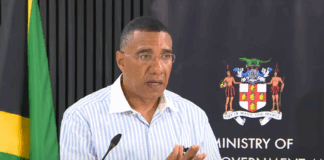
“The purpose of this MOU is to explore the possibilities,” Prime Minister Andrew Holness acknowledged as he quickly pointed out that things are at an early stage in talks to bring nuclear power to Jamaica.
Jack Craig, president and CEO of Canadian Nuclear Laboratories, called it a “first step” towards a road map that now paves the way for the Government and its Canadian partners to start “fleshing out” the direction the country will go with nuclear power, including providing training for Jamaicans to work in a nuclear industry that goes beyond power generation and include areas such as applying the technology to strengthening the country’s resilience to climate change through applications in agriculture, water management, and environmental monitoring.
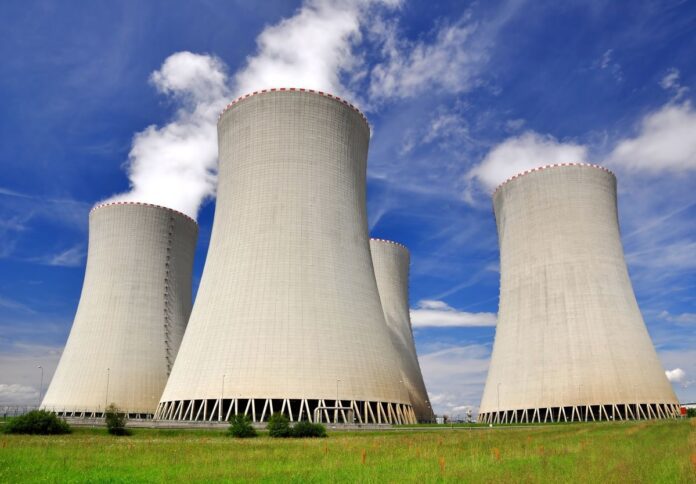
Holness indicated that with the work to be done under the MOU, he is hoping the country will be in a position in 10 years to make a decision on not only going nuclear, but also deciding what technology to employ and how to employ it to maximise the benefits for Jamaicans. The Canadians say they are not trying to sell the country any particular nuclear technology beyond providing technical advice that can be used to make an informed decision. The technology being eyed is the small modular reactors (SMRs) which are built in factories and shipped to the site to be assembled, cutting construction time significantly, which would go a far way in reducing the likelihood of cost overruns and not completing the facility on time. SMRs generate up to 300MWe of electricity, and Holness said though the technology is in the early stages of development, Jamaica is getting ready to embrace it as soon as it is proven, with a few being built around the world at the moment.
Beyond clean, renewable power, Vaz said the intention is to explore the use of nuclear technology in Jamaica for waste manage and the use of radioisotopes, especially in the fight against cancer.