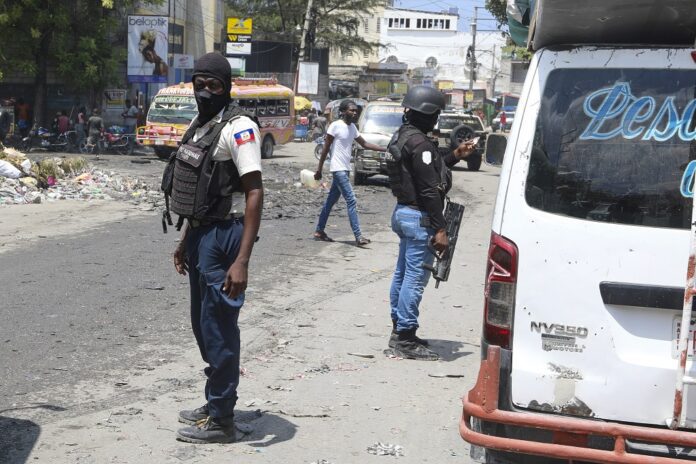
Gunfire rattled the streets of downtown Port-au-Prince on Tuesday, bringing to a standstill the urgent efforts of aid workers striving to provide critical care to thousands of Haitians in need.

In the wake of weeks-long gang violence, approximately 18 hospitals have been forced to cease operations, exacerbating the scarcity of medical supplies in Haiti.
The Alliance for International Medical Action, a Senegal-based humanitarian organization, sounded the alarm over the dire situation, highlighting the closure of Haiti’s largest seaport and primary international airport as significant impediments to aid efforts.

Antoine Maillard, the organization’s medical coordinator stationed in Port-au-Prince, underscored the severity of the challenge, emphasizing how the ongoing violence severely hampers daily operations.
Mass displacement and cramped living conditions
The relentless violence has uprooted approximately 17,000 individuals from their homes in the capital city.
With nowhere else to turn, many find themselves packed into abandoned schools and other makeshift shelters, where access to basic amenities, including adequate sanitation facilities, is severely lacking.
Maillard lamented the inability of aid workers to extend support to one such displaced camp on Tuesday due to the intense gunfire in the area.
Health crisis intensifies amid medication shortages
Compounding the humanitarian crisis is a deepening health emergency marked by a critical shortage of essential medications, including antibiotics and antidiarrheals.
The disruption caused by gang violence has crippled supply chains, driving up the prices of available medications to unsustainable levels.

Consequently, individuals like Denise Duval, a 65-year-old resident grappling with high blood pressure, find themselves unable to afford necessary medication or seek medical assistance.
Desperate struggles of the afflicted
Duval’s plight epitomizes the anguish endured by many Haitians caught in the grip of this crisis.
Responsible for caring for her three grandchildren in the absence of their mother, who sought opportunities across the border in the Dominican Republic, Duval faces the agonizing choice between addressing her health needs and providing for her family.
Despite her resilient spirit, Duval’s hope for change is tempered by the harsh realities of daily existence punctuated by the persistent echoes of gunfire.
While certain pockets of Port-au-Prince have witnessed a temporary lull in violence following attacks on key government infrastructure in late February, the specter of gunfire continues to haunt the cityscape, underscoring the fragility of any semblance of peace amidst the ongoing turmoil.