The Grenadian government has made a significant stride in education reform by passing legislation to increase the compulsory school age from five to 17 years.

The move, effective from the upcoming academic term commencing in September, aims to tackle critical developmental challenges faced by the island nation.
Addressing developmental challenges
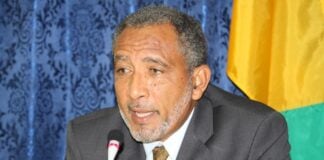
The administration under the leadership of Dickon Mitchell views this policy shift as laying the groundwork for addressing pressing issues hindering the island’s progress. Phillip Telesford, Leader of Government Business, emphasized the importance of the amendment in redefining compulsory school age.

He stressed that extending it to 17 years ensures that every child remains in school until reaching this age, thereby opening avenues for skill development.
Telesford highlighted the government’s commitment to youth development, particularly in skills training, underscoring its significance in nurturing talents and fostering prosperous careers.
He emphasized the need for a structured approach to skills training integrated into the education system.
A foundational piece in education reform
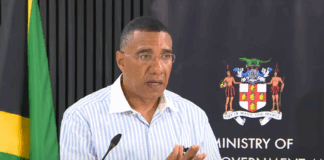
Prime Minister Mitchell, contributing to the debate, positioned the amendment as a foundational element in the broader context of educational reform in Grenada.
He emphasized the necessity of removing the option for students to exit the education system prematurely, challenging the notion that compulsory education ends at the secondary level.
Addressing employment regulations
While acknowledging that the Employment Act defines the working age as potentially starting at 16, Prime Minister Mitchell clarified that legal hiring cannot occur until the age of 18 due to contractual obligations and legal responsibilities.

He hinted at forthcoming amendments to the Employment Act to align it with the new education reform, although cautioning that this alone cannot resolve the myriad challenges facing young people.
Towards a comprehensive framework
The passage of this legislation signals a proactive approach by the Grenadian government in addressing the transition of students from the education system to the workforce.
It marks the initial step in a comprehensive strategy aimed at equipping students with essential skills for their future endeavors.