Antigua and Barbuda approves full digital upgrade of immigration system
The Cabinet of Antigua and Barbuda has approved a comprehensive technological overhaul of the country’s immigration infrastructure, clearing the way for the introduction of automated electronic gates, or e-gates, at all air and sea ports.
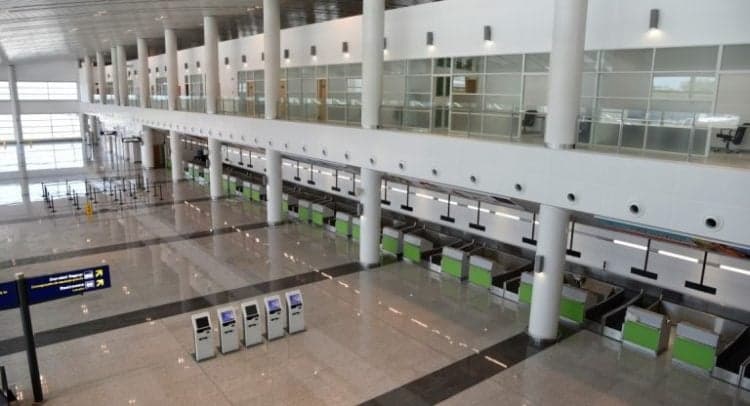
The decision, announced following the weekly post-Cabinet meeting, signals a move toward a fully digital border management system. Under the new framework, travellers will be able to process their own entry by swiping electronic passports at automated kiosks, replacing traditional manual immigration checkpoints.
Director General of Communications Maurice Merchant said the upgrade is aimed at improving efficiency while modernising the country’s ports of entry.
“This is a direct response to the need for increased efficiency and modernization,” Merchant said. “We will introduce electronic gates, or e-gates, whereby you take your passport, you swipe, and you go.”
According to Merchant, the upgraded system will feature enhanced passenger screening, automated processing of traveller information and seamless integration across both air and sea ports.
Beyond improving passenger flow, the government is placing a strong emphasis on national security. The system will incorporate expanded fingerprint databases, biometric matching and watch list functionality that synchronises in real time with international aviation and law enforcement platforms.
“This is about more than just speed; it is about the integrity of our borders,” Merchant said. “By utilizing real-time data and biometric matching, we are ensuring that Antigua and Barbuda remains a hostile environment for those who seek to circumvent our laws, while remaining a welcoming one for legitimate travellers.”
Merchant noted that the technology is designed to be fully integrated, ensuring a consistent experience regardless of the point of entry.
“Whether a traveller is arriving by air at V.C. Bird International or by sea at one of our heritage quays, the security protocols and the ease of entry remain exactly the same,” he said.
The system will also include upgraded reporting tools and integration with international law enforcement and aviation platforms, supporting compliance with International Civil Aviation Organization standards and accommodating future developments such as next-generation e-passports.
Merchant added that the technology is designed to be future-proof, extending automated processing to maritime arrivals as well as airports, and ensuring uniform security standards across both islands.
Deployment of the new system is expected to begin shortly, with the government aiming for a seamless transition that minimises disruption to existing travel schedules.