Caribbean Americans keep getting targeted by offshore betting sites that look local
Key Points(5)
- <span style="font-weight: 400;">Across South Florida, more Caribbean Americans are stumbling onto betting sites that look and feel like they belong in the neighborhood.
- These websites use local symbols and slang to build a sense of trust, but their origins are often far from home.</span> <span style="font-weight: 400;">Because they blend in so well, it’s not always clear that these are offshore platforms operating outside U.S.
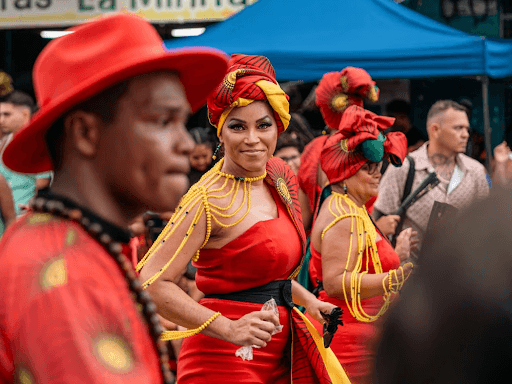
- The pages are splashed with island flags, familiar slang, and even nods to cricket or Caribbean football teams.
- For someone searching for a bit of fun that feels like it’s coming from their own backyard, these little touches can go a long way toward building trust.</span> <span style="font-weight: 400;">That sense of community connection is exactly what these sites are counting on.
- The design and marketing often reference holidays like Carnival or mention legendary athletes from Jamaica or Trinidad, making them feel less like faceless corporate platforms and more like local hangouts.
Across South Florida, more Caribbean Americans are stumbling onto betting sites that look and feel like they belong in the neighborhood. These websites use local symbols and slang to build a sense of trust, but their origins are often far from home.
Because they blend in so well, it’s not always clear that these are offshore platforms operating outside U.S. laws. This makes it tough for users to spot the real risks until it’s too late.
With warnings from law enforcement and concerns about scams on the rise, understanding what draws people in and what to watch out for has become increasingly important for the community.
Familiar branding, hidden risks: why Caribbean Americans are drawn in
It’s easy to see why so many Caribbean Americans feel at home when they first land on these offshore betting sites. The pages are splashed with island flags, familiar slang, and even nods to cricket or Caribbean football teams. For someone searching for a bit of fun that feels like it’s coming from their own backyard, these little touches can go a long way toward building trust.
That sense of community connection is exactly what these sites are counting on. The design and marketing often reference holidays like Carnival or mention legendary athletes from Jamaica or Trinidad, making them feel less like faceless corporate platforms and more like local hangouts. When you recognize your culture reflected back at you, it’s natural to let your guard down.
But beneath those familiar colors and phrases, the reality can be very different. With just a few clicks, users are routed to platforms that have no ties to Florida or any local oversight. All the local flavor is just window dressing—the money and the management are offshore, far from US jurisdiction or consumer protections.
Some Caribbean Americans only realize these sites are based overseas after something goes wrong. By then, it’s often too late to do much about lost bets or missing winnings. Many people first hear about these platforms on forums like PokerioMokykla, where betting tips and links circulate freely, adding another layer of community trust that isn’t always deserved.
It’s a clever play—offering the comfort of home while quietly sidestepping the rules that protect local bettors. That’s why offshore operators keep finding new ways to blend in, and why Caribbean Americans are especially vulnerable to their approach.
How offshore sites evade regulation—and what happens when things go wrong
Once bettors feel comfortable with these seemingly local platforms, the reality of their offshore status becomes clear only when trouble starts. Suddenly, winnings don’t show up, accounts get locked, or unexpected fees eat into balances. For Caribbean Americans who thought they were dealing with neighborhood sites, the shock is real and frustrating.
Because these operators run outside U.S. jurisdiction, protections like customer support or legal recourse are almost always missing. If a dispute arises, there’s no state regulator to call and no clear path for getting lost money back. Funds can be shuffled across borders in seconds, vanishing into accounts in places like Curacao or Malta, making any kind of investigation a maze.
Some users only realize after the fact that their data and money were never really safe. Stories circulate about winnings withheld for vague “security checks,” or entire accounts closed with no explanation. A few unlucky bettors have even found their personal information exposed, leaving them open to scams or identity theft.
Authorities have started to take notice, with the FBI warnings on offshore gambling highlighting the dangers. These warnings point out not just financial loss, but the risk of organized crime involvement—something that hits home for a community already wary of being exploited.
With almost three-quarters of the U.S. online gambling market dominated by unregulated offshore sites, the risk isn’t just theoretical. For Caribbean Americans caught off guard, the consequences are personal and immediate, underscoring the importance of knowing exactly who’s behind the next flashy betting site that pops up online.
Repeat exposure keeps offshore betting growing in South Florida
It’s easy to see how things snowball. After getting caught off guard by an offshore site, the next person in the neighborhood might see an ad, hear a shoutout from a local influencer, or spot a sponsored post that feels familiar and safe.
These platforms don’t just rely on flashy banners; sometimes, they go as far as mirroring the look and language of community groups, sports leagues, or even local church events. That kind of everyday presence can make offshore betting seem less like a risk and more like a regular part of life in South Florida’s Caribbean American circles.
Multiple studies now show that the more these sites show up in someone’s feed or conversation, the more likely they are to draw in new bettors. According to recent findings, this repeated exposure can normalize offshore gambling, blurring the line between what’s safe and what’s not. The cycle keeps turning, and each new mention or ad just adds to the sense that everyone’s doing it.
As one recent study highlights, the impact of offshore gambling exposure is real—especially in communities where online buzz and word of mouth carry a lot of weight. With every shared link or casual recommendation, more local bettors end up participating in a market that carries significant risks, often without realizing the full story behind those familiar-looking sites.
Aftermath: How the community responds and what to watch next
With each new story surfacing about lost funds or mysterious site operators, more Caribbean Americans are waking up to the reality behind these so-called local betting options. In South Florida, some community leaders are stepping up, trying to slow the spread of offshore gambling by talking openly about the risks and sharing real-life experiences.
Grassroots campaigns have begun to circulate, with flyers and local meetings warning residents about sites that look trustworthy but aren’t held to any U.S. standards. Caribbean radio and digital outlets are also starting to spotlight new scams, often naming specific betting platforms that have caused trouble for locals.
In online spaces, a growing number of users are urging friends to stick with regulated, transparent betting platforms. These conversations aren’t just about safety—they’re about protecting the cultural connection many Caribbean Americans feel when they see familiar flags or dialect on a betting site.
Meanwhile, the buzz around sports betting continues to grow, with NCAA brackets drawing new interest and questions about what’s safe and what isn’t. You’ll find more on this trend through resources like Rising interest in NCAA betting.
As the online gambling scene keeps changing, the challenge for the community will be sorting out which opportunities are legitimate and which are just another risk in disguise.