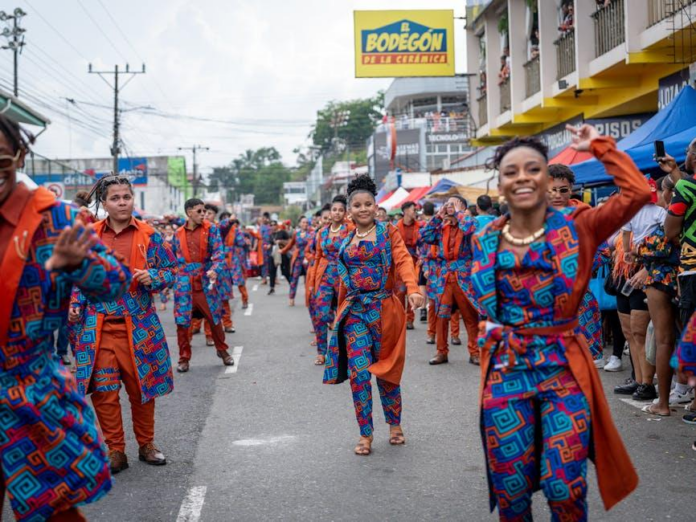
Cannabis holds deep cultural significance across the Caribbean diaspora. From Jamaica’s Rastafari traditions to broader regional attitudes toward herbal medicine, the plant has been part of Caribbean life for generations. Yet communities of Caribbean heritage in Canada bore some of the heaviest enforcement burdens during prohibition.

Now that Canada has fully legalized recreational cannabis, dispensaries serve a diverse consumer base that includes many people from Caribbean backgrounds. The shift from criminalization to regulated access has created new conversations about equity, opportunity, and cultural healing within these communities.
Why Is This Topic Important for Caribbean Canadians?
Prohibition-era cannabis enforcement disproportionately targeted Black and Caribbean communities in Canadian cities. According to the Canadian Civil Liberties Association, Black Canadians were arrested for cannabis possession at rates significantly higher than white Canadians despite comparable usage rates. These arrests created criminal records that affected employment, housing, and immigration status for years.

Legalization was supposed to correct this imbalance, and in some ways it has. Cannabis use no longer carries criminal risk for anyone. But the economic benefits of legalization have not flowed equally to the communities most harmed by prohibition.
Understanding this gap matters because it shapes the ongoing policy conversations about equity licensing, record expungement, and community reinvestment that directly affect Caribbean Canadians and other disproportionately impacted groups.
What Progress Has Been Made on Cannabis Social Justice?
Several initiatives have addressed the equity gap since legalization. Here is where things stand.
- Record suspension (pardons) for prior cannabis convictions became available through a simplified federal process. Thousands of Canadians have applied to clear convictions that should never have existed under current law.
- Some provinces and municipalities have created equity-focused licensing programs that prioritize applicants from communities disproportionately affected by prohibition.
- Cannabis tax revenue in several jurisdictions has been allocated to community development programs, youth education, and substance use support services.
- Industry diversity initiatives have launched to increase representation of Black, Indigenous, and Caribbean entrepreneurs in ownership and leadership positions within the legal cannabis sector.
- Community organizations have hosted education sessions on the legal market, helping community members understand their rights, product safety, and business opportunities.
- Academic research funded through legalization revenue is documenting the health, social, and economic impacts of prohibition on racialized communities to inform future policy.
Progress is real but uneven. The communities that bore the costs of prohibition continue to push for a larger share of the benefits that legalization produces.
How Have Cultural Attitudes Shifted Since Legalization?
Within Caribbean Canadian communities, the conversation has moved from stigma toward nuance. Older generations who remember the harsh consequences of prohibition often remain cautious, while younger community members engage with legal cannabis openly and without apology.
According to Statistics Canada, cannabis use rates across all Canadian demographics have remained relatively stable since legalization, countering predictions of dramatic increases. What changed is not how many people use cannabis but how openly they do so and how they access it.

For Caribbean Canadians, legalization removed a legal threat that hung over routine cultural practices. The ability to purchase tested, regulated products from licensed retailers replaced the risks associated with unregulated sources. This safety improvement has been especially meaningful for older community members who use cannabis for traditional wellness purposes.
What Economic Opportunities Has Legalization Created?
The legal cannabis industry generates billions in annual revenue across Canada. Here is how Caribbean community members are participating.
- Retail ownership: Equity licensing programs in some provinces offer reduced fees and mentorship for applicants from priority communities. Several Caribbean Canadian entrepreneurs have opened dispensaries through these pathways.
- Cultivation and processing: Licensed production facilities create skilled employment opportunities in growing, extraction, quality control, and compliance.
- Ancillary businesses: Marketing, packaging design, legal services, and consulting firms serving the cannabis industry provide opportunities that do not require a cannabis licence.
- Content and media: Cannabis media, education, and advocacy organizations employ writers, educators, and community organizers who shape public understanding.
- Cultural tourism: Events that combine Caribbean cultural celebration with legal cannabis create new entertainment and tourism revenue streams.
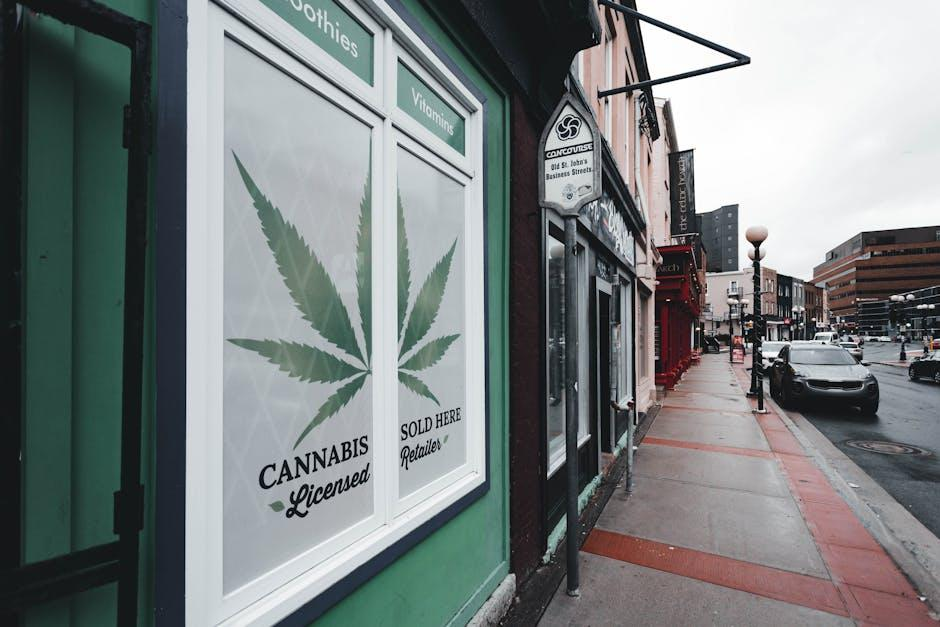
The barrier to entry remains significant. Cannabis licensing fees and regulatory compliance costs favour well-capitalized applicants, which often excludes the community members equity programs are designed to serve. Advocates continue to push for meaningful reform in these areas.
What Does the Future Look Like?
The next phase of cannabis policy will determine whether legalization becomes a genuine vehicle for equity or merely a change in who profits from the plant. Caribbean Canadian communities are actively shaping this conversation through advocacy, entrepreneurship, and cultural engagement.
International developments also matter. Jamaica, Trinidad and Tobago, and other Caribbean nations are advancing their own cannabis policy reforms. As these changes unfold, the Caribbean diaspora in Canada is uniquely positioned to bridge the knowledge, experience, and business connections between Canadian legal markets and emerging Caribbean frameworks.
Key Points
- Caribbean communities in Canada were disproportionately affected by cannabis prohibition enforcement.
- Record suspension programs have helped clear prior convictions, but uptake has been slower than expected.
- Equity licensing and community reinvestment programs exist but need expansion to deliver meaningful impact.
- Legal cannabis removed criminal risk and improved product safety for traditional wellness uses.
- Caribbean Canadian entrepreneurs are entering the industry through retail, cultivation, and ancillary services.
- International cannabis reform in the Caribbean creates cross-border opportunities for diaspora communities.
A Plant With a Longer History Than Any Law
Cannabis has been part of Caribbean culture for centuries. Legalization in Canada did not create that relationship. It simply allowed it to exist without the threat of punishment. The work that remains is making sure the communities that carried that culture through prohibition share in the prosperity that legalization has created.
FAQ
Can I get a cannabis conviction pardoned in Canada?
Yes. The federal government offers a simplified record suspension process for cannabis convictions that would be legal under current law. The application fee has been waived for cannabis-only convictions.
Are there equity programs for cannabis business licences?
Some provinces and municipalities offer equity-focused licensing with reduced fees, priority processing, or mentorship for applicants from communities disproportionately impacted by prohibition. Availability varies by jurisdiction.
Has legalization increased cannabis use in Caribbean communities?
Statistics Canada data shows that cannabis use rates have remained relatively stable across all demographics since legalization. The main change is in openness and access to safer, regulated products.
How is cannabis regulated in Caribbean nations today?
Policies vary by country. Jamaica decriminalized possession of small amounts in 2015 and created a cannabis licensing framework. Other Caribbean nations are at earlier stages of reform, with Trinidad and Tobago and several Eastern Caribbean states advancing legislative discussions.