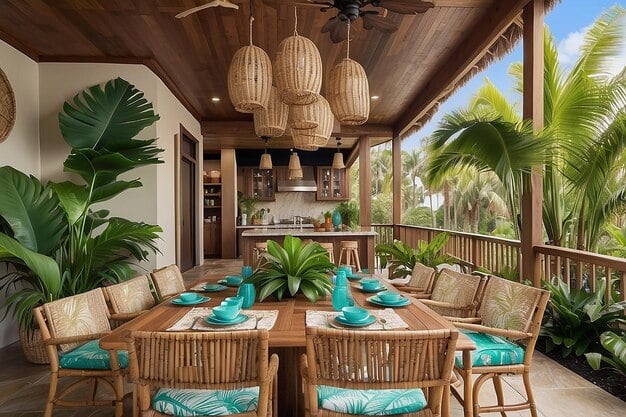
There is something undeniably magical about dining outdoors. Whether it’s a sunny brunch with family, a lazy afternoon barbecue, or a sophisticated dinner party under the stars, fresh air seems to make food taste better and conversation flow more freely. However, creating an outdoor space that is both functional and beautiful requires more than just dragging a table onto the patio. To truly elevate your experience, you need to curate an environment that rivals the comfort and style of your indoor dining room.
Transforming your backyard into an alfresco haven is about balancing aesthetics with practicality. You want a space that invites you to linger long after the meal is finished, yet is durable enough to withstand the elements. From choosing the right furniture to mastering the lighting, here are eight essential tips for designing the ultimate alfresco dining area.
1. Choose the Perfect Location
Before you purchase a single piece of furniture, consider the layout of your outdoor space. The ideal location for a dining area is usually close to the house, specifically near the indoor kitchen. This minimizes the distance you have to travel when carrying heavy platters of food, tableware, and drinks. If your yard allows, consider a spot that offers a mix of sun and shade or a pleasant view of the garden. Creating a seamless flow between indoor and outdoor living areas often involves using sliding glass doors or bi-fold doors that open the dining room directly onto the deck or patio.

2. Invest in High-Quality, Weather-Resistant Furniture
Durability is key when selecting outdoor furnishings. Your table and chairs will be exposed to sun, rain, and wind, so materials must be robust. Teak is a popular choice because it naturally repels water and resists rot, aging beautifully into a silvery-gray patina over time. Powder-coated aluminum is another excellent option; it is lightweight, rust-resistant, and modern. For seating, look for cushions made from high-performance outdoor fabrics that are fade-resistant and easy to clean. Comfort is paramount—if the chairs aren’t comfortable, your guests won’t want to stay seated for long.
3. Layer Your Lighting for Ambience
Lighting can make or break the atmosphere of your alfresco area. Once the sun goes down, you want a warm, inviting glow rather than harsh, bright floodlights. Adopt a layered approach similar to indoor lighting design. Start with overhead lighting, such as a statement pendant light weatherproofed for outdoors, hung from a pergola. Add ambient lighting with string lights draped across the ceiling or wrapped around trees to create a starry effect. Finally, use lanterns with LED candles or table lamps to provide soft, intimate task lighting on the dining surface itself.
4. Prioritize Shade and Shelter
To maximize the usability of your dining area, you must protect it from the elements. A blazing sun can make lunch unbearable, while an unexpected drizzle can ruin a dinner party. Permanent structures like pergolas or covered patios offer the best protection and help define the “room” within your garden. If a permanent structure isn’t feasible, high-quality cantilever umbrellas or retractable awnings offer flexibility, allowing you to chase the sun or hide from it as needed. Natural shade from large trees is also invaluable, providing a cooling canopy that lowers the ambient temperature.
5. Incorporate Heating for Year-Round Use
Don’t let the drop in temperature signal the end of alfresco season. Extending the usability of your outdoor space into the cooler months is easily achieved with the right heating solutions. Portable gas patio heaters are effective and easy to move, while electric strip heaters mounted on ceilings or walls provide efficient, directional heat. For a cozier, more rustic vibe, a fire pit or chiminea creates a natural gathering point. The flickering flames add a primal element of comfort that encourages guests to relax and stay warm well into the night.
6. Soften the Hardscapes with Greenery
Patio pavers and decking can feel stark without the softness of nature. Integrating plants into your dining area connects the space to the rest of the garden and creates a sense of enclosure and privacy. Use large potted plants to define the corners of the dining zone or create a green screen to block out neighbors. fragrant herbs like rosemary, basil, or jasmine not only smell wonderful but can also be used as fresh garnishes for your meals. Vertical gardens or trellis climbers are excellent for adding lushness to small spaces without taking up valuable floor area.
7. Create a Dedicated Cooking Zone
The ultimate alfresco experience bridges the gap between cooking and dining. If budget and space allow, an outdoor kitchen prevents the host from being stuck inside while guests enjoy the outdoors. This doesn’t necessarily mean a full stainless-steel setup; even a well-positioned BBQ grill with a dedicated prep table can suffice. Ensure you have ample counter space for plating up food and storage for grilling tools. Keeping a small outdoor fridge or beverage cooler nearby also keeps drinks cold and accessible, reducing foot traffic back into the house.

8. Consider Water Features for Tranquility
Sound plays a huge role in the ambiance of a space. The gentle sound of trickling water can mask traffic noise and create a serene, spa-like atmosphere. Whether it’s a small fountain, a pond, or a swimming pool, water adds a visual and auditory layer of relaxation. When integrating larger water elements like pools into your landscape design, it is crucial to consult with professionals who understand the local terrain and climate. For instance, many pool companies in Utah recommend designing the pool deck to transition naturally into the dining area, ensuring safety and aesthetic harmony. A well-placed water feature reflects light at night and adds a touch of luxury to your dining experience.
Conclusion
Creating an outdoor dining space is about extending your home’s footprint and embracing a lifestyle that values fresh air and good company. By thoughtfully considering layout, comfort, and ambiance, you can build a sanctuary that serves as the backdrop for countless memorable meals. Whether you are hosting a festive gathering or enjoying a quiet morning coffee, a well-designed alfresco area enriches your daily life and connects you with the natural world right outside your back door.