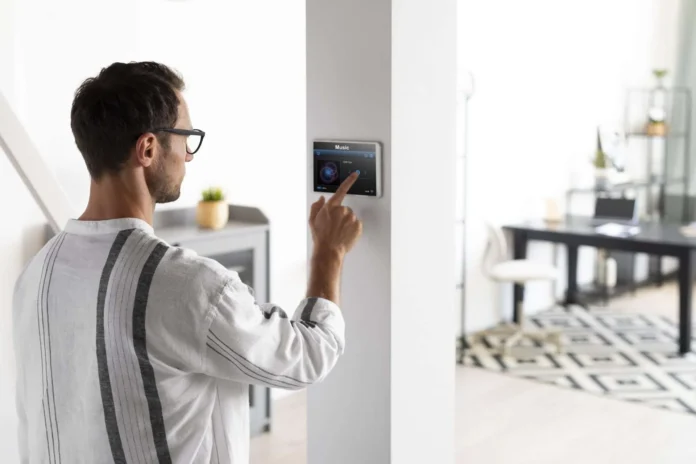
The concept of the “smart home” has evolved rapidly from a luxury novelty to a standard expectation for modern living. We now rely on interconnected devices for everything from security and climate control to entertainment and lighting. However, simply buying the latest voice assistant or video doorbell isn’t enough to create a truly seamless ecosystem. The backbone of any functional smart home is not the gadgets themselves, but the electrical infrastructure hidden behind the walls.

Many older homes—and even some standard new builds—are not equipped to handle the complex demands of modern automation. Without the correct wiring and power foundations, homeowners often encounter connectivity issues, flickering lights, or even safety hazards. If you are planning to modernize your living space, here are seven essential electrical upgrades to consider for a robust and reliable smart home system.
1. Neutral Wire Installation at Switch Locations
One of the most common hurdles homeowners face when installing smart lighting is the absence of a neutral wire in the switch box. In traditional electrical setups, a light switch is a simple loop that cuts or connects power to the light fixture. It didn’t need a continuous power supply itself.

Smart switches, however, are different. They contain radios (like Z-Wave, Zigbee, or WiFi) that need to stay powered on to receive signals from your hub or phone, even when the light is turned off. Without a neutral wire to complete the circuit and provide that constant trickle of power, smart switches often cannot function without complex workarounds. Ensuring neutral wires are present at every switch location is perhaps the most fundamental upgrade for home automation.
2. Deep Junction Boxes
If you have ever tried to cram a bulky smart dimmer into a standard electrical box, you know the struggle. Smart devices contain sophisticated electronics—relays, antennas, and circuit boards—that make them significantly larger than standard “dumb” switches.
Standard junction boxes in many homes are shallow and quickly become overcrowded with wires and wire nuts. This overcrowding can lead to overheating and makes installation difficult or dangerous. Upgrading to extra-deep junction boxes provides the necessary physical space to accommodate larger smart devices safely, ensuring that wires aren’t crushed and that heat can dissipate effectively.
3. Dedicated Circuits for Sensitive Electronics
As we add more high-tech equipment to our homes, the load on our electrical circuits increases. High-draw devices or sensitive electronics, such as server racks for home media, high-end gaming PCs, or extensive PoE (Power over Ethernet) camera systems, should ideally be placed on dedicated circuits.
Sharing a circuit with appliances that cycle on and off, like refrigerators or vacuum cleaners, can introduce “noise” or voltage fluctuations that may disrupt sensitive smart hubs or processors. By isolating these critical components on their own breakers, you ensure a cleaner, more stable power supply, reducing the risk of data corruption or hardware failure.
4. Structured Cabling and Hardwired Data Points
While WiFi is convenient, it is not always the most stable solution for a fully automated home. Wireless signals can be disrupted by walls, interference from neighbors, or simply too many devices competing for bandwidth. The “Gold Standard” for smart home infrastructure is structured cabling.

Running Cat6 or Cat6a ethernet cables to key locations—such as behind TVs, to wireless access points (WAPs) in the ceiling, and to desktop workstations—offloads traffic from your WiFi network. This creates a “highway” for high-bandwidth data, leaving the wireless “roads” clear for portable devices like phones and tablets. Hardwiring ensures your 4K streaming and video conferencing remain lag-free.
5. Local Code Compliance and Specialized Wiring
Electrical needs vary significantly depending on the age of the home and regional building standards. What works for a generic setup might not meet the specific load requirements of a fully integrated system in your specific area.
For example, rapid residential growth in certain regions has led to stricter enforcement of energy codes and safety standards regarding automation. When planning your project, it is essential to consider the local context. Whether you are retrofitting a basement or building from scratch, ensuring your plans meet the specific standards for smart home electrical wiring in Herriman will save you from costly revisions and safety inspections down the road.
6. Whole-Home Surge Protection
Smart appliances are essentially computers. Your smart fridge, washer, oven, and lighting control systems all contain printed circuit boards that are highly vulnerable to power surges. These surges can come from lightning strikes, but more commonly, they originate internally from large appliances cycling on and off or from grid fluctuations.
A whole-home surge protector is installed directly at the main electrical panel. It acts as a gatekeeper, diverting excess voltage into the ground before it can travel through your home’s wiring and fry expensive electronics. Considering the cumulative cost of smart appliances, this device offers vital insurance for a relatively low cost.
7. Smart Electrical Panels
The ultimate upgrade for the modern era is the smart electrical panel. Traditional breaker boxes have remained largely unchanged for decades, but smart panels bring energy management into the 21st century.
These advanced panels allow you to monitor energy consumption circuit by circuit directly from a smartphone app. You can see exactly how much power your HVAC or EV charger is using in real-time. Furthermore, they offer remote control capabilities, allowing you to shut off non-essential circuits if you are away or if the system detects an anomaly. This level of insight empowers homeowners to make data-driven decisions to lower their energy bills and carbon footprint.
Creating a responsive and reliable smart home requires looking beyond the gadgets and focusing on the foundation. By prioritizing infrastructure upgrades like neutral wires, structured cabling, and surge protection, you ensure that your home automation system is safe, stable, and ready for the future. Investing in the right wiring today prevents headaches tomorrow, allowing your technology to seamlessly enhance your lifestyle rather than complicate it.